


O Padrão Ybera de Brilho Impecável

Como saber se seu cabelo está danificado e precisa de cuidados
Aprenda a identificar se seu cabelo está danificado, o que causa o dano e como repará-lo com soluções científicas da Ybera, líder em cuidados capilares no Brasil.
Principais pontos:
- Detecção de danos: O cabelo pode estar danificado mesmo sem quebrar visivelmente, especialmente quando a elasticidade, o equilíbrio de umidade ou a textura são comprometidos.
- Prioridade de reparo: Antes de qualquer tratamento de alisamento ou queratina, o cabelo deve ser restaurado com reparo direcionado usando shampoos, máscaras e condicionadores compatíveis.
- Precisão do produto: As coleções da Ybera são desenvolvidas para se adequar ao nível de dano e ao tipo de cabelo, combinando inovação brasileira com desempenho profissional de salão.
O cabelo danificado nem sempre se manifesta de formas óbvias. Pode não estar quebrando ou caindo, mas algo ainda parece errado, seus fios não retêm umidade, seus penteados favoritos não duram e sua textura perdeu o balanço ou o brilho. Para muitas pessoas, esses sinais sutis surgem lentamente até que sua rotina pare de funcionar completamente. Isso porque o cabelo danificado se comporta de forma diferente, e reconhecer o problema precocemente pode ajudar a restaurá-lo antes que se torne mais difícil de gerenciar.
Na Ybera, entendemos o dano em um nível mais profundo. Nossas fórmulas nascem da rica tradição brasileira de ciência capilar avançada, impulsionadas por tecnologias inovadoras que reparam o cabelo de dentro para fora. Fomos os primeiros a desenvolver tratamentos de queratina sem formol há quase 20 anos, e hoje, nossas coleções continuam a liderar com segurança, precisão e desempenho real, tanto para cabeleireiros quanto para usuários diários. Não seguimos tendências. Criamos soluções que estabelecem novos padrões na transformação capilar.
Neste artigo, discutiremos como saber se seu cabelo está danificado, quais sinais procurar e o que fazer para restaurá-lo usando as estratégias de cuidado mais eficazes disponíveis.
Os Sinais Mais Reveladores de Cabelo Danificado
Reconhecer os sinais mais reveladores de cabelo danificado é um passo importante antes de iniciar qualquer rotina de reparo. Quando essas mudanças se tornam frequentes ou persistentes, muitas pessoas começam a questionar como saber se o cabelo está danificado ou simplesmente seco. Esses indicadores podem se sobrepor, mas cada um revela informações valiosas sobre o tipo e a gravidade do dano que seu cabelo está sofrendo.
Pontas Duplas Que Continuam Voltando
As pontas duplas são um dos indicadores mais visíveis de cabelo danificado. Elas ocorrem quando a camada protetora da cutícula se erode, fazendo com que o córtex interno se desfie. Se o seu cabelo constantemente racha, não importa com que frequência você o corte, um dano estrutural mais profundo pode estar presente.
Embaraça e Forma Nós Com Muita Facilidade
Cabelos secos, porosos ou com textura irregular tendem a se enroscar. Você pode notar que seus fios se emaranham com mais frequência, especialmente após a lavagem ou durante a estilização. Este é um efeito colateral comum do dano da cutícula e da aspereza da superfície.
Falta de Vida ou Perda Repentina de Volume
Quando o cabelo fica excessivamente processado ou despojado de nutrientes essenciais, ele pode perder seu volume natural. O cabelo danificado pode ficar sem vida ou difícil de estilizar, mesmo com produtos volumizadores. Isso é frequentemente um sinal de perda de proteína ou fadiga interna da fibra.
A Cor Desbota Rapidamente ou Parece Irregular
Se a cor do seu cabelo desbota incomumente rápido ou absorve a tinta de forma irregular, ele pode estar excessivamente poroso. O dano abre a camada da cutícula, tornando mais difícil para os pigmentos permanecerem fixos. Isso pode resultar em manchas, tons opacos ou na necessidade de retoques mais frequentes.
Frizz Que Não Responde a Produtos Hidratantes
O frizz persistente, mesmo após o uso de tratamentos hidratantes, pode indicar que seu cabelo está muito danificado para reter a umidade. A cutícula pode estar tão comprometida que a hidratação escapa imediatamente, deixando seu cabelo incontrolável, independentemente do uso do produto.

O que Causa um Folículo Capilar Danificado
Os danos não afetam apenas as partes visíveis do seu cabelo. No nível da raiz, um folículo capilar danificado pode interromper o crescimento, a densidade e a saúde a longo prazo. Compreender o que causa esse tipo de dano interno é fundamental para escolher a estratégia de tratamento correta:
Exposição Química e Processamento Excessivo
O uso repetido de produtos químicos agressivos, incluindo descolorantes, tinturas permanentes e relaxantes, pode comprometer a integridade do folículo. Essas substâncias podem inflamar ou enfraquecer o folículo, levando a fios mais finos, crescimento mais lento e, em alguns casos, queda de cabelo.
Penteados Apertados e Estresse Mecânico
A tensão constante de penteados como tranças, rabos de cavalo ou extensões exerce pressão sobre o folículo. Com o tempo, essa tensão pode causar inflamação ou alopecia por tração, onde o folículo é danificado e para de produzir cabelo.
Dano Térmico de Ferramentas de Estilização
O uso frequente de ferramentas de alta temperatura sem proteção adequada pode prejudicar tanto o fio quanto o folículo. A exposição prolongada a chapinhas ou modeladores de cachos pode ressecar o couro cabeludo e superaquecer o folículo, reduzindo sua capacidade de produzir cabelo saudável.
Má Saúde do Couro Cabeludo e Acúmulo de Produtos
Um couro cabeludo congestionado ou inflamado interrompe a função folicular. O acúmulo de produtos de baixa qualidade ou lavagens infrequentes pode sufocar o folículo, impedindo que os nutrientes cheguem à raiz e, consequentemente, impedindo o crescimento saudável.
Desequilíbrios Hormonais ou Condições Médicas
Condições como distúrbios da tireoide ou alterações hormonais podem afetar diretamente o comportamento do folículo. Nesses casos, o dano é interno e sistêmico, muitas vezes exigindo uma combinação de intervenções médicas e tópicas para apoiar a recuperação.
Como Iniciar uma Rotina Eficaz de Reparo Capilar Danificado
Uma rotina eficaz de reparo capilar danificado começa com a identificação do seu nível de dano e, em seguida, restaurando o equilíbrio por meio de cuidados direcionados. O reparo não se trata apenas de maciez temporária, mas de reconstruir a estrutura do cabelo e protegê-lo a longo prazo. Veja como abordá-lo:
Limpe Delicadamente com um Shampoo Reconstrutor
Usar o shampoo certo para cabelo danificado é crucial. Um limpador agressivo pode ressecar ainda mais o cabelo, enquanto um shampoo reconstrutor biocompatível como a fórmula MirraCura da Ybera ajuda a desintoxicar o couro cabeludo sem perturbar seu equilíbrio natural. Essa base suave prepara o cabelo para absorver melhor os tratamentos restauradores.
Reconstrua com Tratamentos Intensivos de Máscara
Um fio profundamente danificado requer mais do que um condicionamento superficial. Usar uma máscara capilar para cabelos danificados duas a três vezes por semana infunde a fibra interna com lipídios e proteínas essenciais. A máscara Terra Coco da Ybera, alimentada por ativos à base de coco, oferece hidratação isotônica que imita o equilíbrio de água do próprio corpo.
Seale e Fortaleça com Condicionadores de Qualidade Profissional
Para proteger o cabelo entre os tratamentos de máscara, um condicionador para cabelo danificado deve fazer parte da sua rotina regular. A Máscara MirraCura da Ybera usa uma rica mistura de nível profissional para suavizar e selar as cutículas elevadas, reduzindo a perda futura de umidade e o frizz.
Use um Óleo Leve para Reparo Diário
A nutrição diária mantém a barreira capilar forte. Um óleo biocompatível, como o Óleo de Reparo Capilar de Mirra da Ybera, ajuda a reforçar a camada protetora enquanto adiciona brilho e maciez. Quando aplicado com moderação, ele apoia a recuperação de danos sem pesar o cabelo. Se você procura fortalecer fios frágeis entre os tratamentos, um óleo capilar para cabelos danificados como este é uma adição inteligente à sua rotina.
Trate os Danos Antes de Iniciar o Alisamento com Queratina
Antes de aplicar um tratamento de alisamento, o cabelo deve estar saudável o suficiente para recebê-lo. O sistema Cronograma da Ybera é ideal para danos moderados, enquanto a coleção MirraCura é projetada para reconstrução profunda e intensiva. Somente depois que o cabelo estiver fortificado você deve passar para uma fase de queratina, como o Fashion Gold, para resultados duradouros.

Melhores Produtos Capilares para Cabelos Danificados da Ybera
Na Ybera, reparar cabelos danificados nunca é uma solução única para todos. Projetamos cada fórmula com precisão de nível profissional e ingredientes biocompatíveis que funcionam em harmonia com a estrutura natural do cabelo. Seja para reconstruir a força, restaurar o brilho ou preparar para um tratamento de queratina, nossas coleções entregam resultados que você pode ver e sentir:
Terra Coco: Hidratação Profunda com Nutrição à Base de Coco
A coleção Terra Coco é desenvolvida para uma recuperação intensa. Com tecnologia de hidratação isotônica, repõe a umidade e nutrientes essenciais enquanto acalma o couro cabeludo. Para quem tem fios quebradiços ou excessivamente processados, esta é a base para a transformação. Inclui um tratamento capilar para cabelos danificados que nutre da raiz à fibra usando ativos de coco e óleos botânicos.
MirraCura: Restauração Científica para Danos Avançados
Para danos extremos, a linha MirraCura oferece uma abordagem clínica de reparo. Suas fórmulas direcionadas, incluindo shampoo, condicionador e máscara, reconstroem ligações enfraquecidas e fortalecem o cabelo contra futuros estresses. Se o seu cabelo não está mais respondendo às rotinas de cuidados tradicionais, esta coleção fornece o cuidado intensivo necessário para reiniciar e revitalizar.
Cronograma: Um Sistema de Recuperação Estruturado com Benefícios Duradouros
A coleção Cronograma da Ybera é ideal para danos moderados a altos. O protocolo de três fases foca em hidratação, nutrição e reconstrução, ajudando a restaurar a elasticidade e a força ao longo do tempo. Também combina perfeitamente com tratamentos de alisamento, preparando a estrutura interna do cabelo para a ligação da queratina.
Fashion Gold: Perfeição da Queratina que Segue o Reparo
Depois que o cabelo é restaurado e saudável o suficiente para tratamentos ativados por calor, o Fashion Gold da Ybera é a solução de queratina ideal. É o sistema de queratina sem formol número um do Brasil, oferecendo até seis meses de cabelo mais liso e gerenciável. Projetado para todos os tipos de cabelo, ele é ativado com o calor da chapinha e é seguro para uso doméstico quando aplicado com cuidado.
A Coleção Definitiva para Cabelos Opacos e Danificados
Se você não sabe por onde começar, explore nossa linha completa de fórmulas curadas através da nossa coleção de melhores produtos capilares para cabelos danificados. De óleos e máscaras a shampoos e tratamentos de queratina, cada produto é feito para trazer resultados profissionais ao seu ritual diário.

Considerações Finais
Os danos capilares podem se manifestar de muitas formas, mas não precisam ser permanentes. Com a estratégia certa, baseada na ciência, até os fios mais comprometidos podem recuperar força, maciez e vitalidade. A Ybera oferece um caminho claro e profissional para a renovação, construído sobre décadas de inovação enraizada na expertise brasileira em cuidados capilares.
Cada passo da sua recuperação importa. Desde a seleção de um shampoo biocompatível até a incorporação de tratamentos direcionados, a rotina deve apoiar toda a estrutura capilar, do folículo à fibra. O reparo não se trata apenas de gerenciar a aparência; trata-se também de manter o bem-estar geral. Trata-se de restaurar a saúde.
Ao começar com o quiz capilar, você obtém informações personalizadas para suas necessidades. Assim que seu cabelo estiver pronto, o Tratamento de Queratina Fashion Gold da Ybera proporciona suavidade, maleabilidade e transformação de nível de salão duradouras, direto de casa.
Leia também:
- Melhor Rotina de Cuidados com o Cabelo para Todos os Tipos de Cabelo em 2025
- Ácido Hialurônico para o Cabelo: Benefícios e Como Usar
- O Que Causa o Frizz no Cabelo? 10 Causas Comuns e Como Resolvê-las
Perguntas Frequentes Sobre Como Saber Se Seu Cabelo Está Danificado
Cabelo danificado ainda pode crescer?
Sim, o cabelo danificado ainda pode crescer, mas a quebra pode superar o crescimento se as pontas estiverem fracas ou duplas. Manter as pontas saudáveis com cortes e cuidados adequados de hidratação é essencial para a retenção visível do comprimento.
Secar ao ar livre previne danos ao cabelo?
Secar ao ar livre é geralmente mais suave do que secar com secador, mas deixar o cabelo molhado por muito tempo pode enfraquecer a cutícula. Seque com uma toalha de microfibra e aplique produtos protetores para equilibrar a hidratação e a força.
Uma dieta pobre pode causar danos ao cabelo?
Sim, deficiências nutricionais, especialmente em proteínas, ferro e biotina, podem enfraquecer os fios de cabelo de dentro para fora. Uma dieta equilibrada apoia o cabelo forte e resiliente a partir do nível do folículo.
Água dura e cloro contribuem para o dano?
Depósitos minerais em água dura e a exposição ao cloro de piscinas podem ressecar o cabelo e perturbar sua barreira natural. Usar um shampoo ou tratamento clarificante semanalmente pode ajudar a reduzir o acúmulo.
É ruim escovar o cabelo molhado se ele estiver danificado?
Escovar o cabelo molhado e danificado pode aumentar a quebra. Use um pente de dentes largos e desembarace suavemente das pontas para cima enquanto o cabelo estiver úmido e condicionado.
Penteados protetores ainda podem causar danos?
Sim, se usados muito apertados ou com muita frequência sem pausas, os penteados protetores podem estressar o couro cabeludo e enfraquecer os folículos. Gire os penteados regularmente e mantenha o couro cabeludo hidratado.
Com que frequência devo cortar se meu cabelo estiver danificado?
Um corte a cada 6 a 8 semanas ajuda a remover pontas duplas e prevenir que a quebra suba pelo fio. Cortes regulares mantêm a forma e melhoram a maleabilidade geral.
Fontes:
- Fernandes, C., Medronho, B., Alves, L., & Rasteiro, M. G. (2023). On hair care physicochemistry: From structure and degradation to novel biobased conditioning agents. Polymers, 15(3), 608. https://doi.org/10.3390/polym15030608
- He, Y., Cao, Y., Nie, B., & Wang, J. (2023). Mechanisms of impairment in hair and scalp induced by hair dyeing and perming and potential interventions. Frontiers in Medicine, 10, Article 1139607. https://doi.org/10.3389/fmed.2023.1139607
- Liu, Y., Liu, J., & Xiao, J. (2023). Enzymatic crosslinking of amino acids improves the repair effect of keratin on hair fibre. Polymers, 15(9), 2210. https://doi.org/10.3390/polym15092210

O Que É Um Tratamento De Queratina? Benefícios, Processo E Resultados Explicados
O que é um tratamento de queratina? Saiba como funciona, quanto tempo dura e como ter cabelos mais lisos e saudáveis com opções profissionais ou caseiras.
Principais pontos:
- Visão geral do processo: Um tratamento de queratina infunde o cabelo com proteína e o sela com calor para reduzir o frizz e aumentar o brilho.
- Compromisso de tempo: Os tratamentos geralmente duram de 90 minutos a 3 horas e podem durar até 12 semanas com os devidos cuidados.
- Alternativa em casa: A Ybera oferece kits de queratina de nível de salão que são seguros e eficazes para uso doméstico, com configuração mínima.
O que é um tratamento de queratina?
Um tratamento de queratina é um processo profissional de alisamento e suavização que infunde o cabelo com queratina, uma proteína protetora encontrada naturalmente no cabelo, pele e unhas. Com o tempo, o cabelo pode perder queratina devido ao uso de ferramentas de calor, coloração e exposição ambiental. Um tratamento de queratina funciona repondo a proteína perdida, criando um acabamento elegante, brilhante e sem frizz.
Os tratamentos de queratina são especialmente populares entre pessoas com cabelos ondulados, cacheados ou com tendência ao frizz que desejam fios mais lisos sem perder completamente o volume ou movimento natural. Não é uma solução de alisamento permanente, mas é duradoura e personalizável com base no seu tipo de cabelo e objetivos.
Existem diferentes tipos de tratamentos de queratina disponíveis, desde serviços exclusivos de salão até opções de tratamento de queratina em casa, como o Kit Fashion Gold da Ybera, projetado para conveniência sem comprometer os resultados.
Como funciona um tratamento de queratina capilar?
O processo de um tratamento de queratina capilar começa com a limpeza do cabelo para remover qualquer resíduo ou acúmulo. Essa etapa garante que a cutícula esteja aberta e pronta para absorver a fórmula de queratina. Uma vez que o cabelo está limpo e seco com toalha, o produto de tratamento é aplicado seção por seção, cobrindo cada fio com uma mistura especializada de queratina.
Após a aplicação, o cabelo é seco com secador e alisado com chapinha em uma temperatura específica para selar a queratina no eixo capilar. O calor ativa a fórmula, ajudando a reestruturar a textura do cabelo e fixando a suavidade e o brilho.
Todo o processo pode levar algumas horas, dependendo do comprimento, espessura do seu cabelo e do tipo de tratamento utilizado. O resultado é um cabelo mais liso, reto e fácil de manusear que pode durar semanas com os devidos cuidados. Para aqueles que procuram uma opção conveniente, a Ybera oferece um tratamento de queratina DIY que leva a experiência do salão para casa sem o incômodo.

Benefícios dos tratamentos de queratina
Os tratamentos de queratina oferecem uma série de benefícios que vão além do styling temporário. Ao restaurar a proteína natural do seu cabelo, eles ajudam a melhorar a aparência e a saúde dos seus fios.
Cabelos mais lisos e sem frizz
Os tratamentos de queratina reduzem significativamente o frizz ao selar a cutícula capilar, tornando o cabelo mais resistente à umidade. O resultado é um cabelo com aparência polida e que permanece maleável mesmo em climas desafiadores.
Brilho e maciez aprimorados
A queratina suaviza a superfície de cada fio, o que realça o brilho e cria um acabamento sedoso e macio ao toque. Cabelos opacos e secos geralmente parecem instantaneamente revitalizados após o tratamento.
Facilidade no styling
Como o cabelo fica mais liso e reto, o styling se torna mais rápido e exige menos calor. Muitas pessoas percebem que podem secar ao ar ou gastar menos tempo com chapinhas e secadores após o tratamento.
Resultados duradouros
Com os devidos cuidados, um tratamento de alisamento com queratina pode durar várias semanas ou até três meses. Usar shampoos sem sulfato e minimizar os danos causados pelo calor pode ajudar a prolongar os efeitos.
Versatilidade em todos os tipos de cabelo
Seja qual for o seu tipo de cabelo – ondulado, cacheado ou quimicamente tratado –, há uma solução de queratina para você. Os kits de tratamento capilar de queratina para fazer em casa da Ybera são projetados para se adaptar a diferentes texturas capilares, oferecendo resultados de nível profissional.
O tratamento de queratina danifica o cabelo?
Os tratamentos de queratina são frequentemente mal interpretados quando o assunto é a saúde capilar. A verdade é que, quando feitos corretamente e com produtos de alta qualidade, os tratamentos de queratina não danificam o cabelo. Na verdade, eles podem ajudar a restaurar o cabelo repondo a proteína perdida, reduzindo a quebra e melhorando a maleabilidade geral.
O dano geralmente está associado a tratamentos que contêm produtos químicos agressivos ou técnicas de aplicação inadequadas. Algumas fórmulas mais antigas incluíam formaldeído, o que levantou preocupações de segurança. No entanto, muitas fórmulas modernas, incluindo as da Ybera, são desenvolvidas sem ingredientes agressivos e são seguras quando usadas conforme as instruções. Outro fator chave é o calor. A chapinha na temperatura certa é essencial para selar o tratamento, mas o calor excessivo ou uma técnica inadequada podem causar danos ao longo do tempo. É por isso que escolher uma marca confiável e seguir as instruções de perto, especialmente para kits de tratamento de alisamento em casa, é fundamental.
Quando aplicados corretamente, os tratamentos de queratina podem, na verdade, melhorar a condição do seu cabelo e torná-lo mais resistente ao desgaste diário.
Quanto tempo dura um tratamento de queratina?
O tempo total necessário para um tratamento de queratina depende de vários fatores, incluindo o comprimento, espessura e textura do seu cabelo, bem como o produto específico que está sendo usado. Em média, um tratamento completo de queratina leva de 90 minutos a três horas.
O processo começa com a lavagem do cabelo usando um shampoo purificante para remover o acúmulo e preparar a cutícula. Após secar com a toalha, a solução de queratina é aplicada uniformemente e deixada para agir por um curto período. O cabelo é então seco com secador e alisado com chapinha para selar o tratamento. Cada uma dessas etapas exige atenção aos detalhes para garantir resultados duradouros e suaves.
Os tratamentos profissionais de salão podem levar mais tempo devido à precisão e a várias etapas do produto. No entanto, se você estiver usando um tratamento de queratina em casa, como o Kit Fashion Gold da Ybera, o processo pode ser concluído em menos tempo com resultados igualmente impressionantes.
Quanto tempo dura um tratamento de queratina?
A duração de um tratamento de queratina depende do seu tipo de cabelo, rotina de cuidados pós-tratamento e do produto específico utilizado. Em média, os resultados podem durar de seis a doze semanas. Para alguns, especialmente aqueles que seguem as etapas de manutenção recomendadas, a suavidade e o brilho podem durar ainda mais.
Para manter os resultados, é importante usar shampoos e condicionadores sem sulfato. Evitar o uso excessivo de calor, cloro e água salgada também ajuda a prolongar os efeitos. Muitas pessoas percebem que seus cabelos permanecem mais maleáveis e sem frizz muito tempo depois que o tratamento se desvaneceu.
Os sistemas de alisamento de queratina da Ybera são formulados para fornecer resultados duradouros sem produtos químicos agressivos. Se você deseja refrescar seu cabelo entre os tratamentos, um tratamento de alisamento com queratina como o Kit Combo Fashion Gold pode ajudar a manter a suavidade sem repetir o processo completo.
Tratamento de queratina em casa vs. salão
A escolha entre um tratamento de queratina em casa e um serviço de salão depende de seus objetivos capilares, orçamento e nível de conforto em aplicar tratamentos por conta própria.
Os tratamentos de queratina em salão são geralmente realizados por profissionais treinados usando formulações e equipamentos avançados. Esses tratamentos costumam incluir etapas extras para uma penetração mais profunda e resultados mais duradouros. Eles são ideais se você deseja uma experiência totalmente personalizada e não se importa em passar algumas horas na cadeira.
Os tratamentos de queratina em casa, por outro lado, oferecem conveniência e flexibilidade. Kits como o tratamento de queratina em casa da Ybera fornecem resultados de nível profissional com instruções fáceis de seguir. Você pode concluir o tratamento em seu próprio espaço e em seu próprio horário, sem comprometer a qualidade.
Embora os tratamentos de salão possam durar um pouco mais devido à aplicação profissional, os resultados de um tratamento de queratina DIY de alta qualidade podem ser igualmente impressionantes com os devidos cuidados.
Explore as soluções de queratina em casa da Ybera
A Ybera oferece uma linha selecionada de tratamentos de queratina para uso doméstico, projetados para trazer resultados de salão para sua rotina diária. Seja para reduzir o frizz, adicionar brilho ou alisar o cabelo com mais facilidade, os sistemas de queratina da Ybera proporcionam resultados profissionais com aplicação simplificada.
O Kit Selante Fashion Gold é ideal para quem está começando a usar tratamentos de queratina. Ele alisa e suaviza o cabelo, protegendo-o da umidade e dos danos causados pelo calor. Para uma solução mais completa, o Kit Combo Fashion Gold com Spray Protect Control oferece controle e brilho aprimorados com um sistema fácil de usar que se adapta à maioria dos tipos de cabelo.
Se você busca uma experiência de salão em casa, o Tratamento de Queratina Brasileira oferece efeitos de alisamento profundo e resultados duradouros, ideal para quem tem cabelos com muita textura ou tendência ao frizz. Os tratamentos caseiros da Ybera permitem que você tenha cabelos mais saudáveis e lisos do seu jeito, usando fórmulas seguras e eficazes, confiadas por profissionais em todo o mundo.
Quem deve considerar um tratamento de queratina?
Os tratamentos de queratina não são apenas para pessoas com cabelos cacheados ou crespos. Eles são uma ótima opção para qualquer pessoa que busca melhorar a textura, reduzir o tempo de styling ou proteger o cabelo da umidade e dos danos causados pelo calor.
Se o seu cabelo está danificado por tratamentos químicos, excesso de styling ou estresse ambiental, um tratamento de queratina pode ajudar a reforçar o eixo do cabelo e restaurar a maciez e o brilho. Também é adequado para cabelos coloridos ou com mechas, pois pode realçar a vivacidade e reduzir o desbotamento.
Aqueles com cabelos grossos, grossos ou difíceis de manusear geralmente veem as melhorias mais dramáticas. No entanto, mesmo indivíduos com cabelos finos ou ondulados podem se beneficiar de uma aplicação mais leve projetada para suavizar sem achatar. Se você deseja alisar, suavizar ou simplesmente controlar sua textura natural, um tratamento de queratina oferece resultados personalizáveis com base em suas necessidades.

Considerações Finais
Os tratamentos de queratina tornaram-se uma solução indispensável para quem busca cabelos mais lisos, brilhantes e fáceis de pentear. Quer você esteja lutando contra o frizz diário ou apenas queira diminuir seu tempo de styling, esses tratamentos oferecem benefícios tanto cosméticos quanto restauradores.
Desde serviços de salão até tratamentos de queratina em casa seguros e eficazes, as opções estão mais acessíveis do que nunca. As fórmulas profissionais da Ybera são projetadas para se integrar perfeitamente à sua rotina, dando a você controle sobre como cuidar do seu cabelo. Com o tratamento certo e a manutenção adequada, você pode desfrutar de semanas de cabelo liso e saudável, sem comprometer.
Leia também:
- O que é Shampoo de Queratina? Benefícios, Ingredientes e Melhores Dicas de Uso
- Melhor Rotina de Cuidados com o Cabelo para Todos os Tipos de Cabelo em 2025
- Óleo para Crescimento Capilar Explicado: Como Funciona e O Que Procurar
Perguntas Frequentes Sobre Nossos Tratamentos de Queratina
Posso lavar o cabelo logo após um tratamento de queratina?
Geralmente, recomenda-se esperar pelo menos de 48 a 72 horas antes de lavar o cabelo após um tratamento de queratina. Isso dá ao produto tempo suficiente para se ligar completamente ao seu cabelo.
O tratamento de queratina é adequado para cabelos coloridos?
Sim, os tratamentos de queratina podem, na verdade, ajudar cabelos coloridos, selando a umidade e reduzindo a porosidade, o que faz com que a cor pareça mais vibrante e dure mais.
Qual shampoo deve ser usado após um tratamento de queratina?
Sempre use um shampoo sem sulfato para manter os efeitos do tratamento. Os sulfatos podem remover a camada de queratina do seu cabelo, diminuindo sua vida útil.
O tratamento de queratina pode ser usado em cabelos cacheados sem alisá-los completamente?
Sim, a queratina pode ser ajustada para suavizar cachos sem alisá-los completamente. Você pode manter a definição dos cachos enquanto reduz o frizz e o volume.
O tratamento de queratina funciona em cabelos finos ou ralos?
Os tratamentos de queratina podem beneficiar cabelos finos, reduzindo o frizz e melhorando a textura, mas formulações ou configurações de calor excessivamente agressivas devem ser evitadas para não pesar o cabelo.
Com que frequência posso fazer um tratamento de queratina?
A maioria dos tratamentos de queratina pode ser repetida a cada três ou quatro meses. Exagerar pode causar acúmulo ou fazer o cabelo parecer pesado.
Nadar afetará meu tratamento de queratina?
Sim, cloro e água salgada podem enfraquecer os efeitos da queratina. Use um produto leave-in protetor ou touca de natação se você planeja nadar com frequência após o tratamento.
É seguro amarrar ou prender o cabelo após um tratamento de queratina?
Evite amarrar ou prender o cabelo nos primeiros três dias após o tratamento, pois isso pode causar vincos ou marcas que podem se tornar semi-permanentes.
Homens podem se beneficiar dos tratamentos de queratina?
Absolutamente. Os tratamentos de queratina não são específicos de gênero e podem ajudar os homens a controlar o frizz, reduzir o volume e melhorar a textura de cabelos mais longos.
O tratamento de queratina ajuda com pontas duplas?
Embora não repare as pontas duplas, a queratina pode ajudar a preveni-las, fortalecendo o fio do cabelo e reduzindo a quebra causada por atrito e calor.

Como consertar rapidamente cabelos danificados em casa
Conserte cabelos danificados rapidamente em casa usando as soluções de queratina e coco da Ybera. Restaure o brilho, repare a quebra e promova um cabelo saudável desde a raiz.
Principais pontos:
- Consciência da causa raiz: Os danos geralmente começam abaixo da superfície, inclusive no nível do folículo, o que deve ser abordado para uma recuperação completa do cabelo.
- Cuidados Profissionais em Casa: Os tratamentos de queratina e coco da Ybera oferecem resultados de salão sem a necessidade de um cabeleireiro ou visita ao salão.
- A precisão do produto é importante: O uso de produtos específicos e com respaldo científico, como máscaras hidratantes e tratamentos de suporte folicular, acelera o reparo visível.
Cabelos danificados são frustrantes. Embaraçam-se facilmente, quebram sem aviso e nunca ficam com uma boa aparência, não importa quantos produtos você experimente. Seja por causa do calor, tratamentos químicos ou apenas o desgaste diário, os danos não desaparecem por si só. E se você notou sinais como ressecamento, quebra ou afinamento, seu cabelo já está pedindo ajuda. Reparar em casa pode parecer um desafio, mas com a abordagem certa e cuidados baseados na ciência, resultados reais são possíveis sem colocar os pés em um salão de beleza.
Somos a Ybera, a criadora original de tratamentos de queratina sem formaldeído. Nascida no Brasil e confiada por mais de um milhão de mulheres em todo o mundo, lideramos a indústria em sistemas de reparo profissionais que funcionam para todos os tipos de cabelo. Nossas fórmulas combinam biotecnologia cosmética avançada com ingredientes naturais nutritivos para oferecer desempenho sem compromisso. Do cuidado diário à restauração profunda, nossas coleções são feitas para uma transformação visível e duradoura.
Neste artigo, discutiremos como consertar cabelos danificados rapidamente em casa usando produtos direcionados, técnicas comprovadas e insights profissionais da Ybera.
Compreendendo as causas raízes dos cabelos danificados
Os danos capilares raramente são causados por apenas um fator. Em vez disso, é um acúmulo de estresse ambiental, exposição a produtos químicos e hábitos diários de estilização que lentamente tiram a força, a hidratação e a elasticidade do cabelo. Antes que você possa realmente restaurar seu cabelo, é essencial entender o que está por trás dos danos.
O uso de calor é um dos maiores culpados. O uso frequente de chapinhas, modeladores e secadores sem proteção térmica leva à quebra de proteínas e ressecamento. Com o tempo, isso compromete a estrutura interna do cabelo, tornando-o mais vulnerável à quebra e ao frizz.
Tratamentos químicos, incluindo coloração, descoloração e relaxamentos, alteram o pH do cabelo e rompem a camada da cutícula, o que pode causar danos ao cabelo. Sem os devidos cuidados, esses tratamentos deixam os fios fracos e porosos. Da mesma forma, fatores ambientais como exposição ao sol, umidade, poluição e água dura podem corroer lentamente a barreira protetora do cabelo, acelerando os danos até mesmo em cabelos não tratados.
Outra causa muitas vezes negligenciada é o acúmulo de produtos e a rotina de lavagem errada. Usar um shampoo não adequado para cabelos danificados ou lavar em excesso pode remover os óleos naturais e desidratar o couro cabeludo. Junte isso com escovar o cabelo molhado, dormir em tecidos ásperos ou amarrar penteados apertados diariamente, e você terá um ciclo de estresse crônico que seus fios não conseguem se recuperar sozinhos.
Reconhecendo os sinais de cabelo danificado
Cabelos danificados geralmente começam sutilmente, muito antes de você ver a quebra real. Entender os sinais precoces pode ajudá-lo a agir rapidamente e proteger seus fios de danos piores. Aqui está o que observar:
Ressecamento excessivo e textura áspera
Um dos primeiros indicadores é o cabelo que parece áspero, desidratado ou grosso. Isso acontece quando a camada da cutícula se levanta ou se quebra, permitindo que a umidade escape e deixando o cabelo poroso e propenso ao frizz.
Pontas duplas e aumento da quebra
Pontas duplas indicam que a estrutura do seu cabelo está se desfazendo. Quando não tratadas, essas divisões sobem pelo fio, causando fios frágeis que quebram facilmente durante a escovação, estilização ou até mesmo ao dormir.
Opacidade e perda de brilho
Cabelos saudáveis têm uma superfície lisa que reflete a luz. Cabelos danificados, em contraste, geralmente parecem opacos ou sem vida porque a camada protetora externa foi comprometida e não sela mais os nutrientes.
Diminuição da elasticidade e estiramento
Se seu cabelo estica, mas não retorna à sua forma original, ou se ele se rompe quando levemente puxado, está mostrando sinais de quebra interna de proteínas. Isso é comum em cabelos danificados pelo calor ou tratados quimicamente.
Problemas no couro cabeludo e folículos capilares fracos
Um couro cabeludo comprometido pode ser tão revelador quanto pontas danificadas. Um couro cabeludo irritado ou um folículo capilar danificado pode resultar em crescimento mais lento, áreas irregulares ou aumento da queda. A saúde do couro cabeludo desempenha um papel crítico no suporte ao crescimento de cabelos fortes e saudáveis ao longo do tempo.
Como reparar cabelos danificados usando ciência do coco e da queratina
A recuperação em casa é mais eficaz quando você usa tratamentos projetados para reconstruir a estrutura do cabelo de dentro para fora. A abordagem dupla da Ybera combina o poder de hidratação do coco com fórmulas ricas em queratina que reforçam os fios enfraquecidos. Essa sinergia imita o reparo profissional e atinge todo o espectro de danos:
Restaure a hidratação com fórmulas à base de coco
O ressecamento é uma das principais causas de danos e quebra capilar. O óleo de coco e os nutrientes isotônicos penetram rapidamente no fio, melhorando a flexibilidade e selando a hidratação duradoura. A máscara capilar para cabelos danificados da Coleção Terra Coco da Ybera é um passo fundamental para restaurar a maciez e reconstruir a barreira lipídica do cabelo.
Reconstrua a estrutura com a tecnologia de queratina brasileira
A queratina é a proteína que dá forma e força ao cabelo. Quando o calor, a coloração ou tratamentos químicos a quebram, os fios ficam fracos e opacos. A linha Fashion Gold da Ybera usa queratina ativada pelo calor para proporcionar um reparo transformador de cabelos danificados, oferecendo textura mais suave, elasticidade aprimorada e controle do frizz que dura.
Aja na raiz para recuperação total
A recuperação capilar é incompleta sem abordar os problemas subjacentes do couro cabeludo. Um couro cabeludo danificado ou um folículo capilar danificado afeta a qualidade do cabelo no estágio de crescimento. Produtos como a Coleção Vello promovem cabelos mais fortes e saudáveis de dentro para fora, estimulando a regeneração celular e o reparo folicular.
Reforce com uma rotina pós-tratamento
Para manter os resultados dos tratamentos de queratina ou hidratação, use cuidados protetores entre as sessões profundas. Incorpore um condicionador para cabelos danificados que hidrate diariamente e proteja contra estressores externos. O condicionador certo prolonga a vida dos seus esforços de reparo e mantém a cutícula selada.
Os melhores produtos para cabelos danificados da Ybera
Quando se trata de reparar cabelos danificados de forma eficaz, a qualidade do produto é tudo. A Ybera oferece uma coleção selecionada de fórmulas de alto desempenho, projetadas para hidratação, reforço proteico e recuperação a longo prazo. Estes são os melhores produtos para cabelos danificados, cuidadosamente desenvolvidos para proporcionar resultados visíveis e com qualidade de salão em casa.
Reconstrução Profunda Com o Sistema MirraCura
Para uma recuperação intensiva, o sistema MirraCura é a base da abordagem da Ybera. O shampoo para cabelos danificados limpa suavemente sem ressecar o couro cabeludo ou remover óleos essenciais. Combinado com o condicionador para cabelos danificados, ele proporciona nutrição profunda e sela a cutícula, tornando-o ideal para a manutenção diária durante o reparo de cabelos danificados.
Hidratação intensa da máscara à base de coco da Terra Coco
A máscara capilar da Ybera para cabelos danificados apresenta hidratação isotônica à base de coco, projetada para restaurar a maciez e a elasticidade em cabelos secos e quebradiços. Ela apoia a retenção de proteínas enquanto repõe a umidade perdida, especialmente após danos causados pelo calor ou produtos químicos. Para clientes que sofrem de desidratação e quebra, este é um produto de recuperação de alto impacto que traz uma melhora imediata na textura.
Nutrição leve com óleo reparador capilar de mirra
Óleos leves são essenciais para suavizar, proteger e finalizar. O óleo capilar para cabelos danificados adiciona brilho, controla o frizz e melhora a maciez sem acúmulo. É uma etapa final ideal após máscaras de tratamento ou estilização para manter o cabelo protegido durante todo o dia.
Suporte para folículos capilares danificados e saúde do couro cabeludo
A saúde do couro cabeludo influencia diretamente a recuperação e o crescimento. Se você está lidando com queda crônica ou crescimento lento, um folículo capilar comprometido ou danificado pode ser a causa. A Coleção Vello é formulada para apoiar a regeneração folicular e criar as condições certas para fios mais fortes e saudáveis.
Encontre sua rotina personalizada com o quiz de cabelo por IA da Ybera
Cada tipo de cabelo é diferente, e o mesmo acontece com cada jornada de recuperação. Esteja você lidando com ressecamento, quebra ou um folículo capilar danificado, a ferramenta de diagnóstico inteligente da Ybera o ajuda a encontrar o plano de tratamento exato para o seu tipo de cabelo único. O quiz de cabelo oferece recomendações precisas de produtos com base na saúde atual do seu cabelo, hábitos de estilização e objetivos.
Recomendações de precisão apoiadas por análise em tempo real
O questionário avalia fatores-chave como elasticidade, porosidade e sinais visíveis de cabelo danificado. A partir das suas respostas, ele constrói uma rotina com respaldo científico que aborda tanto os sintomas quanto as causas raízes. Seu plano recomendado pode incluir um óleo leve, uma máscara à base de queratina ou um tratamento capilar para cabelos danificados, projetado para restaurar a hidratação e a elasticidade da fibra interna para fora.
Abordando os danos em todos os níveis, da raiz às pontas
A rotina personalizada da Ybera vai além da superfície. Ela ajuda a identificar problemas mais profundos, como um folículo capilar danificado, que pode levar ao afinamento ou à textura inconsistente. Ao escolher fórmulas que apoiam a saúde do folículo, a retenção de umidade e o reparo de proteínas, você pode reconstruir seu cabelo de dentro para fora com clareza e confiança.
Considerações Finais
Consertar cabelos danificados não precisa ser avassalador ou demorado. Com os tratamentos inovadores da Ybera e os sistemas de cuidados direcionados, resultados profissionais agora são acessíveis em casa. A chave é usar formulações que façam mais do que mascarar os sintomas. Esses produtos agem de dentro para fora, usando ingredientes avançados e métodos de entrega de alto desempenho para restaurar a força e a maciez do cabelo.
Desde a primeira lavagem com um shampoo de qualidade de salão para cabelos danificados até a reconstrução da umidade e proteína na raiz, cada passo importa. As máscaras à base de coco da Ybera, os tratamentos de queratina e os planos de cuidados personalizados são desenvolvidos para apoiar todas as etapas do reparo de cabelos danificados. Se você notou sinais visíveis de cabelos danificados, agora é o momento de interromper a degradação e iniciar uma recuperação real.
O Brasil tem liderado o mundo em cuidados capilares transformadores há muito tempo. A Ybera representa essa liderança com quase 20 anos de experiência e um legado de desempenho para todos os tipos de cabelo. Seja você um estilista ou um usuário doméstico construindo seu novo ritual, você faz parte de um movimento que prioriza qualidade, segurança e beleza a longo prazo.
Leia também:
- Melhor rotina de cuidados com os cabelos para todos os tipos de cabelo em 2025
- Óleo para crescimento capilar explicado: Como funciona e o que procurar
- O que é shampoo de queratina? Benefícios, ingredientes e melhores dicas de uso
Perguntas frequentes sobre sinais de cabelo danificado e como repará-lo
Cabelos danificados podem ser totalmente restaurados sem cortá-los?
Sim, se o dano for superficial ou moderado, os tratamentos certos podem restaurar a força, o brilho e a elasticidade. Pontas severamente rachadas ou desfiadas, no entanto, podem precisar de aparo para evitar mais quebras.
Quanto tempo geralmente leva para ver os resultados do reparo de cabelos danificados?
Os resultados podem começar na primeira semana ao usar produtos de nível profissional. A maioria dos usuários percebe mudanças visíveis na textura e maciez após 2 a 3 tratamentos, especialmente com cuidados consistentes.
Quais ingredientes devo evitar se tiver cabelo danificado?
Evite produtos com altas concentrações de sulfatos, álcoois secantes ou conservantes à base de formaldeído. Estes podem piorar o ressecamento e tornar os fios danificados mais frágeis com o tempo.
Secar o cabelo ao ar livre é melhor do que secá-lo com secador para cabelos danificados?
Sim, deixar seu cabelo secar naturalmente pode ajudar a prevenir a quebra de proteínas relacionada ao calor. Se você precisar usar calor, sempre aplique um produto protetor e use a configuração mais baixa possível.
O cabelo pode quebrar por ser amarrado com muita frequência?
Sim, a tensão repetida de coques apertados, rabos de cavalo ou tranças pode causar estresse mecânico e levar à quebra em pontos específicos. Penteados mais soltos e elásticos macios podem ajudar a reduzir isso.
É seguro colorir cabelos que já estão danificados?
Colorir cabelos já comprometidos adiciona estresse à sua estrutura. É melhor completar um plano de tratamento restaurador antes de aplicar qualquer cor ou descolorante químico.
Os hábitos de sono afetam a recuperação de cabelos danificados?
Com certeza. Dormir em tecidos ásperos ou fronhas de algodão pode remover a umidade do cabelo. Mudar para fronhas de seda ou cetim ajuda a reduzir o atrito e reter a hidratação durante a noite.
A dieta pode influenciar a velocidade do reparo capilar?
Sim. Uma dieta rica em proteínas com ácidos graxos essenciais, vitaminas e minerais como biotina, ferro e zinco apoia a recuperação tanto do fio quanto do folículo de dentro para fora.
Qual a diferença entre tratamentos de proteína e tratamentos de hidratação?
Tratamentos de proteína reconstroem a força interna do cabelo, enquanto tratamentos de hidratação restauram a flexibilidade e maciez. Cabelos danificados geralmente precisam de ambos em equilíbrio.
Como posso saber se meu cabelo está superprocessado em vez de apenas seco?
Cabelos superprocessados não possuem elasticidade, parecem macios quando molhados e quebram facilmente, mesmo quando manuseados com delicadeza. Cabelos secos, por outro lado, são mais quebradiços, mas mantêm alguma integridade estrutural.
Fontes:
- Fan, J., Wu, L., Wang, J., Bian, X., Chen, C., & Chang, K. (2025). Performance and mechanism of hydrolyzed keratin for hair photoaging prevention. Molecules, 30(5), 1182. https://doi.org/10.3390/molecules30051182
- Qu, W., Guo, X., Xu, G., Zou, S., Wu, Y., Hu, C., & Wang, J. (2022). Improving the mechanical properties of damaged hair using low‑molecular weight hyaluronate. Molecules, 27(22), 7701. https://doi.org/10.3390/molecules27227701
- Gasparin, R. M., Lourenço, C. B., & Leonardi, G. R. (2025). Porosity and resistance of textured hair: Assessing chemical and physical damage under consumer‑relevant conditions. Cosmetics, 12(3), 93. https://doi.org/10.3390/cosmetics12030093

Sinais de cabelo danificado e como repará-lo
Conheça os sinais de cabelo danificado, suas causas e como repará-lo com conselhos de especialistas e soluções de produtos de salão impulsionadas pela inovação brasileira.
Principais pontos:
- Sinais visuais de alerta: Textura quebradiça, pontas duplas, frizz e falta de brilho são indicadores comuns de que a estrutura do seu cabelo pode estar comprometida.
- Danos ocultos: Cabelos fracos ou de crescimento lento podem sinalizar problemas mais profundos dentro do folículo, onde inflamações ou estresse impactam a qualidade dos fios desde a raiz.
- Cuidado direcionado: Reparar cabelos danificados exige mais do que hidratação; exige aplicação consistente e passo a passo de tratamentos para construção de pontes capilares, ricos em proteínas e à base de queratina.
Pontas duplas. Quebra. Frizz que não assenta. Todos já tivemos aqueles dias frustrantes com o cabelo, mas quando eles se tornam a norma em vez da exceção, seu cabelo provavelmente está danificado. E nem sempre se manifesta como um problema óbvio. Às vezes é a textura, a forma como sua cor desbota muito rápido, ou como seus fios simplesmente não se sentem os mesmos. O dano se acumula gradualmente e, se não for tratado, pode comprometer a aparência, a sensação e o crescimento do seu cabelo.
Na Ybera, sabemos como é o cabelo danificado e sabemos como trazê-lo de volta à vida. Inventamos o primeiro tratamento de queratina sem formol do mundo há quase 20 anos e continuamos liderando a indústria profissional de cuidados capilares do Brasil desde então. Nossos produtos combinam tecnologia limpa e de alto desempenho com pesquisa científica aprofundada, dando a estilistas e usuários comuns acesso a cuidados transformadores que são seguros, eficazes e feitos para oferecer resultados visíveis.
Neste artigo, vamos analisar os sinais de cabelo danificado, o que o causa e como repará-lo com produtos de nível profissional projetados para resultados reais e de longo prazo.
Entendendo Os Sinais De Cabelo Danificado
O dano capilar nem sempre é óbvio, mas se revela de maneiras sutis, através de quebra, opacidade ou fios que não se comportam como antes. Reconhecer os primeiros sinais de cabelo danificado é essencial se você deseja restaurar a saúde e a força.
Indicadores comuns incluem fragilidade, frizz, pontas duplas e uma textura áspera e palha. Cabelos que embaraçam facilmente, desbotam a cor muito rapidamente ou não têm brilho também podem indicar estresse interno. Esses problemas geralmente apontam para cutículas comprometidas e perda de hidratação.
A perda de elasticidade é outro sinal negligenciado. Se o seu cabelo estica quando molhado, mas quebra em vez de voltar ao normal, você provavelmente está enfrentando um desequilíbrio de proteína ou hidratação. Se não for tratado, esse dano pode piorar com o uso de calor, produtos químicos ou estressores ambientais.
Entender como saber se seu cabelo está danificado ajuda você a tomar medidas direcionadas. A abordagem da Ybera, focada no diagnóstico, permite que você escolha tratamentos que atendam às necessidades específicas do seu cabelo. Com a estratégia certa, a reparação não é apenas possível, é esperada.
O Que Causa O Dano Capilar Em Primeiro Lugar
O dano capilar não acontece apenas no salão. Ele se acumula ao longo do tempo, camada por camada, a partir de hábitos diários, exposição química e até mesmo do ambiente. Para realmente reverter os sinais de cabelo danificado, é essencial entender o que o causa em primeiro lugar:
Modelagem Térmica E Altas Temperaturas
O uso frequente de chapinhas, modeladores de cachos ou secadores sem proteção térmica pode remover a umidade do cabelo e enfraquecer suas ligações proteicas internas. Com o tempo, isso leva à quebra, perda de elasticidade e aos sinais reveladores de cabelo danificado.
Tratamentos Químicos E Processamento Excessivo
Descoloração, coloração, relaxamento e permanentes podem comprometer a estrutura do cabelo se não forem devidamente gerenciados. Esses processos químicos abrem a cutícula para depositar ou remover pigmento, tornando mais fácil para nutrientes essenciais escaparem e para que ocorram mais danos.
Estressores Ambientais
Raios UV, poluição, água salgada e piscinas cloradas podem degradar lentamente a camada externa do cabelo. Quando a cutícula se desgasta por esses fatores externos, seus fios ficam secos, opacos e vulneráveis a uma quebra estrutural mais profunda.
Danos Mecânicos Da Modelagem
Cabelos presos muito apertados, escovação áspera ou manipulação excessiva de cabelo molhado podem romper fisicamente os fios e danificar o eixo capilar. Até mesmo secar o cabelo com a toalha de forma muito agressiva pode criar atrito que quebra ou desfia a cutícula.
Danos Que Vão Além Da Superfície
Em alguns casos, o dano atinge o folículo, a fonte do crescimento saudável do cabelo. Quando o folículo capilar danificado fica inflamado ou estressado, ele pode produzir fios mais fracos e finos ao longo do tempo. É por isso que a prevenção e a intervenção precoce são tão importantes.
A Verdade Sobre Os Folículos Capilares Danificados
Embora a maioria das pessoas se concentre nos fios que podem ver, a verdadeira saúde capilar começa na raiz. Quando o próprio folículo está comprometido, mesmo os melhores tratamentos de superfície podem falhar. Danos no nível folicular levam a um crescimento mais fraco, fios mais finos e desafios de saúde capilar a longo prazo.
Como É Um Folículo Capilar Danificado
Você não consegue ver um folículo capilar danificado a olho nu, mas pode identificar seus efeitos: crescimento lento, cabelo que cai facilmente ou fios que surgem mais finos e frágeis do que antes. Inflamação, poros obstruídos ou traumas de penteados de tensão podem afetar o desempenho do folículo.
Por Que A Saúde Do Folículo É Importante Para A Reparação
Cada folículo é responsável por produzir um único fio de cabelo. Quando essa estrutura da raiz é interrompida, ela reduz a qualidade do cabelo produzido. Sem abordar a causa, os tratamentos tópicos podem melhorar a textura temporariamente, mas não restaurarão totalmente a força ou a densidade.
Como Saber Se Seu Cabelo Está Danificado Na Raiz
Uma maneira de detectar danos mais profundos é rastreando os padrões de crescimento e como seu cabelo responde aos cuidados. Se seu cabelo parece fraco, independentemente dos produtos que você usa, pode ser hora de olhar para dentro. O questionário capilar de IA da Ybera ajuda você a avaliar os sinais visíveis e internos de danos, e então traça um plano personalizado usando tratamentos direcionados que apoiam a saúde do fio e do couro cabeludo.
Como Reparar Cabelos Danificados Com Eficácia
Reparar cabelos danificados exige mais do que uma solução rápida; requer a estratégia certa, cuidados consistentes e fórmulas que realmente funcionam. Para restaurar a força, o brilho e a estrutura, você precisará de uma combinação de tratamentos de nível profissional e ingredientes que reponham de dentro para fora.
Comece Com Um Plano De Restauração, Não Apenas Um Produto
O primeiro passo para reparar cabelos danificados é identificar o nível de dano. Danos leves a moderados geralmente respondem bem à hidratação e a tratamentos de equilíbrio de proteínas. Para quebras mais profundas ou fraqueza estrutural, sistemas intensivos como as coleções Mirra ou Cronograma da Ybera são projetados para reconstruir a fibra camada por camada.
Apoie A Reparação De Cabelos Danificados Com Fórmulas Ricas Em Nutrientes
Procure ingredientes que imitem a estrutura natural do cabelo, como aminoácidos, queratina e óleos vegetais. Estes restauram a integridade enquanto protegem o cabelo de estresses adicionais. O Tratamento de Queratina Fashion Gold da Ybera, por exemplo, é projetado para alisar e reconstruir de uma só vez, sem usar formaldeído ou produtos químicos agressivos.
Escolha Tratamentos Inteligentes, Apoiados Pela Inovação Brasileira
Com mais de 20 anos de pesquisa, a Ybera lidera a categoria de reparação de cabelos danificados através de soluções limpas, seguras e orientadas para o desempenho. Estes não são produtos apenas para salão; são projetados para resultados reais em casa. Para explorar opções selecionadas com base no seu tipo de cabelo, confira nossa linha completa dos melhores produtos capilares para cabelos danificados e crie seu próprio ritual de restauração.
Escolhendo Os Melhores Produtos Para Cabelos Danificados
Uma vez que você entende as necessidades do seu cabelo, escolher os produtos certos se torna um passo transformador em sua jornada de recuperação. Os melhores produtos para cabelos danificados não são apenas sobre hidratação ou brilho; eles visam as causas raiz da quebra, ressecamento e estrutura enfraquecida.
Construa Uma Rotina Fundamental Com Cuidados Essenciais
Comece com um shampoo para cabelos danificados suave, mas poderoso. O Shampoo MirraCura da Ybera foi desenvolvido para limpar sem ressecar, ao mesmo tempo que oferece nutrientes vitais que ajudam a reforçar os fios fracos. Combine-o com o condicionador para cabelos danificados, uma máscara rica e restauradora que suaviza, nutre e apoia a recuperação profunda da fibra.
Escolha Fórmulas Específicas Para Danos, Não Soluções Genéricas
O que funciona para cabelo seco pode não ser suficiente para fios quimicamente tratados ou estressados pelo calor. As linhas de produtos da Ybera são formuladas com precisão: Fashion Gold suaviza e fortalece com queratina; MirraCura reconstrói com hidratação intensiva; Cronograma adiciona proteína e hidratação para uma reparação total. Essa abordagem vai além do cuidado superficial e reconstrói a integridade dos fios de dentro para fora.
Como Reparar Cabelos Danificados Começa Com Consistência
Mesmo os melhores produtos para cabelos danificados exigem uso consistente para fazer uma diferença duradoura. Alinhe suas escolhas de produtos com seus hábitos de estilo, textura do cabelo e nível de dano, e dê tempo aos seus fios para cicatrizar com rotinas de cuidado de suporte enraizadas na ciência.
Por Que Shampoo E Condicionador Para Cabelos Danificados São Importantes
A limpeza e o condicionamento são mais do que etapas básicas; eles são a base de uma rotina bem-sucedida de reparação de cabelos danificados. As fórmulas erradas podem ressecar ainda mais seu cabelo, enquanto as certas podem iniciar o processo de cura desde a primeira lavagem.
O Shampoo Para Cabelos Danificados Deve Limpar E Reconstruir
O shampoo ideal para cabelos danificados faz mais do que remover o acúmulo. O Shampoo MirraCura da Ybera usa ingredientes específicos para fortalecer a fibra enquanto limpa, auxiliando na retenção de proteínas e minimizando a fadiga dos fios. Ele prepara seu cabelo para absorver os nutrientes dos tratamentos seguintes.
O Condicionador Para Cabelos Danificados Deve Restaurar E Proteger
Um condicionador rico para cabelos danificados ajuda a selar a cutícula, reter a umidade e restaurar o brilho. A Máscara MirraCura da Ybera funciona como um condicionador diário ou um ritual de reparação profunda, dependendo das necessidades do seu cabelo, proporcionando maciez instantânea com benefícios de longo prazo.
Use Máscaras E Óleos Para Reparação Intensiva
Para uma hidratação mais profunda e recuperação dos fios, integre uma máscara capilar para cabelos danificados como Terra Coco. Esta máscara à base de coco repõe os nutrientes perdidos, ao mesmo tempo que aumenta a maciez e a elasticidade. Siga com algumas gotas de óleo capilar para cabelos danificados; o Óleo Reparador de Mirra da Ybera oferece um acabamento leve com poderosos benefícios de reparação, selando sua rotina com brilho e proteção.
Por Que Essa Rotina Funciona
Cada produto desempenha um papel único na reversão dos sinais de cabelo danificado. Juntos, eles criam um sistema consistente que reforça a estrutura, restaura a umidade e traz força duradoura, guiado pela ciência e construído para resultados no mundo real.
Considerações Finais
A jornada para cabelos mais saudáveis começa com a conscientização, mas a transformação a longo prazo exige ação. Se você está notando os sinais de cabelo danificado, desde opacidade e quebra até textura áspera ou crescimento lento, agora é a hora de reconstruir de dentro para fora.
Com a abordagem e os produtos certos, reparar cabelos danificados se torna uma questão de consistência e ciência, não de adivinhação. As coleções inovadoras da Ybera são desenvolvidas para fornecer resultados visíveis, de forma segura e eficaz. Do fio ao couro cabeludo, do dano à força, cada fórmula é impulsionada pela expertise brasileira e confiada por mais de um milhão de usuários em todo o mundo.
Explore tratamentos como o sistema Fashion Gold Keratin para alisamento de longa duração, ou reconstrua a hidratação e a estrutura com opções de cuidados intensivos como Mirra, Cronograma e Terra Coco. Comece sua transformação hoje com um ritual simples e restaurador, como nosso tratamento capilar para cabelos danificados, e experimente o poder da reparação profissional em suas próprias mãos.
Leia também:
- O que é shampoo de queratina? Benefícios, ingredientes e dicas de uso
- Melhor rotina de cuidados capilares para todos os tipos de cabelo em 2025
- Óleo para crescimento capilar explicado: como funciona e o que procurar
Perguntas Frequentes Sobre Sinais De Cabelo Danificado
Qual a diferença entre cabelo seco e cabelo danificado?
O cabelo seco carece de hidratação, enquanto o cabelo danificado apresenta quebra estrutural devido ao calor, produtos químicos ou estresse. O dano geralmente inclui quebra, textura áspera e perda de elasticidade; a secura pode ser apenas um sintoma.
Cabelo com aspecto saudável ainda pode estar danificado?
Sim. O cabelo pode parecer brilhante ou macio na superfície, mas ter danos internos, como ligações enfraquecidas ou desequilíbrio de proteínas. É por isso que o cuidado consistente e tratamentos mais profundos são importantes.
Cabelo danificado ainda cresce?
O crescimento do cabelo vem do couro cabeludo, então os fios danificados podem continuar crescendo. No entanto, a quebra e a queda do meio do fio ou das pontas podem fazer parecer que o crescimento estagnou.
Com que frequência devo cortar o cabelo danificado?
Aparar a cada 6 a 8 semanas ajuda a evitar que as pontas duplas piorem. Para cabelos gravemente danificados, cortes mais frequentes podem ser necessários para manter a integridade à medida que novos crescimentos aparecem.
Posso pintar ou descolorir meu cabelo se ele já estiver danificado?
Não é recomendado. Processamento químico em fios já comprometidos pode causar mais enfraquecimento ou quebra. Priorize a reparação antes de qualquer serviço de coloração.
A proteína é sempre boa para cabelos danificados?
Nem sempre. Embora a proteína possa reconstruir a força, o uso excessivo pode causar rigidez e quebra. O equilíbrio é fundamental; alterne com tratamentos de hidratação para obter os melhores resultados.
Os produtos de reparação capilar podem realmente consertar pontas duplas?
Nenhum produto pode "curar" pontas duplas; eles só podem selá-las temporariamente. A única solução permanente é o corte. Prevenir novas pontas duplas requer cuidados consistentes.
Fontes:
- Jiangnan Institute of Beauty Research et al. (2025). Performance and mechanism of hydrolyzed keratin for hair photo‑aging prevention. Molecules, 30(5), 1182. https://doi.org/10.3390/molecules30051182
- Li, X., Zhang, P., & Jiang, Y. (2025). Novel compounds for hair repair: chemical characterization and mechanical strengthening of human hair fibres. Pharmaceuticals, 18(5), 632. https://doi.org/10.3390/ph18050632
- Jiangnan Institute of Beauty Research, Wuxi / Unilever (2025). Performance and mechanism of hydrolysed keratin for hair photo‑aging prevention. Molecules, 30(5), 1182. https://doi.org/10.3390/molecules30051182
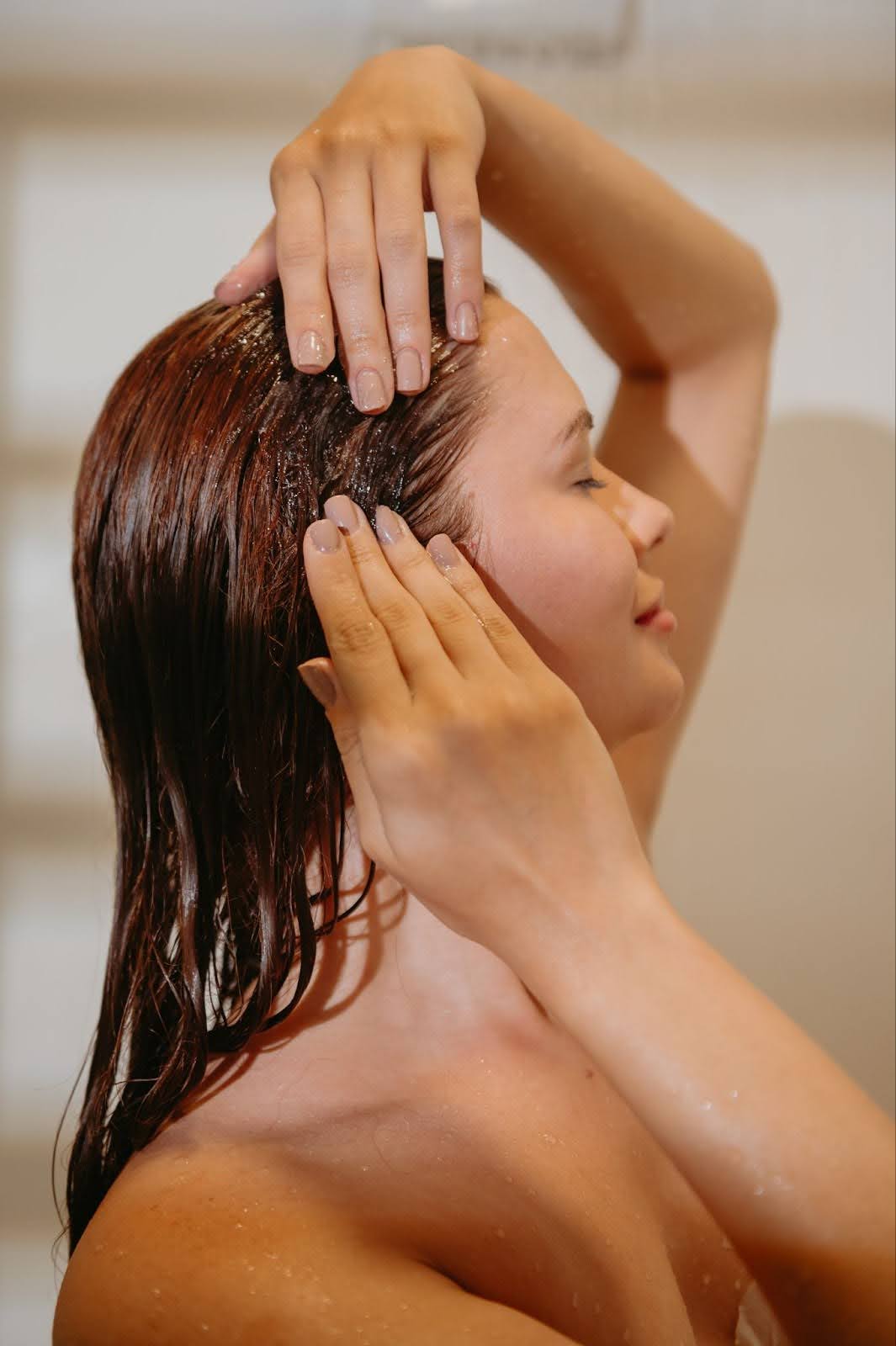
O que é shampoo de queratina? Benefícios, ingredientes e dicas de melhor uso
|
Definição: O shampoo de queratina é um limpador capilar especializado infundido com queratina, uma proteína estrutural que fortalece e suaviza o cabelo, reparando e reforçando sua camada de cutícula. Ciência Por Trás: A queratina, uma proteína natural encontrada no cabelo, pele e unhas, ajuda a fortalecer a estrutura do fio capilar. Os shampoos de queratina penetram nos fios danificados para repor a proteína perdida, restaurar a hidratação, melhorar a elasticidade e reduzir o frizz selando a cutícula do cabelo, protegendo-o assim de danos ambientais e estresse de modelagem. Benefícios do Shampoo de Queratina:
Exemplo: Um shampoo de Tratamento de Queratina Brasileira combina queratina com óleo de coco, óleo de abacate e manteiga de cacau para aumentar a força e o brilho do cabelo, sem sulfatos ou parabenos agressivos. Curiosidade: Ao contrário dos shampoos comuns, os shampoos de queratina não alisam o cabelo, mas melhoram sua força e suavidade, preservando o movimento e a textura naturais do cabelo. |
Principais Pontos:
- Repara e Fortalece o Cabelo: Shampoos de queratina repõem o cabelo danificado infundindo-o com queratina hidrolisada, melhorando a textura, aumentando a resiliência e reduzindo o frizz para fios mais lisos e saudáveis.
- Auxilia no Controle do Frizz e Cuidados com a Cor: Ideais para controle do frizz, cabelos coloridos e quimicamente tratados, os shampoos de queratina proporcionam limpeza e nutrição sem remover a umidade ou desbotar a cor.
- O Que Procurar em um Shampoo de Queratina: Escolher um shampoo de queratina de alta qualidade significa verificar as listas de ingredientes para queratina, evitar produtos químicos agressivos e garantir que a fórmula seja adequada ao seu tipo de cabelo específico.
O que é shampoo de queratina? O shampoo de queratina é um produto de limpeza capilar formulado com queratina hidrolisada – a mesma proteína estrutural que compõe a maior parte do seu cabelo. Quando aplicada, essa proteína se liga a áreas fracas ou danificadas de cada fio, reforçando a força, melhorando a elasticidade e criando uma superfície mais lisa. Ao contrário dos shampoos padrão que podem limpar agressivamente e remover óleos naturais, os shampoos de queratina são projetados para serem mais suaves, ao mesmo tempo em que proporcionam benefícios restauradores. Combinando agentes de limpeza suaves com proteínas fortalecedoras, eles ajudam a reduzir o frizz, proteger cabelos coloridos ou quimicamente tratados e manter a maciez ao longo do tempo.
Entender o que o shampoo de queratina faz, como funciona e quais ingredientes procurar torna mais fácil escolher uma fórmula que apoie a saúde e a maleabilidade capilar a longo prazo.

A Ciência por Trás da Infusão de Queratina
A queratina é uma proteína fibrosa que forma os blocos de construção do cabelo, conferindo a cada fio sua força, elasticidade e brilho característico. A exposição diária ao calor, estressores ambientais e tratamentos químicos podem desgastar essas ligações naturais de queratina, deixando o cabelo quebradiço, poroso e propenso ao frizz.
Nosso shampoo de queratina aborda esse dano de frente com infusões direcionadas de queratina hidrolisada. Isso significa que a proteína é quebrada em partículas menores, tornando mais fácil para o fio de cabelo absorver e utilizar. Quando você faz espuma, essas moléculas de microqueratina penetram profundamente na cutícula, ligando-se às áreas fracas e danificadas. Esse processo reforça a estrutura interna do cabelo, suavizando a cutícula e melhorando a textura e a resiliência dos seus fios.
Para quem pergunta: "O shampoo de queratina é bom para o cabelo?", a ciência aponta que sim. Quando formulado corretamente, ele repara, fortalece e auxilia na maleabilidade a longo prazo. O papel da queratina no shampoo não é apenas cosmético, mas estrutural, ajudando a reconstruir de dentro para fora, ao mesmo tempo em que mantém a suavidade da superfície.
As fórmulas modernas frequentemente combinam queratina com ingredientes de apoio como aminoácidos, complexos vitamínicos e óleos leves. Estes aumentam a hidratação, minimizam a quebra e selam a superfície para manter a umidade. O uso consistente não apenas cria um escudo protetor; pode transformar a forma como seu cabelo reage à umidade, ao calor e à modelagem, oferecendo um acabamento mais liso e elegante, além do brilho superficial.
Benefícios do Shampoo de Queratina
Na Ybera, nosso shampoo com queratina oferece mais do que a limpeza básica. Ele fortalece a cutícula do cabelo, reduz o frizz e suporta a resiliência a longo prazo. Seguro para cabelos coloridos e processados, combina cuidado suave com proteínas restauradoras, ajudando os fios a permanecerem lisos, maleáveis e mais saudáveis com uso consistente. Para aqueles que se perguntam: “Os shampoos de queratina funcionam?”, a resposta está nos resultados consistentes; essas fórmulas vão além do brilho superficial para oferecer suporte estrutural real.
Controle Eficaz do Frizz e Suavidade
O shampoo de queratina é altamente eficaz no controle do frizz, especialmente para cabelos expostos à umidade, calor ou tratamentos químicos. A infusão de queratina hidrolisada nos fios preenche os pontos fracos e suaviza as cutículas elevadas. Isso cria uma superfície mais uniforme que reflete a luz de forma homogênea, conferindo ao cabelo uma aparência brilhante e polida. A barreira leve formada pela queratina também impede que o excesso de umidade entre no fio, uma das principais causas do frizz. Isso significa movimento natural e definido sem inchaço ou frizz para cabelos ondulados ou cacheados.
Fortalecimento e Reparação de Fios Danificados
O uso diário de modeladores, serviços de coloração e o estresse ambiental gradualmente removem a queratina natural, deixando o cabelo quebradiço e propenso à quebra. O shampoo de queratina aborda isso repondo a proteína onde o dano é mais severo. Reforçar a cutícula melhora a elasticidade, reduz as pontas duplas e fortalece a camada externa do fio. O resultado é um cabelo que resiste à quebra, retém a umidade de forma mais eficaz e se sente resiliente mesmo sob modelagem regular. Com o tempo, o uso consistente apoia a saúde a longo prazo, tornando o cabelo menos frágil e mais fácil de manusear. Isso explica o que o shampoo de queratina faz pelo cabelo: restaura a força no núcleo, em vez de oferecer apenas soluções cosméticas temporárias.
Cuidado Seguro Para Cabelos Coloridos e Processados
Manter a cor vibrante e cabelos quimicamente alisados requer produtos que limpem sem remover. Shampoos de queratina de alta qualidade são livres de sulfatos e detergentes agressivos, tornando-os seguros para cabelos tratados. As proteínas de queratina ajudam a selar as moléculas de cor, protegendo contra o desbotamento, enquanto os ingredientes nutritivos restauram o equilíbrio aos fios quimicamente estressados. Essa dupla ação mantém o brilho e a vivacidade da cor, ao mesmo tempo em que reforça a integridade do cabelo alterado pela coloração, relaxamento ou descoloração.
Hidratação Adicional e Maleabilidade
Além da reparação e proteção, o shampoo de queratina melhora a hidratação geral. Muitas formulações combinam queratina com umectantes e óleos naturais para restaurar a maciez e a flexibilidade. Essa umidade adicional facilita o desembaraçar, reduz o atrito diário e auxilia na modelagem suave com menos esforço.
Como Escolher um Shampoo de Queratina de Alta Qualidade
Selecionar o shampoo de tratamento de queratina certo é crucial para obter cabelos lisos e saudáveis, seja para manter os resultados do salão ou para trabalhar em cabelos maleáveis e sem frizz em casa. O número crescente de opções pode ser esmagador, mas focar nesses elementos-chave ajudará você a encontrar uma fórmula que realmente oferece resultados.
Verifique a Lista de Ingredientes
Um verdadeiro shampoo de queratina inclui queratina hidrolisada entre seus ingredientes. A queratina hidrolisada penetra no córtex capilar, reforçando cada fio enquanto suaviza a superfície. Procure por hidratantes de apoio, como óleo de argan, manteiga de karité ou pantenol, que retêm a hidratação e previnem a quebra. Evite fórmulas carregadas com sulfatos agressivos ou álcoois ressecantes, pois eles podem remover tanto os óleos naturais quanto os efeitos suavizantes da queratina.
Considere a Compatibilidade com o Tipo de Cabelo
Nem todos os shampoos de queratina são iguais. Cabelos finos podem se beneficiar de misturas leves e focadas em proteínas que evitam óleos extras, enquanto cabelos cacheados ou muito secos geralmente respondem melhor a shampoos de queratina profundamente hidratantes, projetados para suavizar e desembaraçar. Aqueles com cabelos coloridos ou quimicamente tratados devem priorizar fórmulas rotuladas como seguras para proteção da cor e livres de produtos de limpeza agressivos, como cloreto de sódio.
Priorize a Segurança e a Formulação Suave
Um shampoo de queratina de alta qualidade prioriza a saúde do couro cabeludo e do cabelo. Evite produtos com formaldeído ou outros produtos químicos agressivos, especialmente se o seu cabelo passou por tratamentos profissionais. Shampoos com pH balanceado costumam ser mais suaves para cabelos frágeis ou quimicamente alterados, ajudando a prolongar a vida do seu tratamento de queratina ou alisamento.
Procure por Endossos Profissionais e de Usuários
Endossos de estilistas e avaliações de usuários reais podem revelar como um shampoo se comporta no dia a dia. Shampoos de queratina confiáveis geralmente recebem altas pontuações por sua eficácia no frizz, maleabilidade e aparência geral.
Procure por Benefícios Adicionais
Além do controle do frizz, o shampoo de queratina para cabelo de alta qualidade geralmente oferece proteção UV, suporte antioxidante ou proteção térmica aprimorada, o que é especialmente valioso se você usa ferramentas de estilização ou passa tempo ao ar livre.
Avaliar suas opções com esses critérios garante que você selecione um shampoo de queratina que atenda às necessidades exclusivas do seu cabelo e proporcione o acabamento suave e resistente que você espera de um cuidado capilar especializado.

Sinais de Que Seu Cabelo Precisa de um Reforço de Queratina
A queratina é a proteína poderosa por trás da força, resiliência e brilho do seu cabelo, mas a vida diária pode desgastá-la. Se você está notando mais do que um dia de cabelo ruim ocasional, pode ser a hora de considerar se seus fios estão clamando por um suporte extra de queratina.
Aqui está o que procurar:
- Frizz Persistente e Fios Rebeldes: Se a umidade ou o clima ameno deixam seu cabelo indomável, é um sinal claro de que a barreira natural de queratina está esgotada. Frizz e fios rebeldes geralmente significam que seu cabelo tem dificuldade em reter a umidade e manter sua estrutura.
- Opacidade e Falta de Brilho: Cabelos saudáveis refletem a luz graças a uma camada de cutícula lisa e intacta. Quando os níveis de queratina caem, essa superfície brilhante desaparece, deixando o cabelo sem vida ou quase opaco.
- Embaraço e Quebra: Cabelos com pouca queratina não apenas parecem ásperos; eles se sentem ásperos. Você pode perceber que seu cabelo embola mais facilmente, engancha na escova ou até se parte ao pentear.
- Aumento da Porosidade: Se seu cabelo absorve água rapidamente, mas seca quase tão rápido, isso indica alta porosidade, um sinal de que as cutículas estão abertas e a queratina está faltando. Isso geralmente ocorre após tratamentos químicos, uso de calor ou exposição ambiental.
- Perda de Suavidade e Maleabilidade: A modelagem leva mais tempo, e seus produtos habituais não funcionam. O cabelo que antes caía suavemente agora parece rebelde ou com textura irregular.
Se você está acenando para qualquer um desses sinais, vale a pena explorar como produtos focados em queratina podem ajudar a ter cabelos mais saudáveis, suaves e maleáveis.
Dicas de Manutenção Pós-Tratamento
A manutenção pós-tratamento adequada é fundamental para preservar os benefícios do nosso melhor shampoo para cabelo com tratamento de queratina e garantir que seu cabelo permaneça liso, brilhante e maleável. Após qualquer tratamento à base de queratina, uma mudança em sua rotina de cuidados capilares ajudará a fixar os resultados.
Aqui está o que profissionais experientes e entusiastas de cuidados capilares recomendam:
- Use Shampoos e Condicionadores Sem Sulfato: Sulfatos podem remover a camada de queratina, diminuindo os efeitos suavizantes e deixando os fios vulneráveis ao frizz. Escolha fórmulas suaves e sem sulfato para prolongar a vida do seu tratamento.
- Limite a Frequência de Lavagem: Lavar em excesso pode encurtar a vida do seu tratamento de queratina. Para melhores resultados, lave o cabelo duas a três vezes por semana, permitindo que os óleos naturais mantenham o brilho e a maciez.
- Use Fronhas de Seda ou Cetim: Fronhas de algodão podem causar atrito e atrapalhar os resultados lisos. Mudar para seda ou cetim ajuda a minimizar o embaraço e a quebra, deixando o cabelo mais macio quando você acorda.
- Proteja o Cabelo do Cloro e da Água Salgada: Tanto o cloro quanto o sal podem enfraquecer a camada de queratina. Antes de nadar, molhe o cabelo com água limpa e considere usar uma touca de natação para proteção extra.
- Agende Cortes e Retoques Regulares: Pontas duplas podem fazer com que o cabelo pareça menos liso com o tempo, então cortes de rotina mantêm seu estilo com a melhor aparência. Para resultados ótimos, consulte seu cabeleireiro sobre quando agendar retoques de manutenção ou retratamentos.
Adotar esses hábitos garante que seu shampoo de queratina proporcione uma suavidade duradoura e de nível profissional dia após dia, apoiando a aparência e a sensação que você deseja do seu investimento em cuidados capilares.

Leia também:
- O que é um Tratamento de Queratina? Benefícios, Processo e Cuidados Pós-Tratamento
- Tratamento de Queratina em Cabelo Descolorido: Seguro ou uma Receita para Danos?
- Vale a Pena o Tratamento Condicionador de Queratina? Benefícios e Escolha Principal
Perguntas Frequentes Sobre Shampoo de Queratina
O que é shampoo de queratina?
Shampoo de queratina é um produto para cabelos formulado com queratina, uma proteína estrutural que ocorre naturalmente em seus cabelos. Ao repor a queratina perdida, esses shampoos ajudam a fortalecer, suavizar e proteger os cabelos, proporcionando uma textura e brilho mais saudáveis. Na Ybera, enfatizamos fórmulas projetadas para profissionais de salão e usuários domésticos, priorizando segurança e eficácia.
Quais são os principais benefícios do shampoo de queratina?
Shampoos de queratina oferecem vários benefícios-chave: melhora da força do cabelo, textura mais suave, brilho realçado e redução do frizz. O uso regular suporta maior maleabilidade e ajuda a proteger contra danos ambientais, tornando o shampoo de queratina ideal para quem busca um visual polido com menos esforço de estilização.
O shampoo de queratina é seguro para todos os tipos de cabelo?
Sim. O shampoo de queratina beneficia todos os tipos de cabelo, incluindo cabelos lisos, ondulados, cacheados, processados, coloridos ou danificados. As fórmulas da Ybera são adaptadas para serem seguras e compatíveis, independentemente da textura natural do seu cabelo ou de quaisquer tratamentos químicos anteriores.
Com que frequência devo usar shampoo de queratina?
Usar shampoo de queratina duas a três vezes por semana se encaixa perfeitamente em uma rotina equilibrada de cuidados com os cabelos. No entanto, a frequência pode depender das necessidades exclusivas do seu cabelo. Integrar o shampoo de queratina de forma mais consistente pode fornecer suporte e proteção adicionais se seu cabelo estiver particularmente danificado ou com frizz.
Existem ingredientes prejudiciais a serem evitados em shampoos de queratina?
Com certeza. Recomendamos evitar fórmulas com sulfatos agressivos, parabenos ou formaldeído, pois estes podem tirar a umidade do cabelo e causar danos a longo prazo. Na Ybera, a segurança é inegociável; nossos produtos com queratina são livres de formaldeído e cuidadosamente elaborados para priorizar a saúde capilar.
Quais ingredientes são comumente encontrados em shampoos de queratina?
A queratina em si é o ingrediente estrela, mas shampoos de qualidade geralmente incluem óleos nutritivos (como argan ou baobá), emolientes de origem vegetal, antioxidantes, proteínas e agentes hidratantes. Os shampoos de queratina da Ybera equilibram esses elementos para proporcionar uma lavagem luxuosa que suporta resiliência, maciez e força a longo prazo.
O shampoo de queratina ajuda no controle do frizz?
Sim, controlar o frizz é uma das principais razões pelas quais as pessoas recorrem aos shampoos de queratina. Essas fórmulas ajudam a selar a cutícula capilar, retendo a umidade e suavizando a superfície do fio. Após o uso contínuo, você notará cabelos mais maleáveis e brilhantes, com menos frizz, mesmo em condições de umidade.
Quem deve usar shampoo de queratina?
O shampoo de queratina é ideal para qualquer pessoa que busca cabelos mais lisos e maleáveis, seja para estilizar em casa ou trabalhar em um salão. É especialmente indicado para pessoas que sofrem com frizz, ressecamento, quebra, ou aquelas que desejam preservar os resultados após um tratamento profissional de queratina, como o nosso sistema Fashion Gold.
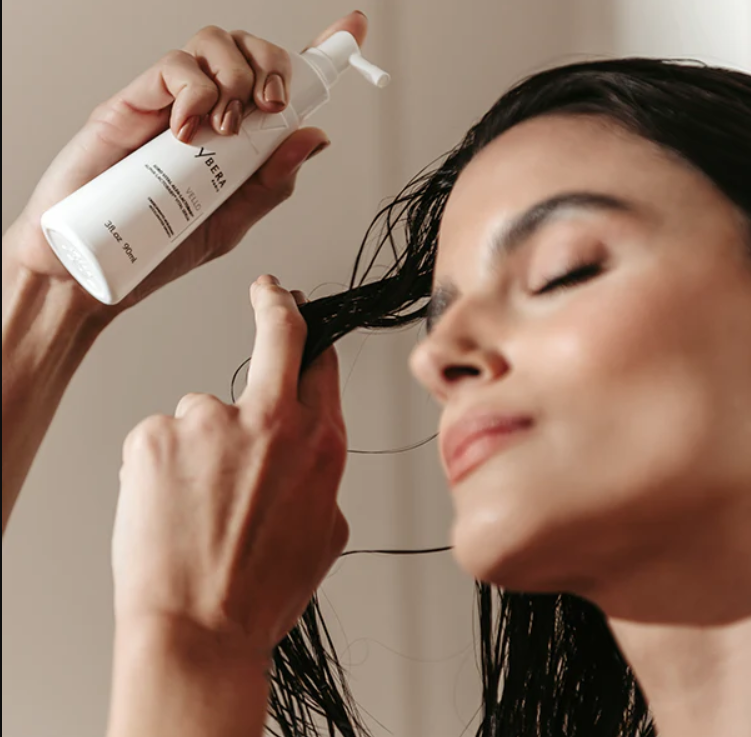
Óleo para Crescimento Capilar Explicado: Como Funciona e o Que Procurar
|
Definição: Óleos para crescimento capilar são produtos tópicos desenvolvidos para hidratar o couro cabeludo, nutrir os folículos capilares e promover a saúde geral do couro cabeludo. Embora não façam o cabelo crescer mais rápido do que sua taxa biológica natural, eles criam condições que promovem um cabelo mais saudável, denso e forte ao longo do tempo. A Ciência por Trás: Diferentes óleos contêm compostos que apoiam a saúde do couro cabeludo e dos folículos. Com ácido ricinoleico, o óleo de rícino oferece benefícios antimicrobianos e pode bloquear a prostaglandina D2, que está ligada à queda de cabelo. Em estudos com animais, o óleo de hortelã-pimenta aumenta o número de folículos, a espessura da derme e os fatores de crescimento. O óleo de alecrim melhora a circulação e pode reduzir o DHT, com estudos em humanos mostrando resultados comparáveis ou melhores que o minoxidil. Benefícios:
Fato Interessante: Embora os óleos de crescimento capilar tenham efeitos promissores na saúde do couro cabeludo e no suporte folicular, seu papel é indireto. Eles não "milagrosamente" aceleram o crescimento do cabelo, mas criam o ambiente certo para que seu cabelo atinja seu potencial natural máximo. |
Principais Pontos:
- Como os Óleos de Crescimento Capilar Contribuem para Cabelos Mais Saudáveis: Os óleos de crescimento capilar combinam óleos naturais e extratos botânicos para nutrir o couro cabeludo, fortalecer os cabelos e reduzir a quebra, tornando-os benéficos para quem tem cabelos finos ou crescimento lento.
- Principais Ingredientes a Procurar: Óleo de Mirra, Camomila, Aloe Vera, Chá Verde, Coco, Manteiga de Karité e óleos nutritivos como Argan, Oliva, Macadâmia e Semente de Algodão restauram, suavizam e protegem fios danificados — funcionando melhor quando complementados com shampoo de suporte ao crescimento capilar para resultados mais fortes e volumosos.
- Óleos Carreadores Versus Óleos Essenciais: A diferenciação entre óleos carreadores, como argan e coco, e óleos essenciais, como hortelã-pimenta e alecrim, é essencial para escolher soluções eficazes de crescimento capilar adaptadas às necessidades individuais.
O óleo de crescimento capilar combina óleos carreadores naturais e óleos essenciais concentrados para promover a saúde do couro cabeludo e dos folículos. Óleos carreadores como argan, coco ou baobá proporcionam hidratação e nutrição. Já os óleos essenciais como alecrim, hortelã-pimenta ou rícino contribuem com compostos bioativos que estimulam a circulação, reduzem a inflamação ou equilibram hormônios ligados ao afinamento capilar. Diferente dos óleos de estilização que revestem a superfície para um brilho temporário, os óleos de crescimento capilar penetram mais profundamente, condicionando o couro cabeludo e fortalecendo a raiz do cabelo. Essa ação dupla ajuda a reduzir a quebra e cria o ambiente natural ideal para o crescimento capilar.
Entender como esses óleos funcionam e quais ingredientes são mais importantes facilita a escolha de soluções adaptadas às necessidades individuais, seja o objetivo melhorar a espessura, diminuir a queda ou manter a saúde geral do couro cabeludo.

O Que É o Óleo de Crescimento Capilar e Por Que Ele Importa
O óleo de crescimento capilar é uma mistura especializada de óleos naturais e extratos botânicos desenvolvida para promover um ambiente saudável no couro cabeludo e estimular cabelos mais fortes e volumosos. Essas fórmulas geralmente incluem ingredientes ricos em vitaminas, ácidos graxos essenciais e antioxidantes, elementos que nutrem o couro cabeludo, estimulam os folículos capilares e ajudam a reduzir a quebra. Para aqueles que lidam com afinamento capilar, queda ou crescimento lento, um óleo de crescimento capilar direcionado pode ser uma adição valiosa a uma rotina regular de cuidados capilares.
A lógica por trás do uso do óleo capilar para crescimento é direta: cabelos saudáveis prosperam em um couro cabeludo bem nutrido e fios resilientes. Ao melhorar os níveis de hidratação e proporcionar benefícios calmantes ao couro cabeludo, esses óleos podem combater o ressecamento, a descamação e a irritação, que afetam a qualidade do cabelo. Além disso, massagear o óleo no couro cabeludo aumenta o fluxo sanguíneo para os folículos, promovendo ainda mais a vitalidade do cabelo.
No entanto, nem todos os óleos de crescimento capilar são iguais. A eficácia muitas vezes se resume à qualidade dos ingredientes e como eles interagem com seu tipo e necessidades específicas de cabelo. O produto de óleo de crescimento capilar certo pode ajudar a reforçar pontos fracos na estrutura do seu cabelo, ao mesmo tempo em que fornece uma barreira protetora contra estressores ambientais, modelagem térmica e tratamentos químicos.
Principais Ingredientes Ativos Que Realmente Impulsionam a Atividade Folicular
Ao escolher o melhor óleo capilar para crescimento, o que está dentro da embalagem importa tanto quanto a forma de uso. Os cuidados capilares modernos adotam uma abordagem científica, utilizando ingredientes direcionados que estimulam a atividade folicular e promovem um ambiente mais saudável no couro cabeludo.
Aqui estão os ativos que merecem sua atenção na lista de ingredientes:
- Óleo de Baobá: Originário da “Árvore da Vida” africana, o óleo de baobá oferece uma poderosa combinação de vitaminas A, D, E e F, ajudando a nutrir os cabelos na raiz e melhorar a elasticidade do couro cabeludo. Altos níveis de ácidos graxos ômega podem penetrar profundamente, deixando o cabelo mais forte e menos propenso à quebra.
- Manteiga de Karité: Este ingrediente natural e rico é valorizado por suas propriedades profundamente hidratantes e pela capacidade de acalmar o couro cabeludo. A manteiga de karité é rica em ácidos graxos essenciais e vitaminas, proporcionando ao couro cabeludo a hidratação necessária para criar uma base saudável para o crescimento de novos cabelos.
- Queratina: Como principal proteína na estrutura do cabelo, a queratina ajuda a fortalecer os fios por dentro. A aplicação tópica através de formulações avançadas de cuidados capilares pode reconstruir temporariamente áreas de fraqueza, reduzir a queda por quebra e promover uma aparência visivelmente mais suave e volumosa.
- Óleo de Hortelã-Pimenta: Conhecido por sua sensação refrescante e revigorante, o óleo de hortelã-pimenta aumenta a circulação no couro cabeludo. Um fluxo sanguíneo melhorado significa que mais nutrientes e oxigênio chegam aos seus folículos, estimulando os ciclos de crescimento natural.
- Cafeína: Em alguns estudos, a cafeína demonstrou a capacidade de estimular os folículos capilares e prolongar a fase ativa de crescimento. Ela atua em nível celular para energizar o couro cabeludo, ajudando os folículos a permanecerem em seu estado ideal por mais tempo.
- Extratos Botânicos: Ingredientes como alecrim e saw palmetto são cada vez mais reconhecidos por reduzir a inflamação e bloquear as vias hormonais associadas ao afinamento capilar. O uso regular apoia a saúde do couro cabeludo, preparando o terreno para um novo crescimento robusto.
Escolher um óleo com esses ativos comprovados pode dar ao seu couro cabeludo o impulso de que precisa. Ajuda os folículos a permanecerem resilientes e produtivos e oferece a melhor chance de obter cabelos mais fortes, espessos e com aparência mais saudável.
Evidência Científica por Trás dos Óleos de Crescimento Populares
Analisar a ciência dos óleos de crescimento capilar significa separar o jargão da beleza da pesquisa fundamental. Embora não exista uma solução mágica para cabelos longos e instantâneos como os da Rapunzel, vários óleos naturais frequentemente usados em misturas para crescimento capilar foram estudados por seus benefícios tangíveis. Combinar esses óleos com um shampoo e condicionador para crescimento capilar pode apoiar ainda mais a saúde do couro cabeludo, pois a limpeza e o condicionamento consistentes ajudam a criar um ambiente onde esses óleos funcionam de forma mais eficaz. Para quem se pergunta quanto tempo leva para o óleo de crescimento capilar funcionar, a pesquisa sugere que os resultados são graduais, geralmente perceptíveis após uso consistente por vários meses, e não semanas.
Óleo de Rícino
O óleo de rícino se destaca por seu alto teor de ácido ricinoleico, um ácido graxo ômega-9 ligado à melhora da circulação sanguínea no couro cabeludo. Uma melhor circulação significa que os folículos capilares recebem um impulso de nutrientes, o que pode estimular o crescimento de novos fios e fortalecer os existentes. Alguns estudos laboratoriais e em animais sugerem que as propriedades anti-inflamatórias do óleo de rícino também podem acalmar o couro cabeludo irritado, embora ensaios clínicos em grande escala ainda sejam limitados.
Óleo de Alecrim
O óleo de alecrim tem atraído a atenção na dermatologia por seu potencial de promover o crescimento saudável dos cabelos. Em um ensaio clínico de 2015, o óleo de alecrim teve desempenho comparável ao minoxidil (muitas vezes conhecido pela marca Rogaine) no aumento da contagem de fios em indivíduos com certos tipos de afinamento capilar. Os pesquisadores teorizam que o poder do alecrim reside em impulsionar a microcirculação e prevenir a produção de DHT, um hormônio ligado à queda de cabelo.
Óleo de Hortelã-Pimenta
O óleo de hortelã-pimenta não é apenas uma sensação refrescante para o couro cabeludo. Pesquisas pré-clínicas sugerem que este óleo pode rapidamente estimular os folículos capilares a entrar na fase "anágena" (crescimento) do ciclo capilar, possivelmente aumentando o fluxo sanguíneo e promovendo a entrega de oxigênio. Aquela sensação de formigamento que você sente após a aplicação? Não é apenas um placebo; há uma base fisiológica para isso.
Óleo de Argan
Depois, há o óleo de argan, rico em antioxidantes e vitamina E. Embora não esteja diretamente ligado a um crescimento capilar mais rápido em ensaios clínicos, as propriedades protetoras e condicionantes do óleo de argan ajudam a reduzir a quebra e a manter a saúde do couro cabeludo, dois fatores cruciais para quem procura ter cabelos mais fortes e saudáveis ao longo do tempo.
Assim, enquanto os óleos de crescimento capilar fazem grandes promessas, as evidências ressaltam que certos óleos populares têm papéis cientificamente plausíveis, principalmente ligados à saúde do couro cabeludo, microcirculação e prevenção da quebra.
Escolhendo o Óleo Certo Para a Sua Textura e Necessidades Capilares
Nem todos os óleos de crescimento capilar são iguais; o que faz maravilhas para um tipo de cabelo pode não ter o mesmo efeito mágico para outro. A jornada para cabelos mais saudáveis e volumosos começa com a compreensão da sua textura capilar única e a priorização das suas preocupações capilares mais urgentes. Quando usado consistentemente, os benefícios do óleo de crescimento capilar incluem fios mais fortes, saúde aprimorada do couro cabeludo e redução da quebra em diferentes tipos de cabelo.
Para Cabelos Finos ou Ralos
Se o seu cabelo parece fraco ou fica pesado facilmente, procure óleos leves como argan ou semente de uva. Estes nutrem o couro cabeludo sem deixar um resíduo pesado e oleoso. Eles ajudam a fortalecer o cabelo desde a raiz, protegem contra a quebra e não sacrificam o volume natural.
Para Cabelos Cacheados ou Crespos
Melhor Rotina de Cuidados com o Cabelo para Todos os Tipos de Cabelo em 2025
O ambiente de hoje é mais agressivo para o nosso cabelo do que nunca. Entre poluição, poeira, umidade, produtos químicos de modelagem e ferramentas de calor, o cabelo enfrenta desafios constantes. A simples lavagem com shampoo e condicionador não é mais suficiente para manter os cabelos saudáveis e vibrantes.
Para proteger seus fios e mantê-los com a melhor aparência, você precisa de uma rotina completa que se adapte ao seu tipo de cabelo e estilo de vida específicos. Mas com tantos produtos no mercado, pode ser esmagador – e até arriscado se você escolher fórmulas com ingredientes prejudiciais.
A chave é conhecer o seu tipo de cabelo e aprender a adaptar cada etapa da sua rotina para o máximo benefício — seja o seu cabelo cacheado, liso, ondulado ou crespo. Este guia o ajudará a entender o que seu cabelo realmente precisa, desde a limpeza e condicionamento até a modelagem e o cuidado do couro cabeludo.
Melhor rotina de cuidados para o cabelo
Passo 1: Entenda seu tipo de cabelo
Antes de mais nada, conheça o seu cabelo. Seus fios são finos ou grossos? Lisos ou cacheados? O tipo de cabelo influencia como ele reage à umidade, produtos e calor. Por exemplo:
-
Cabelo cacheado geralmente precisa de produtos hidratantes mais pesados e diferentes técnicas de modelagem para evitar frizz e quebra.
-
Cabelo liso pode frequentemente lidar com fórmulas mais leves e condicionamento profundo menos frequente.
Conhecer o seu tipo de cabelo permite que você escolha os produtos certos e evite desperdiçar dinheiro com itens que não funcionarão para você.
Passo 2: Encontre o cronograma de lavagem certo
Lavar com muita frequência remove os óleos naturais do cabelo, deixando-o seco e quebradiço. Lavar muito pouco causa acúmulo de sujeira e óleo, levando a problemas no couro cabeludo. Para a maioria dos tipos de cabelo, lavar 2 a 3 vezes por semana com um shampoo sem sulfato atinge um bom equilíbrio.
Dicas para lavar:
-
Use água morna — água quente pode danificar o couro cabeludo e as cutículas do cabelo.
-
Aplique o shampoo principalmente no couro cabeludo, onde o óleo se acumula, e não nas pontas.
-
Em seguida, use um condicionador hidratante para repor a hidratação e suavizar os fios.
-
Use um pente de dentes largos no cabelo molhado para desembaraçar suavemente e prevenir a quebra.
Passo 3: Use shampoo a seco com sabedoria
O shampoo a seco é um salva-vidas para dias agitados quando você não tem tempo para uma lavagem completa. Ele absorve o excesso de óleo e adiciona volume sem água. Mas tome cuidado para não usá-lo em excesso — o uso diário pode entupir os poros do couro cabeludo e causar ressecamento ou caspa.
Passo 4: Condicione toda vez que lavar
O condicionador sela a umidade e torna o cabelo mais fácil de gerenciar. Para nutrição extra, use uma máscara capilar duas vezes por semana, especialmente se o seu cabelo estiver seco ou danificado. Condicionadores sem enxágue podem fazer uma grande diferença, principalmente se você usa ferramentas de calor regularmente.
Passo 5: Escolha secar ao ar livre ou com secador, mas proteja seu cabelo
Sempre que possível, secar ao ar livre é mais suave para o seu cabelo e previne danos causados pelo calor. Se você usa secador, sempre aplique um spray protetor térmico primeiro — especialmente antes ou depois de um tratamento de alisamento de queratina — e use calor baixo a médio. Isso ajuda a manter a umidade e reduz a quebra.
Passo 6: Foque na saúde do couro cabeludo
Seu couro cabeludo é a base para um cabelo saudável. Um couro cabeludo não saudável pode levar a caspa, irritação ou até mesmo queda de cabelo. Veja como cuidar dele:
-
Use shampoos suaves e sem sulfato.
-
Evite lavar em excesso para manter os óleos naturais equilibrados.
-
Massageie o couro cabeludo regularmente com óleos naturais como coco ou óleo de melaleuca para melhorar a circulação e nutrir as raízes.
-
Considere usar um esfoliante para o couro cabeludo para esfoliar e prevenir o acúmulo.
Passo 7: Mantenha uma dieta saudável
A saúde do cabelo começa de dentro. Comer alimentos ricos em proteínas, ácidos graxos ômega-3, biotina, zinco e ferro apoia o crescimento de cabelos fortes. Vegetais como cenoura e espinafre fornecem vitaminas essenciais, enquanto manter-se hidratado mantém os fios flexíveis e menos propensos à quebra.
Passo 8: Cortes regulares e evite o excesso de tratamento
Cortar o cabelo a cada 6-8 semanas ajuda a prevenir pontas duplas e promove um crescimento mais saudável. Além disso, se o seu cabelo já foi tratado quimicamente (descolorido ou colorido), evite tratamentos adicionais frequentes que podem causar danos.
Dicas bônus: Produtos e tratamentos que ajudam
-
Séruns capilares: Selam a umidade e adicionam brilho.
-
Tratamentos de queratina: Suavizam o cabelo, reduzem o frizz e fortalecem os fios repondo proteínas.
-
Fronhas de seda ou cetim: Reduzem o atrito durante o sono, ajudando a prevenir a quebra e o frizz.
-
Evite escovar o cabelo molhado: O cabelo molhado é mais frágil e propenso a danos; use um pente de dentes largos em vez disso.
Conclusão
Uma rotina de cuidados capilares inteligente e personalizada é o melhor investimento para cabelos saudáveis e bonitos em 2025. Concentre-se em entender o seu tipo de cabelo e adaptar seus cuidados de acordo — desde a lavagem e condicionamento até a modelagem e os cuidados com o couro cabeludo. Use produtos de qualidade e proteja seu cabelo do calor e dos danos ambientais. A consistência é fundamental e, com paciência, você desfrutará de cabelos mais fortes, brilhantes e saudáveis.
Perguntas frequentes
Como manter o cabelo saudável?
Siga uma rotina nutritiva, coma uma dieta balanceada rica em nutrientes benéficos para o cabelo, mantenha-se hidratado e evite calor excessivo e tratamentos agressivos.
O cuidado com o couro cabeludo é importante?
Sim, um couro cabeludo saudável suporta raízes fortes e previne problemas como caspa e queda de cabelo.
A dieta afeta o crescimento do cabelo?
Com certeza. Vitaminas e minerais de frutas, vegetais, nozes e sementes nutrem o cabelo de dentro para fora.
Quais são os melhores tratamentos capilares?
Os tratamentos de queratina são excelentes para restaurar a proteína, suavizar o cabelo e reduzir o frizz.
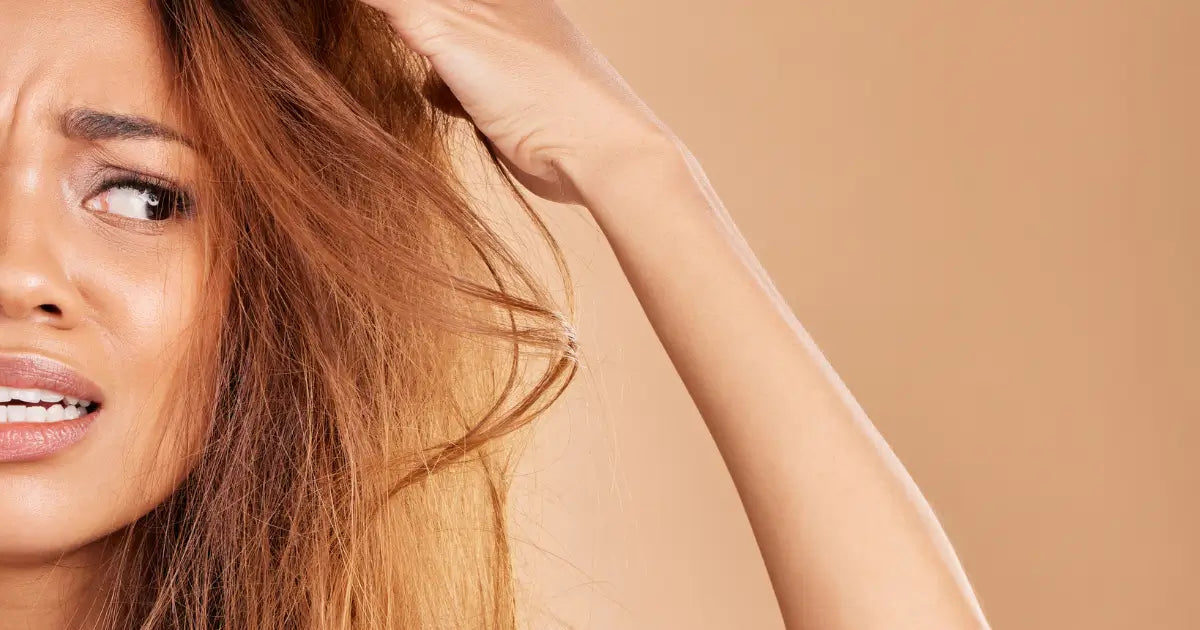
O Que Causa Cabelo Frizzado? 10 Causas Comuns e Como Resolvê-las
O cabelo crespo é uma preocupação comum para muitas pessoas, independentemente do tipo ou textura do cabelo. É frequentemente descrito como fios secos, ásperos e incontroláveis que parecem se levantar ou inchar de forma descontrolada. Mas o que exatamente causa o frizz e, o mais importante, como você pode resolvê-lo?
Neste guia detalhado, exploraremos as 10 principais razões pelas quais seu cabelo fica crespo e compartilharemos soluções práticas e eficazes para ajudar você a manter o cabelo liso e saudável. Seja seu cabelo cacheado, ondulado ou liso, entender a ciência por trás do frizz permitirá que você o controle melhor - e decida quando um tratamento de alisamento capilar de queratina faz sentido.
O que é o frizz no cabelo?
O frizz ocorre quando a camada protetora externa do cabelo, conhecida como cutícula, se eleva ou é danificada. Isso permite que a umidade do ambiente penetre no córtex capilar, fazendo com que ele inche e perca seu alinhamento suave. O resultado? Cabelo com aparência seca, inchada e difícil de controlar.
A umidade é frequentemente apontada como a principal causa do frizz, mas vários outros fatores desempenham um papel, incluindo o tipo de cabelo, hábitos de styling, produtos que você usa e até mesmo sua dieta.
As 10 principais causas do frizz no cabelo
1. Banhos Quentes
Muitos não percebem que lavar o cabelo com água quente é uma das causas silenciosas do frizz. A água quente remove os óleos naturais do cabelo, que são essenciais para manter os fios hidratados e suaves. Sem esses óleos, o cabelo fica seco, áspero e propenso ao frizz.
Como resolver:
Mude para água morna ou fria ao lavar o cabelo e sempre siga com um condicionador hidratante para reter a hidratação. Experimente usar nossa Máscara Condicionadora Protect Control para hidratação profunda e controle do frizz.
2. Produtos de Styling Agressivos
Usar produtos de styling que contêm sulfatos, álcool ou parabenos pode danificar seu cabelo. Esses ingredientes levantam a cutícula do cabelo e removem a umidade, levando ao ressecamento e ao frizz.
Como resolver:
Escolha shampoos sem sulfato e produtos de styling suaves formulados para o seu tipo de cabelo. Procure por condicionadores leave-in nutritivos ou cremes para cachos para manter a hidratação e controlar o frizz.
3. Ferramentas de Calor
Chapinhas, modeladores de cachos e secadores de cabelo usados com frequência e em altas temperaturas podem enfraquecer o córtex capilar. Sem a proteção térmica adequada, o calor intenso racha a cutícula do cabelo, resultando em frizz.
Como resolver:
Use ferramentas de calor com moderação e sempre aplique um spray protetor térmico antes de modelar. Além disso, tente usar a configuração de calor mais baixa e eficaz. Descubra dicas de styling seguras em nosso artigo Como Usar um Difusor em Cabelos Cacheados.
4. Tipo de Cabelo
Cabelos naturalmente cacheados ou crespos são mais propensos ao frizz porque os óleos naturais produzidos pelo couro cabeludo têm mais dificuldade em percorrer as curvas e voltas dos cachos. Esse desequilíbrio de umidade faz com que a cutícula se levante mais facilmente em resposta a mudanças ambientais.
Como resolver:
Adicione máscaras hidratantes e tratamentos de condicionamento profundo à sua rotina regularmente. Tratamentos com óleo de argan ou jojoba também podem ajudar a reter a umidade.
5. Maus Hábitos de Styling
Maus hábitos de cuidados com o cabelo, como não aparar as pontas duplas regularmente (a cada 8 a 12 semanas), escovar ou pentear bruscamente e prender o cabelo com muita força quando molhado, causam quebra e frizz.
Como resolver:
Apare o cabelo regularmente, penteie suavemente das pontas para cima e evite penteados apertados, especialmente em cabelos molhados.
6. Secagem com Toalha
Usar toalhas tradicionais de felpo para secar o cabelo cria atrito, agride a cutícula e causa frizz e quebra.
Como resolver:
Mude para toalhas de microfibra ou camisetas de algodão macias para secar suavemente o excesso de água. Deixe seu cabelo secar parcialmente ao ar antes de aplicar produtos de styling.
7. Umidade
A umidade é um dos maiores culpados por trás do frizz. Quando o cabelo absorve o excesso de umidade do ar, o córtex incha e as cutículas se levantam, fazendo com que o cabelo pareça inchado e incontrolável.
Como resolver:
Use sprays anti-umidade ou séruns à base de silicone para selar a cutícula e impedir a entrada de umidade. Evite sair com o cabelo molhado, pois ele atrai mais umidade.
8. Falta de Óleos Naturais
Seu couro cabeludo produz óleos naturais que protegem e hidratam o cabelo. Lavar o cabelo com muita frequência ou remover esses óleos causa ressecamento e frizz.
Como resolver:
Evite lavar diariamente e incorpore óleos naturais como argan, amêndoa ou jojoba em sua rotina de cuidados com o cabelo para repor a umidade.
9. Lavagem Excessiva do Cabelo
A lavagem frequente remove os óleos protetores e perturba o equilíbrio natural de umidade do couro cabeludo, deixando o cabelo seco e com frizz.
Como resolver:
Limite a lavagem a 2-3 vezes por semana e use um shampoo suave sem sulfato. Nos dias em que não lavar, o shampoo a seco pode ajudar a manter a frescura sem remover os óleos.
10. Pular o Protetor Térmico
Usar ferramentas de calor sem um spray protetor térmico expõe o cabelo a danos diretos, rachando o córtex capilar e causando frizz.
Como resolver:
Sempre aplique um spray protetor térmico antes de usar qualquer ferramenta de calor para criar uma barreira protetora e reduzir os danos.
Dicas Adicionais para Prevenir e Gerenciar o Frizz
-
Hidrate-se: Beba bastante água para manter seu cabelo e corpo hidratados.
-
Durma em seda: Use fronhas de seda ou cetim para reduzir o atrito que causa o frizz.
-
Apare regularmente: Remover as pontas duplas evita que o frizz se espalhe.
-
Penteados protetores: Prenda o cabelo frouxamente ou use penteados protetores em dias de alta umidade.
Conclusão
O cabelo crespo é causado principalmente por fatores ambientais como umidade e calor, juntamente com seus hábitos de cuidados com o cabelo e tipo de cabelo. A boa notícia? É controlável. Ao fazer mudanças simples como lavar o cabelo com água morna, evitar produtos agressivos, proteger seu cabelo do calor e da umidade e usar tratamentos hidratantes, você pode reduzir o frizz e manter seu cabelo liso e saudável.
Para mais conselhos personalizados sobre cuidados com o cabelo e soluções de tratamento de queratina, visite nossa página Tratamento Capilar para Cabelos Lisos e veja os melhores shampoos para cabelos tratados com queratina.
FAQs
O que é cabelo com frizz?
Cabelo com frizz é cabelo seco, áspero, com cutículas elevadas que parecem inchadas ou incontroláveis devido ao desequilíbrio de umidade e danos.
Lavar o cabelo com muita frequência causa frizz?
Sim, remove os óleos naturais essenciais para a hidratação do cabelo, levando ao ressecamento e ao frizz.
Como posso controlar o frizz naturalmente?
Mude para shampoos sem sulfato, use máscaras capilares hidratantes, óleos naturais e evite o uso excessivo de ferramentas de calor.
A umidade é realmente a principal causa do frizz?
A umidade desempenha um grande papel, mas outros fatores como danos ao cabelo, produtos e tipo de cabelo também contribuem.
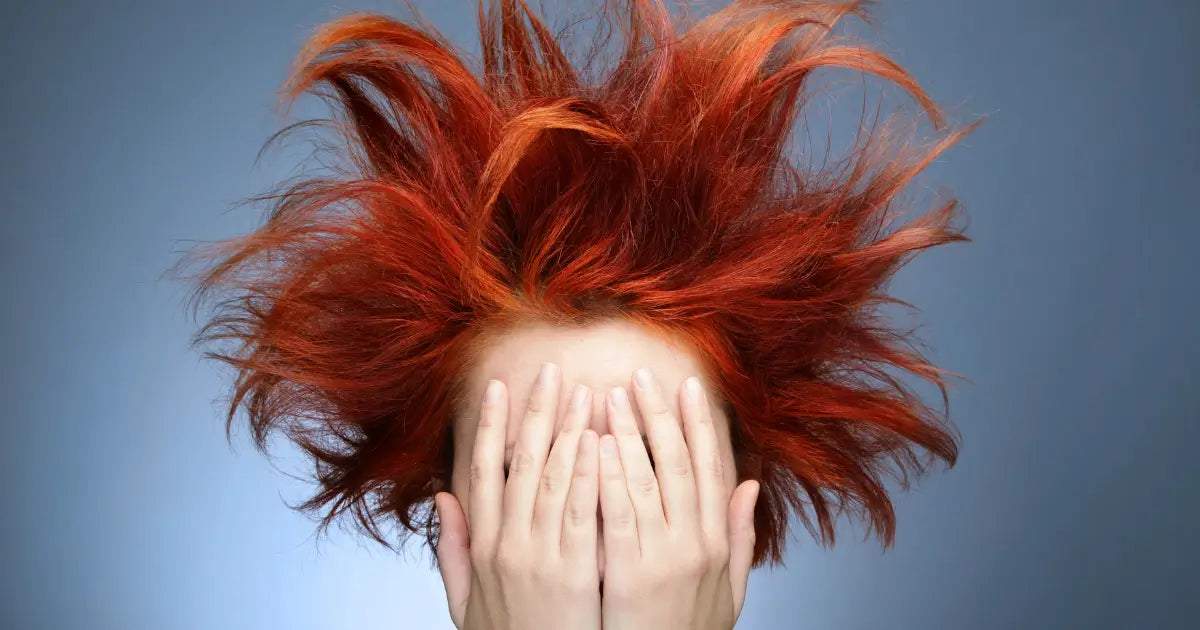
Tratamento de Queratina Mal Feito: Como Identificar e Corrigir um Tratamento que Deu Errado
Você está sofrendo com um tratamento de queratina malfeito? Um tratamento de queratina malfeito é um pesadelo, pois pode transformar seu cabelo em um desastre com frizz. O tratamento de queratina existe em uma ampla gama de opções. Eles são amplamente conhecidos por sua capacidade de reduzir o frizz para dar um aspecto saudável e elegante ao seu cabelo.
No entanto, a aplicação errada de queratina ocorre pelo uso de produtos inadequados para o tipo de cabelo errado. Neste artigo, você aprenderá sobre as razões para um tratamento de queratina malfeito e como corrigi-lo.
Como Reconhecer um Tratamento de Queratina Malfeito
A primeira coisa é que você deve saber o que é uma queratina malfeita. O tratamento de queratina pode deixar seu cabelo liso, fornecendo ao cabelo e ao couro cabeludo proteínas e hidratação essenciais. No entanto, um tratamento de queratina malfeito impede que o cabelo fique liso e brilhante e leva a uma textura capilar incomum. Aqui estão alguns sintomas de um tratamento de queratina malfeito.
1. Textura Capilar Incomum ou Quebra
Um dos sinais mais básicos e proeminentes de um tratamento de queratina malfeito é a quebra frequente e a textura inesperada do cabelo. O objetivo do tratamento de queratina é deixar seu cabelo macio e suave.
No entanto, devido a um tratamento de queratina malfeito, seu cabelo fica mais pegajoso e áspero. Além disso, seu cabelo começa a quebrar facilmente. Se seu cabelo está quebrando com frequência, então você deve considerar repará-lo e procurar tratamento.
2. Queda Excessiva de Cabelo
A queda de cabelo é outro sinal de um tratamento de queratina malfeito. A queda de alguns fios por dia é normal, mas se você estiver tendo queda excessiva após o tratamento, é hora de tomar uma medida mais drástica. Isso também acontece devido ao uso excessivo da chapinha durante o processo de selagem da umidade. Quando a proteína é sobrecarregada nas suas raízes, ela as torna extremamente frágeis, levando à queda excessiva de cabelo.
3. Irritação ou Queimação no Couro Cabeludo
Se você estiver sentindo coceira ou queimação após um tratamento de alisamento capilar com queratina, você deve consultar seu especialista, pois isso indica um tratamento de queratina malfeito. O uso de um produto de queratina errado ou um alto nível de formaldeído causa coceira e frequentemente queimação no couro cabeludo.
Também afeta a saúde do cabelo e é altamente prejudicial para a pessoa. Agora você também pode encontrar opções de queratina sem formaldeído, que são mais seguras para o cabelo, a pele e o tratamento das unhas.
4. Alisamento Irregular ou Resultados Manchados
Durante o processo de queratinização, isso desempenha um papel crucial. Após carregar o cabelo com proteína, a umidade é selada com a ajuda de uma chapinha. No entanto, se você tiver alguns fios alisados em uma área que ainda está ondulada ou com frizz, então você deve saber que seu tratamento de queratina deu errado.
É um sinal de um tratamento de queratina malfeito, porque uma queratina brasileira profissional, após a aplicação, nunca deixará seu cabelo com manchas ou inconsistências.
Por Que os Tratamentos de Queratina Dão Errado
Existem várias razões para um tratamento de queratina malfeito. Vamos explorar algumas delas.
1. Produto Errado para o Seu Tipo de Cabelo
O uso incorreto de produtos capilares leva a um tratamento de queratina malfeito. No mercado, existem diferentes tipos de tratamentos de queratina, e nem todos os tratamentos são iguais para todas as pessoas. Cada um tem uma textura e tipo de cabelo diferentes. Nem todos os tratamentos de queratina são para todos os tipos de cabelo. Cada fórmula atende às necessidades de diferentes condições capilares e, se aplicada incorretamente, leva a problemas destrutivos.
2. Cabeleireiro Inexperiente
Seu cabeleireiro é o mais importante. A queratina não é apenas sobre aplicar proteína. É um tratamento químico que requer precisão e muito cuidado; caso contrário, você pode sofrer com cabelos danificados.
3. Produtos Químicos de Baixa Qualidade ou Agressivos
O uso de queratina com produtos químicos agressivos ou de baixa qualidade é uma das razões comuns para um tratamento de queratina malfeito. Frequentemente, as pessoas escolhem fórmulas de queratina baratas contendo formaldeído, que causam diferentes efeitos colaterais à saúde física e mental. No entanto, usar tratamentos com ácido glioxílico é muito mais seguro do que o formaldeído.
Corrigindo um Tratamento de Queratina Malfeito
Se você encontrou algum sinal de tratamento de queratina malfeito, então você precisa saber como corrigi-lo. Neste mundo avançado, tudo é possível. Seguir algumas dicas — como usar um shampoo sem sulfato para cabelos tratados com queratina, minimizar o calor e fazer um condicionamento profundo — ajudará você a superar os efeitos de um tratamento de queratina malfeito.
1. Hidratação Profunda e Reequilíbrio Proteico
Se você está sofrendo com cabelos crespos e secos mesmo após o tratamento de queratina, então você deve usar hidratante. O uso de hidratante reequilibrará o efeito da proteína com o nível necessário de hidratação.
Use uma máscara de condicionamento profundo com ingredientes hidratantes como manteiga de karité e óleo de argan. Isso ajudará a suavizar seus fios de cabelo, superando o efeito de um tratamento de queratina estragado.
2. Clarifique e Desintoxique Suavemente
Às vezes, desintoxicar suavemente o couro cabeludo pode ajudar a superar os efeitos de um tratamento de queratina malfeito. Você pode usar um limpador ou shampoo sem sulfato uma vez por semana para remover o excesso de proteína das suas raízes. Dessa forma, você removerá o acúmulo excessivo e seu cabelo poderá respirar novamente.
3. Apare as Pontas Duplas Rapidamente
Caso você esteja sofrendo com pontas duplas e cabelos crespos após um tratamento de queratina malfeito, então você deve cortar as pontas duplas assim que elas aparecerem. Cortá-las evitará quebras futuras. Além disso, remover as pontas duplas levará a um crescimento capilar saudável.
4. Use Condicionadores Sem Enxágue e Óleos Fortalecedores
Caso você esteja com o cabelo extremamente danificado após um tratamento de queratina, você pode repará-lo usando óleos e umidade apropriados. Com um tratamento de queratina malfeito, seu cabelo fica extremamente seco e quebradiço. E a melhor solução para isso é hidratar seu cabelo usando óleos naturais como coco, rícino ou argan.
Estes também têm a capacidade de restaurar a elasticidade do cabelo e reter a umidade. Uma vez restaurada a umidade, seu cabelo começará a voltar à sua condição original. Certifique-se de aplicar um condicionador leve e deixá-lo no cabelo por alguns minutos para fortalecer as raízes do cabelo.
5. Consulte um Profissional
Se o dano for excessivo e incompreensível, o melhor a fazer é consultar um profissional. Ele diagnosticará seu problema, considerando seu tipo de cabelo, e sugerirá uma solução levando em conta o prejuízo.
Coisas a Considerar Antes de Fazer um Tratamento de Queratina
Se você está planejando fazer um tratamento de queratina, então você deve começar a pesquisar como ele funciona. Sempre considere as seguintes coisas para evitar tratamentos de queratina ruins:
-
Pesquise o tipo de queratina que você deseja de acordo com seu cabelo. Peça a ajuda de um profissional capilar para entender seu tipo de cabelo. Se você tem cabelos extremamente cacheados ou lisos, então você precisa saber qual produto de queratina leve é adequado para você.
-
Conheça suas necessidades, por que você está fazendo o tratamento, qual é seu objetivo e como você o alcançará.
-
Procure tratamentos de queratina com opções sem formaldeído. Aqueles que contêm ácido glioxílico são muito mais seguros e proporcionam resultados robustos.
-
Pesquise a marca. A FG Haircare oferece a melhor solução para tratamento de queratina.
-
Sempre escolha seu cabeleireiro com cuidado. Compartilhe suas necessidades e só então faça o tratamento.
-
Se você já fez algum tratamento químico anteriormente, é melhor evitar o tratamento de queratina. Você deve dar um intervalo de pelo menos seis meses entre quaisquer processos químicos para que seu cabelo tenha tempo suficiente para se recuperar.
Conclusão
Nada é mais frustrante do que um tratamento de queratina malfeito. Seu cabelo é precioso, então sempre pesquise antes de experimentar qualquer processo químico. Se o seu tratamento der errado, concentre-se em hidratar, aparar as pontas duplas e usar os produtos certos.
A Ybera oferece um tratamento de queratina brasileiro suave e sem formaldeído que alisa e fortalece o cabelo com segurança, ajudando você a obter resultados sem frizz e brilhantes, sem danos. Trate seu cabelo da maneira certa com produtos confiáveis que realmente cuidam.
Perguntas Frequentes
O que é um tratamento de queratina malfeito?
Um tratamento de queratina que deixa seu cabelo extremamente seco, sem vida, bagunçado e áspero. Eles deixam seu cabelo volumoso e incontrolável em má condição. Uma queratina malfeita significa que você veio aqui para sofrer o pior, mesmo depois de fazer o tratamento de queratina.
Como superar os efeitos de um tratamento de queratina malfeito?
Você pode superar os efeitos de uma queratina malfeita usando um shampoo e condicionador sem sulfato uma ou duas vezes por semana. O uso de produtos hidratantes com óleos naturais como óleo de argan e óleo de amêndoa pode ajudar seu cabelo a permanecer hidratado.
Quais são as coisas mais essenciais a considerar ao fazer um tratamento de queratina?
Existem diferentes coisas que você deve considerar ao fazer um tratamento de queratina, como considerar seu tipo de cabelo, escolher uma marca de produtos capilares renomada e escolher um cabeleireiro profissional.
Quais marcas fornecem produtos capilares confiáveis e de boa reputação?
Existem diferentes marcas que podem fornecer os melhores produtos de queratina, como a Ybera Haircare. Ela garante oferecer produtos capilares de alta qualidade.
A queratina é segura para todos os tipos de cabelo?
Embora a queratina seja mais segura para todos os tipos de cabelo, você deve consultar um especialista capilar para entender seu tipo de cabelo e o tratamento de queratina adequado para ele.