


¿Vale la pena el tratamiento acondicionador de queratina? Beneficios y mejor opción
Si te has hecho un tratamiento de keratina recientemente —o estás pensando en hacerte uno—, puede que te preguntes si un acondicionador de keratina es necesario para mantener los resultados. La respuesta corta es: sí, absolutamente. En esta guía, desglosaremos los beneficios de usar un acondicionador de keratina para el cabello encrespado, seco o tratado químicamente, y cómo juega un papel crucial en la prolongación de los efectos de tu tratamiento profesional.
Los tratamientos de keratina son populares por su capacidad para alisar, fortalecer y añadir un brillo duradero al cabello. Pero sin el cuidado posterior adecuado, esos resultados pueden desvanecerse rápidamente. Ahí es donde entran en juego los acondicionadores con infusión de keratina, que ayudan a reponer la proteína perdida, controlar el encrespamiento y mantener tu cabello liso, fuerte y saludable por más tiempo.
¿Qué es un acondicionador de keratina?
Un tratamiento acondicionador de keratina es un producto infundido con keratina, una proteína que se encuentra de forma natural en el cabello, para restaurar su fuerza y suavidad. Estos tratamientos vienen en varias formas, incluyendo acondicionadores, champús o fórmulas sin enjuague. Al reponer la keratina, estos productos ayudan a reducir el encrespamiento, aumentar el brillo y mejorar la manejabilidad del cabello.
El cabello pierde naturalmente su keratina con el tiempo, lo que lleva a hebras más débiles que son propensas a la rotura y al daño. Los acondicionadores de keratina funcionan rellenando los huecos donde la keratina ha desaparecido, ayudando a fortalecer tu cabello y a crear un acabado suave y brillante.
¿Cómo funciona el acondicionador de keratina?
Los acondicionadores de keratina funcionan infundiendo proteína de keratina de nuevo en el tallo del cabello. Esto ayuda a rellenar los puntos débiles y a suavizar la cutícula del cabello. Cuando la keratina se aplica al cabello, crea una barrera que retiene la humedad, haciendo que tu cabello sea menos propeno al daño. Esto resulta en un cabello más suave, brillante y mucho más fácil de peinar.
El peinado excesivo con calor, los tratamientos químicos y los factores estresantes ambientales pueden hacer que tu cabello pierda su keratina natural, lo que provoca sequedad y encrespamiento. Los acondicionadores de keratina tienen como objetivo revertir estos efectos, ayudando a tu cabello a recuperar su salud y belleza naturales.
¿Quieres saber más sobre cómo funciona la keratina para la salud del cabello? Consulta nuestra publicación sobre la ciencia de la keratina y la salud del cabello.
Beneficios de los tratamientos acondicionadores de keratina
Los tratamientos acondicionadores de keratina ofrecen varios beneficios que pueden transformar la salud y el aspecto de tu cabello. Aquí te los desglosamos:
1. Reducción del encrespamiento
Los tratamientos de keratina son famosos por su capacidad para combatir el encrespamiento. Al sellar la cutícula del cabello, impiden la entrada de humedad, que es lo que causa el encrespamiento. Esto hace que tu cabello luzca liso y manejable incluso en condiciones de humedad.
2. Promueve la suavidad y el brillo
Uno de los beneficios más destacados de los tratamientos de keratina es su capacidad para dar al cabello un acabado brillante y suave. Si buscas ese aspecto brillante y saludable, la keratina es tu mejor aliada. Estos tratamientos cubren el cabello, haciéndolo lucir pulido y más vibrante.
3. Resultados duraderos
A diferencia de otros tratamientos que requieren retoques frecuentes, los tratamientos acondicionadores de keratina pueden durar semanas si se mantienen adecuadamente. Si utilizas los productos de cuidado posterior correctos y evitas el peinado excesivo con calor, los resultados pueden durar hasta varios meses.
Para el mejor cuidado posterior, considera leer sobre el mejor champú después del tratamiento de keratina.
4. Manejabilidad mejorada
Los acondicionadores de keratina hacen que el cabello sea mucho más fácil de manejar. Ya sea que tu cabello sea rizado, liso, grueso o fino, la keratina ayuda a desenredarlo y suavizarlo, reduciendo el tiempo dedicado a peinarlo.
5. Protección contra daños
El uso regular de acondicionadores de keratina puede ayudar a proteger tu cabello de daños adicionales causados por factores ambientales, como los rayos UV y la contaminación. La keratina añadida fortalece las hebras, reduciendo el riesgo de rotura y puntas abiertas.
6. Beneficios de la keratina para el cabello dañado
Si tienes el cabello tratado químicamente o dañado por el calor, un acondicionador de keratina puede ser increíblemente beneficioso. Ayuda a restaurar la estructura del cabello reponiendo la proteína perdida, reparando las hebras débiles o quebradizas.
Cómo usar el acondicionador de keratina: una guía paso a paso
Para sacar el máximo partido a tu acondicionador de keratina, sigue estos sencillos pasos:
-
Primero el champú: Usa un champú sin sulfatos para limpiar tu cabello y prepararlo para el tratamiento. Evita los champús agresivos que pueden eliminar los aceites naturales de tu cabello.
-
Aplica el acondicionador: Trabaja el acondicionador de keratina sobre el cabello húmedo, centrándote en las raíces y las puntas.
-
Déjalo actuar: Deja que el acondicionador actúe durante 2 o 3 minutos, permitiendo que la keratina penetre en el tallo del cabello.
-
Enjuaga con agua fría: Enjuaga tu cabello con agua fría para sellar la cutícula y retener la humedad.
Para obtener más consejos sobre el cuidado adecuado del cabello, visita nuestro blog sobre Cuidado posterior al tratamiento de keratina.
Precauciones al usar acondicionadores de keratina
Si bien los tratamientos de keratina ofrecen beneficios increíbles, hay algunas precauciones a tener en cuenta:
-
Evita el uso excesivo: Usar acondicionadores de keratina con demasiada frecuencia puede llevar a un cabello rígido y quebradizo. Sigue un horario de tratamiento regular para evitar esto.
-
Prueba de parche: Siempre prueba una pequeña cantidad del producto en tu piel para verificar si hay reacciones alérgicas.
-
Limita el peinado con calor: Aunque los acondicionadores de keratina protegen contra algunos daños, el peinado excesivo con calor aún puede dañar tu cabello. Usa herramientas de calor con moderación para mantener la salud del cabello.
La ciencia de la keratina y la salud del cabello
La keratina es una proteína fibrosa que compone gran parte de tu cabello, piel y uñas. Actúa como un escudo protector alrededor de cada hebra, proporcionando fuerza y flexibilidad. Con el tiempo, factores como el calor, los tratamientos químicos y el daño ambiental pueden agotar la keratina de tu cabello, haciendo que pierda su suavidad y brillo.
Al reponer la keratina, estos tratamientos restauran la fuerza natural del cabello, lo protegen de futuros daños y le dan un aspecto más saludable. La keratina añadida también sella la cutícula del cabello, reteniendo la humedad y proporcionando una capa protectora contra los factores estresantes externos.
Mejor acondicionador para cabello tratado con keratina
Elegir el acondicionador adecuado después de un tratamiento de keratina es esencial para preservar los resultados y mantener la salud del cabello. No todos los productos están formulados para apoyar las hebras tratadas con keratina; algunos pueden eliminar la suavidad y la proteína que tu cabello acaba de recibir. Por eso es importante seleccionar un producto que no solo nutra tu cabello, sino que también trabaje para prolongar los beneficios del tratamiento.
Recomendado: Mascarilla acondicionadora Protect & Control
Esta mascarilla acondicionadora está especialmente formulada para cabellos tratados químicamente y alisados con keratina. Ayuda a restaurar la humedad, fortalecer las hebras debilitadas y controlar el encrespamiento, todo sin apelmazar el cabello. Su textura cremosa acondiciona profundamente el cabello mientras lo protege del daño ambiental y el estrés diario.
Los beneficios clave incluyen
-
Ayuda a prolongar los resultados de los tratamientos de keratina
-
Hidrata y suaviza profundamente el cabello
-
Reduce la rotura y la sequedad
-
Mejora el brillo y la manejabilidad
Incorporar este acondicionador a tu rutina una o dos veces por semana puede marcar una diferencia notable en la textura, apariencia y salud general de tu cabello. Es un paso sencillo que ofrece beneficios a largo plazo, especialmente si quieres aprovechar al máximo tu tratamiento de keratina.
Conclusión
Los tratamientos acondicionadores de keratina no son solo un extra opcional, son esenciales si quieres proteger tu inversión en un tratamiento de keratina y mantener tu cabello en su mejor estado. Desde reducir el encrespamiento y reparar los daños hasta potenciar el brillo y la fuerza, estos acondicionadores ofrecen beneficios duraderos para todo tipo de cabello, especialmente si tus hebras están secas, quebradizas o tratadas químicamente.
Al elegir el acondicionador de keratina adecuado y seguir una rutina de cuidado posterior constante, prolongarás la vida de tu tratamiento y disfrutarás de un cabello suave, manejable y radiante todos los días. ¿Listo para llevar el cuidado de tu cabello después del tratamiento al siguiente nivel? Los acondicionadores de keratina son una forma inteligente y sencilla de lograrlo.
Related Posts

¿Es buena la queratina para el cabello? Pros, contras y mitos
¿Es buena la keratina para el cabello? Descubre qué hace que el enfoque de Ybera sea seguro, efectivo y diferente. Encuentra el tratamiento de keratina adecuado para tus objetivos capilares.
Puntos clave:
- No todos los tratamientos de keratina son iguales: La eficacia y seguridad de un tratamiento de keratina dependen de sus ingredientes y de cómo se aplica. Las fórmulas limpias y sin formaldehído, como las de Ybera, favorecen resultados más saludables.
- La condición del cabello debe evaluarse antes del tratamiento: La keratina funciona mejor en cabellos lo suficientemente fuertes como para soportar la activación por calor. Las hebras dañadas pueden necesitar una reparación previa con productos específicos antes de cualquier tratamiento de alisado.
- No todos los tipos de cabello tienen el mismo resultado: La keratina puede suavizar los rizos, alisar el encrespamiento o definir la textura, dependiendo del cabello. Las recomendaciones personalizadas ayudan a combinar la fórmula adecuada con tus objetivos.
¿Puede la keratina cambiar realmente el rendimiento de tu cabello día tras día? Para algunos, es una solución de confianza. Para otros, sigue siendo incomprendida. Lo que le da poder no es solo el efecto alisador, sino la forma en que ayuda a reconstruir lo que el cabello dañado ha perdido.
En Ybera, lideramos con rendimiento, ciencia y confianza. Como la marca de keratina número uno de Brasil, elegida por más de un millón de mujeres y profesionales, hemos redefinido lo que los tratamientos capilares de keratina deben ofrecer. Nuestro Tratamiento de Keratina Fashion Gold utiliza ingredientes biocompatibles, funciona para todo tipo de cabello y se activa con el calor de la plancha para fijar la fuerza y el brillo.
En este artículo, exploramos la pregunta: ¿Es buena la keratina para el cabello? Aprenderás qué hace la keratina por el cabello, cómo los tratamientos de keratina apoyan la salud a largo plazo y qué buscar al elegir la solución adecuada para tu textura, objetivos y estilo de vida.
¿Qué es la keratina y por qué es importante para tu cabello?
La keratina es una proteína estructural que constituye la mayor parte de la composición de tu cabello. Le da a cada hebra fuerza, elasticidad y protección. Cuando el cabello parece seco, débil o encrespado, a menudo indica una pérdida de keratina debido al peinado con calor, procesos químicos o exposición ambiental.
Un tratamiento capilar de keratina funciona reponiendo la proteína perdida y sellándola en la cutícula del cabello mediante una plancha de calor. Este proceso alisa la superficie, rellena las áreas débiles y deja el cabello con un aspecto más brillante y una sensación más fuerte. Muchas personas preguntan: ¿Qué hace la keratina por el cabello? La respuesta comienza en el núcleo de la hebra, reconstruyendo lo que el daño ha quitado.
Aun así, no todas las fórmulas apoyan el cabello de la misma manera. ¿Es bueno el tratamiento de keratina para el cabello? Depende enteramente de los ingredientes, el proceso y la condición del cabello antes de que comience el tratamiento. En Ybera, nos enfocamos en una keratina segura y de alto rendimiento para el cabello que respeta la integridad del cuero cabelludo y las hebras. Nuestro Tratamiento de Keratina Fashion Gold utiliza activos limpios y biocompatibles que apoyan una reparación real sin productos químicos agresivos ni atajos. También ofrecemos soluciones especializadas, incluyendo tratamientos de keratina brasileña, conocidos por brindar resultados suaves y duraderos con un enfoque en la salud del cabello.

Personalización primero: empieza con el cuestionario de análisis capilar con IA
Comprender la salud actual de tu cabello es clave. Antes de seleccionar un tratamiento, el cuestionario de análisis capilar con IA proporciona una puntuación detallada basada en la condición, los niveles de humedad y la fuerza. Si tu cabello muestra signos de daño moderado, el sistema puede recomendar comenzar con la línea Cronograma. Para una reparación más profunda, la colección MIRRA ayuda a restaurar la fuerza antes de cualquier tratamiento de alisado. Cuando la base es fuerte, un tratamiento de keratina para el cabello puede crear una transformación duradera.
Los beneficios reales de la keratina: más allá del control del encrespamiento
Los tratamientos de keratina suelen verse como una solución para el encrespamiento, pero la gama completa de beneficios va mucho más allá de un cabello más liso. Cuando se hace correctamente, la keratina no solo mejora la apariencia del cabello, sino que también apoya cómo se comporta el cabello y cómo responde al estrés con el tiempo. Así es como un tratamiento capilar de keratina apoya la salud y el rendimiento general del cabello:
Fuerza desde dentro
La keratina refuerza la estructura interna del cabello rellenando las áreas dañadas o porosas a lo largo del tallo. Este soporte adicional ayuda a proteger contra la rotura causada por herramientas de calor, el cepillado y la exposición ambiental. Con el tiempo, el cabello se vuelve más resistente y capaz de mantener su forma y textura.
Retención de humedad más duradera
Al sellar la cutícula, la keratina ayuda al cabello a retener la humedad de manera más efectiva. Esto es especialmente importante para el cabello seco o procesado químicamente que pierde hidratación rápidamente. Un mejor equilibrio de humedad conduce a hebras más suaves que responden mejor a las rutinas de cuidado diario.
Mejora de la textura y la manejabilidad
Una vez que la cutícula del cabello está sellada, el peinado se vuelve más rápido y predecible. Los rizos se definen más, las ondas se mantienen en su lugar y los estilos lisos conservan su acabado sin encrespamiento. Las clientas a menudo informan que reducen el tiempo de peinado a la mitad después de un tratamiento de keratina para el cabello de alta calidad.
Brillo que refleja salud
La keratina le da al cabello una superficie pulida y reflectante al alisar las áreas ásperas y dañadas. Este brillo no proviene de una capa o un brillo temporal; proviene de restaurar la estructura y la uniformidad en cada hebra. El cabello más sano refleja la luz de manera más uniforme, haciendo que el brillo parezca más natural y duradero.
Apoyo personalizado para todo tipo de cabello
En Ybera, el Tratamiento de Keratina Fashion Gold está diseñado para funcionar en todas las texturas, desde rizos apretados hasta cabello fino teñido. Se adapta a las necesidades de cada hebra a través de la activación por calor y un proceso de unión preciso. Esto es especialmente importante cuando se utilizan tratamientos de keratina para cabello rizado, donde el objetivo es mejorar la definición y controlar el encrespamiento sin comprometer la elasticidad o el volumen.
Maximización de resultados con el cuidado previo adecuado
Antes de comenzar cualquier tratamiento capilar de keratina, el cabello debe estar lo suficientemente sano para aceptarlo. Las hebras débiles o sobreprocesadas pueden necesitar el apoyo de las líneas de reparación Cronograma o MIRRA primero. Estas colecciones preparan el cabello para una transformación a largo plazo al restaurar el equilibrio y la fuerza.
Posibles inconvenientes: ¿Es la keratina siempre una buena idea?
Los tratamientos capilares de keratina ofrecen una transformación visible, pero no son ideales en todas las situaciones. Para obtener el mejor resultado, es importante comprender las limitaciones y los riesgos que pueden surgir con ciertas fórmulas, técnicas o condiciones capilares. Aquí están las principales preocupaciones a considerar antes de elegir un tratamiento de keratina:
No todas las fórmulas son iguales
Algunos tratamientos de keratina aún dependen de productos químicos agresivos, incluido el formaldehído o sus sustitutos. Estos ingredientes pueden brindar suavidad temporal, pero pueden comprometer la salud del cuero cabelludo, irritar los ojos o los pulmones y dañar el cabello con el tiempo. Elegir una fórmula que evite estos ingredientes es fundamental para la salud capilar a largo plazo.
El calor elevado puede exponer debilidad
Los tratamientos de keratina requieren calor para adherirse eficazmente, generalmente a través de una plancha a altas temperaturas. Si el cabello ya está comprometido o frágil, aplicar calor intenso puede provocar más rotura o sequedad. La reparación previa al tratamiento con productos específicos puede marcar una gran diferencia en cómo el cabello responde a este proceso.
El uso excesivo puede provocar acumulación
Los tratamientos de keratina demasiado frecuentes pueden resultar en una acumulación de producto a lo largo de la cutícula, dejando el cabello pesado o resistente a otras rutinas de cuidado. Esto puede reducir la eficacia de futuros tratamientos y hacer que el cabello se sienta liso o sin brillo. Seguir un programa de tratamiento recomendado ayuda a mantener el equilibrio y el rendimiento.
No todos los tipos de cabello responden de la misma manera
Si bien la keratina puede beneficiar a la mayoría de las texturas, ciertos tipos de cabello, como el cabello fino o adelgazado, pueden necesitar una precaución adicional. El peso del tratamiento y el calor involucrado a veces pueden reducir el volumen o exponer áreas del cuero cabelludo. Una consulta profesional o un análisis capilar pueden ayudar a identificar si la keratina es la opción correcta.
El momento y la condición del cabello importan
Si el cabello está muy dañado o sobrecargado químicamente, aplicar un tratamiento de keratina demasiado pronto puede fijar la debilidad en lugar de corregirla. Fortalecer el cabello primero ayuda a crear una base saludable. Una vez restaurado, el tratamiento ofrece resultados más duraderos y seguros.

Rompiendo los mitos: lo que la keratina puede y no puede hacer
La keratina es uno de los ingredientes más comentados en el cuidado del cabello, lo que significa que a menudo está rodeada de confusión. Muchas suposiciones se basan en ideas anticuadas o desinformación. Para tomar decisiones informadas, es importante separar los hechos de los mitos comunes que aún circulan:
La keratina no alisa el cabello permanentemente
La keratina no es un químico alisador. Alisa y suaviza la textura, pero no rompe los enlaces que definen el patrón de rizo. El cabello conservará su forma natural, pero con menos encrespamiento, más brillo y una mejor manejabilidad.
Los tratamientos de keratina no son universales
Los diferentes productos de keratina están formulados para diferentes necesidades capilares. El cabello rizado, grueso, fino o teñido puede responder de manera diferente según la fórmula utilizada y la condición de las hebras. Los resultados dependen de la calidad del producto, la técnica y la preparación.
La keratina por sí sola no hace crecer el cabello
Algunos creen que la keratina acelera el crecimiento, pero no funciona así. La keratina apoya la fuerza y reduce la rotura, lo que ayuda a mantener la longitud con el tiempo. Para resultados específicos de crecimiento, la Colección Vello de Ybera se dirige directamente al folículo con terapia rica en nutrientes.
Sin formaldehído no significa débil
Una idea errónea común es que los tratamientos más seguros y sin formaldehído no pueden ofrecer resultados de nivel profesional. En realidad, el rendimiento depende de la calidad de los ingredientes y de cómo el tratamiento se adhiere al cabello. El Tratamiento de Keratina Fashion Gold de Ybera ofrece resultados fuertes y duraderos sin comprometer la salud o seguridad del cuero cabelludo.
La keratina no repara el cabello gravemente dañado por sí sola
La keratina sella y suaviza el cabello, pero no es un tratamiento reparador por sí misma. El cabello gravemente comprometido a menudo necesita una reparación específica antes de que la keratina pueda aplicarse de forma segura. En estos casos, Ybera recomienda comenzar con las líneas MIRRA o Cronograma para restaurar la fuerza del cabello antes de alisarlo.
¿Quién debería usar tratamientos de keratina (y quién no)?
Los tratamientos de keratina ofrecen resultados poderosos, pero no son para todos. Saber qué tipos de cabello se benefician más y cuáles deben abordarse con precaución puede marcar la diferencia entre una transformación duradera y una decepción. Aquí te explicamos cómo saber si un tratamiento capilar de keratina es el adecuado para tu cabello:
Ideal para cabello grueso, encrespado o rebelde
El cabello que tiende a expandirse con la humedad, enredarse fácilmente o resistirse al peinado suele responder bien a la keratina. El tratamiento ayuda a relajar la cutícula exterior, haciendo que las hebras sean más suaves y manejables. Esto le da al cabello grueso o áspero una textura pulida y refinada que se mantiene en diferentes climas.
Útil para cabello teñido o procesado químicamente
El cabello procesado a menudo se vuelve poroso y débil, especialmente después de teñidos o decoloraciones repetidas. La keratina rellena los huecos a lo largo de la hebra, añadiendo fuerza y brillo sin quitar el color. Cuando se aplica correctamente, puede mejorar la apariencia y la sensación del cabello teñido casi de inmediato.
Apoyo para cabello rizado que busca control
Muchas clientas con rizos buscan la keratina no para borrar su textura, sino para definirla. Una fórmula bien elegida puede suavizar los rizos apretados, reducir el volumen excesivo y realzar el brillo manteniendo el movimiento. El Tratamiento de Keratina Fashion Gold de Ybera funciona en todo tipo de rizos, incluidos aquellos que necesitan control del encrespamiento sin perder volumen.
No recomendado para cabello extremadamente débil o sobreprocesado
El cabello que se siente pegajoso, se estira al mojarlo o se rompe fácilmente podría no estar listo para tratamientos basados en calor. Aplicar keratina en esta etapa podría sellar el daño en lugar de repararlo. Estos casos deben comenzar con una reconstrucción profunda utilizando los sistemas MIRRA o Cronograma de Ybera para restaurar la fuerza primero.
Precaución para cabello muy fino o debilitado
El cabello fino o las zonas con adelgazamiento pueden no tolerar el peso de algunas fórmulas de keratina. El efecto alisador puede causar pérdida de volumen o aplanar estilos que dependen del cuerpo. Una evaluación profesional o una recomendación del cuestionario pueden ayudar a decidir si las opciones de tratamiento más ligeras son más apropiadas.

Consideraciones finales
La keratina no es solo una tendencia; es una herramienta poderosa cuando se usa con propósito y cuidado. El verdadero valor radica en elegir tratamientos que respeten la estructura, la salud y la individualidad de tu cabello. Con el enfoque correcto, la keratina puede elevar tu rutina y revelar el verdadero potencial de tu cabello. No se trata de cambiar quién eres, sino de mejorar lo que ya tienes con el apoyo de la ciencia y decisiones inteligentes.
Preguntas frecuentes sobre si la keratina es buena para el cabello
¿Cuánto tiempo suele durar un tratamiento de keratina?
Un tratamiento de keratina de alta calidad como el Fashion Gold de Ybera puede durar hasta seis meses con el cuidado posterior adecuado. La longevidad depende de tu rutina capilar y de los productos de mantenimiento.
¿Los tratamientos de keratina pueden hacer que el cabello se vea graso o sin volumen?
Si se aplica en exceso o se usa en cabello fino sin una evaluación, puede apelmazar las hebras. Una fórmula personalizada evita esto y mantiene el cuerpo y el movimiento naturales.
¿Es la keratina segura para personas con cuero cabelludo sensible?
Sí, pero solo con fórmulas que eviten productos químicos agresivos como el formaldehído. El tratamiento de keratina de Ybera está formulado para ser seguro para el cuero cabelludo y no irritante.
¿Puedo teñirme el cabello después de un tratamiento de keratina?
Es mejor teñir el cabello antes de aplicar la keratina o esperar al menos 10 días después del tratamiento. Esto permite que la keratina se adhiera completamente sin interrupciones.
¿Los tratamientos de keratina afectarán mi patrón de rizo natural?
La keratina suaviza y define los rizos sin eliminarlos por completo. Los resultados varían según el tipo de rizo y la cantidad de calor aplicada durante el proceso.
¿Cómo puedo determinar si mi cabello está demasiado dañado para un tratamiento de keratina?
Signos como rotura, elasticidad o textura similar a una esponja indican la necesidad de reparación primero. Las líneas MIRRA o Cronograma de Ybera deben usarse antes de alisar.
¿Qué tipo de herramienta de calor se requiere para los tratamientos de keratina?
Una plancha de alta calidad es esencial para una activación adecuada de la keratina. Los secadores de pelo por sí solos no son suficientes para sellar el tratamiento en la estructura del cabello.
¿Los tratamientos de keratina pueden ayudar a reducir las puntas abiertas?
Los tratamientos de keratina no curan las puntas abiertas, pero pueden ayudar a prevenir que se formen nuevas. El tratamiento alisa la cutícula, lo que reduce la fricción y la rotura.
¿Los tratamientos de keratina tienen un olor durante la aplicación?
Algunos tratamientos pueden liberar un olor perceptible al calentarse. El Fashion Gold de Ybera no contiene vapores fuertes y ofrece una experiencia de aplicación más limpia y cómoda.
¿Es difícil el mantenimiento del tratamiento de keratina?
El cuidado posterior es simple con los productos adecuados. Usar champús sin sulfatos y evitar el peinado agresivo ayuda a mantener la suavidad y el brillo por más tiempo.

¿Cuánto dura un tratamiento de queratina? Duración
¿Cuánto dura un tratamiento de keratina? Obtén información experta de Ybera sobre los plazos del tratamiento, los tipos de cabello y los consejos de mantenimiento. Comienza tu plan de cuidado capilar.
Puntos clave:
- Los resultados de la keratina son duraderos con el cuidado adecuado: Un tratamiento de alta calidad como Ybera puede mantener el cabello suave y sin encrespamiento hasta por seis meses. El tiempo depende de la salud del cabello, la textura y la rutina.
- El cabello sano necesita preparación y mantenimiento: Para obtener los mejores resultados, el cabello dañado debe tratarse primero con colecciones centradas en la reparación antes de aplicar la keratina. El cuidado posterior con productos sin sulfatos prolonga la longevidad.
- Herramientas inteligentes como el cuestionario de análisis capilar con IA añaden valor: El uso del cuestionario de análisis capilar con IA ayuda a hacer coincidir la condición de tu cabello con el plan de tratamiento adecuado. Apoya mejores resultados y una rutina más personalizada.
¿Cuánto tiempo puede durar realmente el cabello suave y brillante una vez que sales de la peluquería? La promesa de un cabello sin encrespamiento a menudo se siente como tiempo prestado, desvaneciéndose más rápido de lo esperado a medida que la humedad, el lavado y el peinado diario se apoderan. Un tratamiento de keratina cambia esa relación, transformando el cabello de reactivo a refinado, como sellar seda en lugar de planchar algodón.
En Ybera, lideramos la conversación global sobre la keratina. Como la marca de tratamientos de keratina número 1 de Brasil, en la que confían más de un millón de mujeres y profesionales de salones de belleza en todo el mundo, fuimos pioneros en sistemas de alisado sin formaldehído que ofrecen una transformación visible sin comprometer la seguridad. Arraigado en el profundo conocimiento de Brasil sobre la textura y el rendimiento del cabello, nuestro Tratamiento de Keratina Fashion Gold llega a EE. UU. con innovación limpia y natural y un glamour duradero.
En este artículo, desglosamos exactamente cuánto dura un tratamiento de keratina y cómo se ve ese cronograma en la vida real. Desde las primeras semanas hasta el tratamiento de keratina después de 3 meses, aprenderás qué afecta la longevidad, qué es normal y cómo sacar el máximo provecho de tus resultados. Esta es tu guía clara para comprender la duración del tratamiento de keratina y establecer las expectativas correctas desde el primer día.
¿Qué es un tratamiento de keratina y por qué cambia las reglas del juego?
Un tratamiento de keratina es un servicio de alisado profesional diseñado para transformar el cabello encrespado, grueso o difícil de manejar en mechones que se sienten suaves, lisos y más pulidos. Como uno de los tratamientos capilares de keratina más populares disponibles en los salones hoy en día, la fórmula infunde el cabello con keratina, una proteína estructural que fortalece y restaura las áreas dañadas. Cuando se sella con calor alto usando una plancha, el tratamiento sella el brillo y crea un acabado elegante y resistente a la humedad.
A diferencia de los productos de peinado diarios, el tratamiento de keratina para el cabello ofrece un impacto duradero al reestructurar el cabello de adentro hacia afuera. Los resultados a menudo incluyen un tiempo de secado reducido, una mejor retención de la forma y una notable reducción del encrespamiento durante semanas o incluso meses. Es una solución ideal para clientes que buscan un aspecto más consistente y pulido sin un mantenimiento constante.

¿Cuánto dura un tratamiento de keratina? La línea de tiempo real
Una de las preguntas más comunes que hacen los clientes es la duración del tratamiento de keratina, y la respuesta depende de múltiples factores, incluido el tipo de cabello, el cuidado posterior y el estilo de vida. Comprender el cronograma completo de un tratamiento de keratina ayuda a establecer expectativas realistas y te permite tomar mejores decisiones para tu cabello. Los resultados evolucionan gradualmente, no de la noche a la mañana, y saber qué sucede en cada etapa te ayuda a aprovechar al máximo el tratamiento. A continuación, se presenta un desglose de cómo puede cambiar tu cabello desde el primer día hasta varios meses después:
Semana 1: La fase de transformación
El cabello luce visiblemente más liso, brillante y pulido justo después del tratamiento. El peinado se vuelve más rápido porque el cabello responde mejor a las herramientas de calor y la humedad se mantiene a raya. Este es el punto en el que el tratamiento está en su máximo rendimiento y el brillo es más intenso, especialmente notable con los tratamientos de keratina brasileños, conocidos por su acabado de alto brillo.
Semanas 2–4: Adaptación a la nueva textura
El acabado sedoso comienza a sentirse más natural a medida que la keratina continúa uniéndose dentro de la fibra capilar. El cabello permanece sin encrespamiento y manejable, pero el aspecto inicial ultra liso se suaviza ligeramente. Aún mantiene su forma con un mínimo esfuerzo, y las rutinas de lavado se sienten más indulgentes.
Mes 2: Resultados consistentes con un ligero ajuste
En esta etapa, la keratina sigue funcionando, aunque los resultados pueden variar ligeramente según tu estilo de vida y rutina de mantenimiento. Es posible que notes que algunas áreas, especialmente alrededor de las raíces o los bordes, comienzan a recuperar su textura original. En general, el cabello permanece liso, pero comienzan a aparecer signos de transición.
Tratamiento de keratina después de 3 meses: Comienzo del desvanecimiento
Es entonces cuando el tratamiento comienza a desvanecerse de forma natural, lo que lleva a muchos a preguntar “¿es permanente el tratamiento de keratina?”. La respuesta es no, la keratina se elimina gradualmente con el tiempo. Es posible que notes que el encrespamiento vuelve cerca del cuero cabelludo o un cambio en el comportamiento de tus puntas. Si bien la suavidad general persiste, el pulido inicial comienza a desaparecer.
Mes 4–5: Transición y tiempo de decisión
El cabello continúa volviendo a su estado natural, pero con una mejor condición gracias al relleno de proteínas del tratamiento. En este punto, muchos clientes comienzan a considerar un retoque o cambiar a una rutina centrada en el mantenimiento. El uso de la Colección Protect and Control durante este tiempo ayuda a prolongar los beneficios.
Mes 6: La etapa final
La mayor parte del tratamiento ya se ha desvanecido, aunque algunas áreas aún pueden sentirse más suaves o manejables que antes. Este es un momento ideal para evaluar la condición de tu cabello y decidir tu próximo paso. Si el cabello se ha mantenido sano, una nueva aplicación del Tratamiento de Keratina Fashion Gold puede comenzar el ciclo nuevamente con resultados aún mejores.
Factores que afectan la duración de tus resultados
No todos los tratamientos de keratina se desvanecen de la misma manera, y los resultados varían de persona a persona. La longevidad de tu tratamiento depende de múltiples factores, algunos de los cuales están bajo tu control y otros influenciados por las características naturales de tu cabello. Para ayudarte a proteger tu inversión y prolongar el efecto alisador, aquí están los factores clave que afectan la duración de un tratamiento de keratina:
Tipo y textura del cabello
El cabello más grueso y poroso tiende a absorber la keratina más profundamente, lo que puede conducir a resultados más duraderos. El cabello fino o naturalmente liso puede no retener el tratamiento tanto tiempo porque no se adhiere tan firmemente a la estructura proteica. Los tratamientos de keratina para cabello rizado a menudo ofrecen la transformación más espectacular, aunque los resultados pueden comenzar a suavizarse antes sin un mantenimiento adecuado.
Condición del cabello antes del tratamiento
El cabello dañado, seco o excesivamente procesado puede no retener la keratina de manera uniforme en todas las secciones. Esto puede provocar un desvanecimiento desigual, con algunas áreas manteniéndose suaves durante más tiempo que otras. Se recomiendan tratamientos fortalecedores como Cronograma o MIRRA antes de aplicar keratina si el cabello está comprometido.
Calidad del producto de keratina utilizado
Los tratamientos de keratina de calidad profesional, como el Fashion Gold de Ybera, están diseñados para ofrecer un rendimiento a largo plazo utilizando tecnología avanzada sin formaldehído. Los productos de menor calidad pueden proporcionar brillo a corto plazo pero tienden a desaparecer más rápido. Elegir una fórmula de confianza afecta directamente la duración de los resultados visibles y efectivos.
Técnica de aplicación y activación por calor
La aplicación adecuada asegura que la keratina se selle completamente en la cutícula utilizando una plancha de alta temperatura. Si este paso se apresura o no se realiza correctamente, el tratamiento se descompondrá antes. El proceso de activación por calor es crítico y debe ser preciso para ofrecer resultados consistentes.
Productos de cuidado posterior y hábitos de peinado diarios
Los productos de mantenimiento adecuados juegan un papel importante en la prolongación de los resultados. El uso de la Colección Protect and Control ayuda a sellar el tratamiento y prevenir su temprana descomposición. El peinado con calor sin protección o la exposición del cabello a la sal o al cloro pueden reducir significativamente la duración del tratamiento.

Cómo hacer que tu tratamiento de keratina dure más
Un tratamiento de keratina es una inversión en la salud, el aspecto y la sensación de tu cabello. Con los hábitos correctos y los productos de apoyo, puedes ayudar a prolongar la vida del tratamiento y disfrutar de resultados suaves y radiantes durante el mayor tiempo posible, especialmente si te preguntas cuánto dura un tratamiento de keratina en el cabello rizado, lo que depende en gran medida del cuidado posterior. Aquí están las formas más efectivas de mantener tu cabello tratado con keratina:
Usa champú sin sulfatos ni sodio
Los champús tradicionales a menudo contienen detergentes agresivos que pueden descomponer la capa de queratina más rápidamente. Elegir una fórmula sin sulfatos ni sodio es clave para preservar la integridad del tratamiento. El champú Protect and Control está diseñado específicamente para limpiar sin despojar, permitiendo que tu cabello se mantenga más suave por más tiempo.
Limita el lavado a dos o tres veces por semana
Lavar con demasiada frecuencia acelera el desvanecimiento natural de la keratina de la cutícula del cabello. Espaciar los días de lavado le da al tratamiento más tiempo para mantenerse activo y previene el deterioro temprano. Los champús en seco o los enjuagues suaves entre lavados completos pueden ayudar a mantener la frescura sin alterar los resultados.
Evita la exposición al cloro y al agua salada
Nadar en piscinas cloradas o agua salada puede eliminar el tratamiento prematuramente. Estos elementos son abrasivos para la fibra capilar e interfieren con la unión de la keratina. Si la exposición es inevitable, enjuaga el cabello inmediatamente y aplica una mascarilla post-tratamiento para reducir el daño.
Usa un protector térmico antes de peinarte
Aunque los tratamientos de keratina reducen la necesidad de un peinado frecuente, aplicar calor sin protección aún puede causar daño con el tiempo. Un protector térmico protege la cutícula y ayuda a sellar el acabado suave creado por el tratamiento. Este paso se vuelve especialmente importante a medida que el tratamiento comienza a desvanecerse.
Realiza el cuestionario de análisis capilar con IA
Comprender la condición actual de tu cabello es la forma más inteligente de elegir el plan de mantenimiento adecuado. El cuestionario de análisis capilar con IA proporciona un desglose personalizado del nivel de daño de tu cabello y ofrece recomendaciones personalizadas del sistema completo de tratamientos de Ybera. Esta herramienta ayuda a garantizar que tus próximos pasos estén alineados con las necesidades exactas de tu cabello.
Señales de que tu tratamiento de keratina se está desvaneciendo
Saber cuándo tu tratamiento de keratina comienza a desvanecerse te ayuda a adelantarte al encrespamiento, la opacidad y los cambios de textura no deseados. Estas señales son sutiles al principio, pero se vuelven más notorias a medida que tu cabello vuelve a su patrón natural. Así es como puedes reconocer el cambio y lo que significa para tu rutina:
- El encrespamiento comienza a regresar: El encrespamiento suele ser el primer indicador de que tu tratamiento está perdiendo fuerza. Es posible que lo veas aparecer alrededor de la línea del cabello o en las raíces donde el nuevo crecimiento no ha sido tocado por el tratamiento. Este cambio indica que el sellado suave a lo largo de la cutícula está comenzando a desgastarse.
- El cabello se vuelve más difícil de peinar: A medida que la capa de keratina se adelgaza, tu cabello puede dejar de responder a las herramientas de calor tan rápidamente o mantener los peinados por menos tiempo. Puede llevar más tiempo lograr un aspecto pulido, especialmente en áreas que antes se sentían sin esfuerzo. Esto puede ser una señal de que los beneficios estructurales del tratamiento están desapareciendo.
- Pérdida de brillo y suavidad: El acabado brillante que viene con un tratamiento fresco comienza a opacarse con el tiempo. Es posible que notes más sequedad o una textura áspera, especialmente hacia las puntas. Si bien el cabello aún se siente mejor que antes del tratamiento, el aspecto luminoso comienza a desvanecerse.
- La textura natural se vuelve más visible: Tu patrón de rizo, ondas o densidad podrían comenzar a regresar alrededor del tercer o cuarto mes. Esto es parte de la progresión normal y no significa que el tratamiento haya fallado. Simplemente refleja el cambio gradual de vuelta a tu textura original.
- Sequedad o textura irregular en ciertas áreas: Los tratamientos de keratina a menudo se desvanecen de manera desigual, dependiendo de cuán poroso o dañado estuviera tu cabello antes de la aplicación. Algunas partes aún pueden sentirse suaves mientras que otras comienzan a sentirse ásperas o secas. Este resultado irregular indica que puede ser necesario un retoque o un tratamiento de reparación.
Consideraciones finales
Los tratamientos de keratina aportan más que un simple acabado elegante; ofrecen un cambio duradero en cómo se comporta y se siente tu cabello. Si bien los resultados no son para siempre, pueden mantener meses de cabello más suave y saludable cuando se combinan con los productos y hábitos de cuidado adecuados. Elegir un tratamiento de alta calidad y comprometerse con un mantenimiento cuidadoso te ayuda a disfrutar de los beneficios mucho más allá del salón. No se trata solo de lucir bien por un momento, sino de construir una rutina capilar que apoye la fuerza, el brillo y la simplicidad con el tiempo.
Preguntas frecuentes sobre la duración del tratamiento de keratina
¿Afectará el tratamiento el crecimiento natural de mi cabello?
Los tratamientos de keratina actúan sobre la superficie del cabello y no interfieren con el folículo. El cabello sigue creciendo a su ritmo normal después del tratamiento.
¿Es adecuado un tratamiento de keratina para cabello envejecido o con adelgazamiento?
Sí, los tratamientos de keratina pueden ayudar a que el cabello envejecido o con adelgazamiento luzca más lleno, suave y saludable. Elegir la fórmula correcta y usar productos de apoyo ligeros asegura que el cabello no se apelmace.
¿Los tratamientos de keratina alisan mi cabello de forma permanente?
Los tratamientos de keratina no son permanentes; relajan el patrón natural del cabello pero no lo eliminan. A medida que el tratamiento se desvanece, tu textura natural regresará gradualmente.
¿Puedo rizar u ondular mi cabello después de un tratamiento de keratina?
Sí, puedes peinar tu cabello con rizos u ondas después del tratamiento. La keratina no impedirá el peinado, pero hará que tu cabello responda mejor a las herramientas.
¿Los tratamientos de keratina causan rotura o adelgazamiento del cabello?
Cuando se realizan correctamente con productos de alta calidad como Ybera, los tratamientos de keratina ayudan a fortalecer la fibra capilar. La rotura suele ser resultado de una aplicación incorrecta o de la negligencia en el cuidado posterior.
¿Cuánto tiempo debo esperar antes de lavarme el cabello después del tratamiento?
Normalmente puedes lavarte el cabello después de 24 horas, a menos que tu estilista te indique lo contrario. Usar el champú Protect and Control ayuda a preservar los resultados.
¿Pueden los tratamientos de keratina ayudar a reducir el tiempo de secado con secador?
Sí, uno de los beneficios clave es que el cabello tratado con keratina se seca más rápido. La textura más suave permite que el calor pase de manera más eficiente, reduciendo el tiempo de peinado.
¿Cuánto dura específicamente el tratamiento de keratina en el cabello rizado?
El cabello rizado puede comenzar a revertirse un poco antes que el cabello liso, a menudo alrededor de los tres meses. El cuidado posterior adecuado y el apoyo a la hidratación ayudan a prolongar la duración.
¿Qué debo evitar usar después de mi tratamiento de keratina?
Evita los champús con sulfatos y cloruro de sodio, que pueden eliminar el tratamiento. Mantente alejada de los productos clarificantes a menos que te estés preparando para una nueva aplicación.
¿Puedo volver a aplicar un tratamiento de keratina antes de los 6 meses completos?
Sí, la reaplicación es segura antes del plazo completo si los resultados comienzan a desvanecerse. Muchos clientes optan por refrescar el tratamiento entre el tercer y cuarto mes para un rendimiento constante.

¿Daña el tratamiento de queratina el cabello? La verdad
¿Daña el tratamiento de keratina el cabello? Ybera responde a las verdaderas preocupaciones y explica cómo las fórmulas profesionales apoyan la salud capilar.
Puntos clave:
- Los tratamientos de keratina modernos son más seguros que nunca: las fórmulas como las de Ybera están libres de formaldehído y de químicos agresivos que causaban daño en el pasado. Están diseñadas para alisar, reparar y proteger todo tipo de cabello.
- La condición del cabello dicta el éxito del tratamiento: la salud de tu cabello antes del tratamiento influye en qué tan bien responde. Abordar la sequedad o la rotura primero conduce a resultados mejores y más duraderos.
- El producto y la técnica van de la mano: usar una fórmula de salón por sí solo no es suficiente; la aplicación correcta de calor es esencial. El sellado con plancha asegura que el tratamiento se adhiera y funcione según lo previsto.
¿Es posible tener un cabello suave y brillante sin dañarlo en el proceso?
Los tratamientos capilares de keratina a menudo son elogiados por sus resultados espectaculares, sin embargo, la pregunta sobre su seguridad aún persiste. Muchos han visto el brillo, pero les preocupan los efectos a largo plazo en la fuerza, la textura y la salud.
En Ybera, establecemos un nuevo estándar. Somos la marca profesional de keratina líder en Brasil, en la que confían más de un millón de profesionales de salones y mujeres en todo el mundo. Nuestras fórmulas innovadoras fueron las primeras en eliminar el formaldehído en tratamientos profesionales, priorizando la salud del cuero cabelludo, la integridad del cabello y un rendimiento duradero en todo tipo de cabello.
En este artículo, exploramos la verdad. Aprenderás qué causa realmente el daño de los tratamientos de keratina, cómo se diseñan las fórmulas seguras y cómo elegir un tratamiento que apoye tus objetivos capilares. La claridad comienza aquí.
Entendiendo la keratina: qué hace por tu cabello
La keratina es una proteína estructural que se encuentra naturalmente en el cabello. Le da a cada hebra su fuerza, flexibilidad y superficie lisa. Con el tiempo, factores como la exposición a productos químicos, el peinado con calor y el estrés ambiental pueden agotar esta capa esencial, dejando el cabello opaco, áspero y propenso a la rotura.
Los tratamientos de keratina actúan reponiendo la proteína perdida y sellando la cutícula capilar. Esto ayuda a rellenar las áreas dañadas, alisar la textura irregular y crear un acabado pulido y reflectante. Cuando se aplica con técnica profesional y la fórmula adecuada, la transformación es visible y duradera.
Los tratamientos capilares de keratina de Ybera van más allá al combinar tecnología limpia con activos naturales como el aceite de Inca y la proteína de quinua. Conocidos globalmente por ofrecer un alisado y una reparación de alto rendimiento, los tratamientos de keratina brasileña están formulados para fortalecer la fibra capilar mientras mejoran el brillo y la manejabilidad. Diseñado para todo tipo de cabello, incluidas las texturas teñidas y rizadas, el Tratamiento de Keratina Fashion Gold restaura la superficie del cabello sin químicos agresivos y ofrece resultados que duran meses cuando se aplica profesionalmente.
Para obtener los mejores resultados, es importante adaptar las necesidades de tu cabello al protocolo adecuado. El Cuestionario de Análisis Capilar con IA ofrece una evaluación personalizada, calificando la condición actual de tu cabello y recomendando la mejor ruta de tratamiento. Desde los primeros signos de daño hasta las necesidades de reparación más profundas, este es el lugar para comenzar antes de iniciar cualquier tratamiento de keratina para el cabello.

¿Daña el tratamiento de keratina? Esta es la verdad científica
Los tratamientos de keratina a menudo han sido cuestionados por su impacto a largo plazo en la salud capilar, lo que lleva a muchos a preguntar: "¿Dañan los tratamientos de keratina el cabello con el tiempo?" y si los tratamientos de keratina son seguros cuando se usan repetidamente o durante períodos prolongados. Algunos creen que causan adelgazamiento, sequedad o rotura después de un uso repetido. En realidad, el riesgo depende de la fórmula, el método de aplicación y la condición del cabello antes del tratamiento.
Los productos de keratina más antiguos dependían de productos químicos agresivos como el formaldehído para forzar el alisado del tallo capilar. Estas fórmulas venían con fuertes vapores y un alto potencial de irritación, lo que contribuyó a muchos efectos secundarios reportados de los tratamientos de keratina. Ybera cambió eso. Desarrollamos los primeros tratamientos de keratina sin formaldehído utilizados en salones profesionales, estableciendo un nuevo estándar global de rendimiento y seguridad.
Cuando se aplican correctamente y se combinan con el cuidado adecuado, los tratamientos capilares de keratina pueden mejorar el aspecto y la sensación del cabello. El Tratamiento de Keratina Fashion Gold de Ybera se activa con el calor de la plancha, lo que permite que la fórmula se adhiera profundamente a la superficie del cabello. Esto ayuda a restaurar el brillo, la manejabilidad y la fuerza sin comprometer la integridad de la hebra.
Cómo las fórmulas modernas de keratina protegen y reparan el cabello
Los tratamientos de keratina han evolucionado con la ciencia y la seguridad a la vanguardia. La fórmula adecuada no solo alisa el cabello, sino que también puede reconstruirlo. Así es como las innovaciones actuales ofrecen transformación con un cuidado integrado en cada paso:
Fórmulas limpias que fortalecen en lugar de desgastar
Los tratamientos antiguos utilizaban ingredientes agresivos para forzar el alisado, a menudo a costa de la salud capilar a largo plazo. Los tratamientos de keratina modernos utilizan ingredientes biocompatibles que refuerzan y protegen el tallo capilar. El Tratamiento de Keratina Fashion Gold de Ybera reemplaza los químicos agresivos con una mezcla de activos naturales que nutren la hebra desde dentro.
Ingredientes específicos que reconstruyen la fibra capilar
Los aceites naturales y las proteínas de origen vegetal desempeñan un papel vital en la reparación profunda. El aceite de inca y la proteína de quinua, dos ingredientes clave en Fashion Gold, actúan rellenando las áreas débiles o porosas a lo largo de la cutícula. Esto crea una superficie más lisa y uniforme y ayuda a retener la humedad sin dejar una capa pesada.
La activación con plancha sella la fórmula
Los tratamientos de keratina requieren un calor preciso para adherirse correctamente a la superficie del cabello. Se utiliza una plancha profesional a la temperatura correcta para activar la fórmula y sellarla en la cutícula capilar. Omitir este paso o usar la herramienta de calor incorrecta puede afectar el rendimiento del tratamiento.
La reparación personalizada antes del tratamiento marca la diferencia
Aplicar un tratamiento de keratina a un cabello ya dañado puede reducir sus beneficios. Por eso es esencial preparar el cabello con el sistema de cuidado adecuado cuando sea necesario. Ybera ofrece colecciones como Cronograma para daños moderados o MIRRA para una recuperación profunda, ayudando a llevar el cabello a un punto de partida más saludable.

Los factores clave que determinan si tu cabello se daña
Los tratamientos de keratina son tan seguros como el proceso que los respalda. La condición del cabello, la elección del producto y la técnica influyen en cómo responden tus hebras. Comprender estos factores clave puede ayudar a prevenir daños innecesarios y a obtener resultados más saludables:
La salud de tu cabello antes del tratamiento
El cabello que ya está frágil o químicamente sobreprocesado puede no responder bien a los tratamientos de alisado. Las hebras débiles pueden tener dificultades para retener la keratina, lo que provoca rotura o textura irregular después de la aplicación. Un plan de reparación previo al tratamiento puede marcar una gran diferencia en el aspecto y la sensación del cabello después.
La calidad de la fórmula de keratina utilizada
No todos los tratamientos de keratina se crean con el mismo nivel de cuidado o seguridad. Algunos todavía dependen de ingredientes dañinos que pueden resecar o debilitar las hebras con el tiempo. El Tratamiento de Keratina Fashion Gold utiliza ingredientes sin formaldehído y de calidad de salón que apoyan el cabello en lugar de dañarlo.
Cómo se aplica el calor durante el tratamiento
La aplicación adecuada de calor es fundamental para el éxito de un tratamiento de keratina. Se debe usar una plancha a la temperatura correcta para activar la fórmula y sellarla en la cutícula capilar. Usar demasiado calor u omitir este paso por completo puede causar daño o reducir la eficacia del tratamiento.
Cuidado y mantenimiento del cabello después del tratamiento
La forma en que se mantiene el cabello después del tratamiento también afecta su duración. El uso de champús agresivos, la omisión de la hidratación o la exposición del cabello a un calor excesivo pueden reducir los beneficios. La línea Protect & Control de Ybera ayuda a prolongar los resultados con una limpieza suave y un apoyo de hidratación.
Cómo elegir un tratamiento de keratina seguro y de calidad de salón
El mercado de los tratamientos capilares de keratina ha crecido rápidamente, pero no todos los productos se crean pensando en la salud de tu cabello. Elegir el tratamiento adecuado no solo se trata de resultados de alisado; se trata de seguridad, compatibilidad y cuidado a largo plazo. Estos son los factores a tener en cuenta al seleccionar un tratamiento de keratina que realmente cumpla:
Busca una fórmula libre de químicos agresivos
Los tratamientos de keratina seguros no dependen del formaldehído o ingredientes similares que pueden irritar el cuero cabelludo o debilitar el cabello. Elegir una fórmula significa elegir ingredientes que sean limpios, naturales y biocompatibles. Esto protege el cabello mientras mejora su estructura y apariencia.
Elige un tratamiento diseñado para todo tipo de cabello
Un tratamiento de keratina profesional debe funcionar en diferentes texturas, desde liso hasta rizado. Fashion Gold fue creado para soportar una amplia gama de patrones capilares, incluidos los cabellos teñidos y rizados, lo que lo convierte en una opción ideal entre los tratamientos de keratina para cabello rizado que desean una suavidad mejorada preservando la forma, el movimiento y el volumen natural.
Verificar las instrucciones de activación térmica
Los tratamientos de keratina que omiten pasos esenciales de calor pueden llevar a malos resultados o daños superficiales. Los tratamientos de Ybera se activan usando una plancha, no un secador de pelo, para sellar correctamente la fórmula en la cutícula. Seguir este paso correctamente es clave para un brillo y suavidad duraderos.
Combina el tratamiento con un cuidado posterior de apoyo
Los productos post-tratamiento ayudan a mantener los resultados y proteger la integridad del cabello. La colección Protect & Control de Ybera está diseñada para limpiar suavemente, hidratar profundamente y preservar el acabado de keratina con el tiempo. El uso de la rutina de cuidado posterior correcta ayuda a mantener el cabello fuerte y pulido entre tratamientos.
Utiliza una herramienta de diagnóstico para guiar tu elección
Saber para qué tratamiento está listo tu cabello puede prevenir daños evitables. El Cuestionario de Análisis Capilar con IA evalúa la salud del cabello y brinda recomendaciones claras de productos basadas en la condición real, no en suposiciones. Es un primer paso inteligente antes de comenzar cualquier tratamiento de keratina para el cabello.

Consideraciones finales
Los tratamientos de keratina no son intrínsecamente dañinos, pero requieren intención, experiencia y la formulación adecuada. A medida que la industria ha evolucionado, también lo ha hecho la comprensión de que el alisado del cabello debe apoyar la estructura natural del cabello, no comprometerla. Cuando la seguridad, la ciencia y la técnica profesional se unen, los tratamientos de keratina pueden ser una herramienta para la salud capilar a largo plazo en lugar de una solución cosmética temporal.
La conclusión real es esta: los resultados saludables provienen de decisiones informadas. Saber qué implica un tratamiento, cómo se aplica y cómo se cuida el cabello después marca la diferencia. Con opciones modernas sin formaldehído y un enfoque personalizado, lograr un cabello suave y resistente ya no es una disyuntiva entre belleza e integridad.
Preguntas frecuentes sobre si el tratamiento de keratina daña el cabello
¿Pueden los tratamientos de keratina causar irritación en el cuero cabelludo?
La irritación del cuero cabelludo es poco común con los tratamientos de keratina modernos, especialmente aquellos libres de químicos agresivos. La fórmula Fashion Gold de Ybera está diseñada pensando en la seguridad del cuero cabelludo, utilizando ingredientes limpios y naturales. Una aplicación adecuada por parte de un estilista capacitado también minimiza la sensibilidad potencial.
¿Cuánto tiempo debo esperar para lavarme el cabello después de un tratamiento de keratina?
La mayoría de los tratamientos de keratina de calidad de salón requieren una espera de 48 a 72 horas antes de lavarse el cabello. Esto permite que el tratamiento se adhiera completamente al tallo capilar. El cronograma recomendado por los estilistas de Ybera asegura que los resultados se mantengan suaves, brillantes y duraderos.
¿Puedo teñirme el cabello antes o después de un tratamiento de keratina?
El color del cabello se puede aplicar antes o después de un tratamiento de queratina, pero el orden y el tiempo importan. Los profesionales a menudo recomiendan teñir el cabello primero, seguido del tratamiento para ayudar a sellar el color. Siempre consulta a tu estilista para evitar superposiciones que puedan afectar los resultados.
¿Funcionan los tratamientos de keratina en climas húmedos?
Sí, esa es una de sus mayores ventajas. Tratamientos como Fashion Gold de Ybera están diseñados para combatir el encrespamiento y mantener el brillo incluso en alta humedad. El sellado y el cuidado posterior adecuados aseguran que el cabello permanezca liso independientemente del clima.
¿Es seguro el tratamiento de keratina para cabellos con textura o naturales?
Sí, los tratamientos de queratina de calidad profesional como los de Ybera están diseñados para todo tipo de cabello, incluido el cabello rizado, ondulado y con textura. El tratamiento suaviza y alisa sin borrar el patrón natural. Esto lo convierte en una opción popular para mejorar la manejabilidad sin comprometer la identidad.
¿Puedo ir a nadar después de un tratamiento de keratina?
El cloro y el agua salada pueden debilitar el tratamiento si se exponen demasiado pronto. Es mejor esperar al menos de 7 a 10 días antes de nadar en piscinas o en el océano. El uso de productos protectores de la línea Protect & Control puede ayudar a mantener los resultados si la natación forma parte de tu rutina.
¿Los tratamientos de keratina dejarán mi cabello graso o pesado?
Cuando se aplican correctamente y se combinan con el cuidado posterior adecuado, los tratamientos de keratina no dejan el cabello graso ni apelmazado. La fórmula ligera de Ybera penetra la hebra sin acumulación. El cabello se siente limpio, ligero y pulido.
¿Se pueden usar tratamientos de keratina en adolescentes?
La fórmula de Ybera sin formaldehído es más segura para el cabello joven, pero la supervisión profesional es esencial. Para los adolescentes, el tratamiento puede ayudar a reducir el encrespamiento y mejorar la manejabilidad. Los padres siempre deben consultar a un estilista con licencia antes de comenzar cualquier tratamiento en clientes más jóvenes.
¿Cómo debo dormir después de un tratamiento de keratina?
Es mejor mantener el cabello liso, seco y suelto durante las primeras noches. Evita las coletas apretadas, las pinzas o la humedad que puedan crear dobleces o pliegues. Usar una funda de almohada de seda o satén ayuda a proteger el cabello y mantener la suavidad.
¿Qué productos debo evitar después de un tratamiento de keratina?
Los productos que contienen sulfatos, tensioactivos agresivos o alcoholes pesados pueden acortar la vida útil del tratamiento. Se recomienda utilizar champús y acondicionadores suaves, sin sulfatos, diseñados para cabello tratado. La línea Protect & Control de Ybera está desarrollada específicamente para este propósito.

¿Es la queratina buena para el pelo rizado? Qué esperar
¿Es buena la queratina para el cabello rizado? Ybera explica cómo la queratina contribuye a la salud de los rizos, reduce el encrespamiento y mejora el brillo. Descubre qué esperar hoy mismo.
Conclusiones clave:
- La queratina mejora la salud de los rizos: Los tratamientos de queratina fortalecen el cabello rizado al fortificar las hebras débiles y sellar la humedad en la cutícula, lo que da como resultado rizos más definidos y manejables.
- La aplicación adecuada es clave: Los resultados dependen de la calidad de la fórmula, la técnica y la activación con plancha. Utilizar el método incorrecto puede afectar la retención del rizo y el resultado general.
- La salud del cabello es lo primero: Los rizos dañados deben restaurarse antes de cualquier tratamiento de queratina. Sistemas como MIRRA o Cronograma preparan el cabello para resultados duraderos.
Los rizos se comportan a su manera. Algunos días brillan con definición y otros, se sienten secos, encrespados e imposibles de manejar. Manejar el cabello rizado no se trata de control, sino de encontrar soluciones que funcionen con tu textura, no en su contra. Ahí es donde la queratina entra en la conversación.
En Ybera, establecemos el estándar para tratamientos de alisado profesionales en todo el mundo. Nacidos de la profunda conexión de Brasil con el cabello texturizado, fuimos los primeros en desarrollar fórmulas de queratina sin formaldehído que ofrecen resultados sin compromiso. Nuestro tratamiento de queratina Fashion Gold brinda una transformación de alto rendimiento a todo tipo de cabello, incluidos los rizos que necesitan fuerza, suavidad y reparación a largo plazo.
En este artículo, exploramos la verdad detrás de los tratamientos de queratina para el cabello rizado. Aprenderás cómo funciona, para quién es y qué resultados esperar; además de la forma correcta de elegir tu tratamiento para un brillo duradero y saludable.
¿Qué es la queratina y cómo afecta al cabello rizado?
La queratina es una proteína natural que se encuentra en la estructura de tu cabello. Es responsable de la fuerza, la flexibilidad y la capa exterior lisa que refleja la luz. Con el tiempo, el peinado con calor, la exposición a productos químicos y el estrés ambiental pueden eliminar la queratina del cabello rizado, dejando las hebras ásperas, encrespadas y propensas a la rotura.
Una pregunta común que muchas personas se hacen es: "¿Es buena la queratina para el cabello rizado?" La respuesta es sí, cuando se aplica correctamente y con la fórmula adecuada, puede mejorar significativamente la salud y la apariencia de los rizos. La aplicación de un tratamiento de queratina para el cabello ayuda a restaurar lo que se ha perdido. Actúa uniendo una dosis concentrada de proteína a la cutícula del cabello, creando una capa protectora que retiene la humedad y refuerza cada hebra. Para las texturas rizadas, esto significa rizos más fuertes, mejor brillo y menos enredos.
Aun así, muchos se preguntan, ¿qué hace la queratina para el cabello rizado más allá de reducir el encrespamiento? La verdad es que ayuda a fortalecer las hebras, mejorar la manejabilidad y reducir los enredos, haciendo que los rizos sean más suaves, definidos y fáciles de peinar.
La fórmula Fashion Gold de Ybera se activa con una plancha, no con un secador de pelo. Este paso permite que el tratamiento se selle profundamente en el cabello, creando una suavidad duradera sin alterar el patrón natural de tu rizo. El resultado es una transformación que aún respeta la textura con la que naciste. Por eso, los profesionales suelen recomendar la queratina para el cabello rizado; no para cambiar su identidad, sino para mejorar su condición.
Los tratamientos de queratina brasileña como Fashion Gold están diseñados para el rendimiento. La fórmula no contiene formaldehído y está elaborada con activos biocompatibles que nutren el cabello mientras protegen el cuero cabelludo. Este enfoque apoya la integridad del rizo al mismo tiempo que aborda el daño y la sequedad.
Si no estás segura de lo que necesitan tus rizos, el cuestionario de análisis capilar de IA de Ybera puede ayudarte. Evalúa la condición actual de tu cabello y te ofrece soluciones personalizadas, desde tratamientos de queratina para cabello rizado hasta sistemas de reparación como MIRRA o Cronograma. El producto adecuado comienza con el conocimiento adecuado.
Los verdaderos beneficios de la queratina para el cabello rizado: más allá del simple alisado
Los tratamientos capilares de queratina a menudo se asocian con el cabello liso, pero sus beneficios para los rizos van mucho más allá del alisado superficial. Cuando se hacen correctamente, apoyan la salud y la manejabilidad de las texturas rizadas. Esto es lo que la queratina realmente puede hacer por el cabello rizado y por qué vale la pena considerarlo:
Aporta fuerza y reduce la rotura
El cabello rizado tiende a ser más frágil debido a su estructura. Cada curva en la hebra crea un punto débil que puede romperse cuando se estresa. La queratina rellena estas áreas vulnerables, reforzando el cabello y ayudándolo a resistir el daño del cepillado, el calor y el peinado.
Mejora la retención de humedad
El cabello rizado pierde humedad más rápidamente que el cabello liso, lo que a menudo provoca sequedad y fragilidad. Un tratamiento de queratina sella la cutícula del cabello, reduciendo la pérdida de agua y ayudando a que la hidratación dure más. El resultado es un patrón de rizo más suave y agradable al tacto que se siente equilibrado en lugar de quebradizo.
Controla el encrespamiento sin eliminar el volumen
Una de las frustraciones más comunes con los rizos es el encrespamiento, especialmente en climas húmedos. El tratamiento de queratina para el cabello rizado ayuda a suavizar la superficie de la cutícula, reduciendo la fricción que causa el encrespamiento mientras mantiene el cuerpo natural del cabello. Esto te da rizos más suaves sin aplanarlos ni remodelarlos por completo.
Potencia el brillo y el reflejo de la luz
Cuando la capa externa del cabello es áspera, la luz no se refleja bien, dejando los rizos con un aspecto apagado. La queratina crea una superficie más lisa que realza el brillo y le da al cabello un acabado de aspecto saludable. Incluso sin peinado con calor, los rizos parecen más luminosos y definidos.
Facilita el desenredado y el peinado
Los enredos son un desafío diario para muchas personas con cabello texturizado. Al fortalecer las hebras y alisar la cutícula, la queratina reduce los enganches y los nudos durante el peinado o el cepillado. Esto ayuda a reducir la rotura y hace que tu cabello sea más cooperativo día a día.
¿La queratina arruinará tus rizos o los redefinirá?
Una de las mayores preocupaciones para las personas con cabello rizado es: ¿la queratina alisa el cabello rizado? La respuesta depende de la fórmula y la técnica. Algunos tratamientos pueden aflojar ligeramente el patrón de rizo, pero no necesariamente lo eliminan. Cuando se hace correctamente, la queratina en el cabello rizado suaviza y alisa la textura sin eliminar por completo tus rizos.
Por eso es fundamental elegir un tratamiento diseñado para texturas rizadas. En lugar de forzar el alisado, estos productos se centran en reducir el encrespamiento y mejorar la forma. Para muchos, el objetivo no es alisar, es refinar. Entonces, ¿la queratina es buena para el cabello rizado? Sí, si está formulada y aplicada pensando en los rizos.
Si tus rizos ya están débiles o sobreprocesados, pueden reaccionar de forma más drástica. En estos casos, es importante restaurar primero la salud del cabello utilizando sistemas de reparación específicos antes de pasar a los tratamientos de alisado. Los rizos sanos responderán de forma mucho más predecible a la queratina sin perder su patrón natural.
Qué esperar durante y después de un tratamiento de queratina
Un tratamiento de queratina es más que un simple servicio de salón; es un proceso que transforma el cabello de adentro hacia afuera. Comprender cada etapa puede ayudar a establecer expectativas realistas y asegurar el mejor resultado posible para tus rizos. Esto es lo que sucede antes, durante y después del tratamiento:
Aclarado y preparación del cabello
El proceso comienza con una limpieza profunda para eliminar la acumulación de productos y abrir la cutícula del cabello. Este paso asegura que el cabello esté listo para absorber completamente la fórmula de queratina. El cabello limpio permite que el tratamiento penetre eficazmente y actúe a un nivel más profundo.
Aplicación de la fórmula de queratina
Una vez que el cabello está limpio y húmedo, el estilista aplica la queratina de manera uniforme, de la raíz a las puntas. Cada mechón se satura para asegurar una cobertura consistente y una absorción completa. El tiempo y el seccionamiento son importantes aquí, especialmente para las texturas rizadas que pueden variar en densidad.
Activación por calor con plancha
La queratina debe sellarse en el cabello con una plancha a la temperatura adecuada. Esta activación por calor es lo que une la proteína al cabello y sella la suavidad y la fuerza. Es un paso crítico para lograr resultados duraderos y nunca debe omitirse ni reemplazarse con un secador.
Resultados inmediatos después del tratamiento
Después del tratamiento, el cabello luce más brillante, se siente más suave y se vuelve más manejable. Dependiendo de tu tipo de cabello, los rizos pueden lucir más sueltos o más alargados, pero el patrón se mantiene. Esto es lo que hace que los tratamientos de queratina para el cabello sean ideales para quienes desean refinar sus rizos sin alisarlos.
Cuidados post-tratamiento y longevidad
Para mantener los resultados, es importante seguir una rutina de cuidado posterior personalizada diseñada para el cabello tratado con queratina. Los champús sin sulfatos, las mascarillas hidratantes y el peinado protector ayudan a prolongar los beneficios. Con un mantenimiento adecuado, los resultados pueden durar entre tres y seis meses.
Quién debería y quién no debería probar la queratina para el cabello rizado
Los tratamientos de queratina pueden generar resultados poderosos, pero no son de talla única. Elegir el momento y la condición adecuados para aplicarlos depende de la salud de tu cabello, tus objetivos de peinado y tu compromiso con el cuidado posterior. Estos son los tipos de personas que pueden beneficiarse de la queratina y aquellas que deberían considerar otros pasos primero:
Ideal para quienes buscan control del encrespamiento y suavidad
Si tus rizos se sienten secos, encrespados o difíciles de manejar, un tratamiento de queratina puede ayudar a restaurar el control y la comodidad. Suaviza la capa externa del cabello mientras mantiene intacta la textura natural. Esto es ideal para quienes desean mantener sus rizos con un mínimo esfuerzo diario.
Una opción inteligente para regiones de alta humedad
Las personas que viven en zonas con alta humedad a menudo tienen dificultades para mantener los rizos definidos durante todo el día. La queratina forma una barrera que ayuda a proteger el cabello de la humedad del aire. Esto ayuda a que los rizos mantengan su forma y se mantengan pulidos de la mañana a la noche.
No recomendado para cabello severamente dañado sin reparación previa
Si tu cabello está quebradizo, se rompe o está sobreprocesado químicamente, la queratina no debería ser tu primer paso. En estos casos, tus hebras necesitan una restauración profunda antes de aplicar cualquier alisado. Los tratamientos fortificantes como las mascarillas proteicas o los sistemas de reparación específicos deben ser lo primero.
Una buena opción para quienes se comprometen con el mantenimiento
Los rizos tratados con queratina aún necesitan cuidados para mantenerse sanos y hermosos. Necesitarás el champú sin sulfatos adecuado, mascarillas y protección para apoyar los resultados. Esta opción es ideal para personas que se comprometen a mantener una rutina que mantenga su cabello en óptimas condiciones.
No está destinado a quienes esperan cambios permanentes
Los tratamientos de queratina son semipermanentes, no una solución permanente. Los efectos se desvanecen gradualmente con el tiempo y requieren retoques o una nueva aplicación. Si esperas que una sesión transforme tu cabello por completo para siempre, este no es el tratamiento adecuado para ese objetivo.

Consideraciones finales
La queratina no se trata de forzar al cabello rizado a una nueva identidad, sino de apoyarlo donde más lo necesita. Cuando se elige y se aplica correctamente, puede mejorar la fuerza, la suavidad y la manejabilidad, permitiendo que los rizos mantengan su movimiento y forma naturales. La experiencia y los resultados dependen en gran medida de la fórmula, la técnica y la condición inicial del cabello. Para aquellos que valoran los rizos más saludables con menos encrespamiento y más brillo, la queratina puede ser una opción bien pensada y efectiva en lugar de una solución única para todos.
Preguntas frecuentes sobre si la queratina es buena para el cabello rizado
¿Puede la queratina ayudar a reducir los nudos de una sola hebra en el cabello rizado?
Sí, la queratina puede ayudar a reducir los nudos de una sola hebra al suavizar la cutícula y alinear la fibra capilar. Esto hace que sea más difícil que las hebras se enganchen entre sí o se enrosquen en nudos. El cuidado posterior constante mejora estos resultados con el tiempo.
¿Con qué frecuencia debe recibir un tratamiento de queratina el cabello rizado?
La mayoría de los tratamientos de queratina para cabello rizado duran entre tres y seis meses, dependiendo del cuidado del cabello y el estilo de vida. Se recomienda no volver a aplicarlo con una frecuencia superior a cada 12 semanas. Esto le da tiempo al cabello para descansar y mantenerse equilibrado.
¿Los tratamientos de queratina cambiarán mi patrón de rizos permanentemente?
La queratina no cambia el patrón de rizo para siempre. El efecto suavizante se desvanece gradualmente a medida que el tratamiento desaparece y tu textura natural regresa. Durante el proceso no se produce ninguna reestructuración química permanente.
¿Es segura la queratina para el cabello rizado teñido o con mechas?
Sí, la mayoría de los tratamientos de queratina profesionales son seguros para los rizos teñidos cuando se aplican correctamente. De hecho, pueden ayudar a sellar la cutícula y reducir la pérdida de color. Siempre confirma la salud de tu cabello antes de combinar ambos servicios.
¿Los tratamientos de queratina pueden hacer que el cabello se vuelva lacio o sin volumen?
Si se aplica demasiado calor durante el paso de sellado, los rizos pueden perder volumen temporalmente. Una aplicación experta conserva el cuerpo mientras controla el encrespamiento. El cuidado posterior adecuado también ayuda a prevenir la flacidez al mantener el cabello ligero y limpio.
¿Qué ingredientes debo evitar después de un tratamiento de queratina?
Después de un tratamiento de queratina, evita los champús que contengan sulfatos o cloruro de sodio. Estos ingredientes pueden eliminar el tratamiento del cabello más rápidamente y reducir su eficacia. Busca fórmulas sin sulfatos y con pH equilibrado para proteger los resultados.
¿Puedo combinar los tratamientos de queratina con mascarillas de acondicionamiento profundo?
Sí, se recomiendan mascarillas hidratantes y ricas en proteínas después de un tratamiento de queratina para apoyar la hidratación a largo plazo. Solo asegúrate de que los productos no contengan detergentes agresivos ni alcoholes. Los tratamientos semanales ayudan a que los rizos se mantengan fuertes y suaves.
¿Los tratamientos de queratina protegen los rizos del peinado con calor?
La queratina crea una barrera que puede reducir el daño de herramientas de calor como rizadores o planchas. No reemplaza un protector térmico, pero ayuda al cabello a soportar mejor las altas temperaturas. Este apoyo adicional hace que el peinado sea más seguro y predecible.
¿El tratamiento de queratina ayuda a definir los rizos o solo a alisarlos?
Cuando se aplica sobre rizos sanos, la queratina puede mejorar la definición al reducir el encrespamiento y alinear las hebras. Esto hace que los rizos se agrupen de manera más uniforme. El resultado es un aspecto más pulido que aún refleja tu textura natural.
¿Puedo teñirme el cabello rizado después de un tratamiento de queratina?
Es mejor esperar al menos dos semanas después de un tratamiento de queratina antes de aplicar el tinte para el cabello. Esto permite que el tratamiento se asiente por completo y evita interferencias con la absorción del color. Teñir demasiado pronto puede afectar tanto la intensidad del tinte como la duración del tratamiento.

¿Qué hace la queratina por el cabello? Beneficios explicados
Descubre qué hace la queratina por el cabello y explora los beneficios del tratamiento de queratina con Ybera, la innovación brasileña #1 sin formaldehído para obtener resultados luminosos y de calidad de salón en casa.
Puntos clave:
- Por qué tu cuerpo y tu cabello necesitan queratina: La queratina actúa como un escudo integrado y un sistema de estructura. Cuando el uso diario, el calor y los servicios de coloración la debilitan, el cabello puede empezar a sentirse áspero, poroso y más difícil de manejar.
- Principales beneficios de la queratina para cada tipo de cabello: Un tratamiento de queratina de calidad puede suavizar la cutícula, aumentar el brillo, mejorar el control del peinado y hacer que las hebras se sientan más fuertes en texturas lisas, onduladas, rizadas y muy rizadas.
- Proceso paso a paso del tratamiento de queratina en casa: Los resultados dependen tanto de la técnica como de la fórmula. Con una limpieza, división, activación por calor con plancha y cuidado posterior adecuados, el alisado en casa puede sentirse pulcro, seguro y al nivel de un salón.
Entra en cualquier salón moderno o desplázate por las melenas brillantes de tu feed de Instagram, y una palabra sigue apareciendo: queratina. Con la confianza de los estilistas brasileños y venerada en los círculos de belleza profesionales de todo el mundo, la queratina es el corazón del cuidado transformador del cabello. Para cualquiera que se pregunte: "¿Qué hace la queratina por el cabello?", la respuesta va más allá de un ciclo de tendencias en redes sociales. Los tratamientos de queratina han remodelado lo que es posible para cada hebra, desde rizos estresados hasta cabellos teñidos que necesitan una reparación real.
Pero la queratina va más allá de un solo ingrediente "milagroso". En las fórmulas de calidad de salón de Ybera, la queratina refleja la ciencia capilar de alto rendimiento de Brasil: innovación creada para la suavidad, el brillo y la manejabilidad duradera. A continuación, esta guía desglosa cómo funciona la queratina, aclara mitos comunes y explica por qué Brasil se ha convertido en un epicentro global de la transformación capilar. Desde estilistas que buscan resultados de élite hasta amantes del cuidado personal que anhelan una hidratación profunda y un brillo radiante, esta guía trazará los beneficios y el proceso para que el siguiente paso quede claro.
¿Qué es la queratina? Por qué tu cuerpo la necesita y por qué tu cabello la anhela
La queratina es el componente fundamental del cabello, una proteína fibrosa y resistente que forma cada hebra de dentro hacia afuera. Si te imaginas una hebra de cabello como una cuerda, la queratina son las fibras fuertemente enrolladas que le dan estructura y flexibilidad. Esta proteína se encuentra de forma natural en el cabello, las uñas y la piel, pero la vida diaria puede disminuir sus reservas.
Por qué tu cuerpo necesita queratina
La queratina funciona como un escudo integrado. La piel y las uñas dependen de ella para mantenerse resistentes a la fricción diaria, los cambios climáticos y el desgaste. Con el tiempo, las reservas naturales pueden disminuir debido al estrés, la exposición y la tensión rutinaria. Cuando las reservas de queratina disminuyen, las estructuras protectoras del cuerpo comienzan a sentirse menos "selladas", lo cual es una de las razones por las que el cabello y las uñas pueden verse más ásperos o sentirse más frágiles.
Por qué el cabello necesita queratina
La queratina funciona como un sellador. La exposición al sol, la contaminación, el peinado con calor y los procesos químicos pueden adelgazar esa estructura, dejando las hebras más porosas. Como resultado, el encrespamiento aparece más rápido, las puntas se abren más fácilmente y el brillo se vuelve irregular porque la cutícula deja de estar lisa. Reponer la queratina se convierte en un camino práctico hacia un cambio visible. Las fórmulas de calidad profesional utilizadas en un tratamiento de queratina pueden ayudar a rellenar los puntos débiles a lo largo de la cutícula y crear una superficie más suave que refleje la luz de forma limpia.
Con el tiempo (y paciencia), la rutina adecuada puede amplificar los beneficios más buscados de los tratamientos de queratina, incluyendo una textura más suave, una mayor manejabilidad y un acabado más pulido. Para los lectores que exploran opciones de alto rendimiento basadas en la ciencia capilar de Brasil, nuestros tratamientos de queratina brasileña ofrecen un claro siguiente paso hacia un alisado de calidad de salón diseñado para el uso en la vida real.
Cómo actúa la queratina dentro de la fibra capilar
A nivel microscópico, la queratina actúa como una hábil artesanía dentro de cada hebra. La queratina forma y fortifica esas fibras, dando forma a la fuerza, el brillo y la resistencia de dentro hacia afuera. Durante un tratamiento de alisado con queratina, las proteínas concentradas se depositan en las zonas debilitadas por el peinado con calor, los servicios de coloración y la exposición ambiental. A medida que esos huecos se rellenan, la cutícula comienza a quedar más plana, creando una superficie más suave al tacto.
Por qué la activación por calor cambia los resultados
Más allá del refinamiento de la superficie, la queratina depende de un calor preciso para realizar su verdadero trabajo. Mediante la activación controlada con plancha, la queratina se une a la estructura interna del cabello y se fija. El calor actúa como el punto de inflexión, permitiendo que las proteínas se alineen con la composición natural de la hebra y creen un acabado sellado y aerodinámico. Este paso ayuda a explicar por qué los sistemas de queratina diseñados profesionalmente ofrecen una suavidad, un brillo y una resistencia a la humedad más duraderos, en lugar de un brillo cosmético a corto plazo.
Qué ocurre dentro del córtex
Más profundamente dentro de la hebra, la queratina ayuda a estabilizar el córtex, que controla la flexibilidad y la fuerza del cabello. Los servicios químicos y el calor frecuente pueden debilitar estas uniones internas, dejando el cabello propenso a la rotura y a una textura áspera. A medida que la queratina reconecta y refuerza esas uniones, las hebras recuperan una estructura más equilibrada. El cabello se mueve con facilidad, resiste el encrespamiento y se siente más fácil de peinar día tras día.
Dónde encaja la tecnología de queratina de Ybera
Para los lectores que buscan tratamientos capilares de queratina de alto nivel, nuestra colección Fashion Gold refleja la experiencia de Brasil en alisados de alto rendimiento. Diseñada para proporcionar un cabello liso y sedoso sin aditivos agresivos, la fórmula combina la tecnología de queratina sin formaldehído con botánicos ricos en nutrientes como el aceite de inca, la quinua y el coco. Echa un vistazo a nuestros tratamientos capilares de queratina y descubre cómo el alisado de calidad de salón puede traducirse en un cuidado en casa seguro y de confianza.

Principales beneficios de la queratina para cada tipo de cabello
La queratina es a menudo aclamada como la columna vertebral de un cabello resistente y hermoso, y con buena razón. Como la principal proteína estructural que se encuentra de forma natural en el cabello, la queratina actúa tanto como escudo como restaurador, ofreciendo ventajas significativas para cabellos de todas las texturas, longitudes y colores. Así es como transforma tus hebras.
Textura más suave y resistente al encrespamiento
La queratina ayuda a suavizar la cutícula para que el encrespamiento se asiente y las hebras se sientan más lisas al tacto. Los rizos y las espirales pueden ver un patrón más definido con un acabado más suave, mientras que las texturas más lisas a menudo obtienen un aspecto pulido y listo para la humedad. Para una opción específica, explora este tratamiento de queratina para el cabello diseñado para apoyar la suavidad y la manejabilidad con el sistema Fashion Gold de Ybera.
Mayor brillo y un acabado más uniforme
La queratina ayuda a que las fibras capilares se alineen mejor, lo que puede reducir el aspecto "irregular" que proviene de las cutículas levantadas y las secciones ásperas. Cuando la superficie está más plana, la luz se refleja de forma más limpia. Ahí es donde tiende a aparecer el efecto de brillo de espejo, incluso en cabellos teñidos o procesados químicamente. Para un alisado centrado en rizos, echa un vistazo a los tratamientos de queratina para cabello rizado dentro de la colección Fashion Gold.
Una sensación de mayor fuerza en las zonas propensas a daños
Las herramientas térmicas, la exposición a los rayos UV, la coloración y la fricción diaria del peinado pueden dejar el cabello con una sensación de delgadez en las puntas y fragilidad en los medios. En esos momentos, la queratina actúa como un parche estructural, ayudando a reforzar los puntos débiles para que las hebras se sientan más robustas y se vean menos deshilachadas con el tiempo. Las puntas abiertas y la rotura aún pueden ocurrir, pero el cabello a menudo se siente más resistente con un cuidado constante.
Peinado más fácil y mejor control diario
Mientras tanto, el cabello tratado con queratina a menudo se desenreda más rápido y se peina con menos tirones. Los peines se deslizan con menos resistencia, el secado con secador se siente más ágil y la humedad tiene menos posibilidades de provocar un halo de encrespamiento. Para las rutinas ocupadas, ese cambio puede sentirse como un lujo tranquilo que aparece todas las mañanas.
Resultados más suaves y duraderos con el calor adecuado
Finalmente, los resultados más duraderos dependen de la activación. Un verdadero tratamiento de alisado con queratina se basa en un calor alto controlado, típicamente con una plancha, para unir la queratina en su lugar y sellar la cutícula. Con el cuidado posterior adecuado, ese acabado puede permanecer brillante y controlado durante semanas en lugar de desvanecerse después de unos pocos lavados. En cabellos finos, texturas gruesas, rizos y cabellos teñidos, la queratina puede ofrecer un aspecto visiblemente más suave y refinado que aún se siente vivo.
Tratamiento de alisado con queratina limpia de Ybera
Los tratamientos de queratina tradicionales han dependido durante mucho tiempo de productos químicos agresivos, especialmente el formaldehído, para lograr un alisado y una restauración intensos. Pero los días de sacrificar la comodidad del cuero cabelludo y el bienestar por un cabello liso y brillante han terminado. Entra una nueva era de la ciencia de la queratina, donde la innovación brasileña de vanguardia abandona las fórmulas anticuadas por activos limpios y biocompatibles diseñados para transformar cada hebra.
En esencia, nuestras fórmulas se basan en proteínas de queratina de origen natural combinadas con botánicos acondicionadores. Mediante la activación por calor con una plancha, la queratina se une y crea un velo fino y suavizante sobre la cutícula. Ese paso de sellado favorece un acabado más pulido, ayuda a reducir el encrespamiento y puede dejar el cabello más suave y fácil de peinar. Igual de importante, la activación con plancha es relevante aquí, ya que un secador de pelo por sí solo no puede crear la misma unión y durabilidad.
Para estilistas y usuarios domésticos que desean resultados elevados, nuestro enfoque mantiene el rendimiento y la comodidad en la misma conversación.
Proceso de aplicación en el salón paso a paso
El poder transformador de un tratamiento de queratina para el cabello reside tanto en la aplicación como en la fórmula en sí. Detrás de cada resultado sorprendente, una cascada de mechones más suaves y manejables es un proceso preciso y metódico perfeccionado por estilistas. Cada paso está guiado por la ciencia de cómo la queratina interactúa con la cutícula del cabello para restaurar la vitalidad y la salud.
Evaluación y preparación del cabello
Comienza en el lavacabezas, donde el estilista lava a fondo tu cabello con un champú clarificante. Esto elimina la acumulación de productos y abre la cutícula del cabello, preparando cada hebra para una absorción óptima. En este momento, el estilista evalúa la porosidad, la textura y el historial químico previo para adaptar el tiempo y la técnica.
División y aplicación
El cabello húmedo se divide suavemente en secciones. La fórmula de queratina se aplica desde la raíz hasta las puntas con una saturación constante. La colocación cuidadosa es importante aquí, ya que la densidad del cabello, el patrón de rizo y el nivel de daño pueden cambiar el rendimiento del tratamiento.
Procesamiento y absorción
Una vez distribuido, el tratamiento se deja actuar, permitiendo que la queratina y otras proteínas penetren en la corteza. Los estilistas vigilan de cerca durante esta fase, controlando el tiempo en función del tipo de cabello y los resultados deseados. Este es el momento en que la fórmula se fusiona con la estructura natural del cabello, preparando el escenario para la transformación.
Enjuague y secado preciso con secador
Después del tiempo de procesamiento asignado, el exceso de producto se enjuaga con agua tibia. A diferencia de muchos servicios de salón, aquí el secado con secador no es el evento principal, es un paso preparatorio. El cabello se seca suavemente, asegurando una mínima alteración de los nuevos enlaces de queratina que se forman dentro de las hebras.
Activación térmica con plancha
Este es el paso que define los resultados profesionales de la queratina. Sección por sección, el calor sella la cutícula y ayuda a que la queratina se fije en su lugar. Este paso impulsa la superficie brillante y resistente al encrespamiento y la sensación más refinada que los clientes notan de inmediato. La temperatura y el número de pasadas se ajustan típicamente al tipo de cabello para que el acabado permanezca liso mientras el cabello sigue siendo flexible.
Orientación sobre el cuidado posterior
Para finalizar, los estilistas comparten consejos sobre el cuidado posterior que protegen la durabilidad del tratamiento. Las recomendaciones a menudo incluyen cuándo lavar el cabello, qué limpiadores y acondicionadores usar y cómo mantener ese brillo similar al cristal con el tiempo. En general, este proceso convierte la ciencia de la queratina en un resultado visible, dando forma a un acabado suave y luminoso que todavía se siente como un cabello sano, no como una capa rígida.
Consideraciones finales
El lugar de la queratina en el cuidado capilar moderno va más allá de una tendencia pasajera. Respaldada por la ciencia y la confianza de los profesionales brasileños, esta proteína ayuda a que las hebras estresadas recuperen un estado más suave y radiante. Desde calmar el encrespamiento hasta reforzar las cutículas frágiles, un tratamiento de queratina bien formulado puede ser un punto de inflexión para el cabello que ha pasado por el calor, el color o el desgaste diario.
En Ybera, la marca de tratamientos de queratina número 1 de Brasil, la experiencia botánica se une al rendimiento moderno para crear rituales construidos en torno a las necesidades reales del cabello. Mediante la activación con plancha de alta temperatura, la queratina se adhiere y sella la cutícula para un acabado más liso que permanece pulido durante más tiempo. En todas las texturas, colores y niveles de daño, el enfoque de Ybera mantiene la transformación lujosa, práctica y arraigada en el legado de innovación capilar de Brasil.
Preguntas frecuentes sobre los tratamientos de queratina
¿Cómo se compara la queratina con otros tratamientos de alisado?
Los tratamientos de queratina se distinguen por su naturaleza restauradora y de penetración profunda. A diferencia de los sueros alisadores temporales o los relajantes químicos agresivos, un tratamiento de queratina de calidad profesional utiliza la propia proteína natural del cabello para rellenar los huecos, reparar las roturas y suavizar la cutícula. El resultado: un cabello no solo más liso, sino también más fuerte, más manejable y luminoso. Muchos tratamientos alisadores simplemente enmascaran el encrespamiento o los problemas superficiales, pero la queratina proporciona una transformación duradera que se puede ver y sentir.
¿Qué ingredientes en los tratamientos de queratina debo evitar?
Al considerar un tratamiento de queratina, ten cuidado con las fórmulas que contienen formaldehído excesivo o derivados químicos agresivos. Ybera Paris innova con activos biocompatibles y naturales que ofrecen potencia profesional sin ingredientes obsoletos y cargados de químicos. Opta por tratamientos que sean seguros, eficaces y diseñados para tus necesidades capilares específicas, minimizando la exposición a elementos potencialmente irritantes.
¿Qué hace el tratamiento de queratina por el cabello?
Un tratamiento de queratina infunde en tu cabello la misma proteína que forma su estructura, revitalizando las hebras de dentro hacia afuera. El proceso une la queratina profundamente dentro del tallo del cabello, brindando una suavidad y un brillo incomparables. El tratamiento domestica el encrespamiento, refuerza la fuerza, mejora la manejabilidad y le da al cabello un acabado saludable y lustroso. Para cualquiera que pregunte "¿qué hace la queratina por el cabello?", la respuesta es simple: transforma la resistencia, la sensación y la luminosidad del cabello.
¿Con qué frecuencia se deben usar los tratamientos de queratina?
Generalmente, los tratamientos profesionales de queratina como los de Ybera pueden durar de 8 a 12 semanas, dependiendo de tu tipo de cabello, estilo de vida y cuidados posteriores. No es necesario un uso excesivo, y estos tratamientos están formulados para proporcionar una reparación y protección duraderas. Factores como la frecuencia de lavado y el uso de productos sin sulfatos pueden prolongar tus resultados.
¿Es la queratina adecuada para el cabello teñido?
Absolutamente. Los tratamientos de queratina de Ybera están diseñados para cabello teñido, con mechas o procesado químicamente. De hecho, la queratina puede ayudar a sellar el color y reducir la decoloración, aportando vitalidad, así como fuerza y suavidad. Asegúrate de consultar a tu estilista o utilizar herramientas expertas como nuestro cuestionario de análisis capilar con IA para obtener recomendaciones personalizadas.
¿Puedo hacerme un tratamiento de queratina en casa?
Aunque los resultados verdaderamente profesionales requieren la experiencia de un salón y herramientas especializadas, Ybera lleva la innovación de salón a tus manos. Con sistemas guiados para el hogar e instrucciones claras, puedes lograr una suavidad y una reparación notables. Recuerda: el paso de activación adecuado, utilizando una plancha de alta temperatura, no un secador, es esencial para que el tratamiento se adhiera. Para un cuidado personalizado en casa, comienza con el cuestionario de análisis capilar con IA para obtener selecciones de productos personalizadas y una guía paso a paso.
¿Puede la queratina resecar el cabello?
La queratina, cuando está formulada y activada por expertos, está realmente diseñada para hidratar y reforzar el cabello. Sin embargo, si se aplica incorrectamente o con productos químicos agresivos, algunos tratamientos pueden provocar sequedad temporal. Las fórmulas brasileñas avanzadas de Ybera utilizan ingredientes nutritivos y biocompatibles para garantizar una hidratación profunda y una suavidad brillante, sin eliminar la humedad. Sigue siempre los consejos de cuidado posterior para mantener la suavidad y el brillo.
Fuentes:
- Gallagher, G. (2024, 26 de julio). Pros y contras de los tratamientos de queratina. Healthline. https://www.healthline.com/health/keratin-treatment-pros-and-cons
- Cleveland Clinic. (2022, 15 de noviembre). Lo que necesitas saber sobre los tratamientos de queratina. Cleveland Clinic Health Essentials. https://health.clevelandclinic.org/keratin-treatments
- Villa, A. L., Aragão, M. R., Dos Santos, E. P., Mazotto, A. M., Zingali, R. B., de Souza, E. P., & Vermelho, A. B. (2013). Hidrolizados de queratina de pluma obtenidos de queratinasas microbianas: efecto en la fibra capilar. BMC biotechnology, 13, 15. https://doi.org/10.1186/1472-6750-13-15

¿Cuánta pérdida de cabello es normal?
¿Te preguntas qué cantidad de caída de cabello es normal o qué cantidad de caída de cabello es normal en la ducha? ¡Descubre opiniones de expertos y mejora tu rutina con Ybera!
Conclusiones clave:
- Decodificando el ciclo de crecimiento del cabello: Conocer el ciclo natural de crecimiento del cabello permite obtener información fundamentada sobre la caída diaria normal y la diferenciación entre caída y rotura.
- Destacando los factores de estilo de vida: Los factores de estilo de vida como el estrés, la dieta y el sueño juegan un papel fundamental en la caída del cabello, influyendo en la tasa de caída y la vitalidad del cabello a través de los procesos metabólicos y la ingesta de nutrientes.
- Afecciones que afectan la caída del cabello: Las predisposiciones genéticas, las afecciones médicas y ciertos medicamentos pueden alterar significativamente el patrón normal de caída del cabello, lo que requiere un enfoque holístico para la salud capilar que incluya ajustes en el estilo de vida, estrategias nutricionales y tratamientos capilares personalizados.
En la rejilla de la ducha o en un cepillo más lleno de lo habitual, pueden surgir preguntas como: ¿cuánta caída de cabello es normal? Para cualquier persona dedicada a su cabello, desde entusiastas del cuidado personal hasta profesionales de salón que buscan resultados impecables, saber qué es lo habitual ayuda a diferenciar la caída rutinaria de las verdaderas señales de alerta. Preguntas como cuánta caída de cabello es normal al cepillarse y cuánta caída de cabello es normal en un día merecen respuestas claras y basadas en la ciencia.
En Ybera Paris, vemos el cabello como un lienzo para la autoexpresión, la confianza y la transformación. Basándose en la profunda tradición brasileña de innovación en el cuidado del cabello y la ciencia que estableció a Ybera como la marca de tratamientos de queratina número uno de Brasil, Ybera Paris reconoce que cada hebra refleja la salud, la rutina y las estaciones de la vida. Navegar por el equilibrio entre lo que es la caída normal del cabello y lo que podría ser motivo de preocupación es un viaje matizado, pero con el conocimiento (y los productos) adecuados, puede afrontarlo de frente.
En este artículo, se analiza la ciencia detrás de la caída diaria del cabello, incluyendo cuánta caída de cabello es normal en la ducha y durante las rutinas de peinado. Desde preservar una longitud gruesa y lujosa hasta reparar años de daño con fórmulas profesionales, sabemos que sus objetivos varían. Es por eso que apoyamos ese viaje con información basada en datos, rendimiento de lujo y la experiencia arraigada en el arte capilar brasileño.
Decodificando el ciclo de crecimiento del cabello: anágeno a telógeno
La caída saludable comienza con el ciclo que ocurre debajo del cuero cabelludo. Cada hebra rota a través del crecimiento, la transición, el descanso y la liberación en su propia línea de tiempo, por lo que la caída diaria está integrada en la biología. Esa renovación constante es la razón por la que ver cabello en el desagüe o en un cepillo a menudo refleja una rotación normal en lugar de un problema repentino.
Anágeno: La fase de crecimiento
Durante la fase anágena, los folículos están en plena producción. Esta etapa de crecimiento activo puede durar varios años, y la mayoría de los cabellos del cuero cabelludo viven aquí en un momento dado. Las ventanas anágenas más largas a menudo favorecen un cabello más grueso y largo, mientras que los ciclos más cortos pueden hacer que la caída sea más notable. La genética, la nutrición, el nivel de estrés y la edad influyen en el tiempo que las hebras permanecen en esta fase (Healthline, 2024).
Cuando se construye una rutina para favorecer una base de crecimiento estable, la comodidad del cuero cabelludo y la fuerza de las hebras son importantes. Nuestros productos para el cabello para la caída del cabello de nuestra colección Vello están diseñados con ese objetivo en mente, combinando fórmulas biocompatibles con la ciencia capilar brasileña para apoyar patrones de crecimiento resistentes.
Catágeno: Una breve transición antes del descanso
El catágeno es el breve paso entre el crecimiento y el descanso. Durante esta etapa, los folículos se encogen ligeramente y se desprenden de su suministro sanguíneo nutritivo, lo que detiene la producción activa durante unas pocas semanas. Solo un pequeño porcentaje de cabellos entra en catágeno a la vez, por lo que esta etapa rara vez llama la atención, sin embargo, prepara el folículo para un período de descanso saludable.
Telógeno: Descanso y luego liberación
El telógeno es la fase de reposo que suele durar unos pocos meses. Alrededor del 10 al 15 por ciento de los cabellos del cuero cabelludo se encuentran en telógeno en un momento dado, lo que significa que la caída siempre forma parte del ciclo. A medida que los cabellos telógenos se liberan, a menudo aparecen durante el lavado o el peinado porque el agua y la fricción aflojan las hebras que ya están al final de su ciclo. La pérdida diaria normal suele oscilar entre 50 y 150 cabellos por día, y el extremo superior a veces aparece después de los días de lavado.
Cuando la caída en la ducha se siente más pesada de lo habitual, una limpieza suave combinada con un cuidado centrado en el cuero cabelludo puede ayudar a mantener el ciclo constante y reducir la rotura que se superpone a la liberación normal del telógeno. Nuestro champú para prevenir la caída del cabello apoya ese equilibrio sin despojar la barrera natural del cuero cabelludo.
Lo que el ciclo significa para la caída de cabello "normal"
El anágeno construye, el catágeno transiciona y el telógeno libera. Ese bucle es la razón por la que la caída diaria puede señalar renovación, no declive. Cuando la pérdida se mantiene dentro del rango normal y la densidad general se siente estable durante varias semanas, el ciclo está haciendo su trabajo (Bergfeld, s.f.; Healthline, 2024).
Para los lectores que desean un sistema casero que combine limpieza suave, reparación de hebras y soporte folicular en una sola rutina, nuestro kit de el mejor champú y acondicionador para la caída del cabello ofrece ese enfoque estructurado, diseñado para una fuerza duradera y una vitalidad visible en cada fase del ciclo.

Rotura vs. Caída: Cómo diferenciar
Ver hebras en una almohada, en un cepillo o en el desagüe puede generar preocupación. Sin embargo, la caída del cabello no siempre significa lo mismo. Separar la caída de la rotura aporta claridad sobre lo que realmente está sucediendo y qué tipo de cuidado ayudará más.
Caída: La liberación normal integrada en el ciclo
La caída es el punto de salida natural del ciclo de crecimiento, y la mayoría de las personas liberan aproximadamente de 50 a 150 cabellos por día. Un cabello que se cae suele tener un pequeño bulbo blanco en la raíz. Ese bulbo indica que la hebra ha completado su ciclo de vida. Dado que el lavado y el desenredado aflojan los cabellos que ya están en la fase de liberación, encontrar hebras durante un enjuague o un peinado suave a menudo refleja lo que es normal para la cantidad de cabello que se cae al peinarse o la cantidad de cabello que se cae en un día.
Rotura: Hebras que se rompen antes de tiempo
La rotura ocurre cuando el cabello se debilita y se parte a lo largo del tallo. Los cabellos rotos generalmente carecen de un bulbo en la raíz y pueden parecer más cortos, irregulares o desiguales en las puntas. El peinado con calor, los tintes químicos, el cepillado agresivo, los peinados ajustados y los factores estresantes ambientales pueden aumentar la rotura y hacer que la caída del cabello se sienta repentina o excesiva (Johnson, 2019).
Una señal visible a menudo se presenta como cabellos sueltos o trozos cortos que se resisten a alisarse con el resto del cabello. Las investigaciones sobre la caída relacionada con el peinado encontraron que aproximadamente el 40 por ciento de las mujeres informaron una caída excesiva durante el cepillado y las sesiones de peinado. Esas pequeñas fracturas apuntan a un daño, no a una caída normal. Al revisar una hebra caída, un bulbo en un extremo indica una caída natural. Si no se ve un bulbo o las puntas son romas o deshilachadas, esto es una señal reveladora de rotura.
Factores desencadenantes del estilo de vida: Estrés, dieta y sueño
La caída diaria del cabello tiene un nivel base, y el estilo de vida puede aumentar o disminuir silenciosamente ese número. Cuando la caída se siente más intensa de lo habitual, estos desencadenantes comunes suelen estar en segundo plano:
- Estrés crónico y cambios repentinos en la vida: Las hormonas del estrés pueden empujar más folículos a una fase de reposo antes de lo esperado. Unas semanas después, ese cambio se manifiesta como hebras adicionales durante los días de lavado o el peinado. El estrés también tensa el ambiente del cuero cabelludo, lo que puede dejar el cabello opaco y frágil.
- Patrones de alimentación bajos en proteínas o pobres en nutrientes: El cabello depende de un aporte nutricional constante para construir queratina fuerte y apoyar una fase de crecimiento saludable. Cuando las comidas son bajas en proteínas, alimentos ricos en hierro o micronutrientes clave, los folículos tienden a conservar energía. El resultado puede parecer una mayor caída, un crecimiento más lento y hebras que se rompen fácilmente.
- Sueño inconsistente y descanso de baja calidad: La noche es tiempo de reparación. El sueño profundo ayuda a regular las señales de crecimiento, la inflamación y la renovación celular alrededor del folículo. La falta de sueño, los horarios irregulares o las noches inquietas pueden interrumpir ese ritmo de reparación, haciendo que el cabello sea más propeno a la caída.
- Hábitos de peinado con exceso de calor: El calor alto utilizado con demasiada frecuencia puede debilitar la cutícula y resecar la corteza interna del cabello. Ese daño puede no aumentar la caída real desde la raíz, pero a menudo crea una rotura que imita la caída del cabello.
- Desenredado agresivo o peinados ajustados: Tirar de los nudos, cepillar el cabello mojado sin deslizarse o usar peinados con mucha tensión puede estresar tanto la hebra como la línea del folículo. Esa tensión añade rotura y puede desencadenar la caída en áreas sensibles.
- Cambios estacionales y factores estresantes ambientales: Los cambios en la humedad, la temperatura y la exposición al sol pueden afectar el equilibrio del cuero cabelludo y la elasticidad de las hebras. El aire seco puede aumentar la fragilidad, mientras que la alta humedad puede provocar enredos y estrés durante el peinado.

Genética y adelgazamiento de patrón explicado
Cada hebra de cabello cuenta una historia, tejida a través de décadas de herencia y biología. El adelgazamiento del cabello, ya sea que aparezca gradualmente o se vuelva notable de la noche a la mañana, a menudo tiene raíces más profundas que el estrés diario o las elecciones de productos: sus orígenes residen en nuestro ADN.
La caída del cabello no siempre comienza con los hábitos diarios. A veces, el patrón está escrito en la genética, moldeado por la sensibilidad hormonal o desencadenado por afecciones de salud subyacentes. Conocer estas categorías ayuda a los lectores a detectar la diferencia entre la rotación normal y la pérdida que merece una mirada más cercana.
Genética: La línea de base establecida por el ADN
La genética influye en la densidad folicular, la textura de las hebras y la duración de la fase de crecimiento del cabello. Cuando el historial familiar incluye adelgazamiento o pérdida visible, los folículos pueden ser más sensibles a los cambios hormonales y a las etapas de la vida. Esa sensibilidad puede acortar la ventana de crecimiento y aumentar el número de cabellos que entran en la fase de liberación.
Cómo se manifiesta habitualmente la caída hereditaria
El adelgazamiento hereditario, a menudo llamado alopecia androgenética, sigue patrones reconocibles. Muchos hombres notan recesión en las sienes o adelgazamiento en la coronilla. Muchas mujeres ven un ensanchamiento en la raya o una disminución general de la densidad en la parte superior del cuero cabelludo. Este patrón generalmente se desarrolla gradualmente, arraigado en rasgos heredados y sensibilidad a hormonas como la DHT, que pueden miniaturizar los folículos y reducir el grosor de las hebras.
Por eso la concienciación temprana es importante. Cuando el adelgazamiento sigue un patrón en lugar de un aumento repentino de hebras, el cuidado dirigido puede ayudar a mantener las condiciones del cuero cabelludo y la fuerza de las hebras durante la vida del folículo. Nuestro kit de tratamiento para la caída del cabello fue creado para rutinas enfocadas combinando la innovación de la ciencia capilar brasileña con la practicidad en el hogar.
Afecciones y medicamentos que pueden provocar una caída repentina
Los cambios en la salud también pueden impulsar la caída más allá del rango normal. Los trastornos de la tiroides, las enfermedades autoinmunes, los cambios posparto, la anemia y las deficiencias de nutrientes pueden interrumpir el ciclo de crecimiento y hacer que más cabellos entren en la fase de reposo a la vez. Algunos medicamentos también pueden contribuir a la caída, incluidos ciertos medicamentos para la presión arterial, antidepresivos, terapias hormonales y tratamientos que afectan a las células de división rápida.
Cuando la caída se siente repentina, abundante o dura más de unos pocos meses, la orientación médica profesional puede ayudar a identificar los factores ocultos y a apoyar un regreso más saludable a la línea de base.

Nutrientes y suplementos que fortifican los folículos
Los folículos fuertes dependen de un apoyo nutricional constante. Cuando la caída aumenta o las hebras pierden fuerza, estos nutrientes a menudo juegan un papel clave en la restauración del equilibrio:
- Proteína para la producción de queratina: El cabello está hecho de queratina, y la queratina requiere una ingesta constante de proteínas. Las dietas bajas en proteínas pueden desplazar los folículos hacia una liberación más temprana y una recuperación más lenta.
- Hierro para oxigenar el folículo: El hierro ayuda a llevar oxígeno a la raíz, lo que favorece una fase de crecimiento saludable. Las bajas reservas de hierro son un factor común que contribuye a la caída excesiva en las mujeres.
- Vitamina C para ayudar a la absorción de hierro y al soporte de colágeno: La vitamina C mejora la absorción de hierro y también apoya las estructuras de colágeno alrededor del folículo, lo que ayuda a que las hebras permanezcan ancladas y resistentes (ISHRS, s.f.; Keene, 2024).
- Vitamina D para la señalización folicular: La vitamina D apoya el ciclo folicular normal y la activación de nuevo crecimiento. La deficiencia puede correlacionarse con una mayor caída o un crecimiento más lento (Gavazzoni Dias et al., 2014).
- Biotina cuando existe una deficiencia real: La biotina apoya las vías de la queratina, pero la deficiencia genuina es rara. La suplementación tiene más sentido cuando las pruebas muestran un déficit.
- Zinc con precaución y contexto: El zinc apoya la reparación de tejidos y el equilibrio del cuero cabelludo, aunque los beneficios son más consistentes para aquellos que realmente son deficientes. Tenga en cuenta que la ingesta excesiva puede ser contraproducente, por lo que la orientación debe ser personalizada.
Consideraciones finales
En este punto, la claridad sobre la cantidad normal de caída del cabello, incluyendo la cantidad normal de caída en la ducha, elimina gran parte del misterio de una preocupación muy común. El cabello pasa por un ciclo natural de crecimiento, reposo y liberación, por lo que perder entre 50 y 100 hebras al día suele estar dentro de un rango saludable. Una caída más intensa durante la ducha puede parecer dramática, pero a menudo refleja una rotación normal combinada con la limpieza y el desenredado en lugar de un problema real.
En Ybera, nuestro objetivo es simple: potenciar cada rutina con conocimiento e innovación. Junto con la información, los lectores obtienen recomendaciones respaldadas por la ciencia para nuestros tratamientos adaptados a restaurar la hidratación, reforzar la fuerza y dejar el cabello más suave y fácil de manejar. Con la rutina y la ciencia adecuadas, podemos asegurarnos de que la salud de tu cabello se mantenga apoyada y lista para su próximo hermoso capítulo.
Preguntas frecuentes sobre la caída del cabello
¿La caída del cabello es diferente para hombres y mujeres?
Sí, los patrones de caída del cabello a menudo difieren entre hombres y mujeres. Los hombres suelen experimentar retroceso de las entradas y calvicie en la coronilla, mientras que las mujeres pueden notar un adelgazamiento difuso en todo el cuero cabelludo. Las causas subyacentes, como la genética, las fluctuaciones hormonales y las afecciones de salud, pueden variar entre sexos, lo que hace que las soluciones personalizadas sean esenciales.
¿Lavarse el cabello causa su caída?
Lavarse el cabello no aumenta su caída; simplemente hace que sea más visible. Las hebras que ves en el desagüe son cabellos que ya se han desprendido del folículo y se habrían caído de forma natural. Usar fórmulas suaves y nutritivas, como los limpiadores biocompatibles de Ybera, puede ayudar a mantener la salud del cuero cabelludo y minimizar la rotura innecesaria.
¿Cuántos cabellos se caen normalmente al día?
Es completamente normal que se caigan entre 50 y 100 cabellos al día. Si te preguntas cuánta caída de cabello es normal en la ducha, debes saber que muchos de estos cabellos se desprenden durante el lavado. Sin embargo, un aumento significativo en la caída diaria debería impulsarte a examinar más de cerca tu rutina.
¿Afecta el cambio estacional a la caída del cabello?
Absolutamente. Muchas personas notan una mayor caída durante el otoño y la primavera, gracias a los cambios estacionales en las hormonas y los ciclos de crecimiento del cabello.
¿Cómo afectan las hormonas a la caída del cabello?
Los desequilibrios hormonales, causados por factores como el embarazo, la recuperación posparto, la menopausia o los cambios tiroideos, pueden afectar significativamente la caída del cabello. Cuando los niveles hormonales fluctúan, la fase de crecimiento del cabello (anágeno) puede acortarse, lo que lleva a una mayor caída. Una rutina de calidad profesional y rica en nutrientes puede ayudar a contrarrestar estos efectos.
¿Afecta el largo del cabello la cantidad de pelo que se me cae?
Corto o largo, la cabeza sigue perdiendo aproximadamente la misma cantidad de cabellos al día. Sin embargo, el pelo largo tiende a hacer que cada hebra caída sea más notoria, simplemente porque son más fáciles de ver. Concéntrate en la salud del cuero cabelludo y la integridad del cabello, no solo en la apariencia de la hebra.
¿Pueden los suplementos reducir la caída del cabello?
Una nutrición equilibrada sustenta un crecimiento capilar saludable, pero no todos los suplementos son iguales. La biotina, el hierro y la vitamina D pueden apoyar la salud del cabello si tienes deficiencia, pero siempre consulta a un profesional de la salud antes de agregar algo nuevo.
Fuentes:
- Cleveland Clinic. (17 de febrero de 2025). When to worry about hair loss. Health Essentials.https://health.clevelandclinic.org/how-much-hair-loss-is-normal
- McCoy, J., Goren, A., Kovacevic, M., Situm, M., Stanimirovic, A., Shapiro, J., & Sinclair, R. (2018). Styling without shedding: Novel topical formula reduces hair shedding by contracting the arrector pili muscle. Dermatologic therapy, 31(1), 10.1111/dth.12575. https://doi.org/10.1111/dth.12575
- Johnson, J. (3 de diciembre de 2019). How much hair loss is normal? Brushing, washing, and more. Medical News Today.https://www.medicalnewstoday.com/articles/327188
- Gavazzoni Dias, M. F., de Almeida, A. M., Cecato, P. M., Adriano, A. R., & Pichler, J. (2014). The Shampoo pH can Affect the Hair: Myth or Reality?. International journal of trichology, 6(3), 95–99. https://doi.org/10.4103/0974-7753.139078
- International Society of Hair Restoration Surgery. Guide to best vitamins and minerals for hair growth. https://ishrs.org/patients/treatments-for-hair-loss/nutrition-and-vitamins/

¿La caspa causa la caída del cabello?
¿La caspa provoca caída del cabello? Descubra la verdad detrás de la salud del cuero cabelludo y la caída del cabello.
Puntos clave:
- ¿Cómo provoca la caspa la caída del cabello? La caspa no provoca directamente la caída del cabello, pero la inflamación del cuero cabelludo asociada y el rascado persistente pueden provocar una mayor caída y un ciclo de crecimiento del cabello interrumpido.
- Identificar la diferencia: Diferenciar entre caspa, dermatitis seborreica y psoriasis del cuero cabelludo es crucial para seleccionar el tratamiento adecuado y mantener un cabello sano.
- Cómo combatir la caspa y la caída indirecta del cabello: Los champús medicinales con ingredientes activos como piritiona de zinc y ketoconazol pueden controlar eficazmente la caspa al atacar sus causas principales, lo que favorece la salud del cuero cabelludo y las condiciones óptimas del cabello.
La caspa, esas reveladoras escamas blancas que salpican los hombros y la ropa oscura, ha sido durante mucho tiempo una fuente de frustración, vergüenza y preguntas sobre la salud del cuero cabelludo. Para muchos, la verdadera preocupación es más profunda: ¿La caspa provoca la caída del cabello? Preguntas como por qué la caspa provoca la caída del cabello y con qué rapidez la caspa provoca la caída del cabello merecen respuestas claras y respaldadas por la ciencia, ya que el desequilibrio del cuero cabelludo puede afectar la apariencia, la sensación y el crecimiento del cabello con el tiempo.
En Ybera, volcamos dos décadas de innovación en la ciencia del cabello brasileña en cada solución que creamos. Nuestra herencia proviene de un país que comprende la textura, la transformación y la resiliencia en cada patrón de rizo y tipo de hebra. A través de tecnología cosmética de alto rendimiento y activos botánicos biocompatibles, nuestras fórmulas brindan resultados que se sienten lujosos, pero que se basan en una reparación y seguridad reales.
A lo largo de esta guía, desentrañaremos la verdadera relación entre la caspa y la caída del cabello, separando los mitos de salón de los mecanismos que los tricólogos y dermatólogos reconocen hoy en día. Espere claridad práctica sobre lo que sucede en el cuero cabelludo, cómo calmar las escamas antes de que se intensifiquen y cuáles son las rutinas de nivel profesional que ayudan a restaurar la comodidad, el equilibrio y una fuerza luminosa.
¿Pueden las escamas realmente aflojar tus raíces?
Las escamas en un suéter negro pueden parecer una molestia superficial, pero la caspa a menudo es una señal de un cuero cabelludo desequilibrado. La mayoría de los casos de caspa se deben a un crecimiento excesivo de la levadura Malassezia junto con un exceso de grasa, luego amplificado por el estrés, los cambios hormonales o la acumulación de productos (Timani, 2025). Dado que casi la mitad de las personas en todo el mundo experimentan caspa en algún momento, esta preocupación se encuentra firmemente en la categoría de "común, tratable y que vale la pena abordar temprano".
Entonces, ¿la caspa causa la caída del cabello? La caspa rara vez hace que el cabello se caiga directamente de la raíz. En cambio, la caída tiende a provenir de lo que la caspa pone en marcha. La irritación provoca inflamación y picazón, y el rascado crea pequeñas lesiones en el cuero cabelludo que debilitan la estabilidad de los folículos y empujan más cabellos a la fase de caída. Con el tiempo, ese ciclo de picazón y rascado puede hacer que el cabello sea más propenso a la rotura y que la caída parezca más intensa de lo habitual.
Mientras tanto, la descamación continua puede comprometer la barrera del cuero cabelludo, lo que hace que el entorno del folículo sea menos propicio para un crecimiento constante. En otras palabras, las escamas no están arrancando el cabello por sí solas. El verdadero problema es el terreno inflamado y estresado debajo, que puede aflojar el agarre de las raíces si no se controla.
Inflamación, picazón y rotura: los verdaderos mecanismos de la caída del cabello
La descamación rara vez se detiene en la superficie. Una vez que aparece la caspa, el cuero cabelludo a menudo se enfrenta a una inflamación relacionada con el crecimiento excesivo de Malassezia, la sensibilidad a los productos o una barrera debilitada. Ese ambiente irritado puede desestabilizar los folículos, y luego propagarse a la caída y la rotura alarmante. Estos síntomas son la verdadera razón por la que la gente pregunta: "¿La caspa causa la caída permanente del cabello?"
La inflamación crea un ambiente folicular frágil
La inflamación es la respuesta de bandera roja del cuero cabelludo. Cuando la irritación persiste, los folículos se encuentran en un ambiente estresado donde los ciclos de crecimiento pueden tambalearse y el cabello pierde su poder de permanencia. Con el tiempo, ese desequilibrio puede acortar la fase de crecimiento y hacer que el cabello nuevo sea más fino o más débil.
Una vez que la inflamación provoca picazón, el rascado se convierte en el acelerador silencioso. La fricción repetida crea pequeñas lesiones en el cuero cabelludo que aflojan el cabello en la raíz y hacen que los tallos sean más propensos a romperse (Giordano, 2024). Ese ciclo de picazón y rascado puede prolongar la caída mucho más allá del primer brote, incluso después de que las escamas comiencen a disminuir.
Los irritantes cotidianos pueden mantener el ciclo en marcha
Más allá de la levadura y la grasa, los hábitos diarios pueden avivar las llamas. Las duchas calientes, los productos para el cabello con alto contenido de alcohol, el peinado frecuente con calor, los productos químicos de las piscinas y lavarse con demasiada frecuencia pueden aumentar la irritación y prolongar el agarre de la caspa (Giordano, 2024). Una rutina más tranquila le da a los folículos espacio para recuperarse y ayuda a reducir la caída posterior que la caspa puede desencadenar.
Cuando el estrés del cuero cabelludo y la caída se superponen, nuestro sistema de mejor champú y acondicionador para la caída del cabello ayuda a reforzar las raíces mientras apoya condiciones de crecimiento más saludables. Mejor aún, puede explorar nuestra colección de productos para el cabello Vello para la caída del cabello para mantener a raya la caspa y la rotura.

Caspa vs. Psoriasis del cuero cabelludo vs. Dermatitis seborreica: Identifique la diferencia
Cuando las escamas comienzan a caer sobre sus hombros o su cuero cabelludo se siente persistentemente irritado, identificar la causa es crucial para encontrar alivio y promover la salud del cabello. La caspa, la psoriasis del cuero cabelludo y la dermatitis seborreica son tres afecciones comunes del cuero cabelludo, cada una distinta, pero a menudo confundidas debido a síntomas similares de picazón y descamación. Desglosaremos cómo difieren y por qué es importante una identificación adecuada.
Caspa: Descamación leve con un cuero cabelludo reactivo
La caspa es el culpable más familiar. Junto con una picazón leve y un cuero cabelludo que se siente graso o seco, generalmente se presenta como pequeñas escamas blancas o amarillas que caen fácilmente. La rápida renovación de las células de la piel impulsa la descamación, a menudo relacionada con la levadura Malassezia, el exceso de grasa o la sensibilidad a los productos. Una vez que el cuero cabelludo recupera el equilibrio, las escamas suelen desaparecer sin consecuencias a largo plazo.
Dermatitis seborreica: Caspa de intensidad aumentada
La dermatitis seborreica comparte el patrón de escamas de la caspa, pero la inflamación es más profunda. El cuero cabelludo se ve más rojo, se siente más graso y desprende escamas amarillentas más gruesas que se adhieren con más tenacidad. Esta afección puede extenderse más allá de la línea del cabello hacia zonas grasas como las cejas o los lados de la nariz, y la picazón tiende a ser más persistente. El estrés, los cambios estacionales y los cambios hormonales a menudo intensifican los brotes.
Psoriasis del cuero cabelludo: Descamación autoinmune con bordes más definidos
La psoriasis del cuero cabelludo proviene de un desencadenante autoinmune que acelera drásticamente la producción de piel. El resultado son escamas gruesas y plateadas que se asientan sobre placas elevadas y claramente definidas. El enrojecimiento y la incomodidad suelen ser más fuertes, y las placas pueden extenderse más allá de la línea del cabello. El rascado y la inflamación crónica pueden causar un adelgazamiento temporal, por lo que una atención temprana y específica es clave.
Saber qué patrón se ajusta a su cuero cabelludo le da una dirección clara a su rutina, y esa claridad es el primer paso hacia una comodidad constante y un cabello más fuerte.
¿Efluvio telógeno temporal o adelgazamiento permanente? Cuánto duran los efectos de la caspa
La caspa a menudo se ignora como una molestia cosmética, pero su impacto en el cabello puede ser más profundo que la irritación superficial. La caída más inmediata relacionada con la caspa suele ser el efluvio telógeno, un cambio temporal en el ciclo de crecimiento del cabello. La inflamación del cuero cabelludo desencadenada por la descamación persistente y la picazón puede alterar los patrones de crecimiento normales. Cuando el cuero cabelludo permanece irritado, más folículos pasan temprano de la fase de crecimiento (anágena) a la fase de reposo y caída (telógena). El aumento de la caída del cabello puede durar varias semanas o meses, y luego disminuir una vez que el equilibrio del cuero cabelludo se restablece.
El adelgazamiento permanente es mucho menos común y tiende a surgir solo cuando la caspa crónica persiste sin control durante un largo período. En esos casos raros, la inflamación prolongada puede provocar cicatrices en el cuero cabelludo y una pérdida irreversible de folículos, una condición conocida como alopecia cicatricial. La mayoría de las personas con caspa común no llegarán a esta etapa, ya que las cicatrices suelen estar relacionadas con trastornos más graves del cuero cabelludo.
La mayoría de los entusiastas y profesionales del cuidado del cabello encontrarán que resolver la caspa puede restaurar el equilibrio del cuero cabelludo y permitir el rebrote. La clave es la intervención temprana y el cuidado constante del cuero cabelludo utilizando un tratamiento específico. Comprender si está experimentando efluvio telógeno temporal o algo más persistente requiere una observación cuidadosa y, si es necesario, una consulta con un especialista en cabello. Para la gran mayoría, los efectos de la caspa en la densidad del cabello son transitorios, y el cabello se recuperará una vez que el cuero cabelludo vuelva a un estado saludable.
Champús medicinales e ingredientes activos que funcionan
Cuando las escamas y la irritación exigen más que las soluciones disponibles en el mercado, los champús medicinales ocupan un lugar central. Diferentes activos funcionan de diferentes maneras, por lo que combinar el ingrediente con el patrón de su cuero cabelludo a menudo brinda un alivio más rápido.
- Sulfuro de selenio: Este ingrediente antifúngico ayuda a ralentizar la actividad de la Malassezia y reduce la tendencia del cuero cabelludo a desprender escamas gruesas y persistentes. Muchas personas notan una picazón más tranquila y menos escamas visibles después de un uso constante, ya que el equilibrio de levadura y grasa del cuero cabelludo comienza a estabilizarse.
- Ácido salicílico: Este ácido exfoliante levanta y afloja suavemente la acumulación de piel muerta para que las escamas se eliminen más fácilmente. El uso regular puede hacer que el cuero cabelludo se sienta más limpio y menos congestionado, lo que favorece un ambiente más suave para un crecimiento saludable (Giordano, 2024).
- Piritiona de zinc: Este activo antifúngico y antiinflamatorio bien estudiado ayuda a reducir la descamación al mantener bajo control los microbios del cuero cabelludo. Puede ser una opción fuerte para la caspa recurrente relacionada con la grasa o la irritación leve, ya que ayuda a mantener estable el ecosistema del cuero cabelludo.
Elegir un champú medicinal funciona mejor cuando se alinea con las necesidades de su cuero cabelludo y luego permanece en rotación el tiempo suficiente para hacer su trabajo. El uso constante y dirigido crea un impulso hacia menos escamas, menos picazón y un cuero cabelludo que se siente equilibrado nuevamente.

Consideraciones finales
La caspa puede parecer una mera molestia, pero como hemos descubierto, su impacto se extiende más allá de las escamas y la picazón. Si bien la caspa por sí sola no causa directamente la caída del cabello, la inflamación crónica del cuero cabelludo y el rascado persistente interrumpen el ambiente folicular, lo que agrega estrés innecesario al ciclo de crecimiento natural de su cabello. La sinergia entre la salud del cuero cabelludo y la vitalidad del cabello es innegable, por lo que un enfoque personalizado y respaldado por la ciencia es tan esencial para todos aquellos que buscan hebras lustrosas y resistentes.
En Ybera, honramos la tradición brasileña de transformación holística del cabello fusionando innovación y naturaleza en cada fórmula. Para quienes enfrentan la caspa y las preocupaciones sobre el adelgazamiento o la rotura del cabello, nuestras soluciones de grado profesional ofrecen alivio inmediato y rejuvenecimiento a largo plazo. Ya sea que busque reparación, crecimiento óptimo o simplemente el lujo diario, Ybera lo invita a experimentar el futuro del cuidado del cabello, donde los activos limpios, la experiencia brasileña y el rendimiento inquebrantable transforman no solo su cabello, sino también su rutina de belleza.
Preguntas frecuentes sobre la caspa y la caída del cabello
¿Es la caspa un síntoma de otra afección del cuero cabelludo que causa la caída del cabello?
Sí, la caspa puede ser un signo de afecciones subyacentes del cuero cabelludo, como dermatitis seborreica, psoriasis o infecciones fúngicas. Estas afecciones pueden comprometer la salud del cuero cabelludo, provocando a veces inflamación y debilitando los folículos pilosos, lo que puede conducir a un aumento de la caída del cabello o incluso a una pérdida localizada si no se trata.
¿Puede la caspa causar directamente la caída del cabello?
La caspa en sí misma no causa directamente la caída permanente del cabello. La forma principal en que la caspa y la caída del cabello se intersecan es a través de la irritación e inflamación del cuero cabelludo. Cuando las escamas y la picazón se vuelven intensas, es posible que te rasques excesivamente, lo que puede debilitar el cabello en las raíces y aumentar las posibilidades de caída del cabello.
¿Rascarse la caspa hace que se caiga el cabello?
Absolutamente. El rascado persistente daña el cuero cabelludo, desprende el cabello de la raíz e inflama los folículos. Este traumatismo puede provocar un aumento de la caída y un adelgazamiento notable, especialmente si el rascado es habitual o agresivo.
¿Puede la caspa severa provocar calvicie?
Aunque la caspa leve es principalmente una preocupación estética, la caspa severa o crónica, cuando se relaciona con afecciones como la dermatitis seborreica, puede contribuir a la aparición de calvas temporales. Si el cuero cabelludo permanece inflamado o infectado durante un tiempo, el crecimiento del cabello en las zonas afectadas puede ralentizarse o detenerse hasta que se aborde el problema.
¿Ayuda el tratamiento de la caspa con el crecimiento del cabello?
¡Sí! Restaurar la salud del cuero cabelludo tratando la caspa puede sentar las bases para el nuevo crecimiento del cabello, especialmente si la caída fue causada por irritación o inflamación. El uso de tratamientos específicos puede ayudar a crear un ambiente óptimo para que los folículos se recuperen y produzcan hebras más fuertes.
¿Pueden los champús anticaspa reducir la caída del cabello?
Muchos champús anticaspa, especialmente los formulados para cueros cabelludos sensibles o comprometidos, abordan la causa principal (nunca mejor dicho) en lugar de solo las escamas. Estas fórmulas ayudan a calmar la inflamación y a eliminar la acumulación, lo que puede favorecer una retención capilar más saludable y reducir la caída excesiva del cabello.
¿Puede la caspa inducida por el estrés causar la caída del cabello?
El estrés es un disruptor notorio tanto en la salud del cuero cabelludo como en el crecimiento del cabello. El estrés puede desencadenar o intensificar los brotes de caspa y, al mismo tiempo, alterar el ciclo de crecimiento del cabello, lo que lleva a una mayor caída. El manejo del estrés, por lo tanto, es una parte esencial tanto de la prevención de la caspa como de la caída del cabello.
¿Cómo afecta la caspa al cuero cabelludo?
La caspa altera el equilibrio natural del cuero cabelludo, lo que provoca inflamación, irritación y una barrera comprometida. Esto significa una protección menos eficaz para sus folículos pilosos y un entorno del cuero cabelludo menos propicio para un crecimiento capilar saludable. Para aquellos que buscan una reparación profunda y un brillo sedoso, abordar la salud del cuero cabelludo es la base.
Fuentes:
- Timani, S. (2025, 2 de abril). ¿Es caspa o psoriasis del cuero cabelludo? ¿Podría cualquiera de los dos causar la caída del cabello? Johns Creek Dermatology. https://johnscreekdermatology.com/article/24-is-it-dandruff-or-scalp-psoriasis-could-either-cause-hair-loss
- Jones, H. (2025, 16 de abril). ¿Existe un vínculo entre la caspa y la caída del cabello? Verywell Health. https://www.verywellhealth.com/does-dandruff-cause-hair-loss-8351172
- Curtis, L. (2025, 30 de octubre). 5 causas de la caspa y la caída del cabello. Health.com. https://www.health.com/does-dandruff-cause-hair-loss-11751262
- Giordano, C. (2024, 23 de octubre). 8 causas comunes de la caspa (con imágenes) y consejos para evitarlas. GoodRx Health. https://www.goodrx.com/conditions/seborrheic-dermatitis/dandruff-causes

¿La creatina causa la caída del cabello?
¿La creatina provoca la caída del cabello? Obtén respuestas respaldadas por la ciencia y consejos expertos para el cuidado del cabello con Ybera.
Puntos clave:
- ¿La creatina causa la caída del cabello?: La conexión directa entre la creatina y la caída del cabello sigue siendo inconclusa, y la genética juega un papel más importante en la salud capilar.
- Cómo se conecta el metabolismo de la creatina con la DHT: Comprender el papel de la DHT en la caída del cabello es crucial, aunque el impacto de la creatina en los niveles de DHT carece de un fuerte respaldo científico.
- Cómo el estrés, la dieta y las hormonas influyen en la salud del cabello: Los factores del estilo de vida, como el estrés, la dieta y los cambios hormonales, tienen una influencia más profunda en la salud del cabello que la suplementación con creatina.
La creatina sigue siendo un suplemento potente adoptado por atletas, devotos del fitness y personas preocupadas por el bienestar que desean una mayor fuerza y una recuperación más rápida. A medida que su popularidad crece, surge una pregunta familiar en los espacios de belleza y en los círculos de entrenamiento: ¿La creatina provoca la caída del cabello? Las conversaciones sobre cómo la creatina afecta la DHT, por qué la creatina causa la caída del cabello en ciertos individuos o qué tan rápido la creatina causa la caída del cabello despiertan la curiosidad de cualquiera que desee proteger su cabellera.
Las preocupaciones surgen rápidamente en personas que valoran la vitalidad del cabello. Los estilistas profesionales escuchan a los clientes preguntar si la creatina influye en la caída o el adelgazamiento, y los entusiastas del autocuidado buscan una dirección clara antes de agregar un nuevo suplemento a su rutina. El espacio donde la ciencia, el rendimiento y la belleza se cruzan conlleva grandes riesgos para cualquiera que busque respuestas confiables sobre cómo la creatina causa la caída del cabello o si el suplemento contribuye a la caída permanente del cabello.
En Ybera, la transformación capilar es tanto herencia como innovación. Nacido en Brasil, el centro global de experiencia en texturas y ciencia capilar de alto rendimiento, nuestro equipo aporta una profunda comprensión del potencial de cada hebra. En esta guía, exploraremos lo que la ciencia realmente dice sobre la creatina, desmitificaremos los mecanismos sobre los que quizás hayas oído hablar y te equiparemos con el conocimiento necesario para cuidar tu hermosa cabellera.
¿Qué es la creatina?
En esencia, la creatina es un compuesto natural que se encuentra en las células musculares. La creatina alimenta ráfagas cortas de fuerza y potencia al ayudar al cuerpo a regenerar el trifosfato de adenosina, la molécula que energiza las contracciones musculares. El cuerpo produce creatina a través de aminoácidos y la absorbe de alimentos como la carne roja y el pescado. A pesar de su nombre científico, la creatina funciona como una parte familiar de la fisiología humana.
Por qué los atletas y los entusiastas del fitness usan creatina
Los atletas recurren a la creatina para obtener una ventaja en el rendimiento. El ejercicio de alta intensidad agota rápidamente el ATP, lo que provoca fatiga. La creatina ayuda a reponer el ATP a un ritmo más rápido, lo que permite que los músculos realicen ráfagas repetidas de esfuerzo con mayor potencia y menos tiempo de inactividad.
Una extensa investigación destaca el valor de la creatina para la fuerza, la potencia y la masa muscular durante el entrenamiento de resistencia. Se ha convertido en un elemento básico para profesionales y personas que van al gimnasio a diario y que desean sesiones más fuertes y una recuperación más rápida. Estructuralmente diferente de los esteroides, la creatina afecta al cuerpo a través de las vías de energía en lugar de las hormonas sintéticas.
¿La creatina puede causar la caída del cabello?
Las conversaciones sobre por qué la creatina causa la caída del cabello o cómo la creatina afecta la caída a menudo provienen de un estudio temprano sobre jugadores de rugby masculinos. Este estudio encontró un aumento en la dihidrotestosterona, también conocida como DHT, en atletas masculinos que se suplementaron con creatina. La DHT influye en la sensibilidad folicular en aquellos genéticamente predispuestos al adelgazamiento.
Sin embargo, ningún otro estudio ha podido replicar estos mismos resultados. La evidencia actual indica que la creatina en sí misma no causa directamente daño folicular. La conexión sigue siendo un debate científico más que una causa y efecto confirmados, razón por la cual preguntas como "¿Por qué la creatina causa la caída del cabello?" o "¿Cómo la creatina causa la caída del cabello?" aparecen continuamente en los círculos de bienestar.
Cómo el metabolismo de la creatina se conecta con la DHT y los folículos pilosos
Comprender la caída del cabello requiere una mirada más cercana a la bioquímica que se agita debajo de la superficie del cuero cabelludo. En el centro de la discusión se encuentra la dihidrotestosterona (DHT), una hormona derivada de la testosterona que se ha relacionado ampliamente con la caída del cabello androgénica.
La DHT se forma cuando la testosterona se convierte a través de una enzima llamada 5-alfa reductasa. Los folículos pilosos que tienen una sensibilidad genética a esta hormona experimentan una reducción gradual de la actividad de crecimiento. Este proceso se conoce como miniaturización y conduce a hebras más finas, fases de crecimiento más cortas y cambios visibles en la densidad. El adelgazamiento del cabello tanto en hombres como en mujeres está estrechamente relacionado con esta sensibilidad hormonal, pero el grado de respuesta folicular varía. Esto explica por qué algunas personas mantienen la plenitud mientras que otras pueden ver cambios en su cabello.
Dónde encaja la creatina en la discusión sobre la DHT
Varias preguntas de bienestar surgen en torno a cómo la creatina afecta la DHT y cómo la creatina causa la caída del cabello en ciertos individuos. El interés en esta conexión comenzó después de que un pequeño estudio temprano sobre atletas de rugby observara un aumento en los niveles de DHT durante la suplementación con creatina. Ese estudio sugirió un posible aumento en la actividad de la 5-alfa reductasa, lo que provocó una especulación de larga data sobre por qué la creatina causa la caída del cabello en personas que ya tienen una predisposición genética.

Otros posibles efectos secundarios de la creatina que debe conocer
La creatina suele ser elogiada por su papel en la potencia y la recuperación, pero estos beneficios no están exentos de posibles efectos secundarios. Destaquemos algunos de los más comúnmente reportados.
Cambios en la hidratación y retención de agua
Uno de los efectos secundarios más comúnmente discutidos involucra el equilibrio hídrico. La creatina atrae agua hacia el tejido muscular, lo que crea una sensación de plenitud y puede resultar en un pequeño aumento de peso durante los ciclos de suplementación. La Clínica Cleveland señala que este cambio aparece más en aquellos que realizan una fase de carga alta, mientras que aquellos que se apegan a la dosis diaria recomendada rara vez experimentan cambios en la retención de agua.
Es importante señalar que este cambio de fluidos influye más en la composición corporal que en la biología del cabello, por lo que las personas que se sienten deshidratadas o fatigadas durante el entrenamiento intenso pueden notar cambios temporales en la vitalidad general del cabello.
Sensibilidad gastrointestinal en la suplementación temprana
Algunos usuarios experimentan molestias digestivas cuando comienzan a tomar creatina o aumentan su ingesta demasiado rápido. Estas reacciones incluyen hinchazón, calambres o malestar estomacal temporal a medida que el cuerpo se adapta. La investigación muestra que estos efectos tienden a resolverse a medida que la dosificación se estabiliza y la hidratación mejora. La guía clínica a menudo recomienda comenzar la suplementación gradualmente para minimizar esta respuesta. Estas reacciones no están relacionadas con el comportamiento folicular, aunque el estrés digestivo continuo puede influir en los patrones de absorción de nutrientes que son importantes para la salud capilar a largo plazo.
Tensión muscular y cambios menores en la piel
Los informes anecdóticos describen aumentos en la tensión muscular o congestión cutánea leve durante el uso de creatina. Estas experiencias aparecen de forma inconsistente en las conversaciones de los usuarios y no han sido confirmadas en estudios controlados. Los investigadores describen estas reacciones como poco comunes y difíciles de vincular directamente con el metabolismo de la creatina. Los folículos pilosos dependen del equilibrio hormonal y la entrega de nutrientes, más que de las respuestas musculares o cutáneas, lo que mantiene estas observaciones fuera de las vías asociadas con la caída del cabello.
Función renal y uso de creatina
Las preocupaciones sobre la tensión renal surgieron de un informe de caso de 1998 en el que una persona experimentó una disminución de los marcadores renales durante la suplementación. Ensayos posteriores aleatorizados y controlados con placebo han examinado la influencia de la creatina en la creatinina, la TFGe y otros indicadores de la función renal. Sin embargo, estos estudios no muestran cambios perjudiciales en adultos sanos que siguen las pautas de dosificación recomendadas.
Cómo estos efectos se relacionan con la caída del cabello
Los cambios en la hidratación, los cambios digestivos y el estrés del entrenamiento pueden influir en cómo se siente y se comporta el cabello, sin embargo, la investigación muestra que la creatina no actúa sobre el folículo en sí. Preguntas como "¿La creatina causa la caída permanente del cabello?" a menudo surgen porque estas sensaciones aparecen durante los mismos períodos en los que la genética, las deficiencias nutricionales o los ciclos de estrés se vuelven más notorios.

Cómo el estrés, la dieta y las hormonas influyen en la salud del cabello más que la creatina
Una mirada más cercana a la biología del cabello revela que los factores de la vida cotidiana moldean la vitalidad del folículo mucho más que la suplementación con creatina. El cabello se comporta como un registro viviente de los cambios internos, recopilando evidencia de estrés, ingesta de nutrientes y ritmo hormonal. Estas influencias tienen un peso mayor en los patrones de caída del cabello a largo plazo que cualquier ingrediente para el rendimiento deportivo.
- Estrés crónico: El cortisol elevado coloca al cuerpo en un estado de tensión persistente. Esta presión interna puede empujar a los folículos a una fase de reposo prematura, lo que provoca una caída difusa en todo el cuero cabelludo. Los atletas, las personas de alto rendimiento y cualquiera que esté bajo estrés sostenido a menudo ven que este patrón aparece durante las temporadas exigentes.
- Deficiencias nutricionales: Las proteínas, el hierro, el zinc y las vitaminas D y B12 forman la base estructural de un cabello fuerte y resistente. Las deficiencias de estos nutrientes pueden aparecer en el desagüe de la ducha mucho antes de que las rutinas de suplementación reciban atención. Estas deficiencias interrumpen los componentes básicos en los que confían los folículos para mantener la densidad.
-
Fluctuaciones hormonales: La pubertad, el embarazo, los cambios posparto y la menopausia crean cambios poderosos en los niveles de estrógeno y andrógenos. Estas transiciones pueden adelgazar o engrosar el cabello con una velocidad sorprendente. Las afecciones médicas como los trastornos tiroideos o el síndrome de ovario poliquístico (SOP) también influyen en el momento del folículo y las fases de crecimiento mucho antes que cualquier efecto relacionado con la creatina.
Un enfoque en el bienestar integral, una nutrición constante y el manejo del estrés moldea el ambiente en el que crece el cabello. Estas influencias tienen mucho más poder sobre la vitalidad a largo plazo que los cambios metabólicos más pequeños relacionados con la creatina.
Encontrando soluciones para el cuidado del cabello con Ybera
Un cabello sano necesita una nutrición constante, y eso es aún más importante para cualquiera que tome creatina y preste más atención a la caída del cabello o a los cambios en el cuero cabelludo. Las fórmulas de Ybera combinan ciencia, cuidado y comodidad para ayudar a que tu cabello se mantenga fuerte en cada rutina.
Reequilibra tu cuero cabelludo con productos que previenen la caída del cabello
Una limpieza equilibrada sienta las bases para el crecimiento. El champú Vello, presentado como un champú para prevenir la caída del cabello, utiliza ingredientes ricos en nutrientes inspirados en los beneficios del calostro. Esta mezcla refresca el cuero cabelludo y alimenta las raíces con el apoyo que necesitan para un crecimiento constante y con más volumen. Su toque suave mantiene el cuero cabelludo cómodo mientras le da a cada hebra un punto de partida más fuerte.
Fortalece tu cabello con el mejor champú y acondicionador para la caída del cabello
Para cualquiera que quiera proteger su cabello mientras usa creatina, nuestro Kit Vello reúne fórmulas probadas para obtener resultados visibles. Los compradores que buscan el mejor champú y acondicionador para la caída del cabello pueden encontrar un sistema que mejora la inmunidad de la raíz, nutre las áreas debilitadas y aumenta la densidad general. Además, nuestro enfoque de fertilización capilar utilizado en el kit ayuda a fomentar hebras más fuertes y saludables durante varias semanas.
Productos capilares para la caída del cabello para el apoyo diario
Nuestra colección completa Vello ofrece una gama de productos para la caída del cabello para mantener su cabello resistente a través del peinado diario, los entrenamientos y cualquier rutina de suplementos. Estas fórmulas dan un impulso constante al cabello frágil o con adelgazamiento con ingredientes respaldados por la ciencia y diseñados para una nutrición a largo plazo. Esta colección funciona para aquellos que desean un camino simple y confiable hacia un cuero cabelludo más saludable y un cabello con más volumen.
Estrategias nutricionales para apoyar el crecimiento del cabello durante la suplementación
El camino hacia un cabello más fuerte y resistente no solo depende de sus tratamientos tópicos, sino también de sus elecciones nutricionales. Si bien las preguntas giran en torno a suplementos como la creatina, una constante permanece: un cuerpo bien nutrido sienta las bases para un crecimiento óptimo del cabello.
- Proteínas y aminoácidos para hebras más fuertes: El cabello depende de la queratina, y la queratina depende de los aminoácidos. Las carnes magras, los huevos, las legumbres y las proteínas de origen vegetal le dan al cuerpo bloques de construcción constantes que ayudan a mantener un ciclo de crecimiento saludable.
- Vitaminas que impulsan la salud del folículo: Las vitaminas B, la vitamina D y la vitamina E desempeñan un papel clave en la densidad, el ritmo de crecimiento y la comodidad del cuero cabelludo. Las verduras de hoja verde, las nueces, los aguacates y los cereales fortificados se adaptan fácilmente a una rutina equilibrada y ayudan a corregir las deficiencias de nutrientes que influyen en el adelgazamiento.
- Minerales relacionados con el crecimiento y el grosor: El hierro y el zinc contribuyen a la fuerza de las fibras capilares y a la actividad folicular constante. Alimentos como las lentejas, las ostras, la carne roja y las semillas de calabaza aportan estos minerales a sus comidas diarias con facilidad.
- Grasas saludables para el brillo y la suavidad: Los alimentos ricos en omega-3 como el salmón, las nueces y la linaza nutren la barrera natural del cuero cabelludo y ayudan a que el cabello se sienta flexible e hidratado. Estas grasas aportan suavidad sin apelmazar las hebras.
- Hidratación para la comodidad del cuero cabelludo y el aporte de nutrientes: Una hidratación constante mantiene los nutrientes en movimiento hacia el folículo y ayuda al cuero cabelludo a mantener un ambiente protector. La ingesta de agua se combina naturalmente con cualquier rutina de suplementos y le da al cabello una base esencial para una fuerza a largo plazo.
Consideraciones finales
Cerrar el ciclo sobre la creatina y la salud del cabello a menudo se siente como moverse a través de un paisaje que cambia con cada nueva perspectiva. La pregunta "¿la creatina causa la caída del cabello?" persiste para atletas, habituales del gimnasio y buscadores de bienestar que quieren fuerza en el gimnasio y confianza en el espejo. Si bien los estudios científicos que conectan la creatina con la caída directa del cabello son escasos y aún no concluyentes, la discusión sigue siendo relevante para cualquiera que busque vitalidad desde la raíz hasta las puntas.
En Ybera, entendemos que el cuidado transformador del cabello es un viaje arraigado tanto en la herencia como en la experiencia de vanguardia. La rica ciencia capilar de Brasil se basa en generaciones de innovación, ofreciendo tratamientos de queratina que no comprometen el brillo ni la integridad. En última instancia, ya sea que busque restauración, mantenimiento o un toque de glamour diario, confíe en la armonía de nuestros kits de tratamiento para la caída del cabello de alto rendimiento para mantener su cabello sano incluso mientras usa creatina.
Preguntas frecuentes: Creatina y caída del cabello
¿Todos los usuarios de creatina experimentan caída del cabello?
No, no todos los usuarios de creatina experimentarán pérdida de cabello. Los estudios científicos sobre este tema son limitados, y la mayoría de las personas que se suplementan con creatina no informan de una caída visible. Aunque un estudio a menudo citado observó un aumento de DHT en un pequeño grupo de atletas masculinos, las afirmaciones generales sobre un riesgo generalizado de caída del cabello no cuentan con un fuerte respaldo. Las respuestas individuales a la creatina pueden variar según la genética, la salud general y otros factores del estilo de vida.
¿Las mujeres pueden experimentar caída del cabello por la creatina?
Sí, es teóricamente posible que las mujeres experimenten caída del cabello por la creatina, aunque hay incluso menos datos científicos sobre este grupo demográfico. Al igual que en los hombres, cualquier efecto probablemente se relacionaría con cambios hormonales, particularmente los niveles de DHT. Las mujeres preocupadas por los cambios en el cabello deben controlar la salud de su cuero cabelludo y consultar a un profesional si notan un aumento en la caída.
¿Qué tan rápido la creatina causa la caída del cabello, y es más probable que ciertos tipos de creatina causen la caída del cabello?
No hay evidencia clínica que sugiera que un tipo de creatina, como el monohidrato versus el HCL o el éster etílico, sea más propenso a causar la caída del cabello que otro. La mayoría de las investigaciones y los informes anecdóticos se centran en el monohidrato de creatina, simplemente porque es la forma más utilizada y estudiada. El factor clave suele ser la dosis y la sensibilidad individual, no el tipo específico.
¿La creatina causa adelgazamiento del cabello o calvicie total?
La ciencia actual no respalda un vínculo directo entre la creatina y la calvicie total. Hipotéticamente, la creatina podría acelerar el adelgazamiento genético del cabello en individuos predispuestos al aumentar la DHT. Sin embargo, esto generalmente se manifestaría como un adelgazamiento gradual en lugar de una calvicie repentina, y solo en aquellos que ya son sensibles a los efectos de la DHT.
¿Pueden los cambios en la dieta con el uso de creatina afectar la caída del cabello?
La dieta siempre juega un papel crítico en la salud del cabello. Si un cambio a un régimen rico en proteínas y suplementado con creatina descuida nutrientes esenciales (como hierro, zinc y ciertas vitaminas), la calidad del cabello puede sufrir. Concéntrese en una dieta equilibrada y rica en nutrientes para apoyar la vitalidad general del cabello, junto con el uso de cualquier suplemento.
¿El momento o la dosis de creatina afectan el riesgo de caída del cabello?
Aumentos grandes y rápidos en la dosis de creatina (especialmente durante las fases de carga) podrían teóricamente elevar la DHT más significativamente que el uso moderado y constante. Sin embargo, ningún estudio ha relacionado directamente el momento o la dosis específica con un mayor riesgo de caída del cabello. Ajustar la dosis a la cantidad efectiva más baja es siempre un enfoque prudente para la salud y el bienestar general.
¿Existen tratamientos tópicos para prevenir la caída del cabello inducida por la creatina?
Sí, existen soluciones. Los tratamientos tópicos profesionales y de salón, como las fórmulas de alto rendimiento de Ybera Paris, pueden ayudar a reforzar la fuerza y la resistencia del cabello. Estos productos, diseñados en el centro de innovación de Brasil, están formulados para apoyar los folículos capilares sanos y restaurar el brillo, el volumen y la manejabilidad.
Fuentes:
- Cleveland Clinic. (2024, 17 de julio). Does creatine cause hair loss? Health Essentials. https://health.clevelandclinic.org/does-creatine-cause-hair-loss Cleveland Clinic
- Lak, M., Forbes, S. C., Ashtary-Larky, D., Dadkhahfard, S., Robati, R. M., Nezakati, F., Khajevandi, M., Naseri, S., Gerafiani, A., Haghighati, N., Antonio, J., & Candow, D. G. (2025). Does creatine cause hair loss? A 12-week randomized controlled trial. Journal of the International Society of Sports Nutrition, 22(Suppl 1), 2495229. https://doi.org/10.1080/15502783.2025.2495229
- Lak, M., Forbes, S. C., Ashtary-Larky, D., Dadkhahfard, S., Robati, R. M., Nezakati, F., Khajevandi, M., Naseri, S., Gerafiani, A., Haghighati, N., Antonio, J., & Candow, D. G. (2025). Does creatine cause hair loss? A 12-week randomized controlled trial [PMID 40265319]. Journal of the International Society of Sports Nutrition, 22(Suppl 1), 2495229. https://pubmed.ncbi.nlm.nih.gov/40265319/
- van der Merwe, J., Brooks, N. E., & Myburgh, K. H. (2009). Three weeks of creatine monohydrate supplementation affects dihydrotestosterone to testosterone ratio in college-aged rugby players. Clinical Journal of Sport Medicine, 19(5), 399–404. https://pubmed.ncbi.nlm.nih.gov/19124889/
- Cleveland Clinic. (2025, 27 de mayo). How fast does hair grow? 10 hair growth tips. Health Essentials. https://health.clevelandclinic.org/food-for-hair-growth

¿Mounjaro causa pérdida de cabello?
¿Mounjaro causa pérdida de cabello? ¡Obtenga respuestas respaldadas por la ciencia y consejos expertos para el cuidado del cabello con Ybera!
Puntos clave:
- ¿Puede Mounjaro causar pérdida permanente de cabello? El impacto de Mounjaro en la salud capilar es un tema de curiosidad, principalmente debido a informes anecdóticos de caída de cabello, pero la evidencia científica exhaustiva que lo vincule directamente con la pérdida de cabello es limitada.
- Por qué el efecto secundario de Mounjaro puede causar efluvio telógeno: Aunque Mounjaro puede contribuir a la caída temporal del cabello, conocida como efluvio telógeno, debido a cambios metabólicos, mantener una dieta equilibrada puede apoyar el crecimiento y la salud general del cabello.
- Cómo manejar la salud capilar mientras se toma Mounjaro: Un enfoque proactivo, que incluya nutrición dirigida y estrategias personalizadas para el cuidado del cabello, puede ayudar a manejar y restaurar la salud capilar en medio de los efectos de medicamentos como Mounjaro.
Pocas preguntas despiertan la curiosidad más rápido que aquellas que vinculan los tratamientos de bienestar con cambios visibles en la apariencia. A medida que medicamentos innovadores como Mounjaro aumentan en popularidad por su promesa clínica y transformaciones rápidas, muchas personas se hacen la misma pregunta: ¿Mounjaro causa pérdida de cabello? Otra preocupación sigue de cerca: ¿Cómo causa Mounjaro la pérdida de cabello y es permanente la caída?
Ybera, arraigada en la rica herencia brasileña de innovación capilar, aporta claridad a las conversaciones sobre belleza y cuidado capilar basados en la ciencia. El cabello refleja resiliencia e identidad, y los cambios en la salud o la medicación pueden influir en su fuerza de maneras que merecen atención. En Ybera Paris, nuestro equipo lo guiará a través de los matices de la pérdida de cabello, los efectos secundarios de los medicamentos y las soluciones avanzadas de reparación diseñadas para restaurar el equilibrio. Exploremos la ciencia detrás de Mounjaro, cómo los cambios en el metabolismo pueden influir en la caída y qué pasos probados ayudan a mantener la salud capilar durante el tratamiento.
¿Qué es Mounjaro?
Mounjaro es un tratamiento inyectable semanal que se usa para ayudar a equilibrar el azúcar en la sangre y apoyar cambios de peso constantes. La fórmula funciona con dos hormonas clave, GLP-1 y GIP, que influyen en el apetito y la digestión. A medida que estas vías cambian, muchas personas notan que los antojos disminuyen y las comidas se sienten más satisfactorias. El cuerpo se asienta en un ritmo metabólico más tranquilo y el progreso se vuelve más fácil de mantener.
Por qué Mounjaro puede influir en los cambios capilares
Los cambios en el apetito y la digestión a menudo conducen a una pérdida de peso más rápida. El cabello responde a estos momentos de transición con una sensibilidad sorprendente. Los profesionales a menudo señalan el efluvio telógeno, una fase de caída temporal que aparece cuando el cuerpo se está adaptando al estrés interno. Los folículos descansan por un tiempo, y la caída se vuelve más notoria durante el peinado diario.
Cómo se relaciona la pérdida de peso rápida con la caída

Cómo saber si tu cabello está dañado y necesita cuidados
Aprende a saber si tu cabello está dañado, qué lo causa y cómo repararlo con soluciones científicas de Ybera, el líder brasileño en cuidado del cabello.
Puntos clave:
- Detección de daños: El cabello puede dañarse incluso sin roturas visibles, especialmente cuando la elasticidad, el equilibrio de humedad o la textura están comprometidos.
- Prioridad de reparación: Antes de cualquier tratamiento de alisado o queratina, el cabello debe restaurarse con una reparación dirigida utilizando champús, mascarillas y acondicionadores compatibles.
- Precisión del producto: Las colecciones de Ybera están diseñadas para adaptarse al nivel de daño y al tipo de cabello, combinando la innovación brasileña con el rendimiento de salón.
El cabello dañado no siempre se manifiesta de forma obvia. Puede que no se rompa o se caiga, pero algo no se siente bien, tus hebras no retienen la humedad, tus estilos preferidos no tienen cuerpo y tu textura ha perdido su rebote o brillo. Para muchas personas, estas señales sutiles aparecen lentamente hasta que su rutina deja de funcionar por completo. Esto se debe a que el cabello dañado se comporta de manera diferente, y reconocer el problema a tiempo puede ayudarte a restaurarlo antes de que se vuelva más difícil de manejar.
En Ybera, entendemos el daño a un nivel más profundo. Nuestras fórmulas nacen de la rica tradición de la ciencia capilar avanzada de Brasil, impulsadas por tecnologías innovadoras que reparan el cabello de adentro hacia afuera. Fuimos los primeros en desarrollar tratamientos de queratina sin formaldehído hace casi 20 años, y hoy, nuestras colecciones continúan liderando con seguridad, precisión y rendimiento real, tanto para estilistas como para usuarios cotidianos. No seguimos tendencias. Creamos soluciones que establecen nuevos estándares en la transformación del cabello.
En este artículo, discutiremos cómo saber si tu cabello está dañado, qué signos buscar y qué hacer para restaurarlo utilizando las estrategias de cuidado más efectivas disponibles.
Las señales más reveladoras del cabello dañado
Reconocer las señales más reveladoras del cabello dañado es un paso importante antes de comenzar cualquier rutina de reparación. Cuando estos cambios se vuelven frecuentes o persistentes, muchas personas comienzan a preguntarse cómo saber si su cabello está dañado o simplemente seco. Estos indicadores pueden superponerse, pero cada uno revela información valiosa sobre el tipo y la gravedad del daño que está experimentando su cabello.
Puntas abiertas que no dejan de aparecer
Las puntas abiertas son uno de los indicadores más visibles del cabello dañado. Ocurren cuando la capa protectora de la cutícula se erosiona, lo que hace que la corteza interna se deshilache. Si tu cabello se abre constantemente sin importar con qué frecuencia lo recortes, es posible que haya un daño estructural más profundo.
Los enredos y nudos se forman con demasiada facilidad
El cabello seco, poroso o de textura irregular tiende a engancharse. Es posible que tus hebras se enreden con más frecuencia, especialmente después del lavado o durante el peinado. Este es un efecto secundario común del daño de la cutícula y la aspereza de la superficie.
Falta de vitalidad o pérdida repentina de volumen
Cuando el cabello se procesa en exceso o se despoja de nutrientes esenciales, puede perder su cuerpo natural. El cabello dañado puede quedar liso o volverse difícil de peinar, incluso con productos voluminizadores. Esto suele ser un signo de pérdida de proteínas o fatiga interna de la fibra.
El color se desvanece rápidamente o aparece irregular
Si el color de tu cabello se desvanece inusualmente rápido o absorbe el tinte de manera desigual, es posible que sea demasiado poroso. El daño abre la capa de la cutícula, lo que dificulta que los pigmentos permanezcan fijos. Esto puede resultar en irregularidades, tonos apagados o la necesidad de retoques más frecuentes.
Encrespamiento que no responde a los productos hidratantes
El encrespamiento persistente, incluso después de usar tratamientos hidratantes, puede indicar que tu cabello está demasiado dañado para retener la humedad. La cutícula puede estar tan comprometida que la hidratación se escapa inmediatamente, dejando tu cabello inmanejable independientemente del uso del producto.

Qué causa un folículo piloso dañado
El daño no solo afecta las partes visibles de tu cabello. A nivel de la raíz, un folículo piloso dañado puede interrumpir el crecimiento, la densidad y la salud a largo plazo. Comprender qué causa este tipo de daño interno es clave para elegir la estrategia de tratamiento adecuada:
Exposición química y sobreprocesamiento
El uso repetido de químicos agresivos, como decolorantes, tintes permanentes y relajantes, puede comprometer la integridad del folículo. Estas sustancias pueden inflamar o debilitar el folículo, lo que lleva a hebras más delgadas, un crecimiento más lento y, en algunos casos, pérdida de cabello.
Peinados apretados y estrés mecánico
La tensión constante de peinados como trenzas, coletas o extensiones ejerce presión sobre el folículo. Con el tiempo, esta tensión puede causar inflamación o alopecia por tracción, donde el folículo se daña y deja de producir cabello por completo.
Daños por calor de herramientas de peinado
El uso frecuente de herramientas de alta temperatura sin la protección adecuada puede dañar tanto el cabello como el folículo. La exposición prolongada a planchas o rizadores puede resecar el cuero cabelludo y sobrecalentar el folículo, reduciendo su capacidad para producir cabello sano.
Mala salud del cuero cabelludo y acumulación de productos
Un cuero cabelludo congestionado o inflamado altera la función del folículo. La acumulación de productos de baja calidad o el lavado infrecuente pueden sofocar el folículo, impidiendo que los nutrientes lleguen a la raíz y, en última instancia, deteniendo el crecimiento saludable.
Desequilibrios hormonales o condiciones médicas
Condiciones como los trastornos de la tiroides o los cambios hormonales pueden afectar directamente el comportamiento del folículo. En estos casos, el daño es interno y sistémico, a menudo requiere una combinación de intervenciones médicas y tópicas para apoyar la recuperación.
Cómo iniciar una rutina eficaz de reparación del cabello dañado
Una rutina eficaz de reparación del cabello dañado comienza identificando tu nivel de daño y luego restaurando el equilibrio mediante un cuidado dirigido. La reparación no se trata solo de suavidad temporal, sino de reconstruir la estructura del cabello y protegerlo a largo plazo. Así es como debes abordarlo:
Limpia suavemente con un champú reconstructivo
Usar el champú adecuado para cabello dañado es fundamental. Un limpiador agresivo puede resecar aún más tu cabello, mientras que un champú reconstructivo biocompatible como la fórmula MirraCura de Ybera ayuda a desintoxicar el cuero cabelludo sin alterar su equilibrio natural. Esta base suave prepara el cabello para absorber mejor los tratamientos restauradores.
Reconstruye con tratamientos intensivos de mascarilla
Un cabello profundamente dañado requiere más que un acondicionamiento superficial. Usar una mascarilla para cabello dañado de dos a tres veces por semana infunde la fibra interna con lípidos y proteínas esenciales. La mascarilla Terra Coco de Ybera, impulsada por activos a base de coco, proporciona una hidratación isotónica que refleja el equilibrio hídrico del propio cuerpo.
Sella y fortalece con acondicionadores de calidad profesional
Para proteger tu cabello entre tratamientos con mascarilla, un acondicionador para cabello dañado debe ser parte de tu rutina regular. La mascarilla MirraCura de Ybera utiliza una rica mezcla de calibre de salón para suavizar y sellar las cutículas elevadas, reduciendo la futura pérdida de humedad y el encrespamiento.
Usa un aceite ligero para la reparación diaria
La nutrición diaria mantiene la barrera de tu cabello fuerte. Un aceite biocompatible, como el Aceite Reparador Capilar de Mirra de Ybera, ayuda a reforzar la capa protectora al tiempo que agrega brillo y suavidad. Aplicado con moderación, apoya la recuperación del daño sin apelmazar el cabello. Si buscas fortalecer las hebras frágiles entre tratamientos, un aceite capilar para cabello dañado como este es una adición inteligente a tu rutina.
Trata el daño antes de pasar al alisado con queratina
Antes de aplicar un tratamiento de alisado, el cabello debe estar lo suficientemente sano para recibirlo. El sistema Cronograma de Ybera es ideal para daños moderados, mientras que la colección MirraCura está diseñada para una reconstrucción profunda e intensiva. Solo después de que el cabello esté fortalecido debes pasar a una fase de queratina, como Fashion Gold, para obtener resultados duraderos.

Los mejores productos capilares para cabello dañado de Ybera
En Ybera, la reparación del cabello dañado nunca es una solución única para todos. Diseñamos cada fórmula con precisión de grado profesional e ingredientes biocompatibles que funcionan en armonía con la estructura natural del cabello. Ya sea que estés reconstruyendo la fuerza, restaurando el brillo o preparando el cabello para un tratamiento de queratina, nuestras colecciones brindan resultados que puedes ver y sentir:
Terra Coco: Hidratación profunda con nutrición a base de coco
La colección Terra Coco está diseñada para una recuperación intensa. Con tecnología de hidratación isotónica, repone la humedad y los nutrientes esenciales mientras calma el cuero cabelludo. Para aquellos con hebras quebradizas o sobreprocesadas, esta es la base para la transformación. Incluye un tratamiento capilar para cabello dañado que nutre desde la raíz hasta la fibra utilizando activos de coco y aceites botánicos.
MirraCura: Restauración basada en la ciencia para daños avanzados
Para daños extremos, la línea MirraCura ofrece un enfoque clínico para la reparación. Sus fórmulas dirigidas, que incluyen un champú, acondicionador y mascarilla, reconstruyen los enlaces debilitados y fortalecen el cabello contra el estrés futuro. Si tu cabello ya no responde a las rutinas de cuidado tradicionales, esta colección proporciona el cuidado intensivo necesario para reiniciar y revivir.
Cronograma: Un sistema de recuperación estructurado con beneficios duraderos
La colección Cronograma de Ybera es ideal para daños de moderados a altos. El protocolo de tres fases se centra en la hidratación, la nutrición y la reconstrucción, lo que ayuda a restaurar la elasticidad y la fuerza con el tiempo. También combina perfectamente con los tratamientos de alisado al preparar la estructura interna del cabello para la unión de la queratina.
Fashion Gold: Perfección de queratina que sigue a la reparación
Después de que el cabello se restaura y está lo suficientemente sano para los tratamientos activados por calor, Fashion Gold de Ybera es la solución de queratina ideal. Es el sistema de queratina sin formaldehído número uno de Brasil, que ofrece hasta seis meses de cabello más suave y manejable. Diseñado para todo tipo de cabello, se activa con el calor de la plancha y es seguro para usar en casa si se aplica con cuidado.
La colección definitiva para cabello opaco y dañado
Si no estás seguro por dónde empezar, explora nuestra gama completa de fórmulas seleccionadas a través de nuestra colección de mejores productos capilares para cabello dañado. Desde aceites y mascarillas hasta champús y tratamientos de queratina, cada producto está elaborado para brindar resultados profesionales a tu ritual diario.

Consideraciones finales
El daño capilar puede manifestarse de muchas formas, pero no tiene por qué ser permanente. Con la estrategia adecuada respaldada por la ciencia, incluso las hebras más comprometidas pueden recuperar fuerza, suavidad y vitalidad. Ybera ofrece un camino claro y de calidad profesional hacia la renovación, construido sobre décadas de innovación arraigadas en la experiencia brasileña en el cuidado del cabello.
Cada paso de tu recuperación importa. Desde la selección de un champú biocompatible hasta la incorporación de tratamientos específicos, la rutina debe apoyar la estructura capilar completa, desde el folículo hasta la fibra. La reparación no se trata solo de manejar la apariencia; también se trata de mantener el bienestar general. Se trata de restaurar la salud.
Al comenzar con el cuestionario capilar, obtendrás información adaptada a tus necesidades. Una vez que tu cabello esté listo, el Tratamiento de Queratina Fashion Gold de Ybera proporciona una suavidad duradera, manejabilidad y una transformación a nivel de salón directamente desde casa.
Lee también:
- Mejor rutina de cuidado capilar para todo tipo de cabello en 2025
- Ácido hialurónico para el cabello: Beneficios y cómo usarlo
- ¿Qué causa el cabello encrespado? 10 causas comunes y cómo solucionarlas
Preguntas frecuentes sobre cómo saber si tu cabello está dañado
¿Puede el cabello dañado crecer largo?
Sí, el cabello dañado puede seguir creciendo, pero la rotura puede superar al crecimiento si las puntas están débiles o abiertas. Mantener las puntas sanas mediante recortes y un cuidado adecuado de la humedad es esencial para una retención visible de la longitud.
¿Secar al aire previene el daño capilar?
Secar al aire es generalmente más suave que secar con secador, pero dejar el cabello mojado durante demasiado tiempo puede debilitar la cutícula. Seca con palmaditas con una toalla de microfibra y aplica productos protectores para equilibrar la humedad y la fuerza.
¿Puede una mala alimentación causar daño capilar?
Sí, las deficiencias nutricionales, especialmente en proteínas, hierro y biotina, pueden debilitar las hebras del cabello desde dentro. Una dieta equilibrada favorece un cabello fuerte y resistente desde el folículo.
¿El agua dura y el cloro contribuyen al daño?
Los depósitos minerales en el agua dura y la exposición al cloro de las piscinas pueden resecar el cabello y alterar su barrera natural. Usar un champú o tratamiento clarificante semanalmente puede ayudar a reducir la acumulación.
¿Es malo cepillar el cabello mojado si está dañado?
Cepillar el cabello mojado y dañado puede aumentar la rotura. Usa un peine de dientes anchos y desenreda suavemente desde las puntas hacia arriba mientras el cabello está húmedo y acondicionado.
¿Los peinados protectores aún pueden causar daño?
Sí, si se usan demasiado apretados o con demasiada frecuencia sin descansos, los peinados protectores pueden estresar el cuero cabelludo y debilitar los folículos. Alterna los estilos regularmente y mantén el cuero cabelludo hidratado.
¿Con qué frecuencia debo recortar mi cabello si está dañado?
Un recorte cada 6 u 8 semanas ayuda a eliminar las puntas abiertas y a evitar que la rotura ascienda por el tallo. Los recortes regulares mantienen la forma y mejoran la manejabilidad general.
Fuentes:
- Fernandes, C., Medronho, B., Alves, L., & Rasteiro, M. G. (2023). On hair care physicochemistry: From structure and degradation to novel biobased conditioning agents. Polymers, 15(3), 608. https://doi.org/10.3390/polym15030608
- He, Y., Cao, Y., Nie, B., & Wang, J. (2023). Mechanisms of impairment in hair and scalp induced by hair dyeing and perming and potential interventions. Frontiers in Medicine, 10, Article 1139607. https://doi.org/10.3389/fmed.2023.1139607
- Liu, Y., Liu, J., & Xiao, J. (2023). Enzymatic crosslinking of amino acids improves the repair effect of keratin on hair fibre. Polymers, 15(9), 2210. https://doi.org/10.3390/polym15092210

¿Qué es un tratamiento de queratina? Se explican los beneficios, el proceso y los resultados
¿Qué es un tratamiento de queratina? Aprende cómo funciona, cuánto dura y cómo conseguir un cabello más liso y sano con opciones profesionales o caseras.
Puntos clave:
- Descripción general del proceso: Un tratamiento de queratina infunde al cabello proteínas y lo sella con calor para reducir el encrespamiento y aumentar el brillo.
- Tiempo de compromiso: Los tratamientos suelen durar de 90 minutos a 3 horas y pueden durar hasta 12 semanas con el cuidado adecuado.
- Alternativa casera: Ybera ofrece kits de queratina de calidad de salón que son seguros y efectivos para uso doméstico, con una configuración mínima.
¿Qué es un tratamiento de queratina?
Un tratamiento de queratina es un proceso profesional de alisado que infunde el cabello con queratina, una proteína protectora que se encuentra naturalmente en el cabello, la piel y las uñas. Con el tiempo, el cabello puede perder queratina debido al peinado con calor, la coloración y la exposición ambiental. Un tratamiento de queratina funciona reponiendo la proteína perdida, creando un acabado elegante, brillante y sin encrespamiento.
Los tratamientos de queratina son especialmente populares entre las personas con cabello ondulado, rizado o propenso al encrespamiento que desean mechones más suaves sin perder por completo el volumen o el movimiento natural. No es una solución de alisado permanente, pero es duradera y personalizable según tu tipo de cabello y tus objetivos.
Existen diferentes tipos de tratamientos de queratina disponibles, desde servicios exclusivos de salón hasta opcionesdetratamiento de queratina en casa como el kit Fashion Gold de Ybera, diseñado para la comodidad sin comprometer los resultados.
¿Cómo funciona un tratamiento capilar de queratina?
El proceso de un tratamiento capilar de queratina comienza con la limpieza del cabello para eliminar cualquier residuo o acumulación. Este paso asegura que la cutícula esté abierta y lista para absorber la fórmula de queratina. Una vez que el cabello está limpio y secado con toalla, el producto de tratamiento se aplica sección por sección, cubriendo cada mechón con una mezcla especializada de queratina.
Después de la aplicación, el cabello se seca con secador y se alisa con una plancha a una temperatura específica para sellar la queratina en el tallo del cabello. El calor activa la fórmula, ayudando a reestructurar la textura del cabello y sellando la suavidad y el brillo.
Todo el proceso puede llevar varias horas, dependiendo de la longitud, el grosor y la textura de tu cabello, así como del tipo de tratamiento utilizado. El resultado es un cabello más suave, liso y manejable que puede durar semanas con el cuidado adecuado. Para aquellos que buscan una opción conveniente, Ybera ofrece un tratamiento de queratina casero que lleva la experiencia del salón a casa sin complicaciones.

Beneficios de los tratamientos de queratina
Los tratamientos de queratina ofrecen una serie de beneficios que van más allá del estilismo temporal. Al restaurar la proteína natural de tu cabello, ayudan a mejorar tanto la apariencia como la salud de tus hebras.
Cabello más liso y sin encrespamiento
Los tratamientos de queratina reducen significativamente el encrespamiento al sellar la cutícula del cabello, haciéndolo más resistente a la humedad. El resultado es un cabello que luce pulido y se mantiene manejable incluso en condiciones climáticas difíciles.
Brillo y suavidad mejorados
La queratina suaviza la superficie de cada hebra, lo que mejora el brillo y crea un acabado sedoso y agradable al tacto. El cabello opaco y seco a menudo se revitaliza instantáneamente después del tratamiento.
Estilismo más fácil
Debido a que el cabello está más liso y recto, el estilismo se vuelve más rápido y requiere menos calor. Muchas personas encuentran que pueden secarse al aire o pasar menos tiempo con planchas y secadores después del tratamiento.
Resultados más duraderos
Con el cuidado adecuado, un tratamiento de queratina puede durar varias semanas o incluso hasta tres meses. El uso de champús sin sulfatos y la minimización del daño por calor pueden ayudar a prolongar los efectos.
Versatilidad en todos los tipos de cabello
Ya sea que tengas ondas sueltas, rizos apretados o cabello procesado químicamente, hay una solución de queratina para ti. Los kits de tratamiento capilar de queratina en casa de Ybera están diseñados para adaptarse a diferentes texturas de cabello y al mismo tiempo brindar resultados de calidad profesional.
¿Daña el cabello el tratamiento de queratina?
Los tratamientos de queratina a menudo se malinterpretan cuando se trata de la salud del cabello. La verdad es que, cuando se hacen correctamente y con productos de alta calidad, los tratamientos de queratina no dañan el cabello. De hecho, pueden ayudar a restaurar el cabello al reponer la proteína perdida, reducir la rotura y mejorar la manejabilidad general.
El daño generalmente se asocia con tratamientos que contienen productos químicos agresivos o técnicas de aplicación inadecuadas. Algunas fórmulas antiguas incluían formaldehído, lo que planteaba problemas de seguridad. Sin embargo, muchas fórmulas modernas, incluidas las de Ybera, se desarrollan sin ingredientes agresivos y son seguras cuando se usan según las indicaciones. Otro factor clave es el calor. El planchado a la temperatura adecuada es esencial para sellar el tratamiento, pero el calor excesivo o una mala técnica pueden causar daños con el tiempo. Por eso es fundamental elegir una marca de confianza y seguir las instrucciones al pie de la letra, especialmente para los kits de tratamiento de alisado en casa.
Cuando se aplican correctamente, los tratamientos de queratina pueden mejorar la condición de tu cabello y hacerlo más resistente al desgaste diario.
¿Cuánto tiempo tarda un tratamiento de queratina?
El tiempo total requerido para un tratamiento de queratina depende de varios factores, incluida la longitud, el grosor y la textura de tu cabello, así como el producto específico que se utilice. En promedio, un tratamiento completo de queratina tarda entre 90 minutos y tres horas.
El proceso comienza lavando el cabello con un champú clarificante para eliminar la acumulación y preparar la cutícula. Después de secar con toalla, la solución de queratina se aplica uniformemente y se deja actuar por un corto tiempo. Luego, el cabello se seca con secador y se plancha para sellar el tratamiento. Cada uno de estos pasos requiere atención al detalle para garantizar resultados suaves y duraderos.
Los tratamientos profesionales de salón pueden tardar más debido a la precisión y los múltiples pasos del producto. Sin embargo, si estás utilizando un tratamiento de queratina casero como el Kit Fashion Gold de Ybera, el proceso a menudo se puede completar en menos tiempo con resultados igualmente impresionantes.
¿Cuánto dura un tratamiento de queratina?
La duración de un tratamiento de queratina depende de tu tipo de cabello, rutina de cuidado posterior y el producto específico utilizado. En promedio, los resultados pueden durar de seis a doce semanas. Para algunos, especialmente aquellos que siguen los pasos de mantenimiento recomendados, la suavidad y el brillo pueden extenderse aún más.
Para mantener los resultados, es importante usar champús y acondicionadores sin sulfatos. Evitar el estilizado excesivo con calor, el cloro y el agua salada también ayuda a prolongar los efectos. Muchas personas encuentran que su cabello permanece más manejable y sin encrespamiento mucho después de que el tratamiento se ha desvanecido.
Los sistemas de alisado con queratina de Ybera están formulados para proporcionar resultados duraderos sin productos químicos agresivos. Si buscas refrescar tu cabello entre tratamientos, un tratamiento de alisado con queratina como el Kit Combo Fashion Gold puede ayudar a mantener la suavidad sin repetir el proceso completo.
Tratamiento de queratina en casa vs. salón
Elegir entre un tratamiento de queratina casero y un servicio de salón depende de tus objetivos capilares, tu presupuesto y tu nivel de comodidad al aplicarte los tratamientos tú misma.
Los tratamientos de queratina de salón suelen ser realizados por profesionales capacitados que utilizan formulaciones y equipos avanzados. Estos tratamientos a menudo incluyen pasos adicionales para una penetración más profunda y resultados más duraderos. Son ideales si deseas una experiencia totalmente personalizada y no te importa pasar unas horas en la silla.
Los tratamientos de queratina caseros, por otro lado, ofrecen comodidad y flexibilidad. Kits como el tratamiento de queratina en casa de Ybera brindan resultados de calidad profesional con instrucciones fáciles de seguir. Puedes completar el tratamiento en tu propio espacio y en tu propio horario sin comprometer la calidad.
Si bien los tratamientos de salón pueden durar un poco más debido a la aplicación profesional, los resultados de un tratamiento de queratina casero de alta calidad pueden ser igual de impresionantes con el cuidado adecuado.
Explora las soluciones de queratina para el hogar de Ybera
Ybera ofrece una línea curada de tratamientos de queratina para el hogar diseñados para llevar los resultados de salón a tu rutina diaria. Ya sea que busques reducir el encrespamiento, agregar brillo o alisar tu cabello más fácilmente, los sistemas de queratina de Ybera brindan resultados profesionales con una aplicación simplificada.
El Kit Sellador Fashion Gold es ideal para cualquier persona nueva en los tratamientos de queratina. Suaviza y alisa el cabello mientras lo protege de la humedad y el daño por calor. Para una solución más completa, el Kit Combo Fashion Gold con Spray Protect Control ofrece un control y un brillo mejorados con un sistema fácil de usar que se adapta a la mayoría de los tipos de cabello.
Si buscas una experiencia de salón en casa, el Tratamiento de Queratina Brasileña ofrece efectos de alisado profundo y resultados duraderos, ideal para cabellos muy texturizados o propensos al encrespamiento. Los tratamientos caseros de Ybera hacen posible lograr un cabello más sano y suave según tus propios términos, utilizando fórmulas seguras y efectivas confiadas por profesionales de todo el mundo.
Quién debe considerar un tratamiento de queratina
Los tratamientos de queratina no son solo para personas con cabello rizado o encrespado. Son una excelente opción para cualquiera que busque mejorar la textura, reducir el tiempo de peinado o proteger su cabello de la humedad y el daño por calor.
Si tu cabello está dañado por tratamientos químicos, exceso de peinado o estrés ambiental, un tratamiento de queratina puede ayudar a reforzar el tallo del cabello y devolverle la suavidad y el brillo. También es adecuado para cabello teñido o con mechas, ya que puede realzar la vitalidad y reducir la decoloración.
Aquellos con cabello grueso, grueso o difícil de manejar a menudo ven las mejoras más dramáticas. Sin embargo, incluso las personas con cabello fino u ondulado pueden beneficiarse de una aplicación más ligera diseñada para suavizar sin aplanar. Ya sea que quieras alisar, suavizar o simplemente controlar tu textura natural, un tratamiento de queratina ofrece resultados personalizables según tus necesidades.

Consideraciones finales
Los tratamientos de queratina se han convertido en una solución clave para cualquiera que busque un cabello más suave, brillante y manejable. Ya sea que estés combatiendo el encrespamiento diario o simplemente quieras reducir tu tiempo de peinado, estos tratamientos ofrecen beneficios tanto cosméticos como restauradores.
Desde servicios de salón hasta tratamientos de queratina caseros seguros y efectivos, las opciones son más accesibles que nunca. Las fórmulas de calidad profesional de Ybera están diseñadas para integrarse perfectamente en tu rutina, dándote control sobre cómo cuidas tu cabello. Con el tratamiento adecuado y un mantenimiento apropiado, puedes disfrutar de semanas de cabello suave y de aspecto saludable sin compromiso.
Lee también:
- ¿Qué es el champú de queratina? Beneficios, ingredientes y mejores consejos de uso
- La mejor rutina de cuidado capilar para todo tipo de cabello en 2025
- Aceite para el crecimiento del cabello explicado: cómo funciona y qué buscar
Preguntas frecuentes sobre nuestros tratamientos de queratina
¿Se puede lavar el cabello inmediatamente después de un tratamiento de queratina?
Generalmente se recomienda esperar al menos de 48 a 72 horas antes de lavar el cabello después de un tratamiento de queratina. Esto le da al producto tiempo suficiente para adherirse completamente a tu cabello.
¿Es el tratamiento de queratina adecuado para cabellos teñidos?
Sí, los tratamientos de queratina pueden ayudar al cabello teñido al sellar la humedad y reducir la porosidad, lo que hace que el color se vea más vibrante y dure más.
¿Qué champú se debe usar después de un tratamiento de queratina?
Siempre usa un champú sin sulfatos para mantener los efectos del tratamiento. Los sulfatos pueden eliminar la capa de queratina de tu cabello, acortando su vida útil.
¿Se puede utilizar el tratamiento de queratina en cabellos rizados sin alisarlos por completo?
Sí, la queratina se puede adaptar para suavizar los rizos sin alisarlos por completo. Puedes mantener la definición del rizo mientras reduces el encrespamiento y el volumen.
¿Funciona el tratamiento de queratina en cabello fino o delgado?
Los tratamientos de queratina pueden beneficiar el cabello fino al reducir el encrespamiento y mejorar la textura, pero se deben evitar las formulaciones o ajustes de calor demasiado agresivos para evitar apelmazar el cabello.
¿Con qué frecuencia se puede hacer un tratamiento de queratina?
La mayoría de los tratamientos de queratina se pueden repetir cada tres o cuatro meses. Excederse puede causar acumulación o hacer que el cabello se vea pesado.
¿Afectará la natación a mi tratamiento de queratina?
Sí, el cloro y el agua salada pueden debilitar los efectos de la queratina. Usa un producto protector sin enjuague o un gorro de natación si planeas nadar con frecuencia después del tratamiento.
¿Es seguro atar o sujetar el cabello después de un tratamiento de queratina?
Evita atar o sujetar tu cabello durante los primeros tres días después del tratamiento, ya que hacerlo puede causar dobleces o marcas que pueden volverse semipermanentes.
¿Pueden los hombres beneficiarse de los tratamientos de queratina?
Absolutamente. Los tratamientos de queratina no son específicos de género y pueden ayudar a los hombres a controlar el encrespamiento, reducir el volumen y mejorar la textura del cabello más largo.
¿Ayuda el tratamiento de queratina con las puntas abiertas?
Aunque no repara las puntas abiertas, la queratina puede ayudar a prevenirlas al fortalecer el tallo del cabello y reducir la rotura causada por la fricción y el calor.

Cómo reparar el cabello dañado rápidamente en casa
Repara el cabello dañado rápidamente en casa usando las soluciones de Ybera con queratina y coco. Restaura el brillo, repara las roturas y fortalece el cabello desde la raíz.
Puntos clave:
- Conocimiento de la causa raíz: El daño a menudo comienza por debajo de la superficie, incluyendo el nivel del folículo, lo que debe abordarse para una recuperación completa del cabello.
- Cuidado profesional en casa: Los tratamientos de Ybera con queratina y coco ofrecen resultados de salón sin necesidad de un estilista o una visita al salón.
- La precisión del producto importa: El uso de productos específicos y respaldados por la ciencia, como mascarillas hidratantes y tratamientos de apoyo folicular, acelera la reparación visible.
El cabello dañado es frustrante. Se enreda fácilmente, se rompe sin previo aviso y nunca luce del todo bien, sin importar cuántos productos pruebes. Ya sea por el peinado con calor, tratamientos químicos o simplemente el desgaste diario, el daño no desaparece por sí solo. Y si has notado signos como sequedad, rotura o adelgazamiento, tu cabello ya está pidiendo ayuda. Repararlo en casa puede parecer un desafío, pero con el enfoque correcto y un cuidado basado en la ciencia, es posible obtener resultados reales sin pisar un salón.
Somos Ybera, los creadores originales de tratamientos de queratina sin formaldehído. Nacidos en Brasil y con la confianza de más de un millón de mujeres en todo el mundo, somos líderes en la industria de sistemas de reparación profesional que funcionan para todo tipo de cabello. Nuestras fórmulas combinan biotecnología cosmética avanzada con ingredientes naturales nutritivos para ofrecer rendimiento sin compromisos. Desde el cuidado diario hasta la restauración profunda, nuestras colecciones están hechas para una transformación visible y duradera.
En este artículo, hablaremos sobre cómo reparar rápidamente el cabello dañado en casa utilizando productos específicos, técnicas probadas y la visión profesional de Ybera.
Comprendiendo las causas principales del cabello dañado
El daño capilar rara vez es causado por un solo factor. En cambio, es una acumulación de estrés ambiental, exposición química y hábitos de peinado diarios que despojan lentamente al cabello de su fuerza, humedad y elasticidad. Antes de que puedas restaurar verdaderamente tu cabello, es esencial comprender qué hay detrás del daño.
El peinado con calor es uno de los mayores culpables. El uso frecuente de planchas, rizadores y secadores sin protección térmica provoca la degradación de las proteínas y la sequedad. Con el tiempo, esto compromete la estructura interna del cabello, haciéndolo más vulnerable a la rotura y el encrespamiento.
Los tratamientos químicos, incluyendo la coloración, decoloración y alisados, alteran el pH del cabello y alteran la capa de la cutícula, lo que puede causar daño al cabello. Sin el cuidado adecuado, estos tratamientos dejan las hebras débiles y porosas. Del mismo modo, factores ambientales como la exposición al sol, la humedad, la contaminación y el agua dura pueden erosionar lentamente la barrera protectora del cabello, acelerando el daño incluso en cabellos no tratados.
Otra causa a menudo pasada por alto es la acumulación de productos y una rutina de lavado incorrecta. Usar un champú no adecuado para cabello dañado o lavarlo en exceso puede eliminar los aceites naturales y deshidratar el cuero cabelludo. Si a eso le sumamos cepillarlo mojado, dormir sobre telas ásperas o usar peinados apretados a diario, se obtiene un ciclo de estrés crónico del que tus hebras no pueden recuperarse por sí solas.
Reconociendo los signos del cabello dañado
El cabello dañado a menudo comienza de forma sutil, mucho antes de que se vea una rotura real. Comprender los primeros signos puede ayudarte a actuar rápidamente y proteger tus hebras de un daño mayor. Esto es lo que debes tener en cuenta:
Sequedad excesiva y textura áspera
Uno de los primeros indicadores es un cabello que se siente áspero, deshidratado o grueso. Esto ocurre cuando la capa de la cutícula se levanta o se rompe, permitiendo que la humedad escape y dejando el cabello poroso y propenso al encrespamiento.
Puntas abiertas y aumento de la rotura
Las puntas abiertas señalan que la estructura de tu cabello se está deshilachando. Si no se tratan, estas aberturas suben por el tallo, causando hebras frágiles que se rompen fácilmente al cepillarse, peinarse o incluso al dormir.
Opacidad y pérdida de brillo
El cabello sano tiene una superficie lisa que refleja la luz. El cabello dañado, por el contrario, a menudo se ve opaco o sin vida porque la capa protectora externa ha sido comprometida y ya no sella los nutrientes.
Disminución de la elasticidad y el estiramiento
Si tu cabello se estira pero no vuelve a su forma original, o si se rompe al tirar ligeramente, está mostrando signos de degradación interna de las proteínas. Esto es común en hebras dañadas por el calor o tratadas químicamente.
Problemas del cuero cabelludo y folículos pilosos débiles
Un cuero cabelludo comprometido puede ser tan revelador como las puntas dañadas. Un cuero cabelludo irritado o un folículo piloso dañado pueden provocar un crecimiento más lento, zonas irregulares o una mayor caída. La salud del cuero cabelludo desempeña un papel fundamental en el apoyo al crecimiento de un cabello fuerte y sano con el tiempo.
Cómo reparar el cabello dañado usando la ciencia del coco y la queratina
La recuperación en casa es más efectiva cuando se utilizan tratamientos diseñados para reconstruir la estructura del cabello desde el interior. El enfoque dual de Ybera combina el poder hidratante del coco con fórmulas ricas en queratina que refuerzan las hebras debilitadas. Esta sinergia imita la reparación profesional y aborda todo el espectro del daño:
Restaura la hidratación con fórmulas a base de coco
La sequedad es una de las principales causas del daño y la rotura del cabello. El aceite de coco y los nutrientes isotónicos penetran rápidamente en la hebra, mejorando la flexibilidad y sellando la hidratación duradera. La mascarilla capilar para cabello dañado de Ybera de la Colección Terra Coco es un paso clave para restaurar la suavidad y reconstruir la barrera lipídica del cabello.
Reconstruye la estructura con la tecnología brasileña de queratina
La queratina es la proteína que da forma y fuerza al cabello. Cuando el calor, la coloración o los tratamientos químicos la degradan, las hebras se vuelven débiles y opacas. La línea Fashion Gold de Ybera utiliza queratina activada por calor para ofrecer una reparación transformadora del cabello dañado, proporcionando una textura más suave, una elasticidad mejorada y un control del encrespamiento duradero.
Ataca la raíz para una recuperación completa
La recuperación del cabello es incompleta si no se abordan los problemas subyacentes del cuero cabelludo. Un cuero cabelludo o un folículo piloso dañados afectan la calidad del cabello en la etapa de crecimiento. Productos como la Colección Vello apoyan un cabello más fuerte y saludable desde adentro hacia afuera al fomentar la regeneración celular y la reparación del folículo.
Refuerza con una rutina post-tratamiento
Para mantener los resultados de los tratamientos de queratina o hidratación, utiliza cuidados protectores entre sesiones profundas. Incorpora un acondicionador para cabello dañado que hidrate diariamente y proteja contra los factores estresantes externos. El acondicionador adecuado prolonga la vida de tus esfuerzos de reparación y mantiene la cutícula sellada.
Los mejores productos capilares para cabello dañado de Ybera
Cuando se trata de reparar eficazmente el cabello dañado, la calidad del producto lo es todo. Ybera ofrece una colección curada de fórmulas de alto rendimiento diseñadas para la hidratación, el refuerzo proteico y la recuperación a largo plazo. Estos son los mejores productos para cabello dañado, cuidadosamente desarrollados para ofrecer resultados visibles de calidad de salón en casa.
Reconstrucción profunda con el Sistema MirraCura
Para una recuperación intensiva, el sistema MirraCura es un pilar en el enfoque de Ybera. El champú para cabello dañado limpia suavemente sin resecar el cuero cabelludo ni eliminar los aceites esenciales. Combinado con el acondicionador para cabello dañado, proporciona una nutrición profunda y sella la cutícula, lo que lo hace ideal para el mantenimiento diario durante la reparación del cabello dañado.
Hidratación intensiva de la mascarilla a base de coco de Terra Coco
La mascarilla capilar de Ybera para cabello dañado cuenta con una hidratación isotónica a base de coco, diseñada para restaurar la suavidad y elasticidad en cabellos secos y quebradizos. Apoya la retención de proteínas mientras repone la humedad perdida, especialmente después del daño por calor o químico. Para clientes que experimentan deshidratación y rotura, este es un producto de recuperación de alto impacto que brinda una mejora inmediata en la textura.
Nutrición ligera con el aceite reparador capilar de mirra
Los aceites ligeros son esenciales para alisar, proteger y finalizar. El aceite capilar para cabello dañado añade brillo, controla el encrespamiento y mejora la suavidad sin dejar residuos. Es un paso final ideal después de las mascarillas de tratamiento o el peinado para mantener tu cabello protegido durante todo el día.
Soporte para folículos capilares dañados y salud del cuero cabelludo
La salud del cuero cabelludo influye directamente en la recuperación y el crecimiento. Si estás lidiando con la caída crónica o un crecimiento lento, un folículo piloso comprometido o dañado puede ser la causa. La Colección Vello está formulada para apoyar la regeneración folicular y crear las condiciones adecuadas para hebras más fuertes y saludables.
Encuentra tu rutina personalizada con el cuestionario de IA para el cabello de Ybera
Cada cabellera es diferente, y también lo es cada proceso de recuperación. Ya sea que estés lidiando con sequedad, roturas o un folículo piloso dañado, la herramienta de diagnóstico inteligente de Ybera te ayuda a encontrar el plan de tratamiento exacto para tu tipo de cabello único. El cuestionario capilar ofrece recomendaciones de productos precisas basadas en la salud actual de tu cabello, tus hábitos de peinado y tus objetivos.
Recomendaciones precisas respaldadas por análisis en tiempo real
El cuestionario evalúa factores clave como la elasticidad, la porosidad y los signos visibles de cabello dañado. A partir de tus respuestas, construye una rutina respaldada por la ciencia que aborda tanto los síntomas como las causas principales. Tu plan recomendado puede incluir un aceite ligero, una mascarilla a base de queratina o un tratamiento capilar para cabello dañado diseñado para restaurar la hidratación y la elasticidad desde la fibra interior hacia afuera.
Abordar el daño en todos los niveles, desde la raíz hasta las puntas
La rutina personalizada de Ybera va más allá de la superficie. Ayuda a identificar problemas más profundos, como un folículo piloso dañado, que puede provocar adelgazamiento o una textura inconsistente. Al elegir fórmulas que apoyan la salud del folículo, la retención de humedad y la reparación de proteínas, puedes reconstruir tu cabello de adentro hacia afuera con claridad y confianza.
Consideraciones finales
Reparar el cabello dañado no tiene por qué ser abrumador o consumir mucho tiempo. Con los tratamientos innovadores y los sistemas de cuidado específicos de Ybera, los resultados profesionales ahora son accesibles desde casa. La clave es utilizar formulaciones que hagan más que enmascarar los síntomas. Estos productos actúan desde el interior, utilizando ingredientes avanzados y métodos de entrega de alto rendimiento para restaurar la fuerza y la suavidad del cabello.
Desde la primera limpieza con un champú de calidad de salón para cabello dañado hasta la reconstrucción de la humedad y las proteínas en la raíz, cada paso es importante. Las mascarillas a base de coco, los tratamientos de queratina y los planes de cuidado personalizados de Ybera están desarrollados para apoyar todas las etapas de la reparación del cabello dañado. Si has notado signos visibles de cabello dañado, ahora es el momento de detener un mayor deterioro y comenzar una verdadera recuperación.
Brasil ha sido durante mucho tiempo líder mundial en el cuidado transformador del cabello. Ybera representa ese liderazgo con casi 20 años de experiencia y un legado de rendimiento para todo tipo de cabello. Tanto si eres estilista como usuario doméstico que está creando su nuevo ritual, formas parte de un movimiento que prioriza la calidad, la seguridad y la belleza a largo plazo.
Leer también:
- La mejor rutina de cuidado capilar para todo tipo de cabello en 2025
- Aceite para el crecimiento del cabello explicado: cómo funciona y qué buscar
- ¿Qué es el champú de queratina? Beneficios, ingredientes y consejos de uso
Preguntas frecuentes sobre los signos del cabello dañado y cómo repararlo
¿Se puede restaurar completamente el cabello dañado sin cortarlo?
Sí, si el daño es superficial o moderado, los tratamientos adecuados pueden restaurar la fuerza, el brillo y la elasticidad. Sin embargo, las puntas muy abiertas o deshilachadas pueden necesitar un recorte para evitar una mayor rotura.
¿Cuánto tiempo suele tardar en verse resultados al reparar el cabello dañado?
Los resultados pueden empezar a verse en la primera semana al utilizar productos de calidad profesional. La mayoría de los usuarios notan cambios visibles en la textura y la suavidad después de 2 a 3 tratamientos, especialmente con un cuidado constante.
¿Qué ingredientes debo evitar si tengo el cabello dañado?
Evita los productos con altas concentraciones de sulfatos, alcoholes secantes o conservantes a base de formaldehído. Estos pueden empeorar la sequedad y hacer que las hebras dañadas sean más frágiles con el tiempo.
¿Es mejor secar el cabello al aire que con secador si está dañado?
Sí, dejar que el cabello se seque de forma natural puede ayudar a prevenir la descomposición de las proteínas relacionada con el calor. Si debes usar calor, aplica siempre un producto protector y utiliza la configuración más baja posible.
¿Puede romperse el cabello por llevarlo atado con demasiada frecuencia?
Sí, la tensión repetida de moños, colas de caballo o trenzas apretadas puede causar estrés mecánico y provocar roturas en puntos específicos. Los estilos más sueltos y los lazos suaves pueden ayudar a reducir esto.
¿Es seguro teñir el cabello que ya está dañado?
Teñir el cabello ya comprometido añade estrés a su estructura. Lo mejor es completar primero un plan de tratamiento restaurador antes de aplicar cualquier tinte químico o decolorante.
¿Afectan los hábitos de sueño a la recuperación del cabello dañado?
Definitivamente. Dormir sobre telas ásperas o fundas de almohada de algodón puede extraer la humedad del cabello. Cambiar a fundas de almohada de seda o satén ayuda a reducir la fricción y a retener la hidratación durante la noche.
¿Puede la dieta influir en la velocidad de reparación del cabello?
Sí. Una dieta rica en proteínas con ácidos grasos esenciales, vitaminas y minerales como biotina, hierro y zinc apoya la recuperación tanto de la hebra como del folículo desde dentro.
¿Cuál es la diferencia entre los tratamientos de proteínas y los tratamientos de hidratación?
Los tratamientos de proteínas reconstruyen la fuerza interna del cabello, mientras que los tratamientos de hidratación restauran la flexibilidad y la suavidad. El cabello dañado a menudo necesita ambos en equilibrio.
¿Cómo puedo saber si mi cabello está demasiado procesado en lugar de simplemente seco?
El cabello sobreprocesado carece de elasticidad, se siente blando cuando está mojado y se rompe fácilmente incluso al manipularlo con suavidad. El cabello seco, por otro lado, es más quebradizo pero conserva cierta integridad estructural.
Fuentes:
- Fan, J., Wu, L., Wang, J., Bian, X., Chen, C., & Chang, K. (2025). Performance and mechanism of hydrolyzed keratin for hair photoaging prevention. Molecules, 30(5), 1182. https://doi.org/10.3390/molecules30051182
- Qu, W., Guo, X., Xu, G., Zou, S., Wu, Y., Hu, C., & Wang, J. (2022). Improving the mechanical properties of damaged hair using low‑molecular weight hyaluronate. Molecules, 27(22), 7701. https://doi.org/10.3390/molecules27227701
- Gasparin, R. M., Lourenço, C. B., & Leonardi, G. R. (2025). Porosity and resistance of textured hair: Assessing chemical and physical damage under consumer‑relevant conditions. Cosmetics, 12(3), 93. https://doi.org/10.3390/cosmetics12030093

Señales De Cabello Dañado Y Cómo Repararlo
Conozca las señales del cabello dañado, qué lo causa y cómo repararlo con consejos de expertos y soluciones de productos de calidad de salón impulsadas por la innovación brasileña.
Puntos clave:
- Señales visuales de alarma: La textura quebradiza, las puntas abiertas, el encrespamiento y la falta de brillo son indicadores superficiales comunes de que la estructura de su cabello puede estar comprometida.
- Daño oculto: El cabello débil o de crecimiento lento puede indicar problemas más profundos dentro del folículo, donde la inflamación o el estrés afectan la calidad del cabello desde la raíz.
- Cuidado específico: Reparar el cabello dañado requiere más que hidratación; necesita una aplicación constante y paso a paso de tratamientos que fortalezcan los enlaces, ricos en proteínas y a base de queratina.
Puntas abiertas. Rotura. Encrespamiento que se resiste a controlarse. Todos hemos tenido esos días de cabello frustrantes, pero cuando se vuelven la norma en lugar de la excepción, es probable que su cabello esté dañado. Y no siempre se manifiesta como un problema obvio. A veces es la textura, la forma en que su color se desvanece demasiado rápido o cómo su cabello simplemente no se siente igual. El daño se acumula gradualmente y, si no se trata, puede comprometer el aspecto, la sensación y el crecimiento de su cabello.
En Ybera, sabemos cómo es el cabello dañado y sabemos cómo devolverle la vida. Inventamos el primer tratamiento de queratina sin formaldehído del mundo hace casi 20 años y desde entonces hemos seguido liderando la industria profesional del cuidado del cabello en Brasil. Nuestros productos combinan tecnología limpia y de alto rendimiento con una profunda investigación científica, brindando a los estilistas y usuarios cotidianos acceso a un cuidado transformador que es seguro, efectivo y diseñado para brindar resultados visibles.
En este artículo, analizaremos las señales del cabello dañado, qué lo causa y cómo repararlo con productos de nivel profesional diseñados para obtener resultados reales y duraderos.
Entendiendo las señales del cabello dañado
El daño capilar no siempre es evidente, pero se revela de formas sutiles, a través de la rotura, la opacidad o los cabellos que no se comportan como antes. Reconocer las señales tempranas del cabello dañado es esencial si desea restaurar la salud y la fuerza.
Los indicadores comunes incluyen fragilidad, encrespamiento, puntas abiertas y una textura áspera, parecida a la paja. El cabello que se enreda fácilmente, se decolora demasiado rápido o carece de brillo también puede indicar un estrés interno. Estos problemas a menudo apuntan a cutículas comprometidas y pérdida de humedad.
La pérdida de elasticidad es otra señal que a menudo se pasa por alto. Si su cabello se estira cuando está mojado pero se rompe en lugar de recuperarse, es probable que esté experimentando un desequilibrio de proteínas o hidratación. Si no se trata, este daño puede empeorar con el peinado con calor, los productos químicos o los factores estresantes ambientales.
Saber cómo identificar si su cabello está dañado le ayuda a tomar medidas específicas. El enfoque de Ybera, que prioriza el diagnóstico, le permite elegir tratamientos que satisfagan las necesidades específicas de su cabello. Con la estrategia adecuada, la reparación no solo es posible, sino que se espera.
¿Qué causa el daño capilar en primer lugar?
El daño capilar no ocurre solo en el salón. Se acumula con el tiempo, capa por capa, a partir de hábitos diarios, exposición a productos químicos e incluso el medio ambiente. Para revertir verdaderamente las señales del cabello dañado, es esencial comprender qué lo causa en primer lugar:
Peinado con calor y altas temperaturas
El uso frecuente de planchas, rizadores o secadores sin protección térmica puede despojar al cabello de su humedad y debilitar sus enlaces proteicos internos. Con el tiempo, esto provoca rotura, pérdida de elasticidad y las señales reveladoras del cabello dañado.
Tratamientos químicos y sobreprocesamiento
La decoloración, la coloración, los alisados y las permanentes pueden comprometer la estructura del cabello si no se manejan adecuadamente. Estos procesos químicos levantan la cutícula para depositar o eliminar pigmento, lo que facilita que los nutrientes esenciales escapen y se produzcan daños mayores.
Factores estresantes ambientales
Los rayos UV, la contaminación, el agua salada y las piscinas cloradas pueden degradar lentamente la capa exterior del cabello. Cuando la cutícula se desgasta por estos factores externos, el cabello se vuelve seco, opaco y vulnerable a una ruptura estructural más profunda.
Daño mecánico por el peinado
Las coletas apretadas, el cepillado brusco o la manipulación excesiva del cabello mojado pueden rasgar físicamente el cabello y dañar el tallo capilar. Incluso secar el cabello con una toalla demasiado agresivamente puede crear fricción que rompe o deshilacha la cutícula.
Daños que van más allá de la superficie
En algunos casos, el daño llega hasta el folículo, la fuente del crecimiento de un cabello sano. Cuando el folículo piloso dañado se inflama o se estresa, puede producir cabellos más débiles y delgados con el tiempo. Por eso la prevención y la intervención temprana son tan importantes.
La verdad sobre los folículos capilares dañados
Si bien la mayoría de las personas se centran en los cabellos que pueden ver, la verdadera salud capilar comienza en la raíz. Cuando el propio folículo está comprometido, incluso los mejores tratamientos superficiales pueden quedarse cortos. El daño a nivel folicular conduce a un crecimiento más débil, cabellos más finos y desafíos a largo plazo para la salud capilar.
Aspecto de un folículo piloso dañado
No se puede ver un folículo piloso dañado a simple vista, pero se pueden detectar sus efectos: crecimiento lento, caída fácil del cabello o cabellos que emergen más finos y frágiles que antes. La inflamación, los poros obstruidos o el trauma por peinados tensos pueden afectar el rendimiento del folículo.
Por qué la salud del folículo es importante para la reparación
Cada folículo es responsable de producir un solo cabello. Cuando esa estructura radicular se interrumpe, reduce la calidad del cabello producido. Sin abordar la fuente, los tratamientos tópicos pueden mejorar la textura temporalmente, pero no restaurarán por completo la fuerza o la densidad.
Cómo saber si tu cabello está dañado en la raíz
Una forma de detectar daños más profundos es mediante el seguimiento de los patrones de crecimiento y cómo responde tu cabello al cuidado. Si tu cabello se siente débil sin importar los productos que uses, podría ser el momento de mirar hacia adentro. El cuestionario de cabello personalizado de Ybera te ayuda a evaluar tanto las señales visibles como las internas de daño, luego traza un plan personalizado utilizando tratamientos específicos que apoyan la salud tanto del cabello como del cuero cabelludo.
Cómo reparar eficazmente el cabello dañado
Reparar el cabello dañado requiere más que una solución rápida; exige la estrategia adecuada, un cuidado constante y fórmulas que realmente funcionen. Para restaurar la fuerza, el brillo y la estructura, necesitará una combinación de tratamientos de calidad profesional e ingredientes que repongan desde el interior.
Comience con un plan de restauración, no solo con un producto
El primer paso para reparar el cabello dañado es identificar el nivel de daño. El daño leve a moderado a menudo responde bien a los tratamientos de hidratación y equilibrio de proteínas. Para una rotura más profunda o una debilidad estructural, sistemas intensivos como las colecciones Mirra o Cronograma de Ybera están diseñados para reconstruir la fibra capa por capa.
Apoye la reparación del cabello dañado con fórmulas ricas en nutrientes
Busque ingredientes que imiten la estructura natural del cabello, como aminoácidos, queratina y aceites vegetales. Estos restauran la integridad al tiempo que protegen el cabello de un mayor estrés. El tratamiento de queratina Fashion Gold de Ybera, por ejemplo, está diseñado para alisar y reconstruir a la vez, sin utilizar formaldehído ni productos químicos agresivos.
Elija tratamientos inteligentes, respaldados por la innovación brasileña
Con más de 20 años de investigación, Ybera lidera la categoría de reparación del cabello dañado a través de soluciones limpias, seguras y de alto rendimiento. Estos no son productos solo de salón; están diseñados para obtener resultados reales en casa. Para explorar opciones seleccionadas según su tipo de cabello, consulte nuestra gama completa de los mejores productos para el cabello dañado y cree su propio ritual de restauración.
Cómo elegir los mejores productos para el cabello dañado
Una vez que comprenda las necesidades de su cabello, elegir los productos adecuados se convierte en un paso transformador en su proceso de recuperación. Los mejores productos para el cabello dañado no se tratan solo de hidratación o brillo; se dirigen a las causas principales de la rotura, la sequedad y la estructura debilitada.
Construya una rutina fundamental con un cuidado intencional
Comience con un champú para cabello dañado suave pero potente. El champú MirraCura de Ybera está diseñado para limpiar sin despojar, al tiempo que proporciona nutrientes vitales que ayudan a reforzar los cabellos débiles. Combínelo con el acondicionador para cabello dañado, una mascarilla rica y restauradora que alisa, nutre y apoya la recuperación profunda de la fibra.
Elija fórmulas específicas para el daño, no soluciones genéricas
Lo que funciona para el cabello seco puede no ser suficiente para los cabellos tratados químicamente o estresados por el calor. Las líneas de productos de Ybera están formuladas con precisión: Fashion Gold alisa y fortalece con queratina; MirraCura reconstruye con hidratación intensiva; Cronograma aporta proteínas e hidratación para una reparación total. Este enfoque va más allá del cuidado superficial y reconstruye la integridad del cabello desde adentro hacia afuera.
Cómo reparar el cabello dañado comienza con la constancia
Incluso los mejores productos para el cabello dañado requieren un uso constante para marcar una diferencia duradera. Alinee sus elecciones de productos con sus hábitos de peinado, textura del cabello y nivel de daño, y déle tiempo a su cabello para que se cure con rutinas de cuidado de apoyo arraigadas en la ciencia.
Por qué el champú y el acondicionador para cabello dañado son importantes
La limpieza y el acondicionamiento son más que pasos básicos; son la base de una rutina exitosa de reparación del cabello dañado. Las fórmulas incorrectas pueden despojar aún más el cabello, mientras que las correctas pueden iniciar el proceso de curación desde el primer lavado.
El champú para cabello dañado debe limpiar y reconstruir
El champú ideal para cabello dañado hace más que eliminar la acumulación. El champú MirraCura de Ybera utiliza ingredientes específicos para fortalecer la fibra a medida que limpia, lo que ayuda a retener las proteínas y a minimizar la fatiga del cabello. Prepara el cabello para absorber los nutrientes de los tratamientos posteriores.
El acondicionador para cabello dañado debe restaurar y proteger
Un acondicionador rico para cabello dañado ayuda a sellar la cutícula, retener la humedad y restaurar el brillo. La mascarilla MirraCura de Ybera funciona como acondicionador diario o como ritual de reparación profunda, según las necesidades de tu cabello, brindando suavidad instantánea con beneficios a largo plazo.
Aplique mascarillas y aceites para una reparación intensiva
Para una hidratación más profunda y la recuperación del cabello, integre una mascarilla capilar para cabello dañado como Terra Coco. Esta mascarilla a base de coco repone los nutrientes perdidos al tiempo que mejora la suavidad y la elasticidad. A continuación, aplique unas gotas de aceite capilar para cabello dañado, el Aceite Reparador de Mirra de Ybera ofrece un acabado ligero con potentes beneficios reparadores, sellando su rutina con brillo y protección.
Por qué funciona esta rutina
Cada producto juega un papel único en la reversión de los signos del cabello dañado. Juntos, crean un sistema consistente que refuerza la estructura, restaura la humedad y brinda una fuerza duradera, guiado por la ciencia y construido para obtener resultados en el mundo real.
Consideraciones finales
El camino hacia un cabello más sano comienza con la conciencia, pero la transformación a largo plazo requiere acción. Si nota las señales de cabello dañado, desde opacidad y rotura hasta textura áspera o crecimiento lento, ahora es el momento de reconstruirlo de adentro hacia afuera.
Con el enfoque y los productos adecuados, reparar el cabello dañado se convierte en una cuestión de constancia y ciencia, no de conjeturas. Las innovadoras colecciones de Ybera están desarrolladas para ofrecer resultados visibles, de forma segura y eficaz. Desde el cabello hasta el cuero cabelludo, desde el daño hasta la fuerza, cada fórmula está impulsada por la experiencia brasileña y cuenta con la confianza de más de un millón de usuarios en todo el mundo.
Explore tratamientos como el sistema de queratina Fashion Gold para un alisado duradero, o reconstruya la hidratación y la estructura con opciones de cuidado intensivo como Mirra, Cronograma y Terra Coco. Comience su transformación hoy con un ritual simple y restaurador, como nuestro tratamiento capilar para cabello dañado, y experimente el poder de la reparación profesional en sus propias manos.
Leer también:
- ¿Qué es el champú de queratina? Beneficios, ingredientes y consejos de mejor uso
- La mejor rutina de cuidado capilar para todo tipo de cabello en 2025
- Aceite para el crecimiento del cabello explicado: cómo funciona y qué buscar
Preguntas frecuentes sobre las señales del cabello dañado
¿Cuál es la diferencia entre cabello seco y cabello dañado?
El cabello seco carece de humedad, mientras que el cabello dañado tiene una ruptura estructural debido al calor, productos químicos o estrés. El daño a menudo incluye rotura, textura áspera y pérdida de elasticidad; la sequedad puede ser solo un síntoma.
¿Puede un cabello de aspecto sano estar dañado?
Sí. El cabello puede parecer brillante o suave en la superficie, pero tener daños internos, como enlaces debilitados o desequilibrio de proteínas. Por eso, el cuidado constante y los tratamientos más profundos son importantes.
¿El cabello dañado sigue creciendo?
El crecimiento del cabello proviene del cuero cabelludo, por lo que las hebras dañadas pueden seguir creciendo. Sin embargo, la rotura y la caída desde la mitad del tallo o las puntas pueden hacer que el crecimiento parezca estancado.
¿Con qué frecuencia debo recortar el cabello dañado?
Recortar cada 6 a 8 semanas ayuda a prevenir que las puntas abiertas empeoren. Para cabello severamente dañado, pueden ser necesarios recortes más frecuentes para mantener la integridad a medida que aparece un nuevo crecimiento.
¿Puedo teñir o decolorar mi cabello si ya está dañado?
No es recomendable. El procesamiento químico en cabellos ya comprometidos puede causar un mayor debilitamiento o rotura. Priorice la reparación antes de cualquier servicio de coloración.
¿Es la proteína siempre buena para el cabello dañado?
No siempre. Si bien las proteínas pueden reconstruir la fuerza, el uso excesivo puede causar rigidez y rotura. El equilibrio es clave; alterne con tratamientos hidratantes para obtener resultados óptimos.
¿Pueden los productos reparadores del cabello realmente arreglar las puntas abiertas?
Ningún producto puede "curar" las puntas abiertas; solo pueden sellarlas temporalmente. La única solución permanente es el recorte. Prevenir nuevas puntas requiere un cuidado constante.
Fuentes:
- Jiangnan Institute of Beauty Research et al. (2025). Performance and mechanism of hydrolyzed keratin for hair photo‑aging prevention. Molecules, 30(5), 1182. https://doi.org/10.3390/molecules30051182
- Li, X., Zhang, P., & Jiang, Y. (2025). Novel compounds for hair repair: chemical characterization and mechanical strengthening of human hair fibres. Pharmaceuticals, 18(5), 632. https://doi.org/10.3390/ph18050632
- Jiangnan Institute of Beauty Research, Wuxi / Unilever (2025). Performance and mechanism of hydrolysed keratin for hair photo‑aging prevention. Molecules, 30(5), 1182. https://doi.org/10.3390/molecules30051182
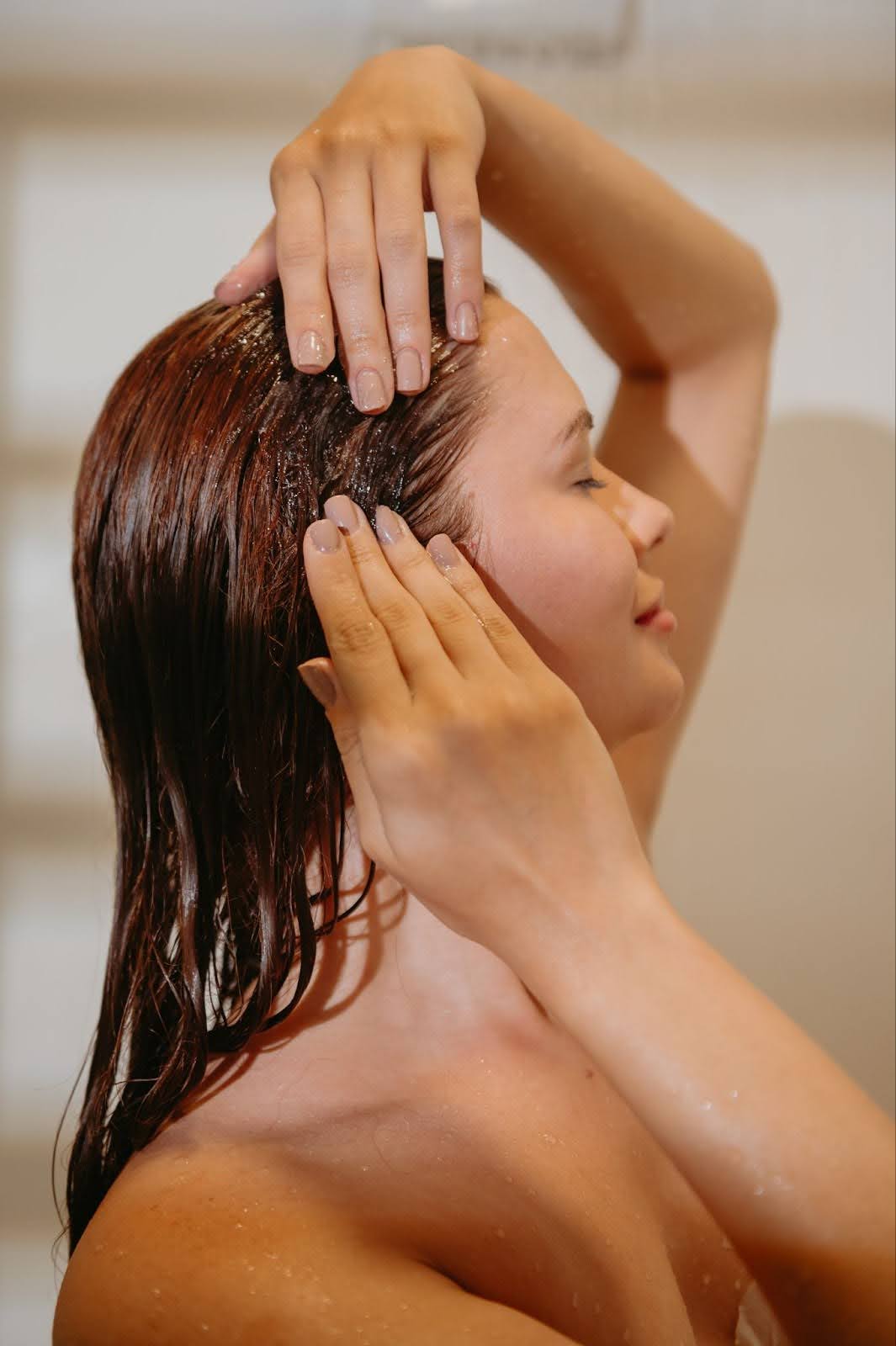
¿Qué es el champú de queratina? Beneficios, ingredientes y consejos para el mejor uso
|
Definición: El champú de queratina es un limpiador capilar especializado, infundido con queratina, una proteína estructural que fortalece y suaviza el cabello al reparar y reforzar su capa de cutícula. La ciencia detrás de esto: La queratina, una proteína natural que se encuentra en el cabello, la piel y las uñas, ayuda a fortalecer la estructura del tallo capilar. Los champús de queratina penetran en las hebras dañadas para reponer la proteína perdida, restaurar la humedad, mejorar la elasticidad y reducir el encrespamiento al sellar la cutícula del cabello, protegiéndolo así del daño ambiental y del estrés del peinado. Beneficios del champú de queratina:
Ejemplo: Un champú de terapia de queratina brasileña combina queratina con aceite de coco, aceite de aguacate y manteca de cacao para mejorar la fuerza y el brillo del cabello sin sulfatos ni parabenos agresivos. Dato curioso: A diferencia de los champús regulares, los champús de queratina no alisan el cabello, sino que mejoran su fuerza y suavidad mientras preservan el movimiento y la textura natural del cabello. |
Conclusiones clave:
- Repara y fortalece el cabello: Los champús de queratina reponen el cabello dañado al infundirlo con queratina hidrolizada, mejorando la textura, aumentando la resistencia y reduciendo el encrespamiento para unas hebras más suaves y saludables.
- Soporta el control del encrespamiento y el cuidado del color: Ideales para el control del encrespamiento, el cabello teñido y el procesado químicamente, los champús de queratina proporcionan limpieza y nutrición sin eliminar la humedad ni desvanecer el color.
- Qué buscar en un champú de queratina: Elegir un champú de queratina de alta calidad significa revisar las listas de ingredientes para la queratina, evitar los productos químicos agresivos y asegurarse de que la fórmula sea adecuada para su tipo de cabello específico.
¿Qué es el champú de queratina? El champú de queratina es un producto limpiador capilar formulado con queratina hidrolizada, la misma proteína estructural que compone la mayor parte de tu cabello. Cuando se aplica, esta proteína se une a las áreas débiles o dañadas de cada hebra, reforzando la fuerza, mejorando la elasticidad y creando una superficie más suave. A diferencia de los champús estándar que pueden limpiar de forma agresiva y eliminar los aceites naturales, los champús de queratina están diseñados para ser más suaves al tiempo que ofrecen beneficios restauradores. Al combinar agentes limpiadores suaves con proteínas fortalecedoras, ayudan a reducir el encrespamiento, protegen el cabello teñido o tratado químicamente y mantienen la suavidad con el tiempo.
Comprender qué hace el champú de queratina, cómo funciona y qué ingredientes buscar facilita la elección de una fórmula que favorezca la salud y manejabilidad del cabello a largo plazo.

La ciencia detrás de la infusión de queratina
La queratina es una proteína fibrosa que forma los componentes básicos del cabello, dando a cada hebra su fuerza, elasticidad y brillo característico. La exposición diaria al peinado con calor, los factores estresantes ambientales y los tratamientos químicos pueden desgastar estos enlaces naturales de queratina, dejando el cabello quebradizo, poroso y propenso al encrespamiento.
Nuestro champú de queratina aborda este daño de frente con infusiones específicas de queratina hidrolizada. Esto significa que la proteína se descompone en partículas más pequeñas, lo que facilita su absorción y utilización por el tallo del cabello. Cuando se enjabona, estas micromoléculas de queratina penetran profundamente en la cutícula, uniéndose a las áreas débiles y dañadas. Este proceso refuerza la estructura interna del cabello, suavizando la cutícula y mejorando la textura y resistencia de las hebras.
Para cualquiera que pregunte: "¿Es bueno el champú de queratina para el cabello?", la ciencia apunta a que sí. Cuando se formula correctamente, repara, fortalece y favorece la manejabilidad a largo plazo. El papel de la queratina en el champú no es solo cosmético, sino estructural, ayudando a reconstruir desde dentro mientras mantiene la suavidad de la superficie.
Las fórmulas modernas a menudo combinan queratina con ingredientes de apoyo como aminoácidos, complejos vitamínicos y aceites ligeros. Estos aumentan la hidratación, minimizan la rotura y sellan la superficie para mantener la humedad. El uso constante no solo crea un escudo protector; puede transformar cómo reacciona tu cabello a la humedad, el calor y el peinado, ofreciendo un acabado más suave y liso más allá del brillo superficial.
Beneficios del champú de queratina
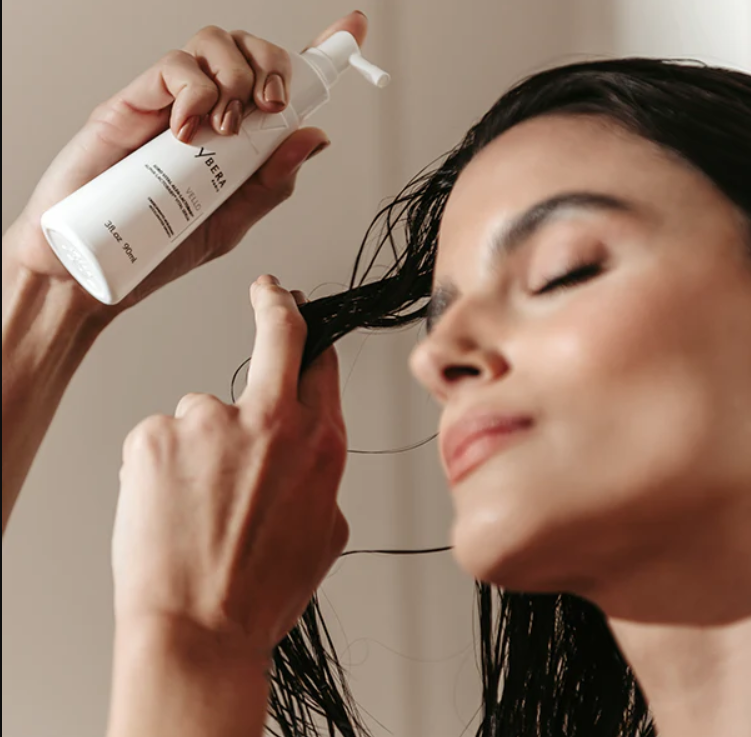
Aceite para el crecimiento del cabello explicado: cómo funciona y qué buscar
|
Definición: Los aceites para el crecimiento del cabello son productos tópicos diseñados para hidratar el cuero cabelludo, nutrir los folículos pilosos y mantener la salud general del cuero cabelludo. Aunque no hacen que el cabello crezca más rápido que su ritmo biológico natural, crean las condiciones para un cabello más sano, denso y fuerte con el tiempo. La ciencia detrás de esto: Diferentes aceites contienen compuestos que apoyan la salud del cuero cabelludo y los folículos. Con ácido ricinoleico, el aceite de ricino ofrece beneficios antimicrobianos y puede bloquear la prostaglandina D2, que está relacionada con la caída del cabello. En estudios con animales, el aceite de menta aumenta el número de folículos, el grosor dérmico y los factores de crecimiento. El aceite de romero mejora la circulación y puede reducir la DHT, y los estudios en humanos muestran resultados comparables o mejores que los del minoxidil. Beneficios:
Dato interesante: Aunque los aceites para el crecimiento del cabello tienen efectos prometedores en la salud del cuero cabelludo y el soporte folicular, su función es indirecta. No "aceleran milagrosamente" el crecimiento del cabello, sino que crean el ambiente adecuado para que tu cabello alcance su máximo potencial natural. |
Conclusiones clave:
- Cómo los aceites para el crecimiento del cabello contribuyen a un cabello más sano: Los aceites para el crecimiento del cabello combinan aceites naturales y extractos botánicos para nutrir el cuero cabelludo, fortalecer el cabello y reducir la rotura, lo que los hace beneficiosos para quienes tienen el cabello debilitado o de crecimiento lento.
- Ingredientes clave que buscar: Aceite de mirra, manzanilla, aloe vera, té verde, coco, manteca de karité y aceites nutritivos como argán, oliva, macadamia y semilla de algodón, restauran, suavizan y protegen las hebras dañadas, funcionando mejor cuando se complementan con un champú para apoyar el crecimiento del cabello para resultados más fuertes y abundantes.
- Aceites portadores versus aceites esenciales: Diferenciar entre aceites portadores, como el argán y el coco, y aceites esenciales, como la menta y el romero, es esencial para elegir soluciones eficaces para el crecimiento del cabello adaptadas a las necesidades individuales.
El aceite para el crecimiento del cabello combina aceites portadores naturales y aceites esenciales concentrados para apoyar la salud del cuero cabelludo y los folículos. Los aceites portadores como el argán, el coco o el baobab proporcionan hidratación y nutrición. En contraste, los aceites esenciales como el romero, la menta o el ricino aportan compuestos bioactivos que estimulan la circulación, reducen la inflamación o equilibran las hormonas relacionadas con el adelgazamiento. A diferencia de los aceites para peinar que cubren la superficie para un brillo temporal, los aceites para el crecimiento del cabello penetran más profundamente, acondicionando el cuero cabelludo y reforzando la fuerza del folículo. Esta doble acción ayuda a reducir la rotura y crea el ambiente natural ideal para el crecimiento del cabello.
Comprender cómo funcionan estos aceites y qué ingredientes son los más importantes facilita la elección de soluciones adaptadas a las necesidades individuales, ya sea que el objetivo sea mejorar el grosor, ralentizar la caída o mantener el bienestar general del cuero cabelludo.

Qué es el aceite para el crecimiento del cabello y por qué es importante
El aceite para el crecimiento del cabello es una mezcla especializada de aceites naturales y extractos botánicos diseñada para apoyar un ambiente saludable en el cuero cabelludo y fomentar un cabello más fuerte y abundante. Estas fórmulas suelen incluir ingredientes ricos en vitaminas, ácidos grasos esenciales y antioxidantes, elementos que nutren el cuero cabelludo, estimulan los folículos pilosos y ayudan a reducir la rotura. Para quienes lidian con el adelgazamiento del cabello, la caída o el crecimiento lento, un aceite para el crecimiento del cabello específico puede ser un valioso complemento para una rutina regular de cuidado capilar.
La lógica detrás del uso de aceite capilar para el crecimiento es sencilla: el cabello sano prospera con un cuero cabelludo bien nutrido y hebras resistentes. Al mejorar los niveles de humedad y proporcionar beneficios calmantes para el cuero cabelludo, estos aceites pueden combatir la sequedad, la descamación y la irritación, todo lo cual afecta la calidad del cabello. Además, masajear el aceite en el cuero cabelludo aumenta el flujo sanguíneo a los folículos, promoviendo aún más la vitalidad del cabello.
Sin embargo, no todos los aceites para el crecimiento del cabello son iguales. La eficacia a menudo se reduce a la calidad de los ingredientes y cómo interactúan con tu tipo de cabello y necesidades específicas. El producto de aceite para el crecimiento del cabello adecuado puede ayudar a reforzar los puntos débiles de la estructura de tu cabello, al tiempo que proporciona una barrera protectora contra los factores estresantes ambientales, el peinado con calor y los tratamientos químicos.
Ingredientes activos clave que realmente impulsan la actividad folicular
Al elegir el mejor aceite capilar para el crecimiento del cabello, lo que hay dentro de la botella importa tanto como cómo lo usas. El cuidado capilar moderno adopta un enfoque basado en la ciencia, confiando en ingredientes específicos que fomentan la actividad folicular y apoyan un ambiente más saludable en el cuero cabelludo.
Aquí están los activos a tener en cuenta en tu lista de ingredientes:
- Aceite de baobab: Obtenido del "Árbol de la Vida" africano, el aceite de baobab ofrece una potente mezcla de vitaminas A, D, E y F, que ayudan a nutrir el cabello desde la raíz y a mejorar la elasticidad del cuero cabelludo. Sus altos niveles de ácidos grasos omega pueden penetrar profundamente, haciendo que el cabello se sienta más fuerte y menos propenso a la rotura.
- Manteca de karité: Este rico ingrediente natural es valorado por sus propiedades profundamente hidratantes y su capacidad para calmar el cuero cabelludo. La manteca de karité está cargada de ácidos grasos esenciales y vitaminas, proporcionando al cuero cabelludo la humedad que necesita para crear una base saludable para el crecimiento de cabello nuevo.
- Queratina: Como la proteína principal en la estructura del cabello, la queratina ayuda a fortificar las hebras desde el interior. La aplicación tópica a través de formulaciones avanzadas para el cuidado del cabello puede reconstruir temporalmente las áreas de debilidad, reducir la pérdida por rotura y fomentar una apariencia visiblemente más suave y abundante.
- Aceite de menta: Conocido por su sensación refrescante y vigorizante, el aceite de menta estimula la circulación en el cuero cabelludo. Una mejor circulación significa que más nutrientes y oxígeno llegan a tus folículos, fomentando los ciclos de crecimiento natural.
- Cafeína: En algunos estudios, la cafeína ha demostrado la capacidad de estimular los folículos pilosos y prolongar la fase activa de crecimiento. Actúa a nivel celular para energizar el cuero cabelludo, ayudando a que los folículos permanezcan en su estado óptimo por más tiempo.
- Extractos botánicos: Ingredientes como el romero y la palma enana americana son cada vez más reconocidos por reducir la inflamación y bloquear las vías hormonales asociadas con el adelgazamiento del cabello. El uso regular apoya la salud del cuero cabelludo, preparando el terreno para un nuevo crecimiento robusto.
Elegir un aceite con estos activos probados puede darle a tu cuero cabelludo el impulso que necesita. Ayuda a que los folículos se mantengan resistentes y productivos y te da la mejor oportunidad de lograr un cabello más fuerte, grueso y saludable.
Evidencia científica detrás de los aceites populares para el crecimiento
Profundizar en la ciencia de los aceites para el crecimiento del cabello significa separar las palabras de moda de belleza de la investigación fundamental. Si bien no existe una solución mágica para una melena instantánea tipo Rapunzel, varios aceites naturales que se usan a menudo en las mezclas para el crecimiento del cabello se han estudiado por sus beneficios tangibles. Combinar estos aceites con un champú y acondicionador para el crecimiento del cabello puede apoyar aún más la salud del cuero cabelludo, ya que la limpieza y el acondicionamiento constantes ayudan a crear un ambiente donde estos aceites funcionan de manera más efectiva. Para cualquiera que se pregunte cuánto tiempo tarda en funcionar el aceite para el crecimiento del cabello, la investigación sugiere que los resultados son graduales, generalmente notables después de un uso constante durante varios meses en lugar de semanas.
Aceite de Ricino
El aceite de ricino destaca gracias a su alto contenido de ácido ricinoleico, un ácido graso omega-9 relacionado con una mejor circulación sanguínea en el cuero cabelludo. Una mejor circulación significa que los folículos pilosos reciben un impulso de nutrientes, lo que puede fomentar el nuevo crecimiento y fortalecer las hebras existentes. Algunos estudios de laboratorio y en animales sugieren que las propiedades antiinflamatorias del aceite de ricino también podrían aliviar los cueros cabelludos irritados, aunque los ensayos en humanos a gran escala aún son limitados.
Aceite de Romero
El aceite de romero ha atraído la atención en los círculos dermatológicos por su potencial para apoyar el crecimiento saludable del cabello. En un ensayo clínico de 2015, el aceite de romero se comparó favorablemente con el minoxidil (conocido a menudo por la marca Rogaine) en cuanto al aumento del recuento de cabello en individuos con ciertos tipos de adelgazamiento capilar. Los investigadores teorizan que el poder del romero reside en estimular la microcirculación y prevenir la producción de DHT, una hormona relacionada con la caída del cabello.
Aceite de Menta
El aceite de menta no es solo una sensación refrescante para el cuero cabelludo. La investigación preclínica sugiere que este aceite puede inducir rápidamente a los folículos pilosos a la fase "anágena" (crecimiento) del ciclo capilar, posiblemente aumentando el flujo sanguíneo y promoviendo la entrega de oxígeno. ¿Esa sensación de hormigueo que se experimenta después de la aplicación? No es solo un placebo; tiene una base fisiológica.
Aceite de Argán
Luego está el aceite de argán, rico en antioxidantes y vitamina E. Aunque no está directamente relacionado con un crecimiento más rápido del cabello en ensayos clínicos, las propiedades protectoras y acondicionadoras del aceite de argán ayudan a reducir la rotura y mantener la salud del cuero cabelludo, dos factores cruciales para cualquiera que busque un cabello más fuerte y saludable con el tiempo.
Así que, si bien los aceites para el crecimiento del cabello hacen grandes promesas, la evidencia subraya que ciertos aceites populares tienen roles científicamente plausibles, principalmente relacionados con la salud del cuero cabelludo, la microcirculación y la prevención de la rotura.
Cómo elegir el aceite adecuado para la textura y las necesidades de tu cabello
No todos los aceites para el crecimiento del cabello son iguales; lo que funciona de maravilla para un tipo de cabello podría no tener el mismo efecto mágico para otro. El camino hacia un cabello más sano y con más volumen comienza por comprender la textura única de tu cabello y priorizar tus problemas capilares más apremiantes. Cuando se usa de forma constante, los beneficios del aceite para el crecimiento del cabello incluyen hebras más fuertes, una mejor salud del cuero cabelludo y una reducción de la rotura en diferentes tipos de cabello.
Para cabello fino o delgado
Si tu cabello se siente lacio o se apelmaza fácilmente, busca aceites ligeros como el de argán o el de semilla de uva. Estos nutren el cuero cabelludo sin dejar un residuo pesado y graso. Ayudan a fortalecer el cabello desde la raíz, protegen contra la rotura y no sacrifican el volumen natural.
Para Cabello Rizado o Crespo
Las texturas rizadas a menudo anhelan una hidratación profunda y una nutrición extra. Aceites como el de ricino, coco o baobab proporcionan una hidratación intensa y ayudan a retener la suavidad. Estos aceites protegen los rizos de la humedad y reducen el frizz, al tiempo que promueven un ambiente saludable en el cuero cabelludo, lo cual es crucial para el crecimiento.
Para Cabello Dañado o Tratado Químicamente
Si tu cabello ha pasado por frecuentes tintes, tratamientos químicos o herramientas de calor, los aceites reparadores se convertirán en tus mejores aliados. Busca formulaciones con ingredientes como manteca de karité, aceite de oliva o aceite de aguacate. Estos penetran profundamente, ayudando a reparar las hebras debilitadas, restaurar el brillo y reforzar la elasticidad.
Para Cuero Cabelludo Graso y Acumulación de Productos
Si tienes un cuero cabelludo graso o con acumulación de productos, los aceites más ligeros, como el de jojoba o el de árbol de té, pueden ayudar a equilibrar la producción de grasa. Estos aceites mantienen el cuero cabelludo fresco, calman la inflamación y mantienen una base adecuada para el nuevo crecimiento.
El mejor aceite para el crecimiento del cabello es aquel que se adapta a tu cabello en este momento. Considera tu textura, cómo responde tu cuero cabelludo y si tu cabello necesita hidratación adicional, fuerza o un reinicio. Con el ajuste adecuado, tu cabello recibirá el cuidado específico que merece en tu camino hacia hebras más fuertes y saludables.
Guía paso a paso para aplicar el aceite de crecimiento como un profesional
Aplicar el aceite de crecimiento capilar correctamente es clave para maximizar sus posibles beneficios. Piensa en raíces más fuertes, longitudes nutridas y brillo duradero. Para cualquiera que pregunte: "¿Funciona el aceite de crecimiento capilar?", la respuesta depende de la consistencia y la corrección de su aplicación; la técnica y la rutina importan tanto como el propio aceite.
Aquí tienes un enfoque sencillo que se adapta a cualquier rutina capilar:
- Empieza con el cabello limpio y húmedo: El cabello libre de acumulación de productos absorbe el aceite de forma más eficaz. Después de tu lavado habitual, sécate suavemente el cabello con una toalla para que esté húmedo, pero no empapado. Combinar este paso con un champú y acondicionador para el crecimiento del cabello mejora la salud del cuero cabelludo y crea una base aún mejor para que el aceite actúe.
- Mide la cantidad perfecta: Dependiendo de la longitud y el grosor de tu cabello, vierte unas gotas o una cucharadita llena de aceite en tus palmas. Calentar el aceite frotando las manos ayuda a distribuirlo uniformemente y mejora la absorción.
- Céntrate primero en el cuero cabelludo: Divide tu cabello en secciones. Con las yemas de los dedos, masajea el aceite directamente en el cuero cabelludo con movimientos circulares. Esto estimula la circulación y asegura que el cuero cabelludo, donde comienza el crecimiento, reciba primero esos ingredientes nutritivos.
- Extiéndelo por los largos: Alisa el aceite restante por los largos y las puntas. Estas zonas son propensas a la sequedad y pueden beneficiarse de una hidratación y protección adicionales.
- Deja que penetre: Deja el aceite actuar durante al menos 30 minutos. Cubre tu cabello con un gorro de ducha y déjalo toda la noche para un tratamiento más profundo. El calor (incluso el calor natural de tu cuero cabelludo) puede ayudar a que el aceite penetre en el tallo del cabello.
- Enjuaga a fondo: Lava el aceite con un champú suave sin sulfatos para evitar eliminar la humedad. Si usaste un aceite más pesado o lo dejaste toda la noche, es posible que necesites dos lavados.
- Repite de forma constante: Para obtener los mejores resultados, aplica tu aceite para el crecimiento del cabello de una a tres veces por semana, según las necesidades de tu cabello y la respuesta de tu cuero cabelludo.
Sigue estos pasos y observa cómo tu cabello se transforma, más firme, más suave y listo para cualquier cosa.
Lee también:
- La mejor rutina de cuidado capilar para todo tipo de cabello en 2025
- ¿Qué causa el encrespamiento? 10 causas comunes y cómo solucionarlas
- Ácido hialurónico para el cabello: beneficios y cómo usarlo
Preguntas frecuentes sobre el aceite para el crecimiento del cabello
¿Cómo funciona el aceite para el crecimiento del cabello?
Los aceites para el crecimiento del cabello nutren el cuero cabelludo y los folículos pilosos, creando un ambiente saludable para el crecimiento de cabello nuevo. A menudo combinan extractos botánicos, aceites esenciales y vitaminas que mejoran la circulación del cuero cabelludo, reducen la sequedad y fortalecen el cabello desde la raíz.
¿Los aceites para el crecimiento del cabello realmente pueden ayudar con la caída del cabello?
Si bien los aceites para el crecimiento del cabello pueden apoyar la salud general del cabello y el cuero cabelludo, no son una cura milagrosa para la caída avanzada del cabello. Muchos usuarios ven beneficios como una reducción de la rotura, hebras más fuertes y una mejor manejabilidad, lo que puede dar la apariencia de un cabello más abundante. Para problemas significativos de caída del cabello, siempre se recomienda una consulta profesional.
¿Cuáles son los principales ingredientes en los aceites para el crecimiento del cabello?
La mayoría de los aceites para el crecimiento del cabello contienen una mezcla de aceites naturales, como ricino, jojoba, argán o coco, junto con ingredientes como vitamina E, aceite de romero, biotina y aceite de menta. Estos componentes se eligen por su capacidad para hidratar, proteger y estimular el cuero cabelludo sin químicos agresivos.
¿Quién debería usar aceite para el crecimiento del cabello?
Cualquier persona que busque mejorar la salud, apariencia o textura de su cabello puede beneficiarse del aceite para el crecimiento del cabello. Es especialmente popular entre personas que sufren de sequedad, encrespamiento, puntas abiertas o crecimiento lento del cabello. Tanto hombres como mujeres con todo tipo de cabello pueden ver mejoras al usar estos productos como parte de su rutina.
¿Con qué frecuencia debo aplicar el aceite para el crecimiento del cabello?
El uso depende de tu tipo de cabello y tus objetivos. Generalmente, se recomienda una o dos veces por semana para la mayoría de las personas. Aquellos con cabello muy seco o dañado podrían beneficiarse de aplicaciones más frecuentes, mientras que otros pueden preferir un uso más ligero y menos frecuente. Comienza con poco y ajusta según las necesidades de tu cabello.
¿Es el aceite para el crecimiento del cabello adecuado para todo tipo de cabello?
Sí, la mayoría de los aceites de alta calidad para el crecimiento del cabello están desarrollados para ser seguros y efectivos para todo tipo de cabello, incluyendo liso, ondulado, rizado y afro. La clave es elegir una fórmula que se adapte a la textura y condición únicas de tu cabello.
¿Puedo usar aceite para el crecimiento del cabello en cabello teñido o tratado químicamente?
Absolutamente. Muchos aceites modernos para el crecimiento del cabello, especialmente los de marcas como Ybera, están formulados sin químicos agresivos y son seguros para cabello teñido o procesado químicamente. Incluso pueden ayudar a restaurar la humedad y la suavidad perdidas durante los tratamientos químicos.
¿Cuánto tiempo tarda en verse resultados con el aceite para el crecimiento del cabello?
Los resultados pueden variar de persona a persona. Algunas personas notan mejoras en la suavidad y el brillo después de solo unas pocas aplicaciones, mientras que otras ven un cabello más denso y fuerte después de varias semanas de aplicación constante. La paciencia y el uso regular son clave para obtener los mejores resultados.
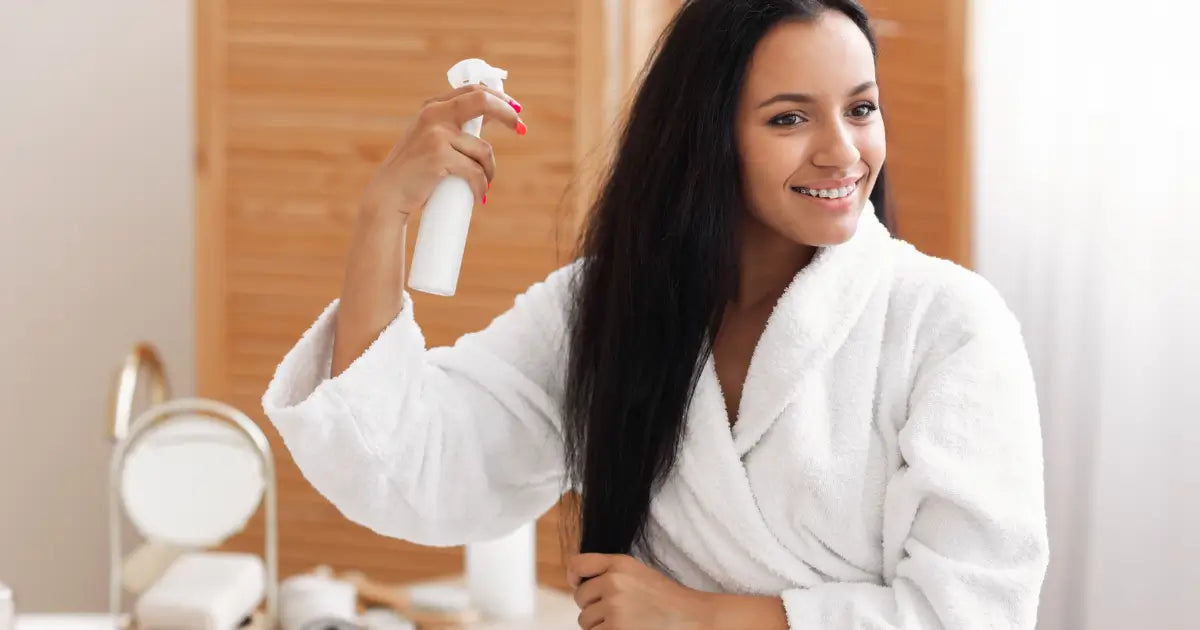
La Mejor Rutina de Cuidado del Cabello para Todo Tipo de Pelo en 2025
El entorno actual es más hostil para nuestro cabello que nunca. Entre la contaminación, el polvo, la humedad, los productos químicos del peinado y las herramientas de calor, el cabello se enfrenta a desafíos constantes. Simplemente lavarlo con champú y acondicionador ya no es suficiente para mantener un cabello sano y vibrante.
Para proteger tu cabello y mantenerlo con su mejor aspecto, necesitas una rutina completa que se adapte a tu tipo de cabello y estilo de vida. Pero con tantos productos en el mercado, puede ser abrumador, e incluso arriesgado si eliges fórmulas con ingredientes dañinos.
La clave está en conocer tu tipo de cabello y aprender a adaptar cada paso de tu rutina para obtener el máximo beneficio, ya sea que tu cabello sea rizado, liso, ondulado o encrespado. Esta guía te ayudará a comprender lo que tu cabello realmente necesita, desde la limpieza y el acondicionamiento hasta el peinado y el cuidado del cuero cabelludo.
La mejor rutina de cuidado del cabello
Paso 1: Entiende tu tipo de cabello
Antes que nada, conoce tu cabello. ¿Es fino o grueso? ¿Liso o rizado? El tipo de cabello influye en cómo reacciona a la humedad, los productos y el calor. Por ejemplo:
-
El cabello rizado generalmente necesita productos hidratantes más intensos y diferentes técnicas de peinado para evitar el encrespamiento y la rotura.
-
El cabello liso a menudo puede soportar fórmulas más ligeras y un acondicionamiento profundo menos frecuente.
Conocer tu tipo de cabello te permite elegir los productos adecuados y evitar gastar dinero en artículos que no te funcionarán.
Paso 2: Encuentra el horario de lavado adecuado
Lavar el cabello con demasiada frecuencia elimina sus aceites naturales, dejándolo seco y quebradizo. Lavarlo muy poco provoca una acumulación de suciedad y grasa, lo que genera problemas en el cuero cabelludo. Para la mayoría de los tipos de cabello, lavarlo 2-3 veces a la semana con un champú sin sulfatos logra un buen equilibrio.
Consejos para el lavado:
-
Usa agua tibia; el agua caliente puede dañar el cuero cabelludo y las cutículas del cabello.
-
Aplica el champú principalmente en el cuero cabelludo, donde se acumula la grasa, en lugar de en las puntas.
-
Sigue con un acondicionador hidratante para reponer la hidratación y suavizar las hebras.
-
Usa un peine de dientes anchos en el cabello mojado para desenredar suavemente y evitar la rotura.
Paso 3: Incorpora el champú seco sabiamente
El champú seco es un salvavidas para los días ajetreados en los que no tienes tiempo para un lavado completo. Absorbe el exceso de grasa y añade volumen sin agua. Pero ten cuidado de no usarlo en exceso: el uso diario puede obstruir los poros del cuero cabelludo y causar sequedad o caspa.
Paso 4: Acondiciona cada vez que laves
El acondicionador retiene la humedad y facilita el manejo del cabello. Para una nutrición adicional, usa una mascarilla capilar dos veces por semana, especialmente si tu cabello se siente seco o dañado. Los acondicionadores sin enjuague pueden cambiar las reglas del juego, sobre todo si usas herramientas de peinado con calor con regularidad.
Paso 5: Seca al aire o con secador, pero protege tu cabello
Siempre que sea posible, el secado al aire es más suave para tu cabello y previene el daño por calor. Si usas secador, aplica siempre un spray protector térmico primero, especialmente antes o después de un tratamiento de alisado con queratina, y usa calor bajo a medio. Esto ayuda a mantener la humedad y reduce la rotura.
Paso 6: Concéntrate en la salud del cuero cabelludo
Tu cuero cabelludo es la base de un cabello sano. Un cuero cabelludo poco saludable puede provocar caspa, irritación o incluso pérdida de cabello. Así es como debes cuidarlo:
-
Usa champús suaves y sin sulfatos.
-
Evita el lavado excesivo para mantener el equilibrio de los aceites naturales.
-
Masajea tu cuero cabelludo regularmente con aceites naturales como el de coco o el de árbol de té para mejorar la circulación y nutrir las raíces.
-
Considera usar un exfoliante para el cuero cabelludo para exfoliar y prevenir la acumulación.
Paso 7: Mantén una dieta saludable
La salud del cabello comienza desde el interior. Consumir alimentos ricos en proteínas, ácidos grasos omega-3, biotina, zinc y hierro favorece un crecimiento fuerte del cabello. Las verduras como las zanahorias y las espinacas aportan vitaminas esenciales, mientras que mantenerse hidratado mantiene las hebras flexibles y menos propensas a la rotura.
Paso 8: Recortes regulares y evita el tratamiento excesivo
Recortarse el cabello cada 6 u 8 semanas ayuda a prevenir las puntas abiertas y promueve un crecimiento más saludable. Además, si tu cabello ya está tratado químicamente (decolorado o teñido), evita tratamientos adicionales frecuentes que puedan causar daños.
Consejos adicionales: Productos y tratamientos que ayudan
-
Sérums capilares: Sellan la humedad y añaden brillo.
-
Tratamientos de queratina: Suavizan el cabello, reducen el encrespamiento y fortalecen las hebras al reponer las proteínas.
-
Fundas de almohada de seda o satén: Reducen la fricción al dormir, ayudando a prevenir la rotura y el encrespamiento.
-
Evita cepillar el cabello mojado: El cabello mojado es más frágil y propenso a dañarse; usa un peine de dientes anchos en su lugar.
Conclusión
Una rutina de cuidado capilar inteligente y personalizada es la mejor inversión para un cabello sano y hermoso en 2025. Concéntrate en comprender tu tipo de cabello y adaptar tu cuidado en consecuencia, desde el lavado y el acondicionamiento hasta el peinado y el cuidado del cuero cabelludo. Usa productos de calidad y protege tu cabello del calor y el daño ambiental. La constancia es clave, y con paciencia, disfrutarás de un cabello más fuerte, brillante y saludable.
Preguntas frecuentes
¿Cómo mantengo un cabello sano?
Sigue una rutina nutritiva, lleva una dieta equilibrada rica en nutrientes beneficiosos para el cabello, mantente hidratado y evita el calor excesivo y los tratamientos agresivos.
¿Es importante el cuidado del cuero cabelludo?
Sí, un cuero cabelludo sano favorece unas raíces fuertes y previene problemas como la caspa y la caída del cabello.
¿Afecta la dieta al crecimiento del cabello?
Absolutamente. Las vitaminas y minerales de frutas, verduras, frutos secos y semillas nutren el cabello desde dentro.
¿Cuáles son los mejores tratamientos capilares?
Los tratamientos de queratina son excelentes para restaurar las proteínas, alisar el cabello y reducir el encrespamiento.
¿Qué causa el encrespamiento del cabello? 10 causas comunes y cómo solucionarlas
El cabello encrespado es una preocupación común para muchas personas, independientemente de su tipo o textura de cabello. A menudo se describe como hebras secas, ásperas e inmanejables que parecen levantarse o abultarse incontrolablemente. Pero, ¿qué causa exactamente el encrespamiento y, lo que es más importante, cómo se puede solucionar?
En esta guía detallada, exploraremos las 10 razones principales por las que tu cabello se encrespa y compartiremos soluciones prácticas y efectivas para ayudarte a mantener un cabello suave y saludable. Ya sea que tengas cabello rizado, ondulado o liso, comprender la ciencia detrás del encrespamiento te dará el poder de controlarlo mejor, y decidir cuándo un tratamiento de alisado capilar con queratina tiene sentido.
¿Qué es el encrespamiento del cabello?
El encrespamiento se produce cuando la capa protectora externa del cabello, conocida como cutícula, se eleva o se daña. Esto permite que la humedad del ambiente penetre en el tallo del cabello, lo que hace que se hinche y pierda su alineación suave. ¿El resultado? Un cabello que se ve seco, voluminoso y difícil de manejar.
La humedad a menudo se culpa como la principal causa del encrespamiento, pero varios otros factores juegan un papel, incluyendo tu tipo de cabello, hábitos de peinado, productos que usas e incluso tu dieta.
Las 10 principales causas del cabello encrespado
1. Duchas calientes
Muchos no se dan cuenta de que lavarse el cabello con agua caliente es una de las causas silenciosas del encrespamiento. El agua caliente elimina los aceites naturales del cabello, que son esenciales para mantener las hebras hidratadas y suaves. Sin estos aceites, el cabello se vuelve seco, áspero y propenso al encrespamiento.
Cómo solucionarlo:
Cambia a agua tibia o fría cuando laves tu cabello, y siempre aplica un acondicionador hidratante para retener la hidratación. Prueba nuestra mascarilla acondicionadora Protect Control para una hidratación profunda y control del encrespamiento.
2. Productos de peinado agresivos
El uso de productos de peinado que contienen sulfatos, alcohol o parabenos puede dañar tu cabello. Estos ingredientes elevan la cutícula del cabello y eliminan la humedad, lo que provoca sequedad y encrespamiento.
Cómo solucionarlo:
Elige champús sin sulfatos y productos de peinado suaves formulados para tu tipo de cabello. Busca acondicionadores sin enjuague nutritivos o cremas para rizos para mantener la hidratación y controlar el encrespamiento.
3. Herramientas de peinado con calor
Las planchas, los rizadores y los secadores de pelo utilizados con frecuencia y a altas temperaturas pueden debilitar el tallo del cabello. Sin una protección adecuada contra el calor, el calor intenso agrieta la cutícula del cabello, lo que provoca encrespamiento.
Cómo solucionarlo:
Usa herramientas de peinado con calor con moderación y siempre aplica un protector térmico en spray antes de peinar. Además, intenta usar la configuración de calor más baja y efectiva. Descubre consejos de peinado seguros en nuestro artículo Cómo usar un difusor en cabello rizado.
4. Tipo de cabello
El cabello naturalmente rizado o grueso es más propenso al encrespamiento porque a los aceites naturales producidos por el cuero cabelludo les cuesta más recorrer los giros y vueltas de los rizos. Este desequilibrio de humedad hace que la cutícula se levante más fácilmente en respuesta a los cambios ambientales.
Cómo solucionarlo:
Añade mascarillas hidratantes y tratamientos de acondicionamiento profundo a tu rutina regularmente. Los tratamientos con aceite de argán o jojoba también pueden ayudar a retener la humedad.
5. Malos hábitos de peinado
Los malos hábitos de cuidado del cabello, como no recortar las puntas abiertas regularmente (cada 8-12 semanas), cepillar o peinar con brusquedad y atar el cabello demasiado apretado cuando está mojado, causan rotura y encrespamiento.
Cómo solucionarlo:
Corta tu cabello regularmente, péinalo suavemente desde las puntas hacia arriba y evita peinados apretados, especialmente en cabello mojado.
6. Secado con toalla
El uso de toallas de felpa tradicionales para secar el cabello crea fricción, endurece la cutícula y causa encrespamiento y rotura.
Cómo solucionarlo:
Cambia a toallas de microfibra o camisetas de algodón suave para secar el exceso de agua suavemente. Deja que tu cabello se seque parcialmente al aire antes de aplicar productos de peinado.
7. Humedad
La humedad es uno de los mayores culpables detrás del encrespamiento. Cuando el cabello absorbe el exceso de humedad del aire, el tallo se hincha y las cutículas se levantan, lo que hace que el cabello se vea hinchado e inmanejable.
Cómo solucionarlo:
Usa sprays antihumedad o sueros a base de silicona para sellar la cutícula y evitar que la humedad entre. Evita salir con el cabello mojado, ya que atrae más humedad.
8. Falta de aceites naturales
Tu cuero cabelludo produce aceites naturales que protegen e hidratan el cabello. Lavar el cabello con demasiada frecuencia o eliminar estos aceites causa sequedad y encrespamiento.
Cómo solucionarlo:
Evita el lavado diario e incorpora aceites naturales como el argán, la almendra o el jojoba en tu rutina de cuidado capilar para reponer la humedad.
9. Lavado excesivo del cabello
El lavado frecuente elimina los aceites protectores y altera el equilibrio natural de humedad del cuero cabelludo, dejando el cabello seco y encrespado.
Cómo solucionarlo:
Limita el lavado a 2-3 veces por semana y usa un champú suave sin sulfatos. En los días que no laves, el champú en seco puede ayudar a mantener la frescura sin eliminar los aceites.
10. Omitir los protectores térmicos
El uso de herramientas de peinado con calor sin un spray protector térmico expone el cabello a daños directos, agrietando el tallo capilar y causando encrespamiento.
Cómo solucionarlo:
Siempre aplica un spray protector térmico antes de usar cualquier herramienta de calor para crear una barrera protectora y reducir el daño.
Consejos adicionales para prevenir y controlar el encrespamiento
-
Hidrátate: Bebe mucha agua para mantener tu cabello y cuerpo hidratados.
-
Duerme sobre seda: Usa fundas de almohada de seda o satén para reducir la fricción que causa el encrespamiento.
-
Corta regularmente: Eliminar las puntas abiertas evita que el encrespamiento se extienda.
-
Peinados protectores: Recoge el cabello suelto o usa peinados protectores en días de alta humedad.
Conclusión
El cabello encrespado es causado principalmente por factores ambientales como la humedad y el calor, junto con tus hábitos de cuidado capilar y tipo de cabello. ¿La buena noticia? Es manejable. Al realizar cambios sencillos como lavar el cabello con agua tibia, evitar productos agresivos, proteger tu cabello del calor y la humedad, y usar tratamientos hidratantes, puedes reducir el encrespamiento y mantener tu cabello suave y saludable.
Para obtener más consejos personalizados sobre el cuidado del cabello y soluciones de tratamiento con queratina, visita nuestra página de Tratamiento capilar para un cabello suave y descubre los mejores champús para cabello tratado con queratina.
Preguntas frecuentes
¿Qué es el cabello encrespado?
El cabello encrespado es un cabello seco y áspero con cutículas elevadas que parece hinchado o inmanejable debido al desequilibrio de humedad y al daño.
¿Lavar el cabello con demasiada frecuencia causa encrespamiento?
Sí, elimina los aceites naturales esenciales para la hidratación del cabello, lo que provoca sequedad y encrespamiento.
¿Cómo puedo controlar el encrespamiento de forma natural?
Cambia a champús sin sulfatos, usa mascarillas capilares hidratantes, aceites naturales y evita el peinado excesivo con calor.
¿Es la humedad realmente la principal causa del encrespamiento?
La humedad juega un papel importante, pero otros factores como el daño capilar, los productos y el tipo de cabello también contribuyen.
Tratamiento de queratina fallido: cómo identificar y solucionar un tratamiento que salió mal
¿Sufres de un mal tratamiento de queratina? Un mal tratamiento de queratina es una pesadilla porque puede convertir tu cabello en un desastre encrespado. El tratamiento de queratina abarca una amplia gama. Son muy conocidos por su capacidad para reducir el encrespamiento y dar a tu cabello un aspecto sano y elegante.
Sin embargo, la aplicación incorrecta de queratina es el uso de productos equivocados en el tipo de cabello equivocado. En este artículo, aprenderás sobre las razones de un tratamiento de queratina incorrecto y cómo solucionarlo.
Cómo reconocer un mal tratamiento de queratina
Lo primero es que debes saber qué es una queratina mala. El tratamiento de queratina puede suavizar tu cabello proporcionándole a tu cabello y cuero cabelludo proteínas e hidratación esenciales. Sin embargo, un mal tratamiento de queratina impide un cabello suave y brillante y conduce a una textura capilar inusual. Aquí tienes algunos síntomas de un mal tratamiento de queratina.
1. Textura o rotura inusual del cabello
Uno de los signos básicos y más prominentes de un mal tratamiento de queratina es la rotura frecuente del cabello y una textura capilar inesperada. El propósito del tratamiento de queratina es hacer que tu cabello sea suave y liso.
Sin embargo, debido a un mal tratamiento de queratina, tu cabello se vuelve más pegajoso y áspero. Además, tu cabello comienza a romperse fácilmente. Si tu cabello se rompe con frecuencia, entonces debes considerar arreglarlo y recibir tratamiento.
2. Excesiva caída del cabello
La caída del cabello es otra señal de un mal tratamiento de queratina. Perder algunos cabellos diariamente es normal, pero si estás experimentando una caída excesiva después del tratamiento, entonces es momento de tomar medidas. Esto también ocurre debido al uso excesivo de planchas durante el proceso de sellado de la humedad. Cuando se sobrecarga de proteína las raíces, estas se vuelven extremadamente frágiles, lo que lleva a una caída excesiva del cabello.
3. Irritación o ardor en el cuero cabelludo
Si sientes picazón o ardor después de un tratamiento de queratina para alisar el cabello, debes consultar a tu especialista porque indica un mal tratamiento de queratina. El uso de un producto de queratina incorrecto o un alto nivel de formaldehído causa picazón y a menudo ardor en el cuero cabelludo.
También afecta la salud del cabello y es altamente perjudicial para la persona. Ahora también puedes encontrar opciones de queratina sin formaldehído, que son más seguras para el cabello, la piel y el tratamiento de uñas.
4. Alisado irregular o resultados desiguales
Durante el proceso de queratinización, desempeña un papel crucial. Después de cargar el cabello con proteínas, la humedad se sella con la ayuda de una plancha. Sin embargo, si tienes algunos cabellos alisados en una zona que todavía está ondulada o encrespada, entonces debes saber que tu tratamiento de queratina ha salido mal.
Es una señal de un mal tratamiento de queratina porque una queratina brasileña profesional, después de la aplicación de queratina, nunca dejará tu cabello con parches o inconsistencias.
Por qué los tratamientos de queratina salen mal
Existen varias razones para un mal tratamiento de queratina. Exploremos algunas de ellas.
1. Producto incorrecto para tu tipo de cabello
El uso incorrecto de productos capilares conduce a un mal tratamiento de queratina. En el mercado, existen diferentes tipos de tratamientos de queratina, y no todos los tratamientos son iguales para todas las personas. Cada uno tiene una textura y tipo de cabello diferente. No todos los tratamientos de queratina son para todos los tipos de cabello. Cada fórmula atiende las necesidades de diferentes condiciones capilares y, si se aplica incorrectamente, provoca problemas destructivos.
2. Peluquero sin experiencia
Tu estilista es lo más importante. La queratina no es solo aplicar proteínas. Es un tratamiento químico que requiere precisión y mucho cuidado; de lo contrario, puedes sufrir daños en el cabello.
3. Productos químicos de baja calidad o agresivos
El uso de queratina química de baja calidad o agresiva es una de las razones comunes de un mal tratamiento de queratina. A menudo, las personas eligen fórmulas de queratina baratas que contienen formaldehído, lo que causa diferentes efectos secundarios para la salud física y mental. Sin embargo, el uso de tratamientos con ácido glioxílico es mucho más seguro que el formaldehído.
Cómo solucionar un mal tratamiento de queratina
Si encuentras alguna señal de un mal tratamiento de queratina, entonces debes saber cómo solucionarlo. En este mundo avanzado, todo es posible. Seguir algunos consejos, como usar un champú sin sulfatos para cabellos tratados con queratina, minimizar el calor y acondicionar profundamente, te ayudará a superar los efectos de un mal tratamiento de queratina.
1. Hidratación profunda y reequilibrio de proteínas
Si sufres de cabello encrespado y seco incluso después de un tratamiento de queratina, entonces debes usar un humectante. Usar un humectante reequilibrará el efecto de las proteínas con el nivel de hidratación requerido.
Utiliza una mascarilla de acondicionamiento profundo con ingredientes hidratantes como manteca de karité y aceite de argán. Estos te ayudarán a calmar tus hebras capilares, superando el efecto del tratamiento de queratina estropeado.
2. Clarificar y desintoxicar suavemente
A veces, desintoxicar suavemente tu cuero cabelludo puede ayudarte a superar los efectos de un mal tratamiento de queratina. Puedes usar un limpiador o champú sin sulfatos una vez a la semana para eliminar el exceso de proteína de tus raíces. De esta manera, eliminarás la acumulación excesiva y tu cabello podrá respirar de nuevo.
3. Recortar las puntas abiertas de inmediato
En caso de que estés sufriendo de puntas abiertas y cabello encrespado después de un mal tratamiento de queratina, entonces debes cortar las puntas abiertas justo cuando aparezcan. Cortarlas evitará una mayor rotura. Además, eliminar la deuda conducirá a un crecimiento saludable del cabello.
4. Usar acondicionadores sin enjuague y aceites fortificantes
En caso de que tengas el cabello extremadamente dañado después de un tratamiento de queratina, puedes arreglarlo utilizando aceites y humedad adecuados. Con un mal tratamiento de queratina, tu cabello se vuelve extremadamente seco y quebradizo. Y la mejor solución para eso es hidratar tu cabello usando aceites naturales como el de coco, ricino o argán.
Estos también tienen la capacidad de restaurar la elasticidad del cabello y sellar la humedad. Una vez que se restaura la humedad, tu cabello comenzará a recuperar su estado original. Asegúrate de aplicar un acondicionador ligero y dejarlo en tu cabello durante unos minutos para fortalecer las raíces.
5. Consulta a un profesional
Si el daño es injusto e incomprensible, lo mejor es consultar a un profesional. Ellos diagnosticarán tu problema, considerando tu tipo de cabello, y te sugerirán una solución considerando la pérdida.
Cosas a considerar antes de un tratamiento de queratina
Si planeas someterte a un tratamiento de queratina, debes investigar cómo funciona. Siempre considera lo siguiente para evitar malos tratamientos de queratina:
-
Investiga el tipo de queratina que deseas según tu cabello. Pide ayuda a un profesional del cabello para comprender tu tipo de cabello. Si tienes el cabello muy rizado o liso, debes conocer un producto de queratina ligero adecuado para ti.
-
Conoce tus necesidades, por qué te haces el tratamiento, cuál es tu objetivo y cómo lo lograrás.
-
Busca tratamientos de queratina con opciones libres de formaldehído. Aquellos que contienen ácido glioxílico son mucho más seguros y proporcionan resultados robustos.
-
Investiga la marca. FG Haircare te ofrece la mejor solución para el tratamiento de queratina.
-
Siempre elige a tu peluquero con cuidado. Comparte tus requisitos y luego recibe el tratamiento.
-
Si has recibido previamente algún tratamiento químico, es mejor evitar el tratamiento de queratina. Debes dejar un espacio de al menos seis meses entre cualquier proceso químico para que tu cabello tenga tiempo suficiente para recuperarse.
Conclusión
Nada es más frustrante que un mal tratamiento de queratina. Tu cabello es precioso, así que siempre investiga antes de probar cualquier proceso químico. Si tu tratamiento sale mal, concéntrate en hidratar, cortar las puntas abiertas y usar los productos adecuados.
Ybera ofrece un tratamiento de queratina brasileña suave y sin formaldehído que alisa y fortalece el cabello de forma segura, ayudándote a lograr resultados sin encrespamiento, brillantes y sin daños. Trata tu cabello correctamente con productos confiables que realmente cuidan.
Preguntas frecuentes
¿Qué es un mal tratamiento de queratina?
Un mal tratamiento que deja tu cabello extremadamente seco, JV, desordenado y áspero. Lo hacen esponjoso e inmanejable en malas condiciones. Una mala queratina significa que vas a sufrir lo peor incluso después de recibir un tratamiento de queratina.
¿Cómo superar los efectos de un mal tratamiento de queratina?
Puedes superar los efectos de una queratina defectuosa utilizando un champú y acondicionador sin sulfatos una o dos veces por semana. El uso de productos hidratantes con aceites naturales como el aceite de argán y el aceite de almendras puede ayudar a que tu cabello se mantenga hidratado.
¿Cuáles son las cosas más esenciales a considerar al hacerse un tratamiento de queratina?
Hay diferentes cosas que debes considerar al hacerte un tratamiento actual, como considerar tu tipo de cabello, elegir una marca de cuidado capilar de buena reputación y elegir un estilista profesional.
¿Qué marcas ofrecen productos de cuidado capilar confiables y de buena reputación?
Hay diferentes marcas que pueden proporcionarte los mejores productos de queratina, como Ybera Haircare. Garantiza proporcionarte productos para el cabello de alta calidad.
¿Es la queratina segura para todos los tipos de cabello?
Aunque la queratina es más segura para todo tipo de cabello, debes consultar a un experto en cabello para comprender tu tipo de cabello y el tratamiento de queratina adecuado según tu cabello.
Dieta rica en queratina: 10 alimentos que aumentan los niveles de queratina de tu cuerpo
El buen estado físico viene acompañado de una dieta saludable. Ya sea que quieras lograr una piel brillante o un cabello nutrido, adoptar una dieta saludable debe ser tu primera prioridad.
Hoy en día, la gente prefiere los tratamientos químicos para obtener resultados instantáneos. Sin embargo, te sorprenderá saber que puedes lograr un efecto similar añadiendo alimentos ricos en queratina a tu dieta.
Una dieta rica en queratina proporciona a tu cuerpo los bloques de construcción necesarios. Estos bloques son útiles para la mejora natural del cabello. Hablemos en detalle sobre los 10 mejores alimentos ricos en queratina y sus beneficios:
¿Por qué la queratina es importante para la salud del cabello?
La queratina actúa como un bloque de construcción para la nutrición de la capa externa de tu cabello, uñas y piel. Es un ingrediente natural de tu cuerpo. Sin embargo, el estrés, la mala nutrición y los tratamientos químicos excesivos para el cabello pueden interrumpir esta formación natural. Si alguna vez te has preguntado "¿es bueno el tratamiento de queratina para el cabello?", recuerda que los tratamientos de salón actúan en la superficie, mientras que la nutrición apoya la producción desde el interior.
Los 10 mejores alimentos para una dieta rica en queratina
Una dieta enriquecida con queratina no solo mejora tus folículos capilares, sino que también fortalece las raíces y la textura de tu cabello. Considera los 10 alimentos a continuación, que tienen un mejor crecimiento y volumen del cabello:
1. Huevos — Una fuente perfecta de proteínas
Los huevos son una de las fuentes más perfectas para la producción de queratina en tu cuerpo. Los huevos son una gran fuente de proteínas y aminoácidos que ayudan al cuerpo a producir estructuras naturales como la queratina en tu cuerpo. Los huevos también contienen diferentes vitaminas, nutrientes y biotina, que conducen directamente a la síntesis de queratina.
2. Batatas — Ricas en betacaroteno
Las batatas contienen poderosos antioxidantes que son útiles para tu cuerpo. Contienen betacaroteno, que convierte los antioxidantes del cuerpo en vitamina A. La vitamina A apoya directamente la producción de sebo en el cuerpo.
El sebo es un aceite natural esencial presente en tu cuero cabelludo. Juega un papel importante en mantener tu cabello hidratado. No solo apoya el crecimiento del cabello, sino que también es responsable de la producción de nuevas células de piel y cabello. Puedes agregarlo a tu dieta rica en queratina para obtener resultados efectivos.
3. Salmón — Rico en ácidos grasos omega-3
Tu cuerpo necesita ácidos grasos omega-3 junto con otros nutrientes. Estos nutrientes son esenciales para reducir la inflamación en tu cuero cabelludo. Los ácidos grasos omega-3 son útiles en la producción de queratina. Así que añade salmón a tu dieta porque es un recurso nutritivo.
4. Semillas de girasol
Si buscas una dieta rica en queratina, no debes olvidar añadir semillas de girasol a tu dieta. Las semillas de girasol contienen vitamina E, zinc y selenio. Todos estos nutrientes son muy útiles para proteger tus hebras de cabello de daños externos o internos.
Además, ayuda a mejorar la salud de tu cuero cabelludo. Consumir un puñado de semillas de girasol regularmente puede apoyar la producción de queratina en tu cuerpo. Además, las semillas de girasol pueden ser un snack crujiente que aportará resultados notables a tu tallo capilar. Eliminará la sequedad y prevendrá la rotura del cabello.
5. Zanahorias — Para un cabello que brilla
Las zanahorias también son una gran fuente de betacaroteno. Consumir frutas y verduras saludables apoya la producción de queratina en tu cuerpo, lo que lleva a un cabello más fuerte y una piel radiante. Comer zanahorias diariamente nutrirá tu cabello y aumentará su resistencia general. Las zanahorias también son una buena fuente de vitaminas, que son esenciales para tu salud en general.
6. Espinacas — Un potente vegetal de hoja verde
La mayoría de las verduras verdes contienen hierro, vitamina C, vitamina E y folato. Todos estos son nutrientes esenciales que son útiles para regular las células sanguíneas y el oxígeno. La regulación y el flujo adecuado de sangre y oxígeno para tus folículos capilares son un requisito básico para un crecimiento saludable del cabello. Esto significa que las espinacas y las verduras de hoja verde son una dieta rica en queratina que aumenta la fuerza general del cabello.
7. Aguacates — Fuente de grasas saludables
Los aguacates son una gran fuente de queratina. Son ricos en vitamina E y otras grasas saludables que apoyan un cuero cabelludo sano y una mejora en la textura del cabello. Los aguacates son útiles para mantener los aceites naturales en tu cabello, lo que conduce a una mejora en la densidad del cabello. Añade aguacates a tu dieta y espera a que tu cabello se vuelva sedoso y suave.
8. Pollo — Proteína magra para un cabello fuerte
El consumo de pollo también puede marcar una gran diferencia en la salud de tu cabello. La queratina es una proteína, y hay muchas maneras de obtener proteínas a través de tu dieta. El pollo y todas las demás carnes están repletas de proteínas esenciales. Ya sea que comas pollo a la parrilla o pollo al horno, es una fuente perfecta para apoyar la producción de queratina en tu cuerpo.
9. Mangos — Vitaminas para el cuero cabelludo y el cabello
Si buscas una dieta rica en queratina, considerar los mangos es la mejor opción. El mango es un alimento con sabor, pero es como una dosis saludable de vitaminas E y C y otros nutrientes esenciales.
Estas vitaminas apoyan la producción de colágeno que mantiene tu cuero cabelludo y tu cabeza protegidos. Además, apoya la formación de queratina. Así que, si quieres una producción y crecimiento natural del cabello sin la necesidad de tratamientos químicos, entonces concéntrate en una dieta rica en queratina. Consume tantos alimentos ricos en queratina como puedas para obtener resultados eficientes.
10. Avena — Bondad de grano entero
Las semillas integrales y la avena siempre están llenas de fibra y vitaminas esenciales. La avena también contiene fibra, hierro y biotina. Sin embargo, es una forma indirecta de apoyar la producción de queratina. Esto se debe a que ayuda a mejorar los niveles de energía de tu cuerpo.
Si tienes niveles de energía mejorados sin ninguna deficiencia nutricional, tu cabeza se fortalecerá naturalmente y tu cabello tendrá una textura suave. Así que agrega avena a tu dieta rica en queratina para nutrir tu cabello.
Consejos para mantener los niveles de queratina de forma natural
En tu camino de consumir una dieta rica en queratina, también debes considerar algunos consejos para mantener los niveles de queratina en tu cuerpo de forma natural.
-
Lo primero y más esencial es que no debes permanecer deshidratado. Nunca podrás lograr suavidad en tu cabello si permaneces deshidratado durante mucho tiempo. Recuerda que el aspecto similar a la queratina solo es posible con el apoyo del agua y la humedad esencial.
-
En segundo lugar, debes limitarte a productos químicos más fuertes y agresivos.
-
Evita los alimentos poco saludables, como la comida chatarra o la comida rápida, porque pueden producir condiciones desfavorables para tu cuerpo que pueden impedir la producción de queratina.
-
Asegura un sueño adecuado a tiempo porque el proceso de crecimiento y reparación del cabello requiere un ciclo de sueño adecuado para la síntesis de queratina.
-
Usa productos capilares orgánicos y naturales. Puedes usar los productos capilares FG Haircare, ya que son productos capilares altamente orgánicos y sin químicos y apoyan la producción de queratina y el crecimiento del cabello de forma natural.
-
Evita lavar demasiado tu cabello. Lavar el cabello en exceso elimina los aceites capilares esenciales, lo que provoca sequedad. Además, reduce el uso de equipos de peinado con calor, ya que afecta en gran medida la salud del cabello, y siempre aplica un spray protector del calor antes de cualquier secado con secador o planchado.
Conclusión
Un cabello suave, sedoso y brillante es el sueño de todos. En lugar de recibir tratamientos externos, uno debe intentar alcanzar las metas capilares de forma natural. Adoptar una dieta rica en queratina es una de las mejores maneras de lograr tus metas capilares.
La queratina no solo fortalece tu cabello, sino que también apoya la textura y el crecimiento del cabello, mientras que el aumento del nivel de queratina provoca suavidad y un aspecto extremadamente liso. Así que añade frutas y verduras ricas en queratina a tu dieta, como mangos, aguacates, zanahorias, pollo, avena, espinacas, semillas de girasol, salmón, batatas y huevos. Estos alimentos apoyan la producción de queratina directamente o proporcionando los nutrientes que tu cuerpo necesita para producirla.
Si buscas un impulso de queratina más directo, considera combinar esta dieta con un tratamiento de queratina de calidad.
Preguntas frecuentes
¿Cómo aumentar la queratina en el cuerpo de forma natural?
Puedes aumentar la queratina en tu cuerpo de forma natural añadiendo alimentos ricos en queratina a tu dieta. Tu cuerpo tiene proteínas estructurales naturales conocidas como queratina. Estas proteínas constituyen una parte significativa de los tejidos, células y uñas de tu cuerpo.
¿Comer alimentos ricos en queratina puede ayudar con los problemas capilares?
Sí, mantener una dieta saludable, especialmente una dieta rica en queratina, puede ayudar a superar problemas capilares como el cabello dañado, el cuero cabelludo escamoso e irritaciones. Además, te proporciona resultados visibles al dar un aspecto brillante y liso a tu cabello.
¿Cuáles son los beneficios de tener una dieta rica en queratina?
Comer dietas ricas en queratina aumenta el nivel de queratina en tu cuerpo, lo cual es necesario para mantener cierto nivel de hidratación. La queratina es necesaria para la nutrición del cabello y el crecimiento saludable de uñas y tejidos.
Ácido Hialurónico Para El Cabello: Beneficios y Cómo Usarlo
Si tu cabello se siente constantemente seco, encrespado o áspero, sin importar cuántos productos pruebes, no estás solo. El peinado con calor, los tratamientos de color, la exposición al sol e incluso el agua dura pueden eliminar gradualmente la humedad de tus mechones, dejándolos opacos y quebradizos. Si bien los aceites y los acondicionadores ricos pueden ayudar temporalmente, a menudo se quedan en la superficie sin abordar la causa principal. Aquí es donde el ácido hialurónico se convierte en un verdadero cambio de juego.
Conocido por su notable capacidad para retener la humedad, el ácido hialurónico penetra la fibra capilar para hidratar, alisar y restaurar la suavidad en profundidad, todo sin apelmazar el cabello ni dejarlo graso.
¿Qué es el ácido hialurónico y por qué usarlo en el cabello?
El ácido hialurónico es una molécula que retiene la humedad y puede contener hasta 1000 veces su peso en agua. Cuando se usa en el cuidado del cabello, ayuda a atraer la humedad al tallo del cabello y a retenerla, algo esencial para mantener los mechones flexibles, suaves y fuertes.
Cuando el cabello pierde humedad, se vuelve áspero, opaco y más propenso a la rotura. Al reponer la hidratación en el centro, el ácido hialurónico ayuda a fortalecer el cabello, reducir el encrespamiento y mejorar la textura y el brillo en general. También favorece un cuero cabelludo más sano, lo cual es esencial para el crecimiento del cabello y la fuerza a largo plazo.
Señales de que tu cabello necesita ácido hialurónico
Tu cabello puede beneficiarse del ácido hialurónico si se siente seco o áspero al tacto, tiene encrespamiento constante o se rompe fácilmente al cepillarlo. Si estás considerando alternativas, los tratamientos de queratina para el cabello encrespado también pueden ayudar con estos problemas.
-
Se siente seco o áspero al tacto
-
Lidias con el encrespamiento o el cabello suelto constante
-
Se rompe fácilmente al cepillarlo o peinarlo
-
Tu cuero cabelludo se siente tirante, con picazón o escamoso
-
Tu cabello se ve opaco, sin vida o le falta volumen
A diferencia de los tratamientos pesados, el ácido hialurónico se absorbe rápidamente y retiene la humedad dentro del tallo del cabello, ofreciendo una mejora notable sin acumulación ni residuos.
Beneficios clave del ácido hialurónico para el cabello
El ácido hialurónico ha ganado reconocimiento por sus poderosos beneficios para el cabello. A lo largo del proceso de peinado, el cabello se expone a diversas condiciones, desde tratamientos químicos hasta el peinado frecuente con calor, que pueden despojarlo de su belleza natural. El ácido hialurónico no solo satisface las necesidades de hidratación de tu cuero cabelludo, sino que también mejora la apariencia general de tu cabello, dejándolo brillante y con un aspecto saludable. Ahora, profundicemos en los beneficios detallados del ácido hialurónico para tu cabello.
1. Hidratación sin pesadez
El ácido hialurónico proporciona una hidratación intensa sin dejar el cabello graso o sin vida. Esto lo hace ideal para todo tipo de cabello, incluido el cabello fino, rizado o teñido.
2. Domina el encrespamiento y alisa el cabello suelto
El cabello hidratado es menos reactivo a la humedad. Con un uso constante, el ácido hialurónico ayuda a reducir el volumen y el encrespamiento, manteniendo tu estilo más suave por más tiempo.
3. Añade brillo y suavidad
El cabello hidratado refleja mejor la luz. El ácido hialurónico ayuda a restaurar el brillo natural de tu cabello mientras lo deja más suave y sedoso.
4. Mejora la fuerza y la elasticidad
Cuando el cabello está seco, pierde flexibilidad y se vuelve más propenso a romperse. El ácido hialurónico aumenta la elasticidad de cada mechón, ayudándolo a doblarse y moverse sin romperse.
5. Calma e hidrata el cuero cabelludo
Un cuero cabelludo sano es esencial para un cabello sano. El ácido hialurónico ayuda a mantener el equilibrio de humedad de tu cuero cabelludo, aliviando la sequedad, la descamación y el malestar.
Cómo usar el ácido hialurónico en tu rutina capilar
1. Aplicar sobre el cabello húmedo después del lavado
Después de lavar con champú y secar el cabello con una toalla, aplica unas gotas del sérum capilar de ácido hialurónico de FG Haircare en los medios y las puntas. Aquí es donde el cabello tiende a perder más humedad. Trabajándolo sobre el cabello húmedo, ayuda a retener la hidratación de manera más efectiva.
2. Masajear en el cuero cabelludo para el cuidado del cuero cabelludo
Si tu cuero cabelludo se siente seco o tirante, aplica una pequeña cantidad directamente en las raíces y masajea suavemente. Esto puede ayudar a calmar la irritación y mejorar la condición del cuero cabelludo con el tiempo.
3. Potencia tu acondicionador
Añade unas gotas del sérum a tu acondicionador habitual para darle un impulso extra. Deja la mezcla en tu cabello durante unos minutos antes de enjuagar para ayudar a sellar la humedad.
4. Usar como tratamiento sin aclarado para cabello extra seco
Para el cabello que se siente extra seco o dañado, usa el sérum como un tratamiento sin aclarado. Aplícalo sobre el cabello húmedo antes de acostarte y péinate como de costumbre al día siguiente. Ayuda a suavizar y alisar el cabello durante la noche.
Consejos para obtener los mejores resultados
-
Usar sobre cabello húmedo, no goteando
-
Concentrarse en los medios y las puntas, donde el cabello tiende a ser más seco
-
Aplicar de forma constante 2-3 veces a la semana para una mejora visible
-
Combinar con un champú suave sin sulfatos para obtener los mejores resultados
-
Evitar aplicar en exceso en las raíces propensas a la grasa
Conclusión
El ácido hialurónico es más que una tendencia: es un ingrediente profundamente eficaz que proporciona hidratación exactamente donde tu cabello más lo necesita. Ya sea que estés luchando contra el encrespamiento, la rotura o un cuero cabelludo que se siente tenso y seco, incorporar esta molécula que retiene la humedad en tu rutina de cuidado del cabello puede conducir a hebras más suaves, brillantes y resistentes.
7 consejos para un cabello sano y hermoso en verano
¿Conoces los mejores consejos para el cuidado del cabello en verano y así mantenerlo sano y brillante? El cambio de estación puede afectar seriamente la salud de tu cabello, especialmente en verano. El calor del sol puede quitarle el brillo natural a tu cabello, dejándolo opaco y sin vida. En verano, tu cabello está expuesto a la luz solar intensa, la sudoración y el lavado frecuente. Todo esto puede dañar tus hebras.
Si quieres mantener un cabello sano durante los meses más cálidos, es esencial seguir una rutina de cuidado capilar adecuada. Aplica aceites naturales como el aceite de argán y protege tu cabello de las condiciones climáticas severas. Además, usa productos capilares orgánicos y sin químicos.
Los 7 consejos más útiles para un cabello sano en verano
Durante el verano, tu cabello requiere una atención adicional. Por lo tanto, debes conocer los consejos esenciales para el cuidado del cabello en verano y así conseguir un cabello brillante y hermoso. Aquí tienes algunos consejos útiles que pueden apoyar la salud de tu cabello durante la temporada de calor:
1. Mantén tu cabello hidratado
Uno de los consejos más importantes para el cuidado del cabello en verano es mantenerlo bien hidratado. Debido al calor excesivo, tu cabello pierde humedad rápidamente. Cuando el contenido de agua se agota de tu cabello, las hebras se vuelven débiles, opacas y secas.
Por eso es importante mantener el cuero cabelludo y el cabello hidratados. Asegúrate de usar champús con ingredientes humectantes suaves para que no eliminen los aceites naturales esenciales de tu cabello. Elige un champú que incluya agentes hidratantes. Lo más importante es aumentar el uso de acondicionador después de cada lavado para sellar la humedad y restaurar la suavidad.
Consejo profesional: Prueba la Mascarilla Acondicionadora Protect & Control para un tratamiento de acondicionamiento profundo que restaura el brillo y la fuerza.
2. Evita el uso frecuente de herramientas de peinado con calor
Debido al fuerte calor del verano, tu cabello se vuelve fino y seco. Por eso es crucial tomar un descanso de los peinados con calor. Minimiza el uso de planchas, rizadores y secadores. La exposición a estas herramientas de peinado con calor puede dañar aún más tu cabello.
Dado que tu cabello ya soporta altas temperaturas en verano, añadir más calor puede hacerlo débil, frágil y propenso a la rotura. Evita usar secadores con frecuencia. Si necesitas usar uno, mantén la configuración de calor baja, o mejor aún, deja que tu cabello se seque al aire después de lavarlo.
3. Evita la exposición al sol
Ya sea tu piel o tu cabello, ambos necesitan protección contra los dañinos rayos UV. Durante el verano, los rayos UV se vuelven más intensos y pueden dañar seriamente tu cabello. Pueden hacer que tu cabello se vea opaco y quebradizo, y que el color de tu cabello se desvanezca más rápidamente.
Por lo tanto, debes proteger tu cabello de la exposición directa al sol. Usa sprays o sérums para el cabello que ofrezcan protección UV. También puedes usar un pañuelo o un sombrero para proteger tu cabello del sol. Simplemente lavarlo con champú y acondicionador ya no es suficiente para mantener un cabello sano y vibrante. Si estás considerando entre un tratamiento de queratina y un alisado brasileño, la elección correcta depende del tipo de cabello, la duración deseada y la sensibilidad a los ingredientes.
4. No laves tu cabello con demasiada frecuencia
Otro consejo importante para el cuidado del cabello en verano es evitar lavarlo en exceso. Lavarlo con frecuencia elimina los aceites naturales del cuero cabelludo, dejándolo seco y propenso a daños. Incluso puede provocar caspa, lo que debilita las raíces y causa la caída del cabello.
En verano, puede ser tentador lavarse el cabello a diario debido a la sudoración excesiva, pero debes mantener un espacio de al menos dos días entre lavados. Esto ayuda a retener los aceites naturales del cuero cabelludo y promueve un cabello más sano. Si tu cabello se siente encrespado o seco entre lavados, puedes usar solo un acondicionador para mantenerlo suave y manejable.
5. Córtate el pelo
Recortar el cabello regularmente es uno de los consejos más efectivos para el cuidado del cabello en verano que puede marcar una diferencia visible. En verano, el cabello tiende a lucir áspero y seco, especialmente en las puntas. Esta sequedad provoca puntas abiertas, lo que puede restringir el crecimiento del cabello.
Si no se recortan, las puntas abiertas pueden extenderse por el tallo del cabello, dándole un aspecto desordenado y poco saludable. Lo mejor es recortar el cabello cada 6 u 8 semanas para mantenerlo limpio, fresco y saludable. Los recortes regulares también facilitan el peinado y ayudan a prevenir daños mayores.
6. Usa aceites naturales
Uno de los mejores consejos para el cuidado del cabello en verano incluye el uso de aceites naturales. Estos aceites fortalecen las raíces y le dan a tu cabello un aspecto suave, brillante y liso. Los aceites naturales actúan como un escudo contra el daño solar y los efectos del agua salada.
Aplica siempre una pequeña cantidad de aceite natural antes de lavar tu cabello. Ayudará a prevenir la sequedad excesiva y actuará como un acondicionador profundo sin dejar tu cabello graso. El uso de aceites naturales también ayuda a preservar el color natural de tu cabello, incluso durante el calor extremo del verano.
¿Buscas una solución suavizante? El Sistema de Alisado con Queratina Brasileña Fashion Gold ayuda a eliminar el encrespamiento y le da a tu cabello un acabado suave como de salón durante todo el verano.
7. Elige los productos capilares adecuados
Uno de los consejos más esenciales para el cuidado del cabello en verano es elegir los productos adecuados. Los productos que usas pueden afectar significativamente la salud de tu cabello. Evita los champús y acondicionadores a base de químicos agresivos, ya que pueden resecar excesivamente tu cabello.
Opta por productos suaves y orgánicos con ingredientes protectores. Comienza con un champú seguro para queratina y un acondicionador hidratante para ayudar a mantener la humedad y reducir el encrespamiento. Elige siempre productos diseñados para retener la humedad y evita aquellos que contengan alcohol, ya que pueden dejar tu cabello encrespado y fino.
Aspectos a considerar al elegir productos para el cuidado del cabello en verano
Mantener un cabello sano durante el verano requiere una cuidadosa selección de productos para el cuidado del cabello. Ten en cuenta los siguientes consejos:
Protección UV
Busca siempre sérums y sprays con protección UV. Aplícalos regularmente para crear un escudo alrededor de las hebras de tu cabello. Esto ayuda a prevenir la decoloración y reduce la rotura del cabello.
Usa fórmulas hidratantes y humectantes
El cuidado del cabello en verano requiere el uso constante de productos hidratantes y humectantes. Elige fórmulas que contengan aloe vera, miel y aceites naturales. Estos ingredientes mantienen tu cabello suave y fortalecido.
Evita los químicos agresivos
Nunca uses productos químicos agresivos durante el verano. Evita los sulfatos, parabenos y alcoholes, ya que eliminan la humedad natural de tu cabello, dejándolo seco y sin vida.
Protección contra el calor
Elige siempre productos capilares ligeros que ofrezcan protección contra el calor. Estos productos ayudan a tu cabello a resistir el calor intenso del verano y lo mantienen lo suficientemente fuerte como para soportar diversas condiciones climáticas.
Conclusión
El verano trae emoción —fiestas en la piscina, días de playa y reuniones al aire libre— pero mantener un cabello sano durante esta estación puede ser un desafío. La exposición prolongada al agua salada de la piscina debilita las raíces del cabello, y la exposición al sol le roba brillo y suavidad.
Seguir una rutina de cuidado capilar adecuada, como recortar las puntas abiertas, mantener el cabello hidratado, usar aceites naturales y protegerlo del calor, puede ayudarte a mantener un cabello fuerte, brillante y sano. Elige los productos adecuados para tu tipo de cabello y disfruta de los meses cálidos sin preocuparte por el daño capilar.

¿Qué es un tratamiento de queratina? Beneficios, proceso y cuidados posteriores
|
Definición: Un tratamiento de queratina es una terapia de alisado profesional aplicada en salones que infunde proteína de queratina hidrolizada profundamente en la cutícula del cabello para restaurar, reestructurar y alisar el cabello, haciéndolo más manejable, brillante y resistente a la humedad. Ciencia: La queratina es una proteína rica en el aminoácido cistina que proporciona al cabello dureza y elasticidad. Durante el tratamiento, la queratina se une a la capa subcuticular de las hebras capilares, sellándose con calor mediante una plancha. Este proceso alisa y fortalece el cabello rellenando los huecos y reparando las cutículas dañadas, lo que reduce el encrespamiento y mejora el brillo. Cambia temporalmente la estructura natural del cabello, haciéndolo más liso y manejable. Beneficios:
Dato curioso: A diferencia de los relajantes químicos, los tratamientos de queratina no alisan permanentemente el cabello, sino que proporcionan un efecto de alisado temporal al mismo tiempo que fortalecen las hebras capilares. |
Puntos clave:
- Qué hacen los tratamientos de queratina: Los tratamientos de queratina infunden al cabello proteínas concentradas para una textura más suave, sin encrespamiento y más manejable, adecuada incluso para cabello teñido o tratado químicamente.
- Un enfoque más seguro e inteligente: Los tratamientos de queratina modernos se centran en la seguridad y la eficacia, con opciones sin formaldehído y personalizables que se adaptan a texturas y preocupaciones específicas del cabello sin comprometer la salud.
- Por qué es importante el cuidado posterior: El cuidado y mantenimiento adecuados, incluido el uso de productos sin sulfatos y la limitación del peinado con calor, son cruciales para prolongar los efectos y beneficios de los tratamientos de queratina.
Un tratamiento de queratina es un servicio profesional de alisado del cabello basado en la biología de tu cabello. La queratina, una proteína que se encuentra naturalmente en el cabello, es un andamiaje interno que sostiene la estructura y la resiliencia de cada hebra. Con el tiempo, la exposición al peinado con calor, la coloración y los agresores ambientales pueden eliminar esta proteína esencial, lo que provoca encrespamiento, opacidad y rotura.
Un tratamiento de alisado con queratina infunde el tallo del cabello con proteínas concentradas y activos nutritivos. Estos tratamientos utilizan sistemas de administración avanzados para ayudar a reponer la queratina agotada y sellar la cutícula del cabello, creando una superficie más suave y reflectante. La combinación de formulaciones basadas en la investigación que priorizan la eficacia sin comprometer la salud o las consideraciones éticas distingue a los tratamientos de queratina modernos.
Los tratamientos de queratina también son elegidos por aquellos que luchan contra rizos rebeldes o encrespamiento persistente y clientes que buscan simplificar su rutina capilar. Con resultados que pueden durar varias semanas, incluso después de lavados frecuentes, estos tratamientos reducen significativamente el tiempo de peinado y la exposición al calor, lo que ayuda a prevenir daños adicionales.
Los avances en la ciencia de los ingredientes continúan dando forma a la evolución de los tratamientos de queratina, con opciones más nuevas que se centran en composiciones sin formaldehído que son más suaves tanto para el cabello como para el cuero cabelludo. Esta evolución refleja un énfasis creciente en la seguridad, la inclusión y la salud del cabello a largo plazo, lo que facilita que más personas incorporen con confianza los tratamientos de queratina en su rutina de cuidado.
Beneficios de los tratamientos de queratina
Los tratamientos de queratina se han convertido en una solución confiable para transformar y manejar eficazmente la textura del cabello. Estos tratamientos funcionan reponiendo la proteína de queratina natural en tu cabello, lo que resulta en múltiples ventajas más allá de un acabado elegante. Si alguna vez te has preguntado: "¿Es bueno el tratamiento de queratina para el cabello?", estos beneficios principales ayudan a explicar por qué es ampliamente recomendado por los profesionales.
Cabello más suave y sin encrespamiento
Uno de los beneficios más significativos es la reducción inmediata del encrespamiento. Al suavizar la cutícula del cabello, los tratamientos de queratina evitan que la humedad penetre y altere la estructura del cabello, lo que es especialmente valioso en ambientes húmedos.
Manejabilidad y ahorro de tiempo
Peinar el cabello se vuelve notablemente más fácil y rápido. Los tiempos de secado se pueden reducir hasta la mitad, y las planchas se deslizan con menos resistencia, lo que hace que las rutinas diarias sean más convenientes para personas ocupadas.
Fuerza y resiliencia del cabello mejoradas
Con una capa de cutícula fortificada, el cabello se siente más suave y soporta mejor los factores estresantes ambientales. Los tratamientos de queratina pueden fortalecer el cabello propenso a la rotura, reduciendo las puntas abiertas y el daño general.
Resultados duraderos
A diferencia de los productos de alisado temporal, un tratamiento de queratina profesional puede mantener sus efectos durante varias semanas con el cuidado posterior adecuado. Obtendrás un brillo duradero, suavidad y una textura mejorada, sin necesidad de una reaplicación diaria.
Seguro para cabello teñido y procesado
Muchas fórmulas modernas están diseñadas para ser compatibles con el cabello teñido o tratado químicamente, ayudando a mantener la vitalidad mientras protegen contra el estrés adicional.
Un cabello suave y saludable no tiene por qué ser complicado. El tratamiento de queratina Fashion Gold de Ybera proporciona brillo duradero, reducción del encrespamiento y manejabilidad a nivel de salón, sin ingredientes agresivos ni un mantenimiento elevado. Diseñado para todo tipo de cabello y seguro para uso en casa, esta fórmula avanzada favorece la fuerza y la suavidad desde la raíz hasta las puntas.
¿Buscas días de cabello mejor que duren de verdad? Descubre el poder de Fashion Gold, el tratamiento de alisado con queratina en el que confían millones de personas en todo el mundo.

El proceso del tratamiento de queratina explicado
Un tratamiento de queratina comienza con una consulta exhaustiva para evaluar las necesidades únicas de tu cabello y el resultado deseado. Para personalizar el enfoque, tu estilista evaluará factores como la textura, la coloración o los procesos químicos previos, y la salud general del cabello.
Paso 1: Limpieza profunda
Antes de la limpieza, comienza con el Pre-Poo protector de FASHION GOLD, un tratamiento pre-champú profundamente hidratante que crea una barrera nutritiva para proteger tu cabello de la sequedad y la rotura. Este paso es especialmente importante para cabello seco, tratado químicamente o con textura, ya que ayuda a retener la humedad, desenredar las hebras y aumentar el brillo incluso antes de usar el champú. Aplica sobre el cabello seco, a 10 cm del cuero cabelludo hasta las puntas, deja actuar durante 2 minutos y luego enjuaga abundantemente.
Continúa con un champú clarificante o el Champú Post-Progresivo FASHION GOLD para eliminar suavemente la acumulación, los aceites y las impurezas. Este enfoque de doble paso asegura que tu cabello esté limpio, protegido y perfectamente preparado, permitiendo que el tratamiento de queratina penetre cada hebra de manera más efectiva mientras mantiene la hidratación y la manejabilidad desde el principio.
Paso 2: Aplicación de la solución de queratina
Una vez que el cabello está limpio y ligeramente húmedo, se aplica un tratamiento de queratina especializado sección por sección. La precisión en esta etapa es clave; la fórmula cubre uniformemente de la raíz a las puntas, asegurando un alisado y una protección consistentes.
Paso 3: Procesamiento
Después de la aplicación, la solución permanece en el cabello durante un período determinado, generalmente de 20 a 45 minutos. Esto permite que los ingredientes activos se unan a las fibras capilares, reestructurando la cutícula y infundiéndola con proteínas fortificantes.
Paso 4: Enjuague y secado con secador
Algunos protocolos requieren un enjuague ligero; otros retienen el producto antes de secar. Luego, tu estilista seca tu cabello con secador, alineando las hebras y activando el efecto alisador.
Paso 5: Sellado con plancha
La transformación se sella utilizando una plancha a temperaturas controladas. Cada sección se alisa cuidadosamente, sellando el complejo de queratina en el tallo del cabello y maximizando el brillo, la suavidad y la manejabilidad.
Paso 6: Guía de cuidados posteriores
El profesional proporcionará instrucciones de cuidado personalizadas, como cuándo lavar el cabello, productos recomendados y consejos de peinado para prolongar los resultados y mantener el cabello sano. Los clientes a menudo preguntan: "¿Cuánto dura el tratamiento de queratina?", y con el mantenimiento adecuado, los resultados generalmente se pueden disfrutar hasta por tres meses. Para aquellos que buscan simplificar el proceso sin sacrificar el rendimiento, un tratamiento de queratina en casa puede ofrecer una solución flexible y efectiva cuando se aplica con las herramientas adecuadas y los productos post-tratamiento.

Tipos de tratamientos de queratina disponibles
Los tratamientos de queratina se presentan en varias formas, cada una desarrollada para abordar preocupaciones capilares específicas y necesidades de estilo de vida. Comprender estas opciones te ayudará a seleccionar el método más compatible con tu tipo de cabello y rutina diaria.
Tratamientos tradicionales de queratina
Estos tratamientos tienen como objetivo alisar profundamente el cabello, minimizar el encrespamiento y añadir un brillo duradero. Son adecuados para quienes buscan una transformación significativa de la textura, reduciendo el rizo, simplificando el proceso de secado con secador y manteniendo la manejabilidad durante varios meses. La aplicación generalmente implica una solución rica en queratina y un planchado cuidadoso para sellar la fórmula.
Tratamientos exprés/alisadores
Para las personas con poco tiempo, las versiones exprés o alisadoras ofrecen beneficios similares en un horario reducido. El procedimiento y el proceso de sellado con calor son menos intensivos, lo que lo hace ideal si deseas un cabello más suave y manejable sin el compromiso de un tratamiento completo, o como un retoque rápido y efectivo entre servicios estándar.
Tratamientos de queratina sin formaldehído
La creciente demanda de alternativas más seguras ha llevado a la formulación de productos que excluyen productos químicos agresivos como el formaldehído. Estos tratamientos priorizan ingredientes suaves y no tóxicos, conservando al mismo tiempo los efectos suavizantes y fortalecedores de las terapias tradicionales de queratina. Se recomiendan especialmente para personas con sensibilidades, cabello teñido o cualquier persona que priorice una rutina de belleza limpia. Con la fórmula adecuada, un tratamiento de queratina sin formaldehído en casa puede ofrecer resultados de salón sin comprometer la seguridad ni la comodidad.
Sistemas de queratina personalizados y especializados
Algunos sistemas se adaptan a objetivos capilares específicos, como preservar el volumen natural, realzar los rizos a la vez que controlan el encrespamiento o prolongar el color vibrante. Los productos se pueden adaptar durante el proceso de aplicación, lo que permite un enfoque personalizado, ya sea que se busque el máximo alisado, un pulido sutil o un tratamiento centrado en la reparación de daños.
Al considerar los tipos disponibles, puedes asegurarte de que el servicio de queratina que elijas se alinee con tus necesidades, brindándote un cabello más suave y manejable de una manera que se ajuste a tu estilo de vida y valores.
Mantenimiento de resultados: lo que se debe y no se debe hacer
Los resultados del tratamiento de alisado con queratina para el cabello pueden ser transformadores, pero el brillo y la suavidad duraderos dependen de cómo cuides tu cabello en las semanas siguientes. Los hábitos correctos protegerán tu inversión, mientras que los incorrectos pueden hacer que esa codiciada sedosidad se desvanezca prematuramente.
Aquí tienes una guía para preservar y prolongar los beneficios de tu tratamiento de queratina para el cabello y abordar preocupaciones comunes como si el tratamiento de queratina daña el cabello, centrándonos en el cuidado de apoyo.
Lo que se debe hacer
- Usa champú y acondicionador sin sulfatos: Los sulfatos eliminan los agentes suavizantes aplicados durante tu tratamiento. Opta siempre por limpiadores y acondicionadores suaves y sin sulfatos para mantener la integridad.
- Hidrata y nutre: Los productos ricos en aceites de origen vegetal, vitaminas y proteínas ayudan a reconstruir y reforzar el cabello tratado. Las mascarillas hidratantes semanales pueden mantener el cabello flexible y resistente.
- Limita los lavados: Cuanto menos frecuentemente te laves el cabello, más durará el tratamiento. Intenta lavarte el cabello dos o tres veces por semana y usa agua tibia para evitar que la cutícula se hinche.
- Protege del calor: Aplica un protector térmico antes de secar con secador, planchar o rizar. Aunque el cabello tratado con queratina es más resistente, la exposición continua al calor puede debilitar los enlaces con el tiempo.
-
Cepilla suavemente: Usa un peine de dientes anchos o un cepillo de cerdas suaves para desenredar el cabello húmedo, comenzando por las puntas y subiendo. Esto minimiza la rotura y previene el estrés en las hebras tratadas.
Lo que no se debe hacer
- Evita la sal y el cloro: El agua salada y las piscinas cloradas pueden degradar la capa de queratina. Si nadar es inevitable, usa un gorro de natación o enjuaga bien el cabello con agua dulce antes y después de la exposición.
- Evita los químicos agresivos: Los productos para el cabello que contienen alcohol, parabenos, siliconas o tensioactivos agresivos pueden contrarrestar los efectos del tratamiento. Lee las listas de ingredientes cuidadosamente.
- No ates el cabello húmedo con fuerza: Espera hasta que el cabello esté seco antes de atarlo. Los peinados ajustados sobre el cabello mojado pueden crear marcas y alterar un acabado liso.
- Retrasa los tratamientos de color: Teñir o alterar químicamente el cabello demasiado pronto puede comprometer los resultados. Espera al menos dos semanas para que tu cutícula se selle de nuevo antes de teñir.
- No uses en exceso el champú seco: Aunque es conveniente, el uso frecuente de champús secos en polvo puede causar acumulación y reducir el brillo. Úsalo con moderación para mantener un aspecto fresco y limpio.
Pequeños ajustes en tu rutina diaria marcan una diferencia medible en la duración de tu tratamiento de queratina. El cuidado constante asegura que el cabello permanezca suave, lustroso y fácil de peinar.
Por qué elegir opciones sin formaldehído
El formaldehído ha sido durante mucho tiempo un tema de debate en el mundo del cuidado del cabello, particularmente en lo que respecta a los tratamientos de queratina tradicionales. Si bien es eficaz para suavizar y alisar, el formaldehído libera humos fuertes durante la aplicación y la exposición al calor, lo que genera importantes problemas de salud y seguridad tanto para los clientes como para los estilistas. La exposición prolongada puede causar irritación en los ojos, la nariz y la piel, así como molestias respiratorias.
Una alternativa más segura y limpia
Optar por un tratamiento de queratina sin formaldehído aborda estos riesgos de frente. En lugar de depender de productos químicos agresivos, estas alternativas utilizan mezclas avanzadas de proteínas, extractos botánicos y acondicionadores naturales para realinear la estructura del cabello. Aún así, logras un cabello elegante y manejable, pero sin exponerte a ti ni a tu estilista a humos desagradables o posibles reacciones alérgicas.
Mejor para cabellos teñidos y procesados
También hay una capa adicional de tranquilidad para quienes tienen el cabello teñido o tratado químicamente. Las opciones sin formaldehído tienden a ser más suaves, lo que minimiza la probabilidad de decoloración o daño adicional. Esto significa que puedes mantener un color vibrante y la salud del cabello, incluso mientras disfrutas de los beneficios de una textura más suave y la reducción del frizz.
Apoyando un cambio hacia la belleza limpia
Finalmente, el cambio hacia alternativas más seguras y libres de formaldehído se alinea con demandas más amplias de productos de belleza más limpios, aquellos que son veganos, libres de crueldad y respetan la integridad de tu cabello y el medio ambiente. Para profesionales ocupados, familias y operadores de salones, estas fórmulas brindan una opción confiable que prioriza la seguridad junto con el rendimiento.

Preguntas frecuentes sobre el tratamiento de queratina
¿Qué es un tratamiento de queratina?
Un tratamiento de queratina es un servicio profesional de alisado del cabello que infunde a las hebras capilares queratina líquida, una proteína que se encuentra naturalmente en el cabello. Este proceso ayuda a eliminar el frizz, aumentar el brillo y crear una textura más suave y manejable. En Ybera, nuestras fórmulas basadas en investigación brindan estos beneficios al tiempo que priorizan la seguridad, utilizando ingredientes veganos avanzados libres de formaldehído y otros químicos agresivos.
¿Cómo funciona un tratamiento de queratina?
Durante un tratamiento de queratina, tu estilista aplica una formulación especializada en tu cabello limpio y húmedo. Esta fórmula penetra la cutícula del cabello para reforzar la estructura natural del cabello con queratina adicional. El sellado con calor (generalmente usando una plancha) sella los ingredientes, lo que da como resultado un cabello más suave, fuerte y resistente. La experiencia franco-brasileña de Ybera garantiza resultados efectivos en todo tipo de cabello, centrándose en un cuidado suave y de alto rendimiento.
¿Cuánto tiempo tarda en aplicarse un tratamiento de queratina?
El proceso de aplicación completo del tratamiento de queratina de Ybera suele tardar entre 90 minutos y dos horas y media, dependiendo de la longitud, textura y densidad de tu cabello. El tratamiento en sí debe dejarse en el cabello durante 60 minutos para asegurar resultados óptimos. Si bien los profesionales pueden realizar el tratamiento en el salón, las instrucciones claras y paso a paso de Ybera hacen que sea fácil y seguro lograr resultados profesionales en casa.
¿Quién es el mejor candidato para un tratamiento de queratina?
Los tratamientos de queratina son adecuados para la mayoría de los tipos de cabello, especialmente aquellos que tienen frizz, sequedad o rebeldía. Los candidatos ideales incluyen profesionales ocupados, personas mayores y cualquiera que busque un cabello más suave y manejable con un tiempo de peinado reducido. Las opciones sin formaldehído y veganas de Ybera también son seguras para el cabello teñido y procesado químicamente.
¿Cuáles son los principales beneficios de un tratamiento de queratina?
Los tratamientos de queratina ofrecen una serie de beneficios: reducción del frizz, textura más suave, brillo mejorado, tiempo de secado más rápido y mayor resistencia a la humedad. Con las formulaciones de Ybera, también te beneficias de una mejor salud del cabello, gracias a nuestro énfasis en la hidratación, la nutrición y la protección contra el calor y los factores estresantes ambientales.
¿Cuál es la diferencia entre el tratamiento de queratina y el Brazilian blowout?
Si bien ambos tratamientos tienen como objetivo suavizar y desenredar el cabello, difieren en formulación y técnica. Los Brazilian blowouts a menudo dependen de productos químicos más agresivos y pueden liberar formaldehído durante la aplicación. Los tratamientos de queratina de Ybera se basan en fórmulas innovadoras y basadas en la investigación que son veganas, libres de crueldad animal y completamente libres de formaldehído, brindando resultados duraderos con seguridad comprobada para profesionales y usuarios domésticos.
¿Puede un tratamiento de queratina dañar el cabello?
Cuando se realizan con productos de alta calidad y sin formaldehído como los de Ybera, los tratamientos de queratina no dañan el cabello. De hecho, nuestras fórmulas avanzadas, sin sulfatos ni parabenos, están diseñadas para fortalecer y proteger el cabello. El riesgo de daño ocurre principalmente con tratamientos inferiores o basados en químicos agresivos, lo que subraya la importancia de elegir una marca confiable y basada en la ciencia como Ybera.
¿Con qué frecuencia se puede realizar un tratamiento de queratina?
La mayoría de los profesionales recomiendan repetir un tratamiento de queratina cada tres o cinco meses, dependiendo del tipo de cabello, la rutina de mantenimiento y el nivel de suavidad deseado. Sin embargo, a medida que tu cabello crece, es posible que necesites volver a aplicar el tratamiento en las raíces antes para mantener resultados consistentes. El cuidado regular en casa con productos nutritivos sin sulfatos, como los de Ybera, ayudará a prolongar la vida de tu tratamiento y a mantener tu cabello suave y manejable entre aplicaciones.
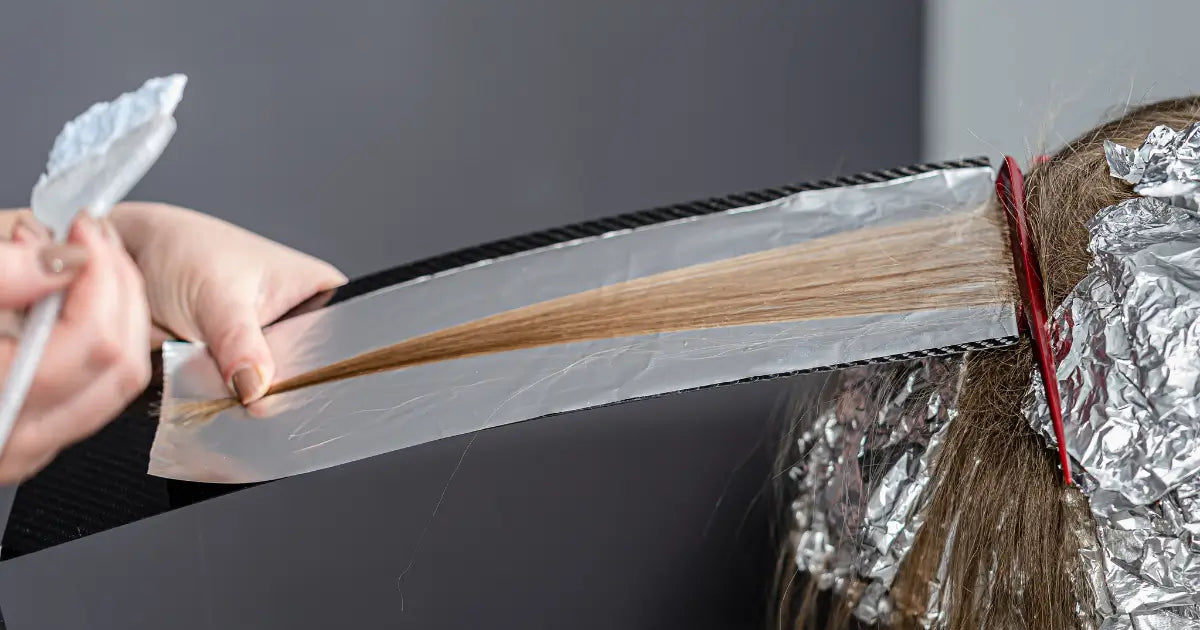
Tratamiento de Queratina en Cabello Decolorado: ¿Seguro o una Receta para el Daño?
¿Estás pensando en hacerte un tratamiento de queratina en el cabello decolorado? Decolorar el cabello para peinarlo se ha vuelto común. Sin embargo, la decoloración puede afectar gravemente la textura y la salud de tu cabello, dejándolo seco y encrespado.
Muchas personas recurren a los tratamientos de queratina para restaurar la humedad y la suavidad, pero ¿es realmente la mejor solución para el cabello decolorado? Si bien la queratina no empeora la estructura del cabello, su eficacia puede variar según el tipo y la condición del cabello. Exploremos si el tratamiento de queratina es seguro para el cabello decolorado y dañado.
¿Qué es un tratamiento de queratina?
El tratamiento de queratina contiene una proteína natural similar a la proteína esencial que se encuentra en la piel, el cabello y las uñas humanas. Cuando se aplica, la queratina se infunde en el cabello y el tratamiento se sella con calor intenso. Este proceso ayuda a restaurar una textura más suave al cabello que ha sido dañado por el calor y los productos químicos. El tratamiento de queratina es más efectivo cuando el cabello se encuentra en una determinada condición. Para el cabello decolorado, los resultados pueden ser impredecibles dependiendo de cuán dañado esté el cabello.
Impacto del tratamiento de queratina en el cabello decolorado
El tratamiento de queratina puede tener diversos impactos en el cabello decolorado, dependiendo del tipo de cabello y la gravedad del proceso de decoloración. El objetivo principal de la queratina es suavizar las cutículas ásperas, pero decolorar el cabello puede despojarlo de sus aceites naturales y debilitar su estructura. Los champús con productos químicos agresivos también eliminan la humedad, dejando el cabello quebradizo y sin brillo. El tratamiento de queratina actúa restaurando el brillo y la fuerza, lo que ayuda a retener la humedad, reducir el encrespamiento y dar al cabello un aspecto más liso y brillante. Para el cabello decolorado, la queratina puede ser una solución temporal para restaurar la hidratación y prevenir daños mayores.
Aspecto liso y brillante
Después de un tratamiento de queratina, tu cabello decolorado puede lucir liso, brillante y sedoso. Ayuda a eliminar el encrespamiento y los enredos, dándole a tu cabello un aspecto suave y profesional. El tratamiento de queratina también puede restaurar los aceites perdidos y las proteínas esenciales necesarias para el crecimiento del cabello, lo cual es beneficioso incluso para el cabello decolorado. Sin embargo, aunque los beneficios son notables, esta es una mejora temporal en lugar de una solución permanente para el daño subyacente de tu cabello.
¿Es seguro el tratamiento de queratina?
El tratamiento de queratina es generalmente seguro para el cabello decolorado, ya que ayuda a alisar, suavizar y añadir brillo. Sin embargo, existen algunos riesgos. El cabello decolorado es particularmente vulnerable porque el proceso de decoloración elimina los aceites y la melanina, haciéndolo más sensible a los tratamientos. Al aplicar queratina, es importante evaluar si tu cabello puede soportar la infusión de proteínas. El cabello decolorado suele ser poroso, y después de que las cutículas se abren, es posible que no pueda retener la proteína durante largos períodos, lo que con el tiempo debilita el mechón.
Mejora de la salud capilar
El cabello decolorado puede volverse fino, seco y quebradizo debido a los productos químicos utilizados en el proceso de aclarado. El tratamiento de queratina ayuda a revivir la estructura del cabello fortaleciendo cada mechón, sellando la humedad y dándole al cabello un aspecto brillante y saludable. Piensa en la queratina como un tratamiento nutritivo que revitaliza los mechones dañados y restaura temporalmente la resistencia natural de tu cabello.
Efecto fortalecedor temporal
Aunque el tratamiento de queratina puede proporcionar beneficios inmediatos, solo ofrece efectos de fortalecimiento temporales. La queratina no alisará permanentemente tu cabello, especialmente si la estructura subyacente del cabello está desequilibrada por la decoloración excesiva. Además, el proceso de decoloración acelera la pérdida de color, por lo que después del tratamiento, los efectos podrían no durar tanto como en el cabello sin decolorar. No obstante, el tratamiento de queratina puede ayudar a reducir la rotura durante el peinado y dar al cabello una textura más suave y manejable a corto plazo.
Riesgo de sobrecarga de proteínas
Si bien el tratamiento de queratina puede ayudar a reparar el cabello decolorado, es importante no sobrecargarlo con proteínas. El cabello decolorado suele ser poroso y delicado, y añadir demasiada queratina puede desequilibrarlo. Una sobrecarga de proteínas puede provocar que el cabello se vuelva quebradizo, rígido o se rompa. Es crucial equilibrar los tratamientos de queratina con productos que repongan la humedad para evitar daños mayores.
Sensibilidad al calor y posibles daños
El proceso del tratamiento de queratina implica exponer tu cabello a altas temperaturas, lo que ayuda a sellar las proteínas. Sin embargo, esto puede hacer que el cabello decolorado sea más sensible a un daño adicional por calor. Dado que el cabello decolorado ya está comprometido, el calor excesivo después de un tratamiento de queratina puede provocar daños adicionales, causando sequedad, puntas abiertas y más roturas.
Alteración y decoloración del color
Una consideración importante con los tratamientos de queratina es su impacto potencial en el color del cabello. El cabello decolorado ya está aclarado, y la aplicación de queratina puede hacer que el color cambie ligeramente. El calor elevado utilizado en el tratamiento puede resultar en un tono más cálido o cobrizo en el cabello. Si te preocupa la decoloración o el cambio de color, es esencial elegir un tratamiento de queratina adecuado para tu cabello y consultar a un estilista profesional.
¿Es la queratina segura para el cabello teñido?
Si te preguntas si el tratamiento de queratina es seguro para el cabello teñido, la respuesta es sí. Los tratamientos de queratina son seguros para el cabello teñido, ya que están diseñados para suavizar y alisar sin afectar el tinte. Dicho esto, es importante utilizar un producto de queratina que no contenga productos químicos agresivos como el formaldehído. Algunos tratamientos de queratina pueden causar ligeros cambios en el color, pero un estilista profesional se asegurará de que se aplique el producto adecuado para minimizar cualquier cambio no deseado.
Consideraciones clave para el tratamiento de queratina en cabello decolorado
Si bien el tratamiento de queratina puede restaurar la salud del cabello decolorado, hay varios factores a considerar antes de someterse al tratamiento:
Evalúa la salud de tu cabello
Antes de someterte a un tratamiento de queratina, es importante evaluar la salud de tu cabello. Aplicar queratina justo después de la decoloración puede hacer que el cabello sea más frágil, lo que lleva a una pérdida severa de cabello. Asegúrate de que tu cabello esté en condiciones de beneficiarse del tratamiento y evita apresurarte inmediatamente después de la decoloración.
Consideración del tiempo
Es esencial esperar al menos 2 o 3 meses después de decolorar tu cabello antes de hacerte un tratamiento de queratina. Este intervalo permite que las cutículas se asienten y se recuperen, preparando tu cabello para el tratamiento adicional. Acortar el tiempo entre la decoloración y el tratamiento de queratina puede aumentar el riesgo de efectos químicos combinados, lo que podría empeorar la condición de tu cabello.
Aplicación y producto
No todos los tratamientos de queratina son iguales, y el producto adecuado es crucial. Opta por un tratamiento de queratina libre de químicos dañinos como el formaldehído. Productos como Fashion Gold Brazilian Keratin Smoothing and Straightening System ofrecen opciones más seguras para tu cabello decolorado. Para mantener el tono y el brillo después, combina tu rutina con productos capilares dorados: champús, mascarillas y sérums formulados para cabello teñido. El proceso de aplicación también es esencial, y los estilistas profesionales se asegurarán de que el tratamiento se aplique correctamente para obtener el máximo beneficio.
Riesgos del tratamiento de queratina para el cabello decolorado
Los riesgos del tratamiento de queratina para el cabello decolorado incluyen:
-
Sobrecarga de proteínas: El cabello decolorado ya carece de humedad, y añadir un exceso de proteínas sin una hidratación adecuada puede empeorar su estado.
-
Sensibilidad al calor: Las altas temperaturas utilizadas durante el tratamiento pueden dañar aún más el cabello ya comprometido.
-
Decoloración: El tratamiento de queratina puede causar ligeros cambios de color, especialmente en cabellos decolorados, que son más sensibles al calor.
Conclusión
El tratamiento de queratina en cabello decolorado es generalmente seguro si se realiza correctamente, pero requiere una cuidadosa consideración. Asegúrate de elegir el producto adecuado, espera a que tu cabello se recupere después de la decoloración y consulta con un estilista profesional para obtener los mejores resultados. Siguiendo estos pasos, podrás lograr un cabello liso y brillante sin comprometer aún más su salud.
¿Cambia la textura del cabello con la edad? Por qué sucede y cómo restaurarlo
¿Cambia la textura del cabello con la edad? Es normal que tu cabello cambie a medida que envejeces, pero este proceso a veces puede resultar frustrante. Con el tiempo, tu cabello puede volverse más delgado, seco o perder su brillo y vitalidad natural.
Estos cambios a menudo se hacen notorios entre los 30 y 40 años. Aun así, ocurren gradualmente debido a las fluctuaciones hormonales, los cambios en el ciclo de crecimiento del cabello y factores ambientales o de estilo de vida como la dieta y el uso de productos.
Comprender por qué la textura del cabello cambia con la edad es el primer paso para restaurar su salud y belleza. Con la rutina de cuidado capilar adecuada, que incluye productos nutritivos como el ácido hialurónico, la queratina y los tratamientos con colágeno, puedes restaurar la textura y vitalidad naturales de tu cabello. Sigue leyendo para descubrir las causas de esta transformación y cómo restaurar la apariencia juvenil de tu cabello.
¿Qué es la textura del cabello?
Antes de saber si la textura del cabello cambia con la edad, debes saber qué es la textura del cabello. La textura del cabello se refiere a la apariencia natural, el tacto, la forma, el color y la estructura de tu cabello. La textura del cabello nunca permanece igual, ya que un bebé nace con un cabello extremadamente ligero y fino, pero con el crecimiento, su cabello se vuelve más fuerte y grueso. Todos tienen una textura de cabello única que depende de la genética, las condiciones ambientales de la región y la salud general.
Cambios naturales en el cabello con el tiempo
Tu cabello puede cambiar con el tiempo, dependiendo de su color, apariencia y grosor. Este es un cambio natural, y casi todo el mundo lo experimenta. Sin embargo, puedes mantener la textura de tu cabello siguiendo una rutina de cuidado capilar saludable.
¿Por qué cambia la textura del cabello con la edad?
Hay varias razones por las que la textura del cabello cambia con la edad, como cambios hormonales, problemas genéticos o el uso de productos capilares incorrectos. Analicemos cada factor en detalle:
1. Cambios hormonales
Los cambios hormonales son una de las razones comunes de los cambios en la textura del cabello en las mujeres. A medida que los humanos crecen, experimentan muchos cambios hormonales y producen diferentes hormonas, como estrógeno, testosterona y DHT. Estas hormonas impactan el crecimiento y la textura del cabello.
Para las mujeres, la alteración en el ciclo menstrual o la menopausia es el punto de inflexión donde sufren un cambio en la textura del cabello. Por otro lado, los hombres experimentan una disminución de la testosterona. Los cambios hormonales y la textura del cabello están estrechamente relacionados. Un cambio en las hormonas impacta la forma en que se comporta tu cabello.
2. Producción reducida de aceite
Muchas personas se preguntan por qué la textura de su cabello cambia con la edad, y un factor importante es el sebo. El sebo es el aceite natural producido por el cuero cabelludo, que ayuda a mantener el cabello hidratado y humectado. Sin embargo, a medida que envejecemos, la producción de aceite del cuero cabelludo disminuye, lo que lleva a un cabello más seco y encrespado.
Esta reducción de humedad afecta la textura general, haciendo que los mechones se vuelvan secos, finos y sin brillo. Para combatir esta sequedad, considera incorporar ácido hialurónico para el cabello en tu rutina. Este ingrediente ayuda a retener la humedad, restaurando la textura de tu cabello y haciéndolo sentir más saludable.
3. Ciclo de crecimiento del cabello
El cabello humano también sigue un ciclo de crecimiento. Pasa por el desprendimiento, el reposo y el crecimiento. A medida que creces, este ciclo se vuelve más lento. Cuando te cortas el cabello, tarda más en crecer. Este crecimiento más lento contribuye a una apariencia general más delgada, haciendo que los cambios en la textura sean más notorios.
4. Afecciones médicas y medicamentos
Las afecciones médicas como las deficiencias nutricionales juegan un papel crucial en el cambio de la textura de tu cabello. Si sufres de algún trastorno o incluso tomas algún medicamento de alta dosis, esto afectará la calidad de tu cabello, y es por eso que la textura del cabello cambia con la edad.
Varias afecciones y enfermedades, como la presión arterial alta, terapias como la quimioterapia y el consumo de antidepresivos, hacen que tu cabello sea más delgado, opaco y seco.
5. Factores ambientales y de estilo de vida
Los factores ambientales también juegan un papel importante en la afectación de la textura de tu cabello. El clima en el que vives puede marcar una gran diferencia. Por ejemplo, las personas que viven en áreas más frías pueden experimentar un cabello más delgado.
Además, la exposición a la luz solar intensa y la contaminación puede dañar gravemente tu cabello, haciendo que pierda su color, forma y suavidad. Si estás lidiando con daños en el cabello causados por estos factores ambientales, ¿es buena el agua salada para tu cabello? Proporciona información valiosa sobre cómo el agua salada puede afectar tu cabello y qué medidas tomar para protegerlo.
6. Dieta desequilibrada
¡Lo que comes es lo más importante para tu cabello! Si te preocupa por qué la textura del cabello cambia con la edad, debes saber que lo que comes afecta directamente la textura de tu cabello. Una dieta poco saludable hace que tu cabello sufra una falta de proteínas esenciales.
El cabello también requiere alimento en forma de proteínas, que obtiene de alimentos saludables. Los alimentos poco saludables no solo le roban la suavidad a tu cabello, sino que también causan encrespamiento y pérdida de peso del cabello.
¿Cómo restaurar la textura del cabello?
Si quieres saber cómo restaurar la textura del cabello, entonces debes optar por una rutina de cuidado capilar saludable, considerando lo siguiente:
1. Elige productos capilares apropiados
Usa siempre productos capilares orgánicos sin químicos agresivos. Tus productos capilares impactan la naturaleza y estructura del cabello. El formaldehído causa adelgazamiento y aspereza en los mechones de cabello. Usa productos que contengan:
-
Aceite de argán
-
Queratina
-
Biotina
-
Ácido hialurónico
-
Colágeno
2. Concéntrate en el cuidado del cuero cabelludo
Masajea el cuero cabelludo y las raíces suavemente para calmar los nervios. Usa aceites suaves o sueros capilares de FG Haircare porque ayudan a regular la sangre, lo que lleva a un cabello fuerte y grueso.
3. Mantén una dieta equilibrada
Comer alimentos ricos en proteínas, vitaminas, hierro y ácidos grasos omega-3 mejora la textura del cabello. Fortalece las raíces y nutre el cuero cabelludo. Evita la comida chatarra, ya que es perjudicial para el cuerpo.
4. Minimiza la exposición al calor
La respuesta a "¿Cambia la textura del cabello con la edad?" es "Sí". Sin embargo, muchos otros factores también juegan un papel crucial, como la exposición al calor. Evita el uso frecuente de planchas o peinar el cabello. Es la principal causa del cambio en la textura del cabello.
5. Evita los tratamientos químicos agresivos
Tratar el cabello con blanqueadores fuertes se ha vuelto común, la razón más importante detrás del cambio en la textura del cabello. Por favor, cíñete a los productos naturales y orgánicos y evita los tratamientos químicos a menos que los necesites. Sin embargo, optar por tratamientos como el de queratina ayuda a la restauración del cabello.
Conclusión
En conclusión, los cambios en la textura del cabello con la edad son una parte natural de la vida, pero no tienen por qué dejarte con el cabello seco, quebradizo o adelgazado. Las fluctuaciones hormonales, las elecciones de estilo de vida y los factores ambientales afectan cómo cambia tu cabello. Pero no te preocupes, es posible restaurar la textura natural de tu cabello con el enfoque correcto.
Puedes rejuvenecer la apariencia y el tacto de tu cabello incorporando productos nutritivos como tratamientos de queratina, ácido hialurónico y cuidado capilar con infusión de colágeno. Junto con una dieta saludable y el cuidado regular del cuero cabelludo, tu cabello puede recuperar su vitalidad y textura suave.
Entonces, si te preguntas, "¿Cómo arreglo la textura de mi cabello a medida que envejezco?", comienza por adoptar una rutina de cuidado capilar más personalizada.
¿Listo para restaurar el aspecto y la sensación juvenil de tu cabello? ¡Descubre los productos premium de Ybera Haircare y devuelve la textura natural a tu cabello hoy mismo!
Cómo usar un difusor en cabello rizado para lograr rizos definidos y sin encrespamiento
¿Sabes cómo usar un difusor en cabello rizado? El encrespamiento en el cabello rizado es uno de los problemas comunes. Un difusor es la solución perfecta para eliminar el encrespamiento de tu cabello. Expulsa el aire de tal manera que los rizos se suavizan y secan. Reduce el encrespamiento sin alterar el patrón del rizo.
Un difusor es una herramienta que se acopla a un secador de pelo. No solo tiene fines de estilismo, sino que también ayuda a transformar tu cabello. Te ayuda a mantener rizos ondulados perfectos en tu cabello. Explora el artículo para descubrir la forma correcta de usar un difusor considerando tu tipo de rizo.
¿Qué es un difusor y por qué es importante?
Un difusor es una herramienta de forma redonda con puntas que viene con un soplador estándar. Tienes que conectar la herramienta con el secador. Antes de aprender a usar un difusor en cabello rizado, debes conocer su propósito.
Es importante para el cabello rizado porque dispersa el flujo de aire de manera uniforme sin dañar el cabello ondulado o rizado. Con un difusor, puedes lograr rizos definidos sin estropear tu cabello. A diferencia de un simple secado con secador, realza la textura natural de tu cabello sin ningún daño.
Guía paso a paso para usar un difusor en cabello rizado
Usar un difusor es ligeramente diferente a usar un secador de pelo. Aquí tienes una guía paso a paso sobre cómo usar un difusor en cabello rizado:
1. Preparar el cabello antes de usar el difusor
El primer y más crucial paso es preparar el cabello antes de usar el difusor. Siempre comienza a difundir en cabello fresco. Lava tu cabello a fondo con un champú apto para rizos y seca el cabello mojado exprimiendo el exceso de agua con una toalla o un paño de algodón.
Aplica un producto de peinado como una crema para rizos o un gel ligero. También puedes usar un sérum de protección contra el calor porque estas cosas ayudan a que el rizo mantenga su forma sin dispersarse. También puedes usar el método de secado al aire para eliminar el exceso de agua de tu cabello antes de usar un difusor.
2. Coloca el difusor y ajusta la temperatura
Debes saber cómo usar un difusor en cabello rizado, ajustando la temperatura correctamente. Una vez que tu cabello esté preparado, tienes que configurar el difusor. Acopla el difusor correctamente al secador de pelo.
Asegúrate de que el ajuste de calor esté en medio con un flujo de aire bajo. Considerar la temperatura es necesario porque un calor alto puede alterar el rizo natural. El calor puede dañar la textura de tu cabello, haciendo que pierda su forma. Siempre ajusta el calor y el flujo de aire considerando tu tipo de cabello y la salud de tu cabello. Para cabello sensible, se recomienda usar un ajuste de calor medio con un flujo de aire bajo.
3. Secciona tu cabello
El siguiente paso es dividir tu cabello para que puedas manejar la difusión fácilmente. Divide tu cabello en secciones. Esto te ayudará a secar tu cabello de manera uniforme. Además, reduce la posibilidad de cabello encrespado y húmedo. Puedes usar pinzas para sujetar diferentes secciones.
4. Ahueca y levanta el cabello
Usar el difusor requiere técnicas adecuadas. Debes saber cómo usar un difusor en cabello rizado. Siempre mantén la cara del difusor hacia arriba. Coloca el difusor debajo de la sección de rizos e inclina suavemente la cabeza hacia adelante para colocar el rizo en el cuenco del difusor. Una vez que tus rizos se peguen a la boca del difusor, acércalo a tu cuero cabelludo. Mantenlo cerca de tu cuero cabelludo y sujeta el difusor durante 20 a 30 segundos. Suelta suavemente tu cabello y pasa a la siguiente parte.
5. Sigue moviéndote y repitiendo
Repite el proceso por toda tu cabeza en todas las secciones. Evita repetir el proceso en la sección que ya está lista.
Alterar el rizo una y otra vez dañará tu cabello y causará riesgos. Ahuecar y levantar el cabello te ayudará a mantener el patrón de rizos. Evita mover el difusor constantemente y deja que haga su trabajo.
Errores comunes a considerar al usar el difusor
Para aprender a usar un difusor en cabello rizado, debes conocer los errores comunes a evitar:
-
Usar calor alto
Evita exponer tu cabello a un calor alto. El calor medio con un flujo de aire mantenido puede tardar en secar, pero ayuda a prevenir la sequedad, la densidad dañada o la pérdida de estructura. Limítate a calor bajo y medio para preservar el rizo natural. -
Saltarse el producto de peinado
Saltarse el producto de peinado es uno de los errores comunes que comete la gente. Sin un producto, tus rizos pueden no asentarse correctamente o pueden causar encrespamiento. Siempre usa productos ligeros para lograr una diferencia notable en tu cabello. -
No dejar que el cabello se asiente
Preparar y asentar tu cabello antes de usar el difusor es importante. Una de las cosas comunes que hay que aprender sobre cómo usar un difusor en cabello rizado es saber cómo preparar tu cabello antes de usar un difusor.
Técnica de difusión para diferentes tipos de cabello
El cabello rizado también tiene algunos tipos; por lo tanto, debes conocer las formas adecuadas de usar un difusor en cabello rizado y sus variaciones.
-
Para ondas finas o sueltas
Las personas con cabello fino u ondulado deben evitar la exposición a calor alto o productos de peinado excesivos. Concéntrate más en las puntas y evita el volumen en la raíz. Evita dirigir el flujo de aire a las raíces del cabello. Mantén el difusor en flujo de aire bajo para mantener una textura adecuada. -
Para cabello grueso o rizado
Para las personas con cabello muy apretado y rizado, un difusor ayuda a preservar los rizos naturales y te da control sobre el encogimiento del rizo. En tales casos, se recomienda usar productos de peinado pesados. Asegúrate de usar un difusor solo en cabello completamente seco para evitar el encrespamiento. Además, en ese tipo de cabello, puedes aumentar ligeramente la temperatura.
Conclusión
Aprender a usar un difusor en cabello rizado es muy importante. Pero antes de esto, debes conocer y comprender tu tipo y textura de cabello. Y un difusor te ayuda a mantener la textura natural de tu cabello sin causar ningún daño a su estructura. Usar un difusor ayudará a prevenir el encrespamiento por más tiempo. Además, es necesario manejar el proceso de difusión con suavidad. Prepara tu cabello, aplica los productos de peinado adecuados y luego usa el difusor en las direcciones correctas para obtener un resultado final.
¿Es buena el agua salada para tu cabello?
El agua salada puede ser muchas cosas para tu cabello. Puede darte ese aspecto playero y añadir minerales a tu cabello, pero también puede resecarlo. Si te preguntas si debes mojar tu cabello con agua salada de la playa o no, entonces esta guía es para ti.
¿Es buena el agua salada para tu cabello? —una pregunta que muchas personas se hacen al intentar darle a su cabello el mejor ambiente.
Aquí tienes todo lo que necesitas saber sobre el agua salada y cómo proteger tu cabello de forma eficaz.
El agua salada es una proteína formulada por la naturaleza y repleta de muchos minerales y elementos que pueden hacer maravillas para tu cuero cabelludo y cabello. No se trata solo de cloruro de sodio; también tiene potasio y magnesio que pueden equilibrar los niveles de pH de tu cuero cabelludo. Esto puede cambiar el juego para ayudar con la caspa y otros irritantes del cuero cabelludo. Pero como todos sabemos, la moderación siempre es importante en todas las rutinas de cuidado de la piel y el cabello.
Una exposición excesiva al agua salada puede provocar fragilidad o sequedad, lo que puede dañar la cutícula del cabello. Aunque estas ondas playeras son geniales, debes darle a tu cabello un cuidado y amor extra para mantener su salud y brillo general. Lee también: Pelo sano y hermoso en verano.
¿Es buena el agua salada para tu cabello?
Aquí te mostramos algunos de los impactos positivos del agua salada en tu cabello:
● Añade minerales al cabello
El agua salada está llena de todas las vitaminas esenciales, como calcio, magnesio, selenio y potasio, que son ideales para la salud y el crecimiento del cabello. Estos minerales se suman para construir la estructura de tu cabello, reduciendo así la rotura.
● Exfoliante natural
El agua salada es más bien un exfoliante natural para el cabello y el cuero cabelludo. Las pequeñas partículas de sal eliminan las células muertas de la piel y el exceso de aceites para dejarte un cuero cabelludo fresco. Esto explica la pregunta de si el agua salada es buena para tu cabello o no.
Darse un chapuzón en el océano es como un pequeño día de spa para tu cabello y cuero cabelludo. Siempre debes asegurarte de no excederte. El agua salada puede resecar el cuero cabelludo, ya que puede eliminar los aceites naturales. Debes usar un champú suave y tratar el cabello con mascarillas hidratantes para mantener todo equilibrado.
● Ondas playeras y volumen
El agua salada puede darte una gran textura al cabello, añadiendo ondas playeras a tu look y mucho volumen también. La sal simplemente levanta las cutículas de tu cabello, haciéndolas parecer más voluminosas y texturizadas.
La desventaja del agua salada para tu cabello
Ahora que conoces los beneficios del agua salada, también debes repasar sus desventajas para proteger siempre tu cabello. Conocer estos consejos antes de mojarte el cabello con agua salada te ahorrará muchas visitas al salón y tratamientos para devolverle el brillo a tu cabello.
1. Sequedad y fragilidad
El agua salada puede eliminar la mayoría de los aceites naturales de tu cabello que mantienen el cuero cabelludo hidratado y saludable. Esto puede hacer que la hebra del cabello se vuelva quebradiza y seca; por lo tanto, se produce la rotura. Para evitar este desorden, debes enjuagar tu cabello con agua dulce justo después de nadar en agua salada. Esto eliminará la suciedad y la sal de tus hebras y mantendrá tu cabello protegido.
2. Decoloración
Si tienes el cabello teñido, entonces siempre debes tener cuidado. El agua salada puede acelerar la decoloración simplemente eliminando la humedad y los pigmentos de tu cabello, lo que puede alterar la estructura del cabello y dejarlo sin brillo. Para mantener el color vivo, debes usar un tratamiento tonificante para eliminar los tonos amarillos de las hebras del cabello.
3. Irritación del cuero cabelludo
El agua salada puede ser un gran dolor para tu cuero cabelludo, principalmente si ya tienes la piel suave y sensible. Puede causar enrojecimiento e irritación. Para evitar esto, debes cuidar tu textura capilar y proteger tu cabello de los irritantes cutáneos. Puedes usar aceites naturales como el aceite de argán o el aloe vera para calmar tu cuero cabelludo irritado. Esto te proporcionará efectos hidratantes y calmantes. Puedes añadir estos elementos a tu rutina diaria de cuidado capilar para reducir los efectos nocivos del agua salada en tu cuero cabelludo.
Ahora esto explica ambas caras de la respuesta a la pregunta: ¿Es buena el agua salada para tu cabello?
Siempre puedes darte un chapuzón en el océano sin dañar tu cabello y tu piel si eres cauteloso y cuidas la salud general de tu cabello. Hacer todo con moderación mantendrá la textura de tu cabello, tu cuero cabelludo y tu piel sanos y suaves.
Recibir un masaje de vez en cuando puede estimular el flujo sanguíneo y también traer cambios positivos en tu estado de ánimo. Cuanto más explores opciones para calmar las irritaciones de tu cuero cabelludo, más comprenderás los efectos del agua salada en tu cabello.
Saber más siempre es lo mejor para evitar escenarios no deseados. Siempre debes conocer la respuesta completa a ¿Es buena el agua salada para tu cabello? y asegurarte de no maltratar tu cabello o actuar con descuido. Darse un chapuzón en el océano es una gran experiencia, pero siempre asegúrate de haber protegido tu cabello y tu piel con productos adecuados. Además, reduce tu estancia en el agua salada para seguir disfrutando de esos chapuzones en el futuro.
Aprende a controlar el frizz con nuestra guía sobre tratamiento capilar para un cabello suave.
Conclusión
¿Es buena el agua salada para tu cabello? —esta pregunta tiene ambas caras de la respuesta y puede darte resultados positivos y negativos.
Si te das chapuzones en el océano con moderación y también mantienes la protección de tu cabello, no verás ningún efecto adverso del agua salada en tu cabello y cuero cabelludo.
Siempre debes enjuagarte el cabello con agua normal después de sumergirte en agua salada. Esto eliminará la acumulación extra de productos de tu cabello y permitirá que las cutículas permanezcan desobstruidas y frescas. El agua salada tiene sus efectos positivos y negativos en tu cabello, y puedes usarla a tu favor si sabes cómo cuidar tu cuero cabelludo después de cada inmersión en agua salada.
Cómo Conseguir Ondas Playeras Perfectas: Guía de Peinado Paso a Paso
¿Quieres lucir un cabello con ondas playeras? Las ondas playeras son uno de los peinados minimalistas más populares, conocidas por su aspecto suave, suelto y ligeramente ondulado, menos desordenado que los rizos típicos. Cuando se trata de un estilo sin esfuerzo, muchas personas eligen el cabello con ondas playeras por su apariencia elegante y relajada.
¿Lo mejor de todo? Incluso si no tienes ondas playeras naturales, puedes lograrlas fácilmente con las herramientas y técnicas adecuadas. Sigue leyendo para aprender cómo conseguir ondas playeras perfectas paso a paso.
Guía paso a paso para lograr un cabello con ondas playeras perfectas
Las ondas playeras son el único peinado que le sienta bien a todo el mundo. Combina perfectamente con casi todas las formas de rostro. Aquí tienes una guía paso a paso para conseguir unas ondas playeras perfectas:
1. Empieza con el cabello limpio y seco
El primer paso para conseguir un cabello con ondas playeras es tenerlo limpio y seco. En el cabello recién lavado, puedes conseguir un aspecto elegante y profesional de ondas playeras. Utiliza un champú y acondicionador ligeros para lavar tu cabello. Seca suavemente tu cabello con un paño o déjalo secar al aire durante un tiempo para evitar el encrespamiento.
2. Aplica un protector térmico y un spray texturizador
Antes de comenzar el procedimiento para conseguir un cabello con ondas playeras, como en el cuidado posterior al tratamiento de queratina, aplicar un protector térmico antes de peinar es esencial para evitar daños y mantener el brillo. Un sérum o spray protector térmico evitará el daño de las herramientas de peinado y la exposición al calor. También mantendrá el agarre de tu cabello para que puedas obtener una textura mejorada.
3. Divide tu cabello en secciones
Para conseguir unas ondas playeras suaves, divide tu cabello en secciones con pinzas. Es mejor dividir tu cabello en cuatro partes. Empieza por la capa inferior y ve subiendo. Esto asegurará que cada mechón se rice correctamente.
4. Prepara tus herramientas
Prepara tus herramientas. El cabello con ondas playeras se forma con la ayuda de un rizador. El tamaño del rizador varía entre 1 y 1.25 pulgadas. Este tamaño es perfecto para crear ondas playeras de aspecto natural. Ajusta la temperatura según tu tipo de cabello. Para cabello más grueso, puedes ajustar la temperatura hasta 400°F. Mientras que para cabello fino, se prefiere una temperatura alrededor de 300°F. Enciende el rizador y deja que alcance la temperatura máxima.
5. Riza estratégicamente
Una vez que tus herramientas estén listas, comienza a rizar pequeñas secciones de cabello. Solo necesitas enrollar tus mechones de cabello alrededor de la placa rizadora. Mantenlo durante unos 8 a 10 segundos y luego suéltalo suavemente. Repite el procedimiento hasta que todo tu cabello esté listo, dejando una impresión perfecta de cabello con ondas playeras.
6. Suéltalo
Después de rizar el cabello, déjalo enfriar completamente. Suavemente, suelta todas las ondas usando las yemas de tus dedos. Esto le da un aspecto suave a todo tu cabello. Romperá la formación estructurada de los rizos y transformará tu cabello en ondas suaves y delicadas. También puedes usar un peine de dientes anchos para desenredar tu cabello.
7. Fíjalo en su lugar
Una vez que hayas terminado por completo, fija tu cabello con ondas playeras para que luzca perfecto. Puedes usar cualquier laca o bruma texturizante para fijar la estructura de tu cabello. Esto también causará rigidez, lo que hará que tu cabello luzca brillante y elegante.
Las herramientas adecuadas para el cabello con ondas playeras
Es necesario conocer las herramientas adecuadas para conseguir un cabello con ondas playeras perfectas. Debes tener las siguientes herramientas para conseguir ondas playeras:
-
Plancha de pelo
-
Ruleros
-
Spray fijador
-
Peine de dientes anchos
-
Protector térmico
Elegir la tenaza rizadora adecuada
Ya sea que uses una tenaza rizadora o un tratamiento para suavizar el cabello, elegir las herramientas adecuadas marca una diferencia notable. Debes considerar el tamaño y el ancho de la tenaza rizadora para lograr un aspecto perfecto y natural. Una varilla estrecha dará lugar a rizos apretados. Por lo tanto, es mejor usar una plancha rizadora para lograr un aspecto natural.
Consejos para el cabello con ondas playeras según el tipo de cabello
Antes de comenzar el proceso de crear ondas en tu cabello, debes comprender el tipo de cabello y sus requisitos.
1. Para cabello fino
Para cabello fino y sedoso, es necesario usar nuestro champú seco. Ayudará a minimizar la textura lisa. Una textura ligeramente áspera ayuda a mantener la forma y a aumentar el volumen del cabello.
2. Para cabello grueso
Las personas con cabello grueso deben trabajar en secciones más pequeñas. Además, se prefiere usar un rizador de alta temperatura. También puedes aumentar el tiempo de sujeción y fijar el peinado con un spray fuerte.
3. Para cabello rizado u ondulado
Para cabello rizado u ondulado, solo necesitas limpiar los mechones. También puedes comenzar el proceso alisando tu cabello y luego creando los rizos con un rizador. Evita demasiados productos de peinado o sprays para mantener la textura natural.
Métodos sin calor para el cabello con ondas playeras
Existen varias formas de conseguir hermosas ondas playeras, y las dos categorías principales son los métodos con calor y sin calor. Si bien las tenacillas y las varitas rizadoras entran en la categoría de peinado con calor, las técnicas sin calor son una excelente opción para crear ondas sin dañar el cabello.
Método de trenzado
Trenzar es una de las mejores maneras de conseguir ondas suaves y naturales. Después de ducharte, simplemente haz dos o más trenzas en tu cabello húmedo. También puedes humedecer ligeramente tu cabello y hacer trenzas. Déjalas durante la noche y suelta las trenzas por la mañana. Usa un peine de dientes anchos para cepillar tu cabello por la mañana.
Errores comunes al crear ondas playeras
Aunque las ondas playeras lucen elegantemente sin esfuerzo, algunos errores comunes pueden hacer que tu cabello no luzca impecable:
-
Usar demasiado producto: Si bien los sprays de sal marina y los texturizadores son clave, excederse puede apelmazar el cabello o dejarlo pegajoso.
-
Rizar en la dirección equivocada: Siempre riza hacia afuera de tu cara para obtener ese efecto natural y despeinado por el viento. Rizar hacia adentro puede hacer que las ondas se vean demasiado estructuradas o anticuadas.
-
Saltarse la protección contra el calor: Si estás usando herramientas de calor, nunca olvides un spray protector térmico para prevenir daños y sequedad.
-
No cepillar los rizos: Después de rizar, siempre peina con los dedos o cepilla ligeramente tus ondas para romperlas y suavizar la textura; de lo contrario, terminarás con rizos apretados, no con ondas.
-
Usar el tamaño de barril incorrecto: Un barril más pequeño crea rizos más apretados. Para ondas playeras relajadas, opta por un barril de 1 a 1.25 pulgadas.
Conclusión
El cabello con ondas playeras sigue siendo uno de los peinados más populares y versátiles. Ofrece un aspecto suave y pulido que funciona bien para todo tipo de cabello, ya sea largo, corto, liso u ondulado.
Para lograr las ondas playeras perfectas, comienza preparando tu cabello con un protector térmico. Deja que tu rizador alcance la temperatura ideal, crea rizos limpios, déjalos enfriar y luego revuelve suavemente tu cabello para un acabado natural. Con los pasos correctos, las ondas playeras pueden convertirse fácilmente en tu estilo favorito para el día a día o para ocasiones especiales.
Preguntas frecuentes
1: ¿Puedo conseguir ondas playeras sin usar calor?
¡Sí! Trenzar el cabello húmedo antes de acostarse, usar moños retorcidos o aplicar un spray de sal marina al cabello secado al aire puede darte ondas sin calor.
2: ¿Cuánto duran las ondas playeras?
Dependiendo de tu tipo de cabello y los productos utilizados, pueden durar desde un día hasta tres. Usar un spray para el cabello ligero o un spray para ondas puede ayudar a prolongar el look.
3: ¿Es malo el spray de sal marina para el cabello?
El uso excesivo puede resecar el cabello debido al contenido de sal, pero el uso ocasional está bien. Elige fórmulas que incluyan ingredientes hidratantes como agua de coco o glicerina.
4: ¿Qué tamaño de rizador es mejor para las ondas playeras?
Una varita o rizador de 1 a 1.25 pulgadas es ideal para crear ondas playeras suaves y despeinadas.
5: ¿Puedo hacerme ondas playeras en cabello corto?
¡Absolutamente! Usa una varita rizadora de barril más pequeño o la técnica de plancha plana. Solo recuerda peinar secciones más pequeñas y evitar productos pesados que puedan apelmazar el cabello corto.
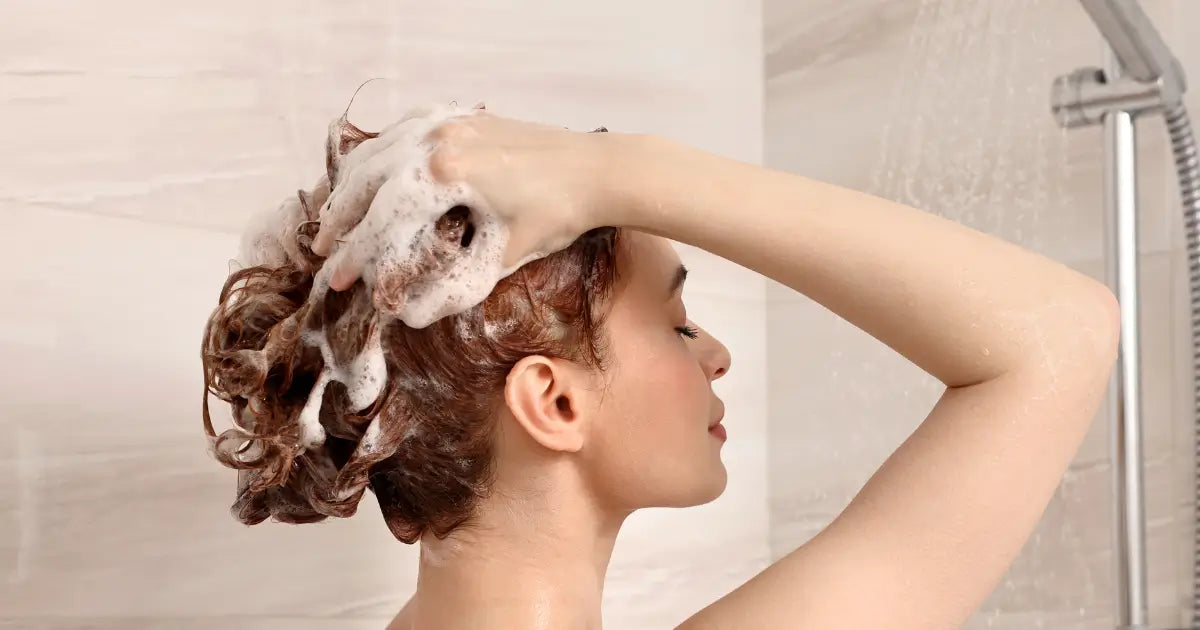
El mejor champú sin sulfatos en 2025: guía para el cuidado del cabello sin encrespamiento
El champú es uno de los productos para el cuidado del cabello más utilizados, pero cada persona tiene su propia opinión al respecto. Algunos compran la botella más barata del estante, mientras que otros buscan sin cesar la fórmula perfecta aprobada por salones de belleza. Pero ya sea que elija un producto económico o de alta gama, el objetivo sigue siendo el mismo: un cabello limpio, sano y hermoso.
A medida que avanzamos hacia 2025, hay un cambio importante hacia un cuidado del cabello más consciente, particularmente los champús sin sulfatos. Ya sea que busque limpiadores más suaves, ingredientes orgánicos o soluciones para reparar el cabello, el champú adecuado puede mejorar significativamente la salud tanto del cuero cabelludo como del cabello.
¿Qué hay de nuevo en el champú sin sulfatos?
La industria del cuidado del cabello está evolucionando rápidamente. En 2025, los champús sin sulfatos irán más allá de ser simplemente "suaves". Espere:
-
Ingredientes biotecnológicos que reparan el daño a nivel de la raíz
-
Envases ecológicos y fórmulas sostenibles
-
Líneas exclusivas de salón con resultados lujosos para usar en casa
Ahora, desglosaremos qué son los sulfatos y por qué tanta gente los está eliminando.
¿Qué son los sulfatos en los champús?
Los sulfatos son detergentes en los champús que ayudan a eliminar la grasa, la suciedad y los productos de peinado. Son los elementos que forman una espuma jabonosa, que finalmente ayuda a limpiar el cabello y el cuero cabelludo. Los sulfatos pueden ser muy irritantes para el cuero cabelludo o pueden ser demasiado secantes, lo que puede dejar el cabello encrespado y causar molestias en la piel.
Mientras que, a diferencia de cualquier champú tradicional, un champú sin sulfatos crea menos espuma, pero le ofrece un lavado suave para mantener el equilibrio natural de los aceites en el cuero cabelludo. Esto reducirá el factor encrespamiento, ya que el cabello y el cuero cabelludo estarán más hidratados después de usar un champú sin sulfatos.
¿Por qué elegir champús sin sulfatos para un cabello sin encrespamiento?
Las fórmulas sin sulfatos son tendencia por una razón. Ayudan a mantener el brillo, reducir el encrespamiento y mantener el cabello tratado con un aspecto suave. Muchos usuarios alternan champús con y sin sulfatos a lo largo de la semana según sus necesidades. Descubra el mejor champú para usar después de un tratamiento de queratina.
Los beneficios clave incluyen:
-
Menos sequedad e irritación
-
Resultados duraderos para tratamientos de alisado
-
Mejor hidratación y retención del rizo
-
Seguro para cabellos teñidos y tratados químicamente
Cómo elegimos los mejores champús sin sulfatos
La lista de todas las opciones de champú sin sulfatos que formulamos se diseñó basándose en los siguientes factores:
● Viscosidad
Este punto se refiere al espesor o ligereza del champú formulado en sus manos. Cualquier producto que fuera demasiado espeso o demasiado líquido no entró en la lista.
● Aroma
Ya sea que un champú cueste $1 o $100; si su olor no es refrescante o bueno, no pasará la prueba. Los aromas que te hacen sentir como si estuvieras en un salón de belleza en el momento en que abres la botella son los que buscamos.
● Longevidad
La frecuencia con la que te lavas el cabello depende totalmente del grosor y tipo de cabello. Los tipos de champús que dejan el cabello lacio no son los ideales. Por lo tanto, los champús ligeros y de duración prolongada son los mejores.
Los champús sin sulfatos ayudan a preservar el color del cabello, y también funcionan idealmente en cabellos teñidos o cabellos que han sido sometidos a ciertos tratamientos, como brillos o glaseados.
Para obtener los mejores resultados de sus champús específicos, debe alternarlos. Puede alternar champús sin sulfatos y los que tienen sulfatos para ayudar a mantener el ciclo sin problemas. El uso de champú sin sulfatos puede resecar el cabello, por lo que también debe tener esto en cuenta.
Selecciones aprobadas por salones para 2025
Los salones profesionales recomiendan los champús sin sulfatos más que nunca, especialmente para clientes con cabello teñido, tratado con queratina o procesado químicamente. El enfoque de este año está en mantener la salud del cabello a largo plazo sin comprometer el brillo, la suavidad o la longevidad del peinado.
Los mejores champús sin sulfatos para un cabello sano en 2025
Aquí tiene algunas de las mejores sugerencias de champús sin sulfatos que puede usar en rotación con su champú tradicional.
1. Champú FashionGold Protect and Control
El champú FashionGold Protect and Control ayuda a prolongar los resultados de los tratamientos de alisado en su cabello y también preserva la hidratación y el brillo. Un champú tradicional revertirá los efectos de cualquier tratamiento capilar 5 veces más rápido, lo que deja el cabello opaco y seco. Pero este champú preservará su cabello y lo mantendrá con un aspecto muy lustroso y brillante, sin sequedad ni opacidad.
El champú FashionGold está formulado con tecnología avanzada para ayudar a que las cutículas del cabello permanezcan cerradas, lo que previene la oxidación y la pérdida de cualquier ingrediente activo esencial que mantiene el cabello nutrido y suave. Es compatible con todos los tratamientos químicos y también es seguro para el uso diario.
Perfecto para controlar el encrespamiento, el brillo y la hidratación.
2. Champú Amika Mirrorball High Shine + Protect Antioxidant
Si eres amante de la belleza, un solo vistazo a sus productos te dirá cuánta belleza tiene la marca Amika. Su champú Mirrorball High Shine es uno de sus lanzamientos más recientes para el cuidado del cabello. Es un éxito entre los entusiastas del cabello. Es una de las mejores opciones de champú sin sulfatos que puedes encontrar. Ayudará a controlar el encrespamiento y los cabellos sueltos y dejará tu cabello brillante y con un olor muy fresco.
3. Champú Fortificante Aveda Botanical Repair™
Esta botella de champú sin sulfatos ayudará a fortalecer tu cabello principalmente porque es una botella de bondad de origen vegetal. Le dará vida a tus peinados una vez que los peines. Tus peinados también durarán fácilmente muchos días una vez que empieces a usar esta solución. Contiene un gran aroma junto con esencias certificadas de rosa, ylang-ylang y flores y plantas de mejorana.
Conclusión
Estos champús sin sulfatos son excelentes opciones para mantener su cabello con un aspecto saludable y sin encrespamiento. Si no está seguro por dónde empezar, el champú FashionGold definitivamente vale la pena probarlo, especialmente si se ha sometido a algún tratamiento o simplemente desea un champú que mantenga su cabello brillante, suave e hidratado. Es lo suficientemente suave para el uso regular y ayuda a mantener los resultados de los tratamientos de alisado o suavizado.
Por supuesto, el cabello de cada persona es diferente, por lo que siempre es una buena idea revisar los ingredientes y elegir lo que funcione mejor para su tipo de cabello. Pero si busca algo efectivo y confiable, FashionGold podría ser el indicado.
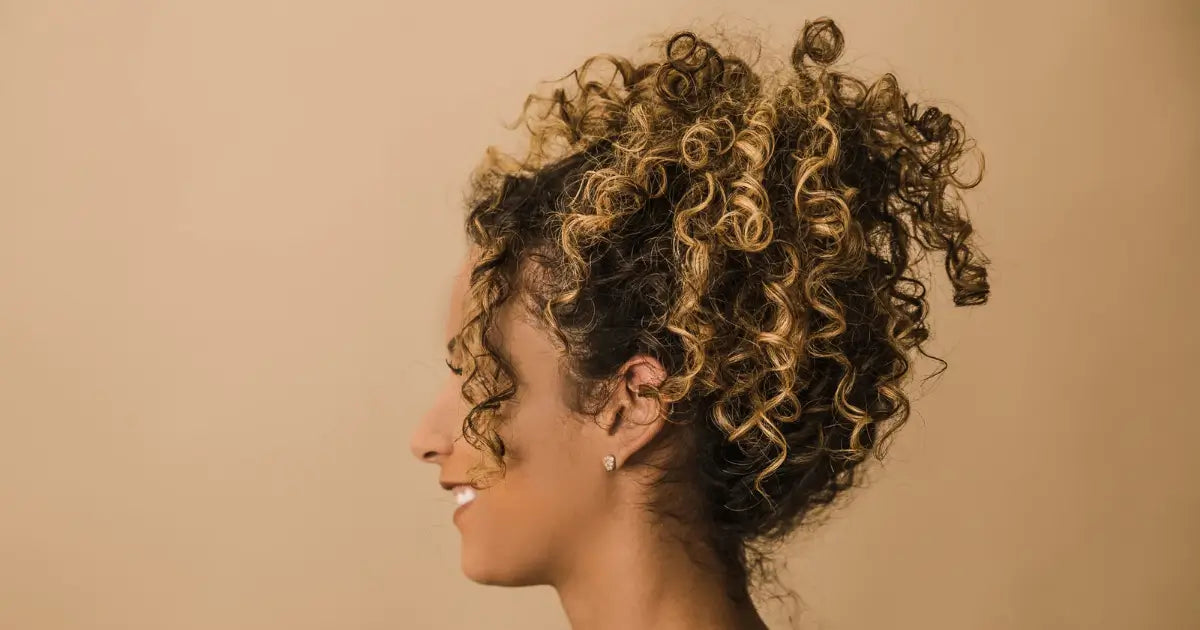
Tratamiento de queratina para cabello rizado: ¿Lo alisa o define tus rizos?
¿Has sido bendecida con remolinos y rizos de cabello perfectos? Este es el tipo de bendición que la mayoría no sabe cómo manejar o mantener intacta. La mayoría de las personas con cabello rizado terminan arruinando la textura de su cabello debido a un cuidado inadecuado de su cabello y cuero cabelludo.
El cabello rizado puede realzar la belleza y la personalidad general de cualquier persona de muchas maneras, pero es necesario comprender cómo debe cuidarse el cabello rizado y conocer los diferentes tratamientos adecuados para él. Uno de estos tratamientos es el tratamiento de queratina para el cabello rizado.
Este tratamiento capilar ha sido muy popular entre las personas con cabello rizado debido a sus excelentes resultados. La idea errónea sobre la queratina es que solo sirve para alisar el cabello. Un tratamiento de queratina es un proceso de inyección de proteína de queratina que ayuda a suavizar el cabello, lo que les permite tener un cabello brillante y saludable. Esto es adecuado tanto para cabello rizado como para cabello liso a su manera.
Este tratamiento permitirá que tu cabello sea más hermoso, fluido y denso. Este blog te ayudará a comprender los resultados del tratamiento de queratina para el cabello rizado y cómo puedes usarlo para conseguir una hermosa, densa y rizada melena.
Resultados del tratamiento capilar de queratina en cabellos rizados
Un tratamiento de queratina preservará tus rizos naturales y te permitirá manejar tu cabello de manera efectiva. La queratina para cabello ondulado y rizado es una opción ideal para controlar el encrespamiento y mejorar la textura general de los rizos.
Esto hace que el cabello luzca sano y manejable. Ayuda a proporcionar rizos suaves y sedosos. Otro factor que hace que este tratamiento sea el mejor entre otros es el hecho de que los resultados del tratamiento con complejo de queratina duran de 3 a 6 meses.
¿El tratamiento de queratina alisará mi cabello rizado?
El tratamiento de queratina es más bien una terapia de alisado para el cabello, y ayuda a fijar el cabello suelto y el encrespamiento, al mismo tiempo que promueve el brillo y un cabello sin enredos. Este tratamiento de queratina para cabello rizado le dará a tus mechones la bondad de la proteína de queratina, lo que los hará lucir más gruesos, saludables y suaves. Podrás obtener cualquier peinado en tus mechones sin problemas.
Tratamiento de queratina para una definición capilar mejorada
Un tratamiento de queratina suaviza el encrespamiento y nutre profundamente el núcleo de tus rizos. Nutrirá tus mechones y les dará elasticidad. El tratamiento de queratina para cabello rizado te dará rizos suaves y mejorará la definición del cabello en gran medida.
Además, la textura de tus rizos mejorará mucho, y el tratamiento de queratina para cabello rizado rehidratará las hebras naturales para realzar la textura de rizos hermosos y suaves. Este tratamiento es la mejor opción para cabello dañado, ya que fortalecerá la textura natural de tu cabello.
¿Tienes problemas de porosidad capilar?
La porosidad del cabello es la capacidad de tu cabello para absorber y retener la humedad. El cabello rizado se vuelve más poroso con una textura rizada y gruesa. La queratina para cabello rizado puede ser tu mejor opción para nutrir las cutículas del cabello y ayudar a fortalecerlas.
El tratamiento de queratina ayudará a que tu cabello quede suave y también reparará cualquier daño capilar causado por el peinado o la mala gestión. Ayuda a que tu tallo capilar proteja tu manto de humedad, reduzca la sequedad general y haga que tus rizos sean brillantes, suaves y fluidos sin esfuerzo.
¿Debería hacerme un tratamiento de alisado con queratina para mi cabello rizado?
Si tienes el cabello rizado y se ve dañado y sin brillo, este es el mejor momento para un tratamiento de queratina para cabello rizado. Este tratamiento le dará nueva vida a tu cuero cabelludo y cabello y te permitirá amar tus rizos una vez más. Puedes disfrutar de los efectos de este tratamiento y también puedes conservarlo por mucho tiempo usando champú y acondicionador específicos.
Este tratamiento ayuda a reducir el encrespamiento en todo tipo de cabello y le da nueva vida a tu cabello gracias a sus resultados revitalizantes. Luego, puedes pedirle a tu estilista que te dé rizos naturales y con volumen o mantener el aspecto original de tus rizos para conservar los resultados del peinado por más tiempo. Tu cabello tratado con queratina aumentará tu confianza y te permitirá lucir tu estilo y belleza natural.
Los rizos son una hermosa característica del cabello humano, y deben conservarse en su estado original. Un complejo de queratina aplicado en tu cabello rejuvenecerá sus rizos naturales y te permitirá sentirte segura con tu cabello bendecido naturalmente. Hay muchos complejos de queratina disponibles para probar en tu cabello.
Un tratamiento de queratina para cabello rizado tomará 30 minutos o una hora, pero los resultados durarán mucho más. Sentirás que tu cabello no se seca después de cada lavado y disfrutarás de un brillo lustroso en tus suaves rizos durante los próximos meses.
Se le proporcionará un champú y acondicionador específicos para el cabello tratado con queratina, para que los efectos del tratamiento de queratina para cabello rizado duren más tiempo. Estos productos domarán el frizz y suavizarán el encrespamiento de su cabello. Los acondicionadores para cabello rizado contendrán aceites naturales, compuestos de queratina y extractos de plantas para renovar la proteína de queratina en el cabello y, por lo tanto, apoyar unos rizos hermosos y de aspecto saludable.
Conclusión
El cabello rizado es especial, pero necesita el cuidado adecuado para brillar. Un tratamiento de queratina puede suavizar el encrespamiento, añadir brillo y hacer que los rizos sean más fáciles de manejar, sin eliminar tu volumen natural. Con el cuidado posterior adecuado (piensa en champú y acondicionador sin sulfatos), los resultados pueden durar hasta 5-6 meses.
Si tus rizos se sienten secos o difíciles de domar, la queratina podría ser el refresco que necesitan. Es una forma sencilla de sacar lo mejor de tu cabello y sentirte bien al hacerlo.
¿Lista para enamorarte de tus rizos una vez más? Considera un tratamiento profesional de alisado con queratina diseñado específicamente para cabello rizado y comprueba la diferencia por ti misma.
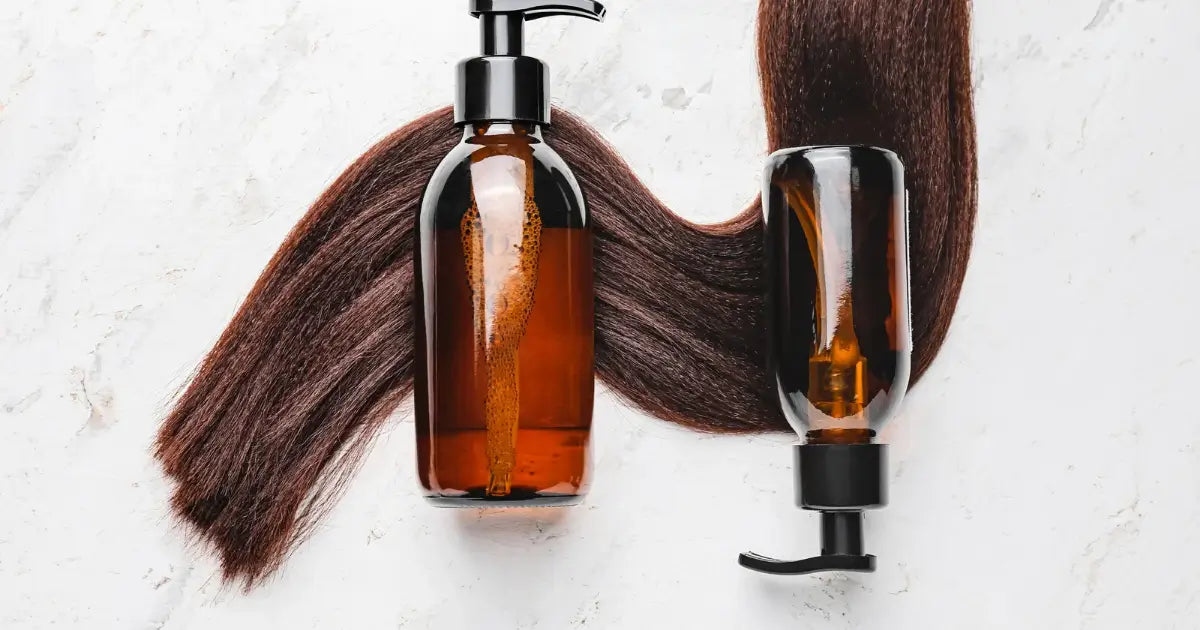
Brazilian Blowout vs. Tratamiento de Queratina: ¿Cuál es el adecuado para ti?
¿Estás confundido acerca de qué tratamiento capilar es mejor para ti: el Brazilian Blowout o el tratamiento de queratina? ¡Este artículo está aquí para ayudarte! Exploraremos cómo funciona cada tratamiento, sus diferencias y cuál se adapta a tu tipo de cabello.
Los Brazilian Blowouts y los tratamientos de queratina se han vuelto populares en el mundo del cuidado del cabello por su capacidad para transformar el cabello encrespado en un aspecto liso y brillante. Ambos prometen reducir el encrespamiento, ya sea que tengas cabello rizado, cabello natural o simplemente busques un acabado pulcro.
Sin embargo, estos tratamientos difieren en sus formulaciones, beneficios y procesos. En este artículo, nos adentraremos en las diferencias clave, los beneficios, los consejos de cuidado posterior y los costos para ayudarte a decidir qué tratamiento es el adecuado para ti.
Brazilian Blowout vs. Tratamiento de Queratina
¿Qué es un Brazilian Blowout?
Un Brazilian Blowout es un tratamiento suavizante que utiliza una fórmula hecha de aminoácidos y proteínas para reducir el encrespamiento y darle a tu cabello un acabado liso y brillante. Recubre cada mechón con una capa protectora, ayudando a eliminar el encrespamiento sin hacer cambios permanentes en la estructura de tu cabello.
-
Alisado temporal
-
Funciona bien en todo tipo de cabello
-
Permite mantener la textura natural
-
Peinado y secado más fáciles
¿Qué es un Tratamiento de Queratina?
-
Reduce el encrespamiento y restaura la proteína
-
Ideal para cabello dañado, seco o rebelde
-
Mejora la salud del cabello con el tiempo
-
No alisa completamente
Brazilian Blowout vs. Tratamiento de Queratina: Diferencias clave explicadas
Ambos tratamientos funcionan mejor para alisar y desenredar el cabello, pero hay una diferencia en su procedimiento y efectos a largo plazo. Un Brazilian Blowout es para las personas que tienen cabello rizado u ondulado. Es ideal para quienes buscan eliminar el encrespamiento del cabello sin hacer cambios significativos en su estructura. El tratamiento de queratina funciona restaurando la proteína natural del cabello; es solicitado principalmente por personas con cabello rebelde o rizado.
¿Cómo funcionan estos tratamientos?
El tratamiento de queratina y el Brazilian Blowout crean una capa protectora al bloquear la humedad y sellar la hidratación. Un Brazilian Blowout está especialmente diseñado para eliminar el encrespamiento y crear un acabado suave. Mientras que el tratamiento de queratina se centra principalmente en reparar el daño del cabello con aminoácidos y proteínas.
¿Cuánto duran los resultados?
-
Brazilian Blowout: Típicamente dura hasta 3 meses con el cuidado adecuado.
-
Tratamiento de Queratina: Puede durar hasta 5 meses, dependiendo de tu tipo de cabello y rutina de mantenimiento.
Comparación de costos
Ambos tratamientos tienen precios similares y dependen de la longitud, el grosor del cabello y el salón. En promedio:
-
Brazilian Blowout: $100–$450
-
Tratamiento de Queratina: $150–$500
Para una guía más detallada, lee nuestro artículo sobre el precio del tratamiento de queratina.
¿Qué tratamiento es el adecuado para ti?
Brazilian blowout vs. el tratamiento de queratina: al optar por el tratamiento capilar, es muy importante saber qué tratamiento es el mejor según tu tipo de cabello.
Para el cabello rizado y natural, un Brazilian Blowout es beneficioso ya que ayuda a soltar los rizos y reducir el encrespamiento sin alisar completamente el cabello. Mejora la textura del cabello natural.
Mientras que el tratamiento de queratina funciona mejor para el cabello dañado y seco, ya que restaura la proteína del cabello, haciéndolo lucir saludable. Los tratamientos tienen un costo similar entre sí; no hay una diferencia tan grande. El costo depende principalmente de la longitud y el grosor de tu cabello.
Los blowouts y los tratamientos de queratina surgieron como un milagro en el mundo del cuidado del cabello para las personas que están hartas de su cabello encrespado y rizado.
Consejos de cuidado posterior: Qué hacer después del tratamiento
Después del Brazilian blowout, es necesario no lavarse el cabello durante al menos 42 horas, y para el tratamiento de queratina, 72 horas. Además, para el tratamiento de queratina, debes tener cuidado con los rayos UV. Usa champú sin sulfatos según lo indicado por tu estilista.
Para más consejos de cuidado posterior, lee nuestra guía detallada sobre cuidados posteriores al tratamiento de queratina.
Producto recomendado para resultados en casa
Si buscas un tratamiento alisador a nivel de salón en casa, el Sistema de Alisado con Queratina Brasileña Fashion Gold es una opción de calidad profesional. Reduce el encrespamiento, realza el brillo y deja tu cabello más manejable, sin químicos agresivos.
Conclusión
En el debate entre Brazilian Blowout y Tratamiento de Queratina, la mejor opción depende de tu tipo de cabello y tus objetivos. Si quieres un look liso y facilidad de peinado, opta por el Brazilian Blowout. Si tu objetivo es reparar el daño y añadir suavidad duradera, un tratamiento de queratina podría ser mejor. Ambos tratamientos ofrecen un cabello hermoso y sin encrespamiento con el cuidado adecuado.
Preguntas frecuentes
¿Cuál dura más, un Brazilian blowout o la queratina?
Los tratamientos de queratina suelen durar hasta 5 meses, mientras que los Brazilian Blowouts duran hasta 3 meses con un cuidado posterior adecuado.
¿Cuál es mejor para cabello fino o dañado?
El Brazilian Blowout es una opción más segura para cabello fino o frágil, mientras que los tratamientos de queratina pueden sentirse más pesados.

Polémica sobre el tratamiento de keratina: ¿Es seguro o arriesgado para tu cabello?
¿Estás pensando en hacerte un tratamiento de queratina pero tienes dudas sobre los riesgos? No estás solo. Los tratamientos de queratina se han vuelto muy populares para quienes desean un cabello liso, suave y sin encrespamiento, especialmente aquellos con rizos u ondas. Pero junto con el entusiasmo, también hay mucha controversia.
Algunos dicen que puede dañar tu cabello o incluso afectar tu salud. En este artículo, desglosaremos qué es realmente un tratamiento de queratina, los beneficios que ofrece y los riesgos potenciales, como la exposición al formaldehído y otros ingredientes agresivos, para que puedas tomar la mejor decisión para tu cabello y tu salud.
¿Qué es un tratamiento de queratina y cómo funciona?
Un tratamiento de queratina implica aplicar un producto al cabello que lo recubre con la proteína. Este paso alisa el cabello y le da un aspecto brillante y más lustroso. El tratamiento se sigue utilizando una plancha para sellar el producto en el tallo del cabello.
Los resultados del tratamiento varían según el tipo de cabello de cada persona. Generalmente, dura al menos 6 meses. Para muchas personas, el tratamiento de queratina es una forma de deshacerse de la necesidad de secarse el cabello con secador cada vez que salen.
A menudo se utiliza como tratamiento de alisado para reemplazar el peinado diario. Por un lado, es muy conveniente, pero también tiene algunos riesgos, y la controversia del tratamiento de queratina ha arrojado luz sobre los peligros potenciales.
¿Por qué es controvertido el tratamiento de queratina?
El uso de sustancias peligrosas en algunas formulaciones es el tema principal de discusión en la controversia del tratamiento de queratina. La razón principal de preocupación es la presencia de formaldehído o sus derivados, como el metilenglicol. La exposición a largo plazo al formaldehído, un carcinógeno conocido, puede causar graves problemas de salud. Obtén más información sobre los hechos detrás de los tratamientos de queratina.
Es posible que muchos salones no cumplan con los límites de exposición al formaldehído de la Administración de Seguridad y Salud Ocupacional (OSHA), lo que podría poner en peligro a clientes y estilistas. La Administración de Alimentos y Medicamentos no ha aprobado oficialmente el uso del tratamiento de queratina, considerando sus efectos secundarios.
Riesgos para la salud de los tratamientos de queratina
Además de otros riesgos importantes, la irritación de la piel es uno de los mayores riesgos. Muchas personas se quejan de que después de someterse al tratamiento de queratina, experimentan enrojecimiento, picazón e hinchazón en el cuero cabelludo.
Las personas con piel sensible o cualquier tipo de alergia cutánea pueden irritarse con los productos químicos. Además, el tratamiento de queratina repetido también puede dañar tu cabello. El calor de la plancha, además de los químicos utilizados en el tratamiento, puede hacer que el cabello sea más frágil, quebradizo y propenso a romperse.
Los resultados inmediatos suelen ser muy suaves, sedosos y lisos, pero con el tiempo, dañará tu cabello si te haces el tratamiento de queratina con frecuencia.
Preocupaciones de seguridad para los estilistas
La controversia del tratamiento de queratina genera preocupación para el estilista que realiza el tratamiento, ya que está más expuesto a la reacción química, y la mala ventilación en el salón puede provocar problemas respiratorios. La Administración de Seguridad y Salud Ocupacional (OSHA) ha establecido las directrices implementadas en los salones, poniendo en riesgo la seguridad de las personas.
Popularidad del tratamiento de queratina
A pesar del riesgo, las personas a menudo optan por el tratamiento de queratina debido a su capacidad para reducir el encrespamiento y proporcionar un cabello liso y elegante. El resultado dura al menos 6 meses, por lo que estás libre de preocupaciones y listo para ir a cualquier parte sin preocuparte por el peinado. Para las personas que tienen el cabello naturalmente rizado, el tratamiento de queratina es un milagro.
Para las personas con estilos de vida ajetreados, el tratamiento de queratina es un salvavidas, ya que puede reducir el tiempo de peinado diario. Al reducir la necesidad de pasar horas tratando de conseguir un cabello liso y controlar el encrespamiento, el tratamiento ofrece una solución que mejora el cuidado y mantenimiento del cabello.
Alternativas al tratamiento de queratina
La controversia del tratamiento de queratina está por un lado, pero tenemos alternativas para ti; algunos productos para el cuidado del cabello te darán resultados similares sin usar químicos agresivos. Por ejemplo, productos para suavizar el cabello que contienen ingredientes naturales pueden ayudar a controlar el encrespamiento de tu cabello y te proporcionarán un cabello suave y brillante.
Otra opción es mantener tu textura natural y aplicar aceite, sueros y aerosoles anti-frizz para obtener un cabello sedoso sin usar ningún químico. Otra alternativa popular al tratamiento de queratina es el alisado brasileño.
Aunque utiliza una técnica diferente, este tratamiento alisa y suaviza el cabello de manera similar a los tratamientos de queratina convencionales. Los alisados brasileños dejan el cabello sedoso y sin encrespamiento al cubrirlo con una combinación de proteínas. Aunque ciertos alisados brasileños siguen siendo controvertidos debido al formaldehído que contienen, existen alisados brasileños que no utilizan formaldehído y que aún pueden tener impactos similares con menos riesgos para la salud.
Riesgos para la salud por la exposición al formaldehído
Dado que el tratamiento de queratina incluye productos químicos, y uno de los principales riesgos es la exposición al formaldehído, puede causar problemas en el sistema respiratorio, como tos, estornudos y dificultad para respirar. Uno de los efectos secundarios más peligrosos de la exposición al formaldehído es que puede causar cáncer de nariz y pulmones.
Conclusión
Un cabello liso y sin encrespamiento es posible con los tratamientos de queratina, pero existen graves peligros involucrados, como ha demostrado la controversia del tratamiento de queratina. Además de las consecuencias a largo plazo como el cáncer, el uso de productos químicos peligrosos como el formaldehído puede causar importantes problemas de salud como trastornos respiratorios.
El cabello puede volverse frágil y más propenso a romperse como resultado de tratamientos repetidos. También puede irritar los ojos. Existen alternativas sin formaldehído; sin embargo, es posible que no funcionen tan bien.
Si decides hacerte un tratamiento de queratina, asegúrate de que el salón cumpla con las normas de seguridad adecuadas y lee siempre las etiquetas con atención. Para las personas preocupadas por los riesgos, existen alternativas como el tratamiento de queratina brasileño o los aceites naturales que pueden proporcionar efectos comparables con menos riesgos para la salud. Teniendo en cuenta tus prioridades de salud y tu tipo de cabello, toma una decisión informada.

Desglose de precios del tratamiento de queratina: qué esperar pagar
¿Buscas el mejor tratamiento de queratina pero no estás seguro del coste? ¡No te preocupes, te ayudamos! En este artículo, desglosaremos el precio de los tratamientos de queratina, lo que puedes esperar de ellos y cómo mantener tu cabello libre de encrespamiento después.
Si estás cansada de planchar tu cabello encrespado y seco cada vez que sales, un tratamiento de queratina podría ser la solución perfecta. Este popular tratamiento dejará tu cabello brillante, suave y sin encrespamiento durante meses.
El costo de los tratamientos de queratina varía según el tipo de cabello, la longitud y el tratamiento específico que elijas. Profundicemos en los detalles, incluidos los factores de costo, los consejos de mantenimiento y las recomendaciones de productos, como el aceite de mirra, para mantener tu cabello sano después del tratamiento.
¿Qué es un tratamiento de queratina?
Antes de optar por el tratamiento, debes saber qué significa exactamente el tratamiento de queratina. Las personas a las que no les gusta alisarse el cabello a diario o que tienen el cabello naturalmente rizado y encrespado, suelen optar por este tratamiento. El tratamiento de queratina es un procedimiento profesional de salón diseñado para alisar el cabello infundiéndole la proteína queratina.
La queratina es una proteína natural que está presente en el cabello, pero varios factores como el peinado y los tratamientos químicos provocan un cabello seco y encrespado. Un tratamiento de queratina ayuda a reponer la proteína, haciendo que tu cabello luzca suave, brillante y sin encrespamiento.
Desglose del precio del tratamiento de queratina: qué esperar
Los costos del tratamiento de queratina pueden variar según varios factores, incluida la longitud, el grosor del cabello y el tipo de tratamiento que elijas. Aquí tienes un desglose del rango de precios que puedes esperar:
-
Cabello corto: $100 a $400
-
Cabello medio a largo: $300 a $800
-
Cabello muy grueso o largo: $400 a $1,500+
El tipo de tratamiento de queratina que selecciones también influirá en el precio. Por ejemplo, un tratamiento Keraplex o un tratamiento de queratina Trisolla pueden costar más que un tratamiento de alisado de queratina estándar. Además, algunos salones pueden cobrar extra por el secado con secador o servicios adicionales.
Tratamientos de queratina en salón vs. en casa: comparación de precios
A todos nos encanta la idea de un cabello suave y sin encrespamiento, pero los tratamientos de queratina en salón pueden sumar mucho, oscilando entre $100 y $1,500, dependiendo de tu tipo de cabello y el tratamiento que elijas. Si bien ofrecen excelentes resultados, es posible que no siempre se ajusten al presupuesto de todos.
Si buscas una opción más asequible sin sacrificar la calidad, nuestro tratamiento de queratina brasileña para uso doméstico es una opción fantástica. Por solo $50 a $100, puedes obtener los mismos resultados de calidad de salón en casa. Es muy fácil de aplicar, funciona para todo tipo de cabello y deja tu cabello suave, brillante y sin encrespamiento durante meses.
¿Por qué pagar una costosa visita al salón cuando puedes lograr resultados hermosos y duraderos en casa?
Costo del tratamiento de queratina: una guía de diferentes tipos y costos
El costo de los tratamientos de queratina varía según el tipo de tratamiento y las características del cabello. Aquí tienes una guía rápida de los precios para cada uno:
-
Tratamiento Keraplex
Rango de precios: $250 a $600
Keraplex combina queratina y reparación de proteínas para fortalecer, suavizar y restaurar el cabello dañado o tratado químicamente durante 4 a 6 meses. -
Tratamiento de queratina brasileña
Rango de precios: $70 a $200
Ideal para alisar, especialmente para cabello grueso o rizado. -
Tratamiento de queratina brasileña
Rango de precios: $200 a $500
Una combinación de tratamientos brasileños y japoneses para un cabello ultra suave y sin encrespamiento. -
Tratamiento de queratina alisador
Rango de precios: $150 a $400
Perfecto para quienes buscan reducir el encrespamiento sin un alisado completo. -
Tratamiento de queratina exprés
Rango de precios: $50 a $150
Una opción más rápida y asequible para un look suave temporal que dura hasta 6 semanas. -
Tratamiento de queratina Trisolla
Rango de precios: $250 a $700
Ofrece un cabello suave y saludable sin productos químicos agresivos, ideal para cabello dañado. -
Tratamiento de queratina Magic Sleek
Rango de precios: $300 a $700
Una opción libre de formaldehído que proporciona control del encrespamiento y brillo duraderos. -
Tratamiento de queratina Cezanne
Rango de precios: $300 a $600
Un tratamiento suave y sin formaldehído perfecto para cueros cabelludos sensibles y resultados suaves.
Elegir el tratamiento de queratina adecuado para tu tipo de cabello
Los precios y resultados de los tratamientos de queratina varían según tu tipo de cabello. No todos los tratamientos son iguales, y elegir el adecuado puede marcar una diferencia significativa.
-
Para cabello rizado:
Si tienes cabello rizado y quieres mantener tu textura natural, opta por un tratamiento de queratina brasileña o un tratamiento de queratina tradicional. Estos tratamientos suavizan los rizos sin alisarlos por completo, permitiéndote mantener tu volumen y forma. -
Para cabello ondulado:
Un tratamiento de queratina exprés es una buena opción para el cabello ondulado. Controla el encrespamiento mientras preserva el volumen y la textura, ofreciendo un resultado más natural.
Nuestra mejor elección: Para obtener los mejores resultados generales, elige nuestro Tratamiento de queratina brasileña para una suavidad y control del encrespamiento duraderos. Es adecuado para todo tipo de cabello y deja tu cabello brillante, suave y fácil de manejar. Reserva ahora para experimentar un cabello más sano y manejable.
Alternativas al tratamiento de queratina
Si bien los tratamientos de queratina proporcionan una suavidad duradera, pueden ser costosos. Si tienes un presupuesto limitado, considera alternativas como tratamientos de proteínas o mascarillas de acondicionamiento profundo para restaurar la humedad y la fuerza de tu cabello. Estos tratamientos pueden proporcionar algunos de los mismos beneficios sin el costo.
Conclusión
Los tratamientos de queratina son una solución fantástica para lograr un cabello sin encrespamiento, brillante y suave, perfecto para quienes están cansados del peinado diario. Si bien el costo puede variar según la longitud y el tipo de cabello, los beneficios, como la reducción del tiempo de peinado y la suavidad restaurada, lo convierten en una inversión que vale la pena. Después del tratamiento, el cuidado adecuado del cabello, como el uso de productos sin sulfatos y evitar el calor excesivo, es esencial para mantener resultados duraderos.
¿Lista para lograr un cabello sin encrespamiento, suave y brillante? Pide tu tratamiento de queratina brasileña hoy mismo y disfruta de un cabello hermoso y saludable durante meses. Nuestros tratamientos son perfectos para todo tipo de cabello y ofrecen resultados profesionales de larga duración. ¡Haz clic aquí para comprar ahora!
Preguntas frecuentes
1. ¿Cuánto cuesta normalmente un tratamiento de queratina?
El precio del tratamiento de queratina suele oscilar entre 100 y 400 dólares, dependiendo de la longitud, el grosor del cabello y los productos que se utilicen.
2. ¿Por qué varían tanto los precios de los tratamientos de queratina?
Varía según el producto y el tipo de queratina utilizada. Se incluyen otros factores como la duración del tratamiento y cualquier otro servicio adicional como el secado con secador.
3. ¿Hay costos ocultos en los tratamientos de queratina?
Sí, a veces los productos para el cuidado posterior, como los champús sin sulfatos o las sesiones de seguimiento obligatorias, pueden aumentar el costo total.
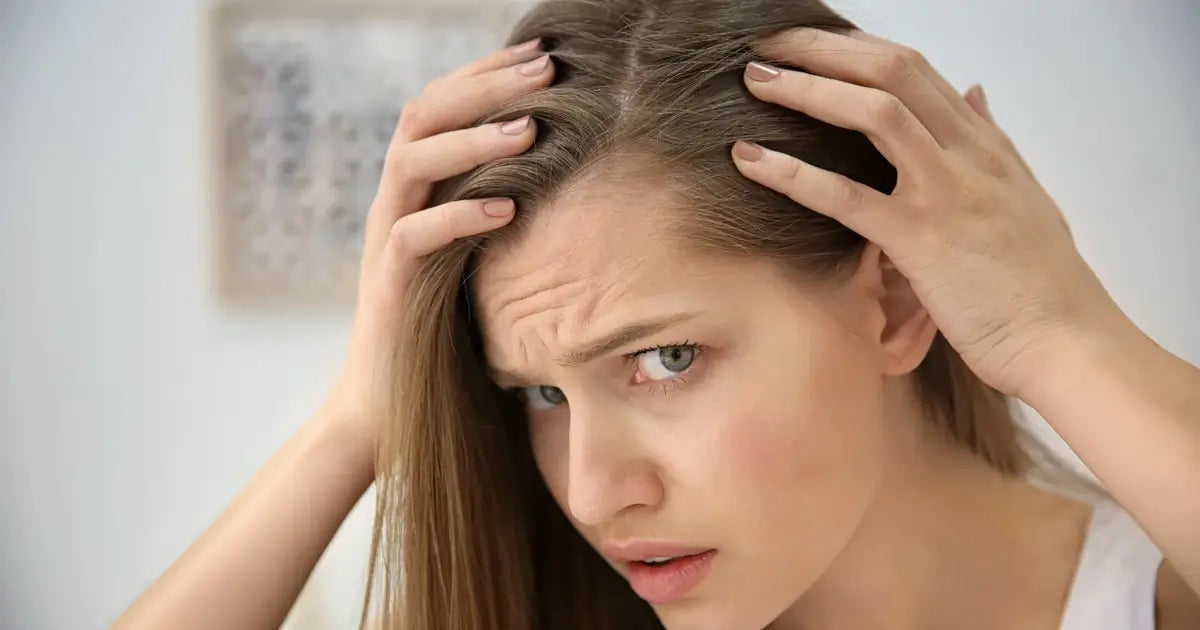
¿Es seguro el tratamiento de queratina para el cabello debilitado? Beneficios y desventajas
Todo el mundo desea un cabello sedoso y sin problemas, por lo que muchos se preguntan si el tratamiento de queratina es seguro para el cabello fino. Este tratamiento de salón, favorito de las celebridades y los estilistas, alisa el cabello, elimina el encrespamiento y te proporciona un cabello precioso que requiere un estilo mínimo a diario.
Sin embargo, antes de reservar tu cita, es importante que entiendas los efectos potenciales del tratamiento de queratina en el cabello fino. En este artículo, exploraremos cómo funciona, los posibles efectos secundarios y consejos para proteger tu cabello, piel y uñas.
¿Deberías probar el tratamiento de queratina para el cabello fino?
En segundo plano, un tratamiento de queratina reconstruye tus tallos capilares con productos a base de proteínas. Es posible que estés acostumbrado a la cirugía capilar u otros tratamientos de queratina que supuestamente dan al cabello de diferentes texturas un aspecto sedoso y suave.
El tratamiento generalmente comienza con un buen lavado, seguido de la aplicación de un producto de queratina. Los estilistas compiten planchando la fórmula dentro de los tallos capilares y alisando así las cutículas.
Para las personas a las que les preocupa la rotura del cabello, el mayor atractivo es que la queratina endurecerá temporalmente la cutícula exterior del cabello, de modo que este parecerá más sano que al principio. Sin embargo, si tienes el cabello muy fino o debilitado, existe un riesgo real de pérdida de cabello por el procesamiento excesivo con productos químicos o calor.
Aunque a algunos clientes les encantan los efectos inmediatos del tratamiento capilar con queratina, el resultado no queda igual de bien en todas las caras, especialmente si el cuero cabelludo y/o el cabello ya están dañados.
Sin embargo, el resultado del tratamiento de queratina para el cabello fino es algo que depende del tipo de cabello. Algunas personas obtienen un mejor crecimiento del cabello después del tratamiento porque tienen menos rotura. Pero algunas dicen que una mala aplicación o sesiones repetidas conducen a un cabello apelmazado.
Si quieres eliminar el encrespamiento sin dañar el cabello, asegúrate de que el estilista aplica productos probados y de calidad que hayan demostrado eliminar efectos secundarios como la irritación del cuero cabelludo o la deposición de proteínas.
Beneficios del tratamiento capilar de queratina
1. Control del encrespamiento y brillo
La queratina también es elogiada por su poder para domar el encrespamiento y proporcionar un cabello suave y liso en un período bastante corto. Ya sea que tengas rizos u ondas o incluso cabello liso que se niega a colaborar, te encantará lo rápido que puedes lograr un aspecto pulido. Debido a que la fórmula densifica los huecos en tus tallos capilares, la superficie creada puede ser más propensa a reflejar la luz, lo que contribuye al brillo general.
2. Versatilidad para diferentes tipos de cabello
Si bien la mayoría de las personas asocian la queratina con el rizo, para desaparecer, puede calmar algunos cabellos rebeldes o gruesos para que queden más planos. El control adicional ciertamente ahorraría tiempo de peinado, especialmente si estás acostumbrada a secarte el cabello con secador todos los días. En el cabello fino, la prohibición del peinado con calor después del tratamiento, en teoría, hará que tu cabello sea más saludable porque ya no lo someterás a altas temperaturas con tanta frecuencia. Por supuesto, ten cuidado para no congestionar las hebras finas con la cantidad inicial de planchado.
3. Reparación temporal
A medida que los tratamientos de queratina apilan mechones de cabello unos sobre otros, ocultarán los signos de daño natural. Esto por sí mismo le da al cabello la salud que antes no tenía. Las personas también tienen menos enredos y el cabello es fácil de cepillar después de la ducha, lo que puede beneficiar el crecimiento del cabello al reducir la rotura. Sin embargo, la clave es "temporal". Cuando la queratina desaparece de forma natural, a menudo en unas pocas semanas o meses, la salud del cabello vuelve a su estado original cuando te lo trataste, a menos que optes por retoques frecuentes.
Contras y posibles efectos secundarios
Riesgo de daño y pérdida de cabello
Uno de los mayores problemas con un tratamiento de queratina para el cabello debilitado es que puede provocar la caída o el daño del cabello.
Aunque el producto en sí contiene proteínas para fortalecer el cabello, existen productos disponibles con químicos fuertes como el formaldehído o agentes liberadores de formaldehído que descompondrán los tallos capilares si se usan de forma repetitiva.
A la temperatura de una plancha (comúnmente más de 200 °C), existe un riesgo adicional de daño capilar, especialmente si tu cabello ya está dañado.
Resultado impredecible para el cabello fino
Debido a que las texturas del cabello son muy individuales, el resultado puede ser impredecible. Una persona con cabello fino y rizado tendrá un cabello hermoso y suave, pero la siguiente lo recibirá seco.
Los resultados del tratamiento de queratina para cabello fino dependen en gran medida del nivel de porosidad de tu cabello, la frecuencia con la que lo tiñes y la experiencia del estilista que realiza el tratamiento. A menos que se haga con cuidado, un tratamiento de queratina en cabello frágil puede resultar en un cabello lacio y sobreprocesado que nunca recuperará su textura natural.
¿Cómo hacer que un tratamiento de queratina funcione sin riesgos?
Si estás decidida a probar un alisado brasileño o algún otro tipo de proceso de queratina, hay cosas que puedes hacer para proteger tu cabello fino.
Elige un estilista profesional
Visita un salón experimentado que esté acostumbrado a trabajar con cabello como el tuyo. Un estilista inteligente sabrá cómo equilibrar la potencia de la fórmula o el tiempo de procesamiento con las necesidades de tu cabello, por lo que habrá menos posibilidades de dañarlo.
Elige productos sin formaldehído
Aunque técnicamente es imposible garantizar productos sin formaldehído, elige productos etiquetados como "bajo en formaldehído" o con menos químicos peligrosos.
Espaciar los tratamientos
Si estás satisfecha con el resultado, no reserves el servicio con antelación. Los tratamientos de queratina aplicados uno sobre otro sobreprocesarán los tallos capilares y causarán la caída del cabello en lugar de brillo.
Utiliza un cuidado capilar suave
Después del tratamiento, usa productos suaves sin sulfatos e hidratantes. Esto mantiene la capa protectora sobre tus mechones de cabello y prolonga el efecto.
Mejores alternativas al tratamiento de queratina para cabello fino
¿Sueñas con un cabello sedoso pero también te preocupan los efectos secundarios? Prueba estas alternativas más suaves:
Sueros reparadores capilares
En lugar de reescribir el diseño interior de tus mechones, un buen suero puede hidratar el cabello, la piel y las uñas internamente. Al calmar tus hebras capilares con proteínas vegetales, aceites y vitaminas, puedes domar el encrespamiento sin sacrificar tu estructura general. Los tratamientos reparadores que reparan las hebras dañadas suelen contener sustitutos de la queratina o proteínas más suaves, dándote un brillo más saludable a largo plazo.
Aceites capilares ligeros
Un buen aceite para el cabello puede proporcionar suavidad y brillo como lo haría un tratamiento de queratina para el cabello fino, sin la intensidad química. Unas pocas gotas antes de secar con secador o planchar pueden prevenir la fricción, proteger el cabello de las quemaduras y evitar que se seque.
Recortes y mascarillas acondicionadoras regularmente
De vez en cuando, sin embargo, todo lo que tu cabello necesita es un simple corte para eliminar las puntas abiertas y un acondicionamiento profundo regular para una mayor salud. El mantenimiento de tus mechones bien acondicionados puede acelerar el crecimiento del cabello y hacerlo de textura más suave, la misma ventaja que obtendrías de la mayoría de los tratamientos capilares de queratina.
Mantener resultados duraderos y estimular el crecimiento del cabello
En cuanto a si te has hecho un alisado brasileño o un tratamiento de queratina alternativo o prefieres probar un régimen menos drástico, el cuidado diario del cabello es la respuesta.
Usa un champú sin sulfatos para no eliminar la película protectora de tus tallos capilares y añade una mascarilla semanal para hidratar las cutículas. Reduce el uso diario de calor bajando la temperatura de tu plancha o secando el cabello al aire cuando puedas.
Una visión holística de la salud del cabello, la piel y las uñas también puede dar sus frutos. Una dieta equilibrada, rica en vitaminas y proteínas, favorece el crecimiento del cabello desde el interior. Combínala con un cuidado adecuado del cuero cabelludo, como masajes suaves y limpiadores no agresivos, y construirás una base sólida para una vitalidad capilar duradera.
Conclusión
Si decides someterte a tratamientos capilares con queratina, asegúrate de contratar a un estilista profesional, espaciar tus sesiones y seguir un régimen estricto de cuidado posterior utilizando productos sin sulfatos. De esta manera, podrás disfrutar de un cabello más suave y fácil de peinar sin comprometer la salud de tus delicadas hebras.
Sin embargo, ninguna solución es perfecta. El mejor enfoque es evaluar las necesidades únicas de tu cabello, estar atento a los posibles efectos secundarios y mantener una rutina constante de cuidado personal. Al hacerlo, estarás en el camino para lograr un acabado lujoso y saludable, ya sea a través de una queratina brasileña, una opción de queratina más suave o una variedad cuidadosamente seleccionada de productos nutritivos que ayuden a que tu cabello fino luzca y se sienta mejor.
Preguntas frecuentes
¿Daña el tratamiento de queratina el cabello?
Puede causar daños si no se aplica correctamente o se usa en exceso, especialmente con fórmulas que contienen formaldehído. Sin embargo, cuando se hace de forma profesional, puede alisar y fortalecer el cabello sin dañarlo.
¿Es bueno un tratamiento de queratina para la caída del cabello?
Sí, el tratamiento de queratina es bueno para el cabello. Le da fuerza y brillo, pero no es una cura para la caída del cabello. Puede reducir la rotura del cabello y mejorar el aspecto de los cabellos finos.
¿Cómo tratar una reacción alérgica a un tratamiento de queratina?
Si sientes una reacción alérgica después de un tratamiento de queratina, enjuaga inmediatamente tu cuero cabelludo con agua fría y deja de usar el producto. Después de eso, aplicar una loción calmante puede ser útil.
¿Cuánto dura un tratamiento de queratina?
¿Cuánto dura un tratamiento de queratina? Es una pregunta que muchos nos hacemos después de invertir tiempo y dinero en alisar el encrespamiento y devolver el brillo. Tanto si te enfrentas a la sequedad, la falta de brillo o el cabello rebelde, los tratamientos de queratina ofrecen una solución temporal pero transformadora. El aspecto de nuestro cabello puede tener un gran impacto en cómo nos sentimos: cuando no tiene vida o es demasiado áspero, puede minar instantáneamente nuestra confianza.
Los tratamientos de queratina están diseñados para dejar el cabello sedoso, brillante y más manejable sin alterar permanentemente su textura natural. En este artículo, exploraremos exactamente cuánto dura un tratamiento de queratina, los factores que afectan su longevidad, las diferencias entre las opciones de salón y caseras, y consejos de expertos para hacer que los efectos duren el mayor tiempo posible.
¿Cuánto dura un tratamiento de queratina?
Un tratamiento de queratina típico dura entre 2 y 4 meses. Sin embargo, los tratamientos profesionales de salón pueden durar hasta 6 meses, dependiendo de la fórmula, tu rutina de cuidado del cabello, el tipo de cabello y los productos que uses. La longevidad también se ve afectada por la exposición a elementos como el cloro o el agua salada y la frecuencia de lavado.
Algunas personas optan por realizar medios tratamientos un par de veces al año para mantener ese aspecto liso y sin encrespamiento. Sin embargo, recuerda que el tratamiento químico excesivo durante un período tensará tu cabello. Practica la moderación para obtener los resultados sin perjudicar la calidad general del cabello.
Tratamientos de queratina de salón vs. caseros
Los tratamientos de queratina de salón son de calidad profesional y suelen durar entre 3 y 6 meses debido a las fórmulas de alta calidad y la aplicación experta.
Por otro lado, los kits de queratina caseros ofrecen una alternativa más asequible y conveniente. Aunque los resultados de los tratamientos caseros pueden durar de 4 a 8 semanas, ofrecen una excelente solución para quienes buscan una opción económica sin sacrificar demasiada calidad.
Ambas opciones tienen sus beneficios únicos dependiendo de tus objetivos, presupuesto y estilo de vida, y pueden ofrecer resultados impresionantes cuando se usan correctamente.
Ventajas y desventajas de los tratamientos de queratina
Cada tratamiento capilar tiene sus puntos fuertes y débiles. Antes de elegir uno, tómate en serio estas ventajas y desventajas.
Ventajas
-
Resultados sin encrespamiento: Con la cutícula sellada, la queratina minimiza significativamente el impacto de la humedad, haciendo que el encrespamiento sea un recuerdo lejano.
-
Fácil peinado: Es posible que pases menos tiempo luchando con las herramientas de calor. Incluso un breve peinado con calor puede alisar tu cabello más rápidamente cuando ha sido tratado con queratina.
-
Adecuado para la mayoría de los tipos de cabello: A diferencia de los alisadores agresivos, la queratina es generalmente suave y no altera permanentemente la textura del cabello, como ocurre con el peinado con calor.
Desventajas
-
Asequibilidad: Aunque los kits caseros son menos costosos, un tratamiento de queratina de salón puede ser caro. Planifícalo si quieres resultados profesionales.
-
No es permanente: El efecto durará unos pocos meses; los retoques o las reaplicaciones son necesarios para una suavidad continua.
-
Posibles alergias: Algunas fórmulas contienen ingredientes que pueden causar irritación en la piel o el cuero cabelludo. Busca siempre fórmulas que se ajusten a tu sensibilidad.
-
Mantenimiento y límites: Para una mayor longevidad, tendrás que ajustar tu régimen, por ejemplo, usar champú y acondicionador sin sulfatos, y quizás usarlos con menos frecuencia.
Tener una perspectiva al sopesar esta lista de ventajas y desventajas te ayudará a decidir si la queratina es adecuada para tu tipo de cabello y estilo de vida, y cómo. Y, finalmente, la verdadera pregunta, la mayoría de las veces, es: ¿cuánto durará el tratamiento de queratina en ti individualmente?
Factores que deciden la duración de la queratina
1. Frecuencia de lavado
El lavado excesivo es uno de los mayores culpables a la hora de eliminar la queratina de tu cabello. La mayoría de los profesionales aconsejan no lavarse más de dos o tres veces a la semana después del tratamiento. Con cada lavado, puedes eliminar un poco de esa barrera proteica.
2. Selección de productos
Los productos con sulfatos crean mucha espuma, pero también pueden descomponer la queratina. Evitar un champú y acondicionador sin sulfatos mantiene el sello del tallo capilar intacto el mayor tiempo posible, lo que te permite permanecer más tiempo antes de que sea necesario otro re-tratamiento.
3. Hábitos de peinado con calor
Secar con secador o alisar de vez en cuando a temperatura media "fijará" la queratina. Sin embargo, el uso regular de ayudas para el peinado a alta temperatura secará y debilitará o romperá la cutícula y acelerará la descomposición de la capa de queratina.
4. Porosidad y estado del cabello
El cabello muy poroso a veces absorbe la queratina como tratamiento químico más fácilmente, pero también puede liberarla antes, dependiendo de la salud general de tu cabello. Mientras tanto, el cabello con porosidad equilibrada podría retener la terapia por más tiempo.
A través de estos consejos, puedes maximizar el tiempo que dura el tratamiento de queratina en tu cabello. Incluso pequeños ajustes, como invertir en una línea de productos sin sulfatos, pueden prolongar tus resultados durante semanas.
Consejos para prolongar los resultados de la queratina
Si estás decidido a sacar el máximo partido a tu inversión en tratamiento químico de queratina, sigue estas pautas para prolongar la duración de esas hebras lisas y brillantes:
-
Limita el lavado del cabello
Intenta lavarte el cabello dos o tres veces por semana como máximo. El champú seco al rescate entre lavados. -
Mantén una rutina sin sulfatos
Lava y acondiciona con un producto especialmente adecuado para el tratamiento de queratina. Lee el envase y evita usar sulfatos y parabenos. Para resultados duraderos, puedes usar el CHAMPÚ PROTECT & CONTROL. Está formulado con tecnología avanzada para retener la nutrición y sellar la humedad. -
Duerme sobre seda
Las fundas de almohada de algodón se enredan en tu cabello y estimulan las puntas abiertas. Cambiar a una funda de almohada de seda elimina la estática y los enredos, manteniendo el cabello en óptimas condiciones. -
Cepillado suave
Selecciona un peine de dientes anchos o un cepillo desenredante para minimizar la presión sobre las raíces o las medias longitudes, ya que esto puede debilitar el cabello tratado. -
Protege de los elementos
Si eres un ávido nadador, usa un acondicionador sin enjuague o cúbrete el cabello. Este simple ajuste puede reducir drásticamente el riesgo de rotura del sello de queratina al usar cloro o agua salada. -
Retoques
Otros se hacen pequeños retoques de queratina cada ocho o diez semanas, particularmente a lo largo de la línea del cabello, donde el encrespamiento tiene la mayor probabilidad de reaparecer primero. Te mantendrá suave y sedoso sin una repetición completa.
Conclusión
Los tratamientos de queratina pueden ofrecer resultados visibles inmediatos, dejando tu cabello liso, suave y brillante. Pero la clave real para que esos resultados duren radica en lo bien que cuides tu cabello después. Una dieta equilibrada ayuda a tu cuerpo a producir su propia queratina, contribuyendo a un cabello más grueso y saludable con el tiempo.
Un mantenimiento frecuente, un peinado suave con calor, retoques y una sólida rutina de cuidado capilar son parte de mantener ese brillo. Sopesa las ventajas y desventajas, luego decide si un tratamiento de queratina de salón o un kit casero funciona mejor para tu presupuesto y horario. Con los productos adecuados y algunos hábitos saludables, sacarás el máximo partido a cada tratamiento y disfrutarás de un cabello de bajo mantenimiento y sin encrespamiento que realzará tu confianza y estilo.
Preguntas frecuentes
¿Qué se debe evitar después de un tratamiento de queratina?
Debes evitar lavarte el cabello, usar horquillas y atarlo firmemente. También debes evitar el agua salada y los champús que contengan sulfatos.
¿Puedo peinarme después de un tratamiento de queratina?
Sí, puedes peinarte, pero ten cuidado y usa un peine de dientes anchos. No cepilles demasiado durante los primeros tres días.
¿Cuánto dura un tratamiento de queratina en cabello ondulado?
Normalmente dura hasta 5 meses. Depende de tu rutina de cuidado posterior y, lo que es más importante, de los productos que utilices en el cuidado posterior.
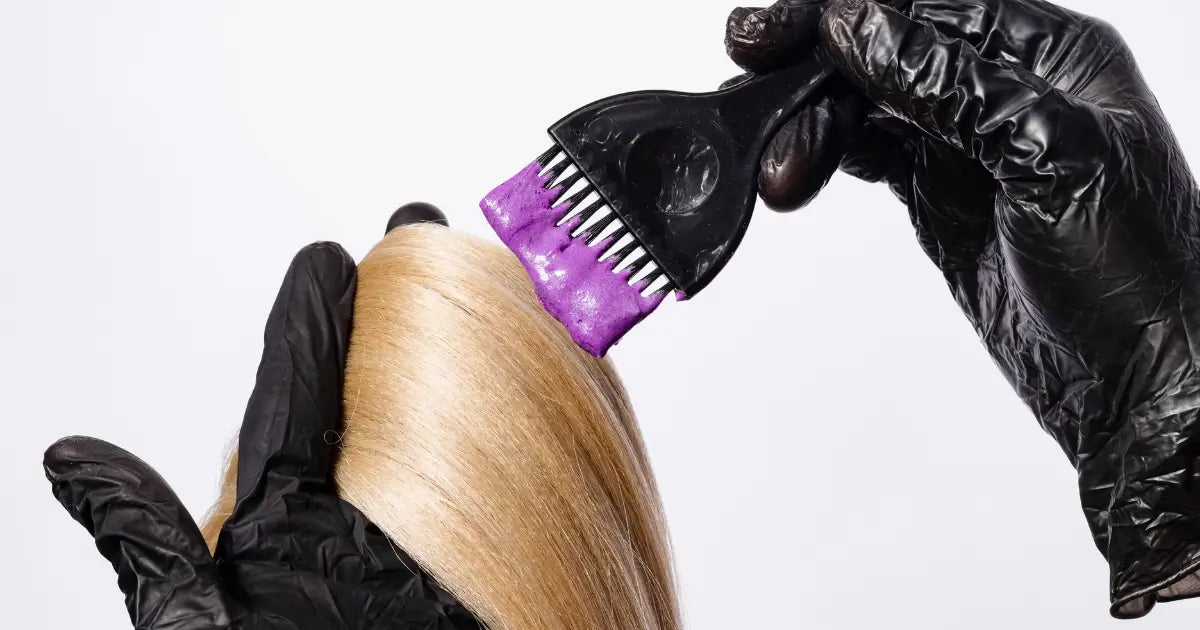
¿Puedo teñirme el pelo después de un tratamiento de queratina?
Si recientemente te has regalado un tratamiento de queratina suave y sedoso, quizás te preguntes: ¿puedo teñirme el pelo después de un tratamiento de queratina? El color del pelo siempre es una opción emocionante.
Sin embargo, ya sea que quieras un color diferente, cubrir tus canas o simplemente refrescar tu color actual, el momento adecuado es clave después de cualquier tratamiento químico, especialmente la queratina. La queratina y el tinte para el cabello pueden funcionar bien juntos, pero debe hacerse correctamente para evitar daños.
Analicemos lo que necesitas saber para mantener tu cabello sano y los resultados de tu tratamiento de queratina duraderos el mayor tiempo posible.
¿Puedes teñirte el pelo después de un tratamiento de queratina?
Sí, puedes teñirte el pelo después de un tratamiento de queratina, pero debes esperar. La mayoría de los estilistas profesionales recomiendan esperar al menos dos semanas después de un tratamiento de queratina antes de aplicar cualquier tinte para el cabello. Durante ese período, utiliza un champú seguro para queratina y evita fórmulas fuertes/clarificantes.
Ese período de espera le da a tu cabello tiempo para absorber completamente la queratina, asentarse y fijar los beneficios de alisado. Si te tiñes el pelo demasiado pronto, puedes alterar la capa de queratina, haciendo que el tratamiento sea menos efectivo y acortando su duración.
Por qué el tiempo importa después de los tratamientos de queratina
Los tratamientos de queratina funcionan sellando una fórmula suavizante en la cutícula del cabello mediante calor. Esa capa exterior de la cutícula se vuelve más lisa, más sellada y ligeramente más resistente a la penetración, especialmente por parte del tinte para el cabello.
Si aplicas color justo después de un tratamiento de queratina, es posible que no se deposite de manera uniforme, dejándote con resultados irregulares o apagados.
Además, los tratamientos químicos como la queratina y el tinte para el cabello someten el cabello a estrés. Realizarlos con tiempo de por medio le da a tus mechones la oportunidad de recuperarse, manteniéndolos más saludables a largo plazo.
¿Qué pasa si te tiñes el pelo demasiado pronto?
Si te tiñes el pelo demasiado pronto después de la queratina, podrías encontrarte con varios problemas. Como se mencionó anteriormente, el tinte podría tener dificultades para penetrar la cutícula sellada, lo que provocaría un color desigual o una cobertura deficiente.
En algunos casos, especialmente con el color permanente, los químicos del tinte podrían romper la capa de queratina, haciendo que el encrespamiento regrese mucho antes de lo esperado.
Dado que el cabello tratado químicamente es más poroso y frágil, aplicar color sobre queratina fresca aumenta el riesgo de sequedad y rotura.
¿Debes teñir el cabello antes o después de un tratamiento de queratina?
Si quieres refrescar tu color y alisar tu cabello con queratina, la mejor opción es teñirlo primero. ¿Puedo hacerme un tratamiento de queratina después de teñirme el cabello? ¡Absolutamente!
De hecho, teñir el cabello antes de un tratamiento de queratina permite que la fórmula alisadora selle tu nuevo color, ayudando a que dure más y se vea más vibrante. La queratina también añade brillo, mejorando el aspecto general del cabello recién teñido.
Sin embargo, si ya te has hecho un tratamiento de queratina y ahora quieres teñirte el pelo, la paciencia es clave. Esperar dos semanas completas te da la mejor oportunidad de obtener un color uniforme y duradero sin comprometer los resultados de tu queratina.
Mejores tipos de tinte para usar después de la queratina
No todos los tintes para el cabello se comportan de la misma manera después de los tratamientos de queratina. Los colores semipermanentes y demi-permanentes son más suaves y a menudo funcionan mejor en el cabello tratado con queratina que los tintes permanentes.
Los tintes permanentes contienen químicos más fuertes como amoníaco y peróxido. Estas opciones más suaves aún proporcionan un color intenso mientras minimizan el riesgo de daño o pérdida de queratina.
Si buscas un cambio de color importante, como pasar de oscuro a rubio o añadir reflejos, es aún más importante esperar las dos semanas completas (o más). También es mejor trabajar con un colorista profesional con experiencia en tratamientos de queratina en cabellos teñidos.
Cómo proteger el cabello tratado con queratina al teñirlo
Una vez que estés lista para teñirte, hay algunos pasos que puedes seguir para proteger tu acabado liso y sin encrespamiento:
-
Usa un tinte sin amoniaco si es posible. El amoniaco puede ser agresivo para el cabello tratado químicamente.
-
Pídele a tu estilista que use un revelador de bajo volumen para minimizar el estrés en la cutícula del cabello.
-
Usa champú sin sulfatos y acondicionador para mantener la capa de queratina intacta y tu color vibrante.
-
Usa una mascarilla de acondicionamiento profundo una semana después de teñir para restaurar la humedad y mantener tu cabello suave.
¿Qué hay de las mechas o el balayage después de la queratina?
Si estás pensando en mechas, balayage u otras técnicas que implican aclarar, se necesita un cuidado extra. La decoloración abre la cutícula y puede debilitar la capa de queratina.
Para obtener los mejores resultados, hazte las mechas antes de tu tratamiento de queratina. Si debes hacerlas después, espera al menos tres semanas y siempre sigue con un acondicionamiento profundo para reponer la humedad perdida.
Señales de que tu cabello necesita un descanso entre tratamientos
Si tu cabello ya se siente seco, quebradizo o sobreprocesado, añadir más químicos, ya sea color o queratina, puede llevarlo demasiado lejos. Las señales de que tu cabello necesita un descanso antes de teñirlo incluyen:
-
Excesiva caída o rotura
-
Mechones sin vida que no mantienen el peinado
-
Cabello que se siente pegajoso o gomoso cuando está mojado
En estos casos, retrasa la coloración y concéntrate en reconstruir la fuerza con tratamientos de proteínas y mascarillas hidratantes antes de cualquier proceso químico adicional.
¿Cuánto tiempo debes esperar antes de teñir el cabello tratado con queratina?
Para recapitular, aquí tienes una línea de tiempo sencilla:
-
Idealmente, tiñe antes de un tratamiento de queratina.
-
Si ya te hiciste la queratina, espera al menos dos semanas para teñir.
-
Para mechas, balayage o decoloración, espera al menos tres semanas.
-
Si tu cabello se siente débil o dañado, dale más tiempo y concéntrate en repararlo antes de teñir.
¿Puedes teñirte el pelo después del tratamiento de queratina en casa?
Sí, pero procede con precaución. Muchos tintes caseros, especialmente los de caja, contienen altos niveles de amoniaco y otros químicos agresivos. Estos pueden debilitar la capa de queratina, dejando tu cabello más encrespado que antes.
Si estás decidida a teñirte en casa, elige un tinte semipermanente diseñado para cabello teñido o tratado químicamente, y evita cualquier cosa que afirme aclarar o levantar el color.
Conclusión
Un tratamiento de queratina en cabello teñido puede funcionar maravillosamente si lo haces en el momento adecuado. Ya sea que quieras refrescar tu tono actual o probar algo nuevo, la clave es darle a tu cabello un respiro entre tratamientos.
Si tienes dudas, trabaja con un estilista que sepa cómo manejar el cabello tratado químicamente para mantenerlo sano, vibrante y suave a largo plazo.
Siguiendo estas sencillas pautas, podrás disfrutar de lo mejor de ambos mundos: un color precioso y un cabello sedoso y sin encrespamiento.
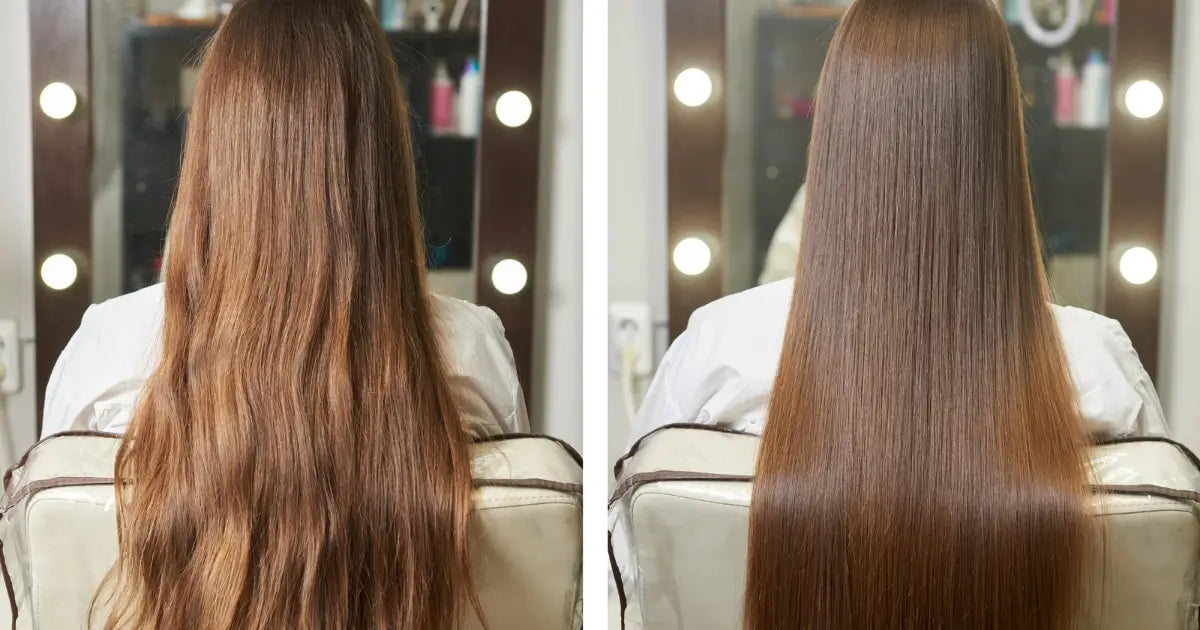
Tratamiento Capilar para un Cabello Liso: Las Mejores Soluciones para un Brillo sin Encrespamiento
Seamos sinceros: la mayoría de nosotros queremos un cabello suave, brillante y fácil de manejar. Pero lograrlo puede parecer una lucha interminable. El peinado con calor, la coloración, la humedad y un estilo de vida acelerado pueden hacer que el cabello se reseque, se encrespe o simplemente se vuelva inmanejable.
¿La buena noticia? Hay muchísimos tratamientos capilares para el cabello liso que pueden ayudar. Tanto si buscas un rápido aumento de brillo como algo que mantenga tu cabello liso durante meses, tenemos una extensa lista.
Repasemos algunas de las mejores opciones para que puedas decidir cuál es la adecuada para tu cabello y estilo de vida.
Por qué el cabello liso puede ser tan difícil de conseguir (y mantener)
Antes de pasar a los tratamientos, es útil saber por qué tanta gente lucha contra el encrespamiento, la aspereza y el cabello sin brillo en primer lugar.
Para empezar, la capa externa de nuestro cabello, la cutícula, debe permanecer lisa y plana. Sin embargo, el calor, los productos químicos e incluso el cepillado pueden levantarla. Cuando eso ocurre, la humedad se escapa, el encrespamiento se cuela y el cabello pierde su brillo natural.
Ahí es donde entran en juego los tratamientos suavizantes para el cabello. Ayudan a sellar la cutícula para que el cabello refleje mejor la luz y se sienta más suave.
El mejor tratamiento capilar para un cabello liso: Soluciones principales
Tratamiento de queratina brasileña
Si buscas una suavidad duradera sin sacrificar el volumen, un tratamiento de queratina brasileña podría ser tu solución ideal. Este tratamiento suavizante para el cabello ayuda a eliminar el encrespamiento, realzar el brillo y hacer el cabello más manejable, manteniendo al mismo tiempo el movimiento natural.
A diferencia de los métodos de alisado tradicionales, el tratamiento de queratina brasileña funciona infundiendo queratina en lo profundo de la cutícula del cabello, sellándola con calor para un acabado elegante y pulido. ¿El resultado? Un cabello más suave y brillante que resiste la humedad y se mantiene liso sin esfuerzo hasta por tres meses.
Además, puedes seguir llevando el pelo ondulado o rizado cuando lo desees, lo que lo convierte en una opción versátil para todo tipo de cabello. Si tienes curiosidad por otros tratamientos a base de queratina, consulta Tipos de tratamientos de queratina para encontrar el que mejor se adapte a tu cabello.
Mascarillas de acondicionamiento profundo
Las mascarillas de acondicionamiento profundo pueden marcar una gran diferencia si no estás preparada para un tratamiento completo de salón.
¿La mejor parte? Puedes usarlas en casa. Estas mascarillas están repletas de aceite de argán, manteca de karité o queratina para empapar tu cabello de humedad y ayudar a suavizar la cutícula.
El truco con las mascarillas es la constancia.
No es cosa de una sola vez. Probablemente empezarás a notar un cabello más suave y brillante rápidamente si las incorporas a tu rutina semanal, por ejemplo, todos los domingos por la noche mientras te das un atracón de tu programa favorito. Son especialmente buenas si tu cabello se siente seco después de la coloración, el peinado con calor o el encrespamiento estacional.
Tratamientos de brillo capilar
A veces, tu cabello no está particularmente encrespado o dañado, pero no se ve emocionante.
Ahí es donde entran los tratamientos de brillo. Piensa en ellos como una capa superior para tu cabello. No cambian tu color (a menos que quieras) pero le dan a tu cabello un acabado suave y brillante.
Los tratamientos de brillo son perfectos si tienes un gran evento o si tu cabello ha estado un poco apagado últimamente. Solo tardan unos 20 minutos en el salón y los resultados suelen durar alrededor de un mes. Este es tu atajo para un cabello extra brillante.
Tratamientos de aceite caliente
Si alguna vez te has hecho un tratamiento de aceite caliente casero, sabes lo bien que se sienten. Y siguen siendo una excelente manera de suavizar tu cabello sin complicaciones.
Hoy en día, estas versiones utilizan aceites más ligeros como el argán, la jojoba o el coco, asegurando que no tengas raíces grasas.
Calienta el aceite, masajéalo en tu cabello y ponte un gorro de ducha. Luego, pon tu programa favorito, toma un bocadillo y deja que el calor haga su magia durante 20 minutos.
Cuando te enjuagues el cabello, debería sentirse más suave, brillante y mucho más manejable. Esta es una de esas opciones fáciles y económicas que funciona bien para cualquiera, especialmente si tu cabello está seco. Esta opción es de la vieja escuela, pero sigue siendo impresionante.
Tratamientos de reparación de enlaces
Si tu cabello ha pasado por mucho —incluyendo decoloración, tinte y demasiado peinado con calor— ningún tratamiento suavizante para el cabello durará si está demasiado dañado.
Ahí es donde entran los tratamientos de reparación de enlaces como Olaplex o K18. Trabajan dentro del cabello, no solo en la superficie, para reconstruir la estructura.
Recuerda, cuando el interior es fuerte, el exterior se ve más suave y saludable.
Estos tratamientos son excelentes si tu cabello siempre se siente áspero o se rompe fácilmente, incluso después del acondicionamiento. La mejor parte es que puedes usarlos junto con otros tratamientos suavizantes, por lo que no tienes que elegir entre reparar y suavizar, ¡puedes hacer ambas cosas!
Silk Press
Un silk press podría ser exactamente lo que quieres si tu cabello es naturalmente rizado o ensortijado, pero no estás lista para comprometerte con un alisado permanente.
Es un secado combinado con un experto planchado. Tu cabello queda liso, brillante y con volumen.
Lo bueno de un silk press es que es temporal. Una vez que te lavas el cabello, tus rizos naturales vuelven. Eso lo convierte en una excelente opción para eventos especiales o para cambiar de look durante una o dos semanas. Obtendrás una suavidad temporal pero preciosa.
¿Qué tratamiento deberías probar?
Con tantas opciones, el mejor tratamiento depende de:
✔ Lo que quieres (duradero vs. temporal)
✔ Cuánto tiempo dedicarás al mantenimiento
✔ Tu tipo de cabello (liso, rizado, fino, grueso)
Guía rápida:
-
Para control del encrespamiento y suavidad duradera: Tratamiento de queratina brasileña
-
Para el brillo: Tratamiento de brillo o silk press
-
Para cabello dañado: Reparación de enlaces
-
Para hidratación: Acondicionamiento profundo o tratamientos de aceite caliente
-
Para un enfoque natural: Tratamientos suavizantes naturales para el cabello como tratamientos de aceite caliente o mascarillas reparadoras de enlaces
Si no estás segura, habla con tu estilista; te ayudará a encontrar la opción perfecta para tu tipo de cabello y estilo de vida.
Preguntas frecuentes
¿Qué es un tratamiento suavizante para el cabello?
Si te preguntas "¿Qué es un tratamiento suavizante para el cabello?", es cualquier tratamiento diseñado para reducir el encrespamiento, mejorar el brillo y hacer que el cabello sea más fácil de manejar. Esto incluye tratamientos de queratina, mascarillas de acondicionamiento profundo, tratamientos de reparación de enlaces e incluso soluciones naturales a base de aceites. Elegir el adecuado depende de tu tipo de cabello, estilo de vida y preferencias de mantenimiento.
¿Es bueno para el cabello el tratamiento de alisado con queratina?
Mucha gente pregunta: "¿Es bueno para el cabello el tratamiento de alisado con queratina?". La respuesta depende de tu tipo de cabello y tus necesidades. Si luchas contra el encrespamiento y quieres una suavidad duradera, los tratamientos de queratina pueden ser una excelente solución. Ayudan a fortalecer el cabello, reducir el tiempo de peinado y proporcionan resistencia a la humedad. Para mantener esos resultados y proteger la capa suavizante, lávate con un champú sin sulfatos para cabello tratado con queratina y combínalo con un acondicionador suave e hidratante.
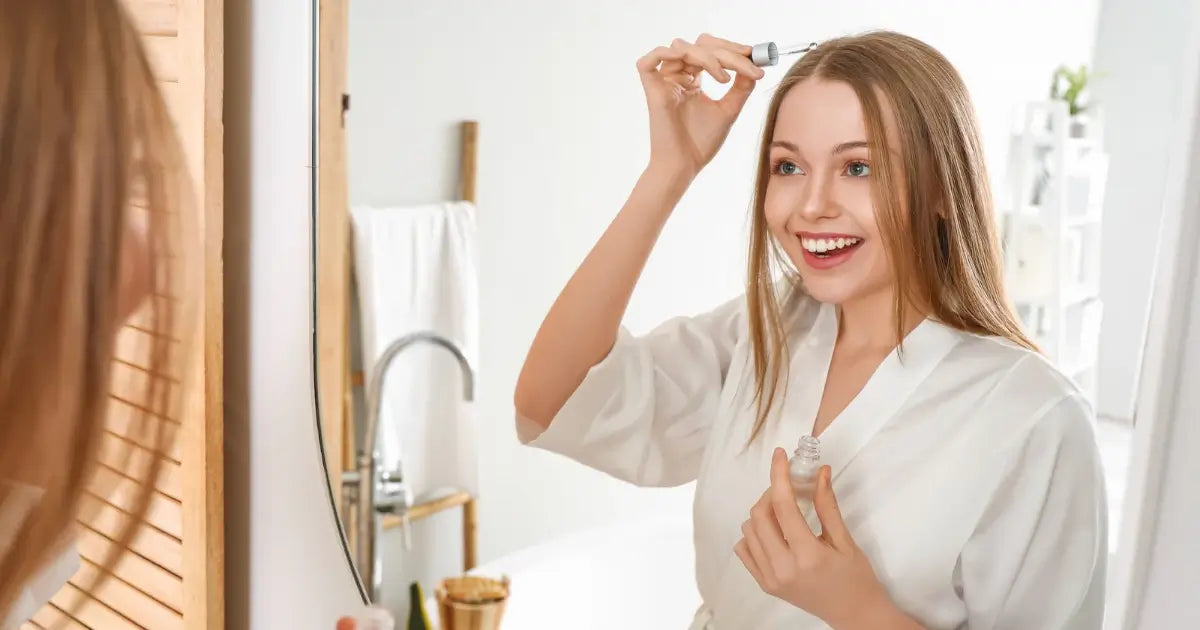
Cómo hacer un tratamiento de queratina en casa: Una guía completa de bricolaje
Si te encanta el aspecto liso y sin encrespamiento de un tratamiento de queratina de salón, pero no quieres gastar una fortuna, ¡estás de suerte! Con los productos y técnicas adecuados, puedes conseguir resultados de nivel profesional desde la comodidad de tu casa.
Aquí es donde entra en juego un tratamiento de queratina en casa. Esta guía te guiará por cada paso del proceso, desde la preparación hasta la aplicación, para que puedas disfrutar de un cabello liso y manejable sin pisar un salón de belleza.
Beneficios de hacer un tratamiento de queratina en casa
Una de las ventajas más significativas de hacerse un tratamiento capilar de queratina en casa es el ahorro de costes. Los tratamientos profesionales pueden costar fácilmente cientos de dólares, especialmente si tienes el pelo largo o grueso. Con los kits para el hogar, estás pagando una fracción de eso.
También está el factor conveniencia. Puedes hacer tu tratamiento cuando se ajuste a tu horario. No tienes que lidiar con la molestia de las citas o esperar a un estilista. Además, tienes un control total sobre los productos que utilizas, lo que es especialmente importante si eres exigente en cuanto a evitar los productos químicos agresivos.
Lo más importante es que el tratamiento de queratina en casa te permite personalizar el proceso. Puedes elegir si quieres un alisado sutil o un acabado más espectacular sin encrespamiento. Todo lo que tienes que hacer es ajustar los pasos para que coincidan con tus objetivos.
Lo que necesitarás para un tratamiento de queratina casero
Antes de empezar, asegúrate de tener todo listo. El proceso lleva un poco de tiempo, así que tener todos los productos preparados te ayudará a evitar interrupciones una vez que empieces.
-
Un kit de tratamiento de queratina en casa de alta calidad — Busca fórmulas sin sulfatos, idealmente con ingredientes nutritivos como aceite de argán, aceite de coco o aloe vera.
-
Champú clarificante — Prepara tu cabello eliminando la acumulación de productos.
-
Peine de púas anchas — Se utiliza para distribuir el producto uniformemente.
-
Pinzas para seccionar — Ayudan a mantener todo organizado.
-
Secador de pelo — Necesario para parte del proceso de sellado.
-
Plancha de pelo con calor ajustable — Esencial para sellar la queratina en tu cabello.
-
Guantes (opcional) — Algunos kits los recomiendan para aplicar el producto.
Guía paso a paso para hacer un tratamiento de queratina en casa
Paso 1 – Comienza con el cabello limpio y sin productos
Antes de aplicar tu tratamiento de queratina, asegúrate de que tu cabello esté libre de acumulación de productos. Lava tu cabello con un champú clarificante para eliminar cualquier aceite, acondicionador o producto de peinado. Evita usar un champú hidratante regular; tu cabello necesita estar lo más limpio y "desnudo" posible para que la queratina se adhiera correctamente.
Una vez que te hayas lavado el cabello, sécalo suavemente con una toalla hasta que esté húmedo pero no goteando, y peina para eliminar cualquier enredo.
Paso 2 – Secciona tu cabello
Divide tu cabello en cuatro o más secciones usando pinzas. Las secciones más pequeñas ayudan a asegurar una distribución uniforme del producto, lo cual es clave para obtener resultados consistentes.
Paso 3 – Aplica el tratamiento de queratina
¿Te preguntas cómo hacer un tratamiento de queratina en casa? Comienza aplicando el tratamiento de queratina en cada sección siguiendo las instrucciones de tu kit específico. Usa un peine de dientes anchos para extender el producto desde la raíz hasta las puntas, asegurándote de que cada mechón esté cubierto.
La mayoría de los productos recomiendan aplicarlos a aproximadamente media pulgada del cuero cabelludo para evitar la acumulación en las raíces. Tómate tu tiempo; apresurarse puede llevar a una aplicación desigual. Cuanto más uniformemente apliques el producto, más suave será tu resultado final.
Paso 4 – Deja que actúe
Los tratamientos de queratina suelen necesitar tiempo para absorberse y adherirse a tu cabello. Dependiendo del producto, esto podría ser desde 20 minutos hasta una hora. Evita tocar tu cabello o perturbar las secciones durante este período de espera.
Paso 5 – Seca tu cabello con secador
Una vez que el producto se haya fijado, es hora de secar con secador. Usa una temperatura media y un cepillo redondo para ayudar a alisar tu cabello mientras lo secas. Este paso es esencial porque activa el tratamiento y comienza el proceso de sellado.
Paso 6 – Sella con una plancha
Aquí es donde realmente ocurre la magia. Ajusta tu plancha a la temperatura recomendada por tu kit de queratina, generalmente entre 350°F y 450°F (175°C y 230°C). Como antes, trabaja con secciones pequeñas y pasa la plancha sobre cada mechón varias veces. El calor ayuda a sellar la queratina en tu cabello, dándote ese acabado liso y brillante.
Paso 7 – Sigue el cuidado post-tratamiento
La mayoría de los tratamientos de queratina requieren un poco de cuidado posterior, pero vale la pena. Dependiendo del producto que uses, es posible que debas evitar lavarte el cabello durante 48 a 72 horas para que el tratamiento se fije por completo. Además, evita las coletas, las pinzas o cualquier cosa que pueda dejar marcas o dobleces en tu cabello durante este tiempo.
Para una guía completa sobre cómo mantener tus resultados lisos y sin encrespamiento, consulta nuestros consejos de Cuidado posterior al tratamiento de queratina.
Cuando te laves el cabello, usa un champú sin sulfatos para cabello tratado con queratina y un acondicionador para ayudar a prolongar la vida de tu tratamiento.
Mejor tratamiento de queratina para uso en casa
Al elegir un tratamiento de queratina para el hogar, es esencial elegir una fórmula de alta calidad que proporcione una suavidad duradera sin productos químicos agresivos. Si buscas un tratamiento de calidad profesional que sea fácil de usar en casa, Fashion Gold Brazilian Keratin Smoothing and Straightening System es una excelente opción.
¿Por qué elegir el tratamiento de queratina brasileña Fashion Gold?
-
Resultados de calidad de salón en casa — Consigue un cabello sedoso y sin encrespamiento con una fórmula de calidad profesional que alisa y fortalece tus mechones.
-
Efecto duradero — Disfruta de hasta tres meses de cabello liso y manejable con el cuidado adecuado.
-
Fórmula segura y nutritiva — Infundida con queratina y nutrientes esenciales para restaurar la salud del cabello mientras elimina el encrespamiento.
-
Adecuado para todo tipo de cabello — Ya sea que tengas cabello rizado, ondulado o encrespado, este tratamiento lo doma y lo transforma en mechones lisos y suaves.
-
Fácil de aplicar — Diseñado para uso en casa con instrucciones sencillas y paso a paso para una aplicación sin esfuerzo.
Errores comunes a evitar
-
Saltarse el paso del champú clarificante — Si tu cabello no está impecable, la queratina no se adherirá correctamente.
-
Usar demasiado producto — Más no siempre es mejor. Sobrecargar tu cabello puede dejarlo grasoso o rígido.
-
Saltarse el paso de la plancha — Este paso de calor es lo que sella el tratamiento, por lo que es esencial para resultados duraderos.
-
Lavarte el cabello demasiado pronto después del tratamiento — Dale tiempo a la queratina para que se adhiera antes de volver a lavar con champú.
-
Usar calor excesivo — Demasiado calor puede causar daños innecesarios.
Conclusión
Hacer un tratamiento capilar de queratina en casa puede cambiar las reglas del juego para cualquiera que luche contra el encrespamiento y la sequedad. Con un poco de tiempo, los productos adecuados y una cuidadosa atención a cada paso, puedes conseguir una suavidad de salón desde la comodidad de tu baño.
Para obtener los mejores resultados, considera usar el Tratamiento de Queratina Fashion Gold. Su fórmula de calidad de salón domina el encrespamiento, realza el brillo y deja el cabello liso y manejable, todo sin la molestia de una visita al salón.
Preguntas frecuentes
¿Cómo puedo hacer un tratamiento de queratina en casa?
Si te preguntas cómo puedes hacer un tratamiento de queratina en casa, simplemente sigue los pasos descritos anteriormente. Usar los productos adecuados, aplicar el tratamiento correctamente y sellarlo con calor te ayudará a conseguir resultados de calidad de salón.
¿Cuánto durará tu tratamiento de queratina en casa?
Los resultados pueden variar dependiendo del producto, tu tipo de cabello y lo bien que sigas las instrucciones. En promedio, un tratamiento de queratina en casa puede durar entre cuatro y ocho semanas. Usar champú sin sulfatos, limitar el peinado con calor y evitar el agua clorada pueden ayudar a prolongar tus resultados.

Cuidados Post-Tratamiento de Queratina: 7 Consejos Imprescindibles para Resultados Duraderos
Acabas de salir del salón con un cabello liso, suave y sin encrespamiento: ¡pura perfección! ¿Pero cómo lo mantienes así? La clave es que la duración de ese brillo deslumbrante depende de lo bien que cuides tu cabello después. Sin un cuidado posterior adecuado, tu tratamiento de queratina podría desvanecerse mucho más rápido de lo esperado.
Así que, para que tu cabello se vea tan fresco como cuando saliste del salón, aquí tienes siete consejos sencillos pero esenciales para el cuidado posterior del tratamiento de queratina. Estos te ayudarán a sacar el máximo partido al dinero que gastaste en el tratamiento.
Por qué es esencial el cuidado posterior al tratamiento de queratina
Cualquiera que sea el tipo de tratamiento de queratina que elijas, el cuidado posterior es esencial. Un tratamiento de queratina funciona rellenando los huecos en la estructura de tu cabello con proteínas. Esto alisa la cutícula y hace que tus mechones sean más manejables. Pero esa suavidad no es permanente. Desde el champú que usas hasta la frecuencia con la que te lavas el cabello, todo puede influir en la duración de los resultados.
Si sigues el cuidado posterior adecuado para el tratamiento de queratina, puedes mantener ese cabello con calidad de salón durante meses. Sin embargo, si lo ignoras, tu encrespamiento y los cabellos sueltos aparecerán mucho antes de lo que pensabas.
Cuidado posterior al tratamiento de queratina: 7 consejos imprescindibles
1. Abstente de lavarlo, en serio
Lo sé, lo sé. Estar tres días enteros sin lavarte el cabello puede sonar imposible. Pero créeme, vale la pena. Tu estilista probablemente te dijo que esperaras al menos 72 horas antes de lavarlo. Recuerda que no es solo una sugerencia; es una obligación.
Si te preguntas: "¿Cuándo puedo lavarme el cabello después de un tratamiento de queratina?", la respuesta es al menos tres días después del procedimiento. Lavarlo demasiado pronto puede eliminar la queratina antes de que se adhiera completamente a tu cabello. Tu cuero cabelludo podría ponerse un poco graso en esos días, pero resiste la tentación de recogerte el cabello o usar champú seco.
Déjalo tal cual durante los primeros días para evitar estropear los resultados.
2. Deshazte de los sulfatos y los champús agresivos
Elige tu champú sabiamente para cuando finalmente te laves el cabello. Los champús regulares con sulfatos son un gran NO porque eliminan la humedad y degradan la capa de queratina mucho más rápido. En su lugar, elige un champú sin sulfatos y apto para queratina que limpie suavemente tu cabello sin deshacer toda esa magia alisadora.
¿Otro ingrediente a tener en cuenta? El cloruro de sodio.
Incluso algo tan simple como la sal de mesa regular en tu champú puede acortar la vida de tu tratamiento. Siempre revisa la etiqueta antes de comprar.
3. Ten cuidado con el peinado con calor
Una de las mejores cosas de un tratamiento de queratina es que no necesitarás usar tanto la plancha para alisar tu cabello. Pero si decides usar alguna herramienta de calor, ten cuidado. El calor excesivo, especialmente sin un pulverizador protector térmico, puede resecar tu cabello y desgastar la queratina más rápido.
Cíñete a ajustes de calor bajos o medios y nunca te excedas. Mejor aún, deja que tu cabello se seque al aire cuando puedas o usa el ajuste frío de tu secador. Tu cabello te lo agradecerá.
4. Controla la humedad
Si vives en un lugar húmedo, ya sabes lo pesadilla que puede ser el encrespamiento. Incluso con un tratamiento de queratina, la humedad en el aire aún puede afectar tu cabello si no tienes cuidado.
Para proteger tus mechones, usa un pulverizador ligero antihumedad antes de salir. Actúa como una barrera para evitar que el encrespamiento vuelva a aparecer. Si el pronóstico indica mucha humedad, usar un pañuelo de seda o un sombrero también puede ayudar.
5. Mejora tu funda de almohada
Esto es algo en lo que quizás no pienses, pero tu funda de almohada marca la diferencia en la duración de los resultados de tu tratamiento de queratina. Las fundas de almohada de algodón pueden crear fricción, lo que lleva al encrespamiento y la rotura. Usar una funda de almohada de seda o satén ayudará a mantener tu cabello suave mientras duermes.
Si tienes la costumbre de dar vueltas en la cama por la noche, también puedes trenzarte el cabello suelto o hacerte una cola de caballo baja para evitar enredos. Simplemente no uses elásticos ajustados que puedan dejar marcas en tu cabello recién tratado.
6. Mantén el acondicionamiento profundo y los retoques
Un tratamiento de queratina no durará para siempre, pero con el cuidado posterior adecuado, puede durar de tres a cinco meses. Una vez que empieces a notar que el encrespamiento vuelve, probablemente sea hora de un retoque.
Entre las visitas al salón, los tratamientos de acondicionamiento profundo son un cambio de juego. Busca mascarillas con queratina, aceite de argán o aceite de coco para mantener tu cabello hidratado. Hacer esto cada dos semanas ayudará a prolongar la suavidad y el brillo.
Conclusión
Cuidar tu cabello después de un tratamiento de queratina no tiene por qué ser complicado. Con el champú adecuado, menos lavados y algo de protección extra contra el calor y la humedad, puedes mantener tu cabello liso y brillante durante meses.
Sigue estos sencillos consejos de cuidado posterior a la queratina, y tu cabello se mantendrá suave, sin encrespamiento y manejable sin esfuerzo, día tras día.
Preguntas frecuentes
¿Cuándo puedo lavarme el cabello después de un tratamiento de queratina?
El período de espera ideal es de al menos 72 horas después de tu tratamiento de queratina. Lavar tu cabello demasiado pronto puede debilitar el tratamiento y acortar su duración.
¿Puedo teñirme el cabello después de un tratamiento de queratina?
La respuesta corta es sí, pero es mejor esperar al menos dos semanas para asegurar que la queratina esté completamente fijada. Para una guía detallada, consulta ¿Puedo teñirme el cabello después de un tratamiento de queratina?
¿Es malo nadar para el cabello tratado con queratina?
El cloro y el agua salada pueden degradar el tratamiento más rápidamente. Es mejor evitar piscinas y el océano durante al menos dos semanas. Si vas a nadar, mójate el cabello primero, aplica un acondicionador sin enjuague y usa un gorro de natación para una protección adicional.

Los 5 mejores champús después de un tratamiento de queratina para una suavidad duradera
¿Acabas de recibir un tratamiento de queratina? Para mantener tu cabello suave, brillante y sin encrespamiento, elegir el mejor champú después del tratamiento de queratina es esencial. Algunos champús contienen químicos agresivos que eliminan la humedad y la queratina, dejando tu cabello seco y quebradizo. Usar un champú compatible con la queratina ayuda a mantener tu tratamiento, asegurando una suavidad duradera y un brillo de salón.
Veamos algunos champús mejor valorados que mantendrán tu cabello tratado con queratina luciendo lo mejor posible.
Ingredientes clave que buscar en el mejor champú después de un tratamiento de queratina
Debido a su suavidad, el cabello se vuelve extremadamente sensible después de un tratamiento de queratina. La exposición a condiciones climáticas severas y químicos dañinos puede eliminar la queratina. Elegir el mejor champú para usar después de un tratamiento de queratina es necesario para mantener la humedad y prolongar la suavidad.
Champú sin sulfatos
Siempre elige un champú sin sulfatos. Los sulfatos son detergentes agresivos que eliminan los aceites naturales, dejando el cabello seco y quebradizo. En su lugar, busca limpiadores suaves que preserven la humedad y mantengan intacto tu tratamiento de queratina. La mayoría de los champús contienen tensioactivos agresivos, como sulfato o lauril sulfato de sodio, que eliminan los aceites naturales y debilitan las raíces del cabello.
Aceites naturales y agentes hidratantes
Al buscar el mejor champú de queratina, siempre elige uno con aceites naturales y agentes hidratantes para mantener un aspecto elegante y profesional. Los agentes hidratantes ayudan a retener la humedad, manteniendo tu cabello suave y previniendo la sequedad. Opta por champús con aceites como:
-
Aceite de argán — Mantiene el cabello hidratado y brillante.
-
Aceite de coco — Previene el encrespamiento y mantiene las cutículas del cabello planas y suaves.
-
Aloe vera — Calma el cuero cabelludo y nutre el cabello.
Infusiones de queratina y proteínas
Muchos champús contienen queratina y proteínas para ayudar a las personas a mantener el tratamiento de queratina. Estos champús ayudan a restaurar la naturaleza natural del cabello y evitan que la queratina de su cabello se pierda con el lavado.
Protección UV y contra el calor
Los champús posteriores con protección térmica son necesarios porque, después de la queratina, tu cabello se vuelve sensible al calor. Las planchas de alta temperatura fijan la proteína en el cabello durante el tratamiento de queratina. La exposición a la luz solar o al calor elevado puede dañar las células capilares. Por lo tanto, siempre asegúrate de que tu champú contenga un protector térmico. Los champús protegen tu cabello del calor y los rayos solares formando una capa protectora.
Los 5 mejores champús para usar después de un tratamiento de queratina
El mejor champú para usar después de un tratamiento de queratina ayudará a mantener la textura suave del cabello.
1. Champú Ybera Protect & Control
El champú Ybera Protect & Control es la mejor opción para mantener tu cabello tratado con queratina suave, sin encrespamiento y saludable. Su fórmula sin sulfatos limpia suavemente sin eliminar los aceites esenciales, ayudando a que tu tratamiento dure más. Con cada lavado, tu cabello se siente más suave, brillante y manejable, dándote ese aspecto recién salido de la peluquería en casa.
Este champú va más allá de la limpieza: nutre, fortalece y protege tu cabello de la sequedad y el daño. Ya sea que tu cabello esté teñido o naturalmente seco, ayuda a mantener la hidratación y el brillo, mientras mantiene tu cuero cabelludo fresco. Si quieres un cabello duradero, vibrante y sedoso, esta es la adición perfecta a tu rutina.
Ingredientes clave:
-
Proteínas de queratina
-
Aceite de argán
-
Aceite de jojoba
-
Pantenol (Pro-Vitamina B)
-
Extracto de aloe vera
2. Champú sin sulfatos L’Oréal Paris EverPure
El champú sin sulfatos EverPure de L'Oréal Paris es uno de los champús perfectos después de un tratamiento de queratina. No incluye agentes limpiadores agresivos como los sulfatos. El uso de este champú ayuda a limpiar la suciedad del cabello sin eliminar sus aceites naturales. Además, es seguro para el cabello teñido y protege el cuero cabelludo de la sequedad, asegurando el doble de hidratación.
El champú sin sulfatos de L'Oréal es rico en antioxidantes que ayudan a proteger el cabello del daño ambiental y brindan protección en condiciones climáticas adversas. Además, previene la decoloración del color del cabello porque está formulado para protegerlo del daño.
Ingredientes clave:
-
Vitamina E
-
Antioxidantes
-
Aceite de camelina
-
Extracto de té verde
3. Champú Olaplex No. 4 Bond Maintenance
Olaplex No. 4 es un champú de mantenimiento de alta queratina que penetra profundamente en el cuero cabelludo y ayuda a reparar y restaurar los enlaces capilares dañados. Está diseñado para nutrir y proteger el cabello mientras mantiene su textura natural e hidratación. Olaplex No. 4 es un buen champú para usar después de un tratamiento de queratina debido a su fuerte soporte para la reparación de enlaces.
También es útil para mantener los aceites naturales del cabello, previniendo la sequedad y el daño capilar. Olaplex No. 4 es altamente hidratante debido a sus numerosos agentes hidratantes y humectantes.
Ingredientes clave:
-
Moléculas reparadoras de enlaces
-
Glicerina y pantenol
-
Vitaminas y extractos de plantas
4. Champú Moroccanoil Moisture Repair
El champú Moroccanoil Moisture Repair es un producto premium para el cuidado del cabello dañado, teñido y tratado con queratina. También está libre de sulfatos, que pueden debilitar las raíces del cabello. Este champú reparador altamente efectivo es el mejor champú de queratina después de un tratamiento de queratina porque contiene aceite de argán, el mejor humectante para el cabello. Apoya el tratamiento de queratina para mostrar resultados duraderos.
Ingredientes clave:
-
Glicerina
-
Miel
-
Extracto de té verde
-
Aceite de argán
-
Queratina
-
Vitaminas y extractos de plantas
5. Champú Pureology Hydrate
El champú Pureology Hydrate es una excelente opción para personas con cabello tratado con queratina. Su fórmula compatible con la queratina garantiza un cabello suave, saludable y sin encrespamiento. Limpia el cabello suavemente mientras repara y fortalece el cabello y el cuero cabelludo. Sus propiedades ricas en antioxidantes lo convierten en una solución perfecta para personas con tratamiento de queratina. Usarlo una o dos veces por semana asegurará un efecto de queratina duradero.
Ingredientes clave:
-
Ácidos grasos
-
Múltiples agentes hidratantes
-
Glicerina y miel
-
Aceite de argán
-
Antioxidantes
-
Agentes anti-decoloración
Cómo usar un champú compatible con la queratina
Usar un champú compatible con la queratina requiere un cuidado adecuado. Sigue estos consejos para obtener los mejores resultados:
-
Lavar el cabello con agua tibia asegurará mejores resultados. El agua tibia aumenta la eficiencia de los agentes hidratantes, previniendo la eliminación de aceites.
-
Evita aplicar grandes cantidades de champú de queratina; en su lugar, usa cantidades más pequeñas para concentrarte en el cuero cabelludo y las raíces del cabello.
-
Masajea suavemente el champú por toda la cabeza.
-
Enjuaga abundantemente.
-
Usar un acondicionador compatible con la queratina es un punto a favor para retener la humedad.
-
Después de lavar el cabello, evita secarlo con un secador de calor. Seca el agua con una toalla o usa un secador a baja temperatura.
El cuidado posterior adecuado juega un papel vital en el mantenimiento de tu tratamiento. Obtén más información en nuestra guía de cuidado posterior al tratamiento de queratina.
Conclusión
El mejor champú de queratina marca la diferencia para mantener tu cabello tratado con queratina suave y saludable. Evita las fórmulas agresivas que eliminan la humedad y opta por champús suaves y sin sulfatos.
El champú Ybera Protect & Control y L'Oréal Paris EverPure son las mejores opciones para mantener resultados duraderos. Limpian sin resecar tu cabello, manteniéndolo suave, sin encrespamiento y vibrante. ¡Con la rutina de cuidado adecuada, puedes disfrutar de un aspecto impecable y sin encrespamiento que dura!
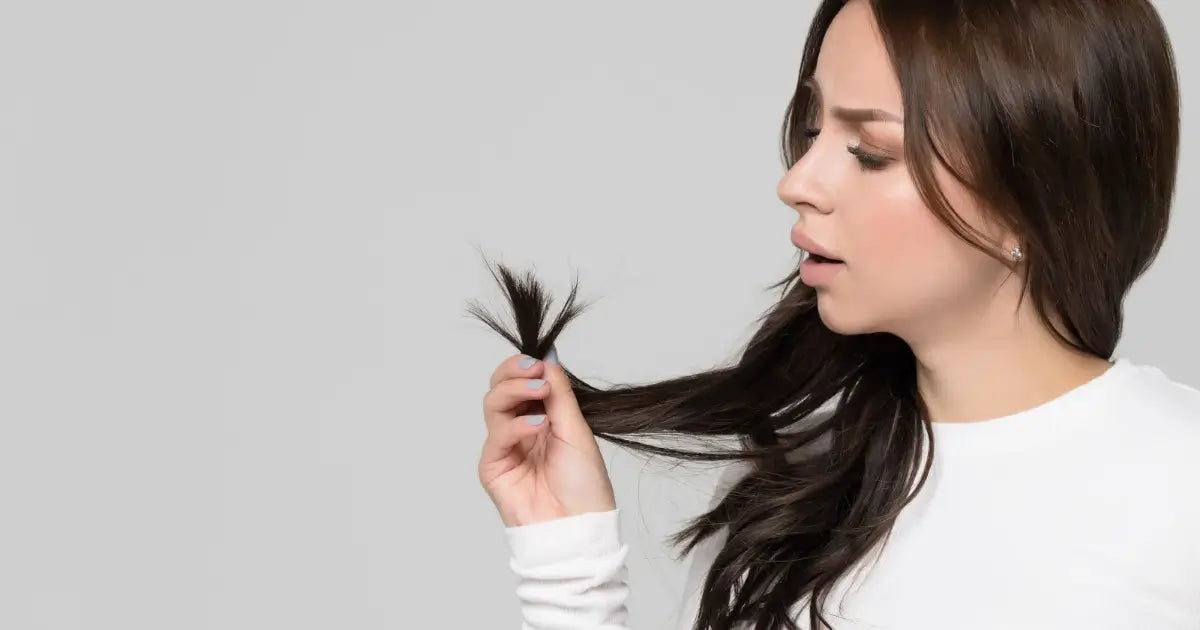
Cómo prepararse para un tratamiento de queratina: una guía paso a paso
¿Quieres saber cómo prepararte para un tratamiento de queratina? La queratina es un tratamiento para suavizar el cabello que ayuda a controlar el encrespamiento y a que el cabello sea más manejable. Aunque no contiene ingredientes dañinos, una preparación adecuada es esencial para obtener los mejores resultados.
Antes de empezar, es esencial comprender cómo prepararse para un tratamiento de queratina para lograr resultados óptimos. Para prepararse para un tratamiento de queratina, considere hacerse un corte de pelo nuevo, lavarse el cabello a fondo y seleccionar la fórmula de queratina adecuada.
Elegir un salón de confianza también es crucial para un tratamiento eficaz. Explore este artículo para conocer los pasos clave necesarios al prepararse para un tratamiento de queratina.
¿Por qué necesita prepararse para un tratamiento de queratina?
Prepararse antes del tratamiento de queratina le ayuda a prevenir los efectos secundarios. He aquí por qué debería prepararse para un tratamiento de queratina:
Maximiza la eficacia del tratamiento
Una preparación adecuada, como cortarse el cabello, lavarlo y evitar usar tintes o productos químicos, le ayudará a lograr mejores resultados en menos tiempo. Preparar su cabello asegura que la queratina se absorba correctamente, lo que lleva a resultados más suaves y duraderos.
Asegure las precauciones adecuadas
Preparar el cabello establece una condición ideal para su cabello y lo protege del daño. Aprender sobre la preparación le ayuda a saber cómo manejar su cabello para la queratina.
Previene daños no deseados
Algunos champús, sueros o productos químicos no se recomienda usar con queratina porque pueden interferir con los tratamientos de queratina, causando daños o reduciendo la eficacia. Prepararse de antemano asegura una aplicación uniforme y previene daños no deseados.
Asegura una aplicación uniforme
Un cuero cabelludo bien preparado y un cabello limpio y cuidado promueven la aplicación uniforme y eficiente de la queratina y reducen el riesgo de resultados irregulares.
Cómo prepararse para un tratamiento de queratina: guía paso a paso
Si planea hacerse un tratamiento de queratina, comience a prepararse al menos 1 o 2 semanas antes del tratamiento. Evite aplicar sueros y geles con formulación química. Aquí tiene la guía paso a paso sobre cómo prepararse para un tratamiento de queratina:
1. Elija el salón y el producto adecuados
Elegir el producto de queratina adecuado es necesario. Existen varios productos de queratina para diferentes tipos de cabello. Siempre seleccione una queratina de alta calidad con algunas sugerencias profesionales. Hay diferentes tipos de formulaciones de queratina para personas con cuero cabelludo sensible, cabello grueso, cabello suave o cabello rizado.
Además, algunas queratinas pueden contener fórmulas de formaldehído. Asegúrese de obtener fórmulas de queratina sin formaldehído para obtener resultados eficientes. Además, elegir el salón y el experto en cabello adecuados es necesario. Busque estilistas con experiencia en tratamientos de queratina. Lea las reseñas de los clientes para asegurar un servicio de calidad.
Recomendamos el tratamiento de queratina brasileña para un cabello suave y sin encrespamiento con un brillo y una suavidad duraderos.
2. Lave su cabello 24-48 horas antes del tratamiento
Siempre lave su cabello correctamente con limpiadores o champús suaves un día antes del tratamiento para que tenga el cabello fresco sin capas adicionales de grasa. El lavado asegura que la proteína de queratina se asiente uniformemente en su cabello y que no haya obstrucciones por grasas u otras partículas de polvo. Lavar su cabello correctamente es una parte clave de cómo preparar el cabello para el tratamiento de queratina, ya que asegura que la queratina se absorba de manera uniforme. Considere los siguientes consejos:
-
Use un champú sin sulfatos.
-
Evite usar acondicionadores o sérum pesados después del lavado.
-
Deje secar su cabello al aire o séquelo con secador a baja temperatura.
3. Evite los productos de peinado pesados
Evite los peinados pesados antes de hacerse un tratamiento de queratina para que pueda tener una textura natural. El peinado pesado incluye el uso excesivo de lacas y geles, lo que dificulta que la proteína de queratina se asiente en el cabello. Deje de usar mascarillas o sérums para el cabello al menos una semana antes de hacerse el tratamiento capilar porque crean una barrera que impide que la queratina penetre por completo.
4. Recorte si es necesario
Si le preocupa cómo prepararse para un tratamiento de queratina, no se preocupe. Simplemente hágase un corte de pelo nuevo. Deshágase del cabello dañado, así como de los cabellos muertos y las puntas abiertas. Las puntas abiertas también pueden ser una barrera para un tratamiento de queratina suave. Además, este enfoque ayuda a minimizar el tiempo total del tratamiento, al tiempo que garantiza que la queratina se aplique con precisión en las áreas necesarias. Proporciona eficacia y reduce el desperdicio de producto.
5. Realice una prueba de parche
Si se va a hacer un tratamiento de queratina por primera vez o va a usar una marca nueva, siempre hágase una prueba de parche. Le ayudará a identificar si es alérgico a la queratina. Si la prueba de parche es exitosa, puede hacerse todo el tratamiento.
6. Evite teñirse el cabello justo antes del tratamiento
Si usa algún tinte para el cabello o algún tratamiento capilar, evite aplicarlo casi una semana antes del tratamiento. Los tintes para el cabello contienen productos químicos agresivos que pueden afectar la absorción de la queratina. Por lo tanto, tiñase el cabello una semana antes del tratamiento o espere hasta que se aplique la queratina.
7. Desenrede su cabello antes de la cita
Un cabello suave el día del tratamiento es necesario para una distribución uniforme de la proteína y un asentamiento perfecto de la queratina. El cabello enredado puede dificultar el proceso de aplicación, así que desenrede su cabello para evitar problemas o inconvenientes.
8. Evite los aceites pesados
La aplicación de aceites pesados o el uso de una formulación espesa puede bloquear el asentamiento de la queratina. Por lo tanto, evite usar aceites pesados en su cabello antes del tratamiento de queratina porque algunos residuos de aceite pueden permanecer adheridos al cabello, causando problemas.
9. Programe el tratamiento en un día de baja humedad
Intente reservar su cita en un día con baja humedad. La alta humedad puede interferir con el asentamiento de la queratina.
10. Use ropa cómoda para su cita
Los tratamientos de queratina pueden llevar algunas horas, así que use algo cómodo durante su cita. Debe usar una camisa holgada o vieja para que pueda cambiarse fácilmente en caso de cualquier problema.
Consejos post-tratamiento para resultados duraderos
La preparación de la queratina no se trata solo de prepararse antes del tratamiento. También incluye los métodos y formas de mantener el tratamiento para obtener resultados duraderos. Una vez que haya completado su tratamiento de queratina, siga estos pasos para mantener el cabello suave y sin encrespamiento:
-
Evite el lavado inmediato del cabello: No hay necesidad de preocuparse por cómo prepararse para un tratamiento de queratina porque puede mantenerlo fácilmente siguiendo unos sencillos pasos. Nunca lave su cabello inmediatamente después de recibir el tratamiento de proteína de queratina. Espere al menos 72 horas porque podría eliminar todas las proteínas esenciales.
-
Use champús sin sulfatos: Después de un tratamiento de queratina, evite los sulfatos. El mejor champú después de un tratamiento de queratina es una fórmula suave y sin sulfatos diseñada para preservar la capa suavizante y prolongar los resultados.
-
Minimice el peinado con calor: Una vez que se haga el tratamiento de queratina, minimice el peinado con calor porque demasiado calor puede dañar su cabello. Además, se deben usar protectores térmicos cuando se exponga al sol.
Conclusión
Ya no es difícil saber cómo prepararse para un tratamiento de queratina. Empiece a prepararse 1-2 semanas antes del tratamiento. El primer paso es elegir el producto y el salón adecuados. El mejor tratamiento de queratina depende de su tipo de cabello, los resultados deseados y la sensibilidad a ciertos ingredientes. Ya sea que desee una suavidad duradera, control del encrespamiento o un aumento temporal del brillo, hay una opción adecuada disponible.
Lave su cabello un día antes del tratamiento para asegurar una aplicación uniforme de la proteína. Una preparación y un cuidado posterior adecuados son esenciales para mantener los beneficios del tratamiento.
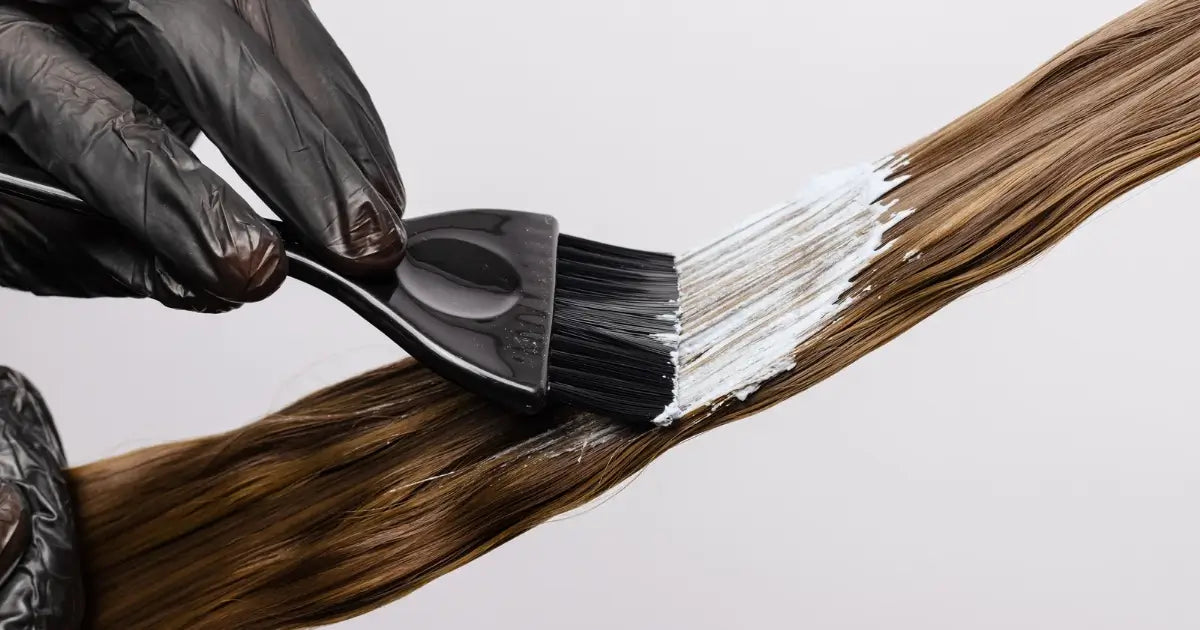
Datos sobre el tratamiento de keratina: Mitos desmentidos y verdades reveladas
¿Estás emocionado de conocer los datos más interesantes sobre los tratamientos de keratina? Los tratamientos de keratina han ganado una inmensa popularidad como solución para el cabello encrespado e inmanejable.
Sin embargo, varios mitos los rodean, particularmente con respecto a su seguridad. ¿Causan daño con el tiempo? ¿Sus beneficios son solo temporales? En este artículo, encontrará toda la verdad sobre los tratamientos de keratina y su efecto real en la salud del cabello.
Un tratamiento de keratina es un tratamiento profesional para alisar el cabello. Contiene químicos suaves que mejoran la calidad del cabello. También incluyen una proteína que penetra la cutícula capilar, reduciendo el encrespamiento y realzando el brillo.
A diferencia de los tratamientos tradicionales de alisado capilar, los tratamientos de keratina no causan rotura del cabello, sino que fortalecen las raíces y el cuero cabelludo.
Mitos comunes y datos sobre el tratamiento de keratina
La popularidad del tratamiento de keratina también ha generado algunos mitos al respecto. Según algunos estudios, casi el 61% de las mujeres en todo el mundo han tratado su cabello con keratina. Esta evidencia subraya el hecho de que la keratina no representa ningún daño y es accesible para todos. Aquí hay algunos datos para aclarar los mitos sobre los tratamientos de keratina.
1. Los tratamientos de keratina no son seguros
El mito de que la keratina no es segura y dañará la textura y calidad del cabello está muy extendido. Sin embargo, esta creencia no se basa en hechos. En realidad, los tratamientos de keratina son extremadamente seguros ya que restauran la textura del cabello dañado con el tiempo.
La keratina restaura las células muertas, fortalece el cuero cabelludo y nutre las raíces. Los datos sobre el tratamiento de keratina demuestran que la keratina es una proteína esencial que ayuda en la recuperación del cabello sin afectar su estructura natural.
La seguridad de los tratamientos de keratina también depende de su calidad y formulación. Busca siempre tratamientos de keratina sin formaldehído o fórmulas a base de plantas para minimizar los riesgos para la salud.
2. Los tratamientos de keratina alisan el cabello permanentemente
Otro mito común es que el tratamiento de keratina alisa el cabello permanentemente. Esto no es cierto. Un tratamiento de keratina dura hasta un año, pero no altera la estructura natural del cabello. En cambio, suaviza el cabello y reduce el encrespamiento al retener la humedad. Una vez que el tratamiento se elimina gradualmente, la textura del cabello vuelve a la normalidad.
Los tratamientos de keratina pueden ser temporales o permanentes, dependiendo de la fórmula específica y el método de aplicación. La elección entre una solución a largo o corto plazo depende en última instancia de los objetivos y preferencias individuales del cabello.
3. Los tratamientos de keratina son aptos para todos
Según los hechos sobre los tratamientos de keratina capilar, el tratamiento de keratina es seguro y adecuado para todo tipo de cabello. Funcionan bien para cabello rizado, ondulado y encrespado. Sin embargo, las personas con cabello ya liso y sedoso pueden no ver resultados significativos. El resultado también varía según la condición del cabello y los tratamientos previos.
Consultar a un estilista profesional o probar el tratamiento en una pequeña sección de cabello antes de una aplicación completa puede ayudar a determinar su idoneidad.
4. La keratina daña el cabello con el tiempo
Un mito sobre los tratamientos de keratina es que dañan el cabello con el tiempo. La keratina es extremadamente segura, pero debes tener mucho cuidado después del tratamiento. La keratina hace que el cabello sea extremadamente suave y sedoso, pero el peinado excesivo con calor o la aplicación demasiado frecuente pueden debilitar el cabello.
El uso de champús y acondicionadores sin sulfatos después de los tratamientos de keratina ayuda a mantener los resultados. Evitar otros tratamientos químicos y reducir el uso de calor fortalecerá tu cabello.
5. Los tratamientos de keratina aclaran el color del cabello
Según los hechos sobre los tratamientos de keratina capilar, algunos tratamientos de keratina pueden alterar ligeramente el color del cabello. Esto es particularmente notable en cabellos rubios o con mechas. El proceso de sellado térmico y retención de humedad puede oxidar las moléculas de color, lo que lleva a un ligero cambio de color.
El uso de un tratamiento de keratina seguro para el color puede ayudar a prevenir esto. Además, elegir una fórmula de keratina de alta calidad garantiza cambios mínimos en el color del cabello.
6. Los tratamientos de keratina engrasan el cabello
Una preocupación común es que los tratamientos de keratina harán que el cabello luzca grasoso, sin vida o apagado. El hecho es que la fórmula de keratina adecuada ayuda a lograr un cabello liso sin exceso de grasa. La keratina contiene proteínas que le dan al cabello un aspecto hidratado, pero una aplicación incorrecta puede llevar a una textura aceitosa o grasosa.
Un tratamiento de keratina aplicado correctamente no causa grasa. Sin embargo, la acumulación excesiva de keratina puede provocar una apariencia aceitosa. La clave es elegir un tratamiento que se adapte a tu tipo de cabello y preferencias.
7. Una vez que te haces un tratamiento de keratina, no puedes usar otros productos para el cabello
El mito de que no se puede usar ningún otro producto después de un tratamiento de keratina carece de fundamento. Se requiere un cuidado extra después de un tratamiento de keratina, pero se pueden usar otros productos que no contengan sulfatos ni químicos agresivos. El uso de sueros ligeros y protectores térmicos ayudará a mantener el tratamiento.
Una vez que te hagas un tratamiento de keratina, asegúrate de usar productos aptos para la keratina para prolongar los resultados y prevenir daños innecesarios.
8. Los tratamientos de keratina causan caída del cabello
El tratamiento de keratina fortalece el cabello al satisfacer sus necesidades nutricionales. El mito de que la keratina rompe el cabello o causa caída es una idea errónea. Sin embargo, la exposición excesiva al calor durante el proceso de aplicación puede debilitar las raíces del cabello, lo que provoca roturas.
Los hechos sobre los tratamientos de keratina confirman que una aplicación adecuada no provoca la caída del cabello. Además, elegir un estilista experimentado y mantener una rutina de cuidado posterior adecuada ayudará a que los resultados duren más.
Conclusión
Los tratamientos de keratina se han convertido en una opción popular para quienes buscan un cabello con calidad de salón. Es una forma efectiva de hacer que el cabello sea más manejable y elegante por más tiempo. Sin embargo, muchos mitos se asocian con este tratamiento, lo que lleva a la desinformación.
Comprender los hechos sobre los tratamientos de keratina es esencial para apreciar plenamente sus beneficios. Si bien la keratina es muy efectiva para controlar el encrespamiento y fortalecer el cabello, es crucial utilizar las técnicas de cuidado posterior adecuadas para prevenir cualquier daño potencial.
¿Quieres saber cómo los tratamientos de keratina pueden transformar tu cabello? Consulta nuestra guía detallada sobre los beneficios de los tratamientos de keratina.

Tipos de tratamientos de queratina: ¿Cuál es el adecuado para ti?
Los tratamientos de queratina han cambiado la forma en que cuidamos nuestro cabello. Si alguna vez ha deseado un cabello suave y sin encrespamiento, probablemente haya considerado estos tratamientos. Con tantas opciones disponibles, elegir el adecuado puede ser confuso. En este artículo, desglosaremos los tipos de tratamientos de queratina, explicaremos cómo funcionan y le ayudaremos a determinar la mejor opción para su tipo de cabello.
Explorando los diferentes tipos de tratamientos de queratina
No todos los tratamientos de queratina son iguales. Exploremos las opciones para encontrar la combinación perfecta para su cabello.
Tratamiento de queratina brasileña (BKT)
Originario de Brasil, este popular tratamiento es muy eficaz para controlar el encrespamiento y alisar el cabello, especialmente para aquellos con texturas muy rizadas o rebeldes. El proceso implica aplicar una fórmula rica en queratina, seguido de un secado con secador y un planchado para sellar el producto en el tallo del cabello para una suavidad duradera.
Se puede usar un cepillo con placas de metal para ayudar a distribuir la queratina de manera uniforme durante la aplicación. Muchos productos BKT modernos, incluidas las fórmulas sin formaldehído como el Sistema de Queratina Brasileña Fashion Gold, ofrecen una alternativa más segura con efectos secundarios reducidos. El tratamiento suele durar entre 5 y 6 horas y permanece entre 3 y 6 meses con el cuidado posterior adecuado.
Costo aproximado: $70 a $200, dependiendo del largo del cabello, la reputación del salón y la ubicación.
Tratamiento de queratina Japzilian
Este híbrido combina las técnicas de alisado japonés y tratamiento de queratina brasileña para un cabello más fuerte y suave. El proceso comienza con la aplicación de una solución a base de queratina, seguida de la técnica de alisado japonés para reestructurar los enlaces capilares usando calor, lo que resulta en una elegancia duradera.
Costo aproximado: $200 a $500, lo que refleja las técnicas combinadas y la duración extendida del tratamiento.
Tratamientos de alisado de queratina
Para aquellos que desean reducir el encrespamiento sin alisar permanentemente su cabello, los tratamientos de alisado de queratina son la opción perfecta. Estos tratamientos se centran en suavizar el cabello y añadir brillo sin alterar demasiado su textura natural.
Son ideales para cualquier persona con cabello ondulado o ligeramente rizado que quiera lograr un aspecto más elegante. Los resultados suelen durar alrededor de 3 meses, y el proceso es más suave en comparación con otros tipos de tratamientos de queratina, como los tratamientos brasileños y japoneses.
Costo aproximado: $100 a $300, variando según el largo del cabello y la experiencia del salón.
Tratamiento de queratina exprés
Este es el tipo de tratamiento de queratina para el cabello adecuado si no tiene suficiente tiempo para el procedimiento pero aún quiere verse bien para un evento. Es una forma más corta de hacer que su cabello luzca brillante y suave. Esta es la opción ideal si ya tiene el cabello liso u ondulado pero quiere tratar el encrespamiento y la sequedad.
Este tratamiento de queratina implica aplicar un suero de queratina en el cabello, seguido de un secado con secador y el uso de una plancha de cerámica. Este tratamiento dura de 4 a 6 semanas con el cuidado post-tratamiento adecuado.
Costo aproximado: $50 a $150, lo que refleja la menor duración y el proceso menos intensivo.
Trisolla y Trisolla Plus
Originario de Japón, Trisolla es un tratamiento de queratina moderno diseñado para una suavidad y manejabilidad duraderas.
El nombre proviene de las palabras italianas tris (tres) y sola (suave), lo que indica un proceso de tres pasos: aplicación de una fórmula a base de queratina, activación térmica para ayudar a la queratina a penetrar y suavizar la cutícula del cabello, y sellado con una plancha. Trisolla Plus ofrece una longevidad extendida y nutrición adicional, manteniendo el cabello suave hasta por 6 meses con el cuidado adecuado.
Costo aproximado: $150 a $400, dependiendo de la versión específica del tratamiento y los precios del salón.
Magic Sleek Queratina
Este tratamiento de varios pasos busca una suavidad duradera y control del encrespamiento al reparar la cutícula del cabello y mejorar la elasticidad, reduciendo la rotura y las puntas abiertas. El proceso incluye la aplicación de una solución a base de queratina para nutrir y fortalecer el cabello, seguido de un tratamiento térmico para activar la fórmula y un paso final de planchado para fijar la elegancia. Los resultados pueden durar entre 3 y 4 meses, dependiendo del tipo de cabello y el mantenimiento.
Costo aproximado: $200 a $400, influenciado por la ubicación del salón y la experiencia del estilista.
Tratamiento de queratina Cezanne
Cezanne se destaca por su fórmula sin formaldehído, que ofrece una alternativa para personas sensibles a los tratamientos de queratina tradicionales, a la vez que brinda resultados suaves y sin encrespamiento. El procedimiento es similar a otros tipos de tratamientos de queratina, e implica aplicación, activación por calor y sellado.
Costo aproximado: $200 a $450, variando según el largo del cabello y la reputación del salón.
Cómo elegir el tratamiento de queratina adecuado para su tipo de cabello
Al considerar los diferentes tipos de tratamientos de queratina, la mejor opción para usted depende de la textura de su cabello y los resultados que desee lograr:
-
Cabello rizado o encrespado — Un tratamiento de queratina brasileña ayuda a domar el encrespamiento y proporciona una suavidad duradera.
-
Cabello fino — Un tratamiento de alisado de queratina ofrece una fórmula ligera que alisa las hebras sin apelmazarlas.
-
Cabello liso — El alisado japonés es ideal si desea un cabello ultraliso y sedoso.
-
Bajo mantenimiento — Un tratamiento de queratina exprés es una opción rápida y sin complicaciones que reduce el encrespamiento y realza el brillo con un mantenimiento mínimo.
Nuestra principal recomendación: Sistema de alisado y suavizado de queratina brasileña
Si busca un tratamiento de queratina de alta calidad que pueda aplicar en casa, considere el Sistema de Alisado y Suavizado de Queratina Brasileña Fashion Gold. Este tratamiento ayuda a domar el encrespamiento, realzar el brillo y dejar el cabello suave y manejable hasta por tres meses.
Características clave:
-
Fórmula sin formaldehído — Una opción más segura, libre de químicos agresivos.
-
Fácil aplicación — Obtenga resultados de salón sin salir de casa.
-
Efectos duraderos — Disfrute de un cabello suave y sin encrespamiento durante meses.
Ya sea que desee alisar rizos o simplemente controlar el encrespamiento, elegir el mejor tipo de tratamiento de queratina para el cabello es una excelente manera de lograr un cabello elegante y de aspecto saludable, sin los altos costos del salón.
10 increíbles beneficios del tratamiento de keratina que necesitas conocer
¿Vale la pena un tratamiento de queratina? No estás sola. En este artículo, encontrarás increíbles beneficios del tratamiento de queratina y por qué deberías hacértelo. El estándar de belleza del mercado sigue cambiando, pero los beneficios del tratamiento de queratina aseguran que un cabello liso siempre esté de moda.
El tratamiento de queratina es una de las mejores maneras de obtener un cabello brillante, suave y sedoso al instante. Los innumerables beneficios de la queratina, sin ningún daño, la convierten en una opción principal para los profesionales del cabello. El tratamiento de queratina funciona bien para todo tipo de cabello, ayudando a reducir el encrespamiento, reparar las cutículas dañadas y prevenir las puntas abiertas. Exploremos los increíbles beneficios de un tratamiento de queratina.
10 beneficios que debes conocer del tratamiento de queratina
La queratina es una proteína natural en las cutículas del cabello que mantiene tu cabello fuerte, suave y brillante. Sin embargo, el lavado frecuente con químicos agresivos y la exposición ambiental pueden agotar la queratina, causando encrespamiento, opacidad y rotura.
Un tratamiento de queratina restaura esta proteína perdida, fortaleciendo los mechones, sellando la cutícula y mejorando la textura para un cabello liso y manejable. Sumerjámonos en los beneficios clave del tratamiento de queratina y cómo puede transformar tu cabello.
1. Control del encrespamiento de larga duración
La queratina elimina el encrespamiento al instante al suavizar las cutículas y darles un aspecto elegante. Después del tratamiento de queratina, la apariencia del cabello se siente como si la humedad estuviera atrapada en él. Esto sucede debido a la restauración de proteínas en el cabello.
El cabello encrespado es uno de los problemas más comunes entre las mujeres. Ocurre debido a la sequedad extrema. Cuando el cabello pierde humedad, las cutículas permanecen en el aire, dándole al cabello un aspecto áspero. El cabello liso es uno de los beneficios significativos del tratamiento de queratina.
2. Mejora la textura del cabello
La queratina es la mejor cura para el cabello con textura áspera. Penetra profundamente en las raíces del cabello, rellenando los huecos en la capa de la cutícula. Elimina el encrespamiento, mejora la textura y deja tu cabello lujosamente suave con un acabado elegante y pulido. El tratamiento de queratina también elimina la aspereza causada por el daño, realza el brillo natural del cabello y mejora la manejabilidad general.
3. Fortalece y repara el cabello dañado
A menudo, el cabello se daña debido al calor o al secado frecuente. El cabello dañado es causado por el peinado constante, como el alisado o el rizado, lo que hace que el cabello pierda fuerza.
El tratamiento de queratina revive la textura del cabello, fortalece las raíces del cabello y repara el cabello dañado. La queratina puede restaurar la fuerza y la elasticidad del cabello al satisfacer el requerimiento de proteínas del cuero cabelludo. Es el mejor tratamiento para todo tipo de daños en el cabello. Por lo general, el cabello se daña debido a tratamientos químicos frecuentes, uso excesivo de planchas de pelo calientes, falta de humedad y caspa excesiva.
4. Mejora el brillo del cabello
Otro beneficio de un tratamiento capilar de queratina es que promueve un brillo lustroso en el cabello. Elimina las superficies ásperas e irregulares. Un tratamiento de queratina potencia el brillo natural del cabello al suavizar la capa exterior.
El resultado es un cabello brillante y de aspecto saludable que parece nutrido y bien cuidado. La queratina transforma el cabello mejorando el brillo y reduciendo la opacidad causada por el encrespamiento y la sequedad.
5. Seguro para todo tipo de cabello
Muchas personas se preocupan por aplicar tratamientos en cabello teñido o tratado químicamente. Pero lo mejor del tratamiento de queratina es que es seguro para todo tipo de cabello.
Contiene ingredientes suaves que tratan con delicadeza el cabello y las cutículas frágiles. La proteína de la queratina actúa como alimento para el cabello, fortaleciendo las raíces y el cuero cabelludo.
La queratina es segura incluso si tienes cabello tratado químicamente, cabello afectado por el color, cabello áspero y encrespado, cabello rizado o cabello grueso y dañado.
6. Reduce las puntas abiertas
Las puntas abiertas también son causadas por la falta de humedad e hidratación en el cabello. La queratina fortalece el cabello y elimina la delicadeza de los mechones al satisfacer sus necesidades nutricionales. Un tratamiento de queratina acondiciona profundamente el cabello, haciéndolo increíblemente suave al tacto. El tratamiento repara los mechones débiles, reduciendo la rotura y promoviendo el crecimiento del cabello, lo cual es uno de los beneficios subestimados del tratamiento de queratina en el cabello.
7. Apoya el crecimiento del cabello
La queratina apoya el crecimiento del cabello indirectamente al crear un ambiente óptimo para un crecimiento saludable. Reduce la caída del cabello y las puntas abiertas, y fortalece los mechones, lo que lleva a un cabello manejable y más saludable con el tiempo.
8. El cabello se vuelve más manejable
Uno de los beneficios significativos de la queratina es que hace que tu cabello sea más manejable y menos enredado. Para las mujeres con cabello largo, los enredos son el problema más común. Los enredos pueden provocar la rotura del cabello. El tratamiento de queratina te ayuda a deshacerte de los enredos. La textura suave y sedosa reduce los nudos y la rotura del cabello. Hace que el cabello responda mejor al peinado.
9. Protege el cabello del daño ambiental
A menudo, los problemas capilares ocurren debido a factores ambientales. El clima extremo puede causar problemas como la oleosidad excesiva en verano o el encrespamiento y la caspa en invierno.
Un tratamiento de queratina protege el cabello de la humedad, la contaminación y el daño por calor. Protege el cabello de la exposición a los rayos UV y reduce el impacto de los cambios ambientales.
10. Mejora la hidratación del cabello
La hidratación es esencial para mantener un cabello suave, liso y saludable. La fórmula de queratina sin formaldehído juega un papel vital en la mejora de la hidratación del cabello. Ayuda a mantener la humedad mientras previene la sequedad y el encrespamiento.
Después de recibir un tratamiento de queratina, tu cabello responderá mejor a los champús y acondicionadores hidratantes. Esto sella la humedad, dándote un cabello fuerte y brillante.
Conclusión
El tratamiento de queratina ha ganado popularidad debido a sus numerosos beneficios. Es una solución integral para las preocupaciones comunes del cabello, como el encrespamiento, la sequedad y la falta de brillo. Puedes hacerte un tratamiento de queratina en unas pocas horas y disfrutar de resultados duraderos.
A diferencia de los tratamientos químicos temporales, la queratina fortalece la cutícula del cabello, mejora la hidratación y reduce la rotura. Más allá de la estética, la queratina mejora la retención de humedad, previene la sequedad y mejora la textura general del cabello.
¿Quieres un cabello sedoso y sin encrespamiento? Considera un tratamiento de queratina hoy. Si tienes alguna pregunta, déjala en los comentarios a continuación.
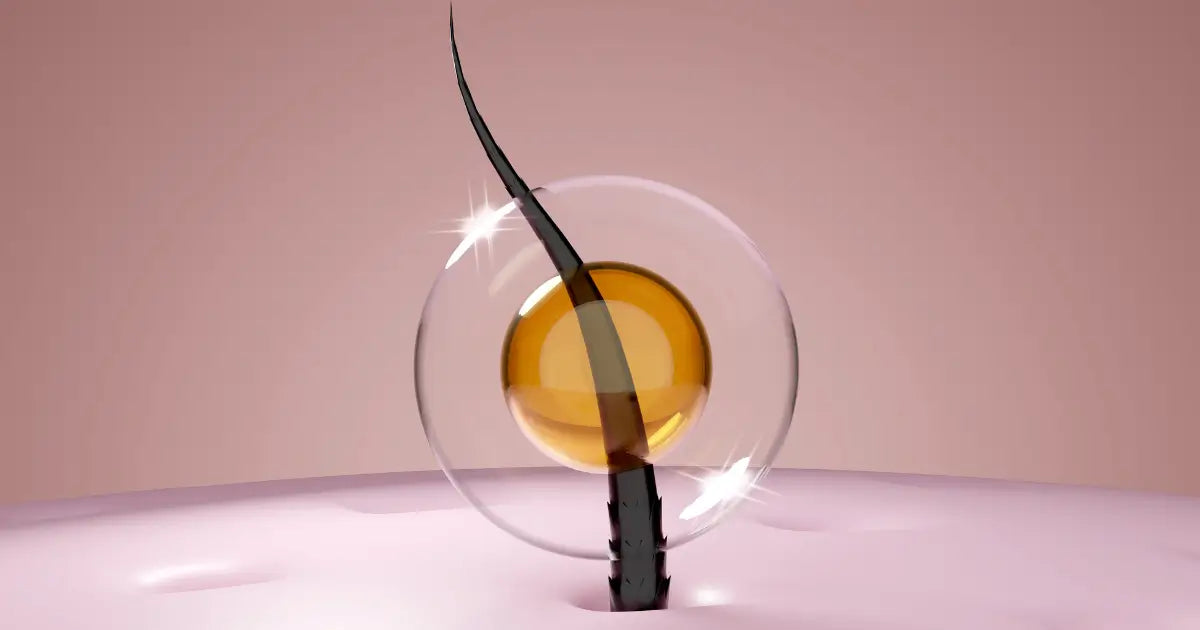
¿Qué es el tratamiento de queratina? Una guía completa para un cabello liso y sin encrespamiento
¿Sueñas con un cabello suave, sin encrespamiento y que se mantenga liso durante semanas? Si es así, un tratamiento de queratina podría ser la solución perfecta. Es posible que hayas oído hablar de él a tu estilista o te hayas preguntado cómo las supermodelos consiguen un cabello tan liso y brillante. ¡Pues estás en el lugar adecuado!
En este artículo, exploraremos qué es el tratamiento de queratina, cómo funciona, sus beneficios y riesgos, y cómo mantener los resultados.
¿Qué es un Tratamiento de Queratina?
Un tratamiento de queratina es un procedimiento profesional de alisado capilar diseñado para reducir el encrespamiento, realzar el brillo y hacer que el cabello sea más manejable. Infunde queratina —una proteína natural que se encuentra en el cabello— en la cutícula para reparar el daño y crear un aspecto elegante y pulido. Si buscas el mejor tratamiento capilar para un cabello suave, los tratamientos de queratina se encuentran entre las mejores soluciones.
Los tratamientos de queratina son ideales para quienes luchan contra el encrespamiento o el cabello inmanejable. Ayudan a alisar y suavizar el cabello durante varias semanas sin alterar permanentemente su textura natural, facilitando el peinado y manteniendo una apariencia elegante y pulida.
La Ciencia Detrás de Qué Es el Tratamiento de Queratina
Antes de sumergirnos en cómo funcionan los tratamientos de queratina, primero entendamos la estructura del cabello humano. El cabello consta de tres capas:
-
Médula — El núcleo más interno (presente principalmente en cabellos gruesos).
-
Corteza — La capa media gruesa, que determina la fuerza, elasticidad y color.
-
Cutícula — La capa externa delgada y protectora que protege las estructuras internas.
Los tratamientos de queratina se dirigen principalmente a la corteza, infundiendo queratina en la estructura capilar para suavizarla y fortalecerla. Este proceso cambia cómo el cabello reacciona a la humedad, reduciendo significativamente el encrespamiento.
Dentro de la corteza, la queratina existe como largas cadenas de proteínas en forma de espiral unidas por enlaces químicos como los iónicos, disulfuro e hidrógeno. Además, fuerzas más débiles conocidas como fuerzas de van der Waals ayudan a mantener la estructura alfa-helicoidal de la queratina. Grupos de estas hélices forman filamentos, que constituyen la mayor parte de la estructura del cabello.
Los tratamientos de queratina modifican estas hebras de proteínas, alterando temporalmente su estructura para transformar la textura y apariencia del cabello. A medida que la queratina penetra en el cabello, interactúa con estos enlaces, ajustando la suavidad y manejabilidad del cabello según su grosor y longitud.
El Proceso del Tratamiento de Queratina
El proceso del tratamiento de queratina puede durar de 3 a 6 horas en general, y si lo haces con un profesional, no será un problema. Repasemos todo el proceso paso a paso.
-
Doble Champú — Tu estilista primero aplicará un doble champú en tu cabello para eliminar toda la suciedad, grasa y otros productos.
-
Secado con secador — Después de lavar tu cabello, tu estilista lo secará con secador. Podría tardar más si tienes el cabello grueso y pesado. El estilista continuará secando hasta que tu cabello esté un 80% seco.
-
Aplicar queratina y esperar — Después del secado, el estilista aplicará queratina con guantes y esperará al menos 15 minutos.
-
Secar con secador de nuevo — El cuarto paso es secar tu cabello de nuevo mientras la solución aún está en él. Esto puede ser difícil debido a la consistencia espesa del producto.
-
Planchado — En el siguiente paso, tu estilista usará una plancha para alisar el cabello. Comenzando por la nuca, tomará secciones de dos a tres pulgadas de ancho y las planchará varias veces. Este proceso es el más importante y puede tardar de 2 a 3 horas.
-
Champú y secado final — Una vez que la solución esté seca, tu estilista la enjuagará con champú, seguido de un sellador y un secado final para revelar un cabello suave y brillante.
Beneficios del Tratamiento de Queratina
Los tratamientos de queratina ofrecen múltiples beneficios:
-
Control del encrespamiento y suavidad — Reduce el encrespamiento y hace que el cabello sea más manejable.
-
Aspecto más brillante y saludable — Restaura el brillo y añade suavidad.
-
Peinado más fácil — Reduce significativamente el tiempo de peinado.
-
Efectos duraderos — Puede durar de 12 a 30 semanas con el cuidado adecuado.
-
Funciona en muchos tipos de cabello — Adecuado para cabello rizado, ondulado y liso.
¿Te preguntas por qué los tratamientos de queratina son tan populares? Descubre todos los beneficios del tratamiento de queratina aquí.
¿Cuánto Dura un Tratamiento de Queratina?
Después de pasar de 5 a 6 horas y una buena cantidad de dinero en este proceso, seguro te preguntarás cuánto durará. Generalmente, un tratamiento de queratina para el cabello dura entre 12 y 30 semanas, dependiendo de tu tipo de cabello y del cuidado posterior.
Usar un champú sin sulfatos y limitar los lavados del cabello puede ayudar a prolongar su vida útil.
Costo y Consejos de Cuidado Posterior
¿Cuánto cuesta un tratamiento de queratina y qué mantenimiento requiere?
-
Costos del Tratamiento — El precio de un tratamiento de queratina varía ampliamente según el producto, la ubicación y la longitud del cabello, oscilando entre $100 y $450 por sesión.
-
Requisitos de cuidado posterior — Puede que te estés preguntando, ¿cuánto durará? Bueno, los resultados suelen durar entre 12 y 30 semanas. ¿Por qué tanta variación? Porque, como todo lo demás, nuestro cabello requiere un cuidado, mantenimiento y tratamiento adecuados para retener los efectos de un tratamiento de queratina.
Consideraciones de Seguridad y Salud
Los tratamientos de queratina alisan el cabello, pero algunos contienen químicos como el formaldehído, que pueden causar irritación, especialmente en espacios cerrados. Aunque proporcionan resultados duraderos, la exposición excesiva puede ser incómoda.
Elegir un tratamiento de queratina con bajo contenido de formaldehído o sin él puede reducir los riesgos potenciales y, aun así, ofrecer excelentes resultados. Una ventilación adecuada durante la aplicación y limitar la frecuencia de los tratamientos puede ayudar a mantener un cabello sano.
Si estás embarazada o tienes problemas de salud, es mejor consultar primero a un profesional para asegurarte de que un tratamiento de queratina es seguro para ti.
Mitos y Conceptos Erróneos Comunes
Desmontemos algunos mitos comunes sobre los tratamientos de queratina:
-
Mito: El tratamiento capilar de queratina es permanente.
Realidad: El tratamiento de queratina es un proceso semipermanente que suele durar de 12 a 30 semanas. -
Mito: El tratamiento de queratina es apto para todo tipo de cabello.
Realidad: La queratina no se recomienda para cabellos severamente dañados o procesados en exceso. -
Mito: El tratamiento de queratina es solo un proceso de alisado capilar.
Realidad: Aunque el tratamiento de queratina puede alisar y relajar los rizos, su propósito principal es reparar y restaurar la salud del cabello.
Conclusión
Un tratamiento capilar de queratina es una de las mejores maneras de reparar el cabello dañado y dejarlo brillante, suave y más fuerte. Cuando se aplica correctamente por un profesional, puede hacer maravillas por tu cabello.
Aunque los productos de alta calidad ofrecen resultados más duraderos, el cuidado y mantenimiento adecuados después del tratamiento son esenciales.
Si estás lista para transformar tu cabello, explora nuestros tratamientos de queratina Fashion Gold hoy mismo y disfruta de la confianza de un cabello liso de salón cada día.

Consigue un cabello liso y sin encrespamiento con la keratina brasileña Fashion Gold
¿Cansada de luchar contra el encrespamiento y el cabello inmanejable? Descubre el poder transformador de Fashion Gold Brazilian Keratin, un sistema de alisado y suavizado de calidad profesional diseñado para ofrecer resultados de salón desde la comodidad de tu hogar.
¿Por qué elegir Fashion Gold Brazilian Keratin?
Fashion Gold se destaca en el ámbito de los tratamientos capilares debido a su formulación única:
-
Fórmula sin formaldehído: Garantiza una aplicación más segura sin comprometer la eficacia.
-
Infusionado con aceite de inca y proteína de quinua: Estos ingredientes naturales trabajan sinérgicamente para restaurar la salud del cabello, mejorar el brillo y proporcionar una nutrición profunda.
-
Adecuado para todo tipo de cabello: Ya sea que tengas cabello liso, ondulado, rizado o muy rizado, Fashion Gold se adapta a las necesidades únicas de tu cabello.
-
Resultados duraderos: Disfruta de un cabello suave y sin encrespamiento hasta por tres meses con el cuidado adecuado.
Beneficios de usar Fashion Gold
Los usuarios de Fashion Gold Brazilian Keratin han reportado:
-
Brillo intenso: El cabello luce más vibrante y lustroso.
-
Mejor manejabilidad: El peinado se vuelve más fácil, reduciendo el tiempo diario de mantenimiento del cabello.
-
Eliminación del encrespamiento: Incluso en condiciones de humedad, el cabello permanece suave y liso.
-
Salud capilar mejorada: El uso regular conduce a hebras de cabello más fuertes y resistentes.
Proceso de aplicación
Lograr resultados de salón es sencillo:
-
Preparación: Lava el cabello con un champú clarificante para eliminar residuos.
-
Aplicación: Aplica el tratamiento Fashion Gold de manera uniforme, asegurándote de que cada hebra esté cubierta.
-
Procesamiento: Deja actuar el producto durante el tiempo recomendado, permitiendo que los ingredientes activos penetren.
-
Enjuague y secado: Enjuaga abundantemente, luego sécalo con secador y plancha para sellar el tratamiento.
Nota: Para obtener instrucciones detalladas, consulta siempre el manual del producto o a un profesional del cuidado del cabello.
Productos complementarios para resultados óptimos
Para mantener y prolongar los beneficios del tratamiento Fashion Gold, considera integrar estos productos en tu rutina de cuidado capilar:
-
Protect Poo Pre-Champú: Prepara el cabello limpiándolo suavemente y abriendo las cutículas para una mejor absorción del tratamiento.
-
Spray de memoria Protect & Control: Ayuda en el peinado y ofrece protección contra el calor, asegurando la longevidad del efecto alisador.
-
Sistema de cuidado capilar Cronograma: Un régimen completo que nutre, hidrata y reconstruye las fibras capilares.
Testimonios reales
"¡Este producto me salvó la autoestima! Lo usé solo para reducir el volumen y eliminar el encrespamiento, ¡y funcionó perfectamente! Puedes comprarlo sin miedo."
— Julia Rody
"Mi cabello está tan sano y brillante. Me encantan estos productos."
— Rosana Barbosa
Conclusión
Fashion Gold Brazilian Keratin ofrece una solución fiable para quienes buscan un cabello liso, brillante y manejable. Si estás comparando tratamiento capilar de keratina vs. alisado brasileño, su mezcla única de ingredientes naturales y fórmula sin formaldehído garantiza tanto la seguridad como la eficacia.
¿Lista para transformar tu cabello? Explora la colección Fashion Gold hoy mismo y abraza la confianza que viene con un cabello impecable.