
Is Keratin Treatment for Thinning Hair Safe? Benefits & Drawbacks
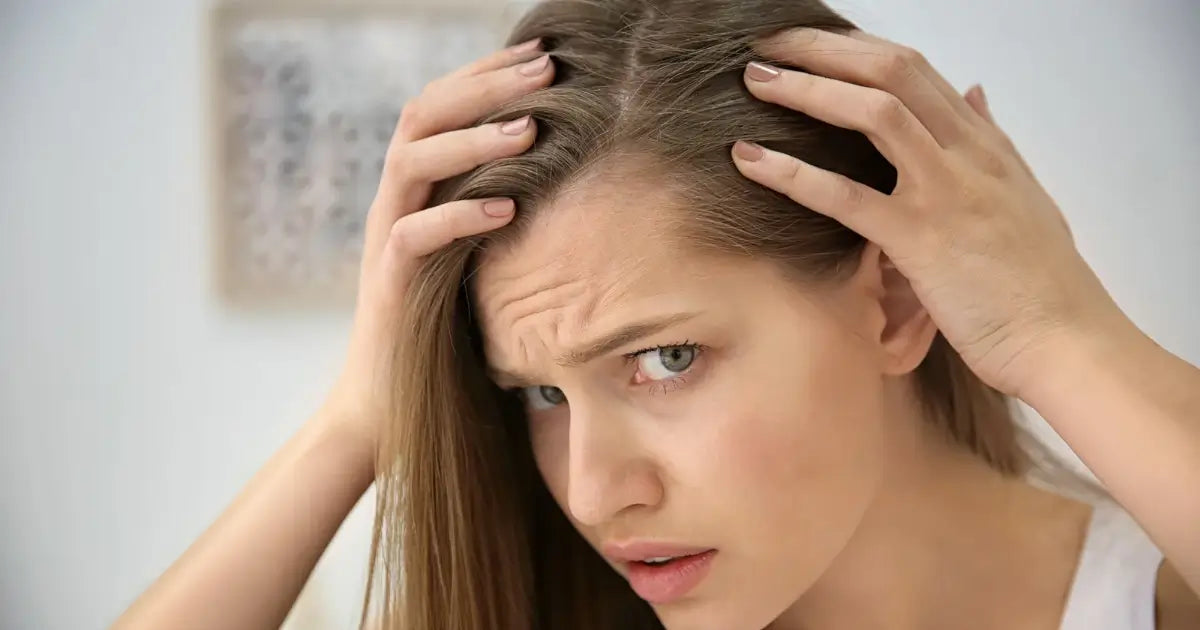
Everyone desires silky, easy-to-manage hair, which is why many people wonder if a keratin treatment is safe for thinning hair. This celebrity- and stylist-favorite salon treatment smooths frizz and leaves hair sleek and easier to style every day.
However, before booking your appointment, it’s important to understand how a keratin treatment can affect thin hair. In this article, we’ll explore how it works, the possible side effects, and tips to protect your hair and scalp.
Should You Try Keratin Treatment for Thin Hair?
A keratin treatment coats and smooths the hair shaft. You may already be familiar with Brazilian Blowout or other keratin treatments, which are designed to give different hair textures a silky, smooth finish.
The treatment usually begins with a thorough wash, followed by the application of the smoothing product. The stylist then uses a flat iron to seal the formula into the hair and smooth the cuticle.
For people who worry about breakage, the biggest draw is that the treatment temporarily seals the outer cuticle, so hair looks smoother and healthier than before. If you have very fine or thinning hair, however, there is a real risk of damage from over-processing with chemicals or heat.
Although many clients love the immediate results of a keratin treatment, the outcome does not look the same on everyone, especially if the scalp or hair is already damaged.
The result of a keratin treatment on thin hair depends on your hair type. Some people notice less breakage after the treatment, while others report that poor application or repeated sessions leave hair limp or matted.
If you want to reduce frizz without harming your hair, make sure your stylist uses quality products, follows the instructions, and performs a strand and patch test 48h before the treatment.
Benefits of Keratin Hair Treatment
1. Frizz Management and Shine
Keratin treatments are known for taming frizz and creating smooth, sleek hair in a short time. Whether you have curly, wavy, or straight hair that refuses to cooperate, you may love how quickly you can get a polished look. Because the formula smooths the surface of the hair, it reflects more light, adding overall shine.
2. Versatility for Different Hair Types
Keratin can calm unruly or coarse hair so it lies flatter and smoother. The added control can save styling time, especially if you’re used to blow-drying every day. On fine hair, needing less heat styling after the treatment can help reduce daily stress on the strands. Just be careful not to weigh down fine hair with too much product during application.
3. A Temporary Fix
Keratin treatments smooth the surface of the hair and help disguise visible damage. People also notice less tangling and easier brushing after washing, which helps reduce breakage. The key word, however, is “temporary.” As the treatment fades, usually over a few weeks or months, your hair gradually returns to its original condition unless you schedule touch-ups.
Cons and Possible Side Effects
Risk of Hair Damage
One of the biggest concerns with a keratin treatment for thinning hair is that it may lead to breakage or damage.
Some smoothing products contain formaldehyde or ingredients that can release it when heated. These can irritate the eyes, skin and airways and, with repeated use, weaken the hair shaft.
At flat iron temperatures (often over 400°F), there is an added risk of damage, especially if your hair is already fragile.
Unpredictable Result for Fine Hair
Because every hair texture is different, results can be unpredictable. One person with fine, curly hair may get beautiful, smooth results, while another may find their hair feels dry.
The results of a keratin treatment on thin hair depend largely on your hair’s porosity, how often you color your hair, and the experience of the stylist. If not done carefully, a keratin treatment on fragile hair can leave it limp and over-processed.
How to Make a Keratin Treatment Work With Fewer Risks
If you’re set on trying a Brazilian blowout or another smoothing treatment, there are steps you can take to protect thinning hair.
Choose a Professional Stylist
Visit an experienced salon that is used to working with hair like yours. A skilled stylist knows how to adjust the formula, processing time and heat to your hair’s needs, reducing the chance of damage.
Check the Ingredient List
Read the label before you book. Look for formulas made without formaldehyde as an ingredient, and always apply the treatment in a well-ventilated area, following the product instructions.
Space Out Treatments
Even if you love the result, avoid booking touch-ups too close together. Layering treatments one on top of another can overload the hair shaft and lead to breakage instead of shine.
Use Gentle Haircare
After the treatment, use gentle, sulfate-free and moisturizing products. This helps maintain the smoothing effect on your strands for longer.
Better Alternatives to Keratin Treatment for Fine Hair
Dreaming of silky hair but worried about side effects? Try these gentler alternatives:
Hair Repair Serums
Instead of changing your hair’s texture, a good serum can moisturize and smooth your strands. With plant proteins, oils and vitamins, it can help tame frizz while keeping your natural structure. Serums for damaged hair often contain milder proteins, giving you healthier-looking shine over time.
Light Hair Oils
A good hair oil can add softness and shine without the strength of a chemical treatment. A few drops before blow-drying or flat ironing can reduce friction, help protect against heat, and keep your hair from drying out.
Regular Trims and Conditioning Masks
Sometimes all your hair needs is a trim to remove split ends and regular deep conditioning. Well-conditioned hair breaks less and feels smoother, giving you some of the same benefits you’d expect from a keratin treatment.
Maintaining Long-Lasting Results
Whether you choose a Brazilian blowout, another smoothing treatment, or a gentler routine, daily hair care makes the difference.
Use a sulfate-free shampoo so you don’t strip the smoothing effect from your hair, and add a weekly mask to hydrate the cuticle. Reduce daily heat by lowering your flat iron temperature or air-drying whenever you can.
Taking a holistic view of your routine can also pay off. A balanced diet supports overall health, including your hair. Pair it with gentle scalp care, like light massages and non-stripping cleansers, to build a solid foundation for healthy-looking hair.
Conclusion
If you choose a keratin treatment, work with a professional stylist, space out your sessions, and follow a consistent aftercare routine with sulfate-free products. This way, you can enjoy smoother, easier-to-style hair while protecting your delicate strands.
No solution is perfect. The best approach is to understand your hair’s needs, stay mindful of possible side effects, and keep a consistent care routine. That way, you’ll be on the path to a smooth, polished finish, whether through a Brazilian smoothing treatment, a gentler option, or a carefully chosen set of nourishing products that help thin hair look and feel its best.
FAQs
Does keratin treatment damage hair?
It can cause damage if applied incorrectly or used too often, especially with formulas that contain formaldehyde. When done by a professional, following the instructions and with the right aftercare, it can smooth hair while reducing the risk of damage.
Is a keratin treatment good for hair loss?
No. A keratin treatment does not treat hair loss. It smooths the hair and adds shine, which can reduce breakage and improve the appearance of thin hair. If you are experiencing hair loss, talk to a dermatologist.
How to treat an allergic reaction to a keratin treatment?
If you notice irritation, redness or itching after a keratin treatment, rinse your hair and scalp with cool water right away and stop using the product. If symptoms are severe or don’t improve, seek medical attention.
Related Posts

Is Keratin Good For Hair? Pros, Cons, And Myths
Is keratin good for hair? Learn what smoothing treatments can and can’t do, and how to choose the right path for your hair goals.
Key Takeaways:
- Keratin Treatments Are Not All the Same: Results depend on the ingredients and how the treatment is applied. Choosing a formula made without formaldehyde as an ingredient, like Ybera’s Fashion Gold, and following the instructions makes a difference.
- Hair Condition Must Be Assessed Before Treatment: Smoothing treatments work best on hair that is strong enough to handle heat activation. Damaged strands may need pre-repair with targeted products before any smoothing treatment.
- Not Every Hair Type Has the Same Result: Smoothing can soften curls, reduce frizz, or define texture depending on the hair. Personalized recommendations help match the right formula to your goals.
Can keratin actually change the way your hair performs day after day? For some, it’s a trusted solution. For others, it remains misunderstood. What makes smoothing treatments so popular is the result you can see and feel: less frizz, more shine and easier styling.
At Ybera, we lead with performance and trust. As one of Brazil’s leading professional smoothing brands, we’ve built our smoothing line around performance and ease of use. Our Fashion Gold Smoothing Treatment uses an organic acid system, is designed for a wide range of hair types, and is activated by flat iron heat to smooth the hair fiber and add shine.
In this piece, we explore the question: Is keratin good for hair? You’ll learn what keratin does for hair, what smoothing treatments can and can’t do, and what to look for when choosing the right solution for your texture, goals, and lifestyle.
What Is Keratin And Why Does It Matter For Your Hair?
Keratin is a structural protein that makes up the majority of your hair’s composition. It gives each strand strength, elasticity, and protection. When hair appears dry, weak, or frizzy, it often signals damage from heat styling, chemical processes, or environmental exposure.
A smoothing treatment works by sealing the hair cuticle with the help of a high-heat flat iron. This process smooths the surface and leaves hair looking shinier and feeling softer. Many people ask, What does keratin do for hair? In smoothing treatments, the visible result comes from a smoother, sealed cuticle that reflects light and resists frizz.
Still, not every formula works the same way. Is keratin treatment good for hair? It depends entirely on the ingredients, the process, and the condition of the hair before treatment begins. At Ybera, we focus on high-performance smoothing that is easy to apply and maintain. Our Fashion Gold Smoothing Treatment uses an organic acid system to smooth the hair fiber, reduce frizz and add shine. We also offer specialized solutions, including Brazilian smoothing treatments, known for delivering smooth, long-lasting results.
Personalized First: Start With The AI Hair Analysis Quiz
Understanding your hair’s current health is key. Before selecting a treatment, the AI Hair Analysis Quiz provides a detailed score based on condition, moisture levels, and strength. If your hair shows signs of moderate damage, the system may recommend beginning with the Cronograma line. For deeper repair, the MIRRA collection helps restore strength before any smoothing treatment. When the foundation is strong, a smoothing treatment can create a transformation that lasts.
The Real Benefits Of Keratin: Beyond Just Frizz Control
Keratin treatments are often seen as a solution for frizz, but the benefits reach beyond smoother strands. When done correctly, a smoothing treatment improves not only the appearance of hair, but also how it behaves day to day. Here’s how a smoothing treatment supports the look and feel of your hair:
Strength From Within
A smoother, sealed cuticle helps protect against breakage caused by heat tools, brushing, and environmental exposure. Over time, hair becomes easier to manage and better able to retain its shape and texture.
Longer-Lasting Moisture Retention
By sealing the cuticle, smoothing treatments help hair hold on to moisture more effectively. This is especially important for dry or chemically processed hair that loses hydration quickly. Improved moisture balance leads to softer strands that respond better to daily care routines.
Improved Texture And Manageability
Once the hair cuticle is sealed, styling becomes faster and more predictable. Curls become more defined, waves stay in place, and straight styles maintain their finish with less frizz. Many clients find daily styling faster and easier after a high-quality smoothing treatment.
Shine That Reflects Health
Smoothing gives hair a polished, reflective surface by evening out rough, damaged areas of the cuticle. Smoother hair reflects light more evenly, making the shine appear more natural.
Custom Support For All Hair Types
At Ybera, the Fashion Gold Smoothing Treatment is designed for a wide range of textures, from coils to fine, color-treated hair. It is activated with flat iron heat, and the application technique is adjusted to each hair type. This is especially important when using smoothing treatments for curly hair, where the goal is to enhance definition and control frizz without compromising bounce or volume.
Maximizing Results With The Right Pre-Care
Before beginning any smoothing treatment, the hair must be healthy enough to accept it. Weak or over-processed strands may need support from the Cronograma or MIRRA repair lines first. These collections prepare the hair by restoring balance and strength.
Potential Drawbacks: Is Keratin Always A Good Idea?
Smoothing treatments offer a visible transformation, but they are not ideal in every situation. To get the best outcome, it’s important to understand the limitations that can come with certain formulas, techniques, or hair conditions. Here are the key points to consider before choosing a smoothing treatment:
Not All Formulas Are Created Equal
Formulas vary widely. Some smoothing treatments contain formaldehyde or ingredients that can release it when heated, which may irritate the eyes, skin and airways. Always check the ingredient list, follow the instructions, perform a strand and patch test 48h before use, and apply in a well-ventilated area.
High Heat Can Expose Weakness
Smoothing treatments require heat to work, usually through a flat iron at high temperatures. If hair is already compromised or fragile, applying intense heat can lead to further breakage or dryness. Pre-treatment repair using targeted products can make a major difference in how hair responds to this process.
Overuse Can Lead To Buildup
Too-frequent treatments may result in product buildup along the cuticle, leaving the hair heavy or resistant to other care routines. This can reduce the effectiveness of future treatments and make hair feel flat or dull. Following a recommended treatment schedule helps maintain balance and performance.
Not All Hair Types Respond The Same Way
While smoothing can benefit most textures, certain hair types, such as fine or thinning hair, may need extra caution. The weight of the treatment and the heat involved can sometimes reduce volume or expose scalp areas. A professional consultation or hair analysis can help identify if smoothing is the right fit.
Timing And Hair Condition Matter
If hair is highly damaged or chemically overloaded, applying a smoothing treatment too soon may lock in weakness rather than correct it. Strengthening the hair first helps create a healthy foundation for better, longer-lasting results.

Breaking The Myths: What Keratin Can And Can’t Do
Keratin is one of the most talked-about ingredients in haircare, which means it’s often surrounded by confusion. Many assumptions are built on outdated ideas or misinformation. To make informed choices, it's important to separate facts from the common myths that still circulate:
Keratin Does Not Permanently Straighten Hair
Smoothing treatments reduce frizz and soften texture, and the results fade gradually with washing. Over time, hair returns to its natural pattern.
Keratin Treatments Are Not One-Size-Fits-All
Different smoothing products are formulated for different hair needs. Curly, coarse, fine, or color-treated hair may respond differently based on the formula used and the condition of the strands. Results depend on product quality, technique, and preparation.
Keratin Alone Does Not Grow Hair
Some believe keratin accelerates growth, but that’s not how it works. A smoother cuticle helps reduce breakage, which helps hair retain length over time.
Made Without Formaldehyde Does Not Mean Weak
A common misconception is that treatments made without formaldehyde as an ingredient cannot deliver professional-level results. In reality, performance depends on ingredient quality and application technique. Ybera’s Fashion Gold Smoothing Treatment uses an organic acid system to smooth the hair fiber, reduce frizz and add shine.
Keratin Does Not Fix Severely Damaged Hair Alone
Smoothing seals the cuticle, but it is not a repair treatment by itself. Severely compromised hair often needs targeted care before a smoothing treatment can be applied. In these cases, Ybera recommends beginning with the MIRRA or Cronograma lines to restore hair strength before smoothing.
Who Should Use Keratin Treatments (And Who Shouldn’t)?
Smoothing treatments offer visible results, but they are not for everyone. Knowing which hair types benefit most and which should be approached with caution can make the difference between a great result and disappointment. Here's how to tell if a smoothing treatment is the right fit for your hair:
Ideal For Thick, Frizzy, Or Unruly Hair
Hair that tends to expand in humidity, tangle easily, or resist styling often responds well to smoothing. The treatment helps smooth the outer cuticle, making strands more manageable. This gives thick or coarse hair a polished, refined texture that holds up in different climates.
Helpful For Color-Treated Or Chemically Processed Hair
Processed hair is often left porous and rough, especially after repeated dyeing or bleaching. Smoothing seals the cuticle, adding softness and shine. When applied correctly, it can improve the look and feel of color-treated hair almost immediately.
Supportive For Curly Hair Seeking Control
Many clients with curls look to smoothing not to erase their texture but to define it. A properly chosen formula can soften tight curls, reduce puffiness, and enhance shine while maintaining movement. Ybera’s Fashion Gold Smoothing Treatment is designed for many curl types, including those needing frizz control without losing volume.
Not Recommended For Extremely Weak Or Over-Processed Hair
Hair that feels gummy, stretches when wet, or snaps easily may not be ready for heat-based treatments. Applying a smoothing treatment at this stage could seal in damage rather than improve it. These cases should start with deep reconstruction using Ybera’s MIRRA or Cronograma systems to restore strength first.
Caution For Very Fine Or Thinning Hair
Fine hair may not tolerate the weight of some smoothing formulas. The smoothing effect can cause loss of volume or flatten styles that rely on body. A professional evaluation or quiz recommendation can help decide if lighter options are more appropriate.

Final Thoughts
Keratin isn't just a trend; smoothing is a powerful tool when used with purpose and care. The real value lies in choosing treatments that respect your hair's structure and individuality. With the right approach, smoothing can elevate your routine and reveal your hair's true potential. It's not about changing who you are, but enhancing what you already have with the right products and smart choices.
Frequently Asked Questions About Is Keratin Good For Hair
How long does a keratin treatment typically last?
Results from a smoothing treatment like Ybera’s Fashion Gold fade gradually over time. How long they last depends on your hair type, how often you wash, and your aftercare products.
Can keratin treatments make hair look greasy or flat?
If overapplied or used on fine hair without assessment, it can weigh strands down. Choosing the right formula and amount helps maintain natural body and movement.
Is keratin safe for people with sensitive scalps?
Smoothing treatments should not be applied directly to the scalp. If you have a sensitive scalp, talk to a professional first. Always follow the instructions, perform a strand and patch test 48h before use, and apply in a well-ventilated area. Do not use on irritated or damaged scalp.
Can I color my hair after a keratin treatment?
It’s best to color hair before applying a smoothing treatment or wait at least 10 days after treatment. This allows the treatment to set without disruption.
Will keratin treatments affect my natural curl pattern?
Smoothing softens and defines curls without removing them entirely. Results vary depending on the curl type and the amount of heat applied during the process.
How can I determine if my hair is too damaged for keratin treatment?
Signs like breakage, stretchiness, or sponge-like texture indicate the need for repair first. Ybera’s MIRRA or Cronograma lines should be used before smoothing.
What type of heat tool is required for keratin treatments?
A high-quality flat iron is essential for proper activation. Blow dryers alone are not enough to seal the treatment into the hair.
Can keratin treatments help reduce split ends?
Smoothing treatments do not heal split ends but can help prevent new ones from forming. The treatment smooths the cuticle, which reduces friction and breakage.
Do keratin treatments have a scent during application?
Some treatments may release a noticeable scent or vapor when heated. Always apply in a well-ventilated area and follow the product instructions.
Is keratin treatment maintenance difficult?
Post-care is simple with the right products. Using sulfate-free shampoos and avoiding harsh styling helps maintain smoothness and shine longer.

How Long Does A Keratin Treatment Last? Timeline
How long does keratin treatment last? Get expert insight from Ybera on what to expect over time, how hair type affects results, and maintenance tips.
Key Takeaways:
- Results Last Longer with the Right Care: Smoothing results are temporary and fade gradually. How long they last depends on the formula, your hair’s condition, texture and routine.
- Healthy Hair Needs Preparation and Maintenance: For best results, damaged hair should be cared for first with repair-focused collections before a smoothing treatment. Sulfate-free aftercare helps results last longer.
- Smart Tools Like the AI Hair Analysis Quiz Add Value: The AI Hair Analysis Quiz helps match your hair’s condition with the right treatment plan, for better results and a more customized routine.
How long can smooth, glossy hair really last once you leave the salon chair? Frizz-free strands often feel like borrowed time, fading faster than expected as humidity, washing and daily styling take over. A smoothing treatment changes that relationship, like sealing silk instead of pressing cotton.
At Ybera, smoothing is our specialty. As one of Brazil’s leading professional smoothing brands, we bring Brazil’s deep understanding of hair texture to the U.S. Our Fashion Gold Smoothing Treatment uses an organic acid system, activated with flat iron heat, for professional, salon-style results.
In this piece, we break down how long a keratin or smoothing treatment usually lasts and what that timeline looks like in real life. From the first week to the gradual fade, you’ll learn what affects longevity, what’s normal, and how to get the most from your results. This is your guide to setting the right expectations from day one.
What Is A Keratin Treatment And Why It’s A Game Changer
A keratin treatment is a professional smoothing service designed to transform frizzy, coarse or hard-to-manage hair into soft, smooth, polished strands. As one of the most popular smoothing treatments available today, it seals the hair cuticle with the help of a flat iron, locking in shine and creating a sleek, humidity-resistant finish.
Unlike daily styling products, a smoothing treatment delivers results that last beyond a single wash. Benefits often include shorter drying time, better shape retention and a noticeable reduction in frizz. It’s a go-to option for anyone looking for a more consistent, polished look with less daily effort.

How Long Does Keratin Treatment Last? The Real Timeline
One of the most common questions is how long a treatment lasts, and the answer depends on many factors, including the formula, hair type, aftercare and lifestyle. Understanding the typical stages helps set realistic expectations. Results change gradually, and knowing what happens at each stage helps you get the most out of the treatment. Here’s how your hair may change over time:
Week 1: The Transformation Phase
Hair looks visibly smoother, glossier and more polished right after the treatment. Styling becomes faster because hair responds better to heat tools and resists humidity. This is when the shine is most intense, especially with Brazilian smoothing treatments, known for their high-gloss finish.
Weeks 2–4: Settling Into The New Texture
The silky finish begins to feel more natural. Hair stays smooth and manageable, while the initial ultra-sleek look softens slightly. It still holds its shape with minimal effort, and wash days feel easier.
The Following Weeks: Consistent Results With Light Adjustment
Results continue, though they may vary based on your lifestyle and maintenance routine. You might notice some areas, especially around the roots or edges, starting to show their original texture. Overall, hair remains smooth, but signs of transition begin to appear.
The Gradual Fade
Over time, the treatment naturally fades, which leads many to ask “Is keratin treatment permanent?” The answer is no: the smoothing effect gradually washes out. You may notice frizz returning near the scalp or a change in how your ends behave. Some smoothness may linger while the initial polish lifts.
Transition And Decision Time
As hair returns to its natural state, it’s a good moment to assess its condition and decide on your next step. Many people switch to a maintenance-focused routine, and the Protect and Control Collection helps keep hair smooth and hydrated in this phase. If your hair is in good condition and you want to repeat the treatment, follow the product instructions and your stylist’s guidance on timing to avoid over-processing.
Factors That Affect How Long Your Results Will Last
Not all treatments fade the same way, and results vary from person to person. Some factors are within your control, while others depend on your hair’s natural characteristics. Here are the key factors that affect how long a smoothing treatment lasts:
Hair Type And Texture
Thicker, more porous hair may hold the treatment differently from fine or naturally straight hair. Smoothing treatments for curly hair often deliver the most dramatic transformation, though results may soften sooner without proper maintenance.
Hair Condition Before Treatment
Damaged, dry or over-processed hair may not respond evenly in all sections. This can lead to uneven fading, with some areas staying smooth longer than others. Strengthening routines like Cronograma or MIRRA are recommended before a smoothing treatment if hair is compromised.
Quality Of The Product Used
Professional-grade smoothing treatments like Ybera’s Fashion Gold are designed for salon-quality performance, with an organic acid system formulated without formaldehyde as an ingredient. Lower-quality products may give short-term shine but tend to wear off faster.
Application Technique And Heat Activation
Proper application helps seal the cuticle with a flat iron. If this step is rushed or not done correctly, the treatment fades sooner. Heat activation is critical and must follow the product instructions to deliver consistent results.
Aftercare Products And Daily Styling Habits
The right maintenance products play a major role in extending results. The Protect and Control Collection helps maintain the smooth finish. Heat styling without protection, salt water or chlorine can shorten the treatment’s duration significantly.

How To Make Your Keratin Treatment Last Longer
With the right habits and support products, you can extend the life of your treatment and enjoy smooth, radiant results for as long as possible. This is especially important if you’re wondering how long a keratin treatment lasts on curly hair, which depends heavily on aftercare. Here are the most effective ways to care for treated hair:
Use Sulfate-Free, Salt-Free Shampoo
Traditional shampoos often contain harsh detergents that can make the treatment fade faster. Choosing a formula without sulfates or sodium chloride (salt) helps preserve the results. The Protect and Control Shampoo is designed to cleanse without stripping, helping your hair stay smoother for longer.
Limit Washing To Two Or Three Times Per Week
Washing too often speeds up the natural fade. Spacing out your wash days helps the treatment last longer. Dry shampoo or gentle rinses between washes can help keep hair fresh.
Avoid Chlorine And Salt Water Exposure
Chlorinated pools and salt water can make the treatment fade prematurely. If exposure is unavoidable, rinse your hair right away and apply a conditioning mask.
Use A Heat Protectant Before Styling
Even though smoothing treatments reduce the need for frequent styling, using heat without protection can still cause damage over time. A heat protectant helps protect the cuticle and maintain the smooth finish, especially as the treatment begins to fade.
Take The AI Hair Analysis Quiz
Understanding your hair’s current condition is the smartest way to choose the right maintenance plan. The AI Hair Analysis Quiz provides a personalized breakdown of your hair’s condition and tailored recommendations from Ybera’s full range of products.
Signs Your Keratin Treatment Is Wearing Off
Knowing when your treatment is starting to fade helps you stay ahead of frizz, dullness and texture changes. These signs are subtle at first but become more noticeable as your hair returns to its natural pattern:
- Frizz Begins to Return: Frizz is often the first sign that the treatment is fading. You might see it around the hairline or at the roots, where new growth is untouched by the treatment.
- Hair Becomes Harder to Style: Your hair may stop responding to heat tools as quickly or hold styles for less time. It might take longer to get a polished look, especially in areas that used to feel effortless.
- Loss of Shine and Smoothness: The glossy finish of a fresh treatment begins to dull over time. You may notice more dryness or rough texture, especially toward the ends.
- Natural Texture Becomes More Visible: Your curl pattern or waves gradually return. This is part of the normal progression and does not mean the treatment failed.
- Dryness or Uneven Texture in Certain Areas: Treatments often fade unevenly, depending on how porous or damaged your hair was before application. Some parts may still feel smooth while others feel coarse or dry, a sign that a repair routine may help.
Important: For professional use or experienced users. Perform a strand and patch test 48h before use. Avoid contact with eyes and scalp. Apply in a well-ventilated area. Do not use on irritated or damaged scalp. Keep out of reach of children.
Final Thoughts
Smoothing treatments bring more than a sleek finish; they change how your hair behaves day to day. While the results are not forever, the right products and care habits help them last longer. Choosing a high-quality treatment and committing to thoughtful maintenance helps you enjoy the benefits well beyond the salon, with a routine built around shine and simplicity.
Frequently Asked Questions About How Long Does Keratin Treatment Last
Will the treatment affect my natural hair growth?
Smoothing treatments are applied to the hair lengths, not the scalp, and are not meant to affect how your hair grows. Always avoid applying the product directly to the scalp.
Is a keratin treatment suitable for aging or thinning hair?
It can make hair look smoother and shinier, but fine or thinning hair may feel weighed down by some formulas. Ask a professional and choose lightweight support products.
Will keratin treatments make my hair permanently straight?
No. Smoothing treatments relax the hair’s natural pattern but do not eliminate it. As the treatment fades, your natural texture gradually returns.
Can I curl or wave my hair after a keratin treatment?
Yes, you can style your hair with curls or waves after the treatment. It won’t prevent styling; it makes your hair respond better to tools.
Do keratin treatments cause hair breakage or thinning?
Breakage is usually linked to incorrect application, too much heat, repeating treatments too often or skipping aftercare. Following the instructions and spacing out treatments helps reduce the risk.
How long should I wait before washing my hair after treatment?
Follow the timing in the product instructions or the one recommended by your stylist. The Protect and Control Shampoo helps preserve the results once you start washing.
Can keratin treatments help reduce blow-drying time?
Yes, one of the key benefits is that treated hair is smoother and quicker to style, reducing blow-drying time.
How long does keratin treatment last on curly hair specifically?
Curly hair may begin to revert sooner than straight hair. Proper aftercare and moisture support help extend the results.
What should I avoid using after my keratin treatment?
Avoid shampoos with sulfates and sodium chloride, which can strip the treatment. Stay away from clarifying products unless you are preparing for a new application.
Can I repeat the treatment before it fades completely?
Repeating treatments too close together can over-process the hair. Follow the product instructions and your stylist’s guidance, and make sure your hair is in good condition before reapplying.

Does Keratin Treatment Damage Hair? The Truth
Does keratin treatment damage hair? Ybera answers the most common concerns and explains what really affects your results.
Key Takeaways:
- Formulas Have Changed: Many modern smoothing treatments, like Ybera’s Fashion Gold, are formulated without formaldehyde as an ingredient. Results still depend on the formula, the technique and following the instructions.
- Hair Condition Dictates Treatment Success: The health of your hair before treatment impacts how well it responds. Addressing dryness or breakage first leads to better results.
- Product and Technique Work Hand in Hand: Using a salon-grade formula alone is not enough; correct heat application is essential. Flat iron sealing helps the treatment perform as intended.
Is smooth, glossy hair possible without damaging it in the process?
Smoothing treatments are often praised for their dramatic results, yet questions about their effects still linger. Many people have seen the shine but worry about what happens to their hair’s strength and texture over time.
At Ybera, we take those questions seriously. As one of Brazil’s leading professional smoothing brands, we focus on performance, ease of use and clear instructions for every hair type.
In this piece, we explore the truth. You’ll learn what really causes damage during a smoothing treatment, what to look for in a formula, and how to choose a treatment that fits your hair goals. Clarity starts here.
Understanding Keratin: What It Does For Your Hair
Keratin is a structural protein naturally found in hair. It gives each strand its strength, flexibility, and smooth surface. Over time, chemical exposure, heat styling and environmental stress can leave hair dull, rough and prone to breakage.
Smoothing treatments work by sealing the hair cuticle. This smooths out irregular texture and creates a polished, reflective finish. When applied with professional technique and the right formula, the transformation is visible.
Ybera’s Fashion Gold Smoothing Treatment uses an organic acid system with ingredients like Inca oil and quinoa protein. Our Brazilian smoothing treatments are designed to smooth the hair fiber while enhancing shine and manageability. Designed for many hair types, including color-treated and curly textures, Fashion Gold smooths the hair’s surface, and the results fade gradually over time.
For the best results, it’s important to match your hair’s needs with the right protocol. The AI Hair Analysis Quiz offers a personalized assessment, scoring your hair’s current condition and recommending a treatment path. From early signs of damage to deeper care needs, this is the place to start before beginning any smoothing treatment.
Is Keratin Treatment Damaging? Here’s What Really Matters
Smoothing treatments are often questioned for their long-term effects, leading many to ask, “Does keratin treatment damage hair over time?” Some believe they cause dryness or breakage after repeated use. In reality, the risk depends on the formula, the application method and the condition of the hair before treatment.
Some smoothing products contain formaldehyde or ingredients that can release it when heated. These can cause strong fumes and irritation of the eyes, skin and airways. That’s why it’s important to read the ingredient list, follow the instructions, perform a strand and patch test 48h before use, and always apply in a well-ventilated area.
When applied correctly and paired with the right care, smoothing treatments can improve the look and feel of the hair. Ybera’s Fashion Gold Smoothing Treatment is activated by flat iron heat to smooth the hair surface, adding shine and manageability.
How Modern Smoothing Formulas Work
Smoothing treatments have evolved a lot. Here’s what today’s formulas focus on:
Formulas That Smooth Without Stripping
Older treatments often used aggressive ingredients to force smoothness. Many modern smoothing treatments take a different approach. Ybera’s Fashion Gold Smoothing Treatment uses an organic acid system with conditioning ingredients that leave hair soft and shiny.
Conditioning Ingredients For A Smoother Fiber
Oils and plant-based proteins help condition the hair. Inca oil and quinoa protein, two key ingredients in Fashion Gold, help smooth porous areas along the cuticle. This creates a more even surface and helps retain moisture without leaving a heavy coating.
Flat Iron Activation Locks In The Formula
Smoothing treatments require the right heat to work. A flat iron is used to seal in the formula along the cuticle. Skipping this step or using the wrong heat tool can affect how well the treatment performs.
Tailored Care Before Treatment Makes A Difference
Applying a smoothing treatment to already damaged hair may reduce its benefits. That’s why it’s essential to prepare the hair with the right care system when needed. Ybera offers collections like Cronograma for moderate damage or MIRRA for deeper care, helping bring the hair to a healthier starting point.

The Key Factors That Determine If Your Hair Gets Damaged
Hair condition, product choice and technique all influence how your strands respond. Understanding these key factors can help prevent unnecessary damage and support better results:
The Health Of Your Hair Before Treatment
Hair that is already fragile or chemically overprocessed may not respond well to smoothing treatments. Weak strands can lead to breakage or uneven texture after application. A pre-treatment care plan can make a major difference in how the hair looks and feels afterward.
The Quality Of The Formula Used
Not all smoothing treatments are made the same way. Some can dry out or weaken the strands over time, especially with frequent use. Fashion Gold Smoothing Treatment uses an organic acid system with salon-grade conditioning ingredients and is formulated without formaldehyde as an ingredient.
How Heat Is Applied During The Treatment
Proper heat application is critical. A flat iron must be used at the correct temperature to activate the formula and seal the hair cuticle. Using too much heat or skipping this step can cause damage or reduce the effectiveness of the treatment.
Post-Treatment Hair Care And Maintenance
The way hair is cared for after the treatment also affects how it holds up. Harsh shampoos, skipping hydration or excessive heat can reduce the benefits. Ybera’s Protect & Control line helps extend results with gentle cleansing and moisture support.
How To Choose The Right Salon-Quality Smoothing Treatment
The market for smoothing treatments has grown quickly. Choosing the right one is not only about results; it’s about compatibility with your hair and the care that comes after. Here’s what to look for:
Check The Ingredient List
Read the label before you buy or book. Look for formulas made without formaldehyde as an ingredient, and always follow the safety instructions: strand and patch test 48h before use, no contact with eyes or scalp, and a well-ventilated area.
Choose A Treatment That Fits Your Hair Type
A professional smoothing treatment should be adaptable to different textures, from straight to coily. Fashion Gold is designed for many hair patterns, including color-treated and curly strands, making it a great option among smoothing treatments for curly hair for anyone who wants extra smoothness while keeping shape, movement and volume.
Verify Heat Activation Instructions
Treatments that skip essential heat steps can lead to poor results. Ybera’s smoothing treatments are activated with a flat iron, not a blow dryer, to properly seal the cuticle. Following this step correctly is key to lasting shine and smoothness.
Pair The Treatment With Supportive Aftercare
Post-treatment products help maintain results. Ybera’s Protect & Control collection is designed to cleanse gently, hydrate and help preserve the smooth finish over time.
Use A Diagnostic Tool To Guide Your Choice
Knowing which treatment your hair is ready for can prevent avoidable damage. The AI Hair Analysis Quiz evaluates your hair and gives product recommendations based on its current condition. It’s a smart first step before starting any smoothing treatment.

Important: For professional use or experienced users. Perform a strand and patch test 48h before use. Avoid contact with eyes and scalp. Apply in a well-ventilated area. Do not use on irritated or damaged scalp. Keep out of reach of children.
Final Thoughts
Smoothing treatments are not inherently harmful, but they do require care, expertise and the right formula. As the industry has evolved, so has the understanding that smoothing should respect the hair’s natural structure.
The real takeaway is this: great results come from informed choices. Knowing what goes into a treatment, how it is applied and how your hair is cared for afterward makes all the difference. With the right formula and a personalized approach, smooth, polished hair is within reach.
Frequently Asked Questions About Does Keratin Treatment Damage Hair
Can keratin treatments cause scalp irritation?
Yes, any smoothing treatment can cause irritation, especially if it touches the scalp. Smoothing products should not be applied directly to the scalp. Perform a strand and patch test 48h before use, apply in a well-ventilated area and do not use on irritated or damaged scalp. If irritation occurs, rinse with cool water and stop using the product.
How long should I wait to wash my hair after a keratin treatment?
Many salon-grade smoothing treatments recommend waiting before the first wash. Always follow the timing in the product instructions or the one recommended by your stylist.
Can I color my hair before or after a keratin treatment?
Hair color can be applied before or after a smoothing treatment, but the order and timing matter. Professionals often recommend coloring the hair first, followed by the treatment. Always consult your stylist to avoid overlap that could affect results.
Do keratin treatments work in humid climates?
Yes, that’s one of their biggest advantages. Treatments like Ybera’s Fashion Gold are designed to fight frizz and maintain shine, even in humid weather. Proper sealing and aftercare help hair stay smooth longer.
Is keratin treatment a good option for textured or natural hair?
It can be. Smoothing treatments like Ybera’s are designed for many hair types, including coily, curly and textured hair. The treatment softens and smooths, and results vary with curl type and the amount of heat used. Ask a professional to find the right approach for your hair.
Can I go swimming after a keratin treatment?
Chlorine and salt water can shorten the life of the treatment if exposed too soon. It’s best to wait at least 7–10 days before swimming in pools or the ocean. Products from the Protect & Control line can help maintain results if swimming is part of your routine.
Will keratin treatments make my hair oily or heavy?
When applied correctly and paired with the right aftercare, smoothing treatments should not leave hair greasy or weighed down. Using the right amount of product is key, especially on fine hair.
Can keratin treatments be used on teens?
Smoothing treatments are not intended for children. For teens, always talk to a licensed stylist first, follow the age guidance on the product label, and make sure a parent or guardian agrees before any treatment.
How should I sleep after getting a keratin treatment?
It’s best to keep the hair straight, dry, and loose for the first few nights. Avoid tight ponytails, clips, or moisture that could create bends or creases. Using a silk or satin pillowcase helps protect the hair and maintain smoothness.
What products should I avoid after a keratin treatment?
Products containing sulfates, harsh surfactants, or heavy alcohols can shorten the life of the treatment. It’s recommended to use gentle, sulfate-free shampoos and conditioners designed for treated hair. Ybera’s Protect & Control line is developed specifically for this purpose.

Is Keratin Good For Curly Hair? What To Expect
Is keratin good for curly hair? Ybera explains how smoothing treatments reduce frizz, improve shine and make curls easier to manage. Learn what to expect.
Key Takeaways:
- Smoothing Can Enhance Curls: Smoothing treatments seal the cuticle and help hold moisture, which leads to softer, more defined and manageable curls.
- Proper Application Is Key: Results depend on formula quality, technique and flat iron activation. Using the wrong method can affect your curl pattern and overall result.
- Hair Health Comes First: Damaged curls should be cared for before any smoothing treatment. Systems like MIRRA or Cronograma help prepare the hair.
Curls behave on their own terms. Some days they shine with definition, and others they feel dry, frizzy and impossible to manage. Caring for curly hair isn’t about control; it’s about finding solutions that work with your texture, not against it. That’s where keratin comes into the conversation.
At Ybera, smoothing is our specialty. Born from Brazil’s deep connection to textured hair, we create professional smoothing treatments for many hair types. Our Fashion Gold Smoothing Treatment uses an organic acid system to bring softness, shine and frizz control to all kinds of textures, including curls.
In this piece, we explore the truth behind keratin and smoothing treatments for curly hair. You’ll learn how they work, who they’re for, what results to expect, and how to choose the right treatment for lasting shine.
What Is Keratin And How Does It Affect Curly Hair?
Keratin is a natural protein found in the structure of your hair. It’s responsible for strength, flexibility and the smooth outer layer that reflects light. Over time, heat styling, chemical exposure and environmental stress can leave curly hair rough, frizzy and prone to breakage.
A common question is, “Is keratin good for curly hair?” The answer is yes: when applied correctly and with the right formula, a smoothing treatment can significantly improve the look and feel of curls. A smoothing treatment seals the hair cuticle, helping lock in moisture. For curly textures, this means improved shine, softer curls and fewer tangles.
Still, many wonder: what does a smoothing treatment do for curly hair beyond reducing frizz? It improves manageability and reduces tangles, making curls softer, more defined and easier to style.
Ybera’s Fashion Gold is activated with a flat iron, not a blow dryer. This step seals the treatment along the hair for long-lasting smoothness. Results vary with your curl type and the amount of heat used, and the aim is to enhance your texture, not erase it. That’s why professionals often recommend smoothing for curly hair: not to change its identity, but to improve how it looks and behaves.
Brazilian smoothing treatments like Fashion Gold are built for performance. The formula uses an organic acid system, is formulated without formaldehyde as an ingredient, and includes conditioning ingredients that leave hair soft and shiny.
If you’re unsure what your curls need, Ybera’s AI Hair Analysis Quiz can help. It scores your hair’s current condition and matches you with targeted solutions, from smoothing treatments for curly hair to repair systems like MIRRA or Cronograma. The right product starts with the right knowledge.
The Real Benefits Of Keratin For Curly Hair: Beyond Just Straightening
Smoothing treatments are often associated with straight hair, but their benefits for curls go beyond surface-level smoothing. When done correctly, they make curly textures easier to manage. Here’s what they can do for curly hair:
Helps Reduce Breakage
Curly hair tends to be more fragile because of its structure. Each bend in the strand is a weak point that can snap under stress. A smoother, sealed cuticle reduces friction and tangles, helping hair resist breakage from brushing, heat and styling.
Improves Moisture Retention
Curly hair loses moisture faster than straight hair, which often leads to dryness. A smoothing treatment seals the cuticle, reducing water loss and helping hydration last longer. The result is softer, more touchable curls.
Controls Frizz Without Eliminating Volume
Frizz is one of the most common frustrations with curls, especially in humid climates. A smoothing treatment for curly hair smooths the cuticle surface, reducing frizz while keeping the hair’s natural body.
Boosts Shine And Light Reflection
When the outer layer of the hair is rough, light doesn’t reflect well, and curls look dull. Smoothing creates a more even surface that enhances shine and gives hair a healthy-looking finish.
Makes Detangling And Styling More Manageable
Tangles are a daily challenge for many with textured hair. By smoothing the cuticle, the treatment reduces snags and knots during combing or styling, which helps cut down on breakage.
Will Keratin Ruin Your Curls Or Redefine Them?
One of the biggest concerns for curly-haired people is: does keratin straighten curly hair? The answer depends on the formula and the technique. Some treatments loosen the curl pattern, but they don’t necessarily eliminate it. When done properly, smoothing softens texture without completely removing your curls.
That’s why it’s essential to choose a treatment and technique suited to curly textures. Rather than forcing straightness, the goal is to reduce frizz and enhance shape. So, is keratin good for curly hair? Yes, when it’s chosen and applied with curls in mind.
If your curls are already weak or over-processed, they may react more dramatically. In these cases, it’s important to care for the hair first with targeted repair systems before any smoothing treatment. Healthy curls respond much more predictably.
What To Expect During And After A Keratin Treatment
A smoothing treatment is more than a simple salon service. Understanding each stage helps set realistic expectations and get the best possible result for your curls. Here’s what happens before, during and after the treatment:
Clarifying And Prepping The Hair
The process begins with a clarifying cleanse to remove buildup and open the hair cuticle, so the hair is ready to receive the formula.
Application Of The Formula
Once the hair is clean, the product is applied evenly along the lengths, strand by strand, avoiding contact with the scalp. Timing and sectioning are important, especially for curly textures that may vary in density. Always follow the product instructions.
Heat Activation With A Flat Iron
The treatment is sealed into the hair with a flat iron at the temperature indicated in the instructions. This step locks in smoothness and is critical for lasting results; it should never be skipped or replaced with a blow dryer.
Immediate Results After Treatment
After the treatment, hair looks shinier, feels smoother and is more manageable. Depending on your hair type, curls may look looser or more elongated. This is what makes smoothing treatments a great option for those who want to refine their curls.
Post-Treatment Care And Longevity
To maintain results, follow a post-care routine for treated hair. Sulfate-free shampoos, moisturizing masks and protective styling help extend the benefits. The smoothing effect fades gradually, and good maintenance helps it last longer.
Who Should And Shouldn’t Try Keratin For Curly Hair
Smoothing treatments can create great results, but they are not one-size-fits-all. The right time to do one depends on your hair’s condition, your styling goals and your commitment to aftercare:
Ideal For Those Seeking Frizz Control And Softness
If your curls feel dry, frizzy or hard to manage, a smoothing treatment can help. It smooths the outer layer of the hair and makes curls easier to maintain with less daily effort.
A Smart Option For High-Humidity Regions
People living in humid areas often struggle to keep curls defined throughout the day. A smoothing treatment helps hair resist humidity, so curls hold their shape and stay polished longer.
Not Recommended For Severely Damaged Hair Without Repair First
If your hair is brittle, breaking or chemically over-processed, a smoothing treatment should not be your first step. Your strands need care before any smoothing is applied. Masks and targeted repair systems should come first.
A Good Fit For Those Committed To Maintenance
Treated curls still need care. You’ll need the right sulfate-free shampoo, masks and protection to support the results. This option is ideal for people who are committed to a consistent routine.
Not Meant For Those Expecting Permanent Changes
Smoothing treatments are temporary. The effects gradually fade and require touch-ups or reapplication. If you’re expecting one session to transform your hair forever, this is not the right treatment for that goal.
Important: For professional use or experienced users. Perform a strand and patch test 48h before use. Avoid contact with eyes and scalp. Apply in a well-ventilated area. Do not use on irritated or damaged scalp. Keep out of reach of children.
Final Thoughts
Smoothing is not about forcing curly hair into a new identity, but about helping it where it needs it most. When chosen and applied correctly, it can improve softness and manageability while letting curls keep their movement and shape. The results depend heavily on the formula, the technique and the condition of the hair going in. For those who want curls with less frizz and more shine, it can be a thoughtful, effective option.
Frequently Asked Questions About Is Keratin Good For Curly Hair
Can keratin help reduce single-strand knots in curly hair?
Yes, a smoothing treatment can help reduce single-strand knots by smoothing the cuticle, making it harder for strands to catch on each other. Consistent aftercare improves these results over time.
How often should curly hair receive a keratin treatment?
It depends on the product, your hair care and lifestyle. Avoid repeating treatments too close together to prevent over-processing, and follow the product instructions and your stylist’s guidance on timing.
Will keratin treatments change my curl pattern permanently?
No. The softening effect fades gradually as the treatment wears off, and your natural texture returns.
Can I use keratin on color-treated or highlighted curly hair?
Many professional smoothing treatments can be used on color-treated curls when applied correctly, and they help seal the cuticle, which can reduce the look of color fading. Always perform a strand test and check your hair’s condition before combining both services.
Can keratin treatments cause hair to become limp or flat?
If too much heat is applied during the sealing step, curls may lose volume. A skilled application preserves body while controlling frizz. Good aftercare also helps keep hair light and clean.
What ingredients should I avoid after a keratin treatment?
After a smoothing treatment, avoid shampoos that contain sulfates or sodium chloride. These can strip the treatment faster. Look for sulfate-free and pH-balanced formulas to protect the results.
Can I combine keratin treatments with deep conditioning masks?
Yes, moisturizing masks are encouraged after a smoothing treatment to support hydration. Just make sure the products are free of harsh detergents or alcohols. Weekly masks help curls stay soft and smooth.
Do keratin treatments protect curls from heat styling?
A smoothing treatment does not replace a heat protectant. Always use one before curling irons or flat irons to help protect your hair.
Does keratin treatment help with curl definition, or only smoothing?
On healthy curls, smoothing can improve definition by reducing puffiness, helping curls clump more evenly. The result is a more polished look that still reflects your natural texture.
Can I color my curly hair after a keratin treatment?
It’s best to wait at least two weeks after a smoothing treatment before coloring. This lets the treatment settle and avoids interfering with color absorption.

What Does Keratin Do for Hair? Benefits Explained
Uncover what does keratin do for hair and explore keratin treatment benefits with Ybera, Brazil’s #1 formaldehyde-free innovation for luminous, salon-grade results at home.
Key Takeaways:
- Why Your Body and Hair Need Keratin: Keratin acts like a built-in shield and structure system. When daily wear, heat, and color services thin it out, hair can start feeling rough, porous, and harder to manage.
- Top Benefits of Keratin for Every Hair Type: A quality keratin treatment can smooth the cuticle, boost shine, improve styling control, and help strands feel stronger across straight, wavy, curly, and coily textures.
- Step-by-Step At-Home Keratin Treatment Process: Results depend on technique as much as formula. With proper cleansing, sectioning, flat-iron heat activation, and aftercare, at-home smoothing can feel polished, safe, and salon-level.
Step into any modern salon or scroll through glossy locks on your Instagram feed, and one word keeps popping up: keratin. Trusted by Brazilian stylists and revered in professional beauty circles worldwide, keratin sits at the heart of transformative haircare. For anyone wondering, “What does keratin do for hair?” the answer goes deeper than a social media trend cycle. Keratin treatments have reshaped what’s possible for every strand, from stressed curls to color-processed hair that needs real repair.
But keratin goes beyond a single “miracle” ingredient. In Ybera’s salon-grade formulas, keratin reflects Brazil’s high-performance hair science: innovation built for smoothness, shine, and lasting manageability. Ahead, this guide breaks down how keratin works, clears up common myths, and explains why Brazil has become a global epicenter of hair transformation. From stylists chasing elite results to self-care devotees craving deep hydration and radiant polish, this guide will map the benefits and the process so the next step feels clear.
What Is Keratin? Why Your Body Needs It, and Why Hair Craves It
Keratin is the fundamental building block of hair, a resilient, fibrous protein that forms each strand from the inside out. If you picture a strand of hair as a rope, keratin is the tightly coiled fibers giving it both structure and flexibility. This protein naturally occurs in hair, nails, and skin, but daily life can diminish its reserves.
Why Your Body Needs Keratin
Keratin works like a built-in shield. Skin and nails rely on it to stay resilient through daily friction, weather shifts, and wear. Over time, natural reserves can dip due to stress, exposure, and routine strain. When keratin stores run low, the body’s protective structures start to feel less “sealed,” which is one reason hair and nails can look rougher or feel more fragile.
Why Hair Needs Keratin
Keratin functions like a sealant. Sun exposure, pollution, heat styling, and chemical processing can thin out that structure, leaving strands more porous. As a result, frizz shows up faster, ends split easier, and shine turns patchy because the cuticle stops lying smooth. Replenishing keratin becomes a practical path to visible change. Professional-grade formulas used in a keratin treatment can help fill weak spots along the cuticle and create a sleeker surface that reflects light cleanly.
With time (and patience), the right routine can amplify the most sought-after keratin treatment benefits, including smoother texture, improved manageability, and a more polished finish. For readers exploring high-performance options rooted in Brazil’s hair science, our brazilian keratin treatments offer a clear next step into salon-grade smoothing designed for real-life wear.
How Keratin Works Inside the Hair Fiber
At a microscopic level, keratin acts like skilled craftsmanship inside every strand. Keratin forms and fortifies those fibers, shaping strength, shine, and resilience from the outside in. During a keratin smoothing treatment, concentrated proteins settle into areas weakened by heat styling, color services, and environmental exposure. As those gaps fill, the cuticle begins to lie flatter, creating a smoother surface that feels softer.
Why Heat Activation Changes the Results
Beyond surface refinement, keratin relies on precise heat to perform its real work. Through controlled flat-iron activation, keratin bonds with the hair’s internal structure and locks into place. Heat acts as the turning point, allowing proteins to align with the strand’s natural composition and create a sealed, streamlined finish. This step helps explain why professionally designed keratin systems deliver longer-lasting smoothness, shine, and humidity resistance rather than short-term cosmetic gloss.
What Happens Inside the Cortex
Deeper within the strand, keratin helps stabilize the cortex, which controls hair’s flexibility and strength. Chemical services and frequent heat can weaken these inner bonds, leaving hair prone to breakage and rough texture. As keratin reconnects and reinforces those bonds, strands regain a more balanced structure. Hair moves with ease, resists frizz, and feels easier to style day after day.
Where Ybera’s Keratin Technology Fits In
For readers exploring elevated keratin hair treatments, our Fashion Gold collection reflects Brazil’s expertise in high-performance smoothing. Designed to deliver sleek, touchable hair without harsh additives, the formula pairs formaldehyde-free keratin technology with nutrient-rich botanicals like Inca oil, quinoa, and coconut. Take a look at our keratin hair treatments and see how salon-grade smoothing can translate into confident, at-home care.

Top Benefits of Keratin for Every Hair Type
Keratin is often hailed as the backbone of resilient, beautiful hair, and with good reason. As the primary structural protein found naturally in hair, keratin works both as a shield and a restorer, offering significant advantages for locks of every texture, length, and color. Here’s how it transforms your strands.
Smoother, Frizz-Resistant Texture
Keratin helps smooth the cuticle so frizz settles down and strands feel sleeker to the touch. Curls and coils can see a more defined pattern with a softer finish, while straighter textures often gain a polished, humidity-ready look. For a targeted option, explore this keratin treatment for hair designed to support smoothness and manageability with Ybera’s Fashion Gold system.
Brighter Shine and a More Even Finish
Keratin helps hair fibers sit in better alignment, which can reduce the “patchy” look that comes from raised cuticles and rough sections. When the surface lies flatter, light reflects more cleanly. That’s where the mirror-gloss effect tends to show up, even on color-treated or chemically processed hair. For curl-focused smoothing, check out keratin treatments for curly hair within the Fashion Gold collection.
A Stronger Feel Through Damage-Prone Areas
Heat tools, UV exposure, coloring, and daily styling friction can leave hair feeling thin at the ends and brittle through the mid-lengths. In those moments, keratin acts like a structural patch, helping reinforce weak points so strands feel sturdier and look less frayed over time. Split ends and breakage can still happen, yet hair often feels more resilient with consistent care.
Easier Styling and Better Day-To-Day Control
Meanwhile, keratin-treated hair often detangles faster and styles with less tugging. Combs move through with less resistance, blow-drying feels more streamlined, and humidity has fewer chances to stir up a halo of frizz. For busy routines, that shift can feel like a quiet luxury that shows up every morning.
Smoother Results That Last Longer With Proper Heat
Finally, longer-lasting results come down to activation. A true keratin smoothing treatment relies on controlled high heat, typically with a flat iron, to bond keratin into place and seal the cuticle. With the right aftercare, that finish can stay glossy and controlled for weeks rather than fading after a few washes. Across fine hair, thick textures, curls, and color-treated strands, keratin can deliver a visibly smoother, more refined look that still feels alive.
Ybera’s Clean, Keratin Smoothing Treatment
Traditional keratin treatments have long relied on harsh chemicals, most notably formaldehyde, to achieve intense smoothing and restoration. But the days of sacrificing scalp comfort and wellness for straight, shiny hair are over. Enter a new era of keratin science, where cutting-edge Brazilian innovation ditches outdated formulas for clean, bio-compatible actives engineered to transform every strand.
At the core, our formulas rely on naturally derived keratin proteins paired with conditioning botanicals. Through heat activation with a flat iron, keratin bonds into place and creates a fine, smoothing veil over the cuticle. That sealing step supports a more polished finish, helps reduce frizz, and can leave hair feeling softer and easier to style. Just as important, flat-iron activation matters here, since a blow dryer alone cannot create the same bonding and longevity.
For stylists and at-home users who want elevated results, our approach keeps performance and comfort in the same conversation.
Step-by-Step Salon Application Process
The transformative power of a keratin treatment for hair lies as much in the application as it does in the formula itself. Behind each striking result, a cascade of smoother, more manageable locks is a precise and methodical process perfected by stylists. Each step is guided by the science of how keratin interacts with the hair’s cuticle to restore vibrance and health.
Hair Assessment and Preparation
It begins at the basin, where the stylist thoroughly cleanses your hair with a clarifying shampoo. This removes buildup and opens the hair’s cuticle, preparing each strand for optimal absorption. At this moment, the stylist assesses porosity, texture, and prior chemical history to tailor timing and technique.
Sectioning and Application
Damp hair is gently divided into sections. The keratin formula is worked through from root to tip with consistent saturation. Careful placement matters here, since hair density, curl pattern, and damage level can shift how the treatment performs.
Processing and Absorption
Once distributed, the treatment is left to process, allowing the keratin and other proteins to penetrate the cortex. Stylists keep a close eye during this phase, controlling timing based on hair type and desired results. This is the moment where the formula fuses with the natural hair structure, setting the stage for transformation.
Rinse and Precision Blow-Dry
After the allotted processing time, excess product is rinsed out with lukewarm water. Unlike many salon services, here the blow-dry is not the main event—it is a preparatory step. The hair is dried gently, ensuring minimal disturbance to the new keratin bonds forming within the strands.
Heat Activation with a Flat Iron
This is the step that defines professional keratin results. Section by section, heat seals the cuticle and helps keratin bond into place. This step drives the glossy, frizz-resistant surface and the more refined feel clients notice immediately. Temperature and pass count are typically adjusted to hair type so the finish stays sleek while hair remains supple.
Aftercare Guidance
To close, stylists share aftercare guidance that protects the treatment’s longevity. Recommendations often include when to wash next, which cleansers and conditioners to use, and how to maintain that glass-like shine over time. Overall, this process turns keratin’s science into a visible result, shaping a smooth, luminous finish that still feels like healthy hair, not a stiff coating.
Final Thoughts
Keratin’s place in modern haircare runs deeper than a passing trend. Backed by science and trusted by Brazilian professionals, this protein helps bring stressed strands back to a smoother, more radiant state. From calming frizz to reinforcing fragile cuticles, a well-formulated keratin treatment can feel like a turning point for hair that has been through heat, color, or daily wear.
At Ybera, Brazil’s #1 keratin treatment brand, botanical expertise meets modern performance to create rituals built around real hair needs. Through high-heat flat-iron activation, keratin bonds into place and seals the cuticle for a sleeker finish that stays polished longer. Across textures, colors, and damage levels, Ybera’s approach keeps transformation luxurious, practical, and rooted in Brazil’s legacy of hair innovation.
Frequently Asked Questions About Keratin Treatments
How does keratin compare to other smoothing treatments?
Keratin treatments stand apart due to their deep-penetrating, restorative nature. Unlike temporary smoothing serums or harsh chemical relaxers, a professional-grade keratin treatment uses the hair’s own natural protein to fill in gaps, repair breakage, and smooth the cuticle. The result: hair that is not just sleeker, but stronger, more manageable, and luminous. Many smoothing treatments can simply mask frizz or surface issues, but keratin provides a lasting transformation you can see and feel.
What ingredients in keratin treatments should I avoid?
When considering a keratin treatment, watch for formulas containing excessive formaldehyde or harsh chemical derivatives. Ybera Paris innovates with bio-compatible, natural actives that deliver professional power without outdated, chemical-heavy ingredients. Opt for treatments that are safe, effective, and engineered for your specific hair needs, minimizing exposure to potentially irritating elements.
What does keratin treatment do for hair?
A keratin treatment infuses your hair with the very protein that forms its structure, revitalizing strands from the inside out. The process bonds keratin deep within the hair shaft, delivering unparalleled smoothness and shine. The treatment tames frizz, reinforces strength, boosts manageability, and gives hair a healthy, lustrous finish. For anyone asking “what does keratin do for hair,” the answer is simple: it transforms hair’s resilience, feel, and radiance.
How often should you use keratin treatments?
Generally, professional keratin treatments like Ybera’s can last 8-12 weeks, depending on your hair type, lifestyle, and aftercare. Overuse isn’t needed, and these treatments are formulated to provide durable repair and protection. Factors like washing frequency and use of sulfate-free products can extend your results.
Is keratin suitable for colored hair?
Absolutely. Ybera keratin treatments are designed for color-treated, highlighted, or chemically processed hair. In fact, keratin can help seal in color and reduce fade, delivering vibrancy as well as strength and smoothness. Be sure to consult your stylist or use expert-driven tools like our AI Hair Analysis Quiz for personalized recommendations.
Can I do a keratin treatment at home?
While true professional-level results require salon expertise and specialized tools, Ybera brings salon innovation to your hands. With guided at-home systems and clear instructions, you can achieve noticeable smoothness and repair. Remember: the proper activation step, using a high-heat flat iron, not a blow dryer, is essential for the treatment to bond. For bespoke home care, start with the AI Hair Analysis Quiz for tailored product picks and step-by-step guidance.
Can keratin dry out hair?
Keratin, when expertly formulated and activated, is actually designed to hydrate and reinforce your hair. However, if applied improperly or with harsh chemicals, some treatments can lead to temporary dryness. Ybera’s advanced Brazilian formulas utilize nourishing, bio-compatible ingredients to ensure deep conditioning and glossy smoothness, without stripping moisture. Always follow aftercare advice to maintain softness and shine.
Sources:
- Gallagher, G. (2024, July 26). Pros and cons of keratin treatments. Healthline. https://www.healthline.com/health/keratin-treatment-pros-and-cons
- Cleveland Clinic. (2022, November 15). What you need to know about keratin treatments. Cleveland Clinic Health Essentials. https://health.clevelandclinic.org/keratin-treatments
- Villa, A. L., Aragão, M. R., Dos Santos, E. P., Mazotto, A. M., Zingali, R. B., de Souza, E. P., & Vermelho, A. B. (2013). Feather keratin hydrolysates obtained from microbial keratinases: effect on hair fiber. BMC biotechnology, 13, 15. https://doi.org/10.1186/1472-6750-13-15

How Much Hair Loss is Normal?
Wondering how much hair loss is normal or how much hair loss is normal in the shower? Unlock expert insights and elevate your routine with Ybera!
Key Takeaways:
- Decoding the Hair Growth Cycle: Learning the natural hair growth cycle allows for informed insights into normal daily shedding and the differentiation between shedding and breakage.
- Highlighting Lifestyle Factors: Lifestyle factors such as stress, diet, and sleep play pivotal roles in hair loss, influencing the rate of shedding and hair vitality through metabolic processes and nutrient intake.
- Conditions That Impact Hair Loss: Genetic predispositions, medical conditions, and certain medications can significantly alter the normal hair loss pattern, necessitating a holistic approach to hair health that includes lifestyle adjustments, nutritional strategies, and personalized haircare treatments.
Strands in the shower drain or a fuller-than-usual brush can spark the same question: How much hair loss is normal? For anyone devoted to their hair, from self-care enthusiasts to salon professionals chasing flawless results, knowing what’s typical helps separate routine shedding from true red flags. Questions like how much hair loss is normal when brushing hair and how much hair loss is normal in a day deserve clear, science-rooted answers.
At Ybera Paris, we see hair as a canvas for self-expression, confidence, and transformation. Drawing from Brazil’s deep tradition of haircare innovation and the science that established Ybera as Brazil’s #1 keratin treatment brand, Ybera Paris recognizes that every strand reflects health, routine, and the seasons of life. Navigating the balance between what’s typical hair shedding and what might be cause for concern is a nuanced journey, but with the right knowledge (and products), you can tackle it head-on.
In this piece, the science behind daily hair fall comes into focus, including how much hair loss is normal in the shower and during styling routines. From preserving thick, luxurious length to repairing years of damage with professional formulas, we know that your goals vary. That’s why we support that journey with data-driven insight, luxury performance, and the expertise rooted in Brazilian hair artistry.
Decoding the Hair Growth Cycle: Anagen to Telogen
Healthy shedding starts with the cycle happening under the scalp. Every strand rotates through growth, transition, rest, and release on its own timeline, so daily fallout is built into the biology. That steady renewal is why seeing hair in the drain or on a brush often reflects normal turnover rather than a sudden problem.
Anagen: The Growth Phase
During anagen, follicles are in full production mode. This active growth stage can last several years, and most scalp hairs live here at any given time. Longer anagen windows often support thicker-looking, longer hair, while shorter cycles may make shedding feel more noticeable. Genetics, nutrition, stress load, and age all influence how long strands stay in this phase (Healthline, 2024).
When a routine is built to favor a stable growth baseline, scalp comfort and strand strength matter. Our hair loss hair products in our Vello collection are designed with that goal in mind, pairing bio-compatible formulas with Brazilian hair science to support resilient growth patterns.
Catagen: A Brief Transition Before Rest
Catagen is the short-handoff between growth and rest. During this stage, follicles shrink slightly and detach from their nourishing blood supply, which pauses active production for a few weeks. Only a small percentage of hairs enter catagen at once, so this stage rarely draws attention, yet it sets the follicle up for a healthy resting period.
Telogen: Resting, Then Releasing
Telogen is the resting phase that typically lasts a few months. Around 10 to 15 percent of scalp hairs sit in telogen at any given time, which means shedding is always part of the schedule.As telogen hairs release, they often show up during washing or styling because water and friction loosen strands already at the end of their cycle. Normal daily loss commonly falls around 50 to 150 hairs per day, with the higher end sometimes showing up after wash days.
When shower shedding feels heavier than usual, a gentle cleanse paired with scalp-focused care can help keep the cycle steady and reduce breakage layered on top of normal telogen release. Our shampoo to prevent hair loss supports that balance without stripping the scalp’s natural barrier.
What the Cycle Means for “Normal” Hair Loss
Anagen builds, catagen transitions, and telogen releases. That loop is why daily shedding can signal renewal, not decline. When loss stays within the normal range and overall density feels stable over several weeks, the cycle is doing its job (Bergfeld, n.d.; Healthline, 2024).
For readers who want an at-home system that combines gentle cleansing, strand repair, and follicle support in a single routine, our best shampoo and conditioner for hair loss kit offers that structured approach, crafted for lasting strength and visible vitality through every phase of the cycle.

Breakage vs. Shedding: How to Tell the Difference
Spotting strands on a pillow, in a brush, or circling the drain can trigger concern. Still, hair fall doesn’t always mean the same thing. Separating shedding from breakage brings clarity to what is actually happening and what kind of care will help most.
Shedding: The Normal Release Built Into the Cycle
Shedding is the natural exit point of the growth cycle, and most people release roughly 50 to 150 hairs per day. A shed hair usually carries a small white bulb at the root. That bulb signals the strand has completed its life span. Since washing and detangling loosen hairs already in the release phase, finding strands during a rinse or a gentle comb-through often reflects what is normal for how much hair loss is normal when combing or how much hair loss is normal in a day.
Breakage: Strands Snapping Before Their Time
Breakage happens when hair weakens and splits along the shaft. Broken hairs usually lack a root bulb and may look shorter, jagged, or uneven at the ends. Heat styling, chemical dyes, aggressive brushing, tight styles, and environmental stressors can all increase breakage and make hair loss feel sudden or excessive (Johnson, 2019).
A visible sign often shows up as flyaways or short pieces that refuse to smooth into the rest of the hair. Research on styling-related loss found that about 40 percent of women reported excessive shedding during brushing and styling sessions. Those little fractures point to damage, not normal shedding. When checking a fallen strand, a bulb on one end indicates natural shedding. If you see no bulb or the ends are blunt or frayed, this is a telltale sign of breakage.
Lifestyle Triggers: Stress, Diet, and Sleep
Daily hair fall has a baseline, and lifestyle can quietly raise or lower that number. When shedding feels heavier than usual, these common triggers often sit in the background:
- Chronic stress and sudden life changes: Stress hormones can push more follicles into a resting phase earlier than expected. A few weeks later, that shift shows up as extra strands during wash days or styling. Stress also tightens the scalp environment, which can leave hair feeling dull and fragile.
- Low-protein or nutrient-thin eating patterns: Hair relies on steady nutritional input to build strong keratin and support a healthy growth phase. When meals run light on protein, iron-rich foods, or key micronutrients, follicles tend to conserve energy. The result can look like increased shedding, slower growth, and strands that snap easily.
- Inconsistent sleep and low-quality rest: Nighttime is repair time. Deep sleep helps regulate growth signals, inflammation, and cellular renewal around the follicle. Short sleep, irregular schedules, or restless nights can interrupt that repair rhythm, making hair more prone to shedding.
- Overheated styling habits: High heat used too often can weaken the cuticle and dry the inner cortex of the hair. That damage may not increase true shedding from the root, yet it often creates breakage that mimics hair loss.
- Aggressive detangling or tight styles: Pulling at knots, brushing wet hair without slip, or wearing tension-heavy styles can stress both the strand and the follicle line. That strain adds breakage and can trigger shedding in sensitive areas.
- Seasonal shifts and environmental stressors: Changes in humidity, temperature, and sun exposure can affect scalp balance and strand elasticity. Dry air may increase brittleness, while high humidity can invite tangling and stress during styling.

Genetics and Pattern Thinning Explained
Every strand of hair tells a story, woven through decades of inheritance and biology. Hair thinning, whether it sneaks in gradually or becomes noticeable overnight, often has roots that run deeper than daily stress or product choices—its origins lie within our DNA.
Hair shedding does not always start with daily habits. Sometimes the pattern is written into genetics, shaped by hormone sensitivity, or triggered by underlying health conditions. Knowing these categories helps readers spot the difference between normal turnover and loss that deserves a closer look.
Genetics: The Baseline Set by DNA
Genetics influence follicle density, strand texture, and how long hairs stay in the growth phase. When family history includes thinning or visible loss, follicles may be more sensitive to hormonal shifts and life-stage changes. That sensitivity can shorten the growth window and increase the number of hairs entering the release phase.
How Hereditary Loss Usually Shows Up
Hereditary thinning, often called androgenetic alopecia, follows recognizable patterns. Many men notice recession at the temples or a thinning crown. Many women see widening at the part or an overall drop in density across the top of the scalp. This pattern typically develops gradually, rooted in inherited traits and sensitivity to hormones such as DHT, which can miniaturize follicles and reduce strand thickness.
That’s why early awareness matters. When thinning follows a pattern rather than a sudden surge of strands, targeted care can help support scalp conditions and strand strength through the life of the follicle. Our hair loss treatment kit was created for focused routines by pairing Brazilian hair-science innovation with at-home practicality.
Conditions and Medications That Can Spike Shedding
Health changes can also push shedding beyond the normal range. Thyroid disorders, autoimmune conditions, postpartum shifts, anemia, and nutrient deficiencies can all disrupt the growth cycle and move more hairs into the resting phase at once. Some medications may also contribute to shedding, including certain blood-pressure drugs, antidepressants, hormonal therapies, and treatments that affect rapidly dividing cells.
When shedding feels sudden, heavy, or lasts beyond a few months, professional medical guidance can help identify hidden drivers and support a healthier return to baseline.

Nutrients and Supplements That Fortify Follicles
Strong follicles depend on steady nutritional support. When shedding rises or strands lose stamina, these nutrients often play key roles in restoring balance:
- Protein for keratin production: Hair is built from keratin, and keratin requires consistent protein intake. Diets low in protein can shift follicles toward earlier release and slower rebound.
- Iron to fuel follicle oxygenation: Iron helps deliver oxygen to the root, which supports a healthy growth phase. Low iron stores are a common contributor to excess shedding for women.
- Vitamin C to aid iron uptake and collagen support: Vitamin C improves iron absorption and also supports collagen structures around the follicle, which helps strands stay anchored and resilient (ISHRS, n.d.; Keene, 2024).
- Vitamin D for follicle signaling: Vitamin D supports normal follicle cycling and activation of new growth. Deficiency can correlate with increased shedding or slower regrowth (Gavazzoni Dias et al., 2014).
- Biotin when a true gap exists: Biotin supports keratin pathways, yet genuine deficiency is rare. Supplementation makes the most sense when testing shows a shortfall.
- Zinc with caution and context: Zinc supports tissue repair and scalp balance, though benefits are most consistent for those who are actually deficient. Note that excess intake can backfire, so guidance should stay personalized.
Final Thoughts
At this point, clarity around how much hair loss is normal, including how much hair loss is normal in the shower, takes a lot of mystery out of a very common concern. Hair moves through a natural cycle of growth, rest, and release, so losing around 50 to 100 strands a day usually sits within a healthy range. A heavier shed during showering can look dramatic, but it often reflects normal turnover paired with cleansing and detangling rather than a true problem.
At Ybera, our goal is simple: empower every routine with knowledge and innovation. Alongside insight, readers gain science-backed recommendations for our treatments tailored to restore hydration, reinforce strength, and leave hair smoother and easier to manage. With the right routine and science, we can ensure your hair health stays supported and ready for its next beautiful chapter.
Frequently Asked Questions About Hair Loss
Is hair loss different for men and women?
Yes, hair loss patterns often differ between men and women. Men typically experience receding hairlines and bald spots, while women may notice diffuse thinning throughout the scalp. The underlying causes, such as genetics, hormonal fluctuations, and health conditions, can vary between the sexes, making personalized solutions essential.
Does washing hair cause hair loss?
Washing your hair doesn’t increase hair loss; it simply makes shedding more visible. The strands you see in the drain are hairs that have already detached from the follicle and would have fallen out naturally. Using gentle, nourishing formulas, like Ybera’s bio-compatible cleansers, can help maintain scalp health and minimize unnecessary breakage.
How many hairs do people typically shed daily?
It’s completely normal to shed between 50 to 100 hairs per day. If you’re wondering how much hair loss is normal in the shower, know that many of these hairs come free during washing. However, a significant jump in your daily shed should prompt a closer look at your routine.
Does seasonal change affect hair loss?
Absolutely. Many people notice more shedding during autumn and spring, thanks to seasonal shifts in hormones and hair growth cycles.
How do hormones affect hair shedding?
Hormonal imbalances, caused by factors like pregnancy, postpartum recovery, menopause, or thyroid changes, can significantly impact hair shedding. When hormone levels fluctuate, the hair growth phase (anagen) may shorten, leading to increased shedding. A professional-grade, nutrient-rich routine can help counteract these effects.
Does hair length affect the amount of hair I shed?
Short or long, your head still loses roughly the same number of hairs daily. Long hair, however, tends to make each shed strand more noticeable—simply because they’re easier to see. Focus on scalp health and hair integrity, not just strand appearance.
Can supplements reduce hair shedding?
Balanced nutrition underpins healthy hair growth, but not all supplements are created equal. Biotin, iron, and vitamin D can support hair health if you’re deficient, but always consult a healthcare provider before adding anything new.
Sources:
- Cleveland Clinic. (2025, February 17). When to worry about hair loss. Health Essentials.https://health.clevelandclinic.org/how-much-hair-loss-is-normal
- McCoy, J., Goren, A., Kovacevic, M., Situm, M., Stanimirovic, A., Shapiro, J., & Sinclair, R. (2018). Styling without shedding: Novel topical formula reduces hair shedding by contracting the arrector pili muscle. Dermatologic therapy, 31(1), 10.1111/dth.12575. https://doi.org/10.1111/dth.12575
- Johnson, J. (2019, December 3). How much hair loss is normal? Brushing, washing, and more. Medical News Today.https://www.medicalnewstoday.com/articles/327188
- Gavazzoni Dias, M. F., de Almeida, A. M., Cecato, P. M., Adriano, A. R., & Pichler, J. (2014). The Shampoo pH can Affect the Hair: Myth or Reality?. International journal of trichology, 6(3), 95–99. https://doi.org/10.4103/0974-7753.139078
- International Society of Hair Restoration Surgery. Guide to best vitamins and minerals for hair growth. https://ishrs.org/patients/treatments-for-hair-loss/nutrition-and-vitamins/

Does Dandruff Cause Hair Loss?
Does dandruff cause hair loss? Uncover the facts behind scalp health and hair loss.
Key Takeaways:
- How Does Dandruff Cause Hair Loss: Dandruff doesn't directly cause hair loss, but the associated scalp inflammation and persistent scratching can lead to increased shedding and a disrupted hair growth cycle.
- Spotting the Difference: Differentiating between dandruff, seborrheic dermatitis, and scalp psoriasis is crucial for selecting the appropriate treatment and maintaining healthy hair.
- How to Combat Dandruff and Indirect Hair Loss: Medicated shampoos with active ingredients like pyrithione zinc and ketoconazole can effectively manage dandruff by targeting its root causes, supporting scalp health, and optimal hair conditions.
Dandruff, those telltale snowy flakes dusting shoulders and dark clothing, has long been a source of frustration, embarrassment, and questions about scalp health. For many, the real concern runs deeper: Does dandruff cause hair loss? Questions like why does dandruff cause hair loss and how fast does dandruff cause hair loss deserve clear, science-backed answers, since scalp imbalance can shape how hair looks, feels, and grows over time.
At Ybera, we poured two decades of Brazilian hair-science innovation into every solution we create. Our heritage comes from a country that understands texture, transformation, and resilience at every curl pattern and strand type. Through high-performance cosmetic technology and bio-compatible botanical actives, our formulas deliver results that feel luxurious, yet stay rooted in real repair and safety.
Throughout this guide, we’ll unpack the true relationship between dandruff and hair loss, separating salon myths from the mechanisms trichologists and dermatologists recognize today. Expect practical clarity on what’s happening at the scalp, how to calm flakes before they escalate into excess shedding, and which professional-grade routines help restore comfort, balance, and luminous strength.
Can Flakes Actually Loosen Your Roots?
Flakes on a black sweater might feel like a surface-level hassle, yet dandruff often signals a scalp that’s out of balance. Most dandruff cases trace back to an overgrowth of Malassezia yeast paired with excess oil, then amplified by stress, hormonal shifts, or product buildup (Timani, 2025). Since nearly half of people worldwide experience dandruff at some point, this concern sits firmly in the “common, treatable, and worth addressing early” category.
So, does dandruff cause hair loss? Dandruff rarely makes hair fall out directly at the root. Instead, the fallout tends to come from what dandruff sets in motion. Irritation sparks inflammation and itching, and scratching creates tiny injuries along the scalp that weaken follicle stability and push more hairs into the shedding phase. Over time, that itch-scratch cycle can leave strands more prone to breakage and make shedding look heavier than usual.
Meanwhile, ongoing flaking can compromise the scalp’s barrier, which makes the follicle environment less hospitable for steady growth. In other words, flakes aren’t yanking hair free on their own. The real issue is the inflamed, stressed terrain underneath, which can loosen your roots’ grip if left unchecked.
Inflammation, Itch, and Breakage: The Real Mechanisms of Hair Loss
Flaking rarely stops at the surface. Once dandruff shows up, the scalp is often dealing with inflammation tied to Malassezia overgrowth, product sensitivity, or a weakened barrier. That irritated environment can unsettle the follicles, then ripple outward into shedding and alarming breakage. These symptoms are the real reason why people ask, “Does dandruff cause permanent hair loss?”
Inflammation Creates a Fragile Follicle Environment
Inflammation is the scalp’s red-flag response. When irritation lingers, follicles sit in a stressed setting where growth cycles can wobble, and strands lose staying power. Over time, that imbalance can shorten the growth phase and leave new hair finer or weaker.
Once inflammation sparks itching, scratching becomes the silent accelerant. Repeated friction creates tiny scalp injuries that loosen hairs at the root and make shafts more likely to snap (Giordano, 2024). That itch-scratch loop can stretch out shedding far past the first flare-up, even after flakes start to quiet down.
Everyday Irritants Can Keep the Cycle Going
Beyond yeast and oil, daily habits can fan the flames. Hot showers, alcohol-heavy hair products, frequent heat styling, pool chemicals, and washing too often can all heighten irritation and prolong dandruff’s grip (Giordano, 2024). A calmer routine gives follicles room to recover and helps reduce the downstream shedding that dandruff can trigger.
When scalp stress and shedding overlap, our best shampoo and conditioner for hair loss system helps reinforce the roots while supporting healthier growth conditions. Better yet, you can explore our collection of Vello hair loss hair products to keep dandruff and breakage at bay.

Dandruff vs. Scalp Psoriasis vs. Seborrheic Dermatitis: Spot the Difference
When flakes begin to dust your shoulders or your scalp feels persistently irritated, pinpointing the cause is crucial to finding relief and promoting hair health. Dandruff, scalp psoriasis, and seborrheic dermatitis are three common scalp conditions, each distinct, yet often confused due to similar itchy, flaky symptoms. Let’s break down how they differ and why proper identification matters.
Dandruff: Light Flaking With a Reactive Scalp
Dandruff is the most familiar culprit. Paired with mild itching and a scalp that feels either oily or dry, it typically shows up as small white or yellow flakes that fall easily. Rapid skin-cell turnover drives the flaking, often linked to Malassezia yeast, excess oil, or product sensitivity. Once the scalp regains balance, flakes usually ease without long-term fallout.
Seborrheic Dermatitis: Dandruff Turned Up in Intensity
Seborrheic dermatitis shares dandruff’s flake pattern, but the inflammation runs deeper. The scalp looks redder, feels greasier, and sheds thicker, yellowish scales that cling more stubbornly. This condition can spread past the hairline into oily zones like brows or the sides of the nose, and itching tends to stay more persistent. Stress, seasonal shifts, and hormonal changes often intensify flare-ups.
Scalp Psoriasis: Autoimmune Scaling With Sharper Borders
Scalp psoriasis comes from an autoimmune trigger that speeds skin production dramatically. The result is thick, silvery scales sitting on raised, clearly defined plaques. Redness and discomfort are often stronger, and plaques may extend beyond the hairline. Scratching and chronic inflammation can cause temporary thinning, so early, targeted care is key.
Knowing which pattern fits your scalp gives your routine a clear direction, and that clarity is the first step toward steady comfort and stronger hair.
Temporary Telogen Effluvium or Permanent Thinning? How Long Dandruff Effects Last
Dandruff often gets brushed off as a cosmetic nuisance, yet its impact on hair can reach deeper than surface irritation. The most immediate shedding linked to dandruff is usually telogen effluvium, a temporary shift in the hair-growth cycle. Scalp inflammation triggered by persistent flaking and itching can disrupt normal growth patterns. When the scalp stays aggravated, more follicles move early from the growth phase (anagen) into the resting and shedding phase (telogen). Increased hair fall may last several weeks or months, then ease once scalp balance returns.
Permanent thinning is much less common and tends to arise only when chronic dandruff persists unchecked for a long stretch. In those rare cases, prolonged inflammation may lead to scalp scarring and irreversible follicle loss, a condition known as cicatricial alopecia. Most people with everyday dandruff will not reach this stage, since scarring is typically tied to more severe scalp disorders.
Most hair-care enthusiasts and professionals will find that resolving dandruff can restore the scalp’s equilibrium and allow regrowth. The key is early intervention and consistent scalp care using targeted treatment. Understanding whether you’re experiencing temporary telogen effluvium or something more persistent requires careful observation and, if needed, consultation with a hair specialist. For the vast majority, the effects of dandruff on hair density are transient, and the hair will rebound once the scalp is returned to a healthy state.
Medicated Shampoos and Active Ingredients That Work
When flakes and irritation demand more than off-the-shelf solutions, medicated shampoos step into the spotlight. Different actives work in different ways, so matching the ingredient to your scalp’s pattern often brings faster relief.
- Selenium sulfide: This antifungal ingredient helps slow Malassezia activity and reduces the scalp’s tendency to shed thick, stubborn flakes. Many people notice calmer itching and fewer visible scales after consistent use, since the scalp’s yeast and oil balance starts to stabilize.
- Salicylic acid: This exfoliating acid gently lifts and loosens built-up dead skin so flakes rinse away more easily. Regular use can make the scalp feel clearer and less congested, which supports a smoother environment for healthy growth (Giordano, 2024).
- Zinc pyrithione: This well-studied antifungal and anti-inflammatory active helps reduce flaking by keeping scalp microbes in check. It can be a strong option for recurring dandruff tied to oiliness or mild irritation, since it helps keep the scalp’s ecosystem steady.
Choosing a medicated shampoo works best when it aligns with your scalp’s needs, then stays in rotation long enough to do its job. Consistent, directive use builds momentum toward fewer flakes, less itch, and a scalp that feels balanced again.

Final Thoughts
Dandruff can feel like a mere nuisance, but as we’ve uncovered, its impact extends beyond flakes and itch. While dandruff alone doesn’t directly cause hair loss, chronic scalp inflammation and persistent scratching disrupt the follicle environment, adding unnecessary stress to your hair’s natural growth cycle. The synergy between scalp health and hair vitality is undeniable, which is why a tailored, science-backed approach is so essential for everyone seeking lustrous, resilient strands.
At Ybera, we honor the Brazilian tradition of holistic hair transformation by merging innovation and nature in every formula. For those navigating dandruff and concerns about hair thinning or breakage, our professional-grade solutions offer both immediate relief and long-term rejuvenation. Whether you’re a repair seeker, growth optimist, or simply seeking everyday luxury, Ybera invites you to experience the future of haircare—where clean actives, Brazilian expertise, and uncompromising performance transform not just your hair, but your beauty routine.
Frequently Asked Questions About Dandruff and Hair Loss
Is dandruff a symptom of another scalp condition causing hair loss?
Yes, dandruff can be a sign of underlying scalp conditions such as seborrheic dermatitis, psoriasis, or fungal infections. These conditions can compromise the scalp's health, sometimes provoking inflammation and weakening hair follicles, which may lead to increased hair shedding or even localized hair loss if left untreated.
Can dandruff directly cause hair loss?
Dandruff itself doesn’t directly cause permanent hair loss. The primary way in which dandruff and hair loss intersect is through scalp irritation and inflammation. When flakes and itching become intense, you may scratch excessively, which can weaken hair at the roots and increase the chances of hair fall.
Does scratching dandruff make hair fall out?
Absolutely. Persistent scratching damages the scalp, dislodges hair at the root, and inflames follicles. This trauma can result in increased shedding and noticeable thinning, especially if the scratching is habitual or aggressive.
Can severe dandruff lead to bald spots?
While mild dandruff is mostly a cosmetic concern, severe or chronic dandruff, when linked to conditions like seborrheic dermatitis, can contribute to temporary bald spots. If your scalp remains inflamed or infected for awhile, hair growth in affected areas may slow or halt until the issue is addressed.
Does treating dandruff help with hair regrowth?
Yes! Restoring scalp health by treating dandruff can lay the groundwork for new hair growth, especially if shedding was caused by irritation or inflammation. Using targeted treatments can help create an optimal environment for follicles to recover and produce stronger strands.
Can dandruff shampoos reduce hair loss?
Many dandruff shampoos, particularly those formulated for sensitive or compromised scalps, address the root cause (pun intended) rather than just flakes. These formulas help to soothe inflammation and clear buildup, both of which can support healthier hair retention and reduce excessive hair fall.
Can stress-induced dandruff cause hair to fall out?
Stress is a notorious disruptor in both scalp health and hair growth. Stress can trigger or intensify dandruff flare-ups and simultaneously disrupt the hair growth cycle, leading to increased shedding. Managing stress, therefore, is an essential part of both dandruff and hair loss prevention.
How does dandruff affect the scalp?
Dandruff disrupts the scalp’s natural balance, leading to inflammation, irritation, and a compromised barrier. This means less effective protection for your hair follicles and a scalp environment less conducive to healthy hair growth. For those seeking deep repair and silky shine, addressing scalp health is the foundation.
Sources:
- Timani, S. (2025, April 2). Is it dandruff or scalp psoriasis? Could either cause hair loss? Johns Creek Dermatology. https://johnscreekdermatology.com/article/24-is-it-dandruff-or-scalp-psoriasis-could-either-cause-hair-loss
- Jones, H. (2025, April 16). Is there a link between dandruff and hair loss? Verywell Health. https://www.verywellhealth.com/does-dandruff-cause-hair-loss-8351172
- Curtis, L. (2025, October 30). 5 causes of dandruff and hair loss. Health.com. https://www.health.com/does-dandruff-cause-hair-loss-11751262
- Giordano, C. (2024, October 23). 8 common causes of dandruff (with pictures) and tips for how to avoid them. GoodRx Health. https://www.goodrx.com/conditions/seborrheic-dermatitis/dandruff-causes

Does Creatine Cause Hair Loss?
Does creatine cause hair loss? Get science-backed answers and expert haircare advice with Ybera!
Key Takeaways:
- Does Creatine Cause Hair Loss: The direct connection between creatine and hair loss remains inconclusive, with genetics playing a more significant role in hair health.
- How Creatine Metabolism Connects to DHT: Understanding the role of DHT in hair loss is crucial, though creatine’s impact on DHT levels lacks strong scientific backing.
- How Stress, Diet, and Hormones Influence Hair Health: Lifestyle factors such as stress, diet, and hormonal changes have a more profound influence on hair health than creatine supplementation.
Creatine remains a powerhouse supplement embraced by athletes, fitness devotees, and wellness-focused individuals who want better strength and faster recovery. As its popularity grows, a familiar question rises in beauty spaces and training circles: Does creatine cause hair loss? Conversations around how creatine affects DHT, why creatine causes hair loss in certain individuals, or how fast creatine causes hair loss spark curiosity for anyone hoping to protect their strands.
Concerns surface quickly for individuals who value hair vitality. Professional stylists hear clients ask whether creatine influences shedding or thinning, and self-care enthusiasts look for clear direction before adding a new supplement to their routine. The space where science, performance, and beauty intersect carries high stakes for anyone seeking reliable answers about how creatine causes hair loss, or whether the supplement contributes to permanent hair loss.
At Ybera, hair transformation is both heritage and innovation. Born in Brazil, the global center of texture expertise and high-performance hair science, our team brings a deep understanding of every strand’s potential. In this guide, we’ll explore what science really says about creatine, demystify the mechanisms you may have heard about, and equip you with the insight needed to care for your luscious locks.
What Is Creatine?
At its core, creatine is a naturally occurring compound found in muscle cells. Creatine fuels short bursts of strength and power by helping the body regenerate adenosine triphosphate, the molecule that energizes muscle contractions. The body produces creatine through amino acids and absorbs it from foods such as red meat and fish. Despite its scientific name, creatine functions as a familiar part of human physiology.
Why Athletes and Fitness Enthusiasts Use Creatine
Athletes turn to creatine for a performance edge. High-intensity exercise drains ATP quickly, which leads to fatigue. Creatine helps replenish ATP at a faster rate, allowing muscles to push through repeated bursts of effort with greater power and less downtime.
Extensive research highlights creatine’s value for strength, power output, and muscle mass during resistance training. It has become a staple for professionals and everyday gymgoers who want stronger sessions and quicker recovery. Structurally different from steroids, creatine affects the body through energy pathways rather than synthetic hormones.
Can Creatine Cause Hair Loss?
Conversations around why creatine causes hair loss or how creatine affects shedding often stem from an early study on male rugby players. This study found an increase in dihydrotestosterone, also known as DHT, in male athletes who supplemented with creatine. DHT influences follicle sensitivity in those genetically predisposed to pattern thinning.
However, no other study has been able to replicate these same results. Current evidence indicates that creatine itself doesn’t directly cause follicle damage. The link remains a scientific debate rather than a confirmed cause and effect, which is why questions like “Why does creatine cause hair loss?” or “How does creatine cause hair loss?” continuously appear in wellness circles.
How Creatine Metabolism Connects to DHT and Hair Follicles
Understanding hair loss requires a closer look at the biochemistry swirling beneath the scalp’s surface. At the center of the discussion is dihydrotestosterone (DHT), a hormone derived from testosterone that has been extensively linked to androgenic hair loss.
DHT forms when testosterone is converted through an enzyme called 5-alpha reductase. Hair follicles that carry a genetic sensitivity to this hormone experience a gradual reduction in growth activity. This process is known as miniaturization and leads to finer strands, shorter growth phases, and visible density shifts. Pattern thinning in both men and women is closely related to this hormonal sensitivity, but the degree of follicle response varies. This explains why some people retain fullness while others might see changes in their hair.
Where Creatine Fits Into the DHT Discussion
Several wellness questions arise around how creatine affects DHT and how creatine causes hair loss for certain individuals. Interest in this connection began after a small early study on rugby athletes observed an increase in DHT levels during creatine supplementation. That study suggested a possible rise in 5-alpha reductase activity, which sparked long-running speculation about why creatine causes hair loss in people who already carry a genetic predisposition.

Other Possible Side Effects of Creatine You Should Know
Creatine is often championed for its role in power and recovery, but these benefits are without potential side effects. Let’s highlight some of the most commonly reported ones.
Hydration Shifts and Water Retention
One of the most commonly discussed side effects involves water balance. Creatine draws water into muscle tissue, which creates a sense of fullness and can result in a small increase in weight during supplementation cycles. Cleveland Clinic notes that this shift appears more in those who perform a high loading phase, while those who stick to recommended daily dosing rarely experience shifts in water retention.
It’s important to note that this fluid shift influences body composition more than hair biology, so people who feel dehydrated or fatigued during intense training may notice temporary changes in overall hair vitality.
Gastrointestinal Sensitivity in Early Supplementation
Some users experience digestive discomfort when they begin creatine or increase their intake too quickly. These reactions include bloating, cramping, or temporary stomach upset as the body adjusts. Research shows these effects tend to resolve as dosing stabilizes and hydration improves. Clinical guidance often recommends easing into supplementation to minimize this response. These reactions remain unrelated to follicle behavior, though ongoing digestive stress can influence nutrient absorption patterns that matter for long-term hair health.
Muscle Tightness and Minor Skin Changes
Anecdotal reports describe upticks in muscle tightness or mild skin congestion during creatine use. These experiences appear inconsistently in user conversations and have not been confirmed in controlled studies. Researchers describe these reactions as uncommon and difficult to link directly to creatine metabolism. Hair follicles rely on hormonal balance and nutrient delivery rather than muscular or skin responses, which keeps these observations outside the pathways associated with shedding.
Kidney Function and Creatine Use
Concerns about kidney strain emerged from a 1998 case report in which one person experienced declining kidney markers during supplementation. Subsequent randomized, placebo-controlled trials have examined creatine’s influence on creatinine, eGFR, and other indicators of kidney function. However, these studies show no harmful changes in healthy adults who follow recommended dosing guidelines.
How These Effects Relate to Hair Shedding
Hydration shifts, digestive changes, and training stress can influence how hair feels and behaves, yet research shows creatine does not act on the follicle itself. Questions like “Does creatine cause permanent hair loss?” often surface because these sensations appear during the same periods when genetics, nutrient gaps, or stress cycles become more noticeable.

How Stress, Diet, and Hormones Influence Hair Health More Than Creatine
A closer look at hair biology reveals that everyday lifestyle factors shape follicle vitality far more than creatine supplementation. Hair behaves like a living record of internal shifts, collecting evidence of stress, nutrient intake, and hormonal rhythm. These influences carry greater weight in long-term shedding patterns than any sports performance ingredient.
- Chronic Stress: Elevated cortisol places the body in a persistently heightened state. This internal pressure can push follicles into a premature resting phase, which leads to diffuse shedding across the scalp. Athletes, high performers, and anyone under sustained stress often see this pattern surface during demanding seasons.
- Nutritional Gaps: Protein, iron, zinc, and vitamins D and B12 form the structural foundation of strong, resilient hair. Deficiencies in these nutrients can appear in the shower drain long before supplement routines receive attention. These gaps disrupt the building blocks follicles rely on to maintain density.
-
Hormonal Fluctuations: Puberty, pregnancy, postpartum shifts, and menopause create powerful changes in estrogen and androgen levels. These transitions can thin or thicken hair with surprising speed. Medical conditions such as thyroid disorders or PCOS also influence follicle timing and growth phases far earlier than any creatine-related effect.
A focus on holistic wellness, consistent nutrition, and stress management shapes the environment in which hair grows. These influences hold far more power over long-term vitality than the smaller metabolic changes linked to creatine.
Finding Hair Care Solutions With Ybera
Healthy hair needs steady nourishment, and that matters even more for anyone taking creatine and paying closer attention to shedding or scalp changes. Ybera’s formulas blend science, care, and comfort to help your strands stay strong through every routine.
Reset Your Scalp With Products That Prevent Hair Loss
A balanced cleanse builds the groundwork for growth. The Vello Shampoo, featured as a shampoo to prevent hair loss, uses nutrient-rich ingredients inspired by the benefits of colostrum. This blend refreshes the scalp and fuels the roots with the support they need for steady, fuller-looking growth. Its gentle touch keeps the scalp comfortable while giving each strand a stronger starting point.
Build Strength With the Best Shampoo and Conditioner for Hair Loss
For anyone who wants to protect their hair while using creatine, our Vello Kit brings together formulas tested for visible results. Shoppers seeking the best shampoo and conditioner for hair loss can find a system that boosts root immunity, nurtures thinning areas, and lifts overall density. Better yet, our hair fertilization approach used in the kit helps encourage stronger, healthier strands over the course of several weeks.
Hair Loss Hair Products for Everyday Support
Our full Vello collection offers a range of hair loss hair products to keep your locks resilient through daily styling, workouts, and any supplement routine. These formulas give fragile or thinning hair a steady boost with science-backed ingredients shaped for long-term nourishment. This collection works for those who desire a simple, reliable path toward a healthier scalp and fuller-looking hair.
Nutritional Strategies to Support Hair Growth While Supplementing
The journey to stronger, more resilient hair hinges not only on your topical treatments, but on your nutritional choices. While questions swirl around supplements like creatine, one constant remains: a well-nourished body lays the groundwork for optimal hair growth.
- Protein and Amino Acids for Stronger Strands: Hair relies on keratin, and keratin relies on amino acids. Lean meats, eggs, legumes, and plant-based proteins give the body steady building blocks that help maintain a healthy growth cycle.
- Vitamins That Fuel Follicle Health: B vitamins, vitamin D, and vitamin E play key roles in density, growth rhythm, and scalp comfort. Leafy greens, nuts, avocados, and fortified cereals fit easily into a balanced routine and help correct nutrient gaps that influence thinning.
- Minerals Linked to Growth and Thickness: Iron and zinc contribute to strong hair fibers and steady follicle activity. Foods such as lentils, oysters, red meat, and pumpkin seeds bring these minerals into your daily meals with ease.
- Healthy Fats for Shine and Softness: Omega-3-rich foods like salmon, walnuts, and flaxseed nourish the scalp’s natural barrier and help hair feel supple and hydrated. These fats support softness without weighing strands down.
- Hydration for Scalp Comfort and Nutrient Delivery: Steady hydration keeps nutrients moving to the follicle and helps the scalp maintain a protective environment. Water intake pairs naturally with any supplement routine and gives hair an essential foundation for long-term strength.
Final Thoughts
Closing the loop on creatine and hair health often feels like moving through a landscape that shifts with every new insight. The question “does creatine cause hair loss?” lingers for athletes, gym regulars, and wellness seekers who want strength in the gym and confidence in the mirror. While scientific studies connecting creatine to direct hair loss are sparse and not yet conclusive, the discussion remains relevant for anyone chasing vitality from roots to ends.
At Ybera, we understand that transformative haircare is a journey rooted in both heritage and cutting-edge expertise. Brazil’s rich hair science draws from generations of innovation, delivering keratin treatments that don’t compromise on brilliance or integrity. Ultimately, whether you’re seeking restoration, maintenance, or a touch of everyday glamour, trust in the harmony of our high-performance hair loss treatment kits so you can keep your hair healthy even while you’re using creatine.
Frequently Asked Questions: Creatine and Hair Loss
Does every creatine user experience hair loss?
No, not every creatine user will experience hair loss. Scientific studies on this topic are limited, and most people who supplement with creatine do not report visible shedding. While one often-cited study observed increased DHT in a small group of male athletes, broad claims about widespread hair loss risk do not have strong support. Individual responses to creatine can vary based on genetics, overall health, and other lifestyle factors.
Can women experience hair loss from creatine?
Yes, it is theoretically possible for women to experience hair loss from creatine, though there is even less scientific data on this demographic. As with men, any effect would likely relate to hormonal shifts, particularly DHT levels. Women concerned about hair changes should monitor their scalp health and consult a professional if they notice increased shedding.
How fast does creatine cause hair loss, and are certain creatine types more likely to cause hair loss?
There is no clinical evidence suggesting that one type of creatine, such as monohydrate vs. HCL or ethyl ester, is more likely to cause hair loss than another. Most research and anecdotal reports focus on creatine monohydrate, simply because it is the most widely used and studied form. The key factor is usually dosage and individual sensitivity, not the specific type.
Does creatine cause hair thinning or full baldness?
Current science does not support a direct link between creatine and full baldness. Hypothetically speaking, creatine could accelerate genetic hair thinning in predisposed individuals by increasing DHT. However, this would typically manifest as gradual thinning rather than sudden baldness, and only in those who are already sensitive to DHT effects.
Can changes in diet with creatine use affect hair loss?
Diet always plays a critical role in hair health. If a shift to a high-protein, creatine-supplemented regimen neglects essential nutrients (like iron, zinc, and certain vitamins), hair quality can suffer. Focus on a balanced, nutrient-rich diet to support overall hair vitality, alongside any supplement use.
Does timing or dosage of creatine affect hair loss risk?
Large, rapid increases in creatine dosage (especially during loading phases) could theoretically raise DHT more significantly than moderate, steady use. However, no study has directly linked timing or specific dosage to greater hair loss risk. Adjusting dosage to the lowest effective amount is always a prudent approach for general health and wellness.
Are there topical treatments to prevent creatine-induced hair loss?
Yes, there are solutions. Professional and salon-grade topical treatments, like Ybera Paris’ high-performance formulas, can help reinforce hair strength and resilience. These products, engineered in Brazil’s innovation hub, are designed to support healthy follicles and restore shine, volume, and manageability.
Sources:
- Cleveland Clinic. (2024, July 17). Does creatine cause hair loss? Health Essentials. https://health.clevelandclinic.org/does-creatine-cause-hair-loss Cleveland Clinic
- Lak, M., Forbes, S. C., Ashtary-Larky, D., Dadkhahfard, S., Robati, R. M., Nezakati, F., Khajevandi, M., Naseri, S., Gerafiani, A., Haghighati, N., Antonio, J., & Candow, D. G. (2025). Does creatine cause hair loss? A 12-week randomized controlled trial. Journal of the International Society of Sports Nutrition, 22(Suppl 1), 2495229. https://doi.org/10.1080/15502783.2025.2495229
- Lak, M., Forbes, S. C., Ashtary-Larky, D., Dadkhahfard, S., Robati, R. M., Nezakati, F., Khajevandi, M., Naseri, S., Gerafiani, A., Haghighati, N., Antonio, J., & Candow, D. G. (2025). Does creatine cause hair loss? A 12-week randomized controlled trial [PMID 40265319]. Journal of the International Society of Sports Nutrition, 22(Suppl 1), 2495229. https://pubmed.ncbi.nlm.nih.gov/40265319/
- van der Merwe, J., Brooks, N. E., & Myburgh, K. H. (2009). Three weeks of creatine monohydrate supplementation affects dihydrotestosterone to testosterone ratio in college-aged rugby players. Clinical Journal of Sport Medicine, 19(5), 399–404. https://pubmed.ncbi.nlm.nih.gov/19124889/
- Cleveland Clinic. (2025, May 27). How fast does hair grow? 10 hair growth tips. Health Essentials. https://health.clevelandclinic.org/food-for-hair-growth

Does Mounjaro Cause Hair Loss?
Does Mounjaro cause hair loss? Get science-backed answers and expert haircare advice with Ybera!
Key Takeaways:
- Can Mounjaro Cause Permanent Hair Loss: Mounjaro's impact on hair health is a subject of curiosity, mainly due to anecdotal reports of hair shedding, but comprehensive scientific evidence linking it directly to hair loss is limited.
- Why Mounjaro’s Side Effect Can Cause Telogen Effluvium: While Mounjaro may contribute to temporary hair shedding, known as telogen effluvium, due to metabolic changes, maintaining a balanced diet can support regrowth and overall hair health.
- How to Manage Hair Health While Taking Mounjaro: A proactive approach, including targeted nutrition and personalized haircare strategies, can help manage and restore hair health amidst the effects of medications like Mounjaro.
Few questions stir curiosity faster than those linking wellness treatments to visible changes in appearance. As breakthrough medications like Mounjaro rise in popularity for their clinical promise and rapid transformations, many people are asking the same thing: Does Mounjaro cause hair loss? Another concern follows close behind: How does Mounjaro cause hair loss, and is the shedding permanent?
Ybera, rooted in Brazil’s rich heritage of hair innovation, brings clarity to conversations on science-driven beauty and hair care. Hair reflects resilience and identity, and shifts in health or medication can influence its strength in ways that deserve attention. At Ybera Paris, our team will guide you through the nuances of hair loss, medication side effects, and advanced repair solutions designed to restore balance. Let’s explore the science behind Mounjaro, how changes in metabolism may influence shedding, and what proven steps help support hair health during treatment.
What Is Mounjaro?
Mounjaro is a weekly injectable treatment used to help balance blood sugar and support steady weight changes. The formula works with two key hormones, GLP-1 and GIP, which influence appetite and digestion. As these pathways shift, many people notice that cravings ease and meals feel more satisfying. The body settles into a calmer metabolic rhythm, and progress becomes easier to maintain.
Why Mounjaro May Influence Hair Changes
Changes in appetite and digestion often lead to faster weight loss. Hair responds to these moments of transition with surprising sensitivity. Professionals often point to telogen effluvium, a temporary shedding phase that appears when the body is adjusting to internal stress. The follicles rest for a while, and shedding becomes more noticeable during daily styling.
How Rapid Weight Loss Links to Shedding
During periods of pronounced weight change, the body redirects nutrients toward essential systems. Hair receives less of the resources that normally support strength and growth. This pattern aligns with common questions such as, “How fast does Mounjaro cause hair loss?” and “Why does Mounjaro cause hair loss?” Many people notice shedding a few months after beginning their wellness routine, which reflects the natural timing of the growth cycle.
Hair often regains fullness after the body settles into a more balanced rhythm. Regular meals and consistent nutrition help the follicles re-engage. This shift encourages a return to density, shine, and softness as strands move back into their growth phase.
Does Mounjaro Cause Permanent Hair Loss?
The question of whether Mounjaro causes hair loss surfaces often, and available research offers a grounded perspective. Clinical reports don’t conclude that permanent loss is tied directly to the Mounjaro. Some people still share experiences of noticeable shedding, which tends to match the changes happening in their metabolism and daily intake.
Where Telogen Effluvium Fits In
Telogen effluvium remains the most common explanation for shedding during rapid weight changes. The follicles simply pause for a short time while the body adapts. The strands fall more easily, but the growth foundation stays intact. This pattern reflects internal transitions rather than long-term follicle issues.
As a matter of fact, a 2022 study reported mild cases of alopecia in a small group of users, with rates between 4.9% and 5.7% across doses from 5 mg to 15 mg, compared to 0.9% in the placebo group. This pattern aligns with what many people notice during rapid weight shifts. Luckily, shedding usually eases as the body adjusts, and meals rich in protein, minerals, and vitamins can foster more consistent regrowth.
Hormonal Shifts, Stress, and Nutrient Gaps on Mounjaro
The journey with medications like Mounjaro, designed to balance blood sugar and guide steady weight changes, often invites shifts that the body feels on multiple levels. These treatments adjust how the pancreas, gut, and brain communicate, which brings appetite and digestion into a calmer rhythm. As the body adapts, stress responses sometimes rise in the background, and appetite can drop faster than expected. This pairing of internal pressure and reduced intake becomes one of the most common reasons hair feels more fragile during a wellness transition.
Furthermore, a reduced appetite creates another layer to this experience. Rapid shifts in diet can leave the follicles with fewer nutrients to draw from, which affects strength and shine. Protein, iron, zinc, and vitamins D and B12 play comforting roles in daily hair vitality, and lighter eating patterns may interrupt that balance. The result can feel like dryness, a softer grip at the root, or a slower return to fullness. Therefore, eating a well-balanced diet and practicing mindfulness can better manage side effects tied to Mounjaro.

Nutrition Strategies to Protect Your Hair During Treatment
When caring for your hair during Mounjaro treatment, nutrition becomes a steady source of protection. Hair follicles thrive on consistent nourishment because they work at a rapid pace every day. As your body adjusts, intentional eating habits help maintain strength, softness, and resilience from within.
Prioritize Protein and Collagen
Protein forms the backbone of each strand, and collagen provides the amino acids that keep the hair fiber feeling full and supported. Meals built around lean meats, eggs, legumes, tofu, and Greek yogurt help maintain this structure. Collagen-rich foods or peptides can add another layer of comfort as the follicles move through a growth cycle. For external reinforcement, our hair loss hair products bring strengthening ingredients to the surface while your nutrition works underneath.
Support With Iron and Ferritin
One of the often-overlooked culprits behind hair weakness is a dip in iron levels. Spinach, lentils, pumpkin seeds, and red meat supply the minerals that help maintain steadiness in the growth cycle. People with restrictive diets or a history of anemia may benefit from talking with a provider about iron supplementation to maintain balanced levels during treatment.
Don’t Skimp on Biotin and B-Vitamins
Biotin and B-vitamins play reassuring roles in daily hair vitality. Eggs, nuts, seeds, sweet potatoes, whole grains, and leafy greens support new cell development and help keep the scalp environment balanced. These foods nurture the foundation where growth begins.
Stay Hydrated
Hydration transcends skincare. Each strand depends on internal moisture to stay flexible and less prone to breakage. Keeping a water bottle nearby helps maintain shine and strength as your body adapts to a new rhythm.
Trace Minerals Matter
Zinc, selenium, and copper contribute to a steadier, more resilient growth cycle. For example, oysters, nuts, mushrooms, and beans offer these minerals in simple, everyday servings. Small additions like these work alongside targeted care. For moments when shedding feels more noticeable, our best shampoo and conditioner for hair loss and the hair loss treatment kit offer topical support that pairs seamlessly with your nutritional efforts.
Styling and Haircare Tips to Manage Thinning Hair
Thinning hair invites a shift toward rituals that feel gentler, more purposeful, and better aligned with what your strands need as they adapt. These simple adjustments protect fragile areas while creating softness, lift, and movement.
- Begin with soothing cleansing habits: A sulfate-free wash paired with a lightweight conditioner keeps the scalp balanced without stripping essential moisture. Our shampoo to prevent hair loss delivers a comforting cleanse that prepares the hair for the rest of your routine. After rinsing, blot with a soft cotton T-shirt to reduce friction and preserve your fiber’s strength.
- Work in treatments that feel light yet nourishing: Leave-ins infused with oils, amino acids, or hydrating polymers cushion the hair without weighing it down. These textures offer a smoother, more refined finish while giving delicate strands a feeling of support.
- Create volume with mindful styling techniques: Root-lifting sprays or lightweight mousses help build natural height near the scalp. Applying them before a low-heat blow-dry, always with a protective spray, encourages fullness with minimal stress on the fiber.
- Explore cuts and color that add movement: Face-framing layers, soft shaping, or shorter silhouettes can bring instant dimension. Colorists often lean on highlights or lowlights to create depth that looks fuller in natural light, giving the impression of thicker, more abundant hair.
- Keep finishing touches airy and flexible: Dry texturizing sprays or volumizing powders refresh the roots and maintain lift throughout the day. Wide-tooth combs help reduce pulling, and looser styles protect fragile areas from unnecessary tension.

Final Thoughts
When questions arise about “does Mounjaro cause hair loss” or the more detailed “how does Mounjaro cause hair loss,” clarity brings reassurance. Current research shows that shedding can appear during periods of rapid weight change or metabolic adjustment, which means the experience often reflects transition rather than long-term loss.
Hair can regain strength with the right care. Ybera draws on Brazil’s legacy of transformation, blending high-performance science with nature-inspired formulas that help restore softness and shine. Our keratin treatments activate with high heat from a flat iron, allowing the formula to bond with each strand and renew the areas that feel most fragile. This approach offers a comforting path forward for anyone hoping to regain smoothness, manageability, and confidence.
Frequently Asked Questions About Mounjaro and Hair Loss
Is hair thinning reversible after stopping Mounjaro?
In most cases, hair thinning caused by Mounjaro or similar medications is temporary and reversible. When the underlying trigger, whether hormonal shifts, nutritional deficiencies, or rapid weight loss, resolves, normal hair growth often resumes. That’s why supporting your hair’s recovery with restorative routines with Ybera’s keratin treatments is key.
What mechanisms might link Mounjaro to hair shedding?
Mounjaro (tirzepatide) is prescribed for weight management and glucose control, but any significant change in metabolism can stress the hair-growth cycle. Rapid weight loss, altered nutrition, shifts in hormonal balance, and even emotional stress resulting from these changes may prompt hair into a “resting” phase, leading to excessive shedding. These shifts rarely harm hair follicles, so regrowth is possible with time, care, and the right high-performance haircare.
Are there clinical studies about Mounjaro and hair loss?
While hair loss is not officially listed as a common side effect in clinical trials for Mounjaro, anecdotal reports of shedding do exist. Most clinical studies focus on weight loss and glycemic outcomes, so definitive data on hair loss are limited. However, patterns observed with similar medications suggest that shedding is typically a short-lived phase when paired with restorative treatments like Ybera’s advanced keratin systems.
Could weight loss from Mounjaro cause hair loss?
Yes. Rapid weight loss, regardless of whether it’s from Mounjaro, lifestyle changes, or other medications, can disrupt your hair’s natural growth cycle. Your body may redirect nutrients to vital organs, limiting those needed for hair health. Ensuring optimal hydration, adequate protein, and nutrient intake, along with expert-approved keratin repair, protects your hair during this transition.
Are certain people more at risk for hair loss from Mounjaro?
Yes, people with pre-existing hair thinning, hormonal imbalances, nutritional deficiencies, a history of rapid dieting, or high stress are more susceptible to hair shedding during medical weight loss. However, do note that genetics also play a role in hair loss associated with Mounjaro’s side effects.
What should I do if I notice excessive hair shedding on Mounjaro?
Make sure to let your healthcare provider know, as they can help determine if hair loss is related to Mounjaro or something else. In the meantime, avoid aggressive styling, heat, or harsh chemicals. Treat your hair to deeply reparative care. Our Brazil-born keratin treatments, activated by flat iron, reinforce the hair fiber to fight breakage and restore shine.
Is hair loss a common side effect of Mounjaro?
No, hair loss is not considered a common side effect of Mounjaro. However, transient hair shedding can happen, especially during periods of rapid weight change, metabolic shifts, or nutritional stress. If you notice thinning, rest assured that your hair has powerful potential for recovery when supported with clinically effective, Brazil-inspired hair wellness solutions from Ybera.
Sources:
- GoodRx. (2025, May 14). Is hair loss a side effect of Mounjaro? https://www.goodrx.com/mounjaro/mounjaro-hair-loss-side-effect
- Drugs.com. (2023, August 18). Do Ozempic, Wegovy, Mounjaro & Zepbound cause hair loss? https://www.drugs.com/medical-answers/ozempic-wegovy-mounjaro-cause-hair-loss-3575019/
- Medical News Today. (2025, August 7). Does Mounjaro cause hair loss? https://www.medicalnewstoday.com/articles/drugs-mounjaro-and-hair-loss Medical News Today
- WebMD. Diet for healthy hair and hair growth. https://www.webmd.com/skin-problems-and-treatments/hair-loss/eat-right-healthy-hair

How To Know If Your Hair Is Damaged And Needs Care
Learn how to know if your hair is damaged, what causes it, and how to repair it with science-driven solutions from Ybera, Brazil’s hair care leader.
Key Takeaways:
- Damage Detection: Hair can be damaged even without visible breakage, especially when elasticity, moisture balance, or texture are compromised.
- Repair Priority: Before any smoothing or keratin treatments, hair must be restored with targeted repair using compatible shampoos, masks, and conditioners.
- Product Precision: Ybera's collections are designed to match damage level and hair type, combining Brazilian innovation with salon-grade performance.
Damaged hair doesn’t always show up in obvious ways. It might not be breaking or falling out, but something still feels off, your strands won’t hold moisture, your go-to styles fall flat, and your texture has lost its bounce or shine. For many people, these subtle signs creep in slowly until their routine stops working altogether. That’s because damaged hair behaves differently, and recognizing the problem early can help you restore it before it becomes harder to manage.
At Ybera, we understand damage on a deeper level. Our formulas are born from Brazil’s rich tradition of advanced hair science, powered by breakthrough technologies that repair hair from the inside out. We were the first to develop formaldehyde-free keratin treatments nearly 20 years ago, and today, our collections continue to lead with safety, precision, and real performance, for stylists and everyday users alike. We don’t follow trends. We create solutions that set new standards in hair transformation.
In this piece, we will be discussing how to know if your hair is damaged, what signs to look for, and what to do to restore it using the most effective care strategies available.
The Most Telling Signs Of Damaged Hair
Recognizing the most telling signs of damaged hair is an important step before beginning any repair routine. When these changes become frequent or persistent, many people begin to question how to tell if your hair is damaged or simply dry. These indicators can overlap, but each one reveals valuable insight into the type and severity of the damage your hair is experiencing.
Split Ends That Keep Coming Back
Split ends are one of the most visible indicators of damaged hair. They occur when the protective cuticle layer erodes, causing the inner cortex to fray. If your hair constantly splits no matter how often you trim it, deeper structural damage may be present.
Tangles And Knots Form Too Easily
Hair that is dry, porous, or uneven in texture tends to catch on itself. You might find your strands matting together more frequently, especially after washing or during styling. This is a common side effect of cuticle damage and surface roughness.
Limpness Or Sudden Loss Of Volume
When hair becomes over-processed or stripped of essential nutrients, it can lose its natural body. Damaged hair may hang flat or become hard to style, even with volumizing products. This is often a sign of protein loss or internal fiber fatigue.
Color Fades Quickly Or Appears Uneven
If your hair color fades unusually fast or absorbs dye unevenly, it may be overly porous. Damage opens up the cuticle layer, making it harder for pigments to stay locked in. This can result in patchiness, dull tones, or the need for more frequent touch-ups.
Frizz That Does Not Respond To Moisture Products
Persistent frizz, even after using hydrating treatments, can indicate that your hair is too damaged to seal in moisture. The cuticle may be so compromised that hydration escapes immediately, leaving your hair unmanageable regardless of product use.

What Causes A Damaged Hair Follicle
Damage doesn’t only affect the visible parts of your hair. At the root level, a damaged hair follicle can disrupt growth, density, and long-term health. Understanding what causes this kind of internal damage is key to choosing the right treatment strategy:
Chemical Exposure And Overprocessing
Repeated use of harsh chemicals, including bleach, permanent dyes, and relaxers, can compromise the follicle's integrity. These substances can inflame or weaken the follicle, leading to thinner strands, slower growth, and in some cases, hair loss.
Tight Hairstyles And Mechanical Stress
Constant tension from styles like braids, ponytails, or extensions puts strain on the follicle. Over time, this tension can cause inflammation or traction alopecia, where the follicle becomes damaged and stops producing hair altogether.
Heat Damage From Styling Tools
Frequent use of high-heat tools without proper protection can harm both the strand and the follicle. Prolonged exposure to flat irons or curling wands can dry out the scalp and overheat the follicle, reducing its ability to produce healthy hair.
Poor Scalp Health And Product Buildup
A congested or inflamed scalp disrupts follicle function. Buildup from low-quality products or infrequent washing can suffocate the follicle, preventing nutrients from reaching the root and ultimately stalling healthy growth.
Hormonal Imbalances Or Medical Conditions
Conditions such as thyroid disorders or hormonal shifts can directly affect follicle behavior. In these cases, the damage is internal and systemic, often requiring a combination of medical and topical interventions to support recovery.
How To Start An Effective Damaged Hair Repair Routine
An effective damaged hair repair routine starts with identifying your level of damage and then restoring balance through targeted care. Repair is not just about temporary softness, but about rebuilding the structure of the hair and protecting it long term. Here is how to approach it:
Cleanse Gently With A Reconstructive Shampoo
Using the right shampoo for damaged hair is critical. A harsh cleanser can strip your hair further, while a bio-compatible, reconstructive shampoo like Ybera’s MirraCura formula helps detoxify the scalp without disturbing its natural balance. This gentle foundation prepares the hair to better absorb restorative treatments.
Rebuild With Intensive Mask Treatments
A deeply damaged strand requires more than surface conditioning. Using a hair mask for damaged hair two to three times per week infuses the inner fiber with essential lipids and proteins. Ybera’s Terra Coco mask, powered by coconut-based actives, delivers isotonic hydration that mirrors the body’s own water balance.
Seal And Strengthen With Professional-Grade Conditioners
To protect your hair between mask treatments, a conditioner for damaged hair should be part of your regular routine. Ybera’s MirraCura Mask uses a rich, salon-caliber blend to smooth and seal raised cuticles, reducing future moisture loss and frizz.
Use A Lightweight Oil For Daily Repair
Daily nourishment keeps your hair barrier strong. A bio-compatible oil, such as Ybera’s Myrrh Hair Repair Oil, helps reinforce the protective layer while adding shine and softness. When applied sparingly, it supports damage recovery without weighing the hair down. If you are looking to strengthen fragile strands between treatments, a hair oil for damaged hair like this one is a smart addition to your routine.
Treat Damage Before Moving To Keratin Smoothing
Before applying a smoothing treatment, the hair must be healthy enough to receive it. Ybera’s Cronograma system is ideal for moderate damage, while the MirraCura collection is designed for deep, intensive reconstruction. Only after the hair is fortified should you move into a keratin phase, such as Fashion Gold, for lasting results.

Best Hair Products For Damaged Hair By Ybera
At Ybera, repairing damaged hair is never a one-size-fits-all solution. We design every formula with professional-grade precision and bio-compatible ingredients that work in harmony with the natural structure of the hair. Whether you are rebuilding strength, restoring shine, or preparing for a keratin treatment, our collections deliver results you can see and feel:
Terra Coco: Deep Hydration With Coconut-Based Nutrition
The Terra Coco collection is built for intense recovery. Featuring isotonic hydration technology, it replenishes moisture and essential nutrients while soothing the scalp. For those with brittle or over-processed strands, this is the foundation for transformation. It includes a hair treatment for damaged hair that nourishes from root to fiber using coconut actives and botanical oils.
MirraCura: Science-Driven Restoration For Advanced Damage
For extreme damage, the MirraCura line offers a clinical approach to repair. Its targeted formulas, including a shampoo, conditioner, and mask, rebuild weakened bonds and fortify hair against future stress. If your hair is no longer responding to traditional care routines, this collection provides the intensive care needed to reset and revive.
Cronograma: A Structured Recovery System With Lasting Benefits
Ybera’s Cronograma collection is ideal for moderate to high damage. The three-phase protocol focuses on hydration, nutrition, and reconstruction, helping restore elasticity and strength over time. It also pairs perfectly with smoothing treatments by preparing the hair’s internal structure for keratin bonding.
Fashion Gold: Keratin Perfection That Follows Repair
After the hair is restored and healthy enough for heat-activated treatments, Ybera’s Fashion Gold is the go-to keratin solution. It’s Brazil’s number-one formaldehyde-free keratin system, offering up to six months of smoother, more manageable hair. Designed for all hair types, it activates with flat iron heat and is safe for at-home use when applied with care.
The Ultimate Collection For Dull, Damaged Hair
If you are not sure where to begin, explore our complete range of curated formulas through our best hair products for damaged hair collection. From oils and masks to shampoos and keratin treatments, every product is crafted to bring professional results into your daily ritual.

Final Thoughts
Hair damage can manifest in many forms, but it does not have to be permanent. With the right science-backed strategy, even the most compromised strands can recover strength, softness, and vitality. Ybera offers a clear, professional-grade path to renewal, built on decades of innovation rooted in Brazil’s hair care expertise.
Every step of your recovery matters. From selecting a biocompatible shampoo to incorporating targeted treatments, the routine must support the entire hair structure, from the follicle to the fiber. Repair is not just about managing appearance; it's also about maintaining overall well-being. It is about restoring health.
By beginning with the hair quiz, you gain insights tailored to your needs. Once your hair is ready, Ybera’s Fashion Gold Keratin Treatment provides lasting smoothness, manageability, and salon-level transformation right from home.
Read also:
- Best Haircare Routine for All Hair Types in 2025
- Hyaluronic Acid For Hair: Benefits & How To Use
- What Causes Frizzy Hair? 10 Common Causes & How to Fix Them
Frequently Asked Questions About How To Know If Your Hair Is Damaged
Can damaged hair still grow long?
Yes, damaged hair can still grow, but breakage may outpace growth if the ends are weak or split. Maintaining healthy ends through trims and proper moisture care is essential for visible length retention.
Does air drying prevent hair damage?
Air drying is generally gentler than blow drying, but letting hair stay wet for too long can weaken the cuticle. Pat dry with a microfiber towel and apply protective products to balance moisture and strength.
Can a poor diet cause hair damage?
Yes, nutritional deficiencies, especially in protein, iron, and biotin, can weaken hair strands from within. A balanced diet supports strong, resilient hair from the follicle level.
Do hard water and chlorine contribute to damage?
Mineral deposits in hard water and chlorine exposure from pools can dry out the hair and disrupt its natural barrier. Using a clarifying shampoo or treatment weekly can help reduce buildup.
Is it bad to brush wet hair if it’s damaged?
Brushing wet, damaged hair can increase breakage. Use a wide-tooth comb and detangle gently from the ends upward while the hair is damp and conditioned.
Can protective hairstyles still cause damage?
Yes, if worn too tightly or too often without breaks, protective styles can stress the scalp and weaken follicles. Rotate styles regularly and keep the scalp moisturized.
How often should I trim if my hair is damaged?
A trim every 6 to 8 weeks helps remove split ends and prevent breakage from moving up the shaft. Regular trims maintain shape and improve overall manageability.
Sources:
- Fernandes, C., Medronho, B., Alves, L., & Rasteiro, M. G. (2023). On hair care physicochemistry: From structure and degradation to novel biobased conditioning agents. Polymers, 15(3), 608. https://doi.org/10.3390/polym15030608
- He, Y., Cao, Y., Nie, B., & Wang, J. (2023). Mechanisms of impairment in hair and scalp induced by hair dyeing and perming and potential interventions. Frontiers in Medicine, 10, Article 1139607. https://doi.org/10.3389/fmed.2023.1139607
- Liu, Y., Liu, J., & Xiao, J. (2023). Enzymatic crosslinking of amino acids improves the repair effect of keratin on hair fibre. Polymers, 15(9), 2210. https://doi.org/10.3390/polym15092210

What Is A Keratin Treatment? Benefits, Process, And Results Explained
What is a keratin treatment? Learn how it works, how long it lasts, and how to get smoother, healthier hair with professional or at-home options.
Key Takeaways:
- Process Overview: A keratin treatment infuses hair with protein and seals it with heat to reduce frizz and boost shine.
- Time Commitment: Treatments typically take 90 minutes to 3 hours and can last up to 12 weeks with proper care.
- At-Home Alternative: Ybera offers salon-grade keratin kits that are safe and effective for home use, with minimal setup.
What Is A Keratin Treatment?
A keratin treatment is a professional smoothing and straightening process that infuses the hair with keratin, a protective protein naturally found in the hair, skin, and nails. Over time, hair can lose keratin due to heat styling, coloring, and environmental exposure. A keratin treatment works by replenishing the lost protein, creating a sleek, shiny, and frizz-free finish.
Keratin treatments are especially popular among people with wavy, curly, or frizz-prone hair who want smoother strands without completely losing natural volume or movement. It is not a permanent straightening solution, but it is long-lasting and customizable based on your hair type and goals.
There are different types of keratin treatments available, from salon-exclusive services to keratin treatment at home options like Ybera’s Fashion Gold Kit, designed for convenience without compromising on results.
How Does A Keratin Hair Treatment Work?
The process of a keratin hair treatment begins with cleansing the hair to remove any residue or buildup. This step ensures the cuticle is open and ready to absorb the keratin formula. Once the hair is clean and towel-dried, the treatment product is applied section by section, coating each strand with a specialized keratin blend.
After application, the hair is blow-dried and flat-ironed at a specific temperature to seal the keratin into the hair shaft. The heat activates the formula, helping restructure the hair’s texture and locking in smoothness and shine.
The entire process can take a few hours, depending on your hair’s length, thickness, and the type of treatment used. The result is smoother, straighter, and more manageable hair that can last for weeks with proper care. For those looking for a convenient option, Ybera offers a DIY keratin treatment that brings the salon experience home without the hassle.

Benefits Of Keratin Treatments
Keratin treatments offer a range of benefits that go beyond temporary styling. By restoring the natural protein in your hair, they help improve both the appearance and health of your strands.
Smoother, Frizz-Free Hair
Keratin treatments significantly reduce frizz by sealing the hair cuticle, making hair more resistant to humidity. The result is hair that looks polished and stays manageable even in challenging weather.
Improved Shine And Softness
Keratin smooths the surface of each strand, which enhances shine and creates a silky, touchable finish. Dull, dry hair often looks instantly revitalized after treatment.
Easier Styling
Because the hair is smoother and straighter, styling becomes faster and requires less heat. Many people find they can air-dry or spend less time with flat irons and blow dryers after treatment.
Longer Lasting Results
With proper care, a keratin smoothing treatment can last several weeks or even up to three months. Using sulfate-free shampoos and minimizing heat damage can help extend the effects.
Versatility Across Hair Types
Whether you have loose waves, tight curls, or chemically processed hair, there is a keratin solution for you. Ybera’s keratin hair treatment at-home kits are designed to adapt to different hair textures while delivering professional-grade results.
Does Keratin Treatment Damage Hair
Keratin treatments are often misunderstood when it comes to hair health. The truth is, when done correctly and with high-quality products, keratin treatments do not damage hair. In fact, they can help restore hair by replenishing lost protein, reducing breakage, and improving overall manageability.
Damage is usually associated with treatments that contain harsh chemicals or improper application techniques. Some older formulas included formaldehyde, which raised safety concerns. However, many modern formulas, including those from Ybera, are developed without harsh ingredients and are safe when used as directed. Another key factor is heat. Flat ironing at the right temperature is essential for sealing the treatment, but excessive heat or poor technique can cause damage over time. This is why choosing a trusted brand and following instructions closely, especially for at-home straightening treatment kits, is critical.
When applied properly, keratin treatments can actually improve the condition of your hair and make it more resistant to daily wear and tear.
How Long Does A Keratin Treatment Take
The total time required for a keratin treatment depends on several factors, including the length, thickness, and texture of your hair, as well as the specific product being used. On average, a full keratin treatment takes anywhere from 90 minutes to three hours.
The process begins with washing the hair using a clarifying shampoo to remove buildup and prepare the cuticle. After towel drying, the keratin solution is applied evenly and left to process for a short time. The hair is then blow-dried and flat-ironed to seal in the treatment. Each of these steps requires attention to detail to ensure long-lasting, smooth results.
Professional salon treatments may take longer due to precision and multiple product steps. However, if you are using an at-home keratin treatment like Ybera’s Fashion Gold Kit, the process can often be completed in less time with equally impressive results.
How Long Does A Keratin Treatment Last
The longevity of a keratin treatment depends on your hair type, aftercare routine, and the specific product used. On average, results can last anywhere from six to twelve weeks. For some, especially those who follow recommended maintenance steps, smoothness and shine can extend even longer.
To maintain results, it is important to use sulfate-free shampoos and conditioners. Avoiding excessive heat styling, chlorine, and salt water also helps prolong the effects. Many people find that their hair remains more manageable and frizz-free long after the treatment has faded.
Ybera’s keratin smoothing systems are formulated to provide durable results without harsh chemicals. If you're looking to refresh your hair between treatments, a keratin smoothing treatment like the Fashion Gold Combo Kit can help maintain smoothness without repeating the full process.
Keratin Treatment At Home Vs. Salon
Choosing between an at-home keratin treatment and a salon service depends on your hair goals, budget, and comfort level with applying treatments yourself.
Salon keratin treatments are typically performed by trained professionals using advanced formulations and equipment. These treatments often include extra steps for deeper penetration and longer-lasting results. They are ideal if you want a fully customized experience and do not mind spending a few hours in the chair.
At-home keratin treatments, on the other hand, offer convenience and flexibility. Kits like the keratin treatment at home from Ybera provide professional-grade results with easy-to-follow instructions. You can complete the treatment in your own space and on your own schedule without compromising on quality.
While salon treatments may last slightly longer due to professional application, the results from a high-quality DIY keratin treatment can be just as impressive with proper care.
Explore At Home Keratin Solutions From Ybera
Ybera offers a curated line of at-home keratin treatments designed to bring salon-level results into your daily routine. Whether you are looking to reduce frizz, add shine, or straighten your hair more easily, Ybera’s keratin systems deliver professional results with simplified application.
The Fashion Gold Sealant Kit is ideal for anyone new to keratin treatments. It smooths and softens the hair while protecting it from humidity and heat damage. For a more complete solution, the Fashion Gold Combo Kit with Protect Control Spray offers enhanced control and shine with an easy-to-use system that adapts to most hair types.
If you are seeking a salon-grade experience at home, the Brazilian Keratin Treatment delivers deep smoothing effects and long-lasting results, ideal for those with highly textured or frizz-prone hair. Ybera’s at-home treatments make it possible to achieve healthier, smoother hair on your own terms, using safe and effective formulas trusted by professionals worldwide.
Who Should Consider A Keratin Treatment
Keratin treatments are not just for people with curly or frizzy hair. They are a great option for anyone looking to improve texture, reduce styling time, or protect their hair from humidity and heat damage.
If your hair is damaged from chemical treatments, over-styling, or environmental stress, a keratin treatment can help reinforce the hair shaft and bring back softness and shine. It is also suitable for color-treated or highlighted hair, as it can enhance vibrancy and reduce fading.
Those with coarse, thick, or hard-to-manage hair often see the most dramatic improvements. However, even individuals with fine or wavy hair can benefit from a lighter application designed to smooth without flattening. Whether you want to straighten, soften, or simply control your natural texture, a keratin treatment offers customizable results based on your needs.

Final Thoughts
Keratin treatments have become a go-to solution for anyone seeking smoother, shinier, and more manageable hair. Whether you're fighting daily frizz or just want to cut down your styling time, these treatments offer both cosmetic and restorative benefits.
From salon services to safe and effective at-home keratin treatments, options are more accessible than ever. Ybera’s professional-grade formulas are designed to fit seamlessly into your routine, giving you control over how you care for your hair. With the right treatment and proper maintenance, you can enjoy weeks of smooth, healthy-looking hair without compromise.
Read Also:
- What Is Keratin Shampoo? Benefits, Ingredients & Best Use Tips
- Best Haircare Routine for All Hair Types in 2025
- Hair Growth Oil Explained: How It Works And What To Look For
Frequently Asked Questions About Our Keratin Treatments
Can you wash your hair right after a keratin treatment?
It is generally recommended to wait at least 48 to 72 hours before washing your hair after a keratin treatment. This gives the product enough time to fully bond with your hair.
Is keratin treatment suitable for color-treated hair?
Yes, keratin treatments can actually help color-treated hair by sealing in moisture and reducing porosity, which makes the color appear more vibrant and last longer.
What shampoo should be used after a keratin treatment?
Always use a sulfate-free shampoo to maintain the effects of the treatment. Sulfates can strip the keratin coating from your hair, shortening its lifespan.
Can keratin treatment be used on curly hair without straightening it completely?
Yes, keratin can be tailored to soften curls without fully straightening them. You can maintain curl definition while reducing frizz and bulk.
Does keratin treatment work on fine or thin hair?
Keratin treatments can benefit fine hair by reducing frizz and improving texture, but overly aggressive formulations or heat settings should be avoided to prevent weighing the hair down.
How often can you do a keratin treatment?
Most keratin treatments can be repeated every three to four months. Overdoing it can cause buildup or make the hair appear heavy.
Will swimming affect my keratin treatment?
Yes, chlorine and saltwater can weaken the effects of keratin. Use a protective leave-in product or swim cap if you plan to swim often after treatment.
Is it safe to tie or clip your hair after a keratin treatment?
Avoid tying or pinning your hair for the first three days after treatment, as doing so can cause kinks or dents that may become semi-permanent.
Can men benefit from keratin treatments?
Absolutely. Keratin treatments are not gender-specific and can help men manage frizz, reduce bulk, and improve the texture of longer hair.
Does keratin treatment help with split ends?
While it does not repair split ends, keratin can help prevent them by strengthening the hair shaft and reducing breakage caused by friction and heat.

How to Fix Damaged Hair Fast at Home
Fix damaged hair fast at home using Ybera’s keratin and coconut-powered solutions. Restore shine, repair breakage, and support healthy hair from the root.
Key Takeaways:
- Root Cause Awareness: Damage often begins below the surface, including at the follicle level, which must be addressed for complete hair recovery.
- Professional Care At Home: Ybera’s keratin and coconut-infused treatments offer salon-level results without the need for a stylist or salon visit.
- Product Precision Matters: Using targeted, science-backed products, such as hydrating masks and follicle-supportive treatments, accelerates visible repair.
Damaged hair is frustrating. It tangles easily, breaks without warning, and never looks quite right, no matter how many products you try. Whether it’s from heat styling, chemical treatments, or just everyday wear, damage doesn’t go away on its own. And if you’ve noticed signs like dryness, breakage, or thinning, your hair is already asking for help. Repairing it at home may seem like a challenge, but with the right approach and science-driven care, real results are possible without setting foot in a salon.
We are Ybera, the original creator of formaldehyde-free keratin treatments. Born in Brazil and trusted by over a million women worldwide, we lead the industry in professional repair systems that work for all hair types. Our formulas combine advanced cosmetic biotechnology with nourishing natural ingredients to deliver performance without compromise. From everyday care to deep restoration, our collections are made for visible transformation that lasts.
In this piece, we will be discussing how to fix damaged hair fast at home using targeted products, proven techniques, and professional insight from Ybera.
Understanding The Root Causes Of Damaged Hair
Hair damage is rarely caused by just one factor. Instead, it’s a buildup of environmental stress, chemical exposure, and daily styling habits that slowly strip the hair of its strength, moisture, and elasticity. Before you can truly restore your hair, it’s essential to understand what’s behind the damage.
Heat styling is one of the biggest culprits. Frequent use of flat irons, curling wands, and blow dryers without thermal protection leads to protein breakdown and dryness. Over time, this compromises the hair’s internal structure, making it more vulnerable to breakage and frizz.
Chemical treatments, including coloring, bleaching, and relaxers, alter the hair's pH and disrupt the cuticle layer, which can cause damage to the hair. Without proper care, these treatments leave the strands weak and porous. Likewise, environmental factors such as sun exposure, humidity, pollution, and hard water can slowly erode the hair’s protective barrier, accelerating damage even in untreated hair.
Another often overlooked cause is product buildup and the wrong wash routine. Using a shampoo not suited for damaged hair or overwashing can strip natural oils and dehydrate the scalp. Pair that with brushing wet hair, sleeping on rough fabrics, or tying tight hairstyles daily, and you get a cycle of chronic stress your strands can't recover from on their own.
Recognizing The Signs Of Damaged Hair
Damaged hair often starts subtly, long before you see actual breakage. Understanding the early signs can help you act fast and protect your strands from worsening damage. Here’s what to look out for:
Excessive Dryness And Rough Texture
One of the first indicators is hair that feels rough, dehydrated, or coarse. This happens when the cuticle layer becomes lifted or broken, allowing moisture to escape and leaving the hair porous and prone to frizz.
Split Ends And Increased Breakage
Split ends signal that your hair’s structure is unraveling. When left untreated, these splits travel up the shaft, causing fragile strands that break easily during brushing, styling, or even sleeping.
Dullness And Loss Of Shine
Healthy hair has a smooth surface that reflects light. Damaged hair, by contrast, often looks matte or lifeless because the protective outer layer has been compromised and no longer seals in nutrients.
Decreased Elasticity And Stretch
If your hair stretches but does not return to its original shape, or if it snaps when pulled slightly, it is showing signs of internal protein breakdown. This is common with heat-damaged or chemically treated strands.
Scalp Issues And Weak Hair Follicles
A compromised scalp can be just as revealing as damaged ends. An irritated scalp or a damaged hair follicle can result in slower growth, patchy areas, or increased shedding. Scalp health plays a critical role in supporting strong, healthy hair growth over time.
How To Repair Damaged Hair Using Coconut And Keratin Science
At-home recovery is most effective when you use treatments designed to rebuild the hair’s structure from within. Ybera’s dual approach blends the hydration power of coconut with keratin-rich formulas that reinforce weakened strands. This synergy mimics professional repair and targets the full spectrum of damage:
Restore Hydration With Coconut-Based Formulas
Dryness is one of the leading causes of hair damage and breakage. Coconut oil and isotonic nutrients penetrate the strand quickly, improving flexibility and sealing in long-lasting moisture. Ybera’s hair mask for damaged hair from the Terra Coco Collection is a key step in restoring softness and rebuilding the hair’s lipid barrier.
Rebuild Structure With Brazilian Keratin Technology
Keratin is the protein that gives hair its shape and strength. When heat, coloring, or chemical treatments break it down, strands become weak and dull. Ybera’s Fashion Gold line uses heat-activated keratin to deliver transformative damaged hair repair, offering smoother texture, improved elasticity, and frizz control that lasts.
Target The Root For Full Recovery
Hair recovery is incomplete without addressing the underlying scalp issues. A damaged scalp or damaged hair follicle affects hair quality at the growth stage. Products like the Vello Collection support stronger, healthier hair from the inside out by encouraging cellular regeneration and follicle repair.
Reinforce With A Post-Treatment Routine
To maintain the results of keratin or hydration treatments, use protective care between deep sessions. Incorporate a conditioner for damaged hair that hydrates daily and shields against external stressors. The right conditioner extends the life of your repair efforts and keeps the cuticle sealed.
The Best Hair Products For Damaged Hair From Ybera
When it comes to repairing damaged hair effectively, product quality is everything. Ybera offers a curated collection of performance-driven formulas designed for hydration, protein reinforcement, and long-term recovery. These are the best hair products for damaged hair, carefully developed to deliver visible, salon-grade results at home.
Deep Reconstruction With The MirraCura System
For intensive recovery, the MirraCura system is a cornerstone in Ybera’s approach. The shampoo for damaged hair gently cleanses without drying the scalp or stripping essential oils. Paired with the conditioner for damaged hair, it provides deep nourishment and seals the cuticle, making it ideal for daily maintenance during damaged hair repair.
Intensive Moisture From Terra Coco’s Coconut-Based Mask
Ybera’s hair mask for damaged hair features coconut-based isotonic hydration, designed to restore softness and elasticity in dry, brittle hair. It supports protein retention while replenishing lost moisture, especially after heat or chemical damage. For clients experiencing dehydration and breakage, this is a high-impact recovery product that brings immediate texture improvement.
Lightweight Nutrition With Myrrh Hair Repair Oil
Lightweight oils are essential for smoothing, protecting, and finishing. The hair oil for damaged hair adds shine, controls frizz, and enhances smoothness without buildup. It’s an ideal final step after treatment masks or styling to keep your hair protected throughout the day.
Support For Damaged Hair Follicles And Scalp Health
The health of the scalp directly influences recovery and growth. If you are dealing with chronic shedding or slow regrowth, a compromised or damaged hair follicle may be the cause. The Vello Collection is formulated to support follicle regeneration and create the right conditions for stronger, healthier strands.
Find Your Personalized Routine With The Ybera AI Hair Quiz
Every head of hair is different, and so is every recovery journey. Whether you're working through dryness, breakage, or a damaged hair follicle, Ybera’s smart diagnostic tool helps you find the exact treatment plan for your unique hair type. The hair quiz delivers precise product recommendations based on your current hair health, styling habits, and goals.
Precision Recommendations Backed By Real-Time Analysis
The quiz evaluates key factors like elasticity, porosity, and visible signs of damaged hair. From your responses, it builds a science-backed routine that addresses both symptoms and root causes. Your recommended plan may include a lightweight oil, a keratin-based mask, or a targeted hair treatment for damaged hair designed to restore hydration and elasticity from the inner fiber out.
Addressing Damage At Every Level, From Root To Tip
Ybera’s personalized routine goes beyond the surface. It helps identify deeper problems, such as a damaged hair follicle, which can lead to thinning or inconsistent texture. By choosing formulas that support follicle health, moisture retention, and protein repair, you can rebuild your hair from the inside out with clarity and confidence.
Final Thoughts
Fixing damaged hair does not have to be overwhelming or time-consuming. With Ybera’s innovative treatments and targeted care systems, professional results are now accessible from home. The key is to use formulations that do more than mask the symptoms. These products work from within, using advanced ingredients and high-performance delivery methods to restore the hair’s strength and softness.
From your first cleanse with a salon-quality shampoo for damaged hair to rebuilding moisture and protein at the root, every step matters. Ybera’s coconut-based masks, keratin treatments, and custom care plans are developed to support all stages of damaged hair repair. If you have noticed visible signs of damaged hair, now is the moment to stop further breakdown and begin real recovery.
Brazil has long led the world in transformative hair care. Ybera represents that leadership with nearly 20 years of expertise and a legacy of performance for all hair types. Whether you are a stylist or a home user building your new ritual, you are part of a movement that prioritizes quality, safety, and long-term beauty.
Read also:
- Best Haircare Routine for All Hair Types in 2025
- Hair Growth Oil Explained: How It Works And What To Look For
- What Is Keratin Shampoo? Benefits, Ingredients & Best Use Tips
Frequently Asked Questions About Signs Of Damaged Hair And How To Repair It
Can Damaged Hair Ever Be Fully Restored Without Cutting It?
Yes, if the damage is superficial or moderate, the right treatments can restore strength, shine, and elasticity. Severely split or shredded ends, however, may need trimming to prevent further breakage.
How Long Does It Usually Take To See Results From Damaged Hair Repair?
Results can begin within the first week when using professional-grade products. Most users see visible changes in texture and softness after 2–3 treatments, especially with consistent care.
What Ingredients Should I Avoid If I Have Damaged Hair?
Avoid products with high concentrations of sulfates, drying alcohols, or formaldehyde-based preservatives. These can worsen dryness and make damaged strands more fragile over time.
Is Air-Drying Better Than Blow-Drying For Damaged Hair?
Yes, letting your hair dry naturally can help prevent heat-related protein breakdown. If you must use heat, always apply a protective product and use the lowest setting possible.
Can Hair Break From Being Tied Too Often?
Yes, repeated tension from tight buns, ponytails, or braids can cause mechanical stress and lead to breakage at specific points. Looser styles and soft ties can help reduce this.
Is It Safe To Color Hair That Is Already Damaged?
Coloring already compromised hair adds stress to its structure. It’s best to first complete a restorative treatment plan before applying any chemical color or bleach.
Do Sleep Habits Affect Damaged Hair Recovery?
Definitely. Sleeping on rough fabrics or cotton pillowcases can pull moisture from hair. Switching to silk or satin pillowcases helps reduce friction and retain hydration overnight.
Can Diet Influence The Speed Of Hair Repair?
Yes. A protein-rich diet with essential fatty acids, vitamins, and minerals like biotin, iron, and zinc supports both strand and follicle recovery from within.
What Is the Difference Between Protein Treatments And Moisture Treatments?
Protein treatments rebuild the hair’s internal strength, while moisture treatments restore flexibility and softness. Damaged hair often needs both in balance.
How Can I Tell If My Hair Is Over-Processed Rather Than Just Dry?
Over-processed hair lacks elasticity, feels mushy when wet, and breaks easily even when handled gently. Dry hair, on the other hand, is more brittle but retains some structural integrity.
Sources:
- Fan, J., Wu, L., Wang, J., Bian, X., Chen, C., & Chang, K. (2025). Performance and mechanism of hydrolyzed keratin for hair photoaging prevention. Molecules, 30(5), 1182. https://doi.org/10.3390/molecules30051182
- Qu, W., Guo, X., Xu, G., Zou, S., Wu, Y., Hu, C., & Wang, J. (2022). Improving the mechanical properties of damaged hair using low‑molecular weight hyaluronate. Molecules, 27(22), 7701. https://doi.org/10.3390/molecules27227701
- Gasparin, R. M., Lourenço, C. B., & Leonardi, G. R. (2025). Porosity and resistance of textured hair: Assessing chemical and physical damage under consumer‑relevant conditions. Cosmetics, 12(3), 93. https://doi.org/10.3390/cosmetics12030093

Signs Of Damaged Hair And How To Repair It
Learn the signs of damaged hair, what causes it, and how to repair it with expert advice and salon-grade product solutions powered by Brazilian innovation.
Key Takeaways:
- Visual Red Flags: Brittle texture, split ends, frizz, and lack of shine are common surface-level indicators that your hair’s structure may be compromised.
- Hidden Damage: Weak or slow-growing hair can signal deeper problems within the follicle, where inflammation or stress impacts strand quality from the root.
- Targeted Care: Repairing damaged hair requires more than hydration; it necessitates consistent, step-by-step application of bond-building, protein-rich, and keratin-based treatments.
Split ends. Breakage. Frizz that refuses to settle. We’ve all had those frustrating hair days, but when they become the norm instead of the exception, your hair is likely damaged. And it doesn’t always show up as one obvious issue. Sometimes it’s the texture, the way your color fades too fast, or how your strands just don’t feel the same. Damage builds up gradually, and if left untreated, it can compromise how your hair looks, feels, and grows.
At Ybera, we know what damaged hair looks like, and we know how to bring it back to life. We invented the world’s first formaldehyde-free keratin treatment nearly 20 years ago and have continued leading Brazil’s professional haircare industry ever since. Our products combine clean, high-performance technology with deep scientific research, giving stylists and everyday users access to transformative care that’s safe, effective, and made to deliver visible results.
In this piece, we’ll walk through the signs of damaged hair, what causes it, and how to repair it with professional-level products designed for real, long-term results.
Understanding The Signs Of Damaged Hair
Hair damage isn’t always loud, but it reveals itself in subtle ways, through breakage, dullness, or strands that don’t behave the way they used to. Recognizing the early signs of damaged hair is essential if you want to restore health and strength.
Common indicators include brittleness, frizz, split ends, and a rough, straw-like texture. Hair that tangles easily, fades in color too quickly, or lacks shine may also signal internal stress. These issues often point to compromised cuticles and moisture loss.
Elasticity loss is another overlooked sign. If your hair stretches when wet but snaps instead of bouncing back, you’re likely facing protein or hydration imbalance. Left untreated, this damage can worsen with heat styling, chemicals, or environmental stressors.
Understanding how to tell if your hair is damaged helps you take targeted action. Ybera’s diagnostic-first approach empowers you to choose treatments that meet your hair’s specific needs. With the right strategy, repair isn’t just possible, it’s expected.
What Causes Hair Damage In The First Place
Hair damage doesn’t just happen in the salon. It builds up over time, layer by layer, from daily habits, chemical exposure, and even the environment. To truly reverse the signs of damaged hair, it’s essential to understand what causes it in the first place:
Heat Styling And High Temperatures
Frequent use of flat irons, curling wands, or blow dryers without heat protection can strip your hair of moisture and weaken its internal protein bonds. Over time, this leads to breakage, loss of elasticity, and the telltale signs of damaged hair.
Chemical Treatments And Overprocessing
Bleaching, coloring, relaxing, and perms can all compromise the hair’s structure if not properly managed. These chemical processes lift the cuticle to deposit or remove pigment, making it easier for essential nutrients to escape and for further damage to occur.
Environmental Stressors
UV rays, pollution, saltwater, and chlorinated pools can slowly degrade the hair’s outer layer. When the cuticle becomes worn down by these external factors, your strands become dry, dull, and vulnerable to deeper structural breakdown.
Mechanical Damage From Styling
Tight ponytails, rough brushing, or over-manipulation of wet hair can physically tear the strands and damage the hair shaft. Even towel-drying too aggressively can create friction that breaks or frays the cuticle.
Damage That Goes Beyond The Surface
In some cases, damage reaches down to the follicle, the source of healthy hair growth. When the damaged hair follicle becomes inflamed or stressed, it can produce weaker, thinner strands over time. That’s why prevention and early intervention matter so much.
The Truth About Damaged Hair Follicles
While most people focus on the strands they can see, true hair health starts at the root. When the follicle itself is compromised, even the best surface treatments can fall short. Damage at the follicular level leads to weaker growth, thinner strands, and long-term hair health challenges.
What A Damaged Hair Follicle Looks Like
You can’t see a damaged hair follicle with the naked eye, but you can spot its effects: slow growth, hair that sheds easily, or strands that emerge thinner and more fragile than before. Inflammation, clogged pores, or trauma from tension styles can all affect follicle performance.
Why Follicle Health Matters For Repair
Each follicle is responsible for producing a single strand of hair. When that root structure is disrupted, it reduces the quality of the hair produced. Without addressing the source, topical treatments may improve texture temporarily, but they won’t fully restore strength or density.
How To Tell If Your Hair Is Damaged At The Root
One way to detect deeper damage is by tracking growth patterns and how your hair responds to care. If your hair feels weak no matter what products you use, it might be time to look inward. Ybera’s personalized hair quiz helps you evaluate both visible and internal signs of damage, then maps out a custom plan using targeted treatments that support both strand and scalp health.
How To Repair Damaged Hair Effectively
Repairing damaged hair takes more than a quick fix; it requires the right strategy, consistent care, and formulas that actually work. To restore strength, shine, and structure, you’ll need a combination of professional-grade treatments and ingredients that replenish from within.
Start With A Restoration Plan, Not Just A Product
The first step in how to repair damaged hair is identifying the level of damage. Mild to moderate damage often responds well to hydration and protein-balancing treatments. For deeper breakage or structural weakness, intensive systems like Ybera’s Mirra or Cronograma collections are designed to rebuild the fiber layer by layer.
Support Damaged Hair Repair With Nutrient-Rich Formulas
Look for ingredients that mimic the hair’s natural structure, such as amino acids, keratin, and plant-based oils. These restore integrity while protecting the hair from further stress. Ybera’s Fashion Gold Keratin Treatment, for example, is engineered to smooth and reconstruct at once, without using formaldehyde or harsh chemicals.
Choose Smart Treatments, Backed By Brazilian Innovation
With over 20 years of research, Ybera leads the category of damaged hair repair through clean, safe, and performance-driven solutions. These aren’t salon-only products; they’re designed for real results at home. To explore curated options based on your hair type, check out our full range of the best hair products for damaged hair and create your own restoration ritual.
Choosing The Best Hair Products For Damaged Hair
Once you understand your hair’s needs, choosing the right products becomes a transformative step in your recovery journey. The best hair products for damaged hair aren’t just about hydration or shine; they target the root causes of breakage, dryness, and weakened structure.
Build A Foundational Routine With Purposeful Care
Start with a gentle yet powerful shampoo for damaged hair. Ybera’s MirraCura Shampoo is designed to cleanse without stripping, while delivering vital nutrients that help reinforce weak strands. Pair it with the conditioner for damaged hair, a rich, restorative mask that smooths, nourishes, and supports deep fiber recovery.
Choose Damage-Specific Formulas, Not Generic Solutions
What works for dry hair might not be enough for chemically processed or heat-stressed strands. Ybera’s product lines are precision-formulated: Fashion Gold smooths and strengthens with keratin; MirraCura rebuilds with intensive moisture; Cronograma layers in protein and hydration for total repair. This approach goes beyond surface-level care and rebuilds strand integrity from the inside out.
How To Repair Damaged Hair Starts With Consistency
Even the best hair products for damaged hair require consistent use to make a lasting difference. Align your product choices with your styling habits, hair texture, and level of damage, and give your strands time to heal with supportive care routines rooted in science.
Why Shampoo And Conditioner For Damaged Hair Matter
Cleansing and conditioning are more than basic steps; they are the foundation of a successful damaged hair repair routine. The wrong formulas can strip your hair further, while the right ones can begin the healing process from the very first wash.
Shampoo For Damaged Hair Should Cleanse And Rebuild
The ideal shampoo for damaged hair does more than remove buildup. Ybera’s MirraCura Shampoo uses targeted ingredients to strengthen the fiber as it cleans, supporting protein retention and minimizing strand fatigue. It preps your hair to absorb nutrients from the treatments that follow.
Conditioner For Damaged Hair Should Restore And Protect
A rich conditioner for damaged hair helps seal the cuticle, lock in moisture, and restore shine. Ybera’s MirraCura Mask doubles as a daily conditioner or a deep repair ritual, depending on your hair’s needs, bringing instant softness with long-term benefits.
Layer In Masks And Oils For Intensive Repair
For deeper hydration and strand recovery, integrate a hair mask for damaged hair like Terra Coco. This coconut-based mask replenishes lost nutrients while enhancing softness and elasticity. Follow with a few drops of hair oil for damaged hair, Ybera’s Myrrh Repair Oil offers a lightweight finish with powerful repair benefits, sealing your routine with shine and protection.
Why This Routine Works
Each product plays a unique role in reversing the signs of damaged hair. Together, they create a consistent system that reinforces structure, restores moisture, and brings lasting strength, guided by science and built for real-world results.
Final Thoughts
The journey to healthier hair begins with awareness, but long-term transformation requires action. If you’re noticing the signs of damaged hair, from dullness and breakage to rough texture or slow growth, now is the time to rebuild from the inside out.
With the right approach and products, repairing damaged hair becomes a matter of consistency and science, not guesswork. Ybera’s innovative collections are developed to deliver visible results, safely and effectively. From strand to scalp, from damage to strength, each formula is powered by Brazilian expertise and trusted by over one million users worldwide.
Explore treatments like the Fashion Gold Keratin system for long-term smoothing, or rebuild hydration and structure with intensive care options like Mirra, Cronograma, and Terra Coco. Start your transformation today with a simple, restorative ritual, like our hair treatment for damaged hair, and experience the power of professional repair in your own hands.
Read also:
- What Is Keratin Shampoo? Benefits, Ingredients & Best Use Tips
- Best Haircare Routine for All Hair Types in 2025
- Hair Growth Oil Explained: How It Works And What To Look For
Frequently Asked Questions About Signs Of Damaged Hair
What is the difference between dry hair and damaged hair?
Dry hair lacks moisture, while damaged hair has structural breakdown due to heat, chemicals, or stress. Damage often includes breakage, rough texture, and elasticity loss; dryness may just be a symptom.
Can healthy-looking hair still be damaged?
Yes. Hair can appear shiny or soft on the surface while having internal damage, such as weakened bonds or protein imbalance. This is why consistent care and deeper treatments matter.
Does damaged hair still grow?
Hair growth comes from the scalp, so damaged strands can continue growing. However, breakage and shedding from mid-shaft or ends may make it seem like growth is stalled.
How often should I trim damaged hair?
Trimming every 6 to 8 weeks helps prevent split ends from worsening. For severely damaged hair, more frequent trims may be needed to maintain integrity as new growth appears.
Can I dye or bleach my hair if it’s already damaged?
It’s not recommended. Chemical processing on already compromised strands can cause further weakening or breakage. Prioritize repair before any color service.
Is protein always good for damaged hair?
Not always. While protein can rebuild strength, overuse can cause stiffness and breakage. Balance is key; alternate with moisture treatments for optimal results.
Can hair repair products actually fix split ends?
No product can "heal" split ends; they can only temporarily seal them. The only permanent fix is trimming. Preventing new splits requires consistent care.
Sources:
- Jiangnan Institute of Beauty Research et al. (2025). Performance and mechanism of hydrolyzed keratin for hair photo‑aging prevention. Molecules, 30(5), 1182. https://doi.org/10.3390/molecules30051182
- Li, X., Zhang, P., & Jiang, Y. (2025). Novel compounds for hair repair: chemical characterization and mechanical strengthening of human hair fibres. Pharmaceuticals, 18(5), 632. https://doi.org/10.3390/ph18050632
- Jiangnan Institute of Beauty Research, Wuxi / Unilever (2025). Performance and mechanism of hydrolysed keratin for hair photo‑aging prevention. Molecules, 30(5), 1182. https://doi.org/10.3390/molecules30051182
What Is Keratin Shampoo? Benefits, Ingredients & Best Use Tips
|
Definition: Keratin shampoo is a specialized hair cleanser infused with keratin, a structural protein that strengthens and smoothens hair by repairing and reinforcing its cuticle layer. Science Behind It: Keratin, a natural protein found in hair, skin, and nails, helps fortify the hair shaft’s structure. Keratin shampoos penetrate damaged strands to replenish lost protein, restore moisture, improve elasticity, and reduce frizz by sealing the hair cuticle, thus protecting hair from environmental damage and styling stress. Benefits Of Keratin Shampoo:
Example: A Brazilian Keratin Therapy shampoo combines keratin with coconut oil, avocado oil, and cocoa butter to enhance hair strength and gloss without harsh sulfates or parabens. Fun Fact: Unlike regular shampoos, keratin shampoos don’t straighten hair but improve its strength and smoothness while preserving natural hair movement and texture. |
Key Takeaways:
- Repairs & Strengthens Hair: Keratin shampoos replenish damaged hair by infusing it with hydrolyzed keratin, improving texture, boosting resilience, and reducing frizz for smoother, healthier strands.
- Supports Frizz Control & Color Care: Ideal for frizz control, color-treated, and chemically processed hair, keratin shampoos provide cleansing and nourishment without stripping away moisture or fading color.
- What To Look For In A Keratin Shampoo: Choosing a high-quality keratin shampoo means checking ingredient lists for keratin, avoiding harsh chemicals, and ensuring the formula is suited to your specific hair type.
What is keratin shampoo? Keratin shampoo is a hair-cleansing product formulated with hydrolyzed keratin—the same structural protein that makes up most of your hair. When applied, this protein binds to weak or damaged areas of each strand, reinforcing strength, improving elasticity, and creating a smoother surface. Unlike standard shampoos that may cleanse aggressively and strip natural oils, keratin shampoos are designed to be gentler while delivering restorative benefits. Combining mild cleansing agents with strengthening proteins, they help reduce frizz, protect color-treated or chemically processed hair, and maintain softness over time.
Understanding what keratin shampoo does, how it works, and which ingredients to look for makes it easier to choose a formula that supports long-term hair health and manageability.

The Science Behind Keratin Infusion
Keratin is a fibrous protein that forms the building blocks of hair, giving each strand its strength, elasticity, and signature shine. Daily exposure to heat styling, environmental stressors, and chemical treatments can wear down these natural keratin bonds, leaving hair brittle, porous, and prone to frizz.
Our keratin shampoo approaches this damage head-on with targeted infusions of hydrolyzed keratin. This means the protein is broken down into smaller particles, making it easier for the hair shaft to absorb and utilize. When you lather up, these micro-keratin molecules penetrate deep into the cuticle, binding to weak and damaged areas. This process reinforces the hair’s internal structure, smoothing down the cuticle and improving your strands' texture and resilience.
For anyone asking, “Is keratin shampoo good for hair?”, the science points to yes. When formulated correctly, it repairs, strengthens, and supports long-term manageability. The role of keratin in shampoo is not just cosmetic but structural, helping to rebuild from within while maintaining surface smoothness.
Modern formulas often combine keratin with supporting ingredients like amino acids, vitamin complexes, and lightweight oils. These boost hydration, minimize breakage, and seal the surface to keep moisture locked in. Consistent use doesn’t just create a protective shield; it can transform how your hair reacts to humidity, heat, and styling, offering a smoother, sleeker finish beyond surface-level shine.
Keratin Shampoo Benefits
At Ybera, our shampoo with keratin offers more than basic cleansing. It strengthens the hair cuticle, reduces frizz, and supports long-term resilience. Safe for color-treated and processed hair, it combines gentle care with restorative proteins, helping strands stay smooth, manageable, and healthier with consistent use. For those wondering, “Do keratin shampoos work?” the answer lies in consistent results, these formulas go beyond surface shine to deliver real structural support.
Effective Frizz Control And Smoothness
Keratin shampoo is highly effective at managing frizz, particularly for hair exposed to humidity, heat, or chemical treatments. Infusing strands with hydrolyzed keratin fills in weak points and smooths raised cuticles. This creates a more uniform surface that reflects light evenly, giving hair a glossy, polished appearance. The lightweight barrier formed by keratin also prevents excess moisture from entering the shaft, one of the primary causes of frizz. This means defined, natural movement without puffiness or halo frizz for wavy or curly hair.
Strengthening And Repairing Damaged Strands
Daily styling, color services, and environmental stress gradually strip natural keratin, leaving hair brittle and prone to breakage. Keratin shampoo addresses this by replenishing the protein where damage is most severe. Reinforcing the cuticle improves elasticity, reduces split ends, and strengthens the strand’s outer layer. The result is hair that resists breakage, retains moisture more effectively, and feels resilient even under regular styling. Over time, consistent use supports long-term health, making hair less fragile and easier to manage. This explains what keratin shampoo does for hair: it restores strength at the core rather than offering only temporary cosmetic fixes.
Safe Care For Color-Treated And Processed Hair
Maintaining vibrant color and chemically smoothed hair requires products that cleanse without stripping. High-quality keratin shampoos are free of sulfates and harsh detergents, making them safe for treated hair. Keratin proteins help lock in color molecules, protecting against fading, while nourishing ingredients restore balance to chemically stressed strands. This dual action maintains shine and color vibrancy while reinforcing the integrity of hair altered by coloring, relaxing, or bleaching.
Added Hydration And Manageability
Beyond repair and protection, keratin shampoo improves overall hydration. Many formulations pair keratin with humectants and natural oils to restore softness and flexibility. This added moisture makes detangling easier, reduces daily friction, and supports smooth styling with less effort.
How To Choose A High-Quality Keratin Shampoo
Selecting the right keratin treatment shampoo is crucial in achieving smooth, healthy hair, whether maintaining salon results or working toward manageable, frizz-free locks at home. The growing number of choices can be overwhelming, but focusing on these key elements will help you find a formula that truly delivers.
Check The Ingredient List
A true keratin shampoo includes hydrolyzed keratin among its ingredients. Hydrolyzed keratin penetrates the hair shaft, reinforcing each strand while smoothing the surface. Look for supporting moisturizers such as argan oil, shea butter, or panthenol, which lock in hydration and prevent brittleness. Steer clear of formulas loaded with harsh sulfates or drying alcohols, as these can strip away both natural oils and the smoothing effects of keratin.
Consider Hair Type Compatibility
Not all keratin shampoos are created equal. Fine hair may benefit from lightweight, protein-focused blends that avoid extra oils, while curly or very dry hair often responds best to deeply hydrating keratin shampoos designed to soften and detangle. Those with color-treated or chemically processed hair should prioritize formulas labeled as safe for color protection and free from aggressive cleansers like sodium chloride.
Prioritize Safety And Gentle Formulation
A high-quality keratin shampoo prioritizes scalp and hair health. Avoid products with formaldehyde or other harsh chemicals, especially if your hair has undergone professional treatments. pH-balanced shampoos are often gentler on fragile or chemically altered hair, helping to extend the life of your keratin or smoothing treatment.
Look For Professional & User Endorsement
Endorsements from stylists and real-world user reviews can reveal how a shampoo performs day in and day out. Reliable keratin shampoos often receive high marks for their effectiveness on frizz, manageability, and overall look and feel.
Seek Out Added Benefits
Beyond frizz control, high-quality keratin hair shampoo often offers UV protection, antioxidant support, or enhanced heat protection, which are especially valuable if you use styling tools or spend time outdoors.
Evaluating your options with these criteria ensures you select a keratin shampoo that supports your hair’s unique needs and delivers the smooth, resilient finish you expect from expert haircare.

Signs Your Hair Needs A Keratin Boost
Keratin is the protein powerhouse behind your hair’s strength, resilience, and shine, but daily life can wear it down. If you’re noticing more than the occasional bad hair day, it might be time to consider whether your strands are crying out for some extra keratin support.
Here’s what to look for:
- Persistent Frizz & Flyaways: If humidity or mild weather leaves your hair untamed, it’s a telltale sign that the natural keratin barrier is depleted. Frizz and flyaways often mean your hair struggles to lock in moisture and maintain its structure.
- Dullness & Lack Of Shine: Healthy hair reflects light thanks to a smooth, intact cuticle layer. When keratin levels drop, that glossy surface disappears, leaving hair lackluster or almost matte.
- Tangles & Breakage: Hair low on keratin doesn’t just look rough; it feels rough. You might find your hair knotting more easily, snagging on your brush, or even snapping as you style it.
- Increased Porosity: If your hair soaks up water quickly but dries almost as fast, it indicates high porosity, a sign that the cuticles are lifted and keratin is missing. This often follows chemical treatments, heat styling, or environmental exposure.
- Loss Of Smoothness & Manageability: Styling takes longer, and your usual products don’t work. Hair that once fell sleekly now feels unruly or uneven in texture.
If you’re nodding to any of these signs, it’s worth exploring how keratin-focused products can support healthier, smoother, and more manageable hair.
Post-Treatment Maintenance Tips
Proper post-treatment maintenance is key to preserving the benefits of our best shampoo for keratin-treated hair and ensuring your hair remains smooth, glossy, and manageable. After any keratin-based treatment, a shift in your hair care routine will help you lock in results.
Here’s what seasoned professionals and hair care enthusiasts recommend:
- Use Sulfate-free Shampoos & Conditioners: Sulfates can strip away the keratin layer, diminishing the smoothing effects and leaving strands vulnerable to frizz. Choose gentle, sulfate-free formulas to prolong your treatment's longevity.
- Limit Washing Frequency: Over-washing can shorten the life of your keratin treatment. For best results, wash your hair two to three times a week, allowing natural oils to maintain shine and softness.
- Stick To Silk Or Satin Pillowcases: Cotton pillowcases can cause friction and disrupt sleek results. Switching to silk or satin helps minimize tangling and breakage, leaving hair smoother when you wake up.
- Protect Hair From Chlorine & Saltwater: Both chlorine and salt can weaken the keratin layer. Before swimming, wet your hair with clean water and consider using a swim cap for extra protection.
- Schedule Regular Trims & Touch-ups: Split ends can make hair appear less sleek over time, so routine trims keep your style looking its best. For optimal results, consult your stylist on when to schedule maintenance touch-ups or re-treatments.
Adopting these habits ensures that your keratin shampoo delivers lasting, professional-level smoothness day after day, supporting the look and feel you want from your hair care investment.

Read also:
- What Is A Keratin Treatment? Benefits, Process & Aftercare
- Keratin Treatment on Bleached Hair: Safe or a Recipe for Damage?
- Is Keratin Conditioner Treatment Worth It? Benefits & Top Pick
Frequently Asked Questions About Keratin Shampoo
What is keratin shampoo?
Keratin shampoo is a hair care product formulated with keratin, a structural protein that occurs naturally in your hair. By replenishing lost keratin, these shampoos help strengthen, smooth, and protect hair, delivering healthier texture and shine. At Ybera, we emphasize formulas engineered to suit salon professionals and at-home users, prioritizing safety and effectiveness.
What are the main benefits of keratin shampoo?
Keratin shampoos offer several key benefits: improved hair strength, smoother texture, enhanced shine, and reduced frizz. Regular use supports easier manageability and helps protect against environmental damage, making keratin shampoo ideal for those seeking a polished look with less styling effort.
Is keratin shampoo safe for all hair types?
Yes. Keratin shampoo benefits all hair types, including straight, wavy, curly, processed, colored, or damaged hair. Ybera's formulas are tailored to be safe and compatible regardless of your hair’s natural texture or any previous chemical treatments.
How often should I use keratin shampoo?
Using keratin shampoo two to three times a week fits seamlessly into a balanced hair care routine. However, frequency can depend on your hair’s unique needs. Integrating keratin shampoo more consistently may provide added support and protection if your hair is particularly damaged or frizzy.
Are there any harmful ingredients to avoid in keratin shampoos?
Absolutely. We recommend steering clear of formulas with harsh sulfates, parabens, or formaldehyde, as these can strip hair of moisture and may cause long-term damage. At Ybera, safety is non-negotiable; our keratin-infused products are formaldehyde-free and thoughtfully crafted to prioritize hair health.
What ingredients are commonly found in keratin shampoos?
Keratin itself is the star ingredient, but quality shampoos often include nourishing oils (like argan or baobab), plant-based emollients, antioxidants, proteins, and hydrating agents. Ybera keratin shampoos balance these elements to deliver a luxurious wash that supports resilience, softness, and long-term strength.
Does keratin shampoo help with frizz control?
Yes, controlling frizz is one of the main reasons people turn to keratin shampoos. These formulas help seal the hair cuticle, locking in moisture and smoothing the strand surface. After continued use, you’ll notice tamer, glossier hair with less frizz, even in humid conditions.
Who should use keratin shampoo?
Keratin shampoo is ideal for anyone looking to achieve smoother, more manageable hair, whether you style at home or work in a salon. It’s especially suited for individuals struggling with frizz, dryness, breakage, or those wanting to preserve their results after a professional keratin treatment like our Fashion Gold system.
Hair Growth Oil Explained: How It Works And What To Look For
|
Definition: Hair growth oils are topical products designed to moisturize the scalp, nourish hair follicles, and support overall scalp health. While they do not make hair grow faster than its natural biological rate, they create conditions that promote healthier, denser, and stronger hair over time. The Science Behind It: Different oils contain compounds that support scalp and follicle health. With ricinoleic acid, castor oil offers antimicrobial benefits and may block prostaglandin D2, which is linked to hair loss. In animal studies, peppermint oil increases follicle number, dermal thickness, and growth factors. Rosemary oil improves circulation and may reduce DHT, with human studies showing results comparable to or better than minoxidil. Benefits:
Interesting Fact: While hair growth oils have promising effects on scalp health and follicle support, their role is indirect. They do not “miraculously” speed up hair growth but instead create the right environment for your hair to reach its full natural potential. |
Key Takeaways:
- How Hair Growth Oils Support Healthier Hair: Hair growth oils combine natural oils and botanical extracts to nourish the scalp, strengthen hair, and reduce breakage, making them beneficial for those with thinning hair or slow growth.
- Key Ingredients To Look For: Myrrh Oil, Chamomile, Aloe Vera, Green Tea, Coconut, Shea Butter, and nourishing oils like Argan, Olive, Macadamia, and Cottonseed restore, smooth, and protect damaged strands—working best when complemented with hair growth support shampoo for stronger, fuller results.
- Carrier Oils Versus Essential Oils: Differentiation between carrier oils, such as argan and coconut, and essential oils, like peppermint and rosemary, is essential in choosing effective hair growth solutions tailored to individual needs.
Hair growth oil blends natural carrier and concentrated essential oils to support scalp and follicle health. Carrier oils such as argan, coconut, or baobab provide hydration and nourishment. In contrast, essential oils like rosemary, peppermint, or castor contribute bioactive compounds that stimulate circulation, reduce inflammation, or balance hormones linked to thinning. Unlike styling oils that coat the surface for temporary shine, hair growth oils penetrate deeper, conditioning the scalp and reinforcing follicle strength. This dual action helps reduce breakage and creates the ideal natural environment for hair growth.
Understanding how these oils work and which ingredients matter most makes it easier to choose solutions tailored to individual needs, whether the goal is improving thickness, slowing shedding, or maintaining overall scalp wellness.

What Is Hair Growth Oil And Why Does It Matter
Hair growth oil is a specialized blend of natural oils and botanical extracts designed to support a healthy scalp environment and encourage stronger, fuller hair. These formulas commonly include ingredients rich in vitamins, essential fatty acids, and antioxidants, elements that nourish the scalp, stimulate hair follicles, and help reduce breakage. For those dealing with thinning hair, shedding, or slow growth, a targeted hair growth oil can be a valuable addition to a regular haircare regimen.
The logic behind using hair oil for growth is straightforward: healthy hair thrives on a well-nourished scalp and resilient strands. By improving moisture levels and delivering scalp-soothing benefits, these oils can combat dryness, flakiness, and irritation, all of which impact hair quality. In addition, massaging oil into the scalp increases blood flow to the follicles, further promoting hair vitality.
However, not all hair growth oils are created equal. The effectiveness often comes down to the quality of ingredients and how they interact with your specific hair type and needs. The right hair growth oil product can help reinforce weak spots in your hair’s structure while providing a protective barrier against environmental stressors, heat styling, and chemical treatments.
Key Active Ingredients That Truly Boost Follicle Activity
When choosing the best hair oil for hair growth, what’s inside the bottle matters as much as how you use it. Modern haircare takes a science-backed approach, relying on targeted ingredients that encourage follicle activity and support a healthier scalp environment.
Here are the actives worth watching for on your ingredient list:
- Baobab Oil: Sourced from the African “Tree of Life,” baobab oil delivers a powerhouse blend of vitamins A, D, E, and F, helping nourish hair at the root and improve scalp elasticity. High levels of omega fatty acids can penetrate deeply, making hair feel stronger and less prone to breakage.
- Shea Butter: This rich, natural ingredient is valued for its deeply hydrating properties and ability to soothe the scalp. Shea butter is loaded with essential fatty acids and vitamins, providing the scalp with the moisture it needs to create a healthy base for new hair growth.
- Keratin: As the primary protein in hair structure, keratin helps fortify strands from within. Topical application via advanced hair care formulations can temporarily rebuild areas of weakness, reduce loss from breakage, and encourage a visibly smoother, fuller look.
- Peppermint Oil: Known for its cooling, invigorating sensation, peppermint oil boosts circulation to the scalp. Improved blood flow means more nutrients and oxygen reach your follicles, encouraging natural growth cycles.
- Caffeine: In some studies, caffeine has demonstrated the ability to stimulate hair follicles and prolong the active growth phase. It works on a cellular level to energize the scalp, helping follicles stay in their optimal state longer.
- Botanical Extracts: Ingredients like rosemary and saw palmetto are increasingly recognized for reducing inflammation and blocking hormone pathways associated with hair thinning. Regular use supports scalp health, setting the stage for robust new growth.
Choosing an oil with these proven actives can give your scalp the nudge it needs. It helps follicles stay resilient and productive and gives you the best shot at achieving stronger, thicker, and healthier-looking hair.
Scientific Evidence Behind Popular Growth Oils
Digging into the science of hair growth oils means separating beauty buzzwords from fundamental research. While there’s no magic bullet for instant Rapunzel-like locks, several natural oils often used in hair growth blends have been studied for their tangible benefits. Pairing these oils with a hair growth shampoo and conditioner can further support scalp health, as consistent cleansing and conditioning help create an environment where these oils work more effectively. For anyone wondering how long it takes for hair growth oil to work, research suggests results are gradual, typically noticeable after consistent use for several months rather than weeks.
Castor Oil
Castor oil is a standout thanks to its high ricinoleic acid content, an omega-9 fatty acid linked to improved blood circulation on the scalp. Better circulation means hair follicles get a boost of nutrients, which may encourage new growth and strengthen existing strands. Some lab and animal studies suggest castor oil’s anti-inflammatory properties might also soothe irritated scalps, though large-scale human trials are still limited.
Rosemary Oil
Rosemary oil has drawn attention in dermatology circles for its potential to support healthy hair growth. In a 2015 clinical trial, rosemary oil performed comparably to minoxidil (often known by the brand Rogaine) when it came to increasing hair count in individuals with certain types of hair thinning. Researchers theorize that rosemary’s power lies in boosting microcirculation and preventing the production of DHT, a hormone linked to hair loss.
Peppermint Oil
Peppermint oil isn’t just a scalp-cooling sensation. Preclinical research suggests that this oil can rapidly prompt hair follicles into the “anagen” (growth) phase of the hair cycle, possibly by increasing blood flow and promoting oxygen delivery. That tingly feeling you get after application? That’s not just a placebo; there’s a physiological basis for it.
Argan Oil
Then there’s argan oil, rich in antioxidants and vitamin E. While not directly linked to faster hair growth in clinical trials, argan oil’s protective and conditioning properties help reduce breakage and maintain scalp health, two crucial factors for anyone looking to grow stronger, healthier hair over time.
So, while hair growth oils make big promises, evidence underscores that certain popular oils have scientifically plausible roles, primarily linked to scalp health, microcirculation, and breakage prevention.
Choosing The Right Oil For Your Hair Texture And Needs
Not all hair growth oils are created equal; what works wonders for one hair type might not deliver the same magic for another. The journey to healthier, fuller-looking hair starts with understanding your unique hair texture and prioritizing your most pressing hair concerns. When used consistently, the hair growth oil benefits include stronger strands, improved scalp health, and reduced breakage across different hair types.
For Fine Or Thin Hair
If your hair feels limp or gets weighed down easily, look for lightweight oils like argan or grapeseed. These nourish the scalp without leaving behind a heavy, greasy residue. They help strengthen hair from the root, protect against breakage, and won’t sacrifice natural volume.
For Curly Or Coily Hair
Curly textures often crave deep moisture and extra nourishment. Oils like castor, coconut, or baobab provide intense hydration and help lock in softness. These oils protect curls from humidity and reduce frizz while promoting a healthy scalp environment, which is crucial for growth.
For Damaged Or Chemically Treated Hair
If your hair has been through frequent color, chemical treatments, or hot tool styling, restorative oils become your best friends. Seek out formulations with ingredients like shea butter, olive oil, or avocado oil. These penetrate deep, helping to repair weakened strands, restore shine, and reinforce elasticity.
For Oily Scalps And Build-Up
Lighter oils, such as jojoba or tea tree, can help balance scalp oil production if you struggle with excess oil or product build-up. These oils keep the scalp fresh, soothe inflammation, and maintain the right foundation for new growth.
The best hair growth oil meets your hair where it is right now. Consider your texture, how your scalp responds, and whether your hair needs extra moisture, strength, or a reset. With the right fit, your hair gets the specific care it deserves on your path to stronger, healthier strands.
Step-by-Step Guide To Applying Growth Oil Like A Pro
Applying hair growth oil correctly is key to maximizing its potential benefits. Think stronger roots, nourished lengths, and lasting shine. For anyone asking, “Does hair growth oil work,” the answer depends on how consistently and correctly it’s applied; technique and routine matter just as much as the oil itself.
Here’s a straightforward approach that fits into any hair routine:
- Start With Clean, Damp Hair: Hair free of product buildup absorbs oil more effectively. After your regular wash, gently towel-dry your hair so it’s damp but not dripping wet. Pairing this step with a shampoo and conditioner for hair growth enhances scalp health and creates an even better foundation for the oil to work.
- Measure Out The Perfect Amount: Depending on your hair length and thickness, dispense a few drops to a full teaspoon of oil into your palms. Warming the oil by rubbing your hands together helps distribute it evenly and boosts absorption.
- Target The Scalp First: Part your hair into sections. Using your fingertips, massage the oil directly into your scalp with circular motions. This stimulates circulation and ensures the scalp, where growth starts, gets first dibs on those nourishing ingredients.
- Work Through The Lengths: Smooth the remaining oil down the mid-lengths and ends. These areas are prone to dryness and can benefit from extra moisture and protection.
- Let It Penetrate: Leave the oil on for at least 30 minutes. Cover your hair with a shower cap and leave it on overnight for a deeper treatment. Heat (even the natural warmth from your scalp) can help the oil work its way into the hair shaft.
- Rinse Thoroughly: Wash out the oil using a gentle, sulfate-free shampoo to avoid stripping away moisture. If you used a heavier oil or left it on overnight, you may need two lathers.
- Repeat Consistently: For best results, apply your hair growth oil one to three times a week, depending on your hair’s needs and scalp's response.
Stick to these steps and watch your hair transform, firmer, smoother, and ready to take on anything.
Read also:
- Best Haircare Routine for All Hair Types in 2025
- What Causes Frizzy Hair? 10 Common Causes & How to Fix Them
- Hyaluronic Acid For Hair: Benefits & How To Use
Frequently Asked Questions About Hair Growth Oil
How does hair growth oil work?
Hair growth oils nourish the scalp and hair follicles, creating a healthy environment for new hair growth. They often combine botanical extracts, essential oils, and vitamins that improve scalp circulation, reduce dryness, and strengthen hair at the root.
Can hair growth oils really help with hair loss?
While hair growth oils can support overall hair and scalp health, they aren’t a miracle cure for advanced hair loss. Many users see benefits like reduced breakage, stronger strands, and improved manageability, which can give the appearance of fuller hair. For significant hair loss issues, a professional consultation is always recommended.
What are the main ingredients in hair growth oils?
Most hair growth oils contain a blend of natural oils, like castor, jojoba, argan, or coconut, along with ingredients such as vitamin E, rosemary oil, biotin, and peppermint oil. These components are chosen for their ability to hydrate, protect, and stimulate the scalp without harsh chemicals.
Who should use hair growth oil?
Anyone looking to improve the health, appearance, or texture of their hair can benefit from hair growth oil. It’s especially popular among individuals dealing with dryness, frizz, split ends, or slow hair growth. Both men and women with all hair types can see improvements when using these products as part of their routine.
How often should I apply hair growth oil?
Usage depends on your hair type and goals. Generally, once or twice a week is recommended for most people. Those with very dry or damaged hair might benefit from more frequent applications, while others may prefer lighter, less frequent use. Start small and adjust based on your hair’s needs.
Is hair growth oil suitable for all hair types?
Yes, most high-quality hair growth oils are developed to be safe and effective for all hair types—including straight, wavy, curly, and coily. The key is to choose a formula that matches your hair’s unique texture and condition.
Can I use hair growth oil on colored or chemically treated hair?
Absolutely. Many modern hair growth oils, especially those from brands like Ybera, are formulated without harsh chemicals and are safe for color-treated or chemically processed hair. They can even help restore moisture and smoothness lost during chemical treatments.
How long does it take to see results from hair growth oil?
Results can vary from person to person. Some people notice improvements in softness and shine after just a few uses, while others see fuller, stronger hair after several weeks of consistent application. Patience and regular use are key to the best outcomes.
Best Haircare Routine for All Hair Types in 2025
Today’s environment is harsher on our hair than ever before. Between pollution, dust, humidity, chemicals from styling, and heat tools, hair faces constant challenges. Simply washing with shampoo and conditioner is no longer enough to maintain healthy, vibrant hair.
To protect your strands and keep them looking their best, you need a well-rounded routine that suits your specific hair type and lifestyle. But with so many products on the market, it can be overwhelming — and even risky if you pick formulas with harmful ingredients.
The key is knowing your hair type and learning how to tailor each step in your routine for maximum benefit — whether your hair is curly, straight, wavy, or coily. This guide will help you understand what your hair truly needs, from cleansing and conditioning to styling and scalp care.
Best Haircare Routine for Hair
Step 1: Understand Your Hair Type
Before anything else, get to know your hair. Are your strands fine or thick? Straight or curly? Hair type influences how it reacts to moisture, products, and heat. For example:
-
Curly hair generally needs heavier moisturizing products and different styling techniques to avoid frizz and breakage.
-
Straight hair can often handle lighter formulas and less frequent deep conditioning.
Knowing your hair type lets you choose the right products and avoid wasting money on items that won’t work for you.
Step 2: Find the Right Washing Schedule
Washing too often strips your hair of natural oils, leaving it dry and brittle. Washing too little causes a buildup of dirt and oil, leading to scalp issues. For most hair types, washing 2–3 times a week with a sulfate-free shampoo strikes a good balance.
Tips for washing:
-
Use lukewarm water — hot water can damage your scalp and hair cuticles.
-
Apply shampoo primarily to your scalp, where oil accumulates, rather than the ends.
-
Follow with a moisturizing conditioner to replenish hydration and smooth strands.
-
Use a wide-toothed comb on wet hair to gently detangle and prevent breakage.
Step 3: Incorporate Dry Shampoo Wisely
Dry shampoo is a lifesaver for busy days when you don’t have time for a full wash. It absorbs excess oil and adds volume without water. But be careful not to overuse it — daily use can clog scalp pores and cause dryness or dandruff.
Step 4: Condition Every Time You Wash
Conditioner locks in moisture and makes hair easier to manage. For extra nourishment, use a hair mask twice a week, especially if your hair feels dry or damaged. Leave-in conditioners can be game-changers, particularly if you regularly use heat-styling tools.
Step 5: Choose Air Dry or Blow Dry, But Protect Your Hair
Whenever possible, air drying is gentler on your hair and prevents heat damage. If you blow dry, always apply a heat protectant spray first—especially before or after a keratin hair straightening treatment—and use low to medium heat. This helps maintain moisture and reduces breakage.
Step 6: Focus on Scalp Health
Your scalp is the foundation of healthy hair. An unhealthy scalp can lead to dandruff, irritation, or even hair loss. Here’s how to take care of it:
-
Use gentle, sulfate-free shampoos.
-
Avoid overwashing to keep natural oils balanced.
-
Massage your scalp regularly with natural oils like coconut or tea tree oil to improve circulation and nourish roots.
-
Consider using a scalp scrub to exfoliate and prevent buildup.
Step 7: Maintain a Healthy Diet
Hair health starts from the inside. Eating foods rich in protein, omega-3 fatty acids, biotin, zinc, and iron supports strong hair growth. Vegetables like carrots and spinach provide essential vitamins, while staying hydrated keeps strands flexible and less prone to breakage.
Step 8: Regular Trims and Avoid Over-Treating
Getting your hair trimmed every 6–8 weeks helps prevent split ends and promotes healthier growth. Also, if your hair is already chemically treated (bleached or colored), avoid frequent additional treatments that can cause damage.
Bonus Tips: Products and Treatments That Help
-
Hair serums: Seal moisture and add shine.
-
Keratin treatments: Smooth hair, reduce frizz, and strengthen strands by replenishing protein.
-
Silk or satin pillowcases: Reduce friction while sleeping, helping prevent breakage and frizz.
-
Avoid brushing wet hair: Wet hair is more fragile and prone to damage; use a wide-tooth comb instead.
Conclusion
A smart, personalized hair haircare routine is the best investment for healthy, beautiful hair in 2025. Focus on understanding your hair type and adapting your care accordingly — from washing and conditioning to styling and scalp care. Use quality products and protect your hair from heat and environmental damage. Consistency is key, and with patience, you’ll enjoy stronger, shinier, and healthier hair.
FAQs
How do I maintain healthy hair?
Follow a nourishing routine, eat a balanced diet rich in hair-healthy nutrients, stay hydrated, and avoid excessive heat and harsh treatments.
Is scalp care important?
Yes, a healthy scalp supports strong hair roots and prevents issues like dandruff and hair loss.
Does diet affect hair growth?
Absolutely. Vitamins and minerals from fruits, vegetables, nuts, and seeds nourish hair from within.
What are the best hair treatments?
Keratin treatments are excellent for restoring protein, smoothing hair, and reducing frizz.
What Causes Frizzy Hair? 10 Common Causes & How to Fix Them
Frizzy hair is a common concern for many people, regardless of hair type or texture. It’s often described as dry, rough, and unmanageable strands that seem to stand up or puff out uncontrollably. But what exactly causes frizz, and more importantly, how can you fix it?
In this detailed guide, we’ll explore the top 10 reasons why your hair gets frizzy and share practical, effective solutions to help you maintain smooth, healthy hair. Whether you have curly, wavy, or straight hair, understanding the science behind frizz will empower you to control it better—and decide when a keratin hair straightening treatment makes sense.
What is Hair Frizz?
Frizz occurs when the hair’s protective outer layer, known as the cuticle, becomes raised or damaged. This allows moisture from the environment to penetrate the hair shaft, causing it to swell and lose its smooth alignment. The result? Hair that looks dry, puffy, and difficult to manage.
Humidity is often blamed as the main cause of frizz, but several other factors play a role, including your hair type, styling habits, products you use, and even your diet.
Top 10 Causes of Frizzy Hair
1. Hot Showers
Many don’t realize that washing hair with hot water is one of the silent causes of frizz. Hot water strips your hair of its natural oils, which are essential for keeping strands hydrated and smooth. Without these oils, hair becomes dry, rough, and prone to frizz.
How to fix it:
Switch to lukewarm or cool water when washing your hair, and always follow up with a moisturizing conditioner to lock in hydration. Try using our Protect Control Conditioning Mask for deep hydration and frizz control.
2. Harsh Styling Products
Using styling products that contain sulfates, alcohol, or parabens can damage your hair. These ingredients raise the hair cuticle and strip moisture, leading to dryness and frizz.
How to fix it:
Choose sulfate-free shampoos and gentle styling products formulated for your hair type. Look for nourishing leave-in conditioners or curl creams to maintain moisture and control frizz.
3. Heat Styling Tools
Straighteners, curling irons, and blow dryers used frequently and at high temperatures can weaken the hair shaft. Without proper heat protection, the intense heat cracks the hair cuticle, resulting in frizz.
How to fix it:
Use heat styling tools sparingly and always apply a heat protectant spray before styling. Also, try to use the lowest effective heat setting. Discover safe styling tips in our How to Use a Diffuser on Curly Hair article.
4. Hair Type
Naturally curly or coarse hair is more prone to frizz because the natural oils produced by the scalp have a harder time traveling down the twists and turns of curls. This uneven moisture balance causes the cuticle to lift more easily in response to environmental changes.
How to fix it:
Add hydrating masks and deep conditioning treatments to your routine regularly. Oil treatments with argan or jojoba oil can also help lock in moisture.
5. Bad Styling Habits
Bad hair care habits, such as not trimming split ends regularly (every 8–12 weeks), rough brushing or combing, and tying your hair too tightly when wet, cause breakage and frizz.
How to fix it:
Trim your hair regularly, comb gently starting from the ends upwards, and avoid tight hairstyles, especially on wet hair.
6. Towel Drying
Using traditional terry cloth towels to dry hair creates friction, roughens the cuticle, and causes frizz and breakage.
How to fix it:
Switch to microfiber towels or soft cotton T-shirts to gently blot excess water. Allow your hair to air dry partially before applying styling products.
7. Humidity
Humidity is one of the biggest culprits behind frizz. When hair absorbs excess moisture from the air, the shaft swells and cuticles lift, causing hair to look puffy and unmanageable.
How to fix it:
Use anti-humidity sprays or silicone-based serums to seal the cuticle and block moisture from entering. Avoid going outside with wet hair as it attracts more humidity.
8. Lack of Natural Oils
Your scalp produces natural oils that protect and hydrate hair. Washing hair too often or stripping these oils causes dryness and frizz.
How to fix it:
Avoid daily washing and incorporate natural oils such as argan, almond, or jojoba oil into your hair care routine to replenish moisture.
9. Excessive Hair Washing
Frequent washing removes the protective oils and disrupts the scalp’s natural moisture balance, making hair dry and frizzy.
How to fix it:
Limit washing to 2–3 times a week and use a gentle sulfate-free shampoo. On non-wash days, dry shampoo can help maintain freshness without stripping oils.
10. Skipping Heat Protectants
Using heat styling tools without a heat protectant spray exposes hair to direct damage, cracking the hair shaft and causing frizz.
How to fix it:
Always apply a heat protectant spray before using any heat tools to create a protective barrier and reduce damage.
Additional Tips to Prevent and Manage Frizz
-
Hydrate: Drink plenty of water to keep your hair and body hydrated.
-
Sleep on silk: Use silk or satin pillowcases to reduce friction that causes frizz.
-
Trim regularly: Removing split ends prevents frizz from spreading.
-
Protective hairstyles: Tie hair back loosely or use protective styles on high humidity days.
Conclusion
Frizzy hair is mainly caused by environmental factors such as humidity and heat, along with your hair care habits and hair type. The good news? It’s manageable. By making simple changes like washing hair with lukewarm water, avoiding harsh products, protecting your hair from heat and humidity, and using moisturizing treatments, you can reduce frizz and keep your hair smooth and healthy.
For more personalized hair care advice and keratin treatment solutions, visit our Hair Treatment for Smooth Hair page and see the best shampoos for keratin treated hair.
FAQs
What is frizzy hair?
Frizzy hair is dry, rough hair with raised cuticles that appear puffy or unmanageable due to moisture imbalance and damage.
Does washing hair too often cause frizz?
Yes, it strips natural oils essential for hair hydration, leading to dryness and frizz.
How can I control frizz naturally?
Switch to sulfate-free shampoos, use hydrating hair masks, natural oils, and avoid excessive heat styling.
Is humidity really the main cause of frizz?
Humidity plays a big role, but other factors like hair damage, products, and hair type also contribute.
Bad Keratin Treatment: How to Spot & Fix a Treatment Gone Wrong
Are you suffering from a bad keratin treatment? A bad keratin treatment is a nightmare because it can turn your hair into a frizzy disaster. Keratin treatment occurs in a wide range. They are highly known for their ability to reduce frizz to give a healthy and sleek look to your hair.
However, the wrong application of keratin is the use of the wrong products on the wrong hair type. In this article, you will learn about the reasons for wrong keratin treatment and how to fix it.
How to Recognise a Bad Keratin Treatment
The first thing is that you must know what bad keratin is. Keratin treatment can make your hair smooth by providing your hair and scalp with essential protein and hydration. However, a bad keratin treatment prevents smooth and shiny hair and leads to unusual hair texture. Here are some symptoms of a bad keratin treatment.
1. Unusual Hair Texture or Breakage
One of the basic and most prominent signs of bad keratin treatment is frequent hair breakage and unexpected hair texture. The purpose of keratin treatment is to make your hair soft and smooth.
However, due to bad keratin treatment, your hair becomes more sticky and rough. Also, your hair starts to break easily. If your hair is frequently breaking, then you must consider fixing your hair and getting treatment.
2. Excessive Hair Shedding
Hair shedding is another sign of bad keratin treatment. Shading of a few hairs daily is normal, but in case you’re having excessive shedding after treatment, then it’s time to take a higher step. This also happens due to the use of excessive flat ironing during the process of locking in the moisture. When protein is overloaded in your roots, it makes your roots extremely fragile, leading to excessive hair shedding.
3. Scalp Irritation or Burning
If you’re feeling itchy or burning after getting a keratin hair straightening treatment, then you must consult your specialist because it indicates bad keratin treatment. Use of the wrong keratin product or a high level of formaldehyde causes itching and often burning in the scalp.
It also affects hair health and is highly harmful to a person. Now you can also find formaldehyde-free keratin options, which are safer for hair, skin, and nail treatment.
4. Uneven Straightening or Patchy Results
During the process of keratinizing, it plays a crucial role. After loading the hair with protein, the moisture is locked in with the help of a straightener. However, if you have a few straightened hairs in an area that is still wavy or frizzy, then you must know that your keratin treatment has gone wrong.
It’s a sign of bad keratin treatment because a professional Brazilian keratin, after application of keratin, will never leave your hair with patches or inconsistencies.
Why Keratin Treatments Go Wrong
There are several reasons for a bad keratin treatment. Let’s explore a few reasons.
1. Wrong Product for Your Hair Type
The wrong use of hair products leads to bad keratin treatment. In the market, different types of keratin treatments exist, and not all treatments are the same and equal for all people. Everyone has a different hair texture and type. Not all keratin treatments are for every hair type. Each formula caters needs of different hair conditions and, if applied incorrectly, leads to destructive issues.
2. Inexperienced Hair Stylist
Your hairstylist matters the most. Keratin is not just about applying protein. It’s a chemical treatment that requires precision and great care; otherwise, you can suffer from damaged hair.
3. Low-Quality or Harsh Chemicals
Use of low-quality or harsh chemical keratin is one of the common reasons for bad keratin treatment. Often, people choose cheap keratin formulas containing formaldehyde, which causes different side effects to physical and mental health. However, using treatments with glyoxylic acid is much safer than formaldehyde.
Fixing a Bad Keratin Treatment
If you found any sign of bad keratin treatment, then you must know how to fix it. In this advanced world, everything is possible. Following some tips—like using a sulfate-free shampoo for keratin treated hair, minimizing heat, and deep conditioning—will help you overcome the effects of bad keratin treatment.
1. Deep Moisture & Protein Rebalance
If you are suffering from frizzy and dry hair even after getting keratin treatment, then you must use moisturizer. Using moisturizer will rebalance the effect of protein with the required level of hydration.
Use a deep conditioning mask with hydrating ingredients like shea butter and argan oil. These will help you in soothing your hair strands, overcoming the effect of spoiled keratin treatment.
2. Clarify and Detox Gently
Sometimes, detoxifying your scalp gently can help you overcome the effects of bad keratin treatment. You can use a sulfate-free cleanser or shampoo once a week to remove overloaded protein from your roots. In this way, you will remove the excessive buildup, and your hair will be able to breathe again.
3. Trim Split Ends Promptly
In case you are suffering from split ends and frizzy hair after a bad keratin treatment, then you must cut split ends right when they appear. Cutting them will prevent further breakage. Also, removing debt will lead to healthy hair growth.
4. Use Strengthening Leave-Ins and Oils
In case you are having extremely damaged hair after a keratin treatment, then you can fix it by using appropriate oils and moisture. With a bad keratin treatment, your hair becomes extremely dry and brittle. And the best solution for that is to hydrate your hair by using natural oils like coconut, castor oil, or argan oil.
These also have the ability to restore elasticity of the hair and lock in moisture. Once the moisture is restored, your hair will start reviving back to its original condition. Ensure you apply a lightweight conditioner and leave it in your hair for a few minutes to strengthen your hair roots.
5. Consult a Professional
If the damage is unfair and incomprehensible, then the best thing is to consult a professional. They diagnose your issue, considering your hair type, and will suggest a solution considering the loss.
Things to Consider Before Getting a Keratin Treatment
If you are planning to take a keratin treatment, then you must start researching how it works. Always consider the following things to avoid bad keratin treatments:
-
Research the type of keratin you want according to your hair. Take the help of a hair professional to understand your hair type. If you have extremely curly or straight hair, then you must know a lightweight keratin product suitable for you.
-
Know your needs, why you are getting the treatment, what your goal is, and how you will achieve it.
-
Look for keratin treatments with formaldehyde-free options. Those having glyoxalic acid in them are much safer and provide robust results.
-
Research the brand. FG Haircare provides you with the best solution for keratin treatment.
-
Always choose your hairstylist carefully. Share your requirements and then get the treatment.
-
If you have previously taken any chemical treatment, then it is better to avoid keratin treatment. You must take a gap of at least six months between any chemical processes so your hair can have enough time to recover.
Conclusion
Nothing is more frustrating than a bad keratin treatment. Your hair is precious, so always research before trying any chemical process. If your treatment goes wrong, focus on moisturizing, trimming split ends, and using the right products.
Ybera offers a gentle, formaldehyde-free Brazilian keratin treatment that smooths and strengthens hair safely, helping you achieve frizz-free, shiny results without damage. Treat your hair right with trusted products that truly care.
FAQs
What is a bad keratin treatment?
A bad that leaves your hair extremely dry, JV, messy, and harsh. They make your hair fluffy and unmanageable in poor condition. A bad keratin means that you’re here to suffer the worst even after getting keratin treatment.
How to overcome the effects of bad keratin treatment?
You can overcome the effects of bad keratin by using a sulfate-free shampoo and conditioner once or twice a week. Using moisturizing products with natural oils like argan oil and almond oil can help your hair stay hydrated.
What are the most essential things to consider while getting keratin treatment?
There are different things that you must consider while getting a current treatment, such as considering your hair type, choosing a reputed hair care brand, and choosing a professional hairstylist.
Which brands provide trusted and reputable hair care products?
There are different brands that can provide you with the best keratin products, such as Ybera Haircare. It ensures to provide you with high-quality hair products.
Is keratin safe for all hair types?
Although keratin is safer for all hair types, you must consult a hair expert to understand your hair type and the suitable keratin treatment according to your hair.
Keratin-Rich Diet: 10 Foods That Boost Your Body's Keratin Levels
Fitness comes with a healthy diet. Whether you want to achieve glowy skin or nourishing hair, adopting a healthy diet should be your first priority.
Nowadays, people prefer taking chemical treatments for instant results. However, you will be amazed to know that you can achieve a similar effect by adding keratin-rich foods to your diet.
A keratin-rich diet provides your body with the necessary building blocks. These blocks are helpful for natural hair improvement. Let's have a detailed discussion on the 10 best keratin-rich foods and their benefits:
Why Keratin Matters in Hair Health?
Keratin acts as a building block for the nourishment of the outer layer of your hair, nails, and skin. It’s a naturally occurring ingredient of your body. However, stress, poor nutrition, and excessive chemical hair treatments can disrupt this natural formation. If you’ve ever wondered “is keratin treatment good for hair”, remember that salon treatments work on the surface while nutrition supports production from within.
Top 10 Foods for a Keratin-Rich Diet
A keratin-enriched diet not only improves your hair follicles but also strengthens your hair roots and its texture. Consider the 10 foods below, which have better hair growth and hair volume:
1. Eggs — A Perfect Protein Source
Eggs are one of the most perfect sources for the production of keratin in your body. Eggs are a great source of protein and amino acids that help the body produce natural structures like keratin in your body. Eggs also contain different vitamins, nutrients, and biotin, which directly lead to keratin synthesis.
2. Sweet Potatoes — Rich in Beta Carotene
Sweet potatoes contain powerful antioxidants that are helpful for your body. It contains beta carotene, which converts antioxidants from the body into vitamin A. Vitamin A directly supports the production of sebum in the body.
Sebum is an essential natural oil present on your scalp. It plays a significant role in keeping your hair moisturized. It not only supports hair growth but is also responsible for the production of new skin and hair cells. You can add it to your keratin-rich diet for effective results.
3. Salmon — Full of Omega-3 Fatty Acids
Your body needs omega-3 fatty acids along with other nutrients. These nutrients are essential for reducing inflammation on your scalp. Omega-3 fatty acids are helpful in the production of keratin. So add salmon to your diet because it's a nutritious resource.
4. Sunflower Seeds
If you are looking for a keratin-rich diet, then you must not forget to add sunflower seeds to your diet. Sunflower seeds contain vitamin E, zinc, and selenium. All these nutrients are highly helpful in protecting your hair strands from external or internal damage.
Moreover, it helps in enhancing the health of your scalp. Taking a handful of sunflower seeds regularly can support the production of keratin in your body. Moreover, sunflower seeds can be a crunchy snack that will bring prominent results to your hair shaft. It will remove the dryness and prevent hair breakage.
5. Carrots — For Hair That Shines
Carrots are also a great source of beta-carotene. Taking healthy fruits and vegetables supports the production of keratin in your body, leading to stronger hair and glowing skin. Eating carrots daily will nourish your hair and build its overall resilience. Carrots are also a good source of vitamins, which are highly essential for your overall health.
6. Spinach — A Green Leafy Powerhouse
Most of the green vegetables contain iron, vitamin C, vitamin E, and folate. All these are essential nutrients that are helpful for regulating blood cells and oxygen. Regulation and proper flow of blood and oxygen for your hair follicles are a basic requirement for healthy hair growth. It means spinach and green leafy vegetables are a keratin-rich diet that increases overall hair strength.
7. Avocados — Source of Healthy Fats
Avocados are a great source of keratin. They are rich in vitamin E and other healthy fats that support a healthy scalp and improvement in hair texture. Avocados are helpful in maintaining the natural oils in your hair, which leads to improvement in hair density. Add avocados to your diet, and wait for your hair to get silky and smooth.
8. Chicken — Lean Protein for Strong Hair
Consumption of chicken can also create a big difference in your hair health. Keratin is a protein, and there are so many ways of getting protein through your diet. Chicken and all other meats are highly packed with essential proteins. Whether you eat grilled chicken or baked chicken, it’s a perfect source of supporting keratin production in your body.
9. Mangoes — Vitamins for Scalp and Hair
If you’re looking for a keratin-rich diet, then considering mangoes is the best option. Mango is a flavored food, but it’s just like a healthy dose of vitamins E and C and other essential nutrients.
These vitamins support collagen production that keeps your scalp and head protected. Also, it supports keratin formation. So, if you want natural hair production and growth without the need for chemical treatments, then focus on a keratin-rich diet. Consume as much keratin-rich food as you can for efficient results.
10. Oats — Whole Grain Goodness
Whole-grain seeds and oats are always full of fiber and essential vitamins. Oats also contain fiber, iron, and biotin. However, it is an indirect way of supporting keratin production. It is because it helps in improving your body's energy levels.
If you have improved energy levels without any nutritional deficiency, your head will naturally become stronger, and your hair will have a smooth texture. So add oats to your keratin-rich diet for your hair nourishment.
Tips to Maintain Keratin Levels Naturally
On your journey of intaking a keratin-rich diet, you must also consider some tips to maintain keratin levels in your body naturally.
-
The first and most essential thing is that you must not stay dehydrated. You can never achieve smoothness in your hair if you stay dehydrated for a long time. Remember that the keratin-like look is only possible with the support of water and essential moisture.
-
Secondly, you must limit yourself to stronger and harsher chemicals.
-
Avoid taking unhealthy food, such as junk food or fast food, because they may produce unfavorable conditions for your body that can prevent the production of keratin.
-
Ensure proper sleep on time because the hair growth and repair process requires a proper sleep cycle for keratin synthesis.
-
Use organic and natural hair products. You can use FG Haircare hair products, as they are highly organic and chemical-free hair products and support keratin production and hair growth naturally.
-
Avoid overwashing your hair. Overwashing hair strips off the building of essential hair oil, leading to dryness. Moreover, reduce the use of heat-styling equipment, as it highly affects hair health, and always apply a heat protectant spray before any blow-drying or ironing
Conclusion
Smooth, silky, and shiny hair is what everyone dreams about. Instead of getting external treatment, one must try achieving the hair goals naturally. Adopting a keratin-rich diet is one of the best ways to achieve your hair goals.
Keratin not only strengthens your hair but also supports hair texture and hair growth while increasing the keratin level, causing smoothness and an extremely sleek look. So add keratin-rich fruits and vegetables to your diet, such as mangoes, avocados, carrots, chicken, oats, spinach, sunflower seeds, salmon, sweet potatoes, and eggs. These foods support keratin production either directly or by providing the nutrients your body needs to produce it.
If you're looking for a more direct keratin boost, consider combining this diet with a quality keratin treatment.
FAQs
How to increase keratin in the body naturally?
You can increase keratin in your body naturally by adding keratin-rich foods into your diet. Your body has natural structural proteins known as keratin. These proteins make up a significant part of your body tissues, cells, and nails.
Can eating keratin-rich foods help with hair problems?
Yes, maintaining a healthy diet, especially a keratin-rich diet, can help in overcoming hair problems like damaged hair, flaky scalp, and irritations. Moreover, it provides you visible results by providing a shiny and sleek look to your hair.
What are the benefits of having a keratin-rich diet?
Eating keratin-rich diets increases the level of keratin in your body, which is necessary for keeping a certain hydration level. Keratin is necessary for nourishment of hair and healthy nail and tissue growth.
Hyaluronic Acid For Hair: Benefits & How To Use
If your hair constantly feels dry, frizzy, or rough no matter how many products you try, you're not alone. Heat styling, color treatments, sun exposure, and even hard water can gradually strip moisture from your strands, leaving them dull and brittle. While oils and rich conditioners may help temporarily, they often sit on the surface without addressing the root cause. This is where hyaluronic acid becomes a true game-changer.
Known for its remarkable ability to retain moisture, hyaluronic acid penetrates the hair fiber to deeply hydrate, smooth, and restore softness — all without weighing your hair down or leaving it greasy.
What Is Hyaluronic Acid and Why Use It on Hair?
Hyaluronic acid is a moisture-binding molecule that can hold up to 1,000 times its weight in water. When used in hair haircare, it helps draw moisture into the hair shaft and lock it in — something that’s essential for keeping strands flexible, smooth, and strong.
When hair loses moisture, it becomes rough, dull, and more prone to breakage. By replenishing hydration at the core, hyaluronic acid helps strengthen hair, reduce frizz, and improve overall texture and shine. It also supports a healthier scalp, which is essential for hair growth and long-term strength.
Signs Your Hair Needs Hyaluronic Acid
Your hair may benefit from hyaluronic acid if it feels dry or rough to the touch, has constant frizz, or breaks easily during brushing. If you’re considering alternatives, keratin treatments for frizzy hair can also help with these issues.
-
It feels dry or rough to the touch
-
You’re dealing with constant frizz or flyaways
-
It breaks easily during brushing or styling
-
Your scalp feels tight, itchy, or flaky
-
Your hair looks dull, lifeless, or lacks bounce
Unlike heavy treatments, hyaluronic acid absorbs quickly and binds moisture inside the hair shaft, offering noticeable improvement without build-up or residue.
Key Benefits of Hyaluronic Acid for Hair
Hyaluronic acid has gained recognition for its powerful benefits for hair. Throughout the styling process, hair is exposed to various conditions — from chemical treatments to frequent heat styling — which can strip away its natural beauty. Hyaluronic acid not only meets the hydration needs of your scalp but also enhances the overall appearance of your hair, leaving it shiny and healthy-looking. Now, let’s dive into the detailed benefits of hyaluronic acid for your hair.
1. Hydration Without Heaviness
Hyaluronic acid delivers intense moisture without making hair greasy or limp. This makes it ideal for all hair types — including fine, curly, or color-treated hair.
2. Tames Frizz and Smooths Flyaways
Hydrated hair is less reactive to humidity. With consistent use, hyaluronic acid helps reduce puffiness and frizz, keeping your style smoother for longer.
3. Adds Shine and Softness
Moisturized hair reflects light better. Hyaluronic acid helps restore your hair’s natural shine while making it feel softer and silkier.
4. Improves Strength and Elasticity
When hair is dry, it loses flexibility and becomes more prone to snapping. Hyaluronic acid boosts the elasticity of each strand, helping it bend and move without breaking.
5. Calms and Moisturises the Scalp
A healthy scalp is essential for healthy hair. Hyaluronic acid helps maintain the moisture balance of your scalp, easing dryness, flaking, and discomfort.
How to Use Hyaluronic Acid in Your Hair Routine
1. Apply on Damp Hair After Washing
After shampooing and towel-drying your hair, apply a few drops of FG Haircare’s Hyaluronic Acid Hair Serum to the mid-lengths and ends. This is where hair tends to lose the most moisture. Working it through damp hair helps lock in hydration more effectively.
2. Massage into the Scalp for Scalp Care
If your scalp is feeling dry or tight, apply a small amount directly to the roots and gently massage it in. This can help soothe irritation and improve the condition of the scalp over time.
3. Boost Your Conditioner
Add a few drops of the serum to your regular conditioner to give it an extra boost. Let the mixture sit on your hair for a few minutes before rinsing to help seal in moisture.
4. Use as a Leave-In for Extra Dry Hair
For hair that feels extra dry or damaged, use the serum as a leave-in treatment. Apply it to damp hair before bed and style as usual the next day. It helps soften and smooth hair overnight.
Tips for Best Results
-
Use on damp, not dripping wet hair
-
Focus on mid-lengths and ends, where hair tends to be driest
-
Apply consistently 2–3 times a week for visible improvement
-
Avoid over-applying on oily-prone roots
Conclusion
Hyaluronic acid is more than a trend — it’s a deeply effective ingredient that delivers hydration exactly where your hair needs it most. Whether you're struggling with frizz, breakage, or a scalp that feels tight and dry, incorporating this moisture-binding molecule into your hair haircare routine can lead to softer, shinier, more resilient strands.
7 Tips for Healthy and Gorgeous Summer Hair
Do you know the best summer hair care tips for maintaining healthy and shiny hair? Seasonal change can badly impact your hair's health—especially in summer. The sun’s heat can take away the natural shine of your hair, giving it a dull and lifeless look. In summer, your hair is exposed to intense sunlight, sweating, and frequent washing. All of these can damage your strands.
If you want to maintain healthy hair during the warmer months, it’s essential to follow a proper hair care routine. Apply natural oils like argan oil and protect your hair from severe weather conditions. Moreover, use organic and chemical-free hair products.
7 Most Useful Tips for Healthy Summer Hair
During summer, your hair requires extra attention. Therefore, you must know the essential summer hair care tips for shiny and gorgeous hair. Here are some helpful tips that can support your hair health during the hot season:
1. Keep Your Hair Moisturised
One of the most important summer hair care tips is to keep your hair well-moisturized. Due to excessive heat, your hair loses moisture quickly. When the water content is drained from your hair, the strands become weak, dull, and dry.
That’s why it’s important to keep your scalp and hair hydrated. Ensure you use shampoos with gentle moisturizing ingredients so they don’t strip your hair of its essential natural oils. Choose a shampoo that includes hydrating agents. Most importantly, increase the use of conditioner after every hair wash to lock in moisture and restore softness.
Pro Tip: Try Protect & Control Conditioning Mask for a deep conditioning treatment that restores shine and strength.
2. Avoid Frequent Heat Styling
Due to the harsh summer heat, your hair becomes thin and dry. That’s why it’s crucial to take a break from heat styling. Minimize the use of hair straighteners, curling irons, and blow dryers. Exposure to these heat styling tools can further damage your hair.
Since your hair already endures high temperatures in the summer, adding more heat can make it weak, fragile, and prone to breakage. Avoid using blow dryers frequently. If you need to use one, keep the heat setting low—or better yet, let your hair air dry after washing.
3. Avoid Exposure to Sun
Whether it’s your skin or your hair, both need protection from harmful UV rays. During summer, UV rays become more intense and can seriously damage your hair. They can make your hair dull and brittle and cause your hair color to fade more quickly.
Therefore, you must protect your hair from direct sun exposure. Use hair sprays or serums that offer UV protection. You can also wear a scarf or hat to shield your hair from the sun. Simply washing with shampoo and conditioner is no longer enough to maintain healthy, vibrant hair. If you’re weighing keratin treatment vs brazilian blowout, the right choice depends on hair type, desired longevity, and ingredient sensitivity.
4. Don't Wash Your Hair Too Often
Another important summer hair care tip is to avoid overwashing your hair. Frequent washing strips away the natural oils from your scalp, leaving it dry and prone to damage. It can even lead to dandruff, which weakens the roots and causes hair fall.
In summer, it might be tempting to wash your hair daily due to excessive sweating, but you should maintain at least a two-day gap between washes. This helps retain your scalp’s natural oils and promotes healthier hair. If your hair feels frizzy or dry between washes, you can use just a conditioner to keep it soft and manageable.
5. Trim Your Hair
Trimming your hair regularly is one of the most effective summer hair care tips that can make a visible difference. In summer, your hair tends to appear rough and dry, especially at the ends. This dryness leads to split ends, which can restrict hair growth.
If not trimmed, split ends can travel further up the hair shaft, giving your hair a messy and unhealthy appearance. It’s best to trim your hair every 6 to 8 weeks to keep it looking clean, fresh, and healthy. Regular trims also make styling easier and help prevent further damage.
6. Use Natural Oils
One of the best summer hair care tips includes the use of natural oils. These oils strengthen the roots and give your hair a soft, shiny, and smooth look. Natural oils act as a shield against sun damage and saltwater effects.
Always apply a light amount of natural oil before washing your hair. It will help prevent excessive dryness and act as a deep conditioner without making your hair greasy. Using natural oils also helps preserve your hair's natural color, even during extreme summer heat.
Looking for a smoothing solution? The Fashion Gold Brazilian Keratin Smoothing System helps eliminate frizz and gives your hair a salon-like smooth finish all summer long.
7. Pick the Right Hair Products
One of the most essential summer hair care tips is choosing the right products. The products you use can significantly impact your hair health. Avoid harsh chemical-based shampoos and conditioners, as they can make your hair excessively dry.
Opt for gentle, organic products with protective ingredients. Start with a keratin safe shampoo and a hydrating conditioner to help maintain moisture and reduce frizz. Always choose products designed to retain moisture and avoid those containing alcohol, which can make your hair frizzy and thin.
Things to Consider While Choosing Summer Hair Care Products
Maintaining healthy hair during summer requires careful selection of hair care products. Keep the following tips in mind:
UV Protection
Always look for serums and sprays with UV protection. Apply them regularly to create a shield around your hair strands. This helps prevent color fading and reduces hair breakage.
Use Hydrating and Moisturising Formulas
Summer hair care requires consistent use of hydrating and moisturizing products. Choose formulas containing aloe vera, honey, and natural oils. These ingredients keep your hair soft and strengthened.
Avoid Harsh Chemicals
Never use chemically harsh products during summer. Avoid sulfates, parabens, and alcohols, as they strip the natural moisture from your hair, leaving it dry and lifeless.
Heat Protection
Always choose lightweight hair products that offer heat protection. These products help your hair withstand summer’s intense heat and keep it strong enough to endure various weather conditions.
Conclusion
Summer brings excitement—pool parties, beach days, and outdoor gatherings—but maintaining healthy hair during this season can be challenging. Prolonged exposure to salty pool water weakens hair roots, and sun exposure robs your hair of shine and softness.
Following the right hair care routine—such as trimming split ends, keeping your hair moisturized, using natural oils, and protecting it from heat—can help you maintain strong, shiny, and healthy hair. Choose the right products for your hair type, and enjoy the warm months without worrying about hair damage.

What Is A Keratin Treatment? Benefits, Process & Aftercare
|
Definition: A keratin treatment is a professional smoothing therapy applied in salons that infuses hydrolyzed keratin protein deep into the hair cuticle to restore, restructure, and smooth the hair, making it more manageable, shiny, and resistant to humidity. Science: Keratin is a protein rich in the amino acid cystine that provides hair with toughness and elasticity. During the treatment, keratin bonds to the hair strands’ subcuticle layer, sealed in by heat using a flat iron. This process smooths and strengthens the hair by filling gaps and repairing damaged cuticles, which reduces frizz and enhances shine. It temporarily changes the hair's natural structure by making it sleeker and more manageable. Benefits:
Fun Fact: Unlike chemical relaxers, keratin treatments do not permanently straighten hair but provide a temporary smoothing effect while also strengthening the hair strands |
Key Takeaways:
- What Keratin Treatments Do: Keratin treatments infuse hair with concentrated proteins for smoother, frizz-free, and more manageable texture, suitable even for color-treated or chemically processed hair.
- A Safer, Smarter Approach: Modern keratin treatments focus on safety and efficacy, with formaldehyde-free and customizable options that cater to specific hair textures and concerns without compromising health.
- Why Aftercare Matters: Proper aftercare and maintenance, including using sulfate-free products and limiting heat styling, are crucial to prolonging the effects and benefits of keratin treatments.
A keratin treatment is a professional hair-smoothing service rooted in the biology of your hair. Keratin—a protein naturally found in hair—is an internal scaffolding supporting each strand’s structure and resilience. Over time, exposure to heat styling, coloring, and environmental aggressors can strip away this essential protein, leading to frizz, dullness, and breakage.
A keratin smoothing treatment infuses the hair shaft with concentrated proteins and nourishing actives. These treatments use advanced delivery systems to help replenish depleted keratin and seal the hair cuticle, creating a smoother, more reflective surface. The blend of research-driven formulations that prioritize efficacy without compromising health or ethical considerations sets modern keratin treatments apart.
Keratin treatments are also chosen for those battling unruly curls or persistent frizz and clients looking to streamline their hair routine. With results that can last for several weeks, even after frequent washing, these treatments significantly reduce styling time and heat exposure, which helps prevent further damage.
Advancements in ingredient science continue to shape the evolution of keratin treatments, with newer options focusing on formaldehyde-free compositions that are gentler for both hair and scalp. This evolution reflects a growing emphasis on safety, inclusivity, and long-term hair health, making it easier for more people to confidently incorporate keratin treatments into their care routine.
Benefits Of Keratin Treatments
Keratin treatments have become a trusted solution for effectively transforming and managing hair texture. These treatments work by replenishing the natural keratin protein in your hair, resulting in multiple advantages beyond a sleek finish. If you’ve ever wondered, “Is keratin treatment good for hair?” these core benefits help explain why it’s widely recommended by professionals.
Smoother, Frizz-Free Hair
One of the most significant benefits is the immediate reduction of frizz. By smoothing down the hair cuticle, keratin treatments keep moisture from penetrating and disrupting hair structure, which is especially valuable in humid environments.
Manageability And Time Savings
Styling hair becomes noticeably easier and faster. Blow-drying times can be cut by up to half, and flat irons glide with less resistance, making daily routines more convenient for busy individuals.
Enhanced Hair Strength And Resilience
With a fortified cuticle layer, hair feels softer and withstands environmental stressors better. Keratin treatments can strengthen hair that is prone to breakage, reducing split ends and overall damage.
Long-Lasting Results
Unlike temporary smoothing products, a professional keratin treatment can maintain its effects for several weeks with the correct aftercare. You get enduring shine, smoothness, and improved texture—without daily reapplication.
Safe For Color-Treated And Processed Hair
Many modern formulas are designed to be compatible with color-treated or chemically processed hair, helping to lock in vibrancy while protecting against further stress.
Smooth, healthy hair doesn’t have to be complicated. Ybera’s Fashion Gold keratin treatment delivers lasting shine, reduced frizz, and salon-level manageability—without harsh ingredients or high-maintenance upkeep. Designed for all hair types and safe for at-home use, this advanced formula supports strength and softness from root to tip.
Looking for better hair days that actually last? Discover the power of Fashion Gold—the keratin smoothing treatment trusted by millions worldwide.

The Keratin Treatment Process Explained
A keratin treatment begins with a thorough consultation to assess your hair’s unique needs and desired outcome. To customize the approach, your stylist will evaluate factors such as texture, previous coloring or chemical processes, and overall hair health.
Step 1: Deep Cleansing
Before cleansing, start with FASHION GOLD’s Protective Pre-Poo—a deeply hydrating, pre-shampoo treatment that creates a nourishing barrier to protect your hair from dryness and breakage. This step is especially important for dry, chemically treated, or textured hair, helping to lock in moisture, detangle strands, and boost shine before you even reach for your shampoo. Apply to dry hair, starting 10 cm from the scalp to the ends, let sit for 2 minutes, then rinse thoroughly.
Follow with a clarifying shampoo or the FASHION GOLD Post-Progressive Shampoo to gently remove buildup, oils, and impurities. This dual-step approach ensures your hair is clean, protected, and perfectly prepped—allowing the keratin treatment to penetrate each strand more effectively while maintaining hydration and manageability from the start.
Step 2: Application Of Keratin Solution
Once hair is clean and slightly damp, a specialized keratin treatment is applied section by section. Precision in this stage is key; the formula evenly coats from root to tip, ensuring consistent smoothing and protection.
Step 3: Processing
After application, the solution remains on the hair for a set period, typically 20-45 minutes. This allows the active ingredients to bond with hair fibers, restructuring the cuticle and infusing it with strengthening proteins.
Step 4: Rinse And Blow-Dry
Some protocols call for a light rinse; others retain product before drying. Your stylist then blow-dries your hair, aligning the strands and activating the smoothing effect.
Step 5: Sealing With Flat Iron
The transformation is locked in using a flat iron at controlled temperatures. Each section is carefully straightened, sealing the keratin complex into the hair shaft and maximizing shine, smoothness, and manageability.
Step 6: Aftercare Guidance
The professional will provide tailored care instructions, such as waiting to wash your hair, recommended products, and styling tips to extend your results and keep your hair healthy. Clients often ask, “How long does keratin treatment last?” and with the proper maintenance, results can typically be enjoyed for up to three months. For those looking to simplify the process without sacrificing performance, a keratin treatment at home can offer a flexible, effective solution when applied with the right tools and post-treatment products.

Types Of Keratin Treatments Available
Keratin treatments come in several forms, each developed to address specific hair concerns and lifestyle needs. Understanding these options will help you select the method most compatible with your hair type and daily routine.
Traditional Keratin Treatments
These treatments aim to deeply smooth hair, minimize frizz, and add long-lasting shine. They’re suitable for those seeking significant texture transformation, reducing curl, streamlining the blow-drying process, and maintaining manageability for several months. Application generally involves a keratin-rich solution and careful flat-ironing to seal the formula.
Express/Smoothing Treatments
For individuals pressed for time, express or smoothing versions offer similar benefits on a compressed schedule. The procedure and heat-sealing process are less intensive, making it ideal if you want softer, more manageable hair without the commitment of a complete treatment, or as a quick, effective touch-up between standard services.
Formaldehyde-Free Keratin Treatments
Increasing demand for safer alternatives has led to formulations excluding harsh chemicals like formaldehyde. These treatments prioritize gentle, non-toxic ingredients while preserving the smoothing and strengthening effects of traditional keratin therapies. They’re especially recommended for those with sensitivities, color-treated hair, or anyone prioritizing a clean beauty regimen. With the right formula, a formaldehyde free keratin treatment at home can deliver salon-grade results without compromising safety or convenience.
Customizable And Specialized Keratin Systems
Some systems cater to specific hair goals, such as preserving natural volume, enhancing curls while taming frizz, or prolonging vibrant color. Products can be tailored during the application process, allowing for a personalized approach—whether seeking maximum straightening, a subtle polish, or treatment focused on damage repair.
By considering the available types, you can ensure your chosen keratin service aligns with your needs, delivering smoother, more manageable hair in a way that fits your lifestyle and values.
Maintaining Results: Do's And Don'ts
The results of keratin smoothing treatment for hair can be transformative, but lasting shine and smoothness depend on how you care for your hair in the following weeks. The proper habits will safeguard your investment, while the wrong ones may cause that coveted silkiness to fade prematurely.
Here’s a guide to preserving and extending the benefits of your keratin hair treatment and addressing common concerns like does keratin treatment damage hair by focusing on supportive care.
Do’s
- Use Sulfate-Free Shampoo & Conditioner: Sulfates strip away the smoothing agents applied during your treatment. Always reach for gentle, sulfate-free cleansers and conditioners to maintain integrity.
- Hydrate & Nourish: Products rich in plant-sourced oils, vitamins, and proteins help rebuild and reinforce treated hair. Weekly hydrating masks can keep strands supple and resilient.
- Limit Washing: The less frequently you shampoo, the longer the treatment lasts. Aim for two to three washes weekly, and use lukewarm water to prevent cuticle swelling.
- Protect From Heat: Apply a heat protectant before blow-drying, flat-ironing, or curling. Even though keratin-treated hair is more resilient, ongoing heat exposure can weaken bonds over time.
-
Brush Gently: Use a wide-tooth comb or soft-bristled brush to detangle damp hair, starting at the tips and working up. This minimizes breakage and prevents stress on treated strands.
Don’ts
- Avoid Salt & Chlorine: Saltwater and chlorinated pools can degrade the keratin layer. If swimming is unavoidable, use a swim cap or rinse hair thoroughly with fresh water before and after exposure.
- Stay Away From Harsh Chemicals: Hair products containing alcohol, parabens, silicones, or aggressive surfactants can counteract treatment effects. Read ingredient lists carefully.
- Don’t Tie Damp Hair Tightly: Wait until hair is dry before tying it up. Tight styles on wet hair can create dents and disrupt a smooth finish.
- Hold Off On Color Treatments: Dyeing or chemically altering hair too soon can compromise the results. Wait at least two weeks for your cuticle to reseal before coloring.
- Don’t Overuse Dry Shampoo: While convenient, frequent use of powder-based dry shampoos can cause buildup and reduce shine. Use sparingly to retain a fresh, clean appearance.
Small adjustments to your everyday routine make a measurable difference in the longevity of your keratin treatment. Consistent care ensures hair remains smooth, lustrous, and easy to style.
Why Choose Formaldehyde-Free Options
Formaldehyde has long been a topic of debate in the hair care world, particularly regarding traditional keratin treatments. While it’s effective in smoothing and straightening, formaldehyde releases strong fumes during application and heat exposure, raising significant health and safety concerns for both clients and stylists. Prolonged exposure can cause irritation to the eyes, nose, and skin, as well as respiratory discomfort.
A Safer, Cleaner Alternative
Opting for a formaldehyde free keratin treatment addresses these risks head-on. Instead of relying on harsh chemicals, these alternatives use advanced protein blends, botanical extracts, and natural conditioners to realign the hair’s structure. You still achieve sleek, manageable hair, but without exposing yourself or your stylist to unpleasant fumes or potential allergic reactions.
Better For Color-Treated And Processed Hair
There’s also an added layer of reassurance for those with color-treated or chemically processed hair. Formaldehyde-free options tend to be gentler, minimizing the likelihood of fading or additional damage. This means you can maintain vibrant color and hair health, even as you enjoy the benefits of smoother texture and frizz reduction.
Supporting A Shift Toward Clean Beauty
Finally, the shift to safer, formaldehyde-free alternatives aligns with broader demands for cleaner beauty products—those that are vegan, cruelty-free, and respect your hair’s integrity and the environment. For busy professionals, families, and salon operators, these formulas provide a reliable option that prioritizes safety alongside performance.

Frequently Asked Questions About Keratin Treatment
What is a keratin treatment?
A keratin treatment is a professional hair-smoothing service that infuses hair strands with liquid keratin, a protein naturally found in hair. This process helps eliminate frizz, boost shine, and create a smoother, more manageable texture. At Ybera, our research-driven formulas deliver these benefits while prioritizing safety, utilizing advanced, vegan ingredients free from formaldehyde and other harsh chemicals.
How does a keratin treatment work?
During a keratin treatment, your stylist applies a specialized formulation to your clean, damp hair. This formula penetrates the hair cuticle to reinforce the hair’s natural structure with additional keratin. Sealing with heat (typically using a flat iron) locks in the ingredients, resulting in smoother, stronger, and more resilient hair. Ybera’s French-Brazilian expertise ensures effective results across all hair types, focusing on gentle, high-performance care.
How long does a keratin treatment take to apply?
The full application process for Ybera’s keratin treatment typically takes between 90 minutes to two and a half hours, depending on your hair’s length, texture, and density. The treatment itself should be left on the hair for 60 minutes to ensure optimal results. While professionals may perform the treatment in-salon, Ybera’s clear, step-by-step instructions make it easy and safe to achieve professional results at home.
Who is the best candidate for a keratin treatment?
Keratin treatments are suitable for most hair types, especially those dealing with frizz, dryness, or unruliness. Ideal candidates include busy professionals, seniors, and anyone looking for smoother, more manageable hair with reduced styling time. Ybera’s formaldehyde-free and vegan options are also safe for color-treated and chemically-processed hair.
What are the main benefits of a keratin treatment?
Keratin treatments offer a range of benefits: frizz reduction, smoother texture, enhanced shine, faster drying time, and improved resistance to humidity. With Ybera’s formulations, you also benefit from enhanced hair health, thanks to our emphasis on hydration, nourishment, and protection against heat and environmental stressors.
What is the difference between keratin treatment and Brazilian blowout?
While both treatments aim to smooth and defrizz hair, they differ in formulation and technique. Brazilian blowouts often rely on harsher chemicals and may release formaldehyde during application. Ybera’s keratin treatments are based on innovative, research-driven formulas that are vegan, cruelty-free, and entirely free from formaldehyde, delivering lasting results with proven safety for professionals and home users.
Can a keratin treatment damage hair?
When performed with high-quality, formaldehyde-free products such as those from Ybera, keratin treatments do not damage hair. In fact, our advanced, sulfate- and paraben-free formulas are designed to strengthen and protect hair. Damage risk primarily occurs with inferior or harsh chemical-based treatments, underlining the importance of choosing a trusted, science-based brand like Ybera.
How often can you get a keratin treatment?
Most professionals recommend repeating a keratin treatment every three to five months, depending on your hair type, maintenance routine, and desired level of smoothness. However, as your hair grows, you may need to reapply the treatment to the roots sooner to maintain consistent results. Regular at-home care using sulfate-free, nourishing products—like those from Ybera—will help extend the life of your treatment and keep your hair smooth and manageable between applications.
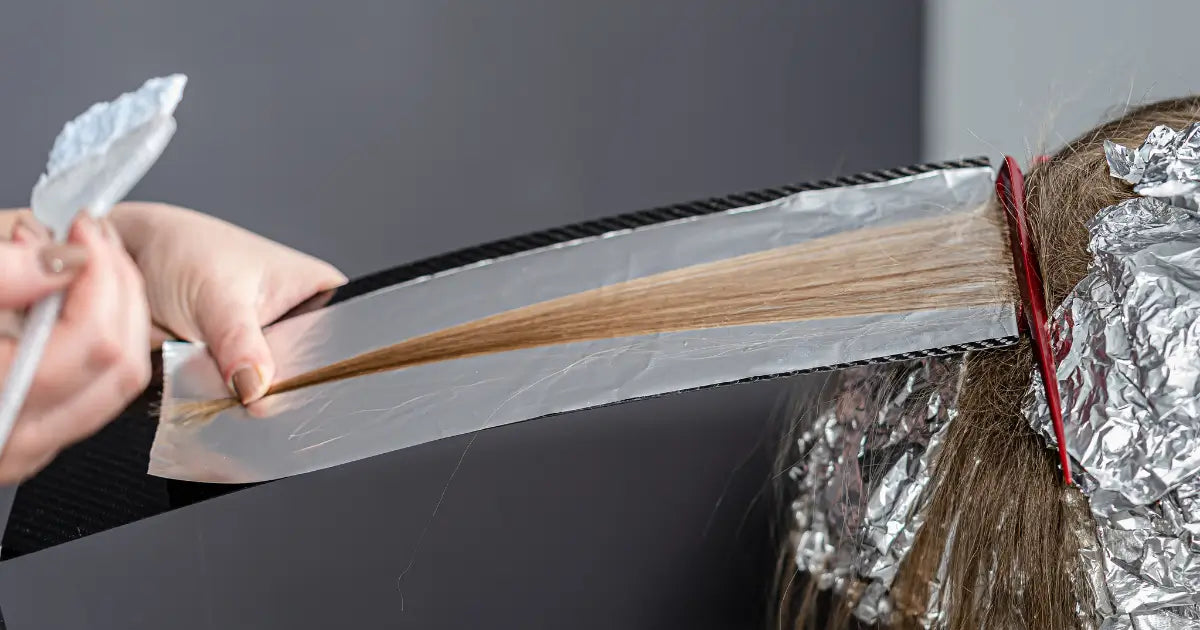
Keratin Treatment on Bleached Hair: Safe or a Recipe for Damage?
Are you planning to have a keratin treatment on bleached hair? Bleaching hair for styling purposes has become common. However, bleaching can severely affect the texture and health of your hair, leaving it dry and frizzy.
Many people turn to keratin treatments to restore moisture and smoothness, but is it really the best solution for bleached hair? While keratin doesn’t worsen the hair structure, its effectiveness can vary depending on hair type and condition. Let's explore whether keratin treatment is safe for damaged, bleached hair.
What is a keratin treatment?
Keratin treatment contains a natural protein similar to the essential protein found in human skin, hair, and nails. When applied, keratin is infused into the hair, and the treatment is sealed with high heat. This process helps restore a smoother texture to hair that has been damaged by heat and chemicals. Keratin treatment is most effective when the hair is in a certain condition. For bleached hair, the results can be unpredictable depending on how damaged the hair is.
Impact of Keratin Treatment on Bleached Hair
Keratin treatment can have varying impacts on bleached hair, depending on hair type and the severity of the bleaching process. The main goal of keratin is to smooth rough cuticles, but bleaching hair can strip it of its natural oils and weaken the structure. Shampoos with harsh chemicals also take away moisture, leaving hair brittle and dull. Keratin treatment works by restoring shine and strength, which helps to lock in moisture, reduce frizz, and give the hair a sleeker, shinier look. For bleached hair, keratin can be a temporary solution to restore hydration and prevent further damage.
Sleek and Shiny Look
After a keratin treatment, your bleached hair can look sleek, shiny, and silky. It helps eliminate frizz and tangles, giving your hair a smooth, professional appearance. Keratin treatment can also restore the lost oils and essential proteins needed for hair growth, which is beneficial even for bleached hair. However, while the benefits are noticeable, this is a temporary improvement rather than a permanent fix for your hair’s underlying damage.
Is Keratin Treatment Safe?
Keratin treatment is generally safe for bleached hair, as it helps to straighten, smooth, and add shine. However, there are some risks. Bleached hair is particularly vulnerable because the bleaching process removes oils and melanin, making it more sensitive to treatments. When applying keratin, it's important to assess whether your hair can handle the protein infusion. Bleached hair is often porous, and after the cuticles open up, it may not be able to hold protein for long periods, leading to a weakened strand over time.
Improved Hair Health
Bleached hair can become thin, dry, and brittle due to the chemicals used in the lightening process. Keratin treatment helps to revive the hair structure by strengthening individual strands, locking in moisture, and giving the hair a shiny, healthy look. Think of keratin as a nourishing treatment that revitalizes the damaged strands and temporarily restores your hair’s natural resilience.
Temporary Strengthening Effect
Although keratin treatment can provide immediate benefits, it offers only temporary strengthening effects. Keratin won’t permanently straighten your hair, especially if the underlying hair structure is unbalanced from excessive bleaching. Additionally, the bleaching process accelerates color fading, so after the treatment, the effects might not last as long as with unbleached hair. Nonetheless, keratin treatment can help reduce breakage during styling and give the hair a smoother, more manageable texture in the short term.
Risk of Protein Overload
While keratin treatment can help repair bleached hair, it’s important not to overload the hair with protein. Bleached hair is often porous and delicate, and adding too much keratin can upset the balance. Protein overload can result in brittle, stiff, or broken hair strands. It’s crucial to balance keratin treatments with moisture-replenishing products to avoid further damage.
Heat Sensitivity and Potential Damage
The process of keratin treatment involves exposing your hair to high heat, which helps seal in the proteins. However, this can make bleached hair more sensitive to further heat damage. Since bleached hair is already compromised, excessive heat after a keratin treatment can lead to additional damage, causing dryness, split ends, and more breakage.
Color Alteration and Fading
One important consideration with keratin treatments is their potential impact on hair color. Bleached hair is already lightened, and applying keratin can cause the color to shift slightly. The high heat used in the treatment can result in a warmer or brassier tone in the hair. If you’re concerned about color fading or changing, it’s essential to choose a keratin treatment that’s suitable for your hair and to consult a professional stylist.
Is Keratin Safe for Color-Treated Hair?
If you’re wondering whether keratin treatment is safe for color-treated hair, the answer is yes. Keratin treatments are safe for color-treated hair, as they are designed to smooth and soften without affecting the dye. That said, it’s important to use a keratin product that doesn’t contain harsh chemicals like formaldehyde. Some keratin treatments may cause slight shifts in color, but a professional stylist will ensure that the right product is applied to minimize any unwanted changes.
Key Considerations for Keratin Treatment on Bleached Hair
While keratin treatment can restore the health of bleached hair, there are several factors to consider before undergoing the treatment:
Assess Your Hair Health
Before getting a keratin treatment, it’s important to assess your hair’s health. Applying keratin right after bleaching can make the hair more fragile, leading to severe hair loss. Make sure your hair is in a condition where it can benefit from the treatment, and avoid rushing into it immediately after bleaching.
Time Consideration
It’s essential to wait at least 2–3 months after bleaching your hair before getting a keratin treatment. This gap allows the cuticles to settle and recover, preparing your hair for the additional treatment. Shortening the gap between bleaching and keratin treatment can increase the risk of combined chemical effects, which could worsen the condition of your hair.
Application and Product
Not all keratin treatments are the same, and the right product is crucial. Opt for a keratin treatment free from harmful chemicals like formaldehyde. Products like Fashion Gold Brazilian Keratin Smoothing and Straightening System provide safer options for your bleached hair. To maintain tone and shine afterward, pair your routine with gold hair products—shampoos, masks, and serums formulated for color-treated hair. The application process is also essential, and professional stylists will ensure the treatment is applied properly for maximum benefit.
Keratin Treatment Risks for Bleached Hair
The risks of keratin treatment for bleached hair include:
-
Overloading Protein: Bleached hair is already lacking moisture, and adding excessive protein without proper hydration can worsen the condition.
-
Heat Sensitivity: The high temperatures used during the treatment can further damage already compromised hair.
-
Color Fading: Keratin treatment may cause slight color changes, particularly in bleached hair, which is more sensitive to heat.
Conclusion
Keratin treatment on bleached hair is generally safe if done correctly, but it requires careful consideration. Make sure to choose the right product, wait for your hair to recover after bleaching, and consult with a professional stylist for the best results. By following these steps, you can achieve sleek, shiny hair without further compromising its health.
Is Keratin Conditioner Treatment Worth It? Benefits & Top Pick
If you've recently had a keratin treatment—or you're considering one—you might be wondering whether a keratin conditioner is necessary to maintain the results. The short answer: absolutely. In this guide, we’ll break down the benefits of using a keratin conditioner for frizzy, dry, or chemically treated hair and how it plays a crucial role in extending the effects of your professional treatment.
Keratin treatments are popular for their ability to smooth, strengthen, and add lasting shine to hair. But without the right aftercare, those results can fade quickly. That’s where keratin-infused conditioners come in—helping to replenish lost protein, control frizz, and keep your hair looking sleek, strong, and healthy for longer.
What is a keratin Conditioner?
A keratin conditioner treatment is a product infused with keratin, a protein naturally found in your hair, to restore its strength and smoothness. These treatments come in various forms, including conditioner, shampoo, or leave-in formulas. By replenishing keratin, these products help reduce frizz, increase shine, and improve hair manageability.
Hair naturally loses its keratin over time, leading to weaker strands that are prone to breakage and damage. Keratin conditioners work by filling in the gaps where keratin has faded, helping to strengthen your hair and create a smooth, glossy finish.
How Does Keratin Conditioner Work?
Keratin conditioners work by infusing keratin protein back into the hair shaft. This helps fill in weak spots and smooths the hair cuticle. When keratin is applied to hair, it creates a barrier that locks in moisture, making your hair less prone to damage. This results in smoother, shinier hair that’s much easier to style.
Excessive heat styling, chemical treatments, and environmental stressors can cause your hair to lose its natural keratin, leading to dryness and frizz. Keratin conditioners aim to reverse these effects, helping your hair regain its natural health and beauty.
Want to learn more about how keratin works for hair health? Check out our post on the science of keratin and hair health.
Benefits of Keratin Conditioner Treatments
Keratin conditioner treatments come with several benefits that can transform the health and appearance of your hair. Here's a breakdown:
1. Reduced Frizz
Keratin treatments are famous for their ability to combat frizz. By sealing the hair cuticle, they prevent moisture from entering, which is what causes frizz. This makes your hair look sleek and manageable even in humid conditions.
2. Promotes Smoothness and Shine
One of the standout benefits of keratin treatments is their ability to give hair a glossy, smooth finish. If you’re after that shiny, healthy look, keratin is your best friend. These treatments coat the hair, making it look polished and more vibrant.
3. Long-lasting Results
Unlike other treatments that require frequent touch-ups, keratin conditioner treatments can last for weeks when maintained properly. If you use the right aftercare products and avoid excessive heat styling, the results can last up to several months.
For the best aftercare, consider reading about the best shampoo after keratin treatment.
4. Enhanced Manageability
Keratin conditioners make hair much easier to manage. Whether your hair is curly, straight, thick, or fine, keratin helps to detangle and soften it, reducing the time spent styling.
5. Protection Against Damage
Using keratin conditioners regularly can help protect your hair from further damage caused by environmental factors, such as UV rays and pollution. The added keratin strengthens the strands, reducing the risk of breakage and split ends.
6. Keratin Benefits for Damaged Hair
If you have chemically treated or heat-damaged hair, a keratin conditioner can be incredibly beneficial. It helps restore the hair’s structure by replenishing the lost protein, repairing weak or brittle strands.
How to Use Keratin Conditioner: A Step-by-Step Guide
To get the most out of your keratin conditioner, follow these simple steps:
-
Shampoo First: Use a sulfate-free shampoo to clean your hair and prepare it for treatment. Avoid harsh shampoos that can strip your hair of natural oils.
-
Apply the Conditioner: Work the keratin conditioner into damp hair, focusing on the roots and ends.
-
Leave It On: Let the conditioner sit for 2 to 3 minutes, allowing the keratin to penetrate your hair shaft.
-
Rinse with Cold Water: Rinse your hair with cool water to seal the cuticle and lock in moisture.
For more tips on proper hair care, visit our Keratin Treatment Aftercare blog.
Precautions When Using Keratin Conditioners
While keratin treatments offer incredible benefits, there are a few precautions to keep in mind:
-
Avoid Overuse: Using keratin conditioners too frequently can lead to stiff, brittle hair. Stick to a regular treatment schedule to prevent this.
-
Patch Test: Always test a small amount of the product on your skin to check for allergic reactions.
-
Limit Heat Styling: While keratin conditioners protect against some damage, excessive heat styling can still harm your hair. Use heat tools sparingly to maintain hair health.
The Science of Keratin and Hair Health
Keratin is a fibrous protein that makes up much of your hair, skin, and nails. It acts as a protective shield around each strand, providing strength and flexibility. Over time, factors like heat, chemical treatments, and environmental damage can deplete your hair's keratin, causing it to lose its smoothness and shine.
By replenishing the keratin, these treatments restore the hair’s natural strength, protect it from further damage, and give it a healthier appearance. The added keratin also seals the hair cuticle, locking in moisture and providing a protective layer from external stressors.
Best Conditioner for Keratin-Treated Hair
Choosing the right conditioner after a keratin treatment is essential for preserving results and maintaining hair health. Not all products are formulated to support keratin-treated strands—some can strip away the smoothness and protein your hair just received. That’s why it’s important to select a product that not only nourishes your hair but also works to prolong the benefits of the treatment.
Recommended: Protect & Control Conditioning Mask
This conditioning mask is specially formulated to support chemically treated and keratin-smoothed hair. It helps restore moisture, strengthen weakened strands, and control frizz—all without weighing your hair down. Its creamy texture deeply conditions the hair while protecting it from environmental damage and daily stress.
Key benefits include
-
Helps prolong the results of keratin treatments
-
Deeply moisturizes and softens hair
-
Reduces breakage and dryness
-
Enhances shine and manageability
Incorporating this conditioner into your routine once or twice a week can make a noticeable difference in the texture, appearance, and overall health of your hair. It’s a simple step that delivers long-term benefits—especially if you want to make the most out of your keratin treatment.
Conclusion
Keratin conditioner treatments aren’t just an optional extra—they're essential if you want to protect your investment in a keratin treatment and keep your hair looking its best. From reducing frizz and repairing damage to boosting shine and strength, these conditioners offer lasting benefits for all hair types, especially if your strands are dry, brittle, or chemically treated.
By choosing the right keratin conditioner and following a consistent aftercare routine, you’ll extend the life of your treatment and enjoy smooth, manageable, and radiant hair every day. Ready to take your post-treatment hair care to the next level? Keratin conditioners are a smart and simple way to make it happen.
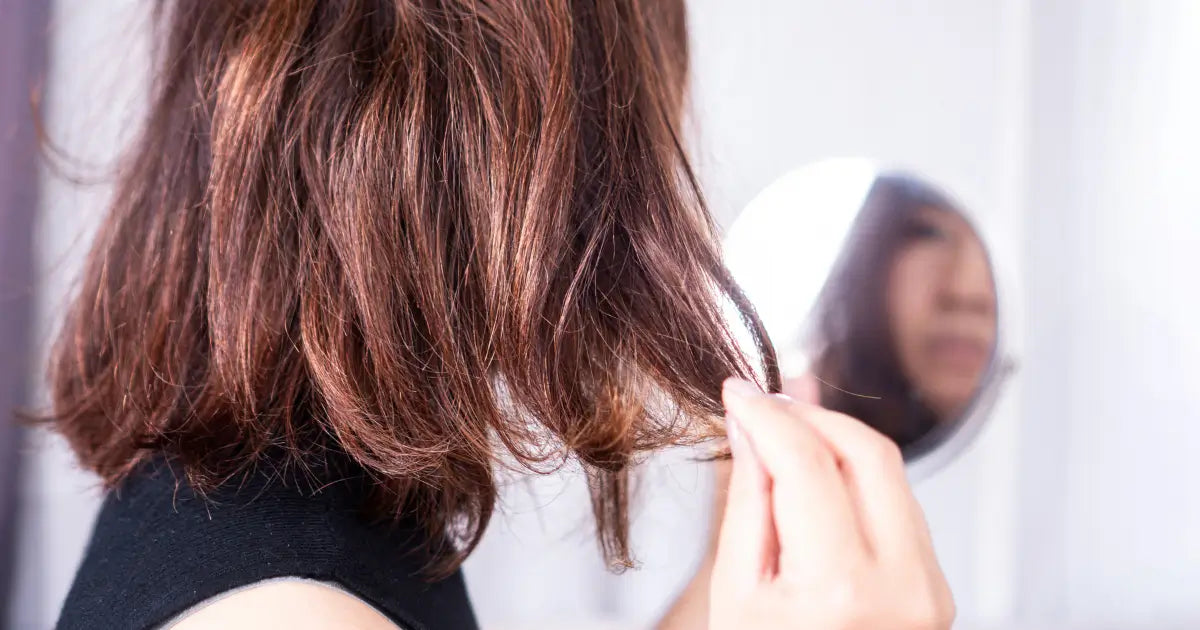
Does Hair Texture Change with Age? Why It Happens & How to Restore It
Does Hair Texture Change with Age? It's normal for your hair to change as you age, but this process can sometimes feel frustrating. Over time, your hair may become thinner, drier, or lose its natural shine and vitality.
These changes often become noticeable in your 30s or 40s. Still, they occur gradually due to hormonal fluctuations, changes in the hair growth cycle, and environmental or lifestyle factors such as diet and product use.
Understanding why hair texture changes with age is the first step in restoring its health and beauty. With the right hair care routine, including nourishing products like hyaluronic acid, keratin, and collagen-infused treatments, you can restore your hair's natural texture and vitality. Keep reading to discover the causes of this transformation and how to restore your hair's youthful appearance.
What Is Hair Texture?
Before learning whether hair texture changes with age, you must know what hair texture is. Hair texture means your hair's natural appearance, feel, shape, color, and structure. Hair texture never remains the same, as a baby is born with extremely light and thin hair, but with growth, their hair becomes stronger and thicker. Everyone has a unique hair texture that depends upon genetics, environmental conditions of the region, and overall health.
Natural Changes in Hair Over Time
Your hair can change over time, depending on its color, appearance, and thickness. This is a natural change, and almost everyone experiences it. However, you can maintain the texture of your hair by following a healthy hair care routine.
Why Does Hair Texture Change with Age?
There are several reasons why hair texture changes with age, such as hormonal changes, genetic issues, or the use of the wrong hair products. Let's have a detailed discussion on each factor:
1. Hormonal Changes
Hormonal changes are one common reason for hair texture changes in women. As humans grow, they undergo many hormonal changes and produce different hormones, such as estrogen, testosterone, and DHT. These hormones impact hair growth and texture.
For women, disturbance in the menstruation cycle or menopause is the turning point where they suffer from a change in hair texture. On the other hand, men face a decline in testosterone. Hormonal changes and hair texture are closely related. A change in hormones impacts the way your hair behaves.
2. Reduced Oil Production
Many people wonder why their hair texture changes with age, and one major factor is sebum. Sebum is the natural oil produced by the scalp, which helps keep your hair moisturized and hydrated. However, as we age, the scalp’s oil production decreases, leading to drier and frizzier hair.
This reduction in moisture affects the overall texture, causing strands to become dry, thin, and lackluster. To combat this dryness, consider incorporating Hyaluronic Acid for Hair into your routine. This ingredient helps lock in moisture, restoring your hair’s texture and making it feel healthier.
3. Hair Growth Cycle
Human hair also follows a growth cycle. They go through shedding, resting, and growth. As you grow, this cycle becomes slower. When you cut your hair, it takes longer for the hair to grow. This slower growth contributes to a thinner overall appearance, making changes in texture more noticeable.
4. Medical Conditions and Medications
Medical conditions like nutritional deficiencies play a crucial role in the change in your hair texture. Whether you are suffering from any disorder or even taking some high-dose medicine, it will impact the quality of your hair, and that's why hair texture changes with age.
Several health issues and diseases, like high blood pressure, therapies like chemotherapy, and the consumption of antidepressants, make your hair thinner, dull, and dry.
5. Environmental and Lifestyle Factors
Environmental factors also play a significant role in affecting your hair texture. The climate in which you live can make a big difference. For example, people living in colder areas may experience thinner hair.
Additionally, exposure to harsh sunlight and pollution can severely damage your hair, causing it to lose its color, shape, and smoothness. If you're dealing with hair damage caused by these environmental factors, is salt water good for your hair? provides valuable insights on how saltwater can impact your hair and what steps to take to protect it.
6. Imbalanced Diet
What you eat matters the most for your hair! If you are concerned about why hair texture changes with age, you must know that what you eat directly impacts your hair texture. An unhealthy diet causes your hair to suffer from a lack of essential proteins.
Hair also requires food in the form of protein, which they get from healthy foods. Unhealthy food not only steals the sleekness from your hair but also causes frizz and loss of hair weight.
How to Restore Hair Texture?
If you want to know how to restore hair texture, then you must opt for a healthy haircare routine, considering the following:
1. Choose Appropriate Hair Products
Always use organic hair products without harsh chemicals. Your hair products impact the nature and structure of the hair. Formaldehyde causes thinning and roughness in hair strands. Use products containing:
-
Argan oil
-
Keratin
-
Biotin
-
Hyaluronic acid
-
Collagen
2. Focus on Scalp Care
Massage your scalp and roots gently to calm the nerves. Use gentle oils or hair serums from FG Haircare because they help regulate blood, leading to strong and thick hair.
3. Maintain a Balanced Diet
Eating protein-rich foods, vitamins, iron, and omega-3 fatty acids improves hair texture. It strengthens the roots and nourishes the scalp. Avoid junk food, as it is harmful to the body.
4. Minimise Heat Exposure
The answer to "Does hair texture change with age?" is "Yes." However, many other factors also play a crucial role, like exposure to heat. Avoid frequent use of iron rods or styling hair. It is the leading cause of the change in the hair texture.
5. Avoid Harsh Chemical Treatments
Treating hair with strong bleaches has become common, the biggest reason behind the change in hair texture. Please stick to the natural and organic products and avoid the chemical treatments until you need them. However, opting for treatments like keratin treatment supports the restoration of hair.
Conclusion
In conclusion, hair texture changes with age are a natural part of life, but they don't have to leave you with dry, brittle, or thinning hair. Hormonal fluctuations, lifestyle choices, and environmental factors affect how your hair changes. But don't worry—restoring your hair's natural texture is possible with the right approach.
You can rejuvenate your hair's appearance and feel by incorporating nourishing products like keratin treatments, hyaluronic acid, and collagen-infused hair haircare. Along with a healthy diet and regular scalp care, your hair can regain its vitality and smooth texture.
So, if you're asking, "How do I fix my hair texture as I age?" —Start by embracing a more tailored haircare routine.
Ready to restore your hair's youthful look and feel? Discover Ybera Haircare's premium products and return your hair's natural texture today!
How to Use a Diffuser on Curly Hair for Defined, Frizz-Free Curls
Do you know how to use a diffuser on curly hair? Frizz in curly hair is one of the common issues. A diffuser is a perfect solution to get rid of frizz from your hair. It throws air in such a way that curls get soft and dry. It reduces frizz without disrupting the curl pattern.
A diffuser is a tool attached to a hairdryer. It not only serves styling purposes but also helps you transform your hair. It helps you maintain perfect wavy coils in your hair. Explore the article to find out the right way to use a diffuser considering your curl type.
What Is a Diffuser and Why Is It Important?
A diffuser is a round-shaped tool with prongs that comes with a standard blower. You have to connect the tool with the dryer. Before learning how to use a diffuser on curly hair, you must know its purpose.
It is important for curly hair because it disperses the airflow evenly without damaging the wavy or curly hair. With a diffuser, you can achieve defined curls without messing up your hair. Unlike a simple blow-dry, it enhances the natural texture of your hair without any damage.
Step-by-Step Guide to Using a Diffuser on Curly Hair
Using a diffuser is slightly different than using a blow dryer. Here’s a step-by-step guide for how to use a diffuser on curly hair:
1. Preparing Your Hair Before Diffusing
The first and most crucial step is to prepare your hair before diffusing. Always start diffusing on fresh hair. Wash your hair thoroughly with curl-friendly shampoo, and dry the wet hair by squeezing excess water using a towel or a cotton cloth.
Apply a styling product like a curl cream or some light gel. You can also use a heat protection serum because these things help the curl hold its shape without getting dispersed. You can also use the air-drying method to remove excess water from your hair before using a diffuser.
2. Attach the Diffuser and Set the Temperature
You must know how to use a diffuser on curly hair, properly adjusting the temperature. Once your hair is prepared, you have to set the diffuser. Attach the diffuser properly to the hairdryer.
Ensure the heat setting is at medium with low hair flow. Considering temperature is necessary because high heat can disrupt the natural curl. Heat can damage the texture of your hair, causing the hair to lose its shape. Always set the heat and airflow considering your hair type and hair health. For sensitive hair, it is recommended to go with a medium heat setting with low airflow.
3. Section Your Hair
The next step is to divide your hair so you can manage diffusing easily. Divide your hair into sections. It will help you to dry your hair evenly. Moreover, it reduces the chance of frizzy and damp hair. You can use clips to hold different sections.
4. Cup and Lift the Hair
Using the diffuser requires proper techniques. You must know how to use a diffuser on curly hair. Always keep the face of the diffuser upward. Keep the diffuser underneath the section of the curls and flip your head forward gently to place the curl into the bowl of the diffuser. Once your curls stick to the mouth of the diffuser, bring it towards your scalp. Keep it near your scalp and hold the diffuser for 20 to 30 seconds. Gently release your hair and move to the next part.
5. Keep Moving and Repeat
Repeat the process throughout your head in all the sections. Avoid repeating the process on the section that is already set.
Disturbing the curl again and again will damage your hair and cause risk. Cupping and lifting of the hair will help you maintain the curl pattern. Avoid moving the diffuser constantly and let it do its work.
Common Mistakes to Consider While Using Diffuser
For learning how to use a diffuser on curly hair, you must know the common mistakes to avoid:
-
Using High Heat
Avoid exposing your hair to high heat. Medium heat with maintained airflow may take time to dry, but it helps in preventing dryness, damaged density, or loss of structure. Stick to low and medium heat to preserve the natural curl. -
Skipping the Styling Product
Skipping the styling product is one of the common mistakes people make. Without a product, your curls may not settle properly or may cause fluff. Always use lightweight products to bring a noticeable difference to your hair. -
Not Letting the Hair Set
Preparing and setting your hair before using the diffuser is important. One of the common things to learn about how to use a diffuser on curly hair is to know how to set your hair before using a diffuser.
Diffusion Technique for Different Hair Types
Curly hair also has a few types; therefore, you must know proper ways for how to use a diffuser on curly hair and its variance.
-
For Fine or Loose Waves
People with fine or wavy hair must prevent exposure to high heat or excessive styling products. Focus more on the ends and avoid root volume. Avoid directing airflow to the hair roots. Keep the diffuser on low airflow to maintain a proper texture. -
For Coarse or Coily Hair
For people having very tight and curly hair, a diffuser helps you preserve the natural curls and gives you control over curl shrinkage. In such cases, it is recommended to use heavy styling products. Ensure you use a diffuser only on fully dry hair to prevent frizz. Moreover, on such hair, you can increase the temperature slightly.
Conclusion
Learning how to use a diffuser on curly hair is very important. But before this, you must know and understand your hair type and texture. And a diffuser helps you maintain the natural texture of your hair without causing any damage to its structure. Using a diffuser will help in preventing frizz for a longer time. Moreover, it is necessary to handle the diffusing process gently. Prepare your hair, apply appropriate styling products, and then use the diffuser in the correct directions to have a final outcome.

Is Salt Water Good for Your Hair?
Salt water may be many things for your hair. It can give you those cool beachy vibes and add minerals to your hair but can also dry out your hair. If you are also wondering if you should let your hair be soaked in beachy salt water or not, then this guide is for you.
Is saltwater good for your hair?—a question many people ask when trying to give their hair the best environment.
Here is everything you need to know about saltwater and how to protect your hair effectively.
Salt water is a protein formulated by nature and packed with many minerals and elements that may do wonders for your scalp and hair. It isn’t only about sodium chloride; it also has potassium and magnesium that can balance your scalp's pH levels. This can become a game changer for helping with dandruff and other scalp irritators. But as we all know, moderation is always important in all skincare and hair care routines.
Getting too much saltwater exposure may lead to brittleness or dryness, which can damage your hair cuticle. While these beachy waves are great, you should give your hair some extra care and love to maintain its health and overall shine. Also read: Healthy and gorgeous summer hair.
Is Saltwater Good for Your Hair?
Here are some of the positive impacts of saltwater on your hair:
● Adds minerals to hair
Saltwater is full of all the essential vitamins, such as calcium, magnesium, selenium, and potassium, that are ideal for hair health and growth. These minerals add up to build your hair structure, so breakage is reduced.
● Natural scrub
Saltwater is more like a natural exfoliator for hair and scalp. The small salt particles scrub off dead skin cells and remove excess oils to give you a fresh scalp. This explains the question of whether salt water is good for your hair or not.
Taking a dip in the ocean is more like a small spa day for your hair and scalp. You must always make sure not to go overboard. Saltwater may dry out the scalp as it can strip away natural oils. You should use a gentle shampoo and treat hair with moisturizing masks to keep everything balanced.
● Beach waves and volume
Saltwater can give you great hair texture, adding beachy waves to your look and a lot of volume as well. Salt simply lifts your hair cuticles, making them appear fuller and more textured.
The Downside of Salt Water for Your Hair
Now that you know the benefits of salt water, you should also go through its downsides to always protect your hair. Knowing these tips before you wet your hair in saltwater will save you many salon visits and treatments to get the shine back to your hair.
1. Dryness and brittleness
Saltwater may suck out most natural oils in your hair that keep the scalp moisturized and healthy. This can make the hair strand brittle and dry; hence, breakage happens. To avoid this mess, you should rinse your hair with fresh water right after swimming in saltwater. This will remove junk and salt from your strands and keep your hair protected.
2. Color fade
If you have color-treated hair, then you must always watch out. Saltwater may speed up color fading by simply stripping away moisture and pigments from your hair that can alter the hair structure and leave your hair dull. To simply keep the color popping, you should use toning treatment to remove yellow tones from the hair strands.
3. Scalp irritation
Salt water may be a great pain for your scalp, mainly if you already have soft, sensitive skin. It may cause redness and irritation. So to avoid this, you should take extra care of your hair texture and protect your hair from skin irritants. You can use natural oils such as argan oil or aloe vera to soothe your irritated scalp. This will give you hydrating and calming effects. You can add these items to your everyday hair care routine to reduce the harmful effects of saltwater on your scalp.
Now this explains both sides of the answer to the question: Is salt water good for your hair?
You can always take a dip in the ocean while not harming your hair and skin if you are cautious and take care of the overall health of your hair. Doing everything in moderation will keep your hair texture, scalp, and skin healthy and soft.
Getting a massage here and there can stimulate blood flow and bring positive changes in your mood as well. The more you explore options for soothing your scalp irritations, the more you will understand the effects of saltwater on your hair.
Knowing more is always best to avoid unwanted scenarios. You should always know the complete answer to Is salt water good for your hair? and make sure you don’t mistreat your hair or act carelessly. Taking a dip in the ocean is a great experience, but always make sure you have protected your hair and skin with suitable products. Also, reduce your stay in the saltwater to keep enjoying such dips in the future.
Learn how to manage frizz with our guide on hair treatment for smooth hair.
Conclusion
Is salt water good for your hair?—this question has both sides of the answer and can give you positive and negative results.
If you take dips in the ocean in moderation and also maintain your hair protection, you won't see any adverse effects of saltwater on your hair and scalp.
You should always rinse your hair with normal water after getting a dip in saltwater. This will remove extra product build-ups from your hair and will let the cuticles remain unclogged and fresh. Saltwater has its positive and negative effects on your hair, and you can use it for your good if you know how to take care of your scalp after each dip in saltwater.
How to Get Perfect Beach Waves Hair: Step-by-Step Styling Guide
Do you want to get beach wave hair? Beach waves are one of the most popular minimalist hairstyles, known for their soft, loose, and slightly wavy look—less messy than typical curls. When it comes to effortless style, many people choose beach wave hair for its elegant and laid-back appearance.
The best part? Even if you don’t have natural beach waves, you can achieve them easily with the right tools and techniques. Keep reading to learn how to get perfect beach waves step by step.
Step-by-Step Guide to Achieve Perfect Beach Waves Hair
Beach waves are the only hairstyle that suits everyone. It perfectly matches almost every face shape. Here is a step-by-step guide to getting perfect beach waves:
1. Start with Clean, Dry Hair
The first step to getting beach wave hair is to get your hair clean and dry. On freshly washed hair, you can get a sleek and professional look of beach waves. Use a lightweight shampoo and conditioner to wash your hair. Gently dry your hair with some cloth or air-dry it for some time to prevent frizz.
2. Apply a Heat Protectant and Texture Spray
Before starting the procedure for getting beach wave hair, like in keratin treatment aftercare, applying a heat protectant before styling is essential to avoid damage and retain shine. A heat protectant serum or spray will prevent damage from styling tools and exposure to heat. It will also maintain the grip of your hair so you can get an improved texture.
3. Section Your Hair
To get smooth beach waves, section your hair using clips. It’s better to divide your hair into four parts. Start with the bottom layer and go to the upper layer. It will ensure that every strand is curled properly.
4. Get Your Tools Ready
Get your tools ready. Beach wave hair is formed with the help of a curling iron. The size of the curling iron varies between 1 and 1.25”. This size is perfect to create natural-looking beach waves hair. Set the temperature according to your hair type. For thicker hair, you can set the temperature up to 400°F. Whereas for thin hair, a temperature around 300°F is preferred. Turn on the curling iron and let it reach the maximum heat.
5. Curl Strategically
Once your tools are ready, start curling small sections of hair. You just need to coil your hair strands around the curling plate. Hold it for around 8 to 10 seconds, and then release it gently. Repeat the procedure until all your hair is done, leaving a perfect impression of beach wave hair.
6. Shake It Out
After curling the hair, let them cool completely. Gently shake out all the waves using your fingertips. This gives a smooth look to your overall hair. It will break the structured formation of coils and will transform your hair into gentle, soft waves. You can also use a tooth comb to detangle your hair.
7. Lock It in Place
Once you’re completely done, lock your beach wave hair into a perfect look. You can use any hair-holding spray or a textured mist to lock your hair structure. This will also cause stiffness, which makes your hair look shiny and sleek.
The Right Tools for Beach Waves Hair
Understanding the right tools for getting perfect beach wave hair is necessary. You must have the following tools for getting beach waves:
-
Flat iron
-
Rollers
-
Setting spray
-
Wide tooth comb
-
Heat protectant
Choosing the Right Curling Iron
Whether you're using a curling wand or a smoothing hair treatment, choosing the right tools makes a noticeable difference. You must consider the size and width of the curling iron to achieve the perfect and natural look. A narrow rod will lead to tight curls. Therefore, using a flat iron curler is better to attain a natural look.
Beach Waves Hair Tips Based on Hair Type
Before starting the process of producing waves in your hair, you must understand the hair type and its requirements.
1. For Fine Hair
For fine and silky hair, it is necessary to use our dry shampoo. It will help in minimizing the sleek texture. A little rough texture helps in maintaining the shape and increasing the hair lift.
2. For Thick Hair
Individuals with thick hair must work in smaller sections. Also, using a high-heat curling iron is preferred. You can also increase the holding time and lock the hairstyle using a strong spray.
3. For Curly or Wavy Hair
For curly or wavy hair, you just need to clean the hair strands. You can also start the process by straightening your hair and then producing the curls through a curling iron. Avoid too many hairstyling products or sprays to maintain the natural texture.
No-Heat Methods for Beach Waves Hair
There are several ways to achieve beautiful beach waves, and the two main categories are heat-based and no-heat methods. While curling irons and wands fall under the heat styling category, no-heat techniques are an excellent option for creating waves without damaging your hair.
Braiding Method
Braiding is one of the best ways to get soft and natural waves. After taking a shower, just make two or more braids in your damp hair. You can also slightly dampen your hair and make braids. Leave them overnight and release the braids in the morning. Use a wide-tooth comb to brush your hair in the morning.
Common Mistakes When Creating Beach Waves
Even though beach waves look effortlessly chic, a few common missteps can leave your hair looking less than flawless:
-
Using too much product: While sea salt sprays and texturizers are key, going overboard can weigh down your hair or make it feel sticky.
-
Curling in the wrong direction: Always curl away from your face to get that natural, wind-swept effect. Curling inward can make waves look too structured or outdated.
-
Skipping heat protection: If you're using hot tools, never forget a heat protectant spray to prevent damage and dryness.
-
Not brushing out curls: After curling, always finger-comb or lightly brush your waves to break them up and soften the texture—otherwise, you'll end up with tight curls, not waves.
-
Using the wrong barrel size: A smaller barrel creates tighter curls. For relaxed beach waves, opt for a 1- to 1.25-inch barrel.
Conclusion
Beach wave hair remains one of the most popular and versatile hairstyles. It offers a soft, polished look that works well for all hair types—whether your hair is long, short, straight, or wavy.
To achieve the perfect beach waves, start by prepping your hair with a heat protectant. Allow your curling iron to reach the ideal temperature, create clean curls, let them cool, and then gently tousle your hair for a natural finish. With the right steps, beach waves can easily become your go-to everyday or special occasion style.
FAQs
1: Can I get beach waves without using heat?
Yes! Braiding damp hair before bed, using twist buns, or applying a sea salt spray to air-dried hair can give you heatless waves.
2: How long do beach waves last?
Depending on your hair type and the products used, they can last from one day up to three. Using a light hairspray or wave spray can help extend the look.
3: Is sea salt spray bad for your hair?
Overuse can be drying due to the salt content, but occasional use is fine. Choose formulas that include hydrating ingredients like coconut water or glycerin.
4: What size curling iron is best for beach waves?
A 1- to 1.25-inch curling wand or iron is ideal for creating soft, tousled beach waves.
5: Can I do beach waves on short hair?
Absolutely! Use a smaller barrel curling wand or flat iron technique. Just remember to style smaller sections and avoid heavy products that might weigh short hair down.
Best Sulfate-Free Shampoo in 2025 – Frizz-Free Hair Care Guide
Shampoo is one of the most used hair care products—yet everyone has their own take on it. Some grab the cheapest bottle on the shelf, while others search endlessly for the perfect salon-approved formula. But whether you go budget or high-end, the goal remains the same: clean, healthy, beautiful hair.
As we move into 2025, there's a major shift toward more conscious hair care—particularly sulfate-free shampoos. Whether you're looking for gentler cleansers, organic ingredients, or hair repair solutions, the right shampoo can significantly improve both scalp and hair health.
What’s New in Sulfate-Free Shampoo?
The haircare industry is evolving fast. In 2025, sulfate-free shampoos are going beyond just being “gentle.” Expect:
-
Biotech-powered ingredients that repair damage at the root level
-
Eco-friendly packaging and sustainable formulas
-
Salon-exclusive lines with luxurious results for at-home use
Now, let’s break down what sulfates are—and why so many people are ditching them.
What Are Sulfates in Shampoos?
Sulfates are detergents in shampoos that help eliminate oil, dirt, and styling products. They are the elements that form foaming lather and bubbles, which eventually help in cleaning hair and scalp. Sulfates may be highly irritating to your scalp or can be too drying, which can leave your hair frizzy and cause skin discomfort.
Whereas, in contrast to any traditional shampoo, a sulfate-free shampoo creates less foaming lather but offers you a gentle wash to maintain the natural balance of oils in your scalp. This will cut down on the frizz factor since the hair and scalp will be more hydrated after using sulfate-free shampoo.
Why Choose Sulfate-Free Shampoos for Frizz-Free Hair?
Sulfate-free formulas are trending for a reason. They help maintain shine, reduce frizz, and keep treated hair looking smooth. Many users rotate between sulfate and non-sulfate shampoos throughout the week depending on their needs. Discover the best shampoo to use after a keratin treatment.
Key benefits include:
-
Less dryness and irritation
-
Long-lasting results for straightening treatments
-
Better hydration and curl retention
-
Safe for color-treated and chemically-processed hair
How We Picked the Best Sulfate-Free Shampoos
The list of all sulfate-free shampoo options we formulated was designed based on the following factors:
● Viscosity
This point refers to the thickness or lightweight of the shampoo formulated in your hands. Any products that were too thick or too runny didn’t fall into the list.
● Scent
Either a shampoo is for $1 or $100; if its smell isn’t refreshing or great, it won’t pass the test. Scents that make you feel like you are in a salon the moment you open the bottle are the ones that we are looking for.
● Longevity
The frequency with which you wash your hair is totally dependent on your hair thickness and type. The kind of shampoos that make your hair flat are not ideal ones. So lightweight and extended-duration shampoos are the best ones.
Sulfate-free shampoos help in preserving hair color, and they also work ideally on color-treated hair or hair that has had certain treatments done, such as glosses or glazes.
To get the best results from your specified shampoos, you need to rotate them. You can rotate sulfate-free shampoos and the ones that have sulfates in them to help keep the cycle going smoothly. Using sulfate-free shampoo may dry the hair out, so you should also keep this in mind.
Salon-Approved Picks for 2025
Professional salons are recommending sulfate-free shampoos more than ever—especially for clients with color-treated, keratin-treated, or chemically processed hair. The focus this year is on maintaining long-term hair health without compromising on shine, smoothness, or style longevity.
Top Sulfate-Free Shampoos for Healthy Hair in 2025
Here are some of the top sulfate-free shampoo suggestions you can use in rotation with your traditional shampoo.
1. FashionGold Protect and Control Shampoo
FashionGold Protect and Control Shampoo helps in extending the results of straightening treatments on your hair and also preserves hydration and shine. A traditional shampoo will reverse the effects of any hair treatment 5x faster, which leaves hair dull and dry. But this shampoo will preserve your hair and keep it looking highly lustrous and shiny without dryness or dullness.
FashionGold Shampoo is formulated with advanced technology to help hair cuticles remain closed, which prevents oxidation and loss of any essential active ingredients that maintain nourished, smooth hair. It is compatible with all chemical treatments and is also safe for everyday use.
Perfect for frizz control, shine, and hydration.
2. Amika Mirrorball High Shine + Protect Antioxidant Shampoo
If you are a lover of beauty, then a single look at its products will tell you how much beauty the Amika brand holds in it. Its Mirrorball High Shine shampoo is one of its newest haircare launches. It is a hit among hair enthusiasts. It is one of the best sulfate-free shampoo options that you can find. It will help control frizz and flyaways and will leave your hair shiny and smelling very fresh.
3. Aveda Botanical Repair™ Strengthening Shampoo
This bottle of sulfate-free shampoo will help strengthen your hair mainly because it is a plant-powered bottle of goodness. It will bring life to your hairstyles once you style them. Your hairstyles will also easily last many days once you start using this solution. It contains a great aroma along with certified rose, ylang-ylang, and marjoram flower and plant essences.
Conclusion
These sulfate-free shampoos are all great options to keep your hair looking healthy and frizz-free. If you're unsure where to start, FashionGold Shampoo is definitely worth trying—especially if you’ve had any treatments done or just want a shampoo that keeps your hair shiny, soft, and hydrated. It’s gentle enough for regular use and helps maintain the results of straightening or smoothing treatments.
Of course, everyone's hair is different, so it's always a good idea to check the ingredients and choose what works best for your hair type. But if you're looking for something effective and reliable, FashionGold might just be the one.
Keratin Treatment for Curly Hair: Will It Straighten or Define Your Curls?
Are you blessed with perfect swirls and curls of hair? This is the kind of blessing that most don’t understand how to handle or keep intact. Most people with curly hair end up ruining their hair texture due to improper care of their hair and scalp.
Curly hair can add to anyone's beauty and overall persona in many ways, but one needs to understand how proper curly hair should be kept and understand different treatments that are suitable for curly hair. One of these treatments is keratin treatment for curly hair.
This hair treatment has been quite popular among curly-haired people due to its great results. The misconception about keratin is that it is only meant to straighten the hair. A keratin treatment is a process of injecting keratin protein that helps smooth out the hair, which allows them to have shiny and healthy hair. This is suitable for both curly and straight hair in its way.
This treatment will let your hair be more gorgeously flowing and dense. This blog will help you understand the results of keratin treatment for curly hair and how you can use it to get a beautiful, dense, curly mane for yourself.
Keratin Hair Treatment Results on Curly Hair
A keratin treatment will preserve your natural curls and let you manage your hair effectively. Keratin for wavy and curly hair is an ideal option to tame the frizz away and improve the overall texture of the curls.
This makes hair appear healthy and manageable. It helps in giving them smooth, soft curls. One other factor that makes this treatment the best among others is the fact that the results of keratin complex treatment last for 3–6 months.
Will Keratin Treatment Make My Curly Hair Straight?
Keratin treatment is more of a smoothening therapy for hair, and it helps in fixing flyaways and frizz while promoting shine and tangle-free hair. This keratin treatment for curly hair will give your strands the goodness of keratin protein, which makes them look thicker, healthier, and smoother. You will be able to get any hairstyle on your locks without hassle.
Keratin Treatment for Enhanced Hair Definition
A keratin treatment smooths frizz and deeply nourishes the core of your curls. It will nourish your strands and add elasticity to them. Keratin treatment for curly hair will give you soft curls and improve hair definition to a great extent.
Along with this, your curls' texture will improve by many folds, and keratin treatment for curly hair will rehydrate the natural strands to enhance the texture of beautiful and smooth curls. This treatment is the best choice for damaged hair, as it will strengthen your natural hair texture.
Do You Have Hair Porosity Issues?
Hair porosity is your hair's ability to absorb and lock in moisture. Curly hair gets more porous with curly and coarse hair texture. Keratin for curly hair may be your best option to nourish the hair cuticles and help make them stronger.
Keratin treatment will help make your hair smooth and will also repair any hair damage done due to styling or mismanagement. It helps your hair shaft to protect your moisture mantle, reduce overall dryness, and make your curls shiny, smooth, and effortlessly flowing.
Should I Get a Keratin Smoothing Treatment for My Curly Hair?
If you have curly hair that looks damaged and dull, then this is the best time to get keratin treatment for curly hair. This treatment will bring new life to your scalp and hair and will allow you to love your curls all over again. You can enjoy the effects of this treatment and can also preserve this treatment for long by using specific shampoo and conditioner.
This treatment helps reduce frizz for all hair types and gives your hair new life based on its revitalizing results. You can then get your hairstylist to give you natural, bouncy curls or retain the original look of your curls to keep the styling results for longer durations. Your keratin-treated hair will add to your confidence and allow you to move around in style and natural beauty.
Curls are a beautiful human hair trait, and they should be preserved in their original state. A keratin complex applied to your hair will rejuvenate its natural curls and allow you to feel confident in your naturally blessed hair. You can find many keratin complexes out there to try for your hair.
A keratin treatment for curly hair will take 30 minutes or an hour, but the results will last way longer. You will feel your hair not drying out after each wash and enjoy a lustrous shine on your soft curls for the months to come.
You will be given specific shampoo and conditioner for your keratin-treated hair so that the effects of keratin treatment for curly hair can last longer. These products will tame flyaways and smooth out the frizz in your hair. Conditioners for curly hair will have natural oils, keratin compounds, and plant extracts to renew keratin protein in hair and hence support healthy-looking, gorgeous curls.
Conclusion
Curly hair is special—but it needs the right care to shine. A keratin treatment can smooth out frizz, add shine, and make curls easier to manage—without taking away your natural bounce. With the right aftercare (think sulfate-free shampoo and conditioner), results can last up to 5–6 months.
If your curls feel dry or hard to tame, keratin might just be the refresh they need. It’s a simple way to bring out the best in your hair and feel good doing it.
Ready to fall in love with your curls all over again? Consider getting a professional keratin smoothing treatment designed specifically for curly hair and see the difference for yourself.
Brazilian Blowout vs. Keratin Treatment: Which One is Right for You?
Not sure which hair treatment is best for you, a Brazilian Blowout or a keratin treatment? This article is here to help! We’ll explore how each treatment works, their differences, and which one suits your hair type.
Brazilian blowouts and keratin treatments have become popular for their ability to turn frizzy hair into a smooth, shiny look. Both aim to reduce frizz, whether you have curly hair, natural hair, or simply want a sleek finish.
However, these treatments differ in their formulas, results and processes. In this article, we’ll go over the key differences, benefits, aftercare tips and costs to help you decide which treatment is right for you.
Brazilian Blowout vs. Keratin Treatment
What Is a Brazilian Blowout?
A Brazilian Blowout is a smoothing treatment that uses a formula with amino acids and proteins to reduce frizz and give hair a sleek, shiny finish. It coats each strand, helping to control frizz without permanently changing your hair’s structure.
-
Temporary smoothing
-
Suits many hair types
-
Lets you keep your natural texture
-
Easier styling and drying
What Is a Keratin Treatment?
A keratin treatment uses keratin, a protein naturally found in hair, to smooth the hair surface. The formula is sealed in with a flat iron, leaving hair glossy, frizz-free and healthier-looking.
-
Reduces frizz and smooths the cuticle
-
A good option for dry or unruly hair
-
Leaves hair softer and shinier
-
Doesn’t straighten completely
Brazilian Blowout vs. Keratin Treatment: Key Differences Explained
Both treatments smooth and de-frizz the hair, but they differ in procedure and results. A Brazilian blowout is often chosen by people with curly or wavy hair who want to reduce frizz without significantly changing their hair’s structure. A keratin treatment is often requested by people with unruly or curly hair who want a sleeker, smoother finish.
How Do These Treatments Work?
Both treatments create a smooth layer on the hair that helps seal in moisture and resist humidity. A Brazilian blowout is designed to reduce frizz and create a smooth finish, while a keratin treatment focuses on smoothing and softening the hair with proteins.
How Long Do the Results Last?
Results from both treatments are temporary and fade gradually with washing. How long they last depends on the product, your hair type, how often you wash and your aftercare routine.
Cost Comparison
Both treatments are priced similarly and depend on hair length, thickness and salon. On average:
-
Brazilian Blowout: $100–$450
-
Keratin Treatment: $150–$500
For a more detailed guide, read our article on keratin treatment price.
Which Treatment Is Right for You?
When choosing between a Brazilian blowout and a keratin treatment, it’s important to know which one fits your hair type.
For curly and natural hair, a Brazilian blowout can help loosen curls and reduce frizz without straightening the hair completely, while keeping your natural texture.
A keratin treatment is a good choice for dry, frizzy hair, leaving it smoother and healthier-looking. Both treatments cost about the same; the price mainly depends on the length and thickness of your hair.
Both have become go-to options for people who want to say goodbye to frizz.
Aftercare Tips: What to Do After the Treatment
After any smoothing treatment, wait before washing your hair for the time recommended by the product or your stylist. Use a sulfate-free shampoo and avoid tying your hair tightly in the first days.
For more aftercare tips, read our detailed guide on keratin treatment aftercare.
Recommended Product for At-Home Results
If you’re looking for a salon-level smoothing treatment at home, the Fashion Gold Brazilian Smoothing Treatment is a professional-grade option. With an organic acid system formulated without formaldehyde as an ingredient, it reduces frizz, enhances shine and leaves your hair more manageable.
Important: For professional use or experienced users. Perform a strand and patch test 48h before use. Avoid contact with eyes and scalp. Apply in a well-ventilated area. Do not use on irritated or damaged scalp. Keep out of reach of children.
Conclusion
In the Brazilian Blowout vs. Keratin Treatment debate, the best choice depends on your hair type and goals. If you want a sleek look and easier styling while keeping your texture, a Brazilian Blowout may suit you. If you want a smoother, sleeker finish, a keratin treatment may be better. Both can deliver beautiful, frizz-free hair with the right care.
FAQs
Which lasts longer, a Brazilian blowout or keratin?
It depends on the product, your hair type and your aftercare. Both are temporary and fade gradually with washing. Ask your stylist what to expect from the specific product they use.
Which one is better for fine or damaged hair?
Fine or fragile hair usually does better with lighter formulas, since some keratin treatments can feel heavy. For damaged hair, start with a repair routine and ask a professional before any smoothing treatment.

Keratin Treatment Controversy: Is It Safe or Risky for Your Hair?
Thinking about getting a keratin treatment but feeling unsure about the risks? You’re not alone. Keratin treatments have become super popular for people who want smooth, straight, frizz-free hair—especially those with curls or waves. But along with the hype, there’s also a lot of controversy.
Some say it can damage your hair or even affect your health. In this article, we’ll break down what a keratin treatment really is, the benefits it offers, and the potential risks—like exposure to formaldehyde and other harsh ingredients—so you can make the best choice for your hair and health.
What Is a Keratin Treatment and How Does It Work?
A keratin treatment involves applying a product to the hair that coats it with the protein. This step smooths the hair and gives it a shiny and glossier look. The treatment is followed by using a flat iron to seal the product into the hair shaft.
The results of the treatment vary depending on everyone's hair type. Usually, it lasts for at least 6 months. For many people, keratin treatment creates a path to get rid of blow-drying your hair whenever you go anywhere.
It is often used as a straightening treatment to replace daily styling. On one hand, it is very convenient, but it also has some risks, and the keratin treatment controversy has shed light on the potential dangers.
Why Is Keratin Treatment Controversial?
The use of dangerous substances in some formulations is the primary topic of discussion in the keratin treatment controversy. The primary reason for concern is the presence of formaldehyde or its derivatives, such as methylene glycol. Long-term exposure to the known carcinogen formaldehyde can cause serious health issues. Learn more about the facts behind keratin treatments.
Many salons might not adhere to the Occupational Safety and Health Administration's (OSHA) formaldehyde exposure limits, which might put clients and stylists in danger. The Food and Drug Administration has not officially approved using keratin treatment, considering its side effects.
Health Risks of Keratin Treatments
In addition to other major risks, skin irritation is one of the biggest risks. Many people complain that after getting the keratin treatment, they face redness, itching, and swelling on their scalp.
People who have sensitive skin or any kind of skin allergy may be irritated by the chemicals. Additionally, repeated keratin treatment can also damage your hair. The heat from the flat iron, in addition to the chemicals used in the treatment, can make the hair more fragile, brittle, and likely to break.
The immediate results are often very smooth, silky, and straight, but with time, it will damage your hair if you frequently do keratin treatment.
Safety Concerns for Stylists
The keratin treatment controversy raises concern for the stylist who does keratin treatment, as they are more exposed to the chemical reaction, and the poor ventilation in the salon can lead to poor breathing problems. The Occupational Safety and Health Administration (OSHA) has given the guidelines implemented in the salons, risking the safety of people.
Popularity of Keratin Treatment
Despite the risk, people often go for keratin treatment due to its ability to reduce frizz and provide sleek, straight hair. The result lasts at least 6 months, so you are tension-free and good to go anywhere without worrying about the styling. For people who naturally have curly hair, keratin treatment is a miracle for them.
For people with busy lifestyles, the keratin treatment is a lifesaver for them, as it can reduce the time of styling hair daily. By reducing the need to spend hours trying to get straight hair and control frizz, the treatment offers a solution that enhances hair care and maintenance.
Alternatives to Keratin Treatment
The keratin treatment controversy is on one hand, but we do have alternates for you; some hair care products will give you similar results without using harsh chemicals. For example, hair-soothing products that contain natural ingredients may help to control frizz in your hair and will provide you with smooth, shiny hair.
Another option is to keep your natural texture and apply oil, serums, and anti-frizz spray to get silky hair without using any chemicals. Another popular alternative to keratin treatment is the Brazilian blowout.
Although it uses a different technique, this treatment straightens and smooths hair similarly to conventional keratin treatments. Brazilian blowouts leave hair silky and frizz-free by coating it with a protein combination. Although certain Brazilian blowouts are still contentious due to the formaldehyde they contain, there are Brazilian blowouts that don't utilize formaldehyde and may still have similar impacts with fewer health risks.
Health Risks of Formaldehyde Exposure
As keratin treatment includes chemicals, and one of the main risks is having formaldehyde exposure, it can cause problems for your respiratory system, like coughing, sneezing, and shortness of breath. One of the most dangerous side effects of formaldehyde exposure is that it can cause cancer of the nose and lungs.
Conclusion
Smooth, frizz-free hair is possible with keratin treatments, but there are serious hazards involved, as the keratin treatment controversy has shown. In addition to long-term consequences like cancer, the usage of dangerous chemicals like formaldehyde can cause major health concerns like respiratory disorders.
Hair can become fragile and more likely to break as a result of repeated treatments. It can also irritate the eyes. Alternatives without formaldehyde are available; however, they might not work as well.
If you decide to get a keratin treatment, make sure the salon complies with the right safety regulations and always carefully read the labels. For individuals who are worried about the hazards, there are alternatives like the Brazilian keratin treatment or natural oils that might provide comparable effects with fewer health risks. Considering your health priorities and hair type, make an informed choice.

Keratin Treatment Price Breakdown: What to Expect to Pay
Are you looking for the best keratin treatment but unsure about the cost? Don’t worry—we've got you covered! In this article, we'll break down the price of keratin treatments, what you can expect from them, and how to maintain your frizz-free hair afterward.
If you're tired of ironing your frizzy, dry hair every time you go out, a keratin treatment might be the perfect solution. This popular treatment will leave your hair shiny, smooth, and frizz-free for months.
The cost of keratin treatments varies based on your hair type, length, and the specific treatment you choose. Let’s dive into the details, including cost factors, maintenance tips, and product recommendations—like mirra oil—for keeping your hair healthy post-treatment.
What is a keratin treatment?
Before going for the treatment, you must know what exactly keratin treatment means. People who don’t like straightening their hair daily or have naturally curly, frizzy hair often tend to go for this treatment. Keratin treatment is a professional salon procedure that is designed to smooth and straighten hair by infusing it with the protein keratin.
Keratin is a naturally occurring protein that is present in hair, but various factors such as hair styling and chemical treatments lead to dry and frizzy hair. A keratin treatment helps to refuel the protein, making your hair look smooth, shiny, and frizz-free.
Keratin Treatment Price Breakdown: What to Expect
Keratin treatment costs can vary based on several factors, including hair length, thickness, and the type of treatment you choose. Here’s a breakdown of the price range you can expect:
-
Short hair: $100 to $400
-
Medium to long hair: $300 to $800
-
Very thick or long hair: $400 to $1,500+
The type of keratin treatment you select will also influence the price. For example, a Keraplex treatment or Trisolla keratin treatment may cost more than a standard keratin smoothing treatment. Additionally, some salons may charge extra for blow-drying or additional services.
Salon vs. At-Home Keratin Treatments: Price Comparison
We all love the idea of smooth, frizz-free hair, but salon keratin treatments can really add up, ranging anywhere from $100 to $1,500 depending on your hair type and the treatment you choose. While they offer great results, they might not always fit into everyone’s budget.
If you're looking for a more affordable option without sacrificing quality, our Brazilian Keratin Treatment for at-home use is a fantastic choice. For just $50 to $100, you can get the same salon-quality results right at home. It's super easy to apply, works for all hair types, and leaves your hair feeling smooth, shiny, and frizz-free for months.
Why pay for a pricey salon visit when you can achieve beautiful, long-lasting results at home?
Keratin Treatment Cost: A Guide to Different Types and Costs
The cost of keratin treatments varies depending on the type of treatment and hair characteristics. Here’s a quick guide to the pricing for each:
-
Keraplex Treatment
Price Range: $250 to $600
Keraplex combines keratin and protein repair to strengthen, smooth, and restore damaged or chemically treated hair for 4 to 6 months. -
Brazilian Keratin Treatment
Price Range: $70 to $200
Ideal for smoothing and straightening, especially for thick or curly hair. -
Brazilian Keratin Treatment
Price Range: $200 to $500
A combination of Brazilian and Japanese treatments for ultra-smooth, frizz-free hair. -
Keratin Smoothing Treatment
Price Range: $150 to $400
Perfect for those seeking frizz reduction without full straightening. -
Express Keratin Treatment
Price Range: $50 to $150
A quicker, more affordable option for a temporary smooth look lasting up to 6 weeks. -
Trisolla Keratin Treatment
Price Range: $250 to $700
Offers smooth, healthy hair with no harsh chemicals, ideal for damaged hair. -
Magic Sleek Keratin Treatment
Price Range: $300 to $700
A formaldehyde-free option providing long-lasting frizz control and shine. -
Cezanne Keratin Treatment
Price Range: $300 to $600
A formaldehyde-free, gentle treatment perfect for sensitive scalps and smooth results.
Choosing the Right Keratin Treatment for Your Hair Type
Keratin treatment prices and results vary depending on your hair type. Not all treatments are the same, and selecting the right one can make a significant difference.
-
For curly hair:
If you have curly hair and want to maintain your natural texture, opt for a Brazilian keratin treatment or a traditional keratin treatment. These treatments smooth the curls without completely straightening them, allowing you to keep your volume and shape. -
For wavy hair:
An express keratin treatment is a good option for wavy hair. It tames frizz while preserving volume and texture, offering a more natural result.
Top Pick: For the best overall results, choose our Brazilian Keratin Treatment for long-lasting smoothness and frizz control. It’s suitable for all hair types and leaves your hair shiny, soft, and easy to manage. Book now to experience healthier, more manageable hair.
Alternatives to Keratin Treatment
While keratin treatments provide long-lasting smoothness, they can be expensive. If you’re on a budget, consider alternatives like protein treatments or deep conditioning masks to restore moisture and strength to your hair. These treatments can provide some of the same benefits without the cost.
Conclusion
Keratin treatments are a fantastic solution for achieving frizz-free, shiny, and smooth hair—perfect for those tired of daily styling. While the cost can vary depending on your hair length and type, the benefits, such as reduced styling time and restored softness, make it a worthwhile investment. After the treatment, proper hair care—like using sulfate-free products and avoiding excessive heat—is essential to maintain long-lasting results.
Ready to achieve frizz-free, smooth, and shiny hair? Order your Brazilian keratin treatment today and enjoy beautiful, healthy hair for months. Our treatments are perfect for all hair types and deliver long-lasting, professional results. Click here to purchase now!
FAQs
1. How much does a keratin treatment usually cost?
The price of keratin treatment usually ranges from $100 to $400, depending on the hair length, thickness, and products they are using.
2. Why do keratin treatment prices vary so much?
It differs based on the product and type of keratin used. Other factors like the duration of the treatment and any other extra services like a blow-dry are included.
3. Are there any hidden costs in keratin treatments?
Yes, sometimes aftercare products like sulfate-free shampoos or mandatory follow-up sessions can add to the total cost.
How Long Does a Keratin Treatment Last?
How long does a keratin treatment last? It’s a question many of us ask after investing time and money into smoothing out frizz and adding shine. Whether you’re dealing with dryness, dullness, or unruly hair, keratin treatments offer a temporary but transformative solution. The way our hair looks can have a major impact on how we feel: when it’s lifeless or too coarse, it can instantly deflate your confidence.
Keratin treatments are designed to leave your hair silky, shiny, and more manageable without permanently changing your natural texture. In this article, we’ll explore how long a keratin treatment usually lasts, the factors that affect it, the differences between salon and at-home options, and expert tips to make the results last as long as possible.
How Long Does a Keratin Treatment Last
A keratin treatment usually lasts a few months. Results vary widely depending on the formula, your hair type, your hair care routine, and the products you use. Exposure to chlorine or salt water and how often you wash your hair also affect how long it lasts.
Some people choose to repeat the treatment a couple of times a year to keep that sleek, frizz-free look. However, too many chemical treatments over time can weaken your hair. Space out your treatments to enjoy the results without compromising your hair’s quality.
Salon vs. At-Home Keratin Treatments
Salon keratin treatments use professional-grade formulas and expert application, and they usually last longer.
At-home kits are a more affordable and convenient alternative. Results tend to be shorter-lived, but they’re a great option for anyone looking for a budget-friendly choice without sacrificing too much quality.
Both options have their own benefits depending on your goals, budget, and lifestyle, and both can deliver impressive results when used properly and according to the instructions.
Advantages and Disadvantages of Keratin Treatments
Every hair treatment has its strengths and weaknesses. Before you choose one, take both into account.
Advantages
-
Frizz-Free Results: With the cuticle sealed, keratin significantly reduces the impact of humidity on your hair.
-
Easy Styling: You’ll spend less time with hot tools. Even quick heat styling smooths keratin-treated hair faster.
-
Suitable for Most Hair Types: Unlike relaxers, keratin treatments do not permanently change your hair texture.
Disadvantages
-
Affordability: Although home kits are less expensive, a salon keratin treatment can be pricey. Plan ahead if you want professional results.
-
Not Permanent: The effect fades over time; touch-ups are needed for continued smoothness.
-
Possible Irritation or Allergies: Some formulas contain ingredients that can irritate the skin or scalp. Always perform a strand and patch test 48h before use and apply in a well-ventilated area.
-
Maintenance and Limits: For the best results, you’ll need to adjust your routine, for example switching to sulfate-free shampoo and conditioner, and avoid repeating the treatment too often.
Weighing these advantages and disadvantages will help you decide if and how keratin is right for your hair type and lifestyle. And then comes the real question: how long will a keratin treatment last on you?
Factors That Decide Keratin Duration
1. Frequency of Washing
Frequent shampooing is one of the biggest reasons results fade faster. Many professionals advise washing no more than two to three times a week after treatment, since every wash removes a little of the smoothing effect.
2. Product Selection
Sulfate shampoos create a lot of foam but can also strip the treatment. Using a sulfate-free shampoo and conditioner helps the smoothing effect last longer before you need another treatment.
3. Heat Styling Habits
Occasional blow-drying or flat ironing on medium heat helps keep hair smooth. However, frequent high-heat styling can dry out the cuticle and make the results fade faster.
4. Hair Porosity and Condition
Highly porous hair may absorb the treatment more easily but also lose it sooner, depending on your overall hair condition. Hair with balanced porosity tends to hold the results longer.
With these tips, you can get the most out of your keratin treatment. Even small changes, like switching to a sulfate-free product line, can help your results last longer.
Tips to Extend Keratin Results
If you want to make the most of your keratin treatment, follow these tips to keep your hair smooth and shiny for longer:
-
Limit Hair Washing
Try washing your hair two or three times a week at most. Dry shampoo can help in between. -
Stick to a Sulfate-Free Routine
Shampoo and condition with products suited to treated hair. Read the packaging and avoid sulfates. For longer-lasting results, try PROTECT & CONTROL SHAMPOO, a sulfate-free shampoo that helps keep hair hydrated and smooth. -
Sleep on Silk
Cotton pillowcases can create friction and tangles. Switching to a silk or satin pillowcase reduces static and tangles, keeping hair sleek. -
Gentle Brushing
Use a wide-tooth comb or detangling brush to reduce pulling, which can weaken treated hair. -
Protect from the Elements
If you swim often, use a leave-in conditioner or a swim cap. This simple step helps protect the treatment from chlorine and salt water. -
Touch-Up Treatments
Some people do small touch-ups along the hairline, where frizz tends to come back first. Follow your stylist’s guidance on timing to avoid over-processing your hair.
Conclusion
Keratin treatments deliver immediate visible results, leaving your hair sleek, smooth, and glossy. But the real key to making those results last is how you care for your hair afterward. A balanced diet also supports your overall health, including your hair.
Gentle heat styling, well-timed touch-ups, and a solid hair care routine all help maintain that shine. Weigh the advantages and disadvantages, then decide whether a salon treatment or an at-home kit works best for your budget and schedule. With the right products and a few healthy habits, you’ll get the most from every treatment and enjoy low-maintenance, frizz-free hair.
FAQs
What should be avoided after keratin treatment?
Avoid washing your hair for the time recommended in the product instructions or by your stylist, as well as clips and tight hairstyles. Also avoid salt water and shampoos with sulfates.
Can I comb my hair after keratin treatment?
Yes, you can comb your hair, but be gentle and use a wide-tooth comb. Avoid brushing too much in the first few days.
How long does a keratin treatment last on wavy hair?
It usually lasts a few months, depending on the formula, your aftercare routine and, most importantly, the products you use after the treatment.
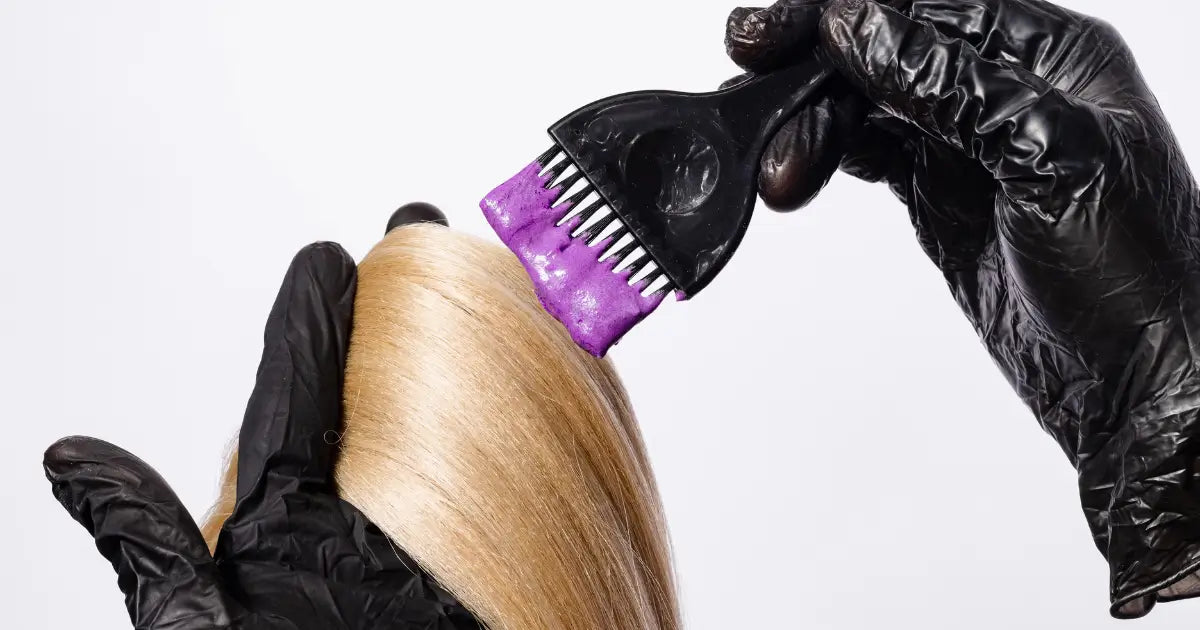
Can I Color My Hair After a Keratin Treatment?
If you’ve recently treated yourself to a smooth, sleek keratin treatment, you might be wondering, can I color my hair after a keratin treatment? Hair color is always an exciting option.
However, whether you want to go for a different color, cover your grey hair, or just refresh your existing color, timing is key after any chemical treatment, especially keratin. Keratin and hair dye can work well together, but it must be done correctly to avoid damage.
Let’s discuss what you need to know to keep your hair healthy and your keratin treatment’s results lasting as long as possible.
Can You Color Your Hair After a Keratin Treatment?
Yes, you can color your hair after a keratin treatment, but you need to wait. Most professional stylists recommend waiting at least two weeks after a keratin treatment before applying any hair dye. During that window, stick to a keratin safe shampoo and avoid harsh/clarifying formulas.
That waiting period gives your hair time to fully absorb the keratin, settle, and lock in the smoothing benefits. If you color your hair too soon, it can disrupt the keratin coating, making the treatment less effective and shortening how long it lasts.
Why Timing Matters After Keratin Treatments
Keratin treatments work by sealing a smoothing formula into your hair’s cuticle using heat. That outer cuticle layer becomes smoother, more sealed, and slightly more resistant to penetration—especially by hair dye.
If you apply color right after a keratin treatment, it may not deposit evenly, leaving you with patchy or dull results.
Beyond that, chemical treatments like keratin and hair dye both put stress on the hair. Doing them with time in between gives your strands a chance to recover, keeping them healthier in the long run.
What If You Color Your Hair Too Soon?
If you color your hair too soon after keratin, you might run into several problems. As mentioned earlier, the dye could struggle to penetrate the sealed cuticle, leading to uneven color or poor coverage.
In some cases, especially with permanent color, the chemicals in the dye could break down the keratin layer, causing frizz to return much sooner than expected.
Since chemically processed hair is more porous and fragile, layering color on top of fresh keratin increases the risk of dryness and breakage.
Should You Color Before or After a Keratin Treatment?
If you want to refresh your color and smooth your hair with keratin, the best option is to color first. Can I get a keratin treatment after coloring my hair? Absolutely!
In fact, coloring before a keratin treatment allows the smoothing formula to seal in your new color, helping it last longer and look more vibrant. The keratin also adds shine, enhancing the overall look of freshly colored hair.
However, if you’ve already had a keratin treatment and now want to color your hair, patience is key. Waiting two full weeks gives you the best chance at even, long-lasting color without compromising your keratin results.
Best Hair Color Types to Use After Keratin
Not all hair dyes behave the same way after keratin treatments. Semi-permanent and demi-permanent colors are gentler and often work better on keratin-treated hair than permanent dyes.
Permanent dyes contain stronger chemicals like ammonia and peroxide. These gentler options still provide rich color while minimizing the risk of damage or keratin loss.
If you’re going for a major color change, such as going from dark to blonde or adding highlights, it’s even more important to wait the full two weeks (or longer). It’s also best to work with a professional colorist experienced in keratin treatment on colored hair.
How to Protect Keratin-Treated Hair When Coloring
Once you’re ready to color, there are a few steps you can take to protect your smooth, frizz-free finish:
-
Use an ammonia-free dye if possible. Ammonia can be harsh on chemically treated hair.
-
Ask your stylist to use a low-volume developer to minimize stress on the hair cuticle.
-
Use sulfate-free shampoo and conditioner to keep the keratin layer intact and your color vibrant.
-
Use a deep conditioning mask a week after coloring to restore moisture and keep your hair soft.
What About Highlights or Balayage After Keratin?
If you’re thinking about highlights, balayage, or other techniques that involve lightening, extra care is needed. Bleaching opens the cuticle and can weaken the keratin layer.
For best results, get highlights before your keratin treatment. If you must do them after, wait at least three weeks and always follow up with deep conditioning to replenish lost moisture.
Signs Your Hair Needs a Break Between Treatments
If your hair already feels dry, brittle, or over-processed, adding more chemicals—whether color or keratin—can push it too far. Signs your hair needs a break before coloring include:
-
Excessive shedding or breakage
-
Lifeless strands that won’t hold style
-
Hair that feels sticky or gummy when wet
In these cases, hold off on coloring and focus on rebuilding strength with protein treatments and hydrating masks before any additional chemical processes.
How Long Should You Wait Before Coloring Keratin-Treated Hair?
To recap, here’s a simple timeline:
-
Ideally, color before a keratin treatment.
-
If you already did keratin, wait at least two weeks for color.
-
For highlights, balayage, or bleaching, wait at least three weeks.
-
If your hair feels weak or damaged, give it more time and focus on repair before coloring.
Can You Color Hair After Keratin Treatment at Home?
Yes, but proceed with caution. Many at-home dyes, particularly box dyes, contain high levels of ammonia and other harsh chemicals. These can weaken the keratin coating, leaving your hair frizzier than before.
If you’re set on coloring at home, choose a semi-permanent dye designed for color-treated or chemically processed hair, and avoid anything that claims to lighten or lift color.
Conclusion
A keratin treatment on colored hair can work beautifully if you time it right. Whether you want to refresh your current shade or try something new, the key is to give your hair breathing room between treatments.
If you are in doubt, work with a stylist who knows how to handle chemically treated hair to keep it healthy, vibrant, and smooth for the long haul.
By following these simple guidelines, you can enjoy the best of both worlds—gorgeous color and frizz-free, silky hair.
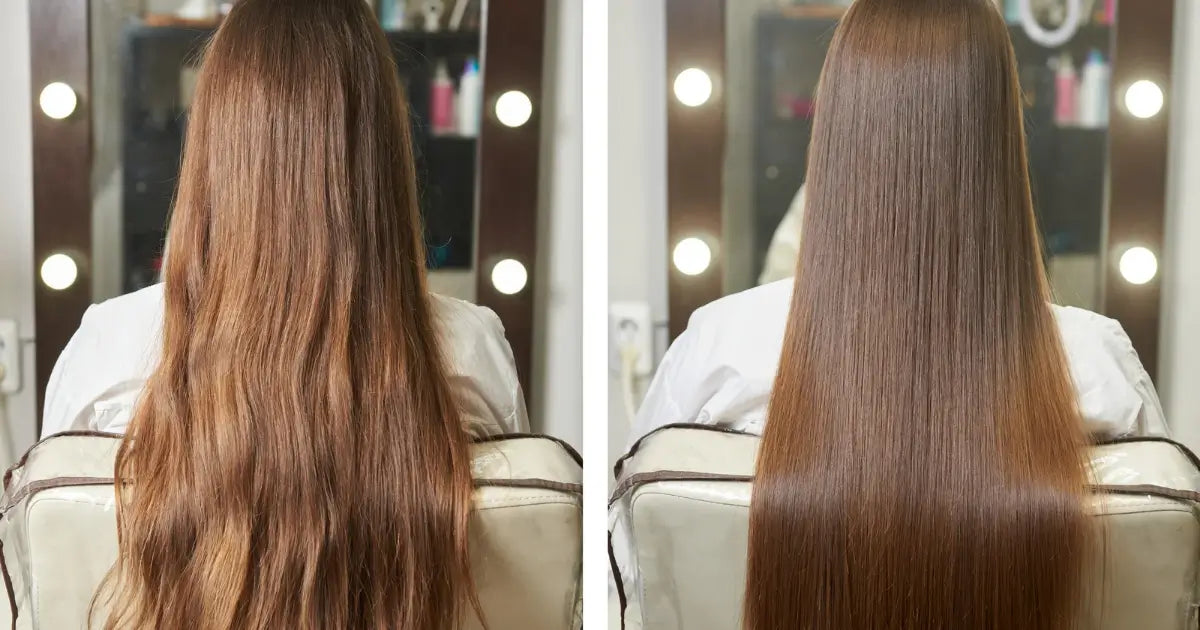
Hair Treatment for Smooth Hair: Top Solutions for Frizz-Free Shine
Let’s be honest: most of us want hair that’s smooth, shiny, and easy to manage. But getting there can feel like a never-ending struggle. Heat styling, hair color, humidity, and a fast-paced life can make hair dry, frizzy, or just plain unmanageable.
The good news? There are tons of smoothing hair treatments out there that can help. Whether you’re looking for a quick shine boost or something that keeps your hair smooth for longer, we have an extensive list.
Let’s review some of the best options so you can decide which one is right for your hair and lifestyle.
Why Smooth Hair Can Feel So Hard to Get (and Keep)
Before we jump into the treatments, it helps to know why so many people struggle with frizz, roughness, and dull hair in the first place.
For starters, the outer layer of our hair, the cuticle, is supposed to lie flat and smooth. However, heat, chemicals, and even brushing can lift it. When that happens, moisture escapes, frizz sneaks in, and hair loses its natural shine.
That’s where smoothing treatments for hair come in. They help seal the cuticle back so your hair reflects light better and feels softer.
Best Hair Treatment for Smooth Hair: Top Solutions
Brazilian Smoothing Treatment
If you’re looking for long-lasting smoothness without sacrificing volume, a Brazilian smoothing treatment could be your ideal solution. It helps reduce frizz, enhance shine, and make hair more manageable while keeping natural movement.
Ybera’s Fashion Gold Brazilian Smoothing Treatment uses an organic acid system, sealed with flat iron heat, for a sleek, polished finish. The result? Softer, shinier hair that resists humidity. The smoothing effect fades gradually, and the right aftercare helps it last longer.
Plus, you can still wear your hair wavy or curly when you want, which makes it a versatile option for many hair types. If you’re curious about other options, check out Types of keratin treatments to find the best fit for your hair.
Important: For professional use or experienced users. Perform a strand and patch test 48h before use. Avoid contact with eyes and scalp. Apply in a well-ventilated area. Do not use on irritated or damaged scalp. Keep out of reach of children.
Deep Conditioning Masks
Deep conditioning masks can make a big difference if you’re not ready for a full salon treatment.
The best part? You can use them right at home. These masks are packed with ingredients like argan oil, shea butter, or proteins to drench your hair in moisture and help smooth down the cuticle.
The trick with masks is consistency.
It’s not a one-and-done thing. You’ll probably notice softer, shinier hair quickly if you work them into your weekly routine, like every Sunday night while you binge your favorite show. They’re especially great if your hair feels dry after coloring, heat styling, or seasonal frizz.
Hair Gloss Treatments
Sometimes your hair isn’t particularly frizzy or damaged, but it doesn’t look exciting.
That’s where gloss treatments come in. Think of them like a top coat for your hair. They don’t change your color (unless you want them to) but give your hair a smooth, shiny finish.
Gloss treatments are perfect if you’ve got a big event coming up or if your hair’s been looking a little blah lately. They’re quick at the salon, and the results usually last a few weeks. This is your shortcut to extra shiny hair.
Hot Oil Treatments
If you’ve ever done a DIY hot oil treatment at home, you know how good they can feel. And they’re still a great way to smooth your hair without fuss.
Nowadays, these versions use lighter oils like argan, jojoba, or coconut, so you don’t end up with greasy roots.
Warm the oil (always test the temperature first so it’s warm, never hot), massage it into your hair, and pop on a shower cap. Then put on your favorite show, grab a snack, and let it work for about 20 minutes.
When you rinse your hair, it should feel softer, shinier, and way more manageable. This is one of those easy, budget-friendly options that works well for most people, especially if your hair is dry. Old-school, but still impressive.
Bond Repair Treatments
If your hair has been through a lot, including bleach, color, and too much heat styling, no smoothing treatment will last if it is too damaged.
That’s where bond repair treatments come in. They are designed to work inside the hair, not just on the surface.
Remember: when the inside is strong, the outside looks smoother and healthier.
These treatments are a good option if your hair always feels rough or breaks easily, even after conditioning. You can use them alongside other smoothing treatments, so you don’t have to choose between caring for your hair and smoothing it.
Silk Press
A silk press could be exactly what you want if your hair is naturally curly or coily but you’re not ready to commit to longer-lasting smoothing.
It’s a blowout combined with expert flat ironing. Your hair is smooth, shiny, and bouncy.
The nice thing about a silk press is that it’s temporary. Once you wash your hair, your natural curls or coils return. That makes it an excellent option for special events or switching things up for a week or two.
Which Treatment Should You Try?
With so many options, the best treatment depends on:
✔ What you want (long-lasting vs. temporary)
✔ How much time you’ll spend on maintenance
✔ Your hair type (straight, curly, fine, thick)
Quick Guide:
-
For frizz control & long-lasting smoothness: Brazilian Smoothing Treatment
-
For shine: Gloss treatment or silk press
-
For damaged hair: Bond repair
-
For hydration: Deep conditioning or hot oil treatments
-
For a natural approach: Hot oil treatments or conditioning masks
If you’re unsure, talk to your stylist. They’ll help you find the right option for your hair type and lifestyle.
FAQs
What Is a Smoothing Treatment for Hair?
If you’re wondering, “What is a smoothing treatment for hair?” it’s any treatment designed to reduce frizz, enhance shine, and make hair easier to manage. This includes keratin and Brazilian smoothing treatments, deep conditioning masks, bond repair treatments, and even oil-based options. The right one depends on your hair type, lifestyle, and maintenance preferences.
Is Keratin Smoothing Treatment Good for Hair?
Many people ask, “Is keratin smoothing treatment good for hair?” The answer depends on your hair type and needs. If you struggle with frizz and want long-lasting smoothness, a smoothing treatment can be an excellent solution. It helps reduce styling time, adds shine and improves humidity resistance. To maintain the results, wash with a sulfate free shampoo for keratin treated hair and pair it with a gentle, hydrating conditioner.
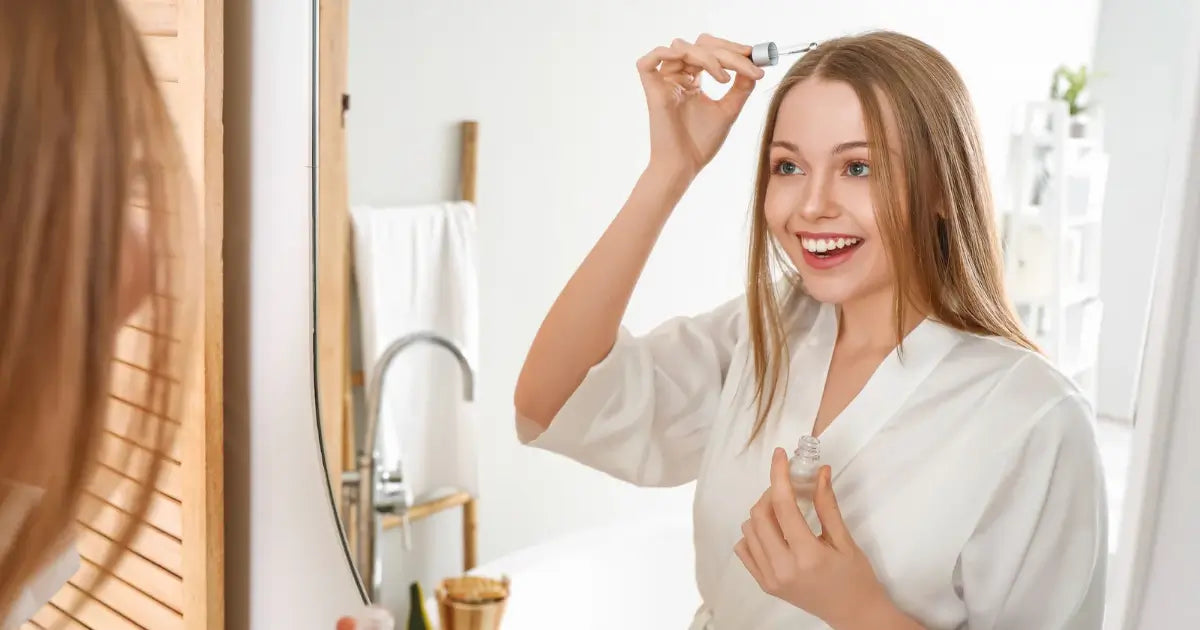
How to Do Keratin Treatment at Home: A Complete DIY Guide
If you love the smooth, frizz-free look of a salon keratin treatment but don’t want to spend a fortune, you’re in luck! With the right products and techniques, you can achieve professional-level results from the comfort of your home.
That’s where a keratin treatment at home comes in. This guide will walk you through each step of the process from preparation to application—so you can enjoy sleek, manageable hair without ever stepping into a salon.
Benefits of Doing a Keratin Treatment at Home
One of the most significant advantages of doing a keratin hair treatment at home is the cost savings. Professional treatments can easily cost hundreds of dollars, especially if you have long or thick hair. With at-home kits, you’re paying a fraction of that.
There’s also the convenience factor. You can do your treatment whenever it fits your schedule. You don’t have to deal with the hassle of appointments or waiting for a stylist. Plus, you have complete control over the products you use, which is especially important if you’re particular about avoiding harsh chemicals.
Most importantly, at-home keratin treatment allows you to customize the process. You can choose whether you want subtle smoothing or a more dramatic frizz-free finish. All you have to do is adjust the steps to match your goals.
What You’ll Need for a DIY Keratin Treatment
Before you start, make sure you have everything ready. The process takes a bit of time, so having all your products prepared will help you avoid interruptions once you begin.
-
A high-quality at-home keratin treatment kit — Look for sulfate-free formulas, ideally with nourishing ingredients like argan oil, coconut oil, or aloe vera.
-
Clarifying shampoo — This preps your hair by removing product buildup.
-
Wide-tooth comb — Used to distribute the product evenly.
-
Sectioning clips — Helps keep things organized.
-
Blow dryer — Needed for part of the sealing process.
-
Flat iron with adjustable heat — Essential for sealing the keratin into your hair.
-
Gloves (optional) — Some kits recommend them for applying the product.
Step-by-Step Guide to Doing a Keratin Treatment at Home
Step 1 – Start with Clean, Product-Free Hair
Before applying your keratin treatment, make sure your hair is free of product buildup. Wash your hair with a clarifying shampoo to get rid of any oils, conditioners, or styling products. Avoid using a regular moisturizing shampoo—your hair needs to be as clean and “naked” as possible so the keratin can bond properly.
Once you’ve washed your hair, gently towel-dry until it’s damp but not dripping wet, and comb through to remove any tangles.
Step 2 – Section Your Hair
Divide your hair into four or more sections using clips. Smaller sections help ensure even product distribution, which is key for consistent results.
Step 3 – Apply the Keratin Treatment
Wondering how to do keratin treatment at home? Start by applying the keratin treatment to each section by following the instructions from your specific kit. Use a wide-tooth comb to spread the product from root to tip, ensuring every strand is coated.
Most products recommend applying them about half an inch away from the scalp to avoid buildup at the roots. Take your time—rushing can lead to uneven application. The more evenly you apply the product, the smoother your final result will be.
Step 4 – Let It Sit
Keratin treatments usually need time to soak in and bond to your hair. Depending on the product, this could be anywhere from 20 minutes to an hour. Avoid touching your hair or disturbing the sections during this waiting period.
Step 5 – Blow Dry Your Hair
Once the product has set, it’s time to blow dry. Use a medium heat setting and a round brush to help smooth your hair as you dry. This step is essential because it activates the treatment and starts the sealing process.
Step 6 – Seal with a Flat Iron
This is where the magic really happens. Set your flat iron to the temperature recommended by your keratin kit, usually between 350°F and 450°F. Just like before, work with small sections and run the flat iron over each piece multiple times. The heat helps lock the keratin into your hair, giving you that smooth, shiny finish.
Step 7 – Follow Post-Treatment Care
Most keratin treatments require a bit of aftercare, but it’s worth it. Depending on the product you used, you may need to avoid washing your hair for 48 to 72 hours to let the treatment fully set. Also, avoid ponytails, clips, or anything that could leave dents or creases in your hair during this time.
For a complete guide on maintaining your smooth, frizz-free results, check out our Keratin Treatment Aftercare tips.
When you do wash your hair, use a sulfate-free shampoo for keratin treated hair and conditioner to help extend the life of your treatment.
Best Keratin Treatment for At-Home Use
When choosing an at-home keratin treatment, it’s essential to pick a high-quality formula that delivers long-lasting smoothness without harsh chemicals. If you're looking for a professional-grade treatment that’s easy to use at home, Fashion Gold Brazilian Keratin Smoothing and Straightening System is an excellent choice.
Why Choose Fashion Gold Brazilian Keratin Treatment?
-
Salon-Quality Results at Home — Achieve silky, frizz-free hair with a professional-grade formula that smooths and strengthens your strands.
-
Long-Lasting Effect — Enjoy up to three months of straight, manageable hair with proper care.
-
Safe & Nourishing Formula — Infused with keratin and essential nutrients to restore hair health while eliminating frizz.
-
Suitable for All Hair Types — Whether you have curly, wavy, or frizzy hair, this treatment tames and transforms it into sleek, smooth locks.
-
Easy to Apply — Designed for at-home use with simple, step-by-step instructions for effortless application.
Common Mistakes to Avoid
-
Skipping the clarifying shampoo step — If your hair isn’t immaculate, the keratin won’t bond properly.
-
Using too much product — More isn’t always better. Overloading your hair can leave it greasy or stiff.
-
Skipping the flat iron step — This heat step is what seals the treatment, so it’s essential for lasting results.
-
Washing your hair too soon after the treatment — Give the keratin time to bond before you shampoo again.
-
Using excessive heat — Too much heat can cause unnecessary damage.
Conclusion
Doing a keratin hair treatment at home can be a game-changer for anyone struggling with frizz and dryness. With a bit of time, the right products, and careful attention to each step, you can achieve salon-level smoothness from the comfort of your bathroom.
For the best results, consider using Fashion Gold Keratin Treatment. Its salon-quality formula tames frizz, enhances shine, and leaves hair sleek and manageable—all without the hassle of a salon visit.
FAQs
How Can I Do Keratin Treatment at Home?
If you’re wondering how you can do keratin treatment at home, simply follow the steps outlined above. Using the right products, properly applying the treatment, and sealing it with heat will help you achieve salon-quality results.
How Long Will Your At-Home Keratin Treatment Last?
Results can vary depending on the product, your hair type, and how well you adhere to the instructions. On average, an at-home keratin treatment can last anywhere from four to eight weeks. Using sulfate-free shampoo, limiting heat styling, and avoiding chlorinated water can all help extend your results.

Keratin Treatment Aftercare: 7 Must-Know Tips for Long-Lasting Results
You’ve just walked out of the salon with sleek, smooth, frizz-free hair—pure perfection! But how do you keep it that way? Here’s the thing: the longevity of that gorgeous shine depends on how well you care for your hair afterward. Without proper keratin hair treatment aftercare, your keratin treatment could fade much faster than expected.
So, to keep your hair looking as fresh as it did just when you left the salon, here are seven simple but essential keratin treatment aftercare tips. These will help you get the most for the money you spend on the treatment.
Why Keratin Treatment Aftercare Is Essential
Whatever types of keratin treatment you opt for, aftercare is essential. A keratin treatment works by filling in the gaps in your hair’s structure with protein. This smoothens the cuticle and makes your strands more manageable. But that smoothness isn’t permanent. From the shampoo you use to your hair wash frequency, everything can impact how long the results last.
If you follow the right aftercare for keratin treatment, you can keep that salon-quality hair for months. However, if you ignore it, your frizz and flyaways will show up much sooner than you thought.
Keratin Treatment Aftercare: 7 Must-Follow Tips
1. Hold Off on Washing—Seriously
I know, I know. Going three whole days without washing your hair might sound impossible. But trust me, it’s worth it. Your stylist probably told you to wait at least 72 hours before shampooing. Remember that it is not just a suggestion; it’s a must.
If you’re wondering, "When can I wash my hair after keratin treatment?"—the answer is at least three days after the procedure. Washing too soon can rinse out the keratin before it fully bonds to your hair. Your scalp might get a little oily in those days, but resist the urge to tie your hair back or use dry shampoo.
Just let it be for the first few days to avoid messing with the results.
2. Ditch the Sulfates and Harsh Shampoos
Choose your shampoo wisely for when you finally wash your hair. Regular shampoos with sulfates are a big no-no because they strip away moisture and break down the keratin coating much faster. Instead, choose a sulfate-free, keratin-friendly shampoo that gently cleanses your hair without undoing all that smoothing magic.
Another ingredient to watch out for? Sodium chloride.
Even something as simple as regular table salt in your shampoo can shorten the life of your treatment. Always check the label before buying.
3. Be Careful with Heat Styling
One of the best things about a keratin treatment is that you won’t need to use a flat iron to straighten your hair as much. But if you do decide to use any heat tools, be careful. Excessive heat, especially without a heat protectant spray, can dry out your hair and wear down the keratin faster.
Stick to low- to medium-heat settings and never overdo it. Even better, let your hair air-dry when you can or use the cool setting on your blow dryer. Your hair will thank you.
4. Keep Humidity in Check
If you live somewhere humid, you already know what a nightmare frizz can be. Even with a keratin treatment, moisture in the air can still mess with your hair if you’re not careful.
To protect your strands, use a light anti-humidity spray before heading outside. It acts as a barrier to keep frizz from creeping back in. If the forecast looks extra humid, throwing on a silk scarf or a hat can help, too.
5. Upgrade Your Pillowcase
This is something you might not think about, but your pillowcase makes a difference in how long your keratin hair treatment aftercare results last. Cotton pillowcases can create friction, leading to frizz and breakage. Using a silk or satin pillowcase will help keep your hair smooth while you sleep.
If you have a habit of tossing and turning at night, you can also braid your hair loosely or put it in a low ponytail to prevent tangles. Just don’t use tight elastics that can leave dents in your freshly treated hair.
6. Keep Up with Deep Conditioning and Touch-Ups
A keratin treatment won’t last forever, but with the right keratin treatment aftercare, it can last three to five months. Once you start noticing frizz creeping back in, it’s probably time for a touch-up.
Between salon visits, deep conditioning treatments are a game-changer. Find masks with keratin, argan oil, or coconut oil to keep your hair hydrated. Doing this every couple of weeks will help extend the smoothness and shine.
Conclusion
Taking care of your hair after a keratin treatment doesn’t have to be complicated. With the right shampoo, fewer washes, and some extra protection from heat and humidity, you can keep your hair looking smooth and glossy for months.
Stick to these simple keratin aftercare tips, and your hair will stay smooth, frizz-free, and effortlessly manageable—day after day.
FAQs
When can I wash my hair after keratin treatment?
The ideal waiting period is at least 72 hours after your keratin treatment. Washing your hair too soon can weaken the treatment and shorten its longevity.
Can I color my hair after a keratin treatment?
The short answer is yes—but it's best to wait at least two weeks to ensure the keratin is fully set. For a detailed guide, check out Can I Color My Hair After a Keratin Treatment?
Is swimming bad for keratin-treated hair?
Chlorine and saltwater can break down the treatment faster. It’s best to avoid pools and the ocean for at least two weeks. If you go swimming, wet your hair first, apply a leave-in conditioner, and wear a swim cap for extra protection.

5 Best Shampoo After Keratin Treatment for Lasting Smoothness
Just got a keratin treatment? To keep your hair smooth, shiny, and frizz-free, choosing the best shampoo after keratin treatment is essential. Some shampoos contain harsh chemicals that strip away moisture and keratin, making your hair dry and brittle. Using a keratin-friendly shampoo helps maintain your treatment, ensuring long-lasting softness and salon-like shine.
Let’s take a look at some top-rated shampoos that will keep your keratin-treated hair looking its best.
Key Ingredients to Look for in the Best Shampoo After a Keratin Treatment
Due to its smoothness, hair becomes extremely sensitive after a keratin treatment. Exposure to severe weather conditions and harmful chemicals may strip away the keratin. Choosing the best shampoo to use after a keratin treatment is necessary to maintain moisture and prolong smoothness.
Sulfate-Free Shampoo
Always choose a sulfate-free shampoo. Sulfates are harsh detergents that strip away natural oils, leaving hair dry and brittle. Instead, look for gentle cleansers that preserve moisture and keep your keratin treatment intact. Most shampoos contain harsh surfactants, such as sulfate or sodium lauryl sulfate, which pull out natural oils and weaken the hair's roots.
Natural Oils and Hydrating Agents
When looking for the best keratin shampoo, always choose one with natural oils and hydrating agents to maintain a sleek, professional look. Hydrating agents help retain moisture, keeping your hair soft and preventing dryness. Opt for shampoos with oils like:
-
Argan oil — Keeps hair hydrated and shiny.
-
Coconut oil — Prevents frizz and keeps hair cuticles flat and smooth.
-
Aloe vera — Soothes the scalp and nourishes hair.
Keratin and Protein Infusions
Many shampoos contain keratin and protein to help people maintain the keratin treatment. These shampoos help restore the natural nature of the shampoo and stop the keratin in their hair from washing away.
UV and Heat Protection
Subsequent shampoos with heat protection are necessary because, after keratin, your hair becomes heat-sensitive. High-temperature iron rods lock protein in hair during keratin treatment. Exposure to sunlight or high heat may damage the hair cells. Therefore, always ensure that your shampoo contains a heat protector. Shampoos shield your hair from heat and sun rays by forming a protective layer.
5 Best Shampoos to Use After Keratin Treatment
The best shampoo to use after a keratin treatment will help maintain the smooth texture of the hair.
1. Ybera Protect & Control Shampoo
Ybera Protect & Control Shampoo is the best choice for keeping your keratin-treated hair smooth, frizz-free, and healthy. Its sulfate-free formula gently cleanses without stripping essential oils, helping your treatment last longer. With every wash, your hair feels softer, shinier, and more manageable, giving you that salon-fresh look at home.
This shampoo goes beyond cleansing—it nourishes, strengthens, and protects your hair from dryness and damage. Whether your hair is color-treated or naturally dry, it helps maintain hydration and shine while keeping your scalp feeling fresh. If you want long-lasting, vibrant, and silky-smooth hair, this is the perfect addition to your routine.
Key Ingredients:
-
Keratin proteins
-
Argan oil
-
Jojoba oil
-
Panthenol (Pro-Vitamin B)
-
Aloe vera extract
2. L’Oréal Paris EverPure Sulfate-Free Shampoo
L'Oréal Paris's EverPure sulfate-free shampoo is one of the perfect shampoos after a keratin treatment. It does not include harsh cleaning agents like sulfates. Using this shampoo helps cleanse dirt from hair without stripping off its natural oils. Moreover, it is safe for color-treated hair and protects the scalp from getting dry, ensuring 2x moisture.
L'Oréal’s sulfate-free shampoo is rich in antioxidants that help protect hair from environmental damage and provide protection under severe weather conditions. Furthermore, it prevents hair color from fading because it is formulated to protect hair from damage.
Key Ingredients:
-
Vitamin E
-
Antioxidants
-
Camelina oil
-
Green tea extract
3. Olaplex No. 4 Bond Maintenance Shampoo
Olaplex No. 4 is a high-keratin maintenance shampoo that deeply penetrates the scalp and helps repair and restore damaged hair bonds. It is designed to nourish and protect hair while maintaining its natural texture and hydration. Olaplex No. 4 is a good shampoo to use after a keratin treatment due to its strong support for bond repair.
It is also helpful in maintaining the hair's natural oils, preventing dryness and hair damage. Olaplex No. 4 is highly hydrating due to its numerous hydrating and moisturizing agents.
Key Ingredients:
-
Bond-building molecules
-
Glycerin and panthenol
-
Vitamins and plant extracts
4. Moroccanoil Moisture Repair Shampoo
Moroccanoil Moisture Repair Shampoo is a premium hair care product for damaged, color-treated, and keratin-treated hair. It is also free of sulfates, which can weaken the hair's roots. This highly effective repair shampoo is the best keratin shampoo after keratin treatment because it contains argan oil, the best hair moisturizer. It supports the keratin treatment to show long-lasting results.
Key Ingredients:
-
Glycerin
-
Honey
-
Green tea extract
-
Argan oil
-
Keratin
-
Vitamins and plant extracts
5. Pureology Hydrate Shampoo
Pureology Hydrate Shampoo is a great choice for people with keratin-treated hair. Its keratin-friendly formula guarantees soft, healthy, and frizz-free locks. It cleanses the hair gently while repairing and strengthening the hair and scalp. Its antioxidant-rich properties make it a perfect solution for people with keratin treatment. Using it once or twice a week will ensure a long-lasting keratin effect.
Key Ingredients:
-
Fatty acids
-
Multiple moisturizing agents
-
Glycerin and honey
-
Argan oil
-
Antioxidants
-
Anti-fading agents
How to Use a Keratin-Friendly Shampoo
Using a keratin-friendly shampoo requires proper care. Follow these tips for the best results:
-
Washing your hair with lukewarm water will ensure better results. Lukewarm water increases the efficiency of the hydrating agents, preventing oil stripping.
-
Avoid applying large quantities of keratin shampoo; instead, use smaller quantities to focus on the scalp and hair roots.
-
Gently massage the shampoo all over the head.
-
Rinse thoroughly.
-
Using a keratin-friendly conditioner is a plus point for locking in moisture.
-
After washing the hair, avoid drying it with a heat blower. Blot the water with a towel or use a low-temperature blower.
Proper aftercare plays a vital role in maintaining your treatment. Learn more in our Keratin Treatment Aftercare guide.
Conclusion
The best keratin shampoo makes all the difference in keeping your keratin-treated hair smooth and healthy. Avoid harsh formulas that strip away moisture, and stick to gentle, sulfate-free shampoos instead.
Ybera Protect & Control Shampoo and L'Oréal Paris EverPure are top picks for maintaining long-lasting results. They cleanse without drying out your hair, keeping it soft, frizz-free, and vibrant. With the right care routine, you can enjoy a flawless, frizz-free look that lasts!
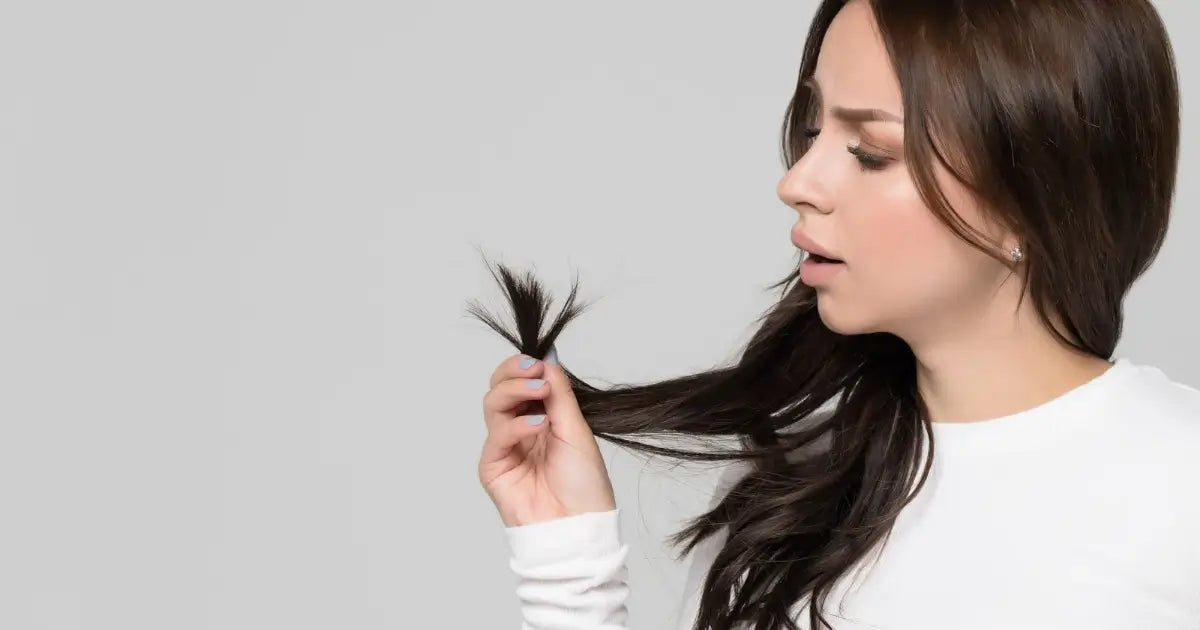
How to Prepare for a Keratin Treatment: A Step-by-Step Guide
Do you want to know how to prepare for a keratin treatment? Keratin is a hair-smoothing treatment that helps control frizz and make hair more manageable. While it does not contain harmful ingredients, proper preparation is essential for the best results.
Before getting started, it’s essential to understand how to prepare for a keratin treatment to achieve optimal results. To get ready for a keratin treatment, consider getting a fresh haircut, washing your hair thoroughly, and selecting the right keratin formula.
Choosing a reputable salon is also crucial for an effective treatment. Explore this article to learn the key steps needed when preparing for keratin treatment.
Why Do You Need to Prepare Yourself for a Keratin Treatment?
Preparing yourself before keratin treatment helps you prevent the side effects. Here is why you should prepare for a keratin treatment:
Maximizes Treatment Effectiveness
Proper preparation, such as getting the hair, washing it, and avoiding using colors or chemicals on it, will help you achieve better results in less time. Prepping your hair ensures that the keratin absorbs properly, leading to smoother, longer-lasting results.
Ensure Proper Precautions
Prepping hair sets an ideal condition for your hair and prevents it from damage. Learning about preparation helps you to know how to manage your hair for keratin.
Prevents Unwanted Damage
Some shampoos, serums, or chemical products are not encouraged to be used with keratin because they can interfere with keratin treatments, causing damage or reducing effectiveness. Preparing beforehand ensures uniform application and prevents unwanted damage.
Ensures Even Application
A well-prepared scalp and neat and clean hair promote the even and efficient application of keratin and reduce the risk of patchy results.
How to Prepare for a Keratin Treatment: Step-by-Step Guide
If you plan to get a keratin treatment, start preparing yourself at least 1–2 weeks before the treatment. Avoid applying any chemically formulated serums and gels. Here is the step-by-step guide for how to prepare yourself for a keratin treatment:
1. Choose the Right Salon and Product
Choosing the right keratin product is necessary. There are various keratin products for different hair types. Always select a high-quality keratin with some professional suggestions. There are different types of keratin formulations for people with sensitive scalps, thick hair, soft hair, or curly hair.
Moreover, some keratin may contain formaldehyde formulas. Ensure you get formaldehyde-free keratin formulas for efficient results. Furthermore, choosing the right salon and hair expert is necessary. Look for stylists with experience in keratin treatments. Read customer reviews to ensure quality service.
We recommend Brazilian keratin treatment for smooth, frizz-free hair with long-lasting shine and softness.
2. Wash Your Hair 24–48 Hours Before the Treatment
Always get a proper hair wash with gentle cleansers or shampoos one day before the treatment so you can have fresh hair with no additional layers of oil on it. Washing ensures that keratin protein evenly settles on your hair and there is no blockage by oils or other dust particles. Washing your hair properly is a key part of how to prepare hair for keratin treatment, as it ensures the keratin absorbs evenly. Consider the following tips:
-
Use a sulfate-free shampoo.
-
Avoid using heavy conditioners or serum after washing.
-
Let your hair air-dry or blow-dry it on a low setting.
3. Avoid Heavy Styling Products
Avoid heavy hairstyles before getting keratin treatment so you can have a natural texture. Heavy hairstyling includes excessive use of hairsprays and gels, making it problematic for the keratin protein to settle on the hair. Stop using hair masks or serums at least one week before getting the hair treatment because they create a barrier that prevents the keratin from fully penetrating.
4. Get a Trim if Needed
If you are concerned about how to prepare for a keratin treatment, don't worry. Simply get yourself a fresh haircut. Get rid of damaged hair, as well as dead hairs and split ends. Split ends can also be a barrier to smooth keratin treatment. Moreover, this approach helps minimize the overall treatment time while ensuring that keratin is applied precisely to the necessary areas. It provides effectiveness and reduces product waste.
5. Perform a Patch Test
If you are getting keratin treatment for the first time or using a new brand, always have a patch test. It will help you identify whether you are allergic to the keratin. If the patch test is successful, you can get the whole treatment.
6. Avoid Hair Coloring Right Before the Treatment
If you use any hair color or any hair treatment, avoid applying it almost one week before the treatment. Hair dyes contain harsh chemicals that can affect keratin absorption. So, dye your hair a week before the treatment or wait until you get the keratin.
7. Detangle Your Hair Before the Appointment
Smooth hair on the day of treatment is necessary for an even distribution of the protein and perfect keratin settlement. Tangled hair can make the application process more difficult, so detangle your hair to avoid any problems or inconvenience.
8. Avoid Heavy Oils
Heavy oil application or the use of a thick formulation can block keratin settlement. Therefore, avoid using heavy oils on your hair before the keratin treatment because some oil residue may remain stuck to the hair, causing trouble.
9. Schedule the Treatment on a Low-Humidity Day
Try to book your appointment on a day when humidity is low. High humidity can interfere with keratin settlement.
10. Wear Comfortable Clothing to Your Appointment
Keratin treatments can take a few hours, so wear something comfortable during your appointment. You should wear a loose or old shirt so you can easily change clothes in case of any problems.
Post-Treatment Tips for Long-Lasting Results
Keratin preparation is not just about prepping yourself before the treatment. It also includes the methods and ways of maintaining the treatment for long-lasting results. Once you’ve completed your keratin treatment, follow these steps to maintain smooth, frizz-free hair:
-
Avoid instant hair washing: There is no need to worry about how to prepare for a keratin treatment because you can maintain it easily by following simple steps. Never wash your hair immediately after getting the keratin protein treatment. Wait for at least 72 hours because it may wash away all the essential proteins.
-
Use sulfate-free shampoos: After getting a keratin treatment, avoid sulfates—the best shampoo after keratin treatment is a gentle, sulfate-free formula designed to preserve the smoothing layer and extend results.
-
Minimize heat styling: Once you get the keratin treatment, minimize heat styling because too much heat may damage your hair. Also, heat protectants should be used when exposed to the sun.
Conclusion
Struggling with how to prepare for a keratin treatment is no longer difficult. Start prepping yourself 1–2 weeks before the treatment. The first step is choosing the right product and salon. The best keratin treatment depends on your hair type, desired results, and sensitivity to certain ingredients. Whether you want long-lasting smoothness, frizz control, or a temporary shine boost, there is a suitable option available.
Wash your hair a day before the treatment to ensure even protein application. Proper preparation and aftercare are essential to maintaining the benefits of the treatment.
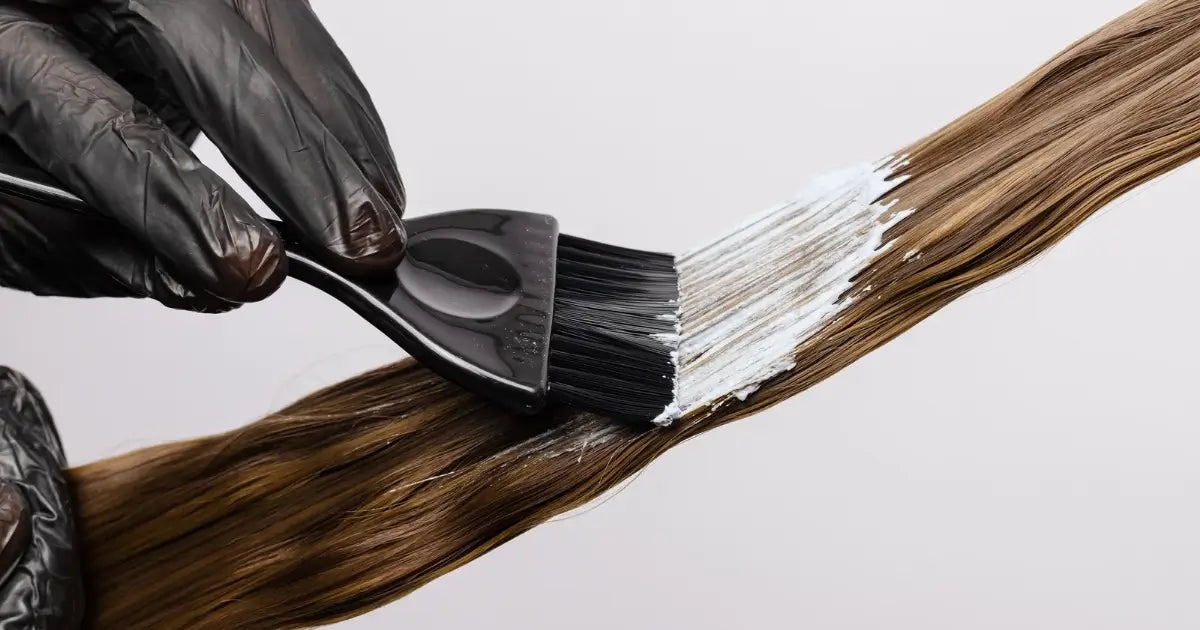
Keratin Treatment Facts: Myths Debunked and Truths Revealed
Are you excited to learn the most interesting keratin treatment facts? Keratin treatments have gained immense popularity as a solution for frizzy and unmanageable hair.
However, various myths surround them, particularly regarding their safety. Do they cause damage over time? Are their benefits only temporary? In this article, you will find the whole truth about keratin treatments and their real effect on hair health.
A keratin treatment is a professional hair-smoothing treatment. It contains gentle chemicals that improve the quality of the hair. They also include a protein that penetrates the hair cuticle, reducing frizz and enhancing shine.
Unlike traditional hair straightening treatments, keratin treatments do not cause hair breakage but strengthen the roots and scalp.
Common Myths and Keratin Treatment Facts
The popularity of keratin treatment has also raised some myths about it. According to some studies, almost 61% of women worldwide have treated their hair with keratin. This evidence underscores the fact that keratin poses no harm and is accessible to all. Here are some facts to clear up the myths about keratin treatments.
1. Keratin Treatments Are Unsafe
The myth that keratin is unsafe and will damage the hair texture and quality is widespread. However, this belief is not based on facts. In reality, keratin treatments are extremely safe as they restore the damaged hair texture over time.
Keratin restores dead cells, strengthens the scalp, and nourishes the roots. Facts about keratin treatment prove that keratin is an essential protein that aids in hair recovery without affecting its natural structure.
The safety of keratin treatments also depends on their quality and formulation. Always look for formaldehyde-free keratin treatments or plant-based formulas to minimize health risks.
2. Keratin Treatments Permanently Straighten Hair
Another common myth is that keratin treatment permanently straightens hair. This is not true. A keratin treatment lasts up to a year but does not alter the natural hair structure. Instead, it smooths the hair and reduces frizz by locking in moisture. Once the treatment gradually washes out, the hair texture returns.
Keratin treatments can be either temporary or permanent, depending on the specific formula and application method. The choice between a long-term or short-term solution ultimately depends on individual hair goals and preferences.
3. Keratin Treatments Are Suitable for All
According to keratin hair treatment facts, keratin treatment is safe and suitable for all hair types. They work well for curly, wavy, and frizzy hair. However, people with already straight and silky hair may not see significant results. The outcome also varies depending on the hair's condition and previous treatments.
Consulting a professional stylist or testing the treatment on a small section of hair before a complete application can help determine suitability.
4. Keratin Damages Hair Over Time
A myth about keratin treatments is that they damage hair over time. Keratin is extremely safe, but you need to be extra careful after the treatment. Keratin makes the hair extremely smooth and silky, but excessive heat styling or applying too frequently can weaken hair.
Using sulfate-free shampoos and conditioners after keratin treatments helps maintain the results. Avoiding further chemical treatments and reducing the use of heat will strengthen your hair.
5. Keratin Treatments Lighten Hair Color
As per keratin hair treatment facts, some keratin treatments can slightly alter hair color. This is particularly noticeable in blonde or highlighted hair. The heat-sealing and moisture-locking process may oxidize color molecules, leading to a slight color shift.
Using a color-safe keratin treatment can help prevent this. Additionally, choosing a high-quality keratin formula ensures minimal changes to hair color.
6. Keratin Treatments Make Hair Greasy
A common concern is that keratin treatments will make the hair appear greasy, dead, or lifeless. The fact is that the right keratin formula helps achieve sleek hair without excessive oiliness. Keratin contains proteins that give hair a hydrated look, but improper application can lead to an oily or greasy texture.
A properly applied keratin treatment does not cause greasiness. However, excessive keratin buildup can lead to an oily appearance. The key is to choose a treatment that matches your hair type and preferences.
7. Once You Get a Keratin Treatment, You Can’t Use Other Hair Products
The myth that you can't use any other product after a keratin treatment is baseless. Extra care is required after a keratin treatment, but you can use other products that are sulfate-free and free of harsh chemicals. Using lightweight serums and heat protectants will help maintain the treatment.
Once you get a keratin treatment, ensure you use keratin-friendly products to prolong the results and prevent unnecessary damage.
8. Keratin Treatments Cause Hair Loss
Keratin treatment strengthens the hair by fulfilling its nutrient needs. The myth that keratin breaks hair or causes shedding is a misconception. However, excessive heat exposure during the application process can weaken hair roots, leading to breakage.
Facts about keratin treatments confirm that proper application does not lead to hair loss. Moreover, choosing an experienced stylist and maintaining a proper aftercare routine will help the results last longer.
Conclusion
Keratin treatments have become a popular option for those seeking salon-quality hair. It is an effective way to make the hair more manageable and sleeker for longer. However, many myths are associated with this treatment, leading to misinformation.
Understanding the facts about keratin treatments is essential to fully appreciate their benefits. While keratin is highly effective in controlling frizz and strengthening the hair, it is crucial to use the right aftercare techniques to prevent any potential harm.
Want to learn how keratin treatments can transform your hair? Refer to our in-depth guide on the benefits of keratin treatments.

Types of Keratin Treatments: Which One Is Right for You?
Keratin treatments have changed the way we care for our hair. If you’ve ever wanted smooth, frizz-free locks, you’ve probably looked into these treatments. With so many options available, choosing the right one can be confusing. In this article, we’ll break down the types of keratin and smoothing treatments, explain how they work, and help you find the best option for your hair type.
Exploring the Different Types of Keratin Treatments
Not all keratin treatments are the same. Let’s explore the options to find the right match for your hair.
Brazilian Keratin Treatment (BKT)
Originating in Brazil, this popular treatment is known for taming frizz and straightening hair, especially for very curly or unruly textures. The process involves applying a keratin-based formula, followed by blow-drying and flat ironing to seal the product into the hair for long-lasting smoothness.
A metal-plated brush may be used to help distribute the product evenly during application. Some modern Brazilian smoothing products, like the Fashion Gold Brazilian Smoothing Treatment, use an organic acid system instead of keratin and are formulated without formaldehyde as an ingredient. A salon treatment typically takes several hours, and results vary depending on the product, your hair type and aftercare.
Approximate Cost: $70 to $200, depending on hair length, salon reputation, and location.
Japzilian Keratin Treatment
This hybrid combines Japanese hair straightening and Brazilian keratin treatment techniques. The process starts with a keratin-based solution, followed by the Japanese straightening technique, which uses heat to restructure the hair bonds for long-lasting sleekness.
Approximate Cost: $200 to $500, reflecting the combined techniques and longer treatment time.
Keratin Smoothing Treatments
For those who want to reduce frizz without permanently straightening their hair, keratin smoothing treatments are a great option. These treatments focus on smoothing the hair and adding shine without changing its natural texture too much.
They’re ideal for anyone with wavy or slightly curly hair who wants a sleeker look. The process is usually gentler than stronger straightening treatments, such as Brazilian and Japanese treatments.
Approximate Cost: $100 to $300, varying based on hair length and salon expertise.
Express Keratin Treatment
This is the right type of treatment if you don’t have much time but still want to look good for an event. It’s a quicker way to make your hair look shiny and smooth, and a good choice if you already have straight or wavy hair and want to reduce frizz and dryness.
This treatment involves applying a keratin serum to your hair, followed by blow-drying and using a ceramic flat iron. Results are shorter-lived than other treatments, usually a few weeks with proper aftercare.
Approximate Cost: $50 to $150, reflecting the shorter, less intensive process.
Trisolla and Trisolla Plus
Trisolla is a modern keratin treatment designed for long-lasting smoothness and manageability.
It follows a three-step process: application of a keratin-based formula, thermal activation to smooth the hair cuticle, and sealing with a flat iron. Trisolla Plus is designed for longer-lasting results and added nourishment.
Approximate Cost: $150 to $400, depending on the treatment version and salon pricing.
Magic Sleek Keratin
This multi-step treatment aims for long-lasting smoothness and frizz control. The process includes applying a keratin-based solution, followed by a thermal treatment to activate the formula and a final flat-ironing step to lock in sleekness. How long results last depends on hair type and maintenance.
Approximate Cost: $200 to $400, influenced by salon location and stylist expertise.
Cezanne Keratin Treatment
Cezanne is marketed as a formaldehyde-free option for people who want smooth, frizz-free results. The procedure is similar to other keratin treatments, involving application, heat activation, and sealing.
Approximate Cost: $200 to $450, varying based on hair length and salon reputation.
How to Choose the Right Keratin Treatment for Your Hair Type
With so many types of keratin treatments, the best option for you depends on your hair texture and the results you want to achieve:
-
Curly or Frizzy Hair: A Brazilian smoothing treatment helps tame frizz and provides long-lasting smoothness.
-
Fine Hair: A lighter smoothing treatment smooths strands without weighing them down.
-
Straight Hair: Japanese hair straightening is ideal if you want ultra-sleek, pin-straight locks.
-
Low Maintenance: An Express Keratin Treatment is a quick option that reduces frizz and enhances shine with minimal upkeep.
Our Top Recommendation: Fashion Gold Brazilian Smoothing Treatment
If you’re looking for a high-quality smoothing treatment you can apply at home, consider the Fashion Gold Brazilian Smoothing Treatment. With an organic acid system, it helps tame frizz, enhance shine, and leave hair smooth and manageable.
Key Features:
-
Organic Acid System: Formulated without formaldehyde as an ingredient.
-
Easy Application: Get salon-like results without leaving your home.
-
Long-Lasting Effects: The smoothing effect fades gradually, and the right aftercare helps it last longer.
Important: For professional use or experienced users. Perform a strand and patch test 48h before use. Avoid contact with eyes and scalp. Apply in a well-ventilated area. Do not use on irritated or damaged scalp. Keep out of reach of children.
Whether you want to straighten curls or simply control frizz, choosing the right treatment is a great way to achieve sleek, healthy-looking hair, without the high salon costs.
10 Incredible Benefits of Keratin Treatment You Need to Know
Is a keratin treatment worth it? You're not alone. In this article, you will find amazing benefits of keratin treatment and why you should get it. The beauty standard of the market keeps changing, but the benefits of keratin treatment ensure that a sleek hair look is always in style.
Keratin treatment is one of the best ways to get instant, shiny, smooth, and silky hair. The countless benefits of keratin, without any harm, make it a top choice for hair professionals. Keratin treatment works well for all hair types, helping to reduce frizz, repair damaged cuticles, and prevent split ends. Let’s explore the amazing benefits of a keratin treatment.
10 Must-Know Benefits of Keratin Treatment
Keratin is a natural protein in hair cuticles that keeps your hair strong, smooth, and shiny. However, frequent washing with harsh chemicals and environmental exposure can deplete keratin, causing frizz, dullness, and breakage.
A keratin treatment restores this lost protein, strengthening strands, sealing the cuticle, and improving texture for sleek, manageable hair. Let’s dive into the key benefits of keratin treatment and how it can transform your hair.
1. Long-Lasting Frizz Control
Keratin eliminates frizz instantly by soothing the cuticles and giving them a sleek look. After keratin treatment, the appearance of the hair feels as if moisture is trapped in it. This happens due to protein restoration in hair.
Frizzy hair is one of the most common problems among women. It occurs due to extreme dryness. When the hair loses moisture, the cuticles stay stranded in the air, giving the overall hair a rough look. Smooth hair is one of the significant benefits of keratin treatment.
2. Improved Hair Texture
Keratin is the best cure for roughly textured hair. It deeply penetrates the hair roots, filling in gaps in the cuticle layer. It eliminates frizz, enhances texture, and leaves your hair luxuriously soft with a sleek, polished finish. Keratin treatment also eliminates roughness caused by damage, enhances the hair’s natural shine, and improves overall manageability.
3. Strengthens and Repairs Damaged Hair
Often, hair gets damaged due to frequent heating or blowing. Damaged hair is caused by consistent hair styling, such as straightening or curling, which causes hair to lose strength.
Keratin treatment revives the hair's texture, strengthens the hair's roots, and repairs damaged hair. Keratin can restore the strength and elasticity of hair by fulfilling the protein requirement of the scalp. It is the best treatment for treating all kinds of hair damage. Usually, hair gets damaged due to frequent chemical treatments, excessive use of hot hair styling rods, lack of moisture, and excessive dandruff.
4. Enhances Hair Shine and Gloss
Another benefit of a keratin hair treatment is that it promotes a glossy shine in hair. It eliminates rough, uneven surfaces. A keratin treatment boosts the hair's natural shine by smoothing the outer layer.
The result is glossy, healthy-looking hair that appears nourished and well-maintained. Keratin transforms the hair by improving shine and reducing dullness caused by frizz and dryness.
5. Safe for All Hair Types
Many people worry about applying treatments to colored or chemically processed hair. But the best thing about keratin treatment is that it is safe for all hair types.
It contains gentle ingredients that sensitively deal with fragile hair and cuticles. The protein in keratin acts like food for hair, strengthening the roots and scalp.
Keratin is safe even if you have chemically treated hair, color-affected hair, rough and frizzy hair, curly hair, or thick and damaged hair.
6. Reduces Split Ends
Split ends are also caused by a lack of moisture and hydration in hair. Keratin strengthens hair and removes delicacy from strands by fulfilling its nutrient requirements. A keratin treatment deeply conditions the hair, making it incredibly soft to the touch. The treatment repairs weak strands, reducing breakage and promoting hair growth, which is one of the underrated benefits of keratin treatment on hair.
7. Supports Hair Growth
Keratin supports hair growth indirectly by creating an optimal environment for healthy growth. It reduces hair fall and split ends and strengthens strands, leading to manageable and healthier hair over time.
8. Hair Becomes More Manageable
One of the significant benefits of keratin is that it makes your hair more manageable and less tangled. For women with long hair, tangles are the most common problem. Tangles may lead to broken hairs. Keratin treatment helps you get rid of tangles. The smooth and silky texture reduces knots and hair breakage. It makes hair more responsive to styling.
9. Shields Hair from Environmental Damage
Often, hair problems occur due to environmental factors. Extreme weather can cause issues such as excessive oiliness in summer or frizz and dandruff in winter.
A keratin treatment shields hair from humidity, pollution, and heat damage. It protects hair from UV exposure and reduces the impact of environmental changes.
10. Improves Hair Hydration
Hydration is essential for maintaining soft, smooth, and healthy hair. The formaldehyde-free formula of keratin plays a vital role in improving hair hydration. It helps maintain moisture while preventing dryness and frizz.
After getting a keratin treatment, your hair will become more responsive to hydrating shampoos and conditioners. This locks in moisture, giving you strong and shiny hair.
Conclusion
Keratin treatment has gained popularity because of its numerous benefits. It is a comprehensive solution to common hair concerns, including frizz, dryness, and lack of shine. You can have your keratin treatment done within a few hours and enjoy long-lasting results.
Unlike temporary chemical treatments, keratin strengthens the hair cuticle, improves hydration, and reduces breakage. Beyond aesthetics, keratin enhances moisture retention, prevents dryness, and improves overall hair texture.
Want silky, frizz-free hair? Consider a keratin treatment today. If you have any questions, drop them in the comments below.
What Is Keratin Treatment? A Complete Guide to Smooth, Frizz-Free Hair
Do you dream of smooth, frizz-free hair that stays sleek for weeks? If so, a keratin treatment might be the perfect solution. You may have heard about it from your hairstylist or wondered how supermodels achieve such straight, shiny hair. Well, you're in the right place!
In this article, we’ll explore what keratin treatment is, how it works, its benefits and risks, and how to maintain the results.
What Is a Keratin Treatment?
A keratin treatment is a professional hair-smoothing procedure designed to reduce frizz, enhance shine, and make hair more manageable. It infuses keratin—a natural protein found in hair—into the cuticle to repair damage and create a sleek, polished look. If you're looking for the best hair treatment for smooth hair, keratin treatments are among the top solutions.
Keratin treatments are ideal for those struggling with frizz or unmanageable hair. They help smooth and soften the hair for several weeks without permanently altering its natural texture, making styling easier while maintaining a sleek, polished appearance.
The Science Behind What Is Keratin Treatment
Before diving into how keratin treatments work, let’s first understand the structure of human hair. Hair consists of three layers:
-
Medulla — The innermost core (mostly present in thick hair).
-
Cortex — The thick middle layer, which determines strength, elasticity, and color.
-
Cuticle — The thin, protective outer layer that shields the inner structures.
Keratin treatments primarily target the cortex, infusing keratin into the hair structure to smooth and strengthen it. This process changes how hair reacts to humidity, significantly reducing frizz.
Inside the cortex, keratin exists as long, spiral-shaped protein chains held together by chemical bonds such as ionic, disulfide, and hydrogen bonds. Additionally, weaker forces known as van der Waals forces help maintain the alpha-helical structure of keratin. Groups of these helices form filaments, which make up the bulk of the hair's structure.
Keratin treatments modify these protein strands, temporarily altering their structure to transform hair texture and appearance. As keratin penetrates the hair, it interacts with these bonds, adjusting the hair’s smoothness and manageability based on its thickness and length.
The Keratin Treatment Process
The keratin treatment process may take 3 to 6 hours in general, and if you are with a professional, it will not be a problem. Let's review the whole process step by step.
-
Double Shampoo — Your stylist will first apply a double shampoo to your hair to remove all dirt, oil, and other products.
-
Blow-Dry — After washing your hair, your stylist will blow-dry it. It could take longer if you have thick, heavy hair. The stylist will continue drying until your hair is 80% dry.
-
Apply Keratin and Wait — After drying, the stylist will apply keratin with gloved hands and wait for at least 15 minutes.
-
Blow Dry Again — The fourth step is blow-drying your hair again while the solution is still in it. This can be difficult due to the thick consistency of the product.
-
Flat Iron — In the next step, your stylist will use a flat iron to straighten the hair. Starting at the nape of the neck, they'll take sections about two to three inches wide and iron them several times. This process is the most important and can take 2 to 3 hours.
-
Shampoo and Final Blow-Dry — After the solution is dry, your stylist will wash it out with shampoo, followed by a sealant and a final blow-dry to reveal smooth, shiny hair.
Benefits of Keratin Treatment
Keratin treatments provide multiple benefits:
-
Frizz Control & Smoothness — Reduces frizz and makes hair more manageable.
-
Shinier, Healthier Look — Restores shine and adds softness.
-
Easier Styling — Cuts down styling time significantly.
-
Long-Lasting Effects — Can last 12 to 30 weeks with proper care.
-
Works on Many Hair Types — Suitable for curly, wavy, and straight hair.
Wondering why keratin treatments are so popular? Discover the full benefits of keratin treatment here.
How Long Does a Keratin Treatment Last?
After spending 5 to 6 hours and a hefty amount on this process, you must be wondering how long it will last. Generally, a keratin treatment for hair lasts between 12 and 30 weeks, depending on your hair type and aftercare.
Using a sulfate-free shampoo and limiting hair washes can help extend its lifespan.
Cost & Aftercare Tips
How much does a keratin treatment cost, and what maintenance is required?
-
Treatment Costs — The price of a keratin treatment varies widely depending on the product, location, and hair length, ranging from $100 to $450 per session.
-
Aftercare Requirements — You might be wondering, how long will it last? Well, the results typically last between 12 and 30 weeks. Why such variation? Because, like everything else, our hair requires proper care, maintenance, and treatment to retain the effects of a keratin treatment.
Safety and Health Considerations
Keratin treatments smooth hair, but some contain chemicals like formaldehyde, which can cause irritation, especially in enclosed spaces. While they provide long-lasting results, excessive exposure may be uncomfortable.
Choosing a low-formaldehyde or formaldehyde-free keratin treatment can reduce potential risks while still delivering excellent results. Proper ventilation during application and limiting the frequency of treatments can help maintain healthy hair.
If you're pregnant or have health concerns, it's best to consult a professional first to ensure a keratin treatment is safe for you.
Common Myths and Misconceptions
Let's debunk some common myths about keratin treatments:
-
Myth: Keratin hair treatment is permanent.
Reality: Keratin treatment is a semi-permanent process that typically lasts 12 to 30 weeks. -
Myth: Keratin treatment suits all hair types.
Reality: Keratin is not recommended for severely damaged or over-processed hair. -
Myth: Keratin treatment is just a hair-straightening process.
Reality: While keratin treatment can smooth and relax curls, its primary purpose is to repair and restore hair health.
Conclusion
A keratin hair treatment is one of the best ways to repair damaged hair and make it shiny, smooth, and stronger. When applied correctly by a professional, it can do wonders for your hair.
While high-quality products offer longer-lasting results, proper post-treatment care and maintenance are essential.
If you're ready to transform your hair, explore our Fashion Gold keratin treatments today and enjoy the confidence of salon-smooth hair every day.

Achieve Sleek, Frizz-Free Hair with Fashion Gold Brazilian Keratin
Tired of battling frizz and unmanageable hair? Discover Fashion Gold Brazilian Smoothing Treatment, a professional-grade smoothing system designed to deliver salon-quality results from the comfort of your home.
Why Choose Fashion Gold Brazilian Smoothing Treatment?
Fashion Gold stands out among smoothing treatments thanks to its formulation:
-
Organic Acid System: Smooths the hair fiber, reduces frizz and adds shine. Formulated without formaldehyde as an ingredient.
-
Infused with Inca Oil and Quinoa Protein: These ingredients help add softness and shine, leaving hair looking healthier.
-
Designed for Many Hair Types: Whether you have straight, wavy, curly, or coily hair, the application can be adjusted to your hair’s needs.
-
Long-Lasting Results: The smoothing effect fades gradually, and the right aftercare helps it last longer.
Benefits of Using Fashion Gold
Users of Fashion Gold Brazilian Smoothing Treatment have reported:
-
Intense Shine: Hair looks more vibrant and lustrous.
-
Improved Manageability: Styling becomes easier, reducing daily hair maintenance time.
-
Frizz Control: Hair stays smoother and sleeker, even in humid conditions.
-
Softer, Healthier-Looking Hair: Strands feel softer and look more polished.
Application Process
Achieving salon-like results is straightforward:
-
Preparation: Wash hair with a clarifying shampoo to remove residues.
-
Application: Apply the Fashion Gold treatment evenly, strand by strand, avoiding contact with the scalp.
-
Processing: Allow the product to sit for the recommended time.
-
Rinsing and Drying: Rinse thoroughly, then blow-dry and flat iron to seal in the treatment.
Important: For professional use or experienced users. Perform a strand and patch test 48h before use. Avoid contact with eyes and scalp. Apply in a well-ventilated area. Do not use on irritated or damaged scalp. Keep out of reach of children.
Note: For detailed instructions, always refer to the product’s manual or consult with a hair care professional.
Complementary Products for Optimal Results
To maintain and extend the benefits of the Fashion Gold treatment, consider adding these products to your hair care routine:
-
Protect Poo Pre-Shampoo: Prepares hair by gently cleansing and opening the cuticle for better treatment absorption.
-
Protect & Control Spray Memory: Helps with styling and offers heat protection, helping the smoothing effect last longer.
-
Cronograma Hair Care System: A complete regimen that nourishes, hydrates and helps restore the hair fiber.
Real Testimonials
"This product saved my self-esteem! I used it just to reduce volume and get rid of frizz, and it worked perfectly! You can buy it without fear."
— Julia Rody
"My hair is so healthy and shining. Love these products."
— Rosana Barbosa
Conclusion
Fashion Gold Brazilian Smoothing Treatment is a reliable option for anyone looking for smooth, shiny and manageable hair. If you’re comparing brazilian blowout vs keratin, its organic acid system and blend of nourishing ingredients make it a great choice for frizz-free results.
Ready to transform your hair? Explore the Fashion Gold collection today and embrace the confidence that comes with smooth, shiny hair.