The Gold Standard: Behind The Shine
How to Get Perfect Beach Waves Hair: Step-by-Step Styling Guide
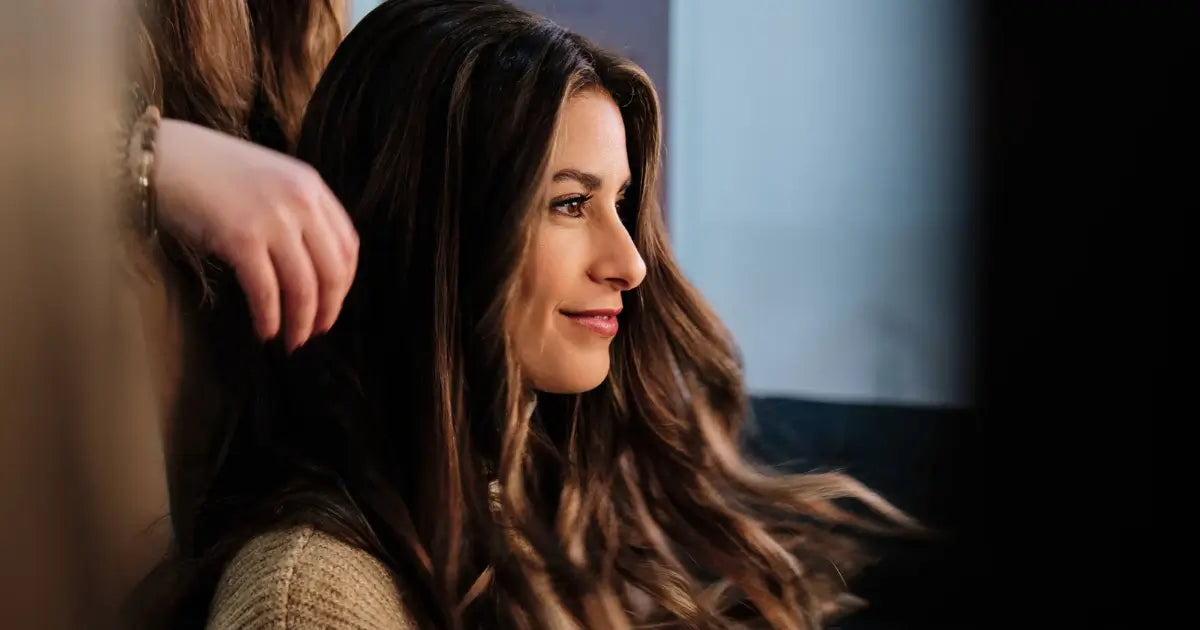
Do you want to get beach wave hair? Beach waves are one of the most popular minimalist hairstyles, known for their soft, loose, and slightly wavy look—less messy than typical curls. When it comes to effortless style, many people choose beach wave hair for its elegant and laid-back appearance.
The best part? Even if you don’t have natural beach waves, you can achieve them easily with the right tools and techniques. Keep reading to learn how to get perfect beach waves step by step.
Step-by-Step Guide to Achieve Perfect Beach Waves Hair
Beach waves are the only hairstyle that suits everyone. It perfectly matches almost every face shape. Here is a step-by-step guide to getting perfect beach waves:
1. Start with Clean, Dry Hair
The first step to getting beach wave hair is to get your hair clean and dry. On freshly washed hair, you can get a sleek and professional look of beach waves. Use a lightweight shampoo and conditioner to wash your hair. Gently dry your hair with some cloth or air-dry it for some time to prevent frizz.
2. Apply a Heat Protectant and Texture Spray
Before starting the procedure for getting beach wave hair, like in keratin treatment aftercare, applying a heat protectant before styling is essential to avoid damage and retain shine. A heat protectant serum or spray will prevent damage from styling tools and exposure to heat. It will also maintain the grip of your hair so you can get an improved texture.
3. Section Your Hair
To get smooth beach waves, section your hair using clips. It’s better to divide your hair into four parts. Start with the bottom layer and go to the upper layer. It will ensure that every strand is curled properly.
4. Get Your Tools Ready
Get your tools ready. Beach wave hair is formed with the help of a curling iron. The size of the curling iron varies between 1 and 1.25”. This size is perfect to create natural-looking beach waves hair. Set the temperature according to your hair type. For thicker hair, you can set the temperature up to 400°F. Whereas for thin hair, a temperature around 300°F is preferred. Turn on the curling iron and let it reach the maximum heat.
5. Curl Strategically
Once your tools are ready, start curling small sections of hair. You just need to coil your hair strands around the curling plate. Hold it for around 8 to 10 seconds, and then release it gently. Repeat the procedure until all your hair is done, leaving a perfect impression of beach wave hair.
6. Shake It Out
After curling the hair, let them cool completely. Gently shake out all the waves using your fingertips. This gives a smooth look to your overall hair. It will break the structured formation of coils and will transform your hair into gentle, soft waves. You can also use a tooth comb to detangle your hair.
7. Lock It in Place
Once you’re completely done, lock your beach wave hair into a perfect look. You can use any hair-holding spray or a textured mist to lock your hair structure. This will also cause stiffness, which makes your hair look shiny and sleek.
The Right Tools for Beach Waves Hair
Understanding the right tools for getting perfect beach wave hair is necessary. You must have the following tools for getting beach waves:
-
Flat iron
-
Rollers
-
Setting spray
-
Wide tooth comb
-
Heat protectant
Choosing the Right Curling Iron
Whether you're using a curling wand or a smoothing hair treatment, choosing the right tools makes a noticeable difference. You must consider the size and width of the curling iron to achieve the perfect and natural look. A narrow rod will lead to tight curls. Therefore, using a flat iron curler is better to attain a natural look.
Beach Waves Hair Tips Based on Hair Type
Before starting the process of producing waves in your hair, you must understand the hair type and its requirements.
1. For Fine Hair
For fine and silky hair, it is necessary to use our dry shampoo. It will help in minimizing the sleek texture. A little rough texture helps in maintaining the shape and increasing the hair lift.
2. For Thick Hair
Individuals with thick hair must work in smaller sections. Also, using a high-heat curling iron is preferred. You can also increase the holding time and lock the hairstyle using a strong spray.
3. For Curly or Wavy Hair
For curly or wavy hair, you just need to clean the hair strands. You can also start the process by straightening your hair and then producing the curls through a curling iron. Avoid too many hairstyling products or sprays to maintain the natural texture.
No-Heat Methods for Beach Waves Hair
There are several ways to achieve beautiful beach waves, and the two main categories are heat-based and no-heat methods. While curling irons and wands fall under the heat styling category, no-heat techniques are an excellent option for creating waves without damaging your hair.
Braiding Method
Braiding is one of the best ways to get soft and natural waves. After taking a shower, just make two or more braids in your damp hair. You can also slightly dampen your hair and make braids. Leave them overnight and release the braids in the morning. Use a wide-tooth comb to brush your hair in the morning.
Common Mistakes When Creating Beach Waves
Even though beach waves look effortlessly chic, a few common missteps can leave your hair looking less than flawless:
-
Using too much product: While sea salt sprays and texturizers are key, going overboard can weigh down your hair or make it feel sticky.
-
Curling in the wrong direction: Always curl away from your face to get that natural, wind-swept effect. Curling inward can make waves look too structured or outdated.
-
Skipping heat protection: If you're using hot tools, never forget a heat protectant spray to prevent damage and dryness.
-
Not brushing out curls: After curling, always finger-comb or lightly brush your waves to break them up and soften the texture—otherwise, you'll end up with tight curls, not waves.
-
Using the wrong barrel size: A smaller barrel creates tighter curls. For relaxed beach waves, opt for a 1- to 1.25-inch barrel.
Conclusion
Beach wave hair remains one of the most popular and versatile hairstyles. It offers a soft, polished look that works well for all hair types—whether your hair is long, short, straight, or wavy.
To achieve the perfect beach waves, start by prepping your hair with a heat protectant. Allow your curling iron to reach the ideal temperature, create clean curls, let them cool, and then gently tousle your hair for a natural finish. With the right steps, beach waves can easily become your go-to everyday or special occasion style.
FAQs
1: Can I get beach waves without using heat?
Yes! Braiding damp hair before bed, using twist buns, or applying a sea salt spray to air-dried hair can give you heatless waves.
2: How long do beach waves last?
Depending on your hair type and the products used, they can last from one day up to three. Using a light hairspray or wave spray can help extend the look.
3: Is sea salt spray bad for your hair?
Overuse can be drying due to the salt content, but occasional use is fine. Choose formulas that include hydrating ingredients like coconut water or glycerin.
4: What size curling iron is best for beach waves?
A 1- to 1.25-inch curling wand or iron is ideal for creating soft, tousled beach waves.
5: Can I do beach waves on short hair?
Absolutely! Use a smaller barrel curling wand or flat iron technique. Just remember to style smaller sections and avoid heavy products that might weigh short hair down.
Best Sulfate-Free Shampoo in 2025 – Frizz-Free Hair Care Guide
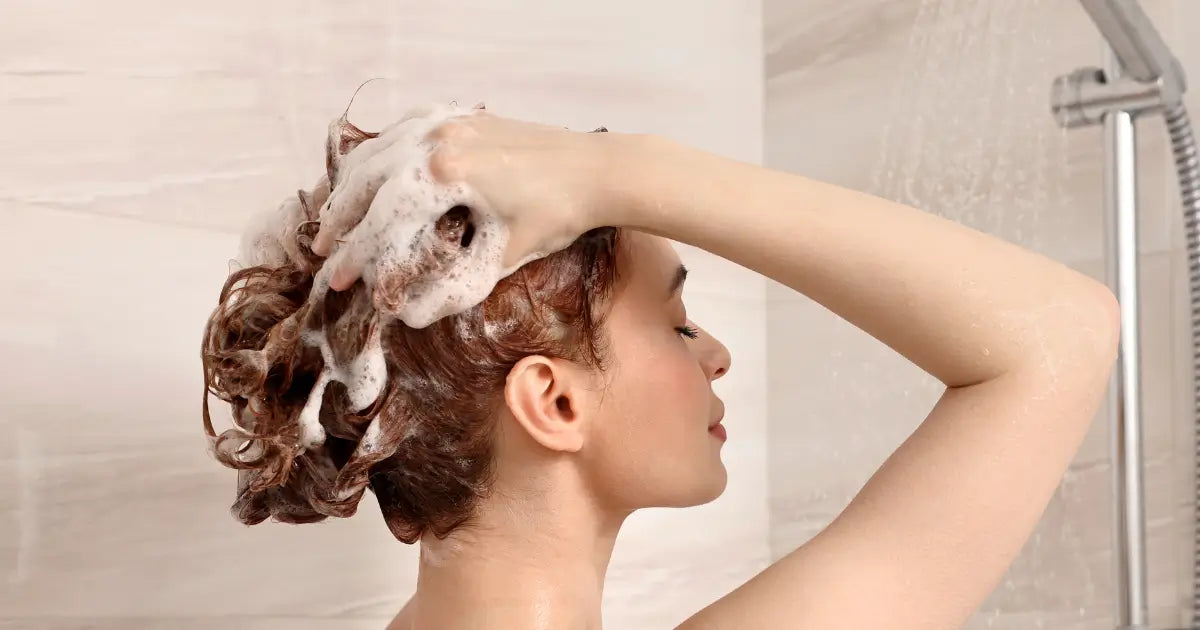
Shampoo is one of the most used hair care products—yet everyone has their own take on it. Some grab the cheapest bottle on the shelf, while others search endlessly for the perfect salon-approved formula. But whether you go budget or high-end, the goal remains the same: clean, healthy, beautiful hair.
As we move into 2025, there's a major shift toward more conscious hair care—particularly sulfate-free shampoos. Whether you're looking for gentler cleansers, organic ingredients, or hair repair solutions, the right shampoo can significantly improve both scalp and hair health.
What’s New in Sulfate-Free Shampoo?
The haircare industry is evolving fast. In 2025, sulfate-free shampoos are going beyond just being “gentle.” Expect:
-
Biotech-powered ingredients that repair damage at the root level
-
Eco-friendly packaging and sustainable formulas
-
Salon-exclusive lines with luxurious results for at-home use
Now, let’s break down what sulfates are—and why so many people are ditching them.
What Are Sulfates in Shampoos?
Sulfates are detergents in shampoos that help eliminate oil, dirt, and styling products. They are the elements that form foaming lather and bubbles, which eventually help in cleaning hair and scalp. Sulfates may be highly irritating to your scalp or can be too drying, which can leave your hair frizzy and cause skin discomfort.
Whereas, in contrast to any traditional shampoo, a sulfate-free shampoo creates less foaming lather but offers you a gentle wash to maintain the natural balance of oils in your scalp. This will cut down on the frizz factor since the hair and scalp will be more hydrated after using sulfate-free shampoo.
Why Choose Sulfate-Free Shampoos for Frizz-Free Hair?
Sulfate-free formulas are trending for a reason. They help maintain shine, reduce frizz, and keep treated hair looking smooth. Many users rotate between sulfate and non-sulfate shampoos throughout the week depending on their needs. Discover the best shampoo to use after a keratin treatment.
Key benefits include:
-
Less dryness and irritation
-
Long-lasting results for straightening treatments
-
Better hydration and curl retention
-
Safe for color-treated and chemically-processed hair
How We Picked the Best Sulfate-Free Shampoos
The list of all sulfate-free shampoo options we formulated was designed based on the following factors:
● Viscosity
This point refers to the thickness or lightweight of the shampoo formulated in your hands. Any products that were too thick or too runny didn’t fall into the list.
● Scent
Either a shampoo is for $1 or $100; if its smell isn’t refreshing or great, it won’t pass the test. Scents that make you feel like you are in a salon the moment you open the bottle are the ones that we are looking for.
● Longevity
The frequency with which you wash your hair is totally dependent on your hair thickness and type. The kind of shampoos that make your hair flat are not ideal ones. So lightweight and extended-duration shampoos are the best ones.
Sulfate-free shampoos help in preserving hair color, and they also work ideally on color-treated hair or hair that has had certain treatments done, such as glosses or glazes.
To get the best results from your specified shampoos, you need to rotate them. You can rotate sulfate-free shampoos and the ones that have sulfates in them to help keep the cycle going smoothly. Using sulfate-free shampoo may dry the hair out, so you should also keep this in mind.
Salon-Approved Picks for 2025
Professional salons are recommending sulfate-free shampoos more than ever—especially for clients with color-treated, keratin-treated, or chemically processed hair. The focus this year is on maintaining long-term hair health without compromising on shine, smoothness, or style longevity.
Top Sulfate-Free Shampoos for Healthy Hair in 2025
Here are some of the top sulfate-free shampoo suggestions you can use in rotation with your traditional shampoo.
1. FashionGold Protect and Control Shampoo
FashionGold Protect and Control Shampoo helps in extending the results of straightening treatments on your hair and also preserves hydration and shine. A traditional shampoo will reverse the effects of any hair treatment 5x faster, which leaves hair dull and dry. But this shampoo will preserve your hair and keep it looking highly lustrous and shiny without dryness or dullness.
FashionGold Shampoo is formulated with advanced technology to help hair cuticles remain closed, which prevents oxidation and loss of any essential active ingredients that maintain nourished, smooth hair. It is compatible with all chemical treatments and is also safe for everyday use.
Perfect for frizz control, shine, and hydration.
2. Amika Mirrorball High Shine + Protect Antioxidant Shampoo
If you are a lover of beauty, then a single look at its products will tell you how much beauty the Amika brand holds in it. Its Mirrorball High Shine shampoo is one of its newest haircare launches. It is a hit among hair enthusiasts. It is one of the best sulfate-free shampoo options that you can find. It will help control frizz and flyaways and will leave your hair shiny and smelling very fresh.
3. Aveda Botanical Repair™ Strengthening Shampoo
This bottle of sulfate-free shampoo will help strengthen your hair mainly because it is a plant-powered bottle of goodness. It will bring life to your hairstyles once you style them. Your hairstyles will also easily last many days once you start using this solution. It contains a great aroma along with certified rose, ylang-ylang, and marjoram flower and plant essences.
Conclusion
These sulfate-free shampoos are all great options to keep your hair looking healthy and frizz-free. If you're unsure where to start, FashionGold Shampoo is definitely worth trying—especially if you’ve had any treatments done or just want a shampoo that keeps your hair shiny, soft, and hydrated. It’s gentle enough for regular use and helps maintain the results of straightening or smoothing treatments.
Of course, everyone's hair is different, so it's always a good idea to check the ingredients and choose what works best for your hair type. But if you're looking for something effective and reliable, FashionGold might just be the one.
Keratin Treatment for Curly Hair: Will It Straighten or Define Your Curls?
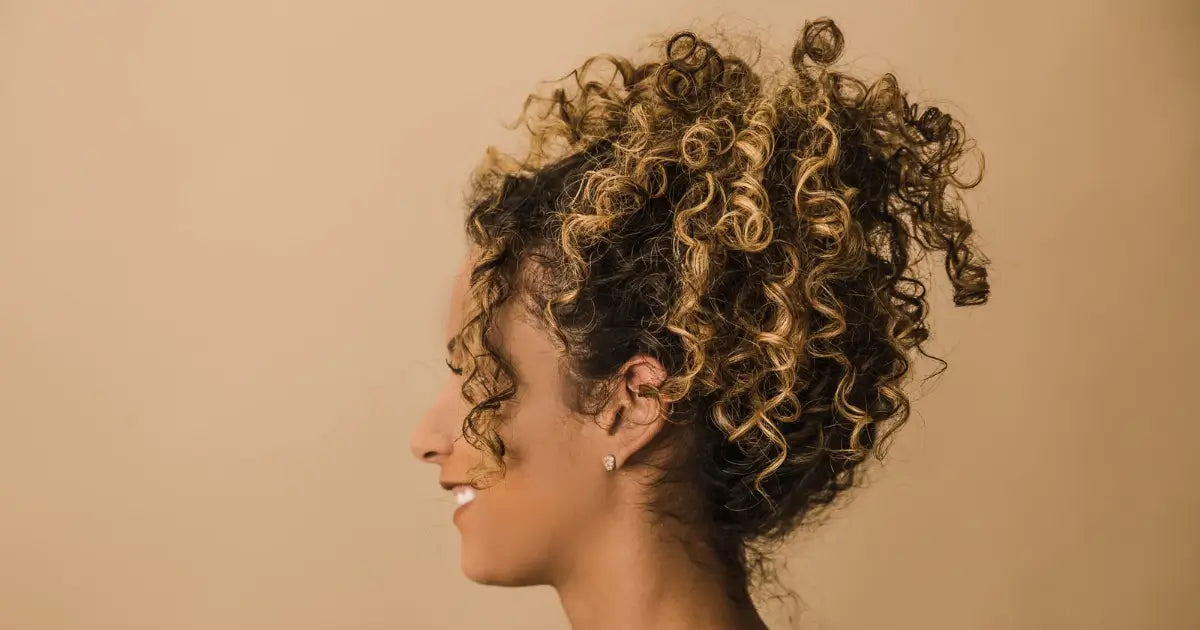
Are you blessed with perfect swirls and curls of hair? This is the kind of blessing that most don’t understand how to handle or keep intact. Most people with curly hair end up ruining their hair texture due to improper care of their hair and scalp.
Curly hair can add to anyone's beauty and overall persona in many ways, but one needs to understand how proper curly hair should be kept and understand different treatments that are suitable for curly hair. One of these treatments is keratin treatment for curly hair.
This hair treatment has been quite popular among curly-haired people due to its great results. The misconception about keratin is that it is only meant to straighten the hair. A keratin treatment is a process of injecting keratin protein that helps smooth out the hair, which allows them to have shiny and healthy hair. This is suitable for both curly and straight hair in its way.
This treatment will let your hair be more gorgeously flowing and dense. This blog will help you understand the results of keratin treatment for curly hair and how you can use it to get a beautiful, dense, curly mane for yourself.
Keratin Hair Treatment Results on Curly Hair
A keratin treatment will preserve your natural curls and let you manage your hair effectively. Keratin for wavy and curly hair is an ideal option to tame the frizz away and improve the overall texture of the curls.
This makes hair appear healthy and manageable. It helps in giving them smooth, soft curls. One other factor that makes this treatment the best among others is the fact that the results of keratin complex treatment last for 3–6 months.
Will Keratin Treatment Make My Curly Hair Straight?
Keratin treatment is more of a smoothening therapy for hair, and it helps in fixing flyaways and frizz while promoting shine and tangle-free hair. This keratin treatment for curly hair will give your strands the goodness of keratin protein, which makes them look thicker, healthier, and smoother. You will be able to get any hairstyle on your locks without hassle.
Keratin Treatment for Enhanced Hair Definition
A keratin treatment smooths frizz and deeply nourishes the core of your curls. It will nourish your strands and add elasticity to them. Keratin treatment for curly hair will give you soft curls and improve hair definition to a great extent.
Along with this, your curls' texture will improve by many folds, and keratin treatment for curly hair will rehydrate the natural strands to enhance the texture of beautiful and smooth curls. This treatment is the best choice for damaged hair, as it will strengthen your natural hair texture.
Do You Have Hair Porosity Issues?
Hair porosity is your hair's ability to absorb and lock in moisture. Curly hair gets more porous with curly and coarse hair texture. Keratin for curly hair may be your best option to nourish the hair cuticles and help make them stronger.
Keratin treatment will help make your hair smooth and will also repair any hair damage done due to styling or mismanagement. It helps your hair shaft to protect your moisture mantle, reduce overall dryness, and make your curls shiny, smooth, and effortlessly flowing.
Should I Get a Keratin Smoothing Treatment for My Curly Hair?
If you have curly hair that looks damaged and dull, then this is the best time to get keratin treatment for curly hair. This treatment will bring new life to your scalp and hair and will allow you to love your curls all over again. You can enjoy the effects of this treatment and can also preserve this treatment for long by using specific shampoo and conditioner.
This treatment helps reduce frizz for all hair types and gives your hair new life based on its revitalizing results. You can then get your hairstylist to give you natural, bouncy curls or retain the original look of your curls to keep the styling results for longer durations. Your keratin-treated hair will add to your confidence and allow you to move around in style and natural beauty.
Curls are a beautiful human hair trait, and they should be preserved in their original state. A keratin complex applied to your hair will rejuvenate its natural curls and allow you to feel confident in your naturally blessed hair. You can find many keratin complexes out there to try for your hair.
A keratin treatment for curly hair will take 30 minutes or an hour, but the results will last way longer. You will feel your hair not drying out after each wash and enjoy a lustrous shine on your soft curls for the months to come.
You will be given specific shampoo and conditioner for your keratin-treated hair so that the effects of keratin treatment for curly hair can last longer. These products will tame flyaways and smooth out the frizz in your hair. Conditioners for curly hair will have natural oils, keratin compounds, and plant extracts to renew keratin protein in hair and hence support healthy-looking, gorgeous curls.
Conclusion
Curly hair is special—but it needs the right care to shine. A keratin treatment can smooth out frizz, add shine, and make curls easier to manage—without taking away your natural bounce. With the right aftercare (think sulfate-free shampoo and conditioner), results can last up to 5–6 months.
If your curls feel dry or hard to tame, keratin might just be the refresh they need. It’s a simple way to bring out the best in your hair and feel good doing it.
Ready to fall in love with your curls all over again? Consider getting a professional keratin smoothing treatment designed specifically for curly hair and see the difference for yourself.
Brazilian Blowout vs. Keratin Treatment: Which One is Right for You?
Not sure which hair treatment is best for you, a Brazilian Blowout or a keratin treatment? This article is here to help! We’ll explore how each treatment works, their differences, and which one suits your hair type.
Brazilian blowouts and keratin treatments have become popular for their ability to turn frizzy hair into a smooth, shiny look. Both aim to reduce frizz, whether you have curly hair, natural hair, or simply want a sleek finish.
However, these treatments differ in their formulas, results and processes. In this article, we’ll go over the key differences, benefits, aftercare tips and costs to help you decide which treatment is right for you.
Brazilian Blowout vs. Keratin Treatment
What Is a Brazilian Blowout?
A Brazilian Blowout is a smoothing treatment that uses a formula with amino acids and proteins to reduce frizz and give hair a sleek, shiny finish. It coats each strand, helping to control frizz without permanently changing your hair’s structure.
-
Temporary smoothing
-
Suits many hair types
-
Lets you keep your natural texture
-
Easier styling and drying
What Is a Keratin Treatment?
A keratin treatment uses keratin, a protein naturally found in hair, to smooth the hair surface. The formula is sealed in with a flat iron, leaving hair glossy, frizz-free and healthier-looking.
-
Reduces frizz and smooths the cuticle
-
A good option for dry or unruly hair
-
Leaves hair softer and shinier
-
Doesn’t straighten completely
Brazilian Blowout vs. Keratin Treatment: Key Differences Explained
Both treatments smooth and de-frizz the hair, but they differ in procedure and results. A Brazilian blowout is often chosen by people with curly or wavy hair who want to reduce frizz without significantly changing their hair’s structure. A keratin treatment is often requested by people with unruly or curly hair who want a sleeker, smoother finish.
How Do These Treatments Work?
Both treatments create a smooth layer on the hair that helps seal in moisture and resist humidity. A Brazilian blowout is designed to reduce frizz and create a smooth finish, while a keratin treatment focuses on smoothing and softening the hair with proteins.
How Long Do the Results Last?
Results from both treatments are temporary and fade gradually with washing. How long they last depends on the product, your hair type, how often you wash and your aftercare routine.
Cost Comparison
Both treatments are priced similarly and depend on hair length, thickness and salon. On average:
-
Brazilian Blowout: $100–$450
-
Keratin Treatment: $150–$500
For a more detailed guide, read our article on keratin treatment price.
Which Treatment Is Right for You?
When choosing between a Brazilian blowout and a keratin treatment, it’s important to know which one fits your hair type.
For curly and natural hair, a Brazilian blowout can help loosen curls and reduce frizz without straightening the hair completely, while keeping your natural texture.
A keratin treatment is a good choice for dry, frizzy hair, leaving it smoother and healthier-looking. Both treatments cost about the same; the price mainly depends on the length and thickness of your hair.
Both have become go-to options for people who want to say goodbye to frizz.
Aftercare Tips: What to Do After the Treatment
After any smoothing treatment, wait before washing your hair for the time recommended by the product or your stylist. Use a sulfate-free shampoo and avoid tying your hair tightly in the first days.
For more aftercare tips, read our detailed guide on keratin treatment aftercare.
Recommended Product for At-Home Results
If you’re looking for a salon-level smoothing treatment at home, the Fashion Gold Brazilian Smoothing Treatment is a professional-grade option. With an organic acid system formulated without formaldehyde as an ingredient, it reduces frizz, enhances shine and leaves your hair more manageable.
Important: For professional use or experienced users. Perform a strand and patch test 48h before use. Avoid contact with eyes and scalp. Apply in a well-ventilated area. Do not use on irritated or damaged scalp. Keep out of reach of children.
Conclusion
In the Brazilian Blowout vs. Keratin Treatment debate, the best choice depends on your hair type and goals. If you want a sleek look and easier styling while keeping your texture, a Brazilian Blowout may suit you. If you want a smoother, sleeker finish, a keratin treatment may be better. Both can deliver beautiful, frizz-free hair with the right care.
FAQs
Which lasts longer, a Brazilian blowout or keratin?
It depends on the product, your hair type and your aftercare. Both are temporary and fade gradually with washing. Ask your stylist what to expect from the specific product they use.
Which one is better for fine or damaged hair?
Fine or fragile hair usually does better with lighter formulas, since some keratin treatments can feel heavy. For damaged hair, start with a repair routine and ask a professional before any smoothing treatment.
Keratin Treatment Controversy: Is It Safe or Risky for Your Hair?
Thinking about getting a keratin treatment but feeling unsure about the risks? You’re not alone. Keratin treatments have become super popular for people who want smooth, straight, frizz-free hair—especially those with curls or waves. But along with the hype, there’s also a lot of controversy.
Some say it can damage your hair or even affect your health. In this article, we’ll break down what a keratin treatment really is, the benefits it offers, and the potential risks—like exposure to formaldehyde and other harsh ingredients—so you can make the best choice for your hair and health.
What Is a Keratin Treatment and How Does It Work?
A keratin treatment involves applying a product to the hair that coats it with the protein. This step smooths the hair and gives it a shiny and glossier look. The treatment is followed by using a flat iron to seal the product into the hair shaft.
The results of the treatment vary depending on everyone's hair type. Usually, it lasts for at least 6 months. For many people, keratin treatment creates a path to get rid of blow-drying your hair whenever you go anywhere.
It is often used as a straightening treatment to replace daily styling. On one hand, it is very convenient, but it also has some risks, and the keratin treatment controversy has shed light on the potential dangers.
Why Is Keratin Treatment Controversial?
The use of dangerous substances in some formulations is the primary topic of discussion in the keratin treatment controversy. The primary reason for concern is the presence of formaldehyde or its derivatives, such as methylene glycol. Long-term exposure to the known carcinogen formaldehyde can cause serious health issues. Learn more about the facts behind keratin treatments.
Many salons might not adhere to the Occupational Safety and Health Administration's (OSHA) formaldehyde exposure limits, which might put clients and stylists in danger. The Food and Drug Administration has not officially approved using keratin treatment, considering its side effects.
Health Risks of Keratin Treatments
In addition to other major risks, skin irritation is one of the biggest risks. Many people complain that after getting the keratin treatment, they face redness, itching, and swelling on their scalp.
People who have sensitive skin or any kind of skin allergy may be irritated by the chemicals. Additionally, repeated keratin treatment can also damage your hair. The heat from the flat iron, in addition to the chemicals used in the treatment, can make the hair more fragile, brittle, and likely to break.
The immediate results are often very smooth, silky, and straight, but with time, it will damage your hair if you frequently do keratin treatment.
Safety Concerns for Stylists
The keratin treatment controversy raises concern for the stylist who does keratin treatment, as they are more exposed to the chemical reaction, and the poor ventilation in the salon can lead to poor breathing problems. The Occupational Safety and Health Administration (OSHA) has given the guidelines implemented in the salons, risking the safety of people.
Popularity of Keratin Treatment
Despite the risk, people often go for keratin treatment due to its ability to reduce frizz and provide sleek, straight hair. The result lasts at least 6 months, so you are tension-free and good to go anywhere without worrying about the styling. For people who naturally have curly hair, keratin treatment is a miracle for them.
For people with busy lifestyles, the keratin treatment is a lifesaver for them, as it can reduce the time of styling hair daily. By reducing the need to spend hours trying to get straight hair and control frizz, the treatment offers a solution that enhances hair care and maintenance.
Alternatives to Keratin Treatment
The keratin treatment controversy is on one hand, but we do have alternates for you; some hair care products will give you similar results without using harsh chemicals. For example, hair-soothing products that contain natural ingredients may help to control frizz in your hair and will provide you with smooth, shiny hair.
Another option is to keep your natural texture and apply oil, serums, and anti-frizz spray to get silky hair without using any chemicals. Another popular alternative to keratin treatment is the Brazilian blowout.
Although it uses a different technique, this treatment straightens and smooths hair similarly to conventional keratin treatments. Brazilian blowouts leave hair silky and frizz-free by coating it with a protein combination. Although certain Brazilian blowouts are still contentious due to the formaldehyde they contain, there are Brazilian blowouts that don't utilize formaldehyde and may still have similar impacts with fewer health risks.
Health Risks of Formaldehyde Exposure
As keratin treatment includes chemicals, and one of the main risks is having formaldehyde exposure, it can cause problems for your respiratory system, like coughing, sneezing, and shortness of breath. One of the most dangerous side effects of formaldehyde exposure is that it can cause cancer of the nose and lungs.
Conclusion
Smooth, frizz-free hair is possible with keratin treatments, but there are serious hazards involved, as the keratin treatment controversy has shown. In addition to long-term consequences like cancer, the usage of dangerous chemicals like formaldehyde can cause major health concerns like respiratory disorders.
Hair can become fragile and more likely to break as a result of repeated treatments. It can also irritate the eyes. Alternatives without formaldehyde are available; however, they might not work as well.
If you decide to get a keratin treatment, make sure the salon complies with the right safety regulations and always carefully read the labels. For individuals who are worried about the hazards, there are alternatives like the Brazilian keratin treatment or natural oils that might provide comparable effects with fewer health risks. Considering your health priorities and hair type, make an informed choice.

Keratin Treatment Price Breakdown: What to Expect to Pay
Are you looking for the best keratin treatment but unsure about the cost? Don’t worry—we've got you covered! In this article, we'll break down the price of keratin treatments, what you can expect from them, and how to maintain your frizz-free hair afterward.
If you're tired of ironing your frizzy, dry hair every time you go out, a keratin treatment might be the perfect solution. This popular treatment will leave your hair shiny, smooth, and frizz-free for months.
The cost of keratin treatments varies based on your hair type, length, and the specific treatment you choose. Let’s dive into the details, including cost factors, maintenance tips, and product recommendations—like mirra oil—for keeping your hair healthy post-treatment.
What is a keratin treatment?
Before going for the treatment, you must know what exactly keratin treatment means. People who don’t like straightening their hair daily or have naturally curly, frizzy hair often tend to go for this treatment. Keratin treatment is a professional salon procedure that is designed to smooth and straighten hair by infusing it with the protein keratin.
Keratin is a naturally occurring protein that is present in hair, but various factors such as hair styling and chemical treatments lead to dry and frizzy hair. A keratin treatment helps to refuel the protein, making your hair look smooth, shiny, and frizz-free.
Keratin Treatment Price Breakdown: What to Expect
Keratin treatment costs can vary based on several factors, including hair length, thickness, and the type of treatment you choose. Here’s a breakdown of the price range you can expect:
-
Short hair: $100 to $400
-
Medium to long hair: $300 to $800
-
Very thick or long hair: $400 to $1,500+
The type of keratin treatment you select will also influence the price. For example, a Keraplex treatment or Trisolla keratin treatment may cost more than a standard keratin smoothing treatment. Additionally, some salons may charge extra for blow-drying or additional services.
Salon vs. At-Home Keratin Treatments: Price Comparison
We all love the idea of smooth, frizz-free hair, but salon keratin treatments can really add up, ranging anywhere from $100 to $1,500 depending on your hair type and the treatment you choose. While they offer great results, they might not always fit into everyone’s budget.
If you're looking for a more affordable option without sacrificing quality, our Brazilian Keratin Treatment for at-home use is a fantastic choice. For just $50 to $100, you can get the same salon-quality results right at home. It's super easy to apply, works for all hair types, and leaves your hair feeling smooth, shiny, and frizz-free for months.
Why pay for a pricey salon visit when you can achieve beautiful, long-lasting results at home?
Keratin Treatment Cost: A Guide to Different Types and Costs
The cost of keratin treatments varies depending on the type of treatment and hair characteristics. Here’s a quick guide to the pricing for each:
-
Keraplex Treatment
Price Range: $250 to $600
Keraplex combines keratin and protein repair to strengthen, smooth, and restore damaged or chemically treated hair for 4 to 6 months. -
Brazilian Keratin Treatment
Price Range: $70 to $200
Ideal for smoothing and straightening, especially for thick or curly hair. -
Brazilian Keratin Treatment
Price Range: $200 to $500
A combination of Brazilian and Japanese treatments for ultra-smooth, frizz-free hair. -
Keratin Smoothing Treatment
Price Range: $150 to $400
Perfect for those seeking frizz reduction without full straightening. -
Express Keratin Treatment
Price Range: $50 to $150
A quicker, more affordable option for a temporary smooth look lasting up to 6 weeks. -
Trisolla Keratin Treatment
Price Range: $250 to $700
Offers smooth, healthy hair with no harsh chemicals, ideal for damaged hair. -
Magic Sleek Keratin Treatment
Price Range: $300 to $700
A formaldehyde-free option providing long-lasting frizz control and shine. -
Cezanne Keratin Treatment
Price Range: $300 to $600
A formaldehyde-free, gentle treatment perfect for sensitive scalps and smooth results.
Choosing the Right Keratin Treatment for Your Hair Type
Keratin treatment prices and results vary depending on your hair type. Not all treatments are the same, and selecting the right one can make a significant difference.
-
For curly hair:
If you have curly hair and want to maintain your natural texture, opt for a Brazilian keratin treatment or a traditional keratin treatment. These treatments smooth the curls without completely straightening them, allowing you to keep your volume and shape. -
For wavy hair:
An express keratin treatment is a good option for wavy hair. It tames frizz while preserving volume and texture, offering a more natural result.
Top Pick: For the best overall results, choose our Brazilian Keratin Treatment for long-lasting smoothness and frizz control. It’s suitable for all hair types and leaves your hair shiny, soft, and easy to manage. Book now to experience healthier, more manageable hair.
Alternatives to Keratin Treatment
While keratin treatments provide long-lasting smoothness, they can be expensive. If you’re on a budget, consider alternatives like protein treatments or deep conditioning masks to restore moisture and strength to your hair. These treatments can provide some of the same benefits without the cost.
Conclusion
Keratin treatments are a fantastic solution for achieving frizz-free, shiny, and smooth hair—perfect for those tired of daily styling. While the cost can vary depending on your hair length and type, the benefits, such as reduced styling time and restored softness, make it a worthwhile investment. After the treatment, proper hair care—like using sulfate-free products and avoiding excessive heat—is essential to maintain long-lasting results.
Ready to achieve frizz-free, smooth, and shiny hair? Order your Brazilian keratin treatment today and enjoy beautiful, healthy hair for months. Our treatments are perfect for all hair types and deliver long-lasting, professional results. Click here to purchase now!
FAQs
1. How much does a keratin treatment usually cost?
The price of keratin treatment usually ranges from $100 to $400, depending on the hair length, thickness, and products they are using.
2. Why do keratin treatment prices vary so much?
It differs based on the product and type of keratin used. Other factors like the duration of the treatment and any other extra services like a blow-dry are included.
3. Are there any hidden costs in keratin treatments?
Yes, sometimes aftercare products like sulfate-free shampoos or mandatory follow-up sessions can add to the total cost.
Is Keratin Treatment for Thinning Hair Safe? Benefits & Drawbacks
Everyone desires silky, easy-to-manage hair, which is why many people wonder if a keratin treatment is safe for thinning hair. This celebrity- and stylist-favorite salon treatment smooths frizz and leaves hair sleek and easier to style every day.
However, before booking your appointment, it’s important to understand how a keratin treatment can affect thin hair. In this article, we’ll explore how it works, the possible side effects, and tips to protect your hair and scalp.
Should You Try Keratin Treatment for Thin Hair?
A keratin treatment coats and smooths the hair shaft. You may already be familiar with Brazilian Blowout or other keratin treatments, which are designed to give different hair textures a silky, smooth finish.
The treatment usually begins with a thorough wash, followed by the application of the smoothing product. The stylist then uses a flat iron to seal the formula into the hair and smooth the cuticle.
For people who worry about breakage, the biggest draw is that the treatment temporarily seals the outer cuticle, so hair looks smoother and healthier than before. If you have very fine or thinning hair, however, there is a real risk of damage from over-processing with chemicals or heat.
Although many clients love the immediate results of a keratin treatment, the outcome does not look the same on everyone, especially if the scalp or hair is already damaged.
The result of a keratin treatment on thin hair depends on your hair type. Some people notice less breakage after the treatment, while others report that poor application or repeated sessions leave hair limp or matted.
If you want to reduce frizz without harming your hair, make sure your stylist uses quality products, follows the instructions, and performs a strand and patch test 48h before the treatment.
Benefits of Keratin Hair Treatment
1. Frizz Management and Shine
Keratin treatments are known for taming frizz and creating smooth, sleek hair in a short time. Whether you have curly, wavy, or straight hair that refuses to cooperate, you may love how quickly you can get a polished look. Because the formula smooths the surface of the hair, it reflects more light, adding overall shine.
2. Versatility for Different Hair Types
Keratin can calm unruly or coarse hair so it lies flatter and smoother. The added control can save styling time, especially if you’re used to blow-drying every day. On fine hair, needing less heat styling after the treatment can help reduce daily stress on the strands. Just be careful not to weigh down fine hair with too much product during application.
3. A Temporary Fix
Keratin treatments smooth the surface of the hair and help disguise visible damage. People also notice less tangling and easier brushing after washing, which helps reduce breakage. The key word, however, is “temporary.” As the treatment fades, usually over a few weeks or months, your hair gradually returns to its original condition unless you schedule touch-ups.
Cons and Possible Side Effects
Risk of Hair Damage
One of the biggest concerns with a keratin treatment for thinning hair is that it may lead to breakage or damage.
Some smoothing products contain formaldehyde or ingredients that can release it when heated. These can irritate the eyes, skin and airways and, with repeated use, weaken the hair shaft.
At flat iron temperatures (often over 400°F), there is an added risk of damage, especially if your hair is already fragile.
Unpredictable Result for Fine Hair
Because every hair texture is different, results can be unpredictable. One person with fine, curly hair may get beautiful, smooth results, while another may find their hair feels dry.
The results of a keratin treatment on thin hair depend largely on your hair’s porosity, how often you color your hair, and the experience of the stylist. If not done carefully, a keratin treatment on fragile hair can leave it limp and over-processed.
How to Make a Keratin Treatment Work With Fewer Risks
If you’re set on trying a Brazilian blowout or another smoothing treatment, there are steps you can take to protect thinning hair.
Choose a Professional Stylist
Visit an experienced salon that is used to working with hair like yours. A skilled stylist knows how to adjust the formula, processing time and heat to your hair’s needs, reducing the chance of damage.
Check the Ingredient List
Read the label before you book. Look for formulas made without formaldehyde as an ingredient, and always apply the treatment in a well-ventilated area, following the product instructions.
Space Out Treatments
Even if you love the result, avoid booking touch-ups too close together. Layering treatments one on top of another can overload the hair shaft and lead to breakage instead of shine.
Use Gentle Haircare
After the treatment, use gentle, sulfate-free and moisturizing products. This helps maintain the smoothing effect on your strands for longer.
Better Alternatives to Keratin Treatment for Fine Hair
Dreaming of silky hair but worried about side effects? Try these gentler alternatives:
Hair Repair Serums
Instead of changing your hair’s texture, a good serum can moisturize and smooth your strands. With plant proteins, oils and vitamins, it can help tame frizz while keeping your natural structure. Serums for damaged hair often contain milder proteins, giving you healthier-looking shine over time.
Light Hair Oils
A good hair oil can add softness and shine without the strength of a chemical treatment. A few drops before blow-drying or flat ironing can reduce friction, help protect against heat, and keep your hair from drying out.
Regular Trims and Conditioning Masks
Sometimes all your hair needs is a trim to remove split ends and regular deep conditioning. Well-conditioned hair breaks less and feels smoother, giving you some of the same benefits you’d expect from a keratin treatment.
Maintaining Long-Lasting Results
Whether you choose a Brazilian blowout, another smoothing treatment, or a gentler routine, daily hair care makes the difference.
Use a sulfate-free shampoo so you don’t strip the smoothing effect from your hair, and add a weekly mask to hydrate the cuticle. Reduce daily heat by lowering your flat iron temperature or air-drying whenever you can.
Taking a holistic view of your routine can also pay off. A balanced diet supports overall health, including your hair. Pair it with gentle scalp care, like light massages and non-stripping cleansers, to build a solid foundation for healthy-looking hair.
Conclusion
If you choose a keratin treatment, work with a professional stylist, space out your sessions, and follow a consistent aftercare routine with sulfate-free products. This way, you can enjoy smoother, easier-to-style hair while protecting your delicate strands.
No solution is perfect. The best approach is to understand your hair’s needs, stay mindful of possible side effects, and keep a consistent care routine. That way, you’ll be on the path to a smooth, polished finish, whether through a Brazilian smoothing treatment, a gentler option, or a carefully chosen set of nourishing products that help thin hair look and feel its best.
FAQs
Does keratin treatment damage hair?
It can cause damage if applied incorrectly or used too often, especially with formulas that contain formaldehyde. When done by a professional, following the instructions and with the right aftercare, it can smooth hair while reducing the risk of damage.
Is a keratin treatment good for hair loss?
No. A keratin treatment does not treat hair loss. It smooths the hair and adds shine, which can reduce breakage and improve the appearance of thin hair. If you are experiencing hair loss, talk to a dermatologist.
How to treat an allergic reaction to a keratin treatment?
If you notice irritation, redness or itching after a keratin treatment, rinse your hair and scalp with cool water right away and stop using the product. If symptoms are severe or don’t improve, seek medical attention.
How Long Does a Keratin Treatment Last?
How long does a keratin treatment last? It’s a question many of us ask after investing time and money into smoothing out frizz and adding shine. Whether you’re dealing with dryness, dullness, or unruly hair, keratin treatments offer a temporary but transformative solution. The way our hair looks can have a major impact on how we feel: when it’s lifeless or too coarse, it can instantly deflate your confidence.
Keratin treatments are designed to leave your hair silky, shiny, and more manageable without permanently changing your natural texture. In this article, we’ll explore how long a keratin treatment usually lasts, the factors that affect it, the differences between salon and at-home options, and expert tips to make the results last as long as possible.
How Long Does a Keratin Treatment Last
A keratin treatment usually lasts a few months. Results vary widely depending on the formula, your hair type, your hair care routine, and the products you use. Exposure to chlorine or salt water and how often you wash your hair also affect how long it lasts.
Some people choose to repeat the treatment a couple of times a year to keep that sleek, frizz-free look. However, too many chemical treatments over time can weaken your hair. Space out your treatments to enjoy the results without compromising your hair’s quality.
Salon vs. At-Home Keratin Treatments
Salon keratin treatments use professional-grade formulas and expert application, and they usually last longer.
At-home kits are a more affordable and convenient alternative. Results tend to be shorter-lived, but they’re a great option for anyone looking for a budget-friendly choice without sacrificing too much quality.
Both options have their own benefits depending on your goals, budget, and lifestyle, and both can deliver impressive results when used properly and according to the instructions.
Advantages and Disadvantages of Keratin Treatments
Every hair treatment has its strengths and weaknesses. Before you choose one, take both into account.
Advantages
-
Frizz-Free Results: With the cuticle sealed, keratin significantly reduces the impact of humidity on your hair.
-
Easy Styling: You’ll spend less time with hot tools. Even quick heat styling smooths keratin-treated hair faster.
-
Suitable for Most Hair Types: Unlike relaxers, keratin treatments do not permanently change your hair texture.
Disadvantages
-
Affordability: Although home kits are less expensive, a salon keratin treatment can be pricey. Plan ahead if you want professional results.
-
Not Permanent: The effect fades over time; touch-ups are needed for continued smoothness.
-
Possible Irritation or Allergies: Some formulas contain ingredients that can irritate the skin or scalp. Always perform a strand and patch test 48h before use and apply in a well-ventilated area.
-
Maintenance and Limits: For the best results, you’ll need to adjust your routine, for example switching to sulfate-free shampoo and conditioner, and avoid repeating the treatment too often.
Weighing these advantages and disadvantages will help you decide if and how keratin is right for your hair type and lifestyle. And then comes the real question: how long will a keratin treatment last on you?
Factors That Decide Keratin Duration
1. Frequency of Washing
Frequent shampooing is one of the biggest reasons results fade faster. Many professionals advise washing no more than two to three times a week after treatment, since every wash removes a little of the smoothing effect.
2. Product Selection
Sulfate shampoos create a lot of foam but can also strip the treatment. Using a sulfate-free shampoo and conditioner helps the smoothing effect last longer before you need another treatment.
3. Heat Styling Habits
Occasional blow-drying or flat ironing on medium heat helps keep hair smooth. However, frequent high-heat styling can dry out the cuticle and make the results fade faster.
4. Hair Porosity and Condition
Highly porous hair may absorb the treatment more easily but also lose it sooner, depending on your overall hair condition. Hair with balanced porosity tends to hold the results longer.
With these tips, you can get the most out of your keratin treatment. Even small changes, like switching to a sulfate-free product line, can help your results last longer.
Tips to Extend Keratin Results
If you want to make the most of your keratin treatment, follow these tips to keep your hair smooth and shiny for longer:
-
Limit Hair Washing
Try washing your hair two or three times a week at most. Dry shampoo can help in between. -
Stick to a Sulfate-Free Routine
Shampoo and condition with products suited to treated hair. Read the packaging and avoid sulfates. For longer-lasting results, try PROTECT & CONTROL SHAMPOO, a sulfate-free shampoo that helps keep hair hydrated and smooth. -
Sleep on Silk
Cotton pillowcases can create friction and tangles. Switching to a silk or satin pillowcase reduces static and tangles, keeping hair sleek. -
Gentle Brushing
Use a wide-tooth comb or detangling brush to reduce pulling, which can weaken treated hair. -
Protect from the Elements
If you swim often, use a leave-in conditioner or a swim cap. This simple step helps protect the treatment from chlorine and salt water. -
Touch-Up Treatments
Some people do small touch-ups along the hairline, where frizz tends to come back first. Follow your stylist’s guidance on timing to avoid over-processing your hair.
Conclusion
Keratin treatments deliver immediate visible results, leaving your hair sleek, smooth, and glossy. But the real key to making those results last is how you care for your hair afterward. A balanced diet also supports your overall health, including your hair.
Gentle heat styling, well-timed touch-ups, and a solid hair care routine all help maintain that shine. Weigh the advantages and disadvantages, then decide whether a salon treatment or an at-home kit works best for your budget and schedule. With the right products and a few healthy habits, you’ll get the most from every treatment and enjoy low-maintenance, frizz-free hair.
FAQs
What should be avoided after keratin treatment?
Avoid washing your hair for the time recommended in the product instructions or by your stylist, as well as clips and tight hairstyles. Also avoid salt water and shampoos with sulfates.
Can I comb my hair after keratin treatment?
Yes, you can comb your hair, but be gentle and use a wide-tooth comb. Avoid brushing too much in the first few days.
How long does a keratin treatment last on wavy hair?
It usually lasts a few months, depending on the formula, your aftercare routine and, most importantly, the products you use after the treatment.
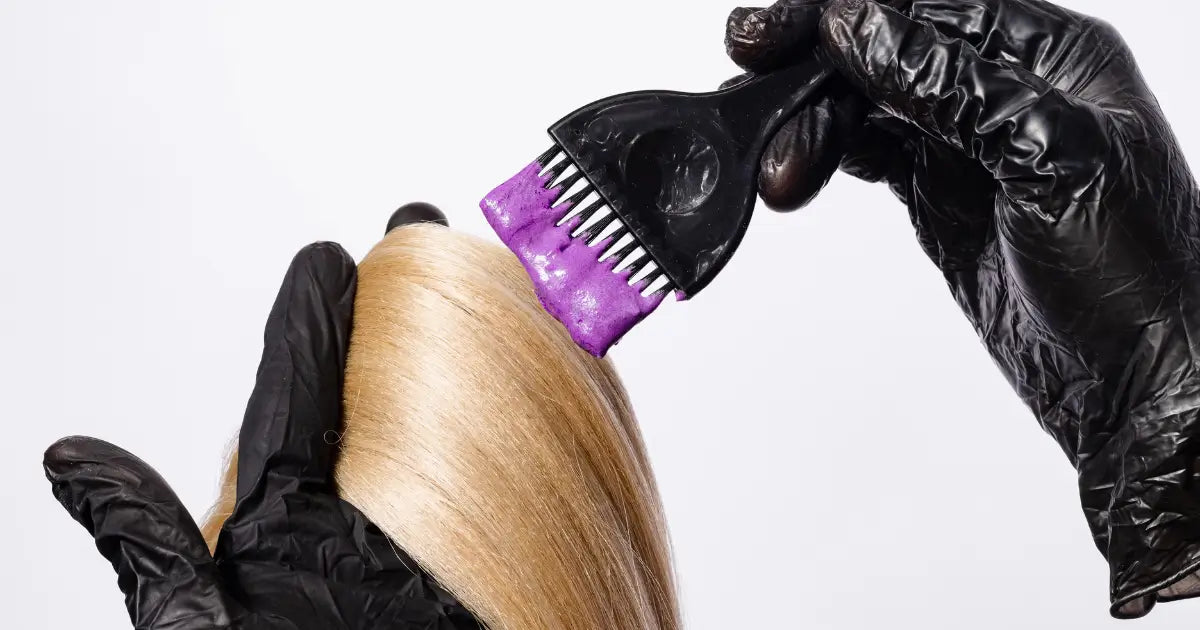
Can I Color My Hair After a Keratin Treatment?
If you’ve recently treated yourself to a smooth, sleek keratin treatment, you might be wondering, can I color my hair after a keratin treatment? Hair color is always an exciting option.
However, whether you want to go for a different color, cover your grey hair, or just refresh your existing color, timing is key after any chemical treatment, especially keratin. Keratin and hair dye can work well together, but it must be done correctly to avoid damage.
Let’s discuss what you need to know to keep your hair healthy and your keratin treatment’s results lasting as long as possible.
Can You Color Your Hair After a Keratin Treatment?
Yes, you can color your hair after a keratin treatment, but you need to wait. Most professional stylists recommend waiting at least two weeks after a keratin treatment before applying any hair dye. During that window, stick to a keratin safe shampoo and avoid harsh/clarifying formulas.
That waiting period gives your hair time to fully absorb the keratin, settle, and lock in the smoothing benefits. If you color your hair too soon, it can disrupt the keratin coating, making the treatment less effective and shortening how long it lasts.
Why Timing Matters After Keratin Treatments
Keratin treatments work by sealing a smoothing formula into your hair’s cuticle using heat. That outer cuticle layer becomes smoother, more sealed, and slightly more resistant to penetration—especially by hair dye.
If you apply color right after a keratin treatment, it may not deposit evenly, leaving you with patchy or dull results.
Beyond that, chemical treatments like keratin and hair dye both put stress on the hair. Doing them with time in between gives your strands a chance to recover, keeping them healthier in the long run.
What If You Color Your Hair Too Soon?
If you color your hair too soon after keratin, you might run into several problems. As mentioned earlier, the dye could struggle to penetrate the sealed cuticle, leading to uneven color or poor coverage.
In some cases, especially with permanent color, the chemicals in the dye could break down the keratin layer, causing frizz to return much sooner than expected.
Since chemically processed hair is more porous and fragile, layering color on top of fresh keratin increases the risk of dryness and breakage.
Should You Color Before or After a Keratin Treatment?
If you want to refresh your color and smooth your hair with keratin, the best option is to color first. Can I get a keratin treatment after coloring my hair? Absolutely!
In fact, coloring before a keratin treatment allows the smoothing formula to seal in your new color, helping it last longer and look more vibrant. The keratin also adds shine, enhancing the overall look of freshly colored hair.
However, if you’ve already had a keratin treatment and now want to color your hair, patience is key. Waiting two full weeks gives you the best chance at even, long-lasting color without compromising your keratin results.
Best Hair Color Types to Use After Keratin
Not all hair dyes behave the same way after keratin treatments. Semi-permanent and demi-permanent colors are gentler and often work better on keratin-treated hair than permanent dyes.
Permanent dyes contain stronger chemicals like ammonia and peroxide. These gentler options still provide rich color while minimizing the risk of damage or keratin loss.
If you’re going for a major color change, such as going from dark to blonde or adding highlights, it’s even more important to wait the full two weeks (or longer). It’s also best to work with a professional colorist experienced in keratin treatment on colored hair.
How to Protect Keratin-Treated Hair When Coloring
Once you’re ready to color, there are a few steps you can take to protect your smooth, frizz-free finish:
-
Use an ammonia-free dye if possible. Ammonia can be harsh on chemically treated hair.
-
Ask your stylist to use a low-volume developer to minimize stress on the hair cuticle.
-
Use sulfate-free shampoo and conditioner to keep the keratin layer intact and your color vibrant.
-
Use a deep conditioning mask a week after coloring to restore moisture and keep your hair soft.
What About Highlights or Balayage After Keratin?
If you’re thinking about highlights, balayage, or other techniques that involve lightening, extra care is needed. Bleaching opens the cuticle and can weaken the keratin layer.
For best results, get highlights before your keratin treatment. If you must do them after, wait at least three weeks and always follow up with deep conditioning to replenish lost moisture.
Signs Your Hair Needs a Break Between Treatments
If your hair already feels dry, brittle, or over-processed, adding more chemicals—whether color or keratin—can push it too far. Signs your hair needs a break before coloring include:
-
Excessive shedding or breakage
-
Lifeless strands that won’t hold style
-
Hair that feels sticky or gummy when wet
In these cases, hold off on coloring and focus on rebuilding strength with protein treatments and hydrating masks before any additional chemical processes.
How Long Should You Wait Before Coloring Keratin-Treated Hair?
To recap, here’s a simple timeline:
-
Ideally, color before a keratin treatment.
-
If you already did keratin, wait at least two weeks for color.
-
For highlights, balayage, or bleaching, wait at least three weeks.
-
If your hair feels weak or damaged, give it more time and focus on repair before coloring.
Can You Color Hair After Keratin Treatment at Home?
Yes, but proceed with caution. Many at-home dyes, particularly box dyes, contain high levels of ammonia and other harsh chemicals. These can weaken the keratin coating, leaving your hair frizzier than before.
If you’re set on coloring at home, choose a semi-permanent dye designed for color-treated or chemically processed hair, and avoid anything that claims to lighten or lift color.
Conclusion
A keratin treatment on colored hair can work beautifully if you time it right. Whether you want to refresh your current shade or try something new, the key is to give your hair breathing room between treatments.
If you are in doubt, work with a stylist who knows how to handle chemically treated hair to keep it healthy, vibrant, and smooth for the long haul.
By following these simple guidelines, you can enjoy the best of both worlds—gorgeous color and frizz-free, silky hair.